Samsung

See All Stories

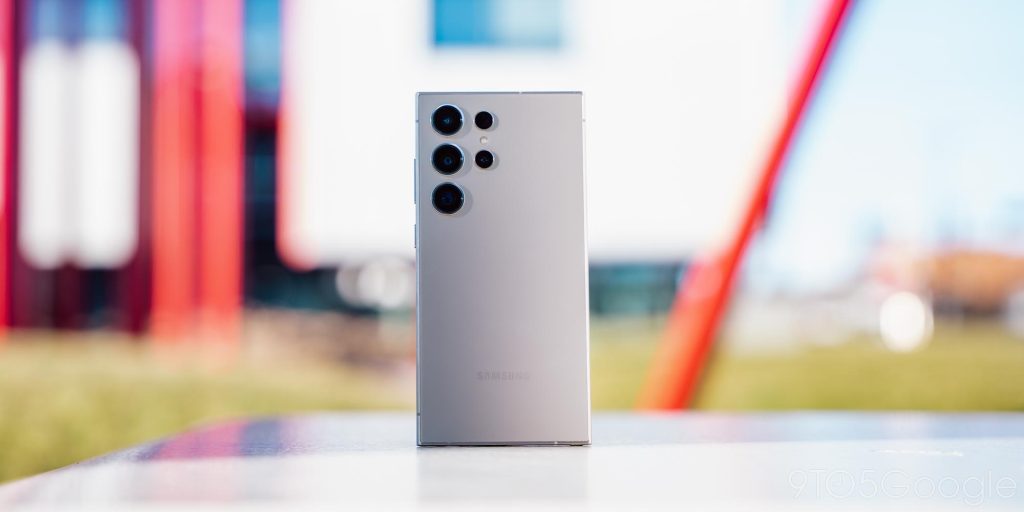
Samsung is a technology conglomerate based out of South Korea that makes some of the world's most popular smartphones.
Samsung R&D logo

Samsung is a technology conglomerate based out of South Korea that is responsible for some of the most popular smartphones in the world, including the Galaxy S and Galaxy A series devices. Beyond smartphones, Samsung also manufactures and sells laptops, wearables, home appliances, and more.

The company was founded in 1938 as a trading company dealing with local produce, fish, noodles, and more. It wasn’t until the 1960s that Samsung entered the electronics business with its first product, a black and white television. In the 1990s, the company expanded its electronics efforts by producing displays and chips for processing and storage, core components of the business today. In the 2000s, the company established itself as a big player in cell phones, which later evolved into the Samsung Galaxy smartphone lineup.

Off the back of successful feature phones, Samsung quickly became a dominant player in the smartphone industry. The original Galaxy device was launched in 2009, which ran Android 1.5 “Cupcake” out of the box. Just a year later, the “Galaxy S” brand made its debut, selling 24 million units of its original model and 40 million of its sequel. The Galaxy S III was its first massive hit, though, selling 70 million devices starting in 2012. The success of that mainstream flagship propelled Samsung to be a major player in the premium smartphone market.

The latest Samsung flagships include the Galaxy S24 series, as well as foldable smartphones such as Galaxy Z Fold 5 and Flip 5.

The flagship market is only a fraction of the company’s total smartphone sales. It’s actually more affordable devices such as the Galaxy A series that really earn Samsung its spot in the industry. The Galaxy A series has produced some of the best-selling Android smartphones in the world for the past few years, for instance, with the Galaxy A50 and Galaxy A51 both topping the charts in their respective release windows.

To say Samsung’s smartphones have been influential is an understatement, as the brand has produced some of the biggest trends in the industry. Most memorable is the rise of large-screen smartphones. In 2011, just two years into the rise of its Android-based Galaxy line, Samsung debuted the original Galaxy Note, which was ridiculed for its large 5.3-inch display. The phone went on to sell 10 million units and spawn nine popular sequels leading up to the Galaxy Note 20 series in 2020. In 2016, Samsung famously released the Galaxy Note 7, which was recalled due to batteries that were bursting and catching fire. The phone was discontinued, and fans ultimately had to wait until the Note 8 was released a year later. In 2021, Samsung reportedly canceled its Galaxy Note 21 series due to the ongoing chip shortage, and the best of the Note has now been merged into the ongoing Galaxy S “Ultra” release.
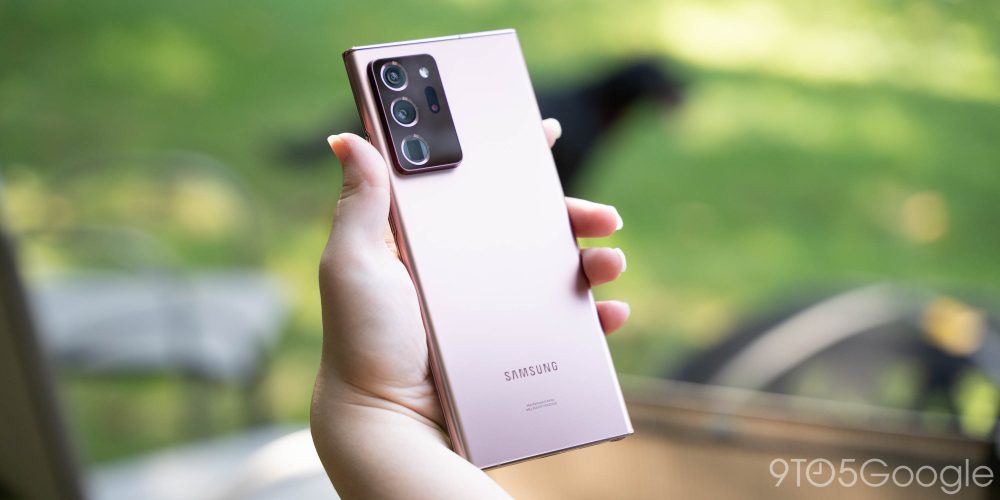
samsung galaxy note 20 ultra

In 2019, Samsung announced its first foldable smartphone in the Galaxy Fold. The book-style foldable had high-end specs and an inner display that was far larger than what could traditionally fit in a pocket, but its launch was met with negativity as several early reviewers faced major issues with the inner display. The company opted to cancel the launch and redesign the product, relaunching it months later with several solutions. In 2020, the Galaxy Z Flip debuted with much better reception and solutions for problems that plagued the Fold, though with a new flip-phone style design. The Galaxy Z Fold 2 took those same ideas and applied them to the original design while improving the displays both inside and out.

Samsung has continued to build on this form factor each year, often with big improvements, including water resistance, better hinges, upgraded cameras, and more.
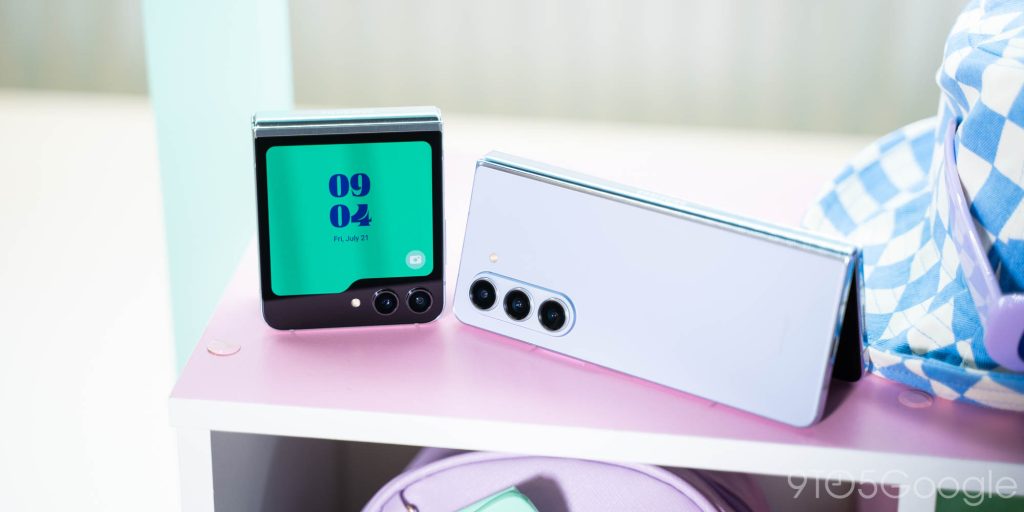
samsung galaxy z foldables 2023

What other products does Samsung sell?

Beyond its extremely successful smartphones, Samsung sells a plethora of other products. There are TVs, home appliances, and more. The company also products and sells electrical components, AMOLED displays, and more to other companies.

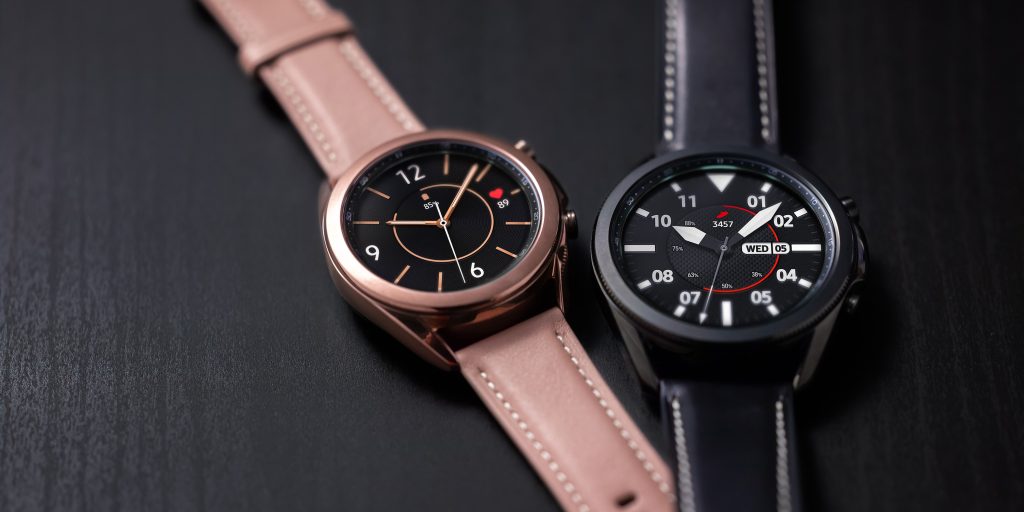
Relating closely to its smartphones, though, are Samsung’s tablets, laptops, and smartwatches. Android tablets are fairly rare on the market, but the Galaxy Tab series has stuck around as an affordable option as well as a flagship one, the latter usually including support for DeX. The company also products laptops using both Microsoft’s Windows 10 and Google’s Chrome OS, the former linking to Galaxy phones using the “Your Phone” integration that is deeply built into One UI. Finally, the Galaxy Watch lineup has been one of the best options for an Android-compatible smartwatch, and each model pairs best with a Galaxy smartphone.

Check out our up-to-date coverage of everything Samsung below.

Site default logo image

Report: LG takes 2nd place from Apple in US handset market during December

The iPhone may have recently captured a record 53 percent of the U.S. smartphone market. However, when it comes to its steady second place position in the U.S. handset market (smartphones and feature phones combined), a new report claimed LG bumped Apple to third position during December on strong sales of its Optimus G.

Yonhap News covered the report from Hong Kong-based Counterpoint Research, which said on Sunday that LG captured 13 percent of the U.S. market last month, bumping Apple to third place for the first time since the launch of the iPhone 4S. Apple recorded 12 percent of the market, which puts both Apple and LG well behind leader Samsung at 33 percent. LG recently announced sales of 1 million units for the Optimus G worldwide, but it’s unclear if the LG-made Nexus 4 from Google was a significant contributor to the company’s rise during December.

LG Electronics had maintained the runner-up position until the third-quarter of 2011 but fell to third place after Apple’s iPhone 4S hit the market… Market insiders attributed LG Electronics’ sales growth to the popularity of its latest Optimus G handset, with over 1 million units sold across North America.

(via TNW)

Handwriting recognition company Vision Objects announces deal with Samsung for Galaxy Note apps

Site default logo image

Vision Objects, a company that provides handwriting recognition and digital ink technologies for various platforms, today announced a deal with Samsung to develop apps for the Galaxy Note line of devices. According to the company’s press release (below), Samsung has already integrated the technology into the input panel and S Note personal note-taker app in the Galaxy Note, Note II, and Note 10.1.

“Our partnership with Samsung is a great step forward in showing the industry that smartphones and tablets can be used for content creation and not solely for media consumption,” said Stefan Knerr, Founder and CEO of Vision Objects. “The tablet market is driven by mobility needs – but until now tablets have been used to access information, not create it. With our handwriting recognition and the S Pen, people can now expect a lot more from their device for uses such as note taking in meetings and lectures, writing messages, ideation and brainstorming, data capture in enterprises, document annotation, easily entering mathematical expressions, educational games and more.”

The company makes a number of apps for the desktop, Android, and iOS, but today it is updating its MyScript Notes Mobile iOS app with functionality similar to the smart note taking on Galaxy Note. The full press release from Vision Objects is below:


Expand
Expanding
Close

Site default logo image

Samsung & Apple take half of global smartphone market, Android & iOS hit 80 percent

Research firm Gartner released its numbers today for “Worldwide Mobile Device Sales” during Q1 2012. There are not many surprises in the report when it comes to Apple, but Gartner estimated Samsung sold 38 smartphones during the quarter, which is less than the 42.2 million estimated by IDC earlier this month and more than the 32 million by IHS iSuppli. With Apple confirming 35.1 million iPhones sold during the quarter, Gartner’s numbers put Samsung as the both the No. 1 smartphone and overall mobile device vendor. The report also noted Samsung and Apple together accounted for 49.3-percent of the global smartphone sales, which is up from just 29.3 percent in Q1 of last year:

“The continued roll-out of third generation (3G)-based smartphones by local and regional manufacturers such as Huawei, ZTE, Lenovo, Yulong and TCL Communication should help spur demand in China. In addition, the arrival of new products in mature markets based on new versions of the Android and Windows Phone operating systems (OSs), and the launch of the Apple iPhone 5 will help drive a stronger second half in Western Europe and North America. However, as we are starting to update our market forecast we feel a downward adjustment to our 2012 figures, in the range of 20 million units, is unavoidable.”

On the platform side, Gartner’s report estimated both Android and iOS accounted for 79 percent of global smartphone sales—up from just 53.3-percent in Q1 2011. Of that 80 percent, Android grabbed 56.1-percent, which is slightly higher than the 51 percent of the United States market, according to estimates from comScore earlier this month. Apple took in the remaining 22.9-percent, which is less than the 30.7-percent comScore estimated for the U.S. market:

Gartner analysts said the smartphone market has become highly commoditized and differentiation is becoming a challenge for manufacturers. “At the high end, hardware features coupled with applications and services are helping differentiation, but this is restricted to major players with intellectual property assets. However, in the mid to low-end segment, price is increasingly becoming the sole differentiator. This will only worsen with the entry of new players and the dominance of Chinese manufacturers, leading to increased competition, low profitability and scattered market share.”

More Galaxy Nexus pictures surface on the web

Site default logo image

Today, we have found a few pictures taken by the upcoming Galaxy Nexus on Picasa. We’ve matched the EXIF data of both images with each other, and then with past leaks which seem to indicate that this is the Galaxy Nexus. The Galaxy Nexus’ camera has a resolution of 1944×2592 pixels, and matches the photos leaked a couple weeks ago of an Apple Store. Note, that the EXIF data of both images called this device the Galaxy Nexus, not the Nexus Prime.

The first image, as seen after the break, was posted by Picasa user Sammy Fte (Samsung FTE?). The EXIF data of the image matched perfectly and actually looks like a nice picture if you ask us. The resolution was only 1944×2595, only sizing in at about 5MP, a low megapixel camera in comparison to the 8MP camera seen in Samsung’s Galaxy S II and there may be a reason for this. A previous photo found with Galaxy Nexus EXIF data on Picasa had the same 5MP quality and it led us to believe that the camera is the same.  We believe that this certain Picasa user is an employee of Samsung thanks to the name and other photos posted on the account.

As you can see after the break..

Expand
Expanding
Close

Nexus Prime said to arrive in UK, Japan’s NTT DoCoMo next month

Site default logo image

We’re but a day away from Google’s and Samsung’s major Hong Kong event meant to serve as a launchpad for the Nexus Prime, the first handset to feature Android 4.0 nicknamed Ice Cream Sandwich. Guardian reports that the handset is “expected to be released in the UK within the next four weeks, in time for Christmas”, without naming a source for their claim. Meanwhile, Japanese carrier NTT DoCoMo wrote on Twitter that the Nexus Prime will land in Japan around November, boasting about it being “among the fastest” devices on the market.

An unlocked version of the phone is already showing up at third-party resellers, priced at about $750. The features allegedly include a powerful 1.2GHz dual-core processor, native 720p display, eight-megapixel camera on the back with 1080p video capture, support for NFC and more.

Google pushed back the Nexus Prime launch originally scheduled for Monday last week out of respect for Steve Jobs. Coincidentally, the new October 19 date collides with a celebration of Steve Jobs’ life due tomorrow in the outdoor amphitheater of Apple’s Infinite Loop campus in Cupertino. Apple will even close its brick-and-mortar stores for an hour so employees can watch the ceremony.


Expand
Expanding
Close