Author

Avatar for 9to5 Staff

9to5 Staff

Google addresses Android OS platform fragmentation

Site default logo image

(Cross-posted from 9to5Mac.com)

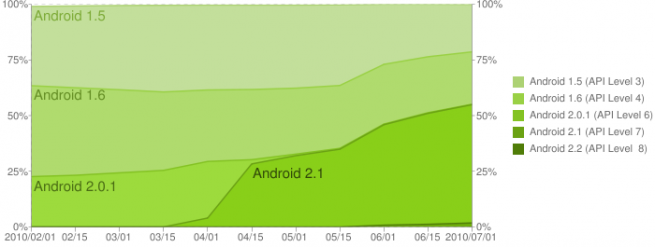
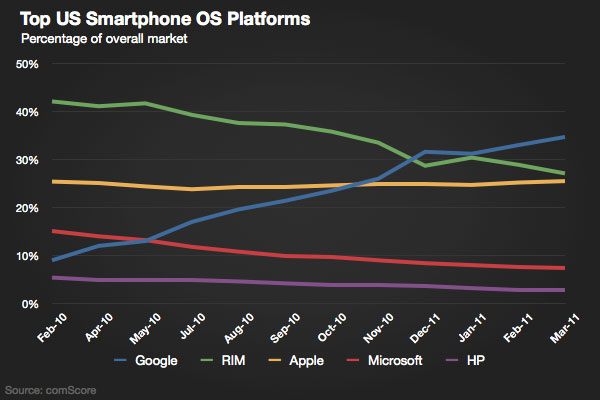
As if a bunch of Android operating system versions weren’t enough, the snail pace at which carriers roll out OS updates to existing devices is spoiling the joy for many Android fans. Apple on the other hand pushes out updates via iTunes, not through carriers, and it controls the user experience, meaning the can update all devices at once because no carrier is allowed to customize the code, which adds up to the OS fragmentation.

Google now says it will work with a handful of cherry-picked partners to ensure customers receive timely Android updates during a certain period of time. The list of partners includes carriers Verizon Wireless, AT&T and Vodafone and handset makers Samsung, HTC, Sprint, LG, T-Mobile, Motorola and  Sony Ericsson. Folks who buy new smartphones from any of these vendors will receive Android platform updates for eighteen months, or a year and half, after the first launch, “if hardware allows”, Google said.


Expand
Expanding
Close

Android Ice Cream Sandwich: Movies app, virtual camera operator and more

Site default logo image

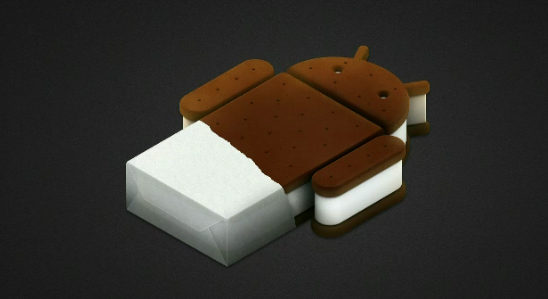
The next Android release this year will be code-named Ice Cream Sandwich. Available by the fourth quarter of this year, its main goal is to bring a unified set of features to all devices. It’s Google’s attempt to solve the OS fragmentation issue. The company shared little details, but did note that the software will support standard USB peripherals, enabling any Ice Cream Sandwich-compliant device to work out-of-the-box with the stuff like keyboards, mice, trackpads, joysticks, game controllers and more.

Android Icecream Sandwich users will also enjoy all Honeycomb 3.1 enhancements, like holographics UI, multitasking UI, richer widgets and more. The new code will be available on an open-source basis, Google said. Another cool feature is virtual camera operator that can determine who is speaking to automatically zoom in on the right person in video chats. Ice Cream Sandwich will also ship with the new movies app designed for downloading and watching movie rentals from Android Market.

You can either stream or download movies to the device, with standard 24-hour viewing window and 30-day rental period. The Movies app will be part of the next Honeeycomb 3.1 software update, available now to Motorola Xoom 3G users via Verizon Wireless and on other tablets soon. The app will also roll out to Anroid 2.2 devices in the next couple of weeks, Google said.


Expand
Expanding
Close

Google: 100 million Android activations

Site default logo image

From Google I/O 2011. A hundred million Android activations since Android’s debut. For comparison, Steve Jobs said at the iPad 2 unveiling in February that Apple sold the same amount of iPhones since the July 2007 launch. By last August there were 200,000 Android activations per day. In December, they exceeded 300,000 devices per day. Over 400,000 Android devices are now being activated every single day. Android Market has over 200,000 apps, half the App Store’s 400,000 count.

It took the Android ecosystem nine months to hit the first billion app download and five months for the second. They added one billion downloads in the last 60 days. There are 4,5 billion application installs from Android Market to date. Android today has more than 310 devices carried in more than 120 countries.


Expand
Expanding
Close

Google I/O keynote begins, tune in to live stream now

Site default logo image

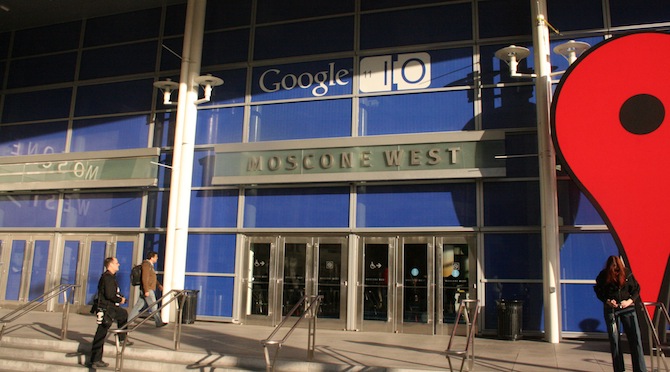
Google’s annual pilgrimage for developers at San Francisco’s Moscone West Convention Center has just begun with a keynote at 9am Pacific Time. If you aren’t among the lucky few that managed to book tickets online (they sold out in 59 minutes), chances are you’ll be keeping tabs on key announcements from your home or work. We’re living in the age of video so why not watch the keynote instead read about it?

Plus, for the first time in Google I/O history, you’ll be able to join us throughout the two days at I/O Live. We’ll live stream the two keynote presentations, two full days of Android and Chrome technical sessions, and the After Hours party. Recorded videos from all sessions across eight product tracks will be available within 24 hours after the conference.

Tuning in couldn’t be easier. Read on…


Expand
Expanding
Close

Boom, Google's iTunes killer goes live (invite only)

Site default logo image

(Cross-posted from 9to5Mac.com)

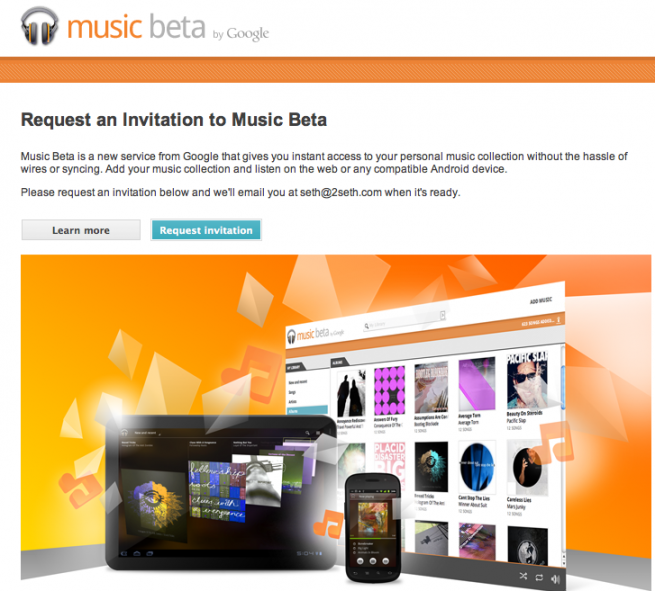
As we await for the Google I/O 2011 keynote to begin, the search giant’s long-rumored iTunes competitor dubbed Google Music has just went live. It’s an invite-only affair at the moment but we have no doubt it’ll roll out to some or all US users following the upcoming announcement. It’s unlikely that the service at this stage will be immediately available to everyone in the world due to complex licensing terms.

It’s a digital locker in the cloud that lets you access your music via the web and on Android devices (they don’t mention anything about iOS gadgets).

Music Beta is a new service from Google that gives you instant access to your personal music collection without the hassle of wires or syncing. Add your music collection and listen on the web or any compatible Android device.


Expand
Expanding
Close

Is Japan's smartphone Android/iOS duopoly a sign of things to come?

Site default logo image

(Cross-posted from 9to5Mac.com)

A pattern is emerging in smartphones. Think about it, the same scenario has been playing out over and over in every territory where Google and Apple battle for supremacy. Apple first wows the market with its iPhone. Then, Google brute forces its way into the game and eventually takes the lead thanks to countless Android handsets in all shapes, sizes and price points, carried by virtually all wireless operators. Japan, however, is an indication of a new pattern that has iOS and Android forming a duopoly that squeezes out entrenched players, upping the barrier to entry.

In the latest survey of the Japanese market by MMI Research Institute reported by Bloomberg Businessweek, Android posted an incredible 2,000 percent year-over-year growth, capturing 57 percent of the country’s 2010 smartphone market versus 38 percent for Apple’s handset (as big as anywhere) – a notable decline for the iPhone’s 72 percent share from a year earlier and also a catastrophic loss for other platforms.

Shipments of Android phones rose to 4.91 million units in the year ended March 31, Tokyo-based MM Research said in a statement today. That compares with sales of 250,000 units, or 11 percent of the market, a year earlier when devices running Google’s software started to be widely available in Japan.

Apple shipped 3.23 million iPhones in the country in the last fiscal year, all sold excursively via Softbank. The combined 57 percent share for Android plus 38 percent for iPhone leaves little room for Nokia and BlackBerry maker Research In Motion. Both brands have been reduced to the Others category with a minuscule five percent market share. Is this a sign of things to come? Read on…


Expand
Expanding
Close

3,000 Hollywood movies heading to YouTube

Site default logo image

The YouTube team announced via a blog post that American users will be able to rent three thousand movie titles on the popular video sharing site, paying via the Google Checkout billing system. Like on iTunes, some releases will come with additional content such as movie reviews, extras and other goodies. The team also shared a couple of eyebrow-raising stats concerning service metrics.

We’re spending 15 minutes a day watching YouTube clips to the tune of two billion views a day. For comparison, average users spend five hours a day watching the old-school tube, but Google thinks “that’s going to change”. More impressive than this is the fact that YouTube is now available on 350 million devices.


Expand
Expanding
Close

Set your alarm: Google I/O 2011 kicks off tomorrow

Site default logo image

Google’s annual developer conference is due tomorrow, May 9, 2001 in San Francisco at 9am Pacific Time. In the run-up to the event the company has created a nice web-based timer clock at the official conference site, sporting a cool dot-matrix display that counts down the remaining hours, minutes and seconds until the event. With each passing second the passing numbers fall apart into dozes of dots that bounce off the screen bottom – that’s the power of HTML5 for  you.

Expect a host of product announcement and new features at this year’s conference which, by Google’s own words, will be focused on Android and Chrome. We’ll be keeping a close eye on pricing and availability of first Chrome OS notebooks. Developers are probably keeping their fingers crossed for a glimpse of what’s in store for the next Android operating system update.


Expand
Expanding
Close

Google to build new 600,000 square feet dream office for Nooglers near Shoreline Boulevard

Site default logo image


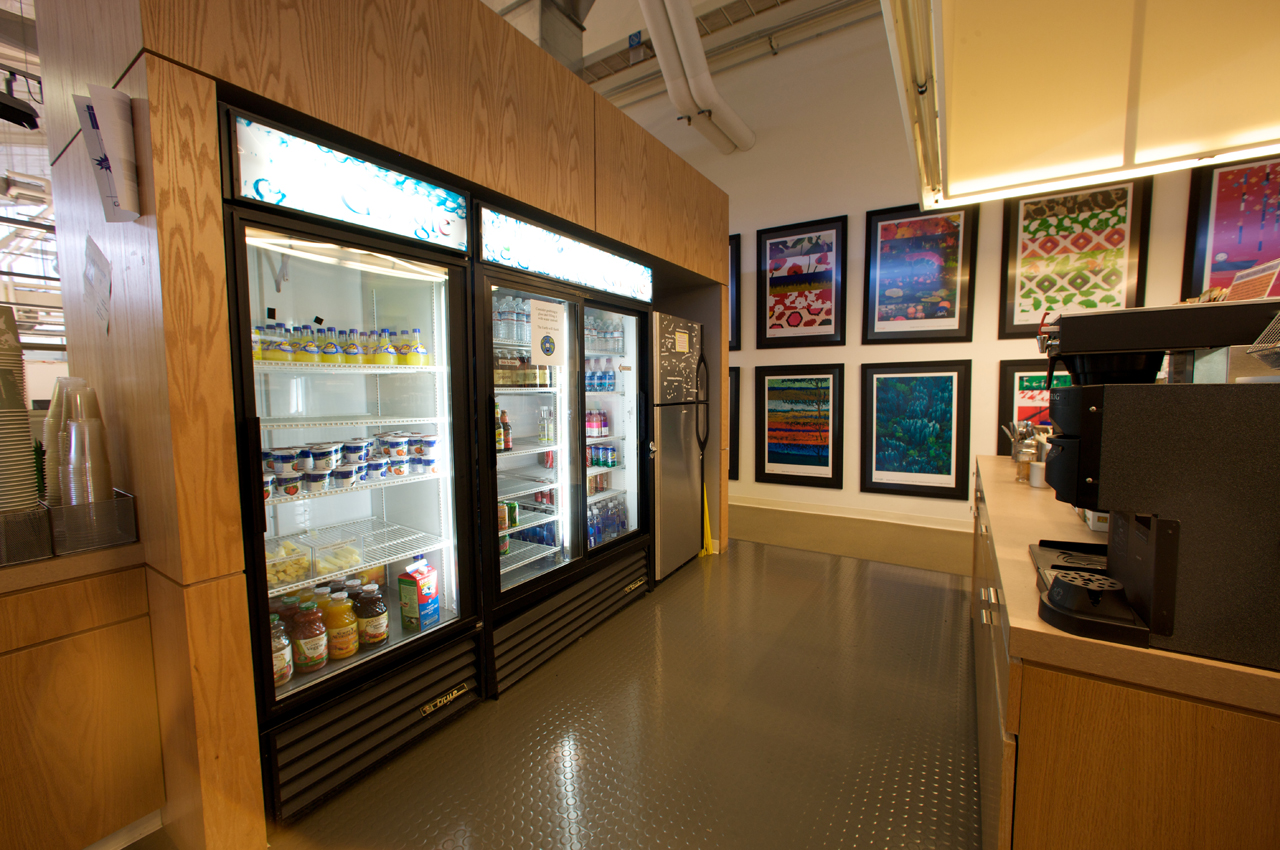
A microkitchen inside Google’s corporate headquarters in Mountain View, California.

Google, which employs 26,000 people, will hire more new employees this year than ever before. It doesn’t come as a surprise then that the company is about to build its own office space, something they have never done before. According to MercuryNews.com, the company will spare no expenses to build a 600,000 square feet of office space for its rookie employees affectionately called Nooglers. This compares to the 4.3 million square feet in total for their Mountain View headquarters, with 65 buildings stretching along more than a mile of Charleston Road. It’ll be custom build from the ground up and Google will employ some cutting-edge green designs, too….


Expand
Expanding
Close

Samsung hits the ground running with three million Galaxy S II pre-orders

Site default logo image

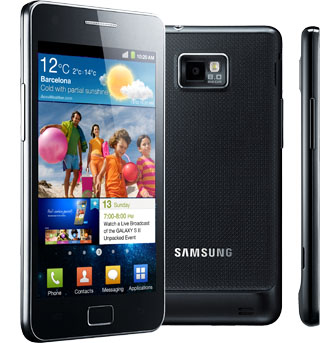
According to many, Samsung Galaxy S II is the best mainstream Android phone currently available on the market. It appears the company has a hit on their hands as Electronista reports they sold an astounding three million pre-orders around the world as of Sunday night. The figure puts Samsung on track to beat its own goal of ten million Galaxy S II units in 2011. The dual-core phone sold about 120,000 units in the first few days of availability in South Korea. The Galaxy S II features a monstrous 4.3-inch display with the latest Super AMOLED Plus display technology.


Expand
Expanding
Close

Google Earth makes its debut on Android tablets

Site default logo image

Google has optimized the Google Earth service for Android Honeycomb-driven tablets, tailoring the user experience and features to a larger canvas compared to that of smartphones. “It makes Earth look better than ever on your tablet”, Google said. “It’s like moving to IMAX”, product manager Peter Birch joked in a blog post.

Moving from a mobile phone to a tablet was like going from a regular movie theatre to IMAX. We took advantage of the larger screen size, including features like content pop-ups appearing within Earth view, so you can see more information without switching back and forth between pages.

Features include a handy action bar that provides quick access to commonly used functions including flying to a location and navigating to various places of interest. Visually, the web app will take advantage of 3D-accelerated chips powering the latest Android tablets like the Motorola Xoom and Samsung Galaxy Tab…


Expand
Expanding
Close

Google rolls out Business Photos: Peek inside buildings with Google Maps

Site default logo image

[youtube=http://www.youtube.com/watch?v=opB1nlkWw2c&w=670&h=411]

Google has upped the ante in the mapping department with a Google Maps enhancement that lets you see high-resolution interior shots of local businesses in the 360-degree freedom. Business Photos for Google Maps, as it is called, was unveiled Thursday at the Social-Loco conference in San Francisco by Marissa Mayer, Google’s top dog for consumer products.

Google plans to crowd-source the 360-degree panoramas from business owners who will be able to submit interior shots of their restaurant or a bar to Google’s servers that will stitch them together in a panorama view of the place. Google didn’t stop there. The company said business owners can invite Google photographers into their establishments to take high-quality shots of their place.

The search monster will roll out Business Photos next week to users in the US, Canada, New Zealand and Australia. More countries are to follow in the following month.


Expand
Expanding
Close

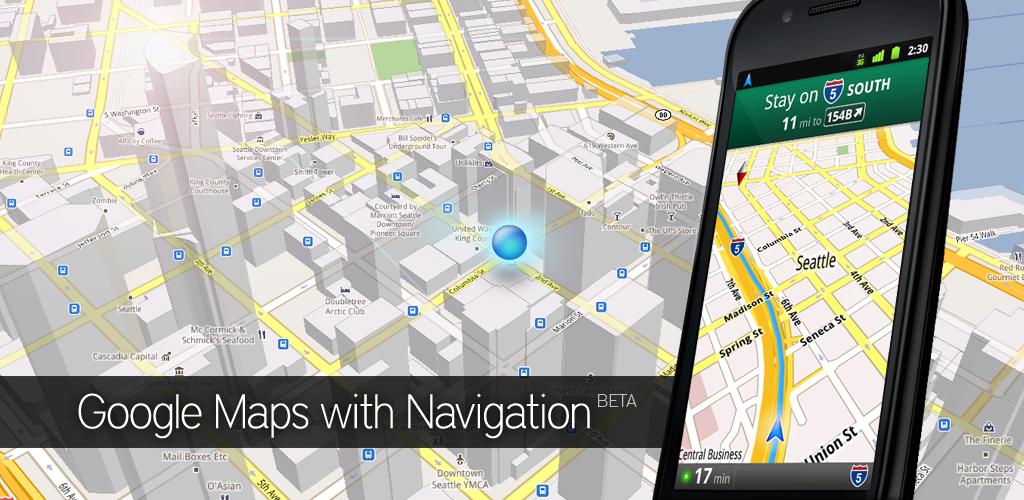
Google Maps for Android now saves search queries, lets you report wrong addresses

Site default logo image

If you’re unhappy with the underlying information of a business or destination listed in Google Maps for Android, you can now tell Google they’ve got the address wrong – hopefully for future consideration and eventual corrections. It’s the power of the crowd-sourced location data gathering that has gotten Google and Apple in trouble with lawmakers. Another nice-to-have: The app now saves every search query to the cloud so you can access it from another device. The two new features comes in the latest Google Maps for Android version 5.4.0 update.

Has Google gone too far pushing the envelope on privacy?

Site default logo image

We told you yesterday how South Korea police raided Google’s Seoul office on suspicion that its mobile advertising arm AdMob was collecting personal location information without consent or approval from the Korean Communication Commission. As the debate about location tracking intensifies, companies like Google and Apple find themselves at the center of the heated exchange involving various groups with vested interests, industry consortium, government regulators and policy makers. It’s easy to accuse Google over the supposedly unlawful practices. Our collective privacy is at stake amid a shift in our understanding of how far the government should go regulating how high tech companies use non-identifiable data collected anonymously from their users.

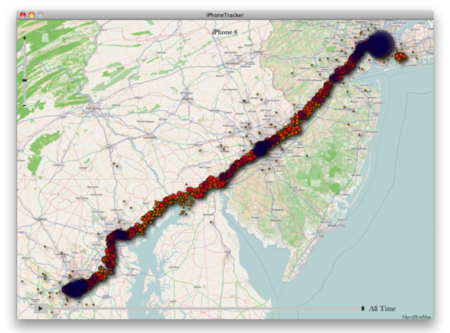
The problem with location tracking is that it’s an uncharted territory that existing, years-old privacy laws don’t regulate very well. Neither Google nor Apple are collecting this data for the heck of it. The iPhone maker has been crowd-sourcing data about nearby WiFi hotspots and cellular towers from millions of iPhones to help rapidly pinpoint users’ location and support new products, per the official Q&A on Location Data document.

In the case of Google, the leader in online advertising on desktop and mobile devices, location intelligence is needed to personalize mobile advertising in order to serve the adverts relevant to to the user’s location. The problem is, the practice doesn’t sit well with privacy advocates who cry foul and politicians who are looking to score points with voters by hunting down big corporations like Google and Apple. Plus, each country regulates privacy differently, causing nightmare for global operations like Google.

The Mountain View-based search monster also dropped the ball by unintentionally collecting anonymous WiFi hotspot data and passwords which bit them later in countries like the UK and Germany. On top of that, carriers are often required by law to track users and hand over those records at the police request. For example, Verizon Wireless holds onto your location data and other info for seven years. The line needs to be drawn somewhere and it remains to be seen if the lobbyist employed by Google and Apple can use loopholes in existing privacy laws and cheer up the government of South Korea and other countries.

"The Soviet ministries" force Google to nix Android tethering

Site default logo image

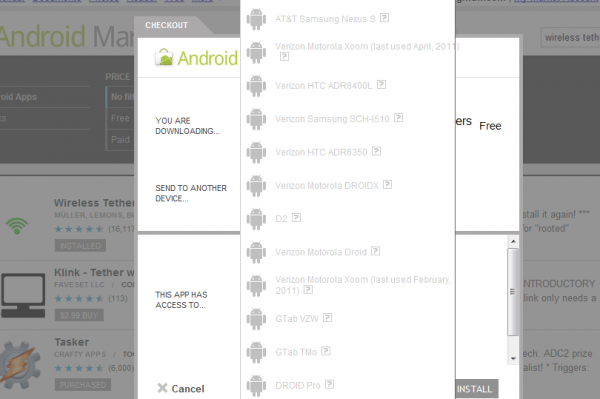
Bad news for data-hungry Android fans. According to DroidLife, carriers are pressuring Google to selectively block third-party apps which enable tethering on Android devices. Worse, they seem to be succeeding at it, too. This change in stance affects the many tethering programs on Android Market such as Wireless Tether. The site did a little digging to discover that even though browser-based Android Market lists tethering apps, they cannot be installed on the devices authorized on the Verizon network. Commenting on the above image, the site wrote:

What you are seeing, is my list of devices, all of which cannot accept this app.

Tethering apps allow consumers to use their cellphone’s 3G connection on a notebook. While cellular data consumed this way still counts against your monthly data allotment, such programs effectively avoid carrier-enforced tethering plan that cost between $30-$45 a month and upwards.

The news follows AT&T’s warning last week that unofficial tethering will automatically trigger the extra $25 fee. Meanwhile, This is my next reminded that selectively blocking software by carrier request is at stark contrast to Google’s proclaimed openness. The publication reminded that the last year’s auction for the C Block 700MHz spectrum that Verizon now uses for its LTE network came with the promise of open applications and handsets, saying Google pushed the bid past the $4.6 billion mark in an effort to ensure those licensing conditions would be in place.

Ah, the carriers – you gotta love those guys. The Wall Street Journal columnist Walt Mossberg once likened them “the Soviet ministries”, the definition which is still true today. No matter how you call them – the Soviet ministries, wireless operators, telcos or just carriers – they are at odds at all times with both handset makers and (especially) platform providers.

Google could be an extreme example because the company neither sells handsets nor the open-sourced Android operating system nor its many online services that are offered free of charge. Yup – you guessed right – Google’s in it for advertising and carriers are loving it provided they get a piece of the action, too.

South Korea police cracks down on Google over location tracking

Site default logo image

It didn’t take long for the iPhone location tracking issue to escalate and get blown out of proportion. The story spread like a wildfire as we learned that both Google and Apple were summoned for the May 10 Congressional hearing. That was just a warm up, though. Reuters reports that South Korea police is after the search giant, having raided their Seoul office on Tuesday.

The reason? AdMob, Google’s mobile advertising arm, was illegally collecting location data from Android users without their consent. That’s the official line the country’s authorities provided to Reuters.

The probe into suspected collection of data on where a user is located without consent highlights growing concerns about possible misuse of private information as the use of mobile devices such as smartphones and tablets increases.

A South Korean police official told the news gathering organization:

We suspect AdMob collected personal location information without consent or approval from the Korean Communication Commission.

A Google spokesperson confirmed the raid and said the company was co-operating with investigators. This latest development follows-up on the news that the governments of South Korea, France, Germany and Italy are considering probing Apple over the location data gathering fiasco.

Specs of first Chrome OS devices leak

Site default logo image

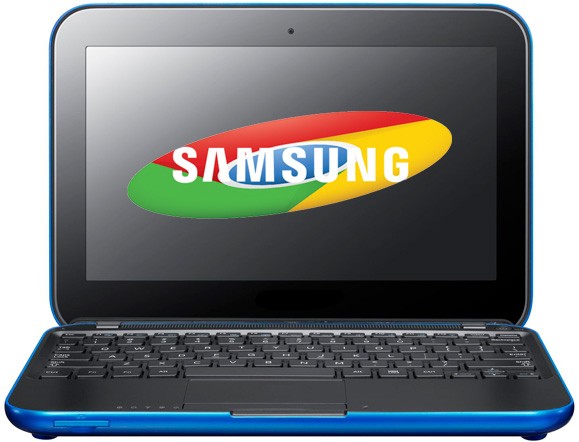
As first Chrome OS notebooks are about to hit the market, specs leak to the web pertaining to Chrome OS machines from Samsung and Acer plus a mysterious touch device. As expected, these forthcoming machines ditch hard drives in favor of presumably scarce solid state storage because pretty much everything sans the operating system code resides in the cloud.

Engadget detailed Samsung’s machine code-named “Alex” which is rumored to pack in a ten-inch display at 1280-by-800 pixel resolution, a Synaptics touchpad, a webcam, Bluetooth and a Qualcomm Gobi 2000 3G cellular connectivity. The outed processor is said to be of a 1.5GHz dual-core Atom N550 variety. Two gigabytes of RAM and a SanDisk solid state drive of unknown capacity were also spotted.


Expand
Expanding
Close

Leaked email reveals Google's reliance on Android handsets for WiFi location data

Site default logo image

Google may have blocked Android handset maker Motorola from using WiFi hotspot location data from Skyhook Wireless because it wanted to build a quality database of crowd-sourced location data, just as Apple’s been doing since iOS 4 was released, reveals an internal email correspondence leaked to The San Jose Mercury News. The email message reveals that Google CEO Larry Page asked for a clarification from Android chief Andy Rubin over the news that Motorola was planning on tapping Skyhook data to help their phones quickly determine geographical location. Steve Lee, Google’s location product manager, responded:

I cannot stress enough how important Google’s wifi location database is to our Android and mobile product strategy. We absolutely do care about this (decision by Motorola) because we need WiFi data collection in order to maintain and improve our WiFi location service.


Expand
Expanding
Close