ChromeOS


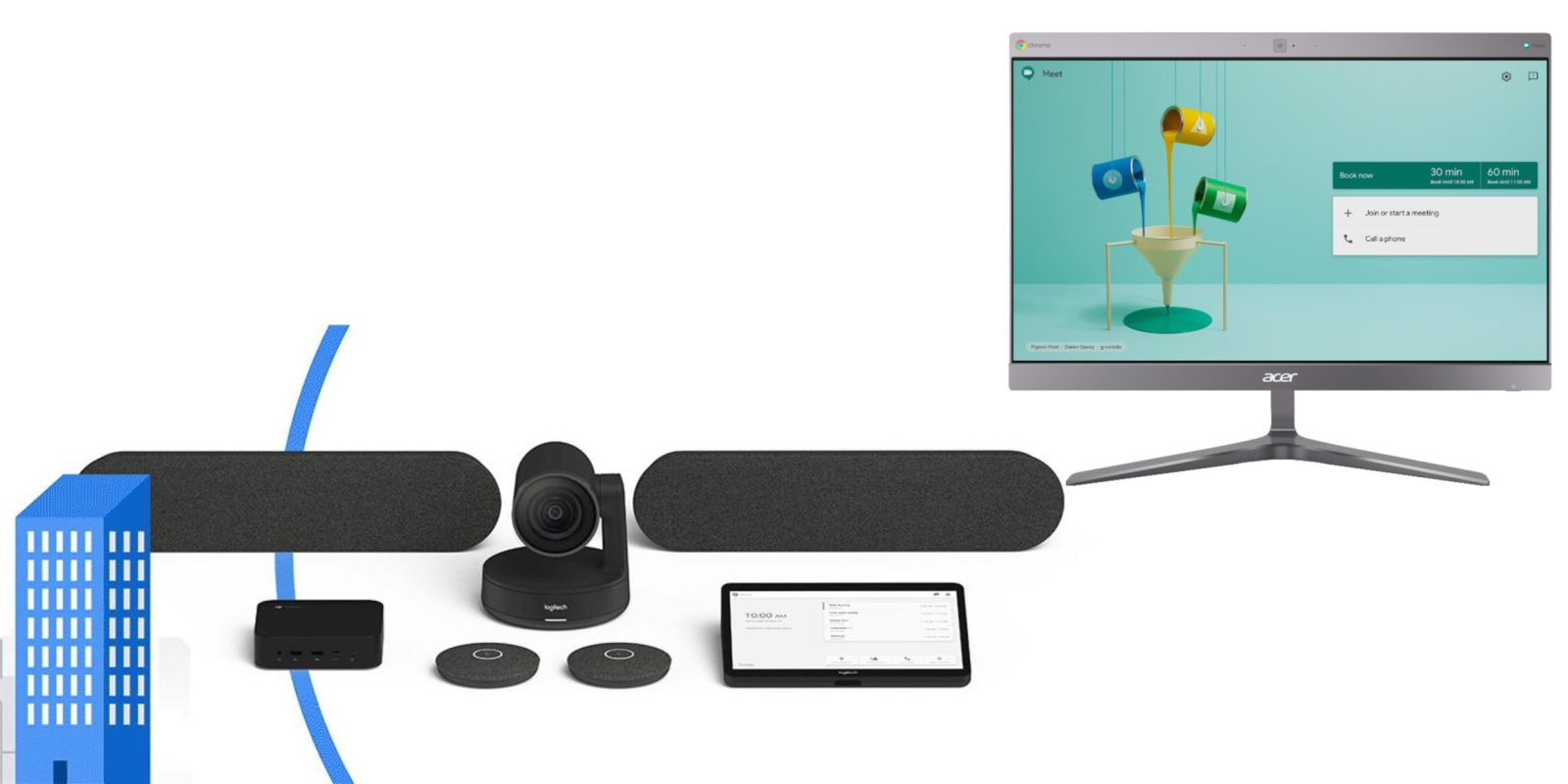
As we wait for consumer Googlebooks to launch, Google shared today that it is “transitioning [its] Google Meet hardware portfolio from ChromeOS to Android.”
Expand Expanding Close
Following yesterday’s Googlebook announcement, the company released a post aimed at existing enterprise and educational Chromebook users.
Expand Expanding Close
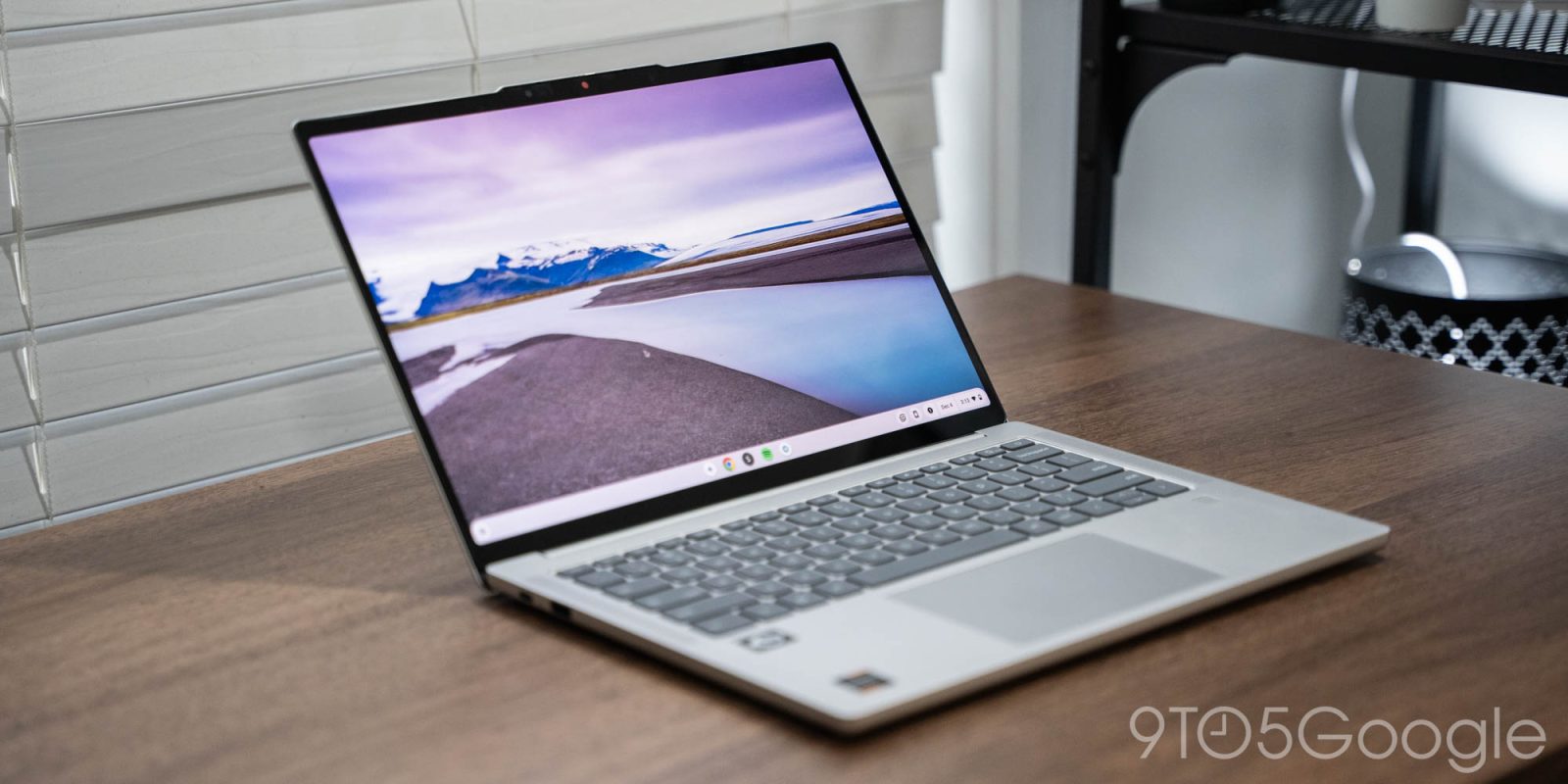
Chromebooks are in a sorry state, but it highlights a wider problem. Just what is happening with the desktop platform, and what is the future of Chrome OS?
Expand Expanding Close
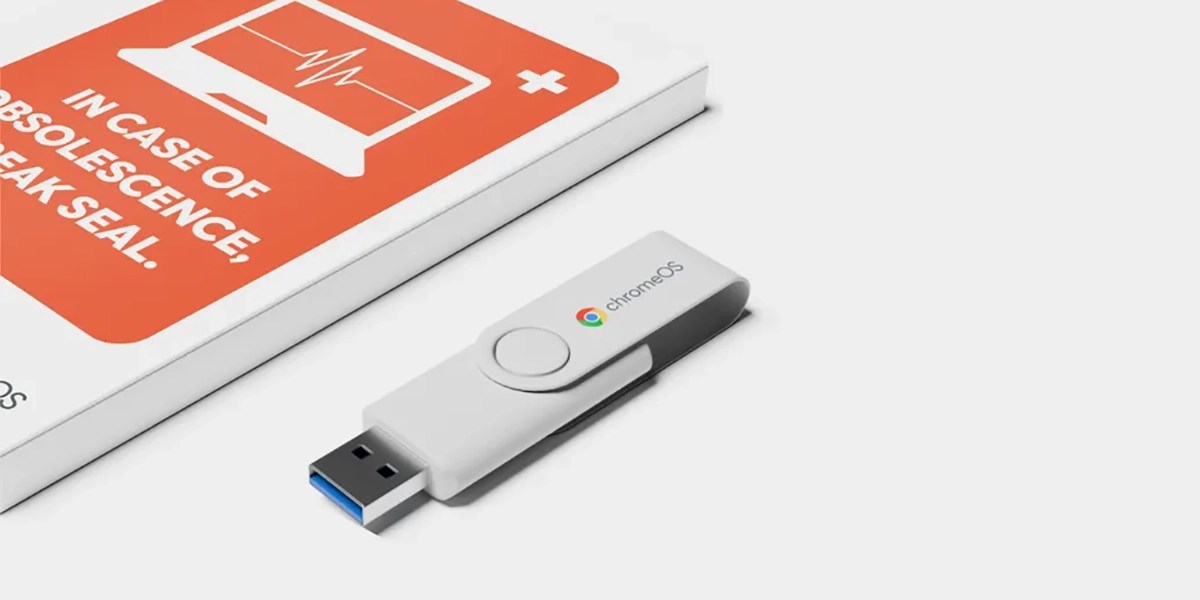
ChromeOS is a very lightweight operating system and, on top of being a solid option for low-end computers, it’s also a great way to breathe new life into an older laptop or computer. A new partnership with Google will make that process even easier with an inexpensive $3 USB stick that can inject outdated machines with ChromeOS.
Expand Expanding Close
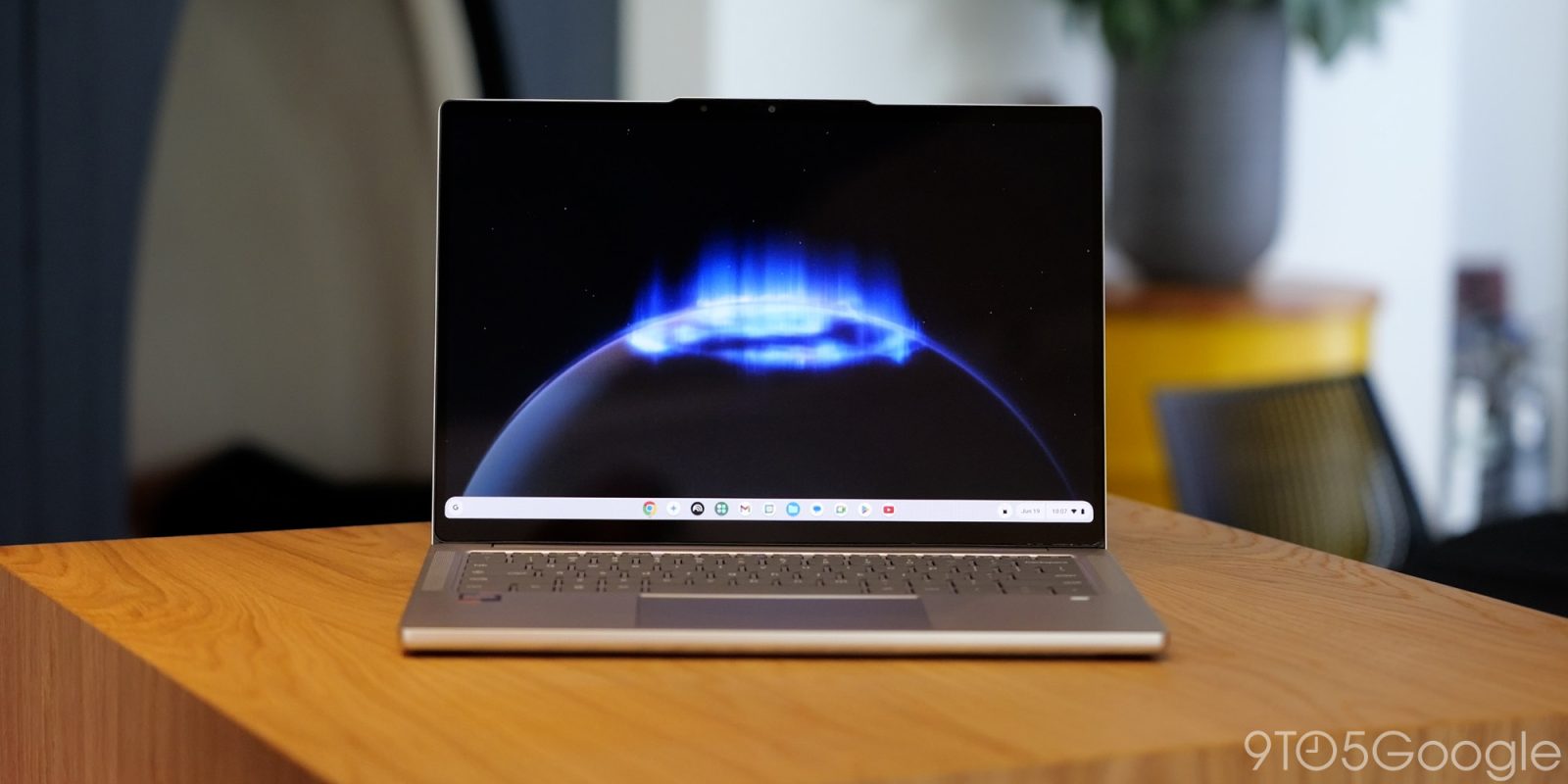
New findings in court documents shed a bit more light around Google’s plans for Android’s desktop UI, as well as its future plans for ChromeOS, and it might all take a bit longer than you were expecting.
Expand Expanding Close
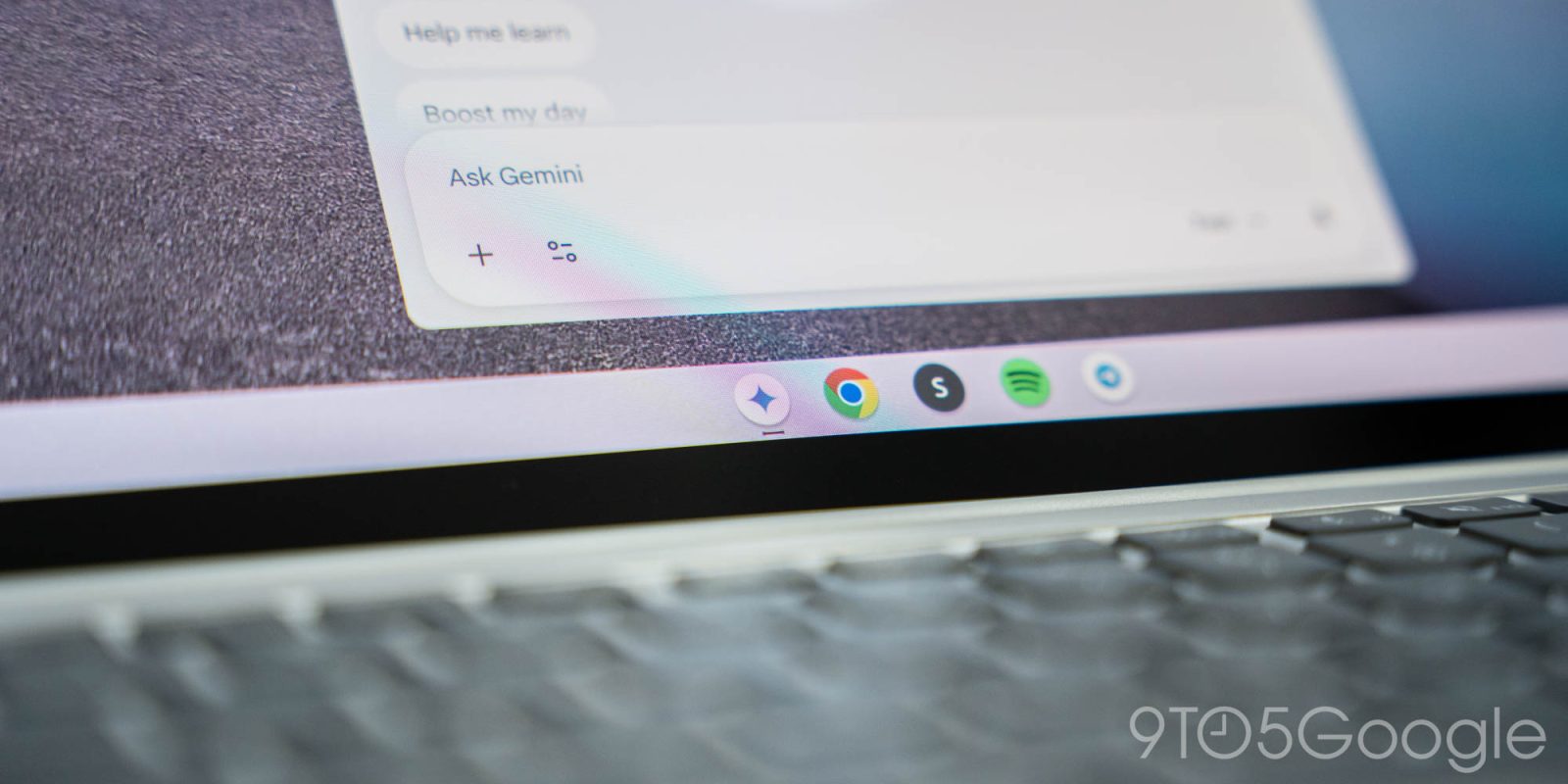
A few months after it landed on other platforms, “Gemini in Chrome” is finally starting to appear on ChromeOS.
Expand Expanding Close
The future of ChromeOS is a bit messy at the moment, with Google’s exact plans for the future of Chromebooks and a new Android base being somewhat of a mystery. In a new interview, though, a Google VP offers a bit of information around future support for ChromeOS as we know it today, as well as what owners can expect in regards to whether or not they’ll be able upgrade.
Expand Expanding Close
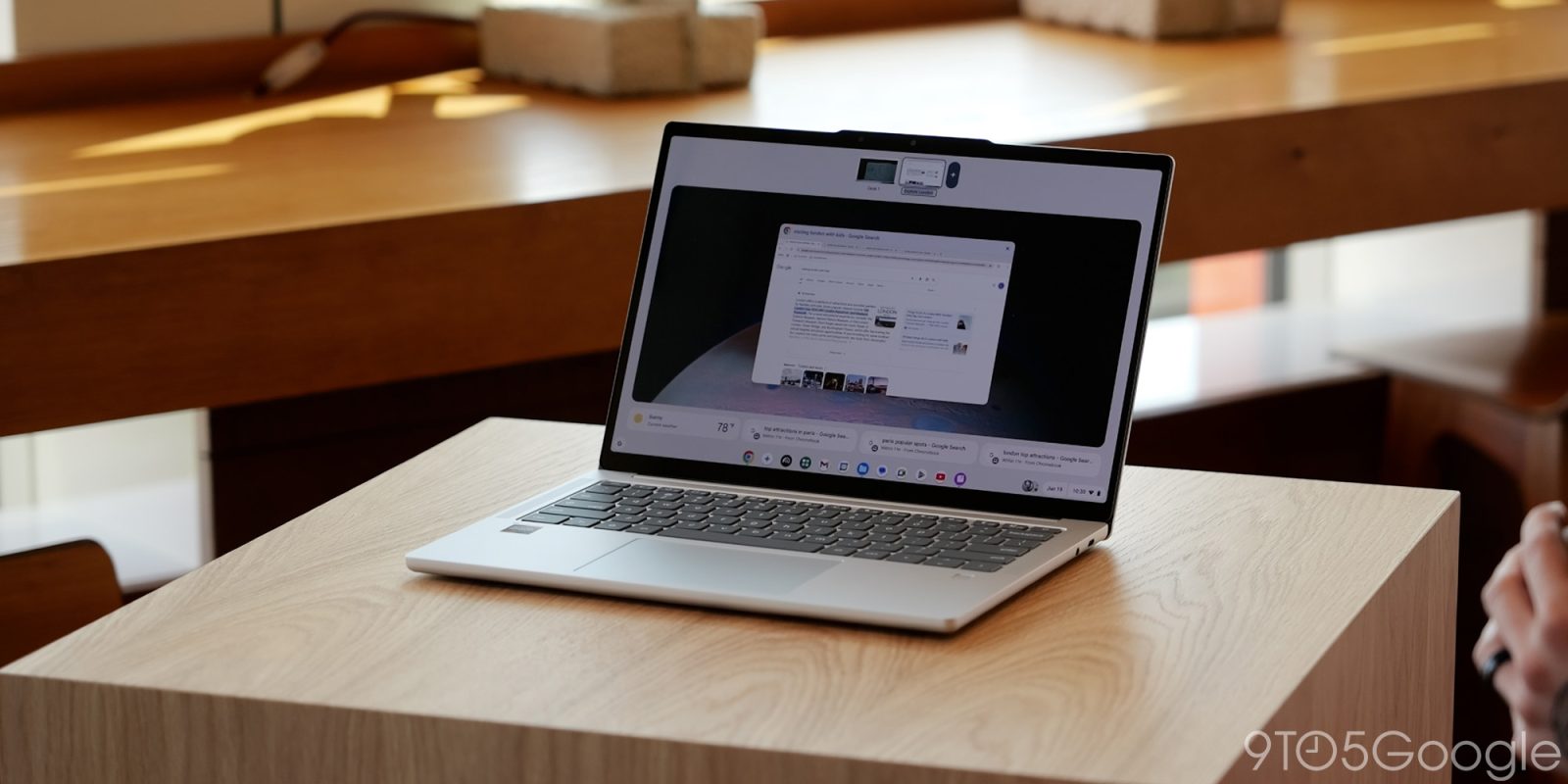
As Google prepares to introduce its new Android experience for PCs next year, a new job listing is revealing some details around Google’s efforts and how that ties back to ChromeOS.
Expand Expanding Close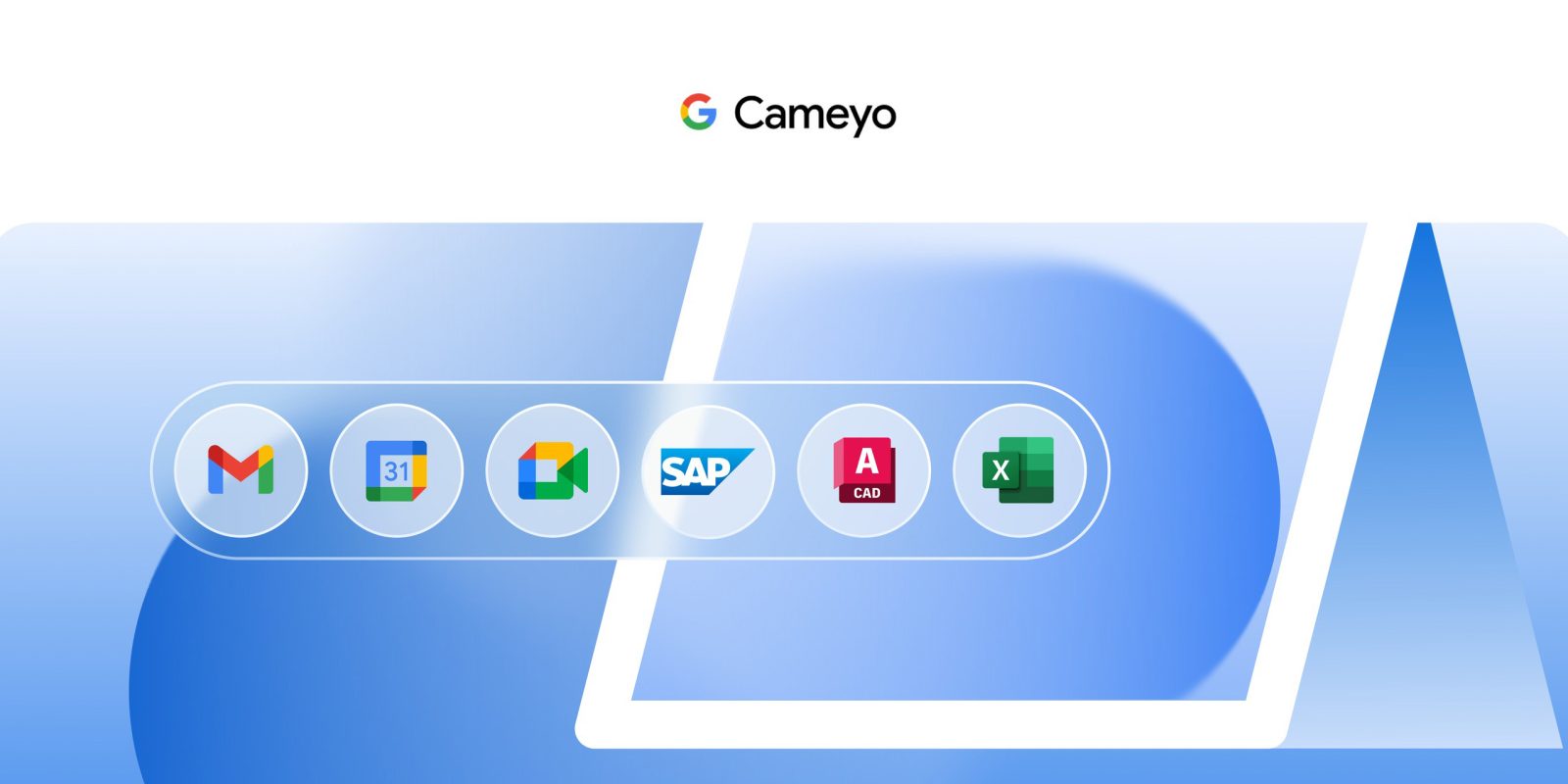
Google is giving Cameyo, the software virtualization company it bought last year, a reboot to make it easier to run Windows apps on ChromeOS, but the timing is more than a little odd.
Expand Expanding Close
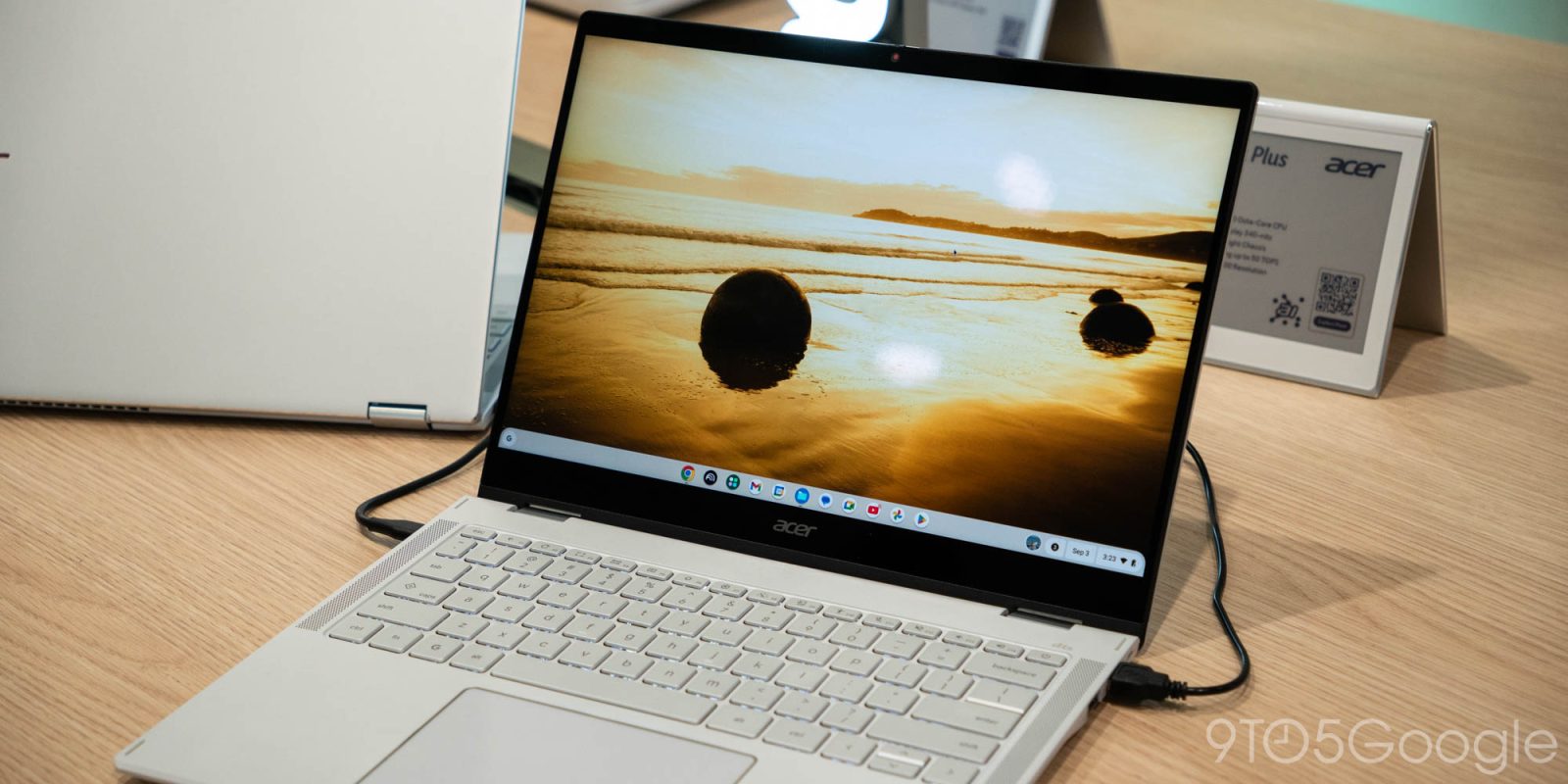
I used to love Chromebooks, to the point where my main laptop was a Chromebook for a few years. But lately, it’s felt more and more like the platform has been struggling to retain relevance, and the latest Acer Chromebook Plus Spin 514 – besides being a mouthful – basically paints a perfect picture of that.
Expand Expanding Close
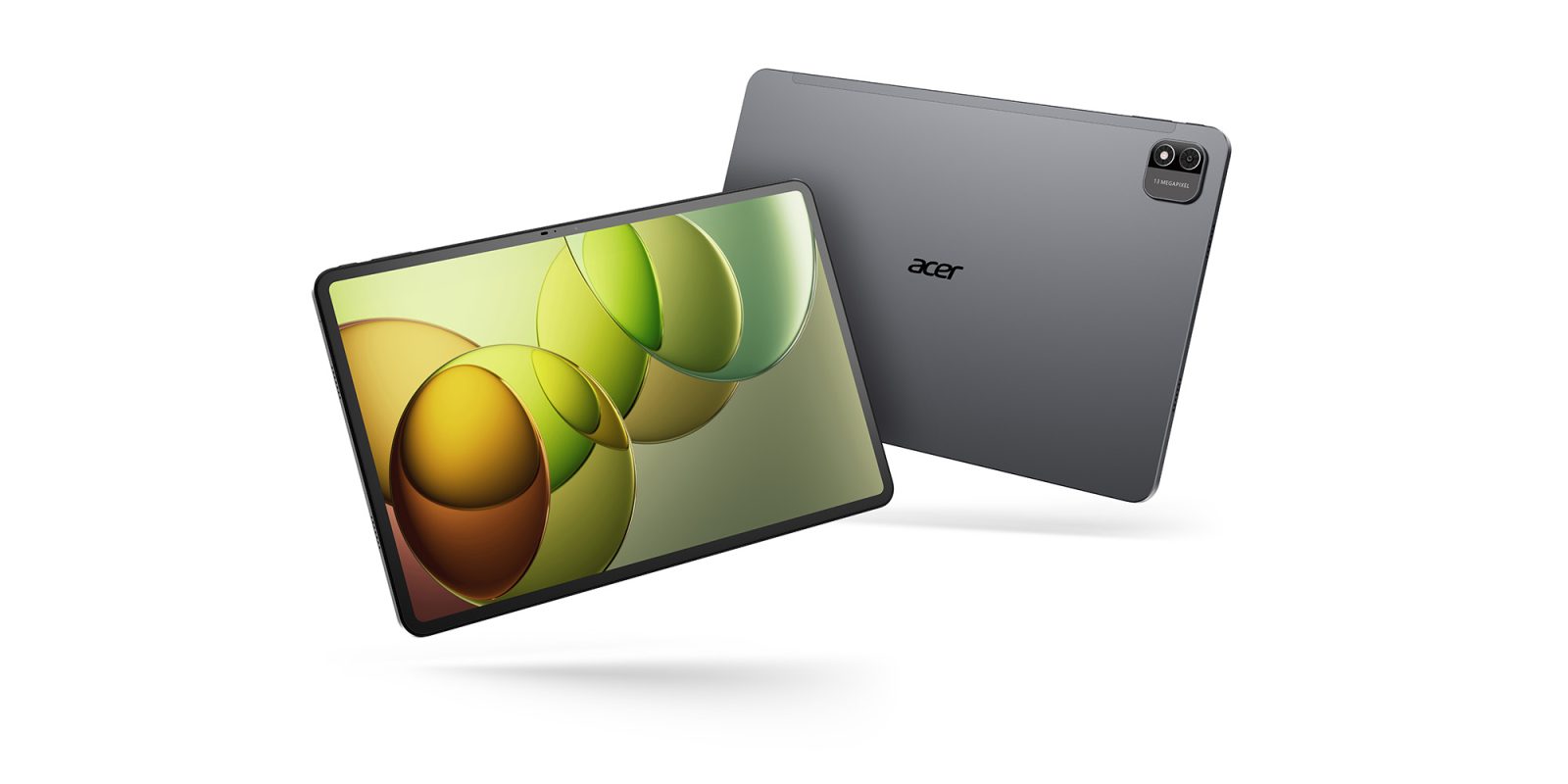
Acer is launching a pair of new Android tablets at IFA 2025 this week that have OLED displays for a super affordable price – but some super weird chipsets – starting at just $320.
Expand Expanding Close
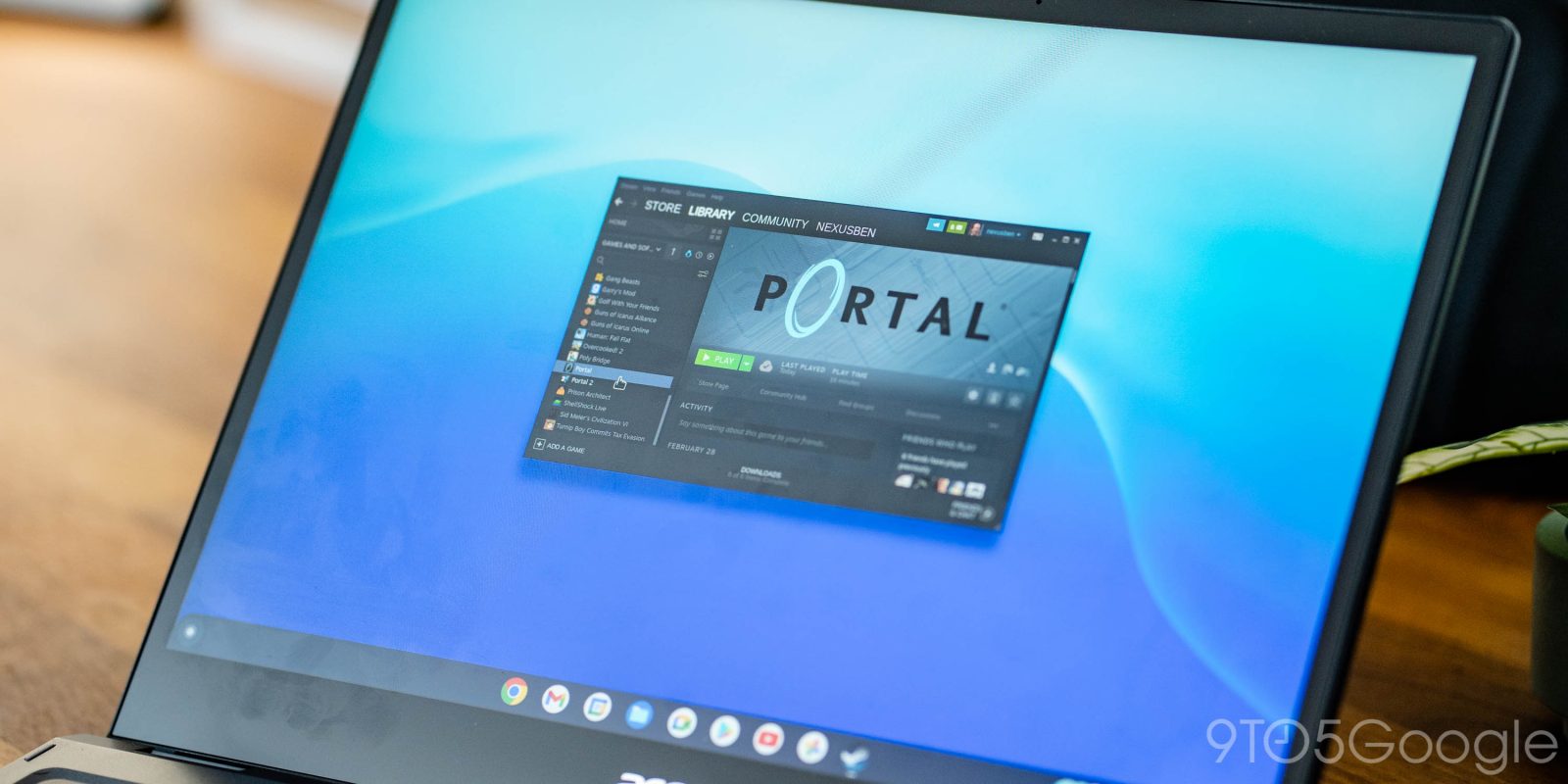
After debuting in 2022, the Steam for Chromebook Beta will stop working in early 2026. At the time, it was a big ChromeOS effort, but there hasn’t been an update in ages.
Expand Expanding Close
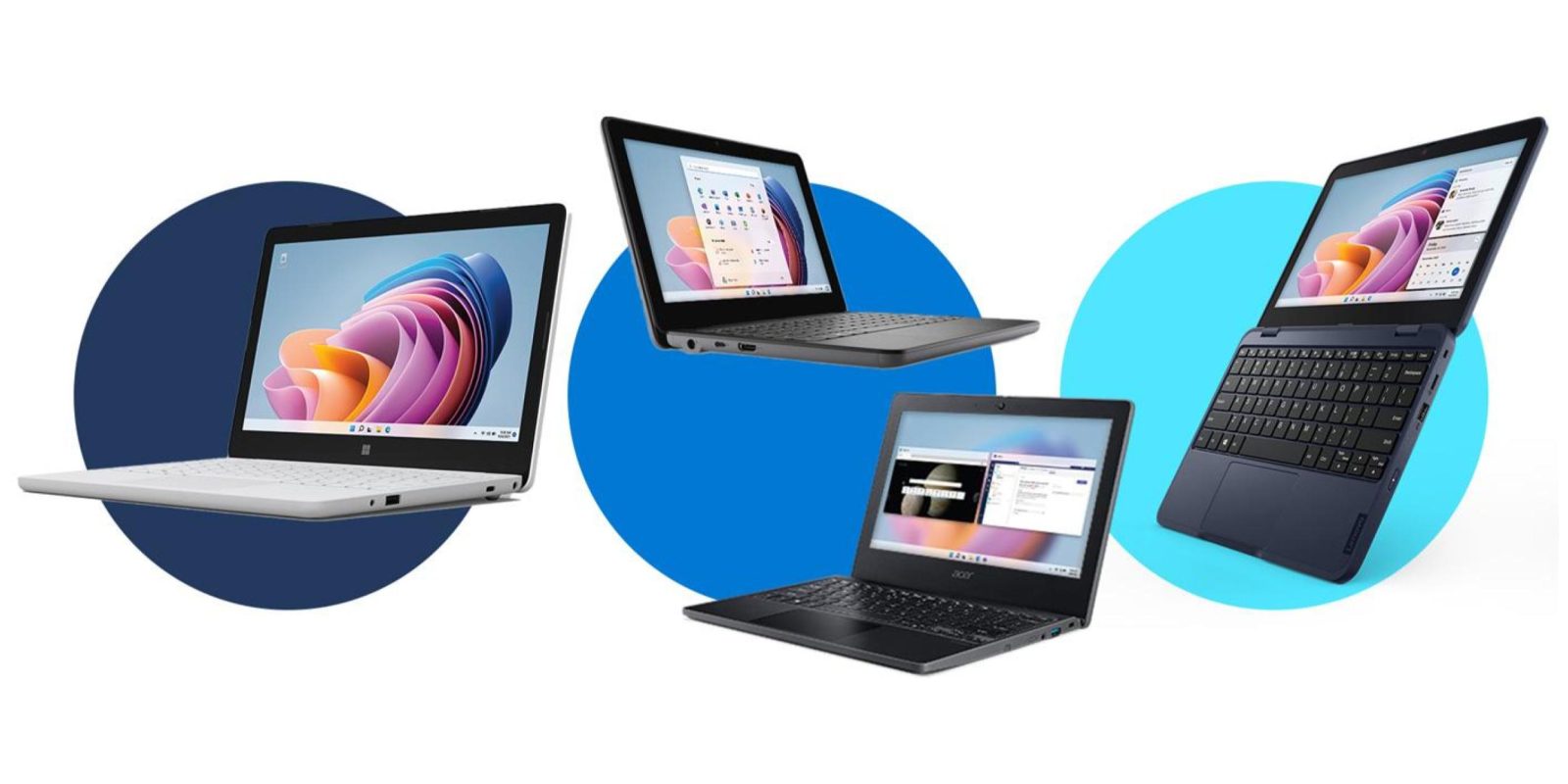
Back in 2021, Microsoft announced Windows 11 SE as a lightweight platform to rival Google’s ChromeOS, but now, the company is pulling the plug on the offshoot.
Expand Expanding Close
In June of 2024, Google said ChromeOS would be built on Android going forward, with an interview last week describing it as a “single platform.” We now have a bit more clarity on what’s happening to ChromeOS in the future.
Expand Expanding Close
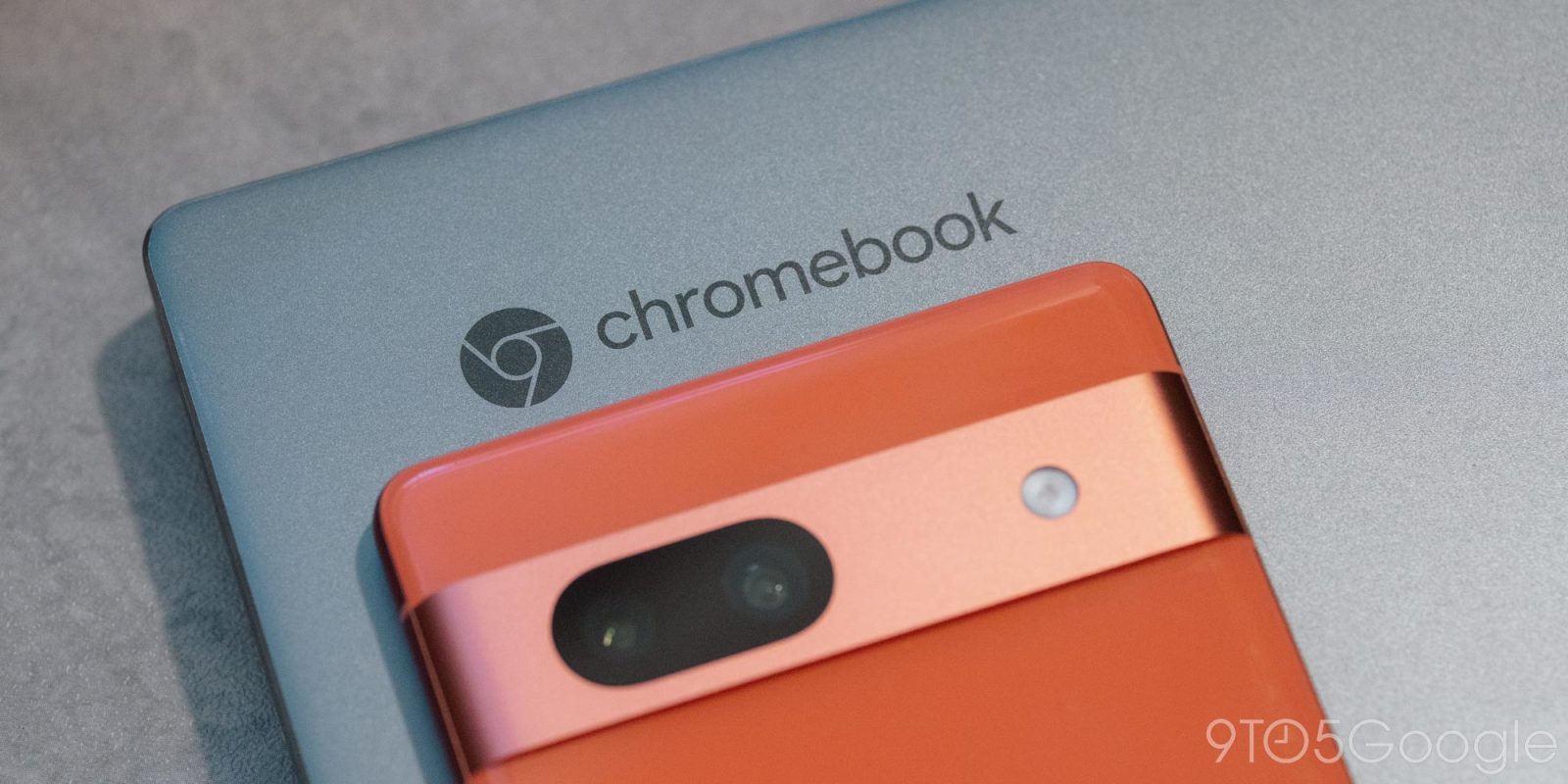
After months of rumors, Google’s Android head has confirmed that ChromeOS is being combined with the company’s mobile platform.
Expand Expanding Close
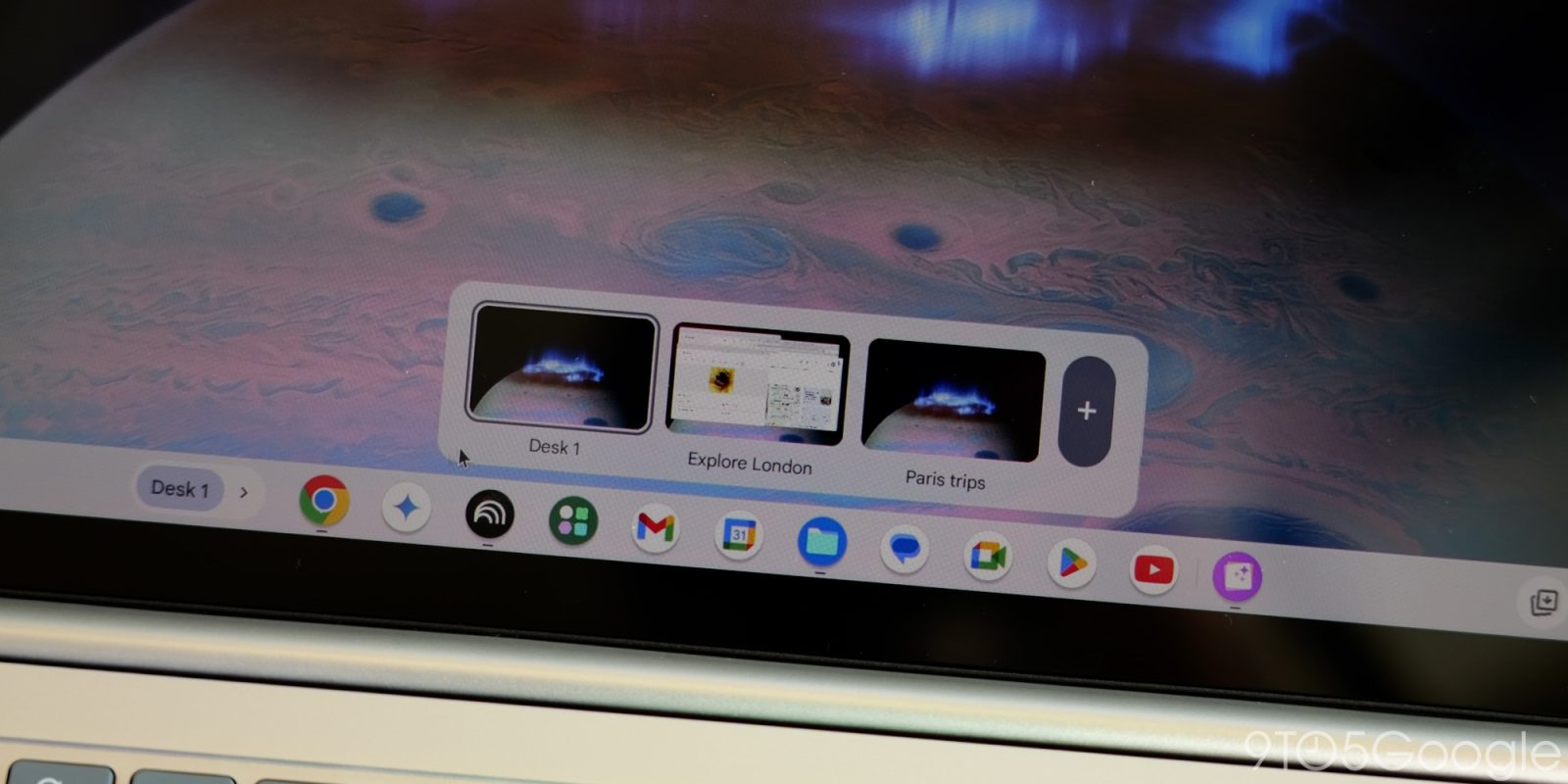
I’d argue that ChromeOS is enough for most people’s personal usage these days given the online services they mainly use and the advancement of web apps. However, I don’t think Chromebooks being third behind Windows and Mac is enough for Google, and that’s why we’re seeing what I’d call “desktop Android” in the near future.
Expand Expanding Close
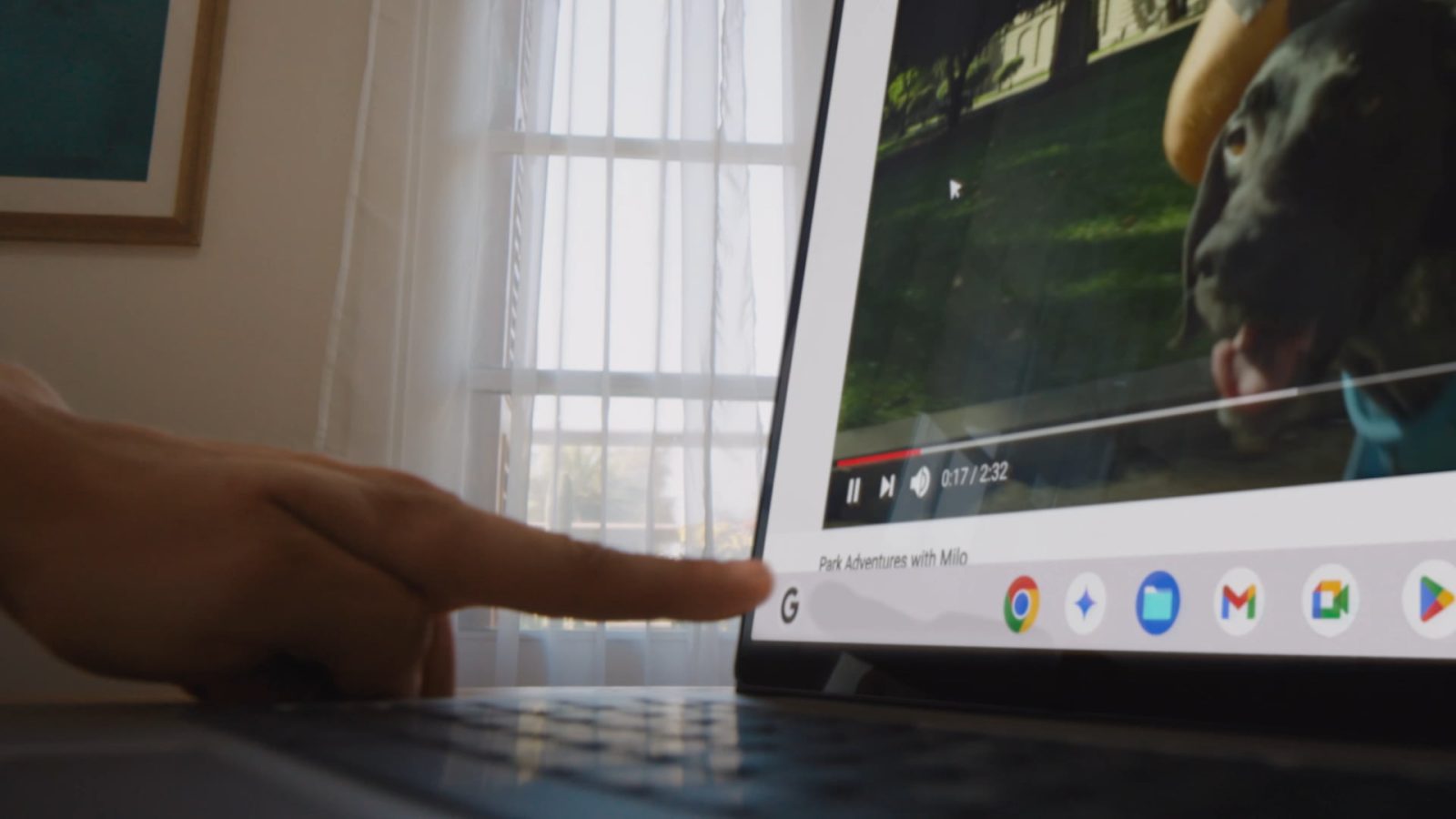
In addition to the Lenovo Chromebook Plus 14, Google today announced the latest ChromeOS AI features, like “Select to search with Lens.”
Expand Expanding Close

Following the Android announcement last week, Gemini is set to replace Google Assistant on Chromebooks.
Expand Expanding Close
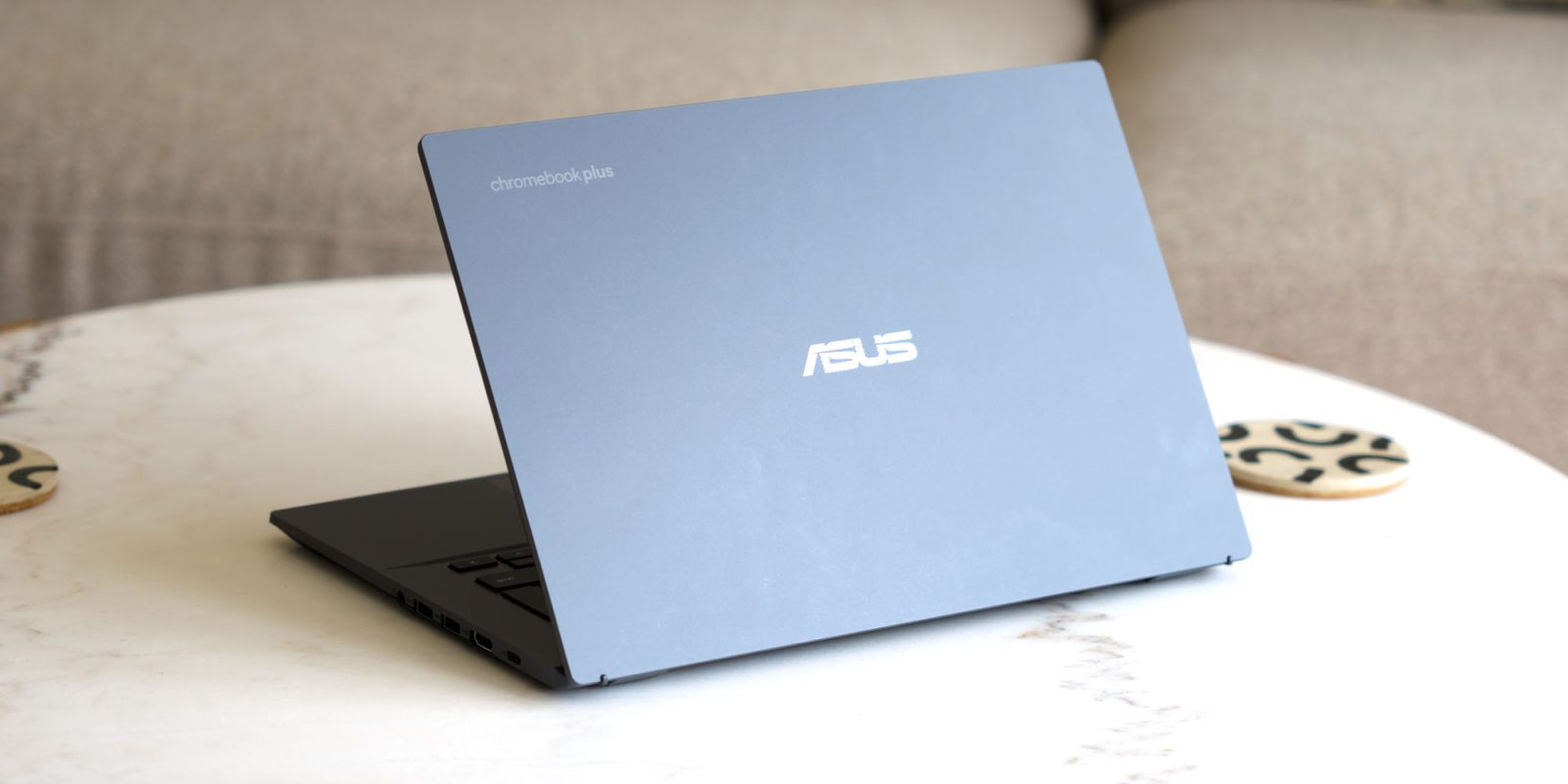
ChromeOS 132 started rolling out last week, and Google has just now posted the changelog.
Expand Expanding Close
At the BETT 2025 education show, Google today announced the latest education and Chromebook features.
Expand Expanding Close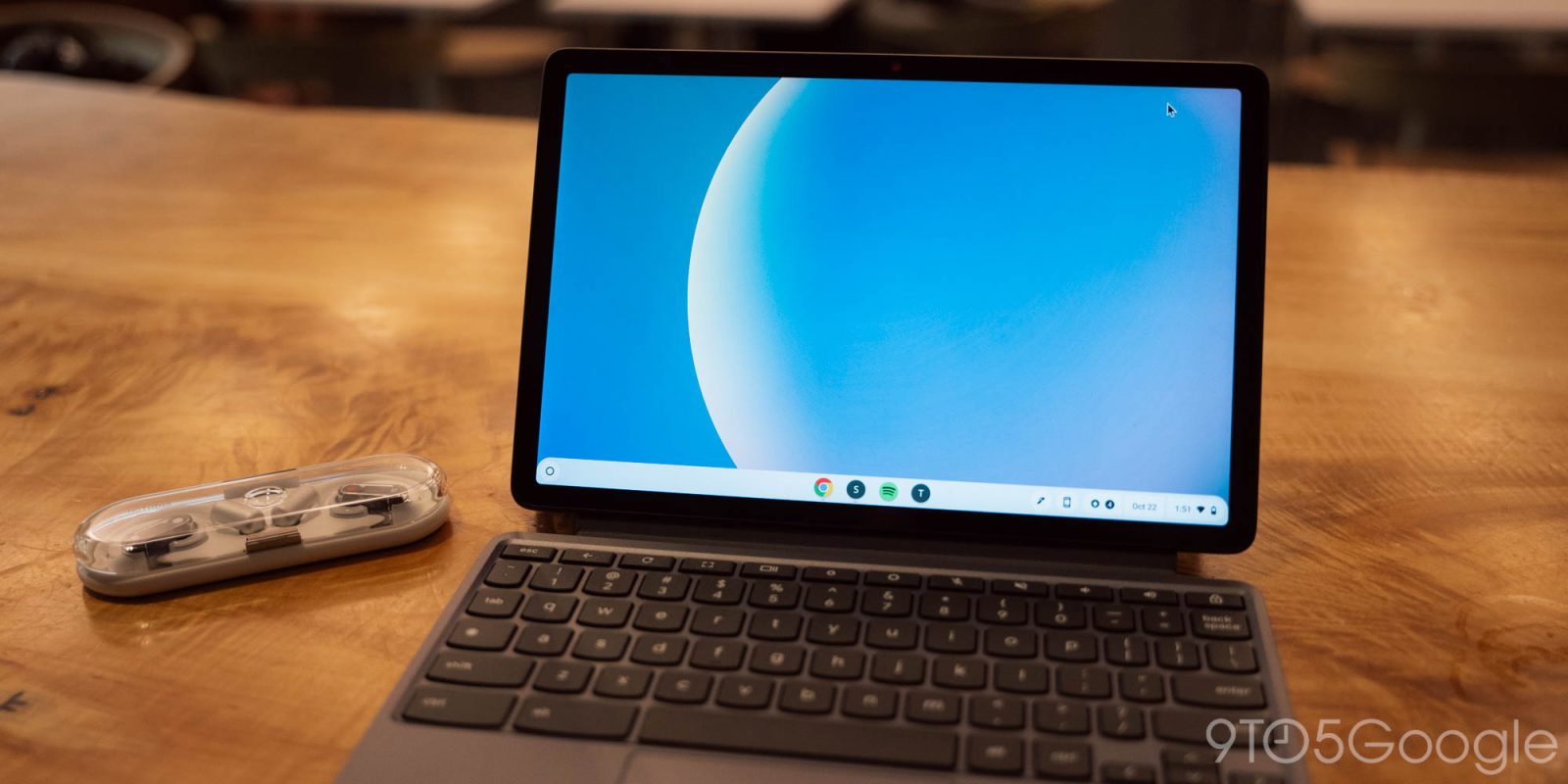
Google’s ChromeOS has long required a “powerwash” to reset a machine, but the platform is now adding a “Safety reset” that won’t delete your data, but will give you a fresh slate.
Expand Expanding Close
Back in June, Google announced ChromeOS would adopt “portions of the Android stack.” A report today says Google is “working on fully migrating Chrome OS over to Android.”
Expand Expanding Close
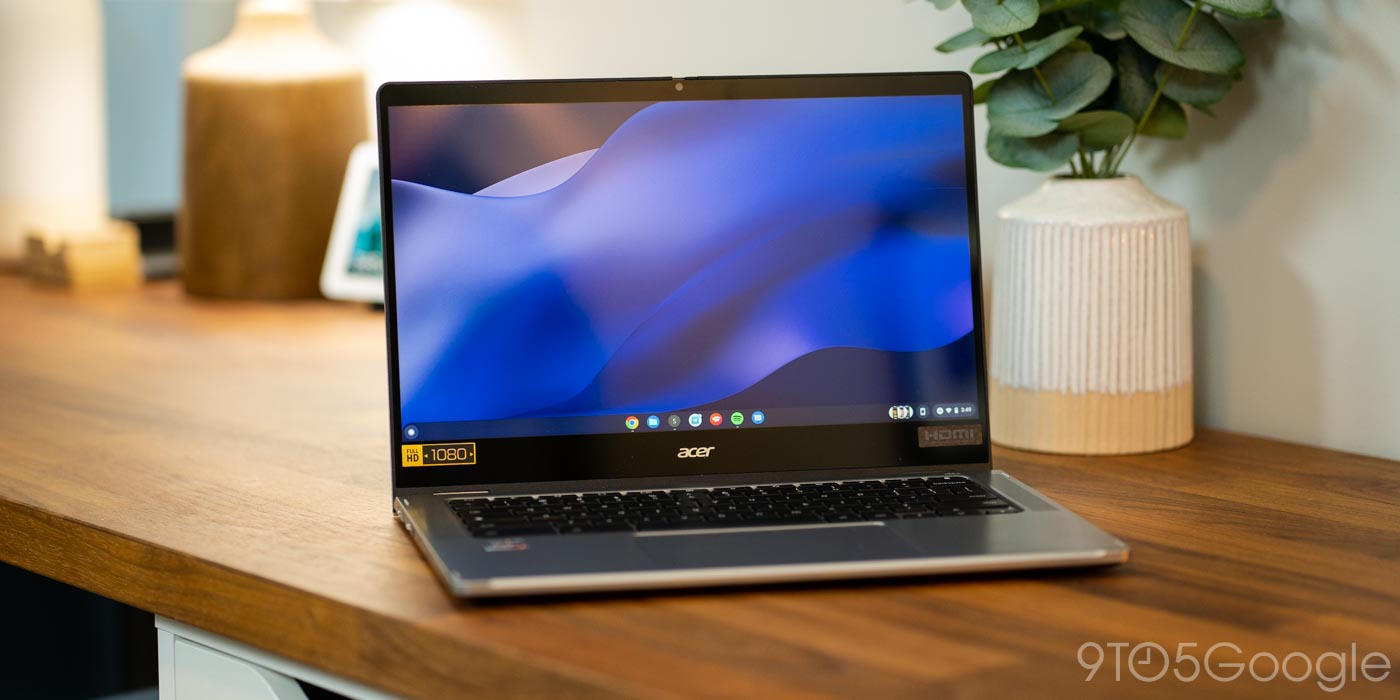
ChromeOS 130 started rolling out on Tuesday, with Google’s changelog today confirming what’s new. Overall, this is a bigger release and delivers the second set of new Chromebook Plus features.
Expand Expanding Close
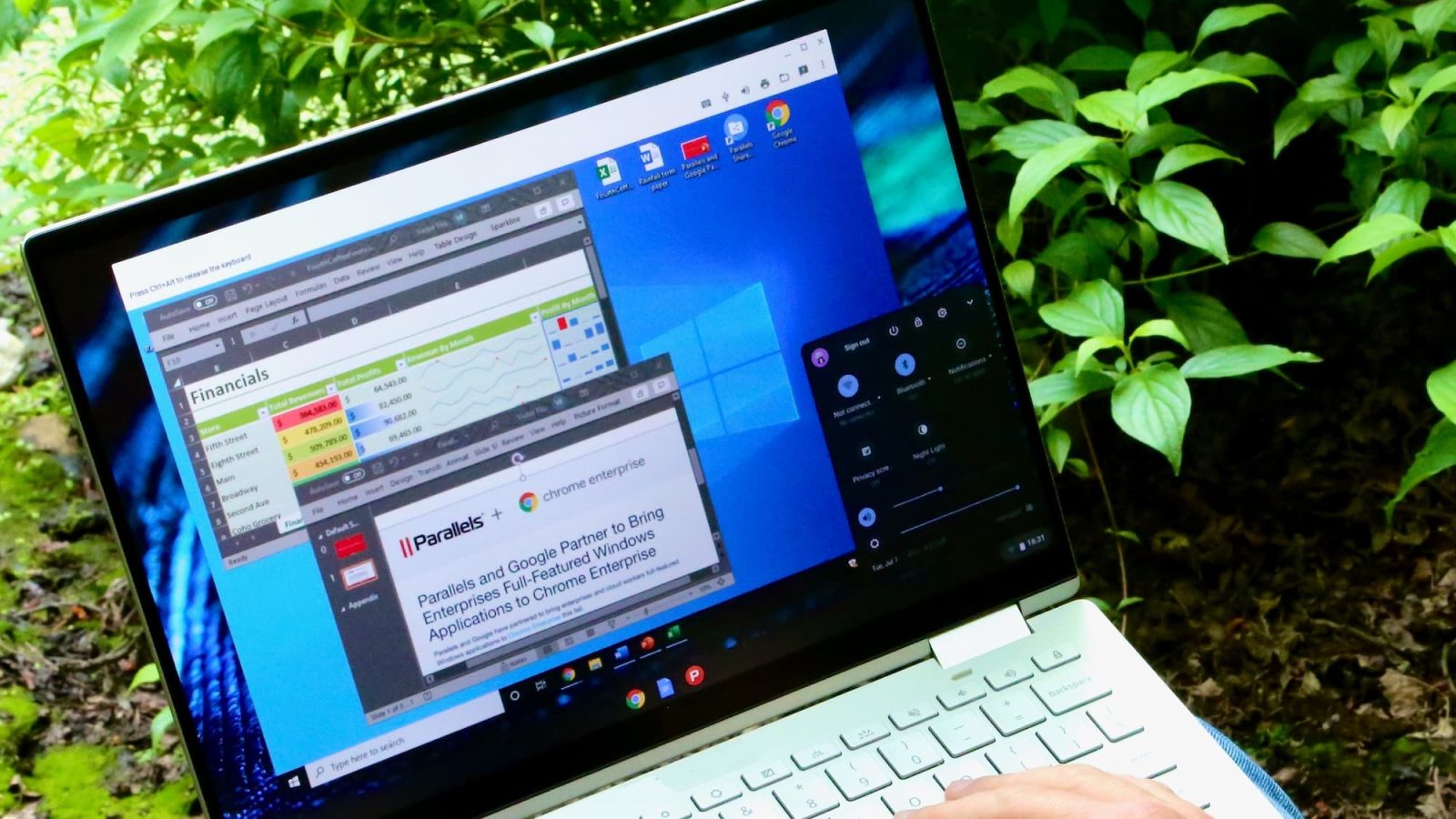
While ChromeOS has become more and more capable over the years, the occasional need for a traditional desktop operating system, namely Windows, has never really gone away. To solve that, some apps and services have allowed Chromebooks to run Windows, including Parallels, which is said to be shutting down later this year.
Expand Expanding Close