Ben Schoon is a Senior Editor at 9to5Google, working for the publication as one of its primary news writers since 2016.
In 2013, Ben helped start an independent tech publication where he learned the skills used at 9to5Google including writing, product photography, and videography. He is located in the city of Winston-Salem in North Carolina where he lives with his wife Melissa. Ben is an avid disc golf player.
He primarily covers Android products, including Google Pixel devices, Samsung Galaxy smartphones, as well as devices from OnePlus, Oppo, Motorola, and more. Beyond just covering news about these products, Ben also spends time using these products himself, speaking from experience with the articles he writes. Some of Ben’s most recent hands-on reviews include; Pixel 8 Pro, Pixel Watch 2, Samsung Galaxy Z Fold 5, Samsung Galaxy S23 Ultra, Motorola Razr+, HP Dragonfly Pro Chromebook, and more.
Ben Schoon is active on Twitter, @nexusben, but can also be found on Instagram and LinkedIn. For questions or tips, you can email him directly, and his portfolio is also available online.
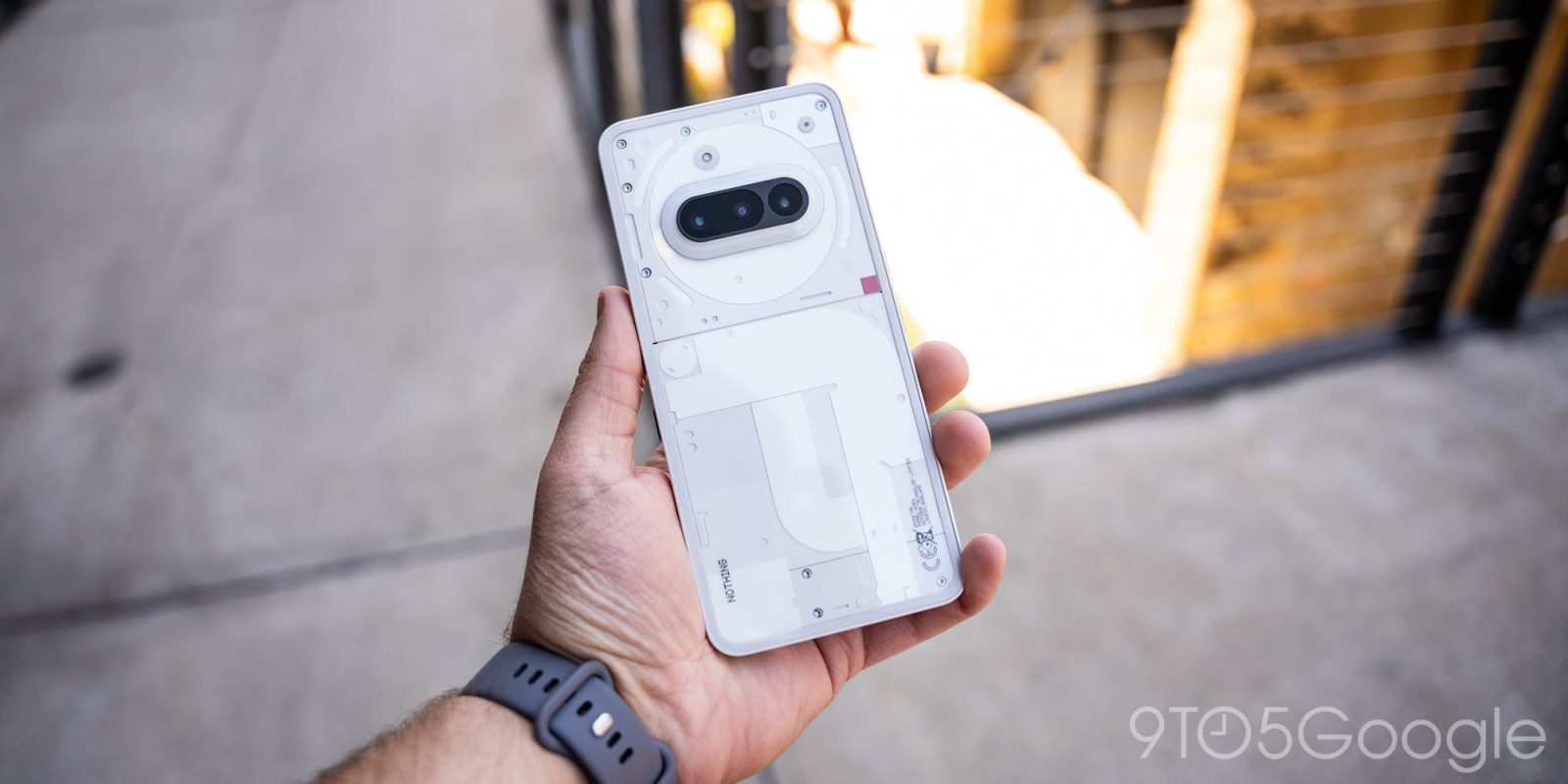
After a hint earlier this year, it has now been officially confirmed that Nothing Phone (3) will be sold in the US market, and with actual carrier support behind it too.
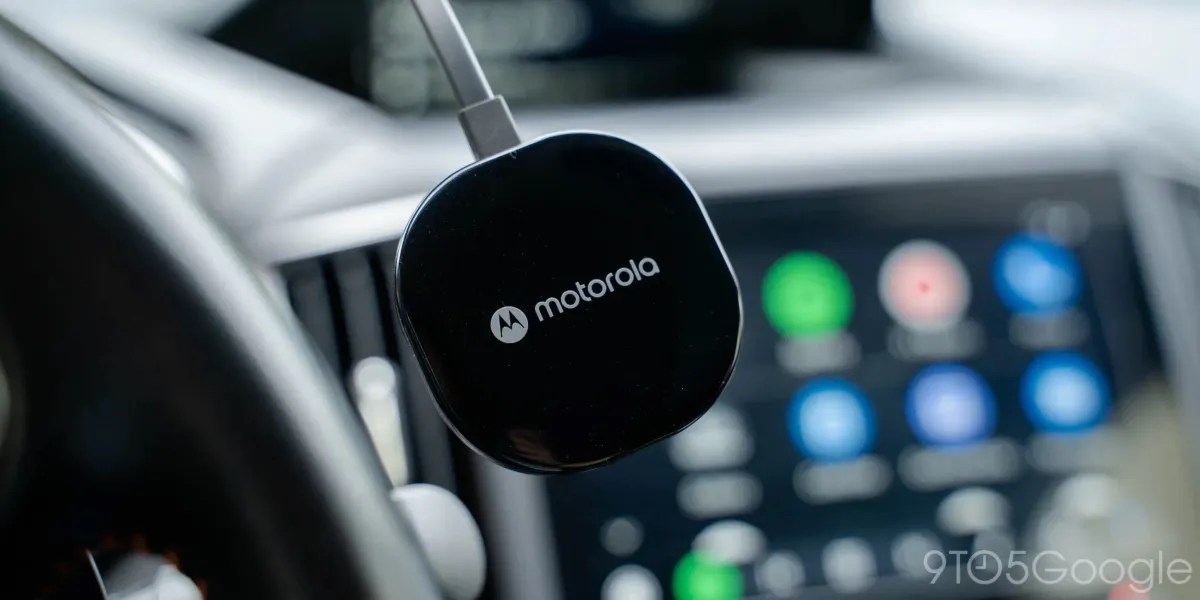
Wireless Android Auto adapters aren’t hard to find nowadays and they’re also cheaper than ever, but you might end up paying a few more dollars for the more well-known and reliable models. Motorola MA1 is often sold for $70 or more, but is currently discounted to just $35.
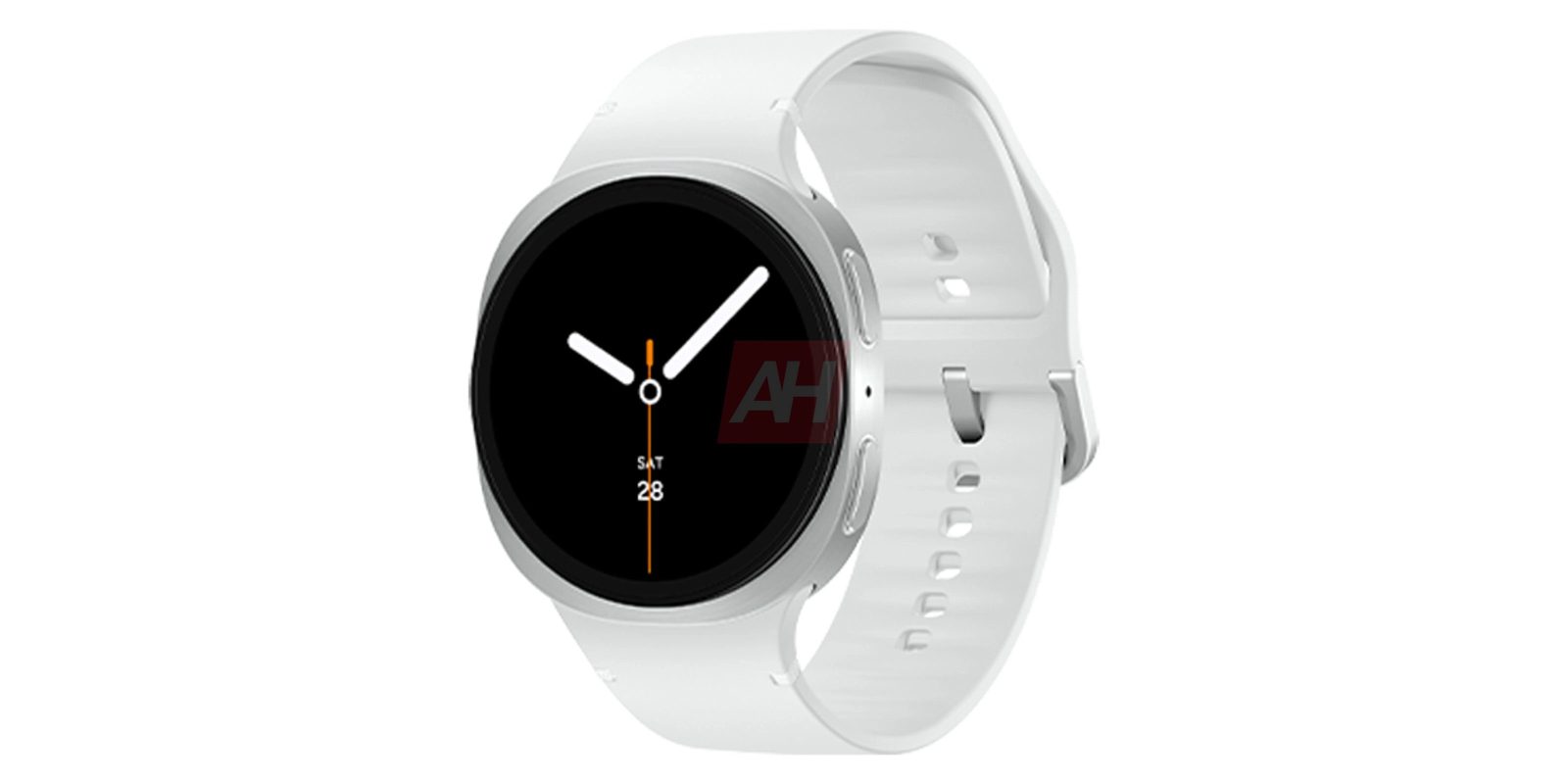
Following several leaks of the Galaxy Watch 8 Classic and its new look, we’re finally getting a peek a that base Galaxy Watch 8 with new renders hitting the web.
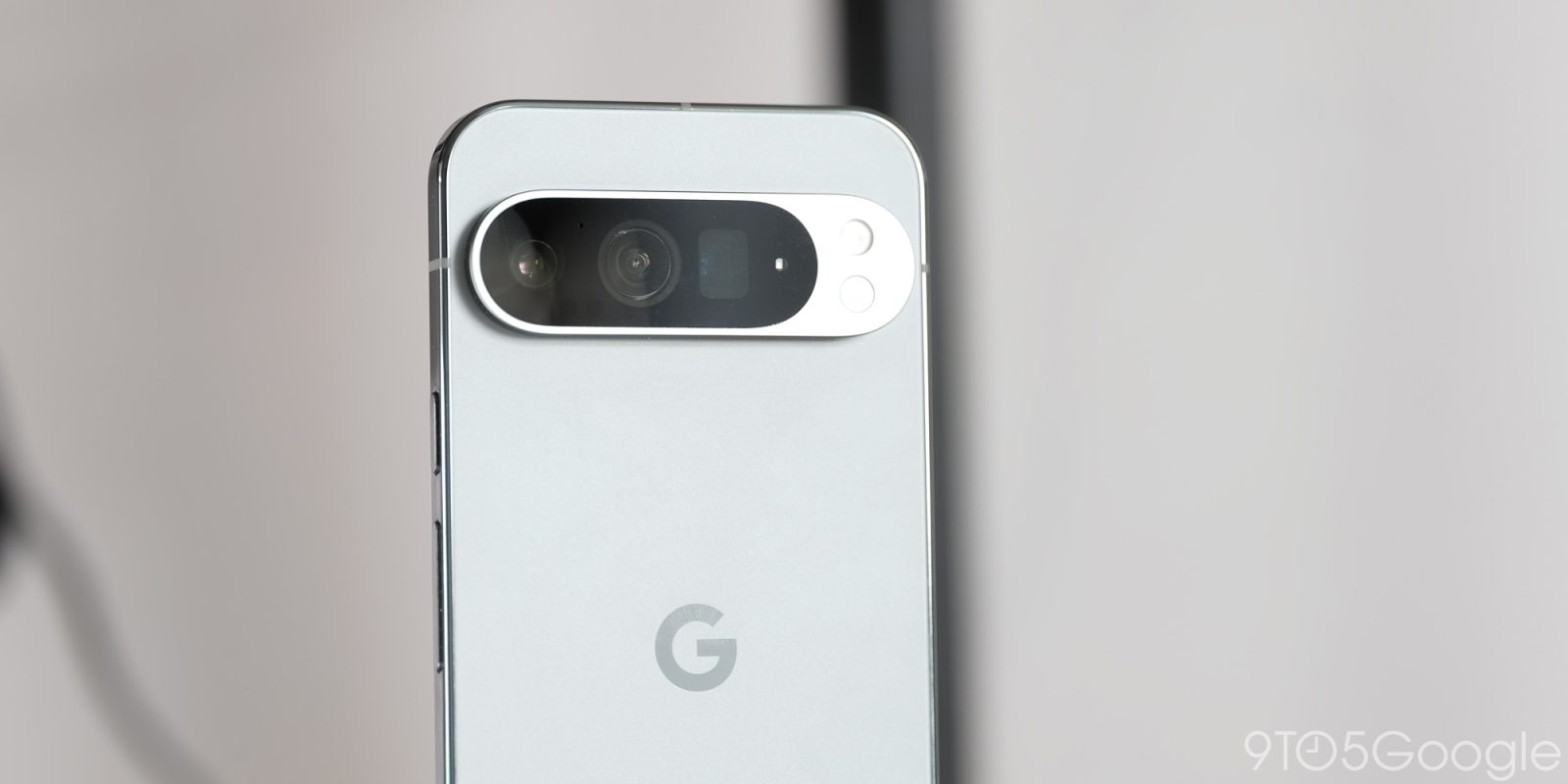
Google is apparently finally ready to adopt magnetic charging in the Pixel 10, but its Qi2 support will apparently not be baked into the actual hardware.
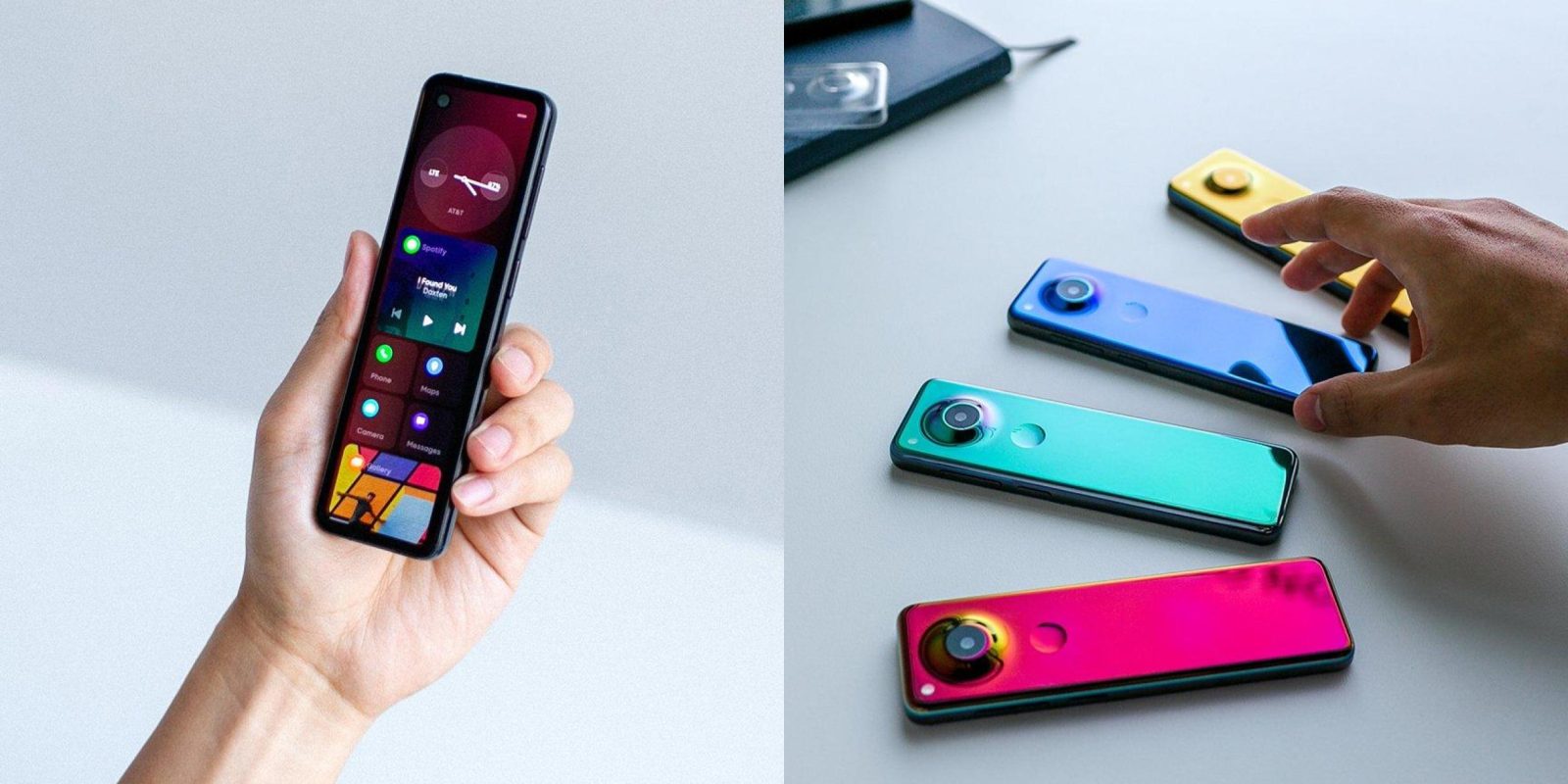
Before it kicked the bucket, Essential was teasing a radical new “Gem” smartphone that never came to market, but someone on eBay is currently selling quite a few of them.
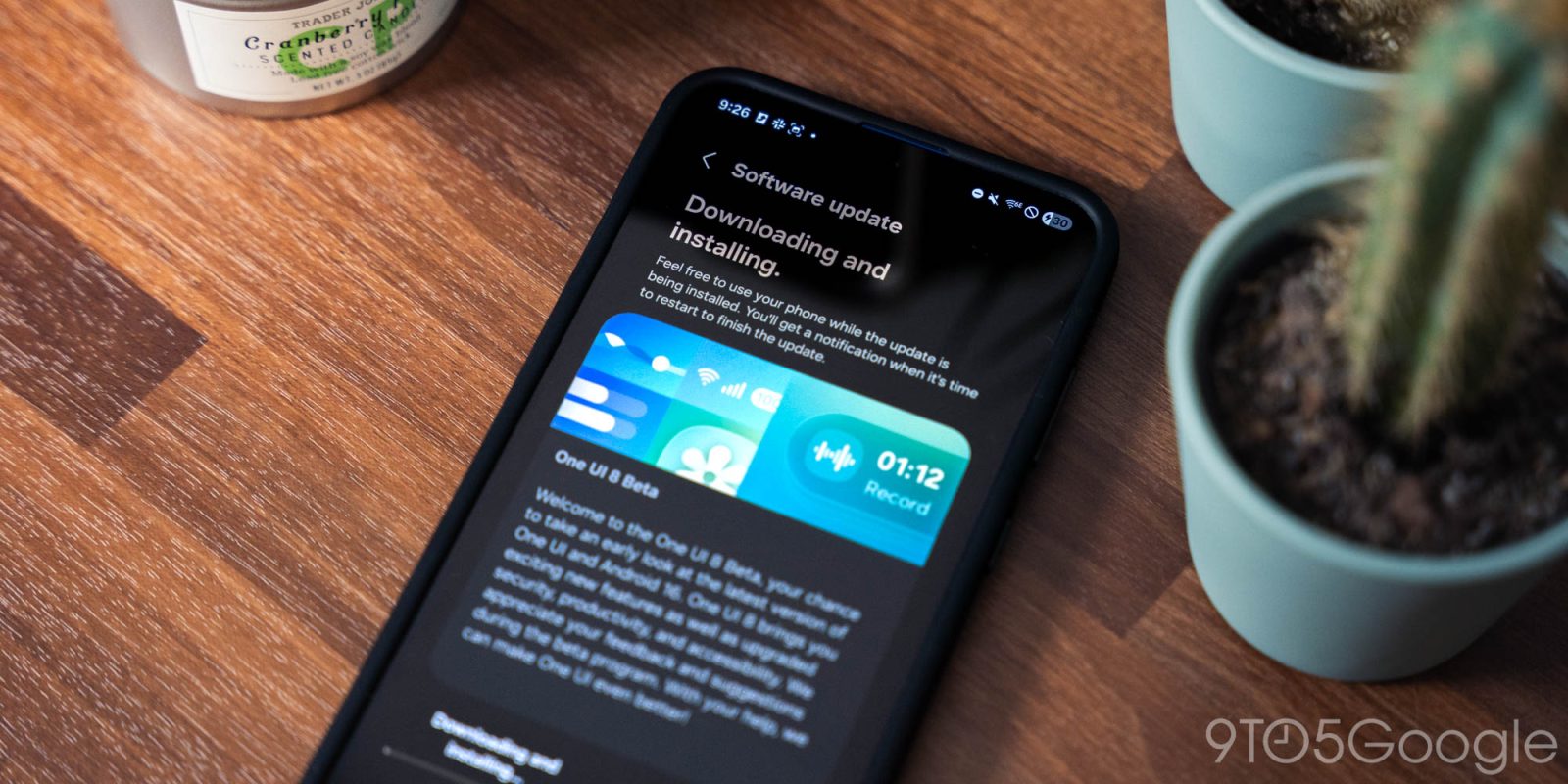
Following its launch last month, Samsung has just rolled out the second One UI 8 beta while also expanding the program to some new regions around the globe.
Before it made a big splash, Nothing had purchased some of the remains of Essential, and it turns out that was almost exclusively about the name of the company.
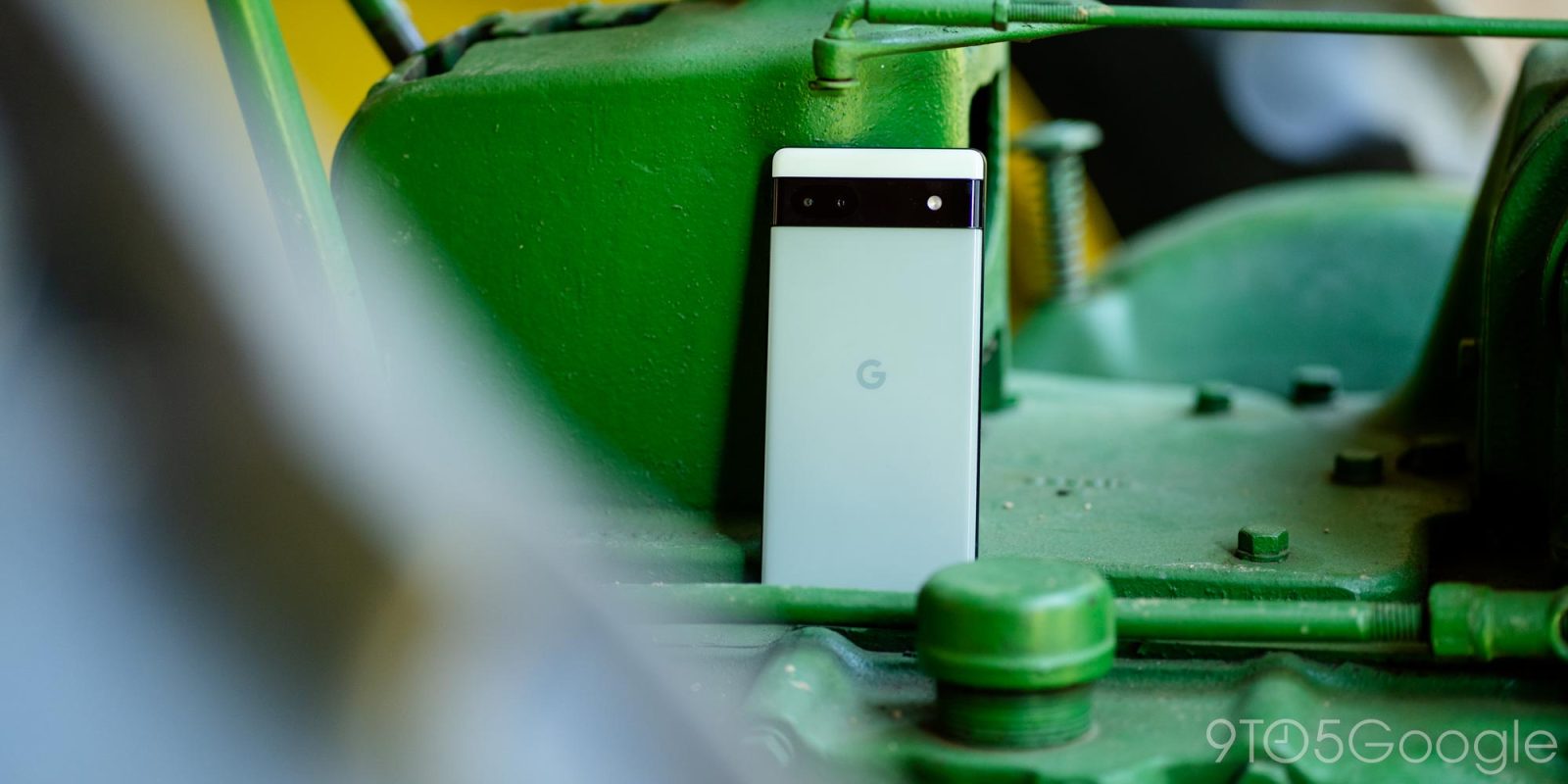
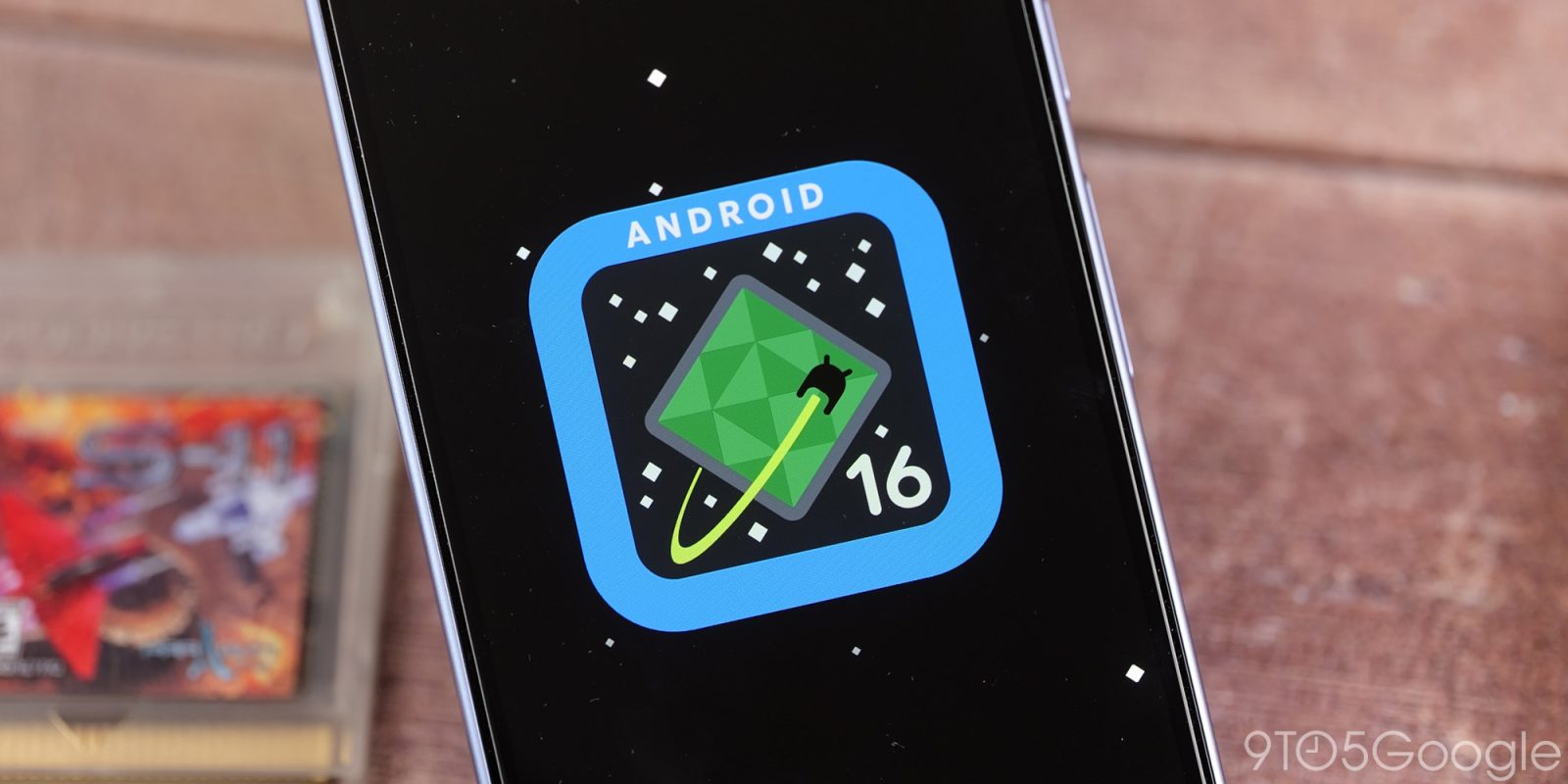
Following discovery in the latest Android 16 beta, Google has confirmed that Pixel 6a owners will receive “mandatory” software update that will reduce battery capacity.
Pixel 6a owners may soon see their devices limited in terms of battery life, as code shows that Google is preparing to “reduce” the battery to avoid “a potential overheating” issue.
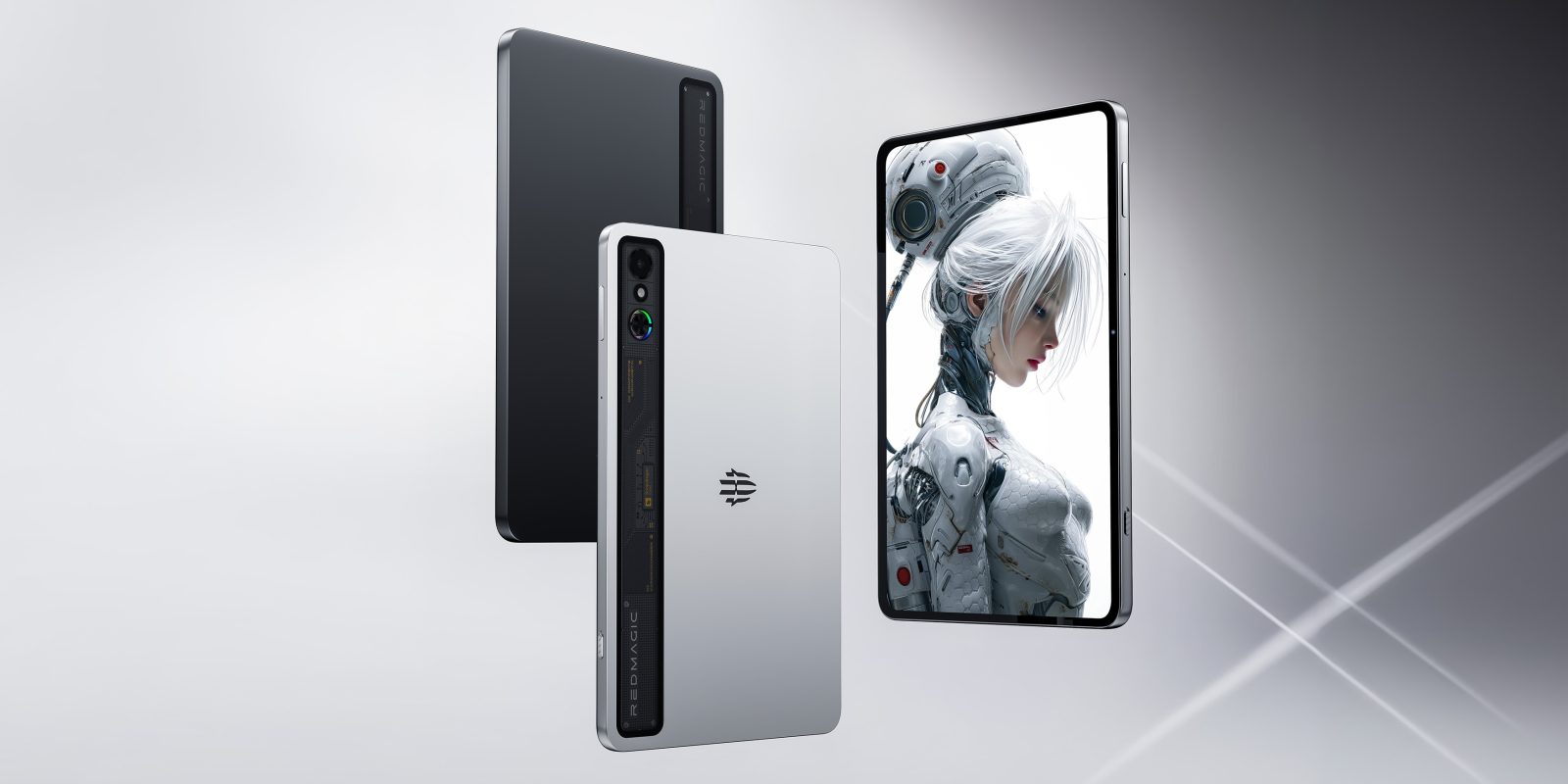
Small Android tablet fans rejoice, a new 9-inch tablet with an OLED display is launching next month on the global market in the Redmagic Astra, which has just debuted in China with an impressive spec sheet.
Samsung is in full hype mode around the launch of the Galaxy Z Fold 7 (and, to a lesser extent, Flip 7), with its latest teaser hinting at camera improvements, but only ones related to AI.
One of the big new features coming to Android 16 later this year is a new desktop mode that makes it possible for a phone to connect to a monitor and display a desktop-like environment with resizable apps and more. While tablets will be able to run this new desktop mode on their own displays, Google says that foldables running Android 16 will not get the same treatment.
A year after its initial debut, the Moto Tag is finally the first Find Hub (formerly Find My Device) tracker for Android that supports UWB, but you’ll need a couple of updates to get things working.
Google kicked off the rollout of Android 16 QPR1 Beta 2 yesterday, but Pixel owners looking to skip the lengthy on-device OTA installation are still waiting for sideloading files to become available.
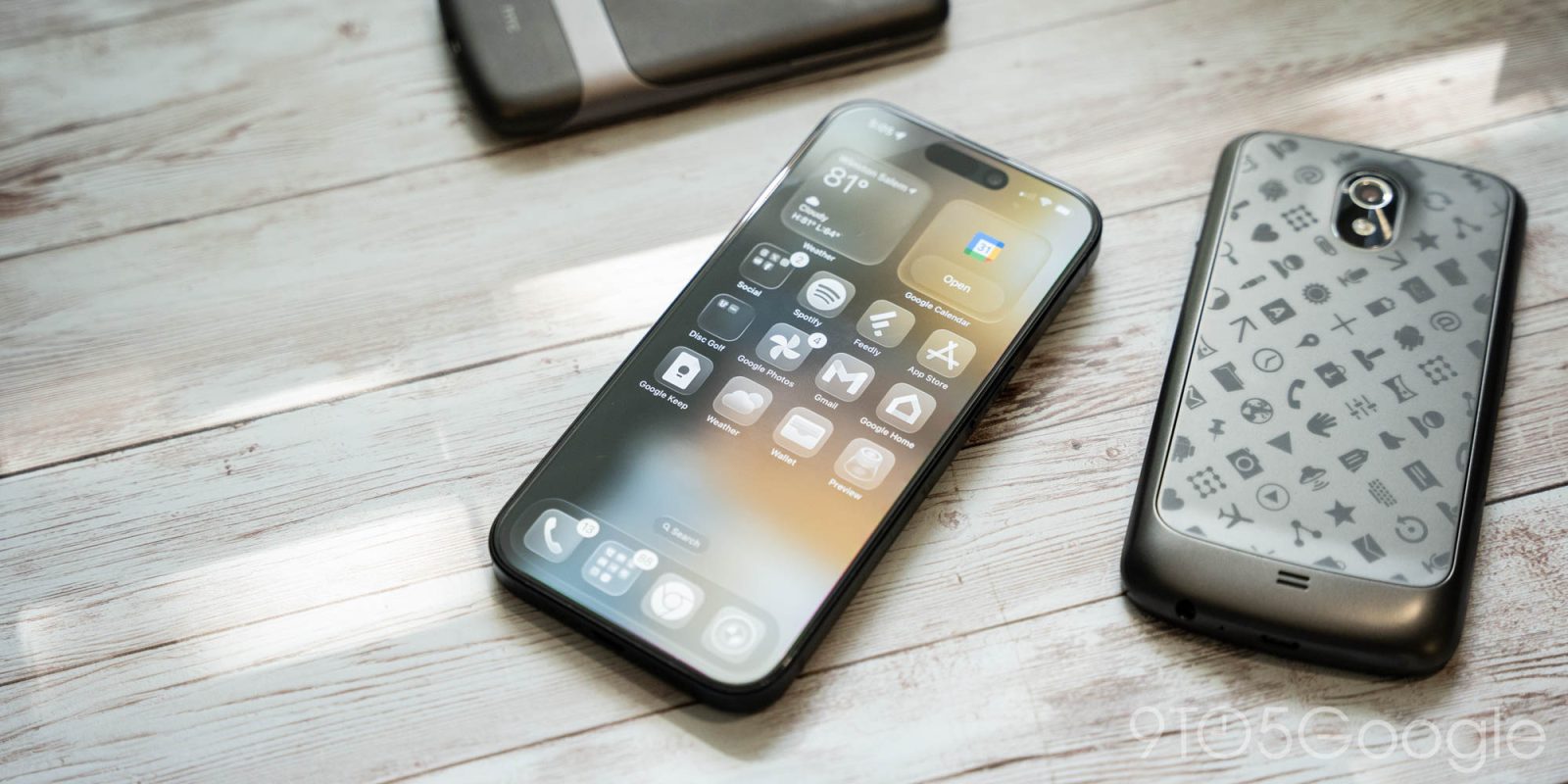
Apple introduced its new “Liquid Glass” redesign of iOS 26 this week at WWDC and to say that the reactions have been mixed is an understatement. Amid the various comments, though, have been a bunch of comparisons between iOS 26 and ancient Android skins.
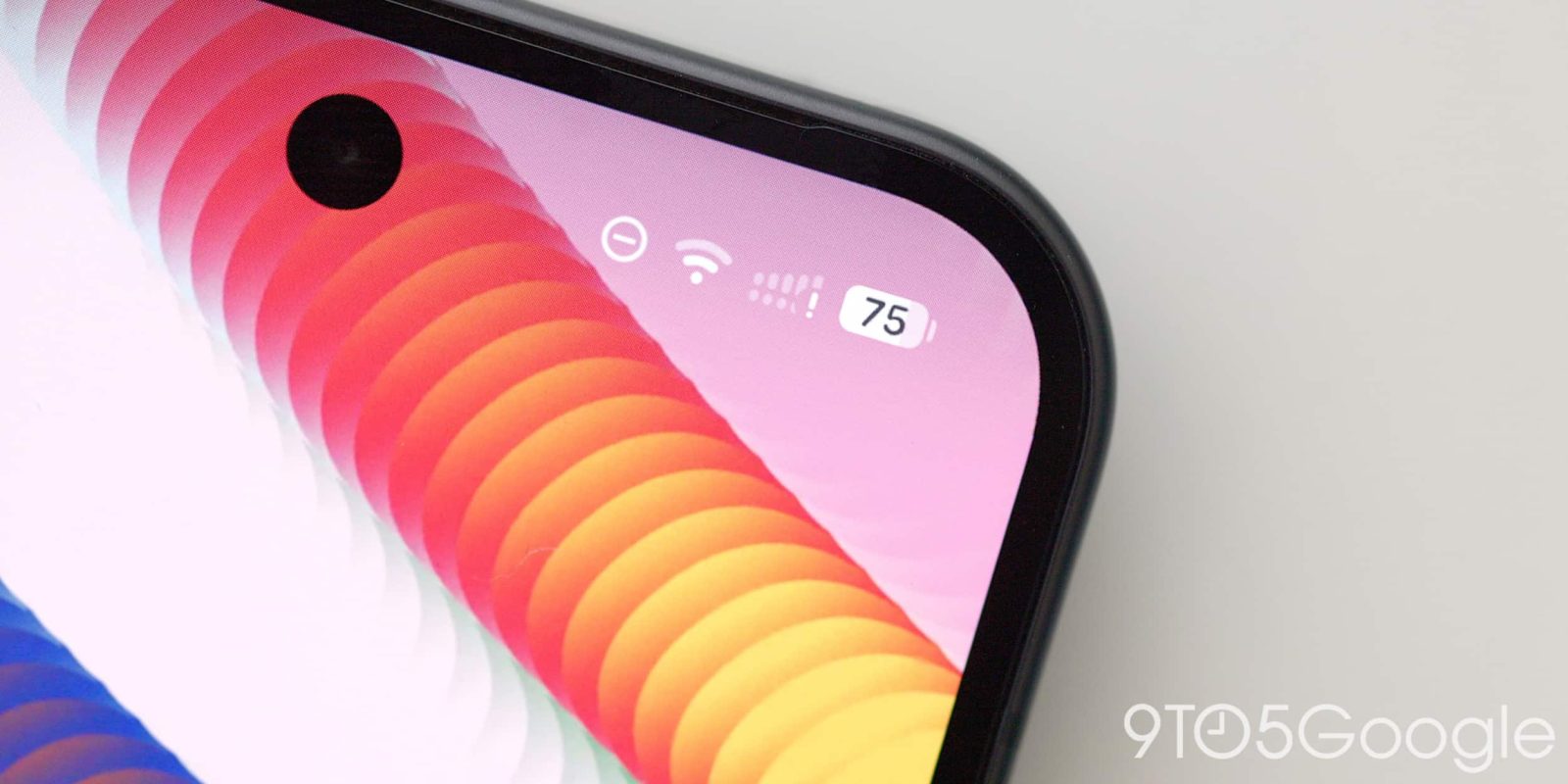
Android’s status bar got a fresh coat of paint with Material 3 Expressive, but the latest Android 16 QPR1 beta swaps the position of the Wi-Fi and network icons.
Google has delivered on Android 16’s new desktop mode in the latest QPR1 beta and, while it’s mostly broken, you can experience it now on select Pixel devices.
While the stable build of Android 16 is not yet available, the major QPR1 update is already available in beta, bringing the big Material 3 Expressive redesign along with it. Here’s how to install Android 16 QPR1 Beta on Google Pixel.
The Apple Watch is a stellar wearable, and one that’s enticing enough to prevent many from switching to Android. But with its upcoming foldable, Vivo claims to, somehow, support the Apple Watch.
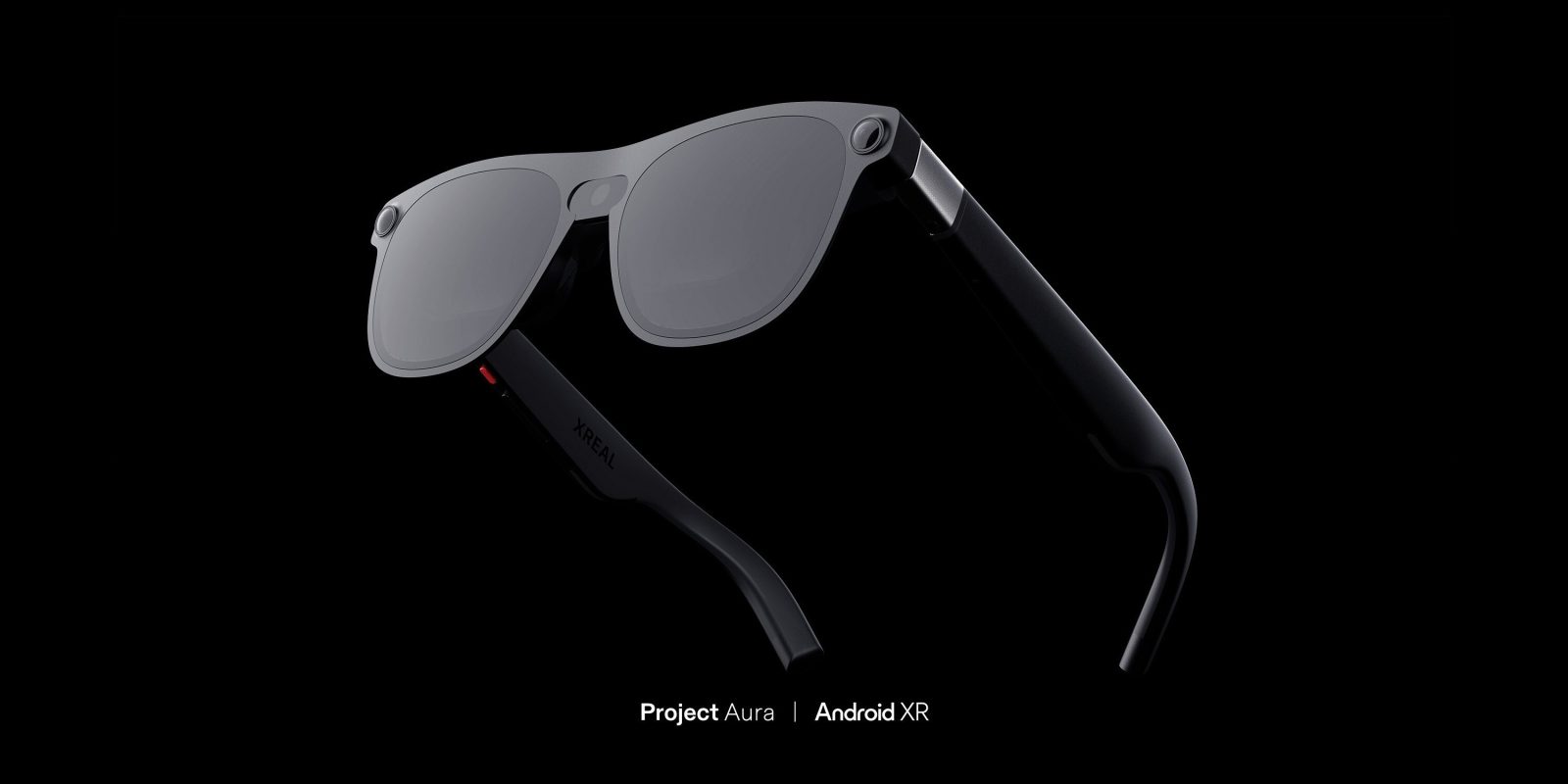
XREAL’s first pair of Android XR glasses, “Project Aura,” were announced alongside Google I/O last month, and some new details are now coming out about the display and that you’ll need a wired “puck” to power the experience.
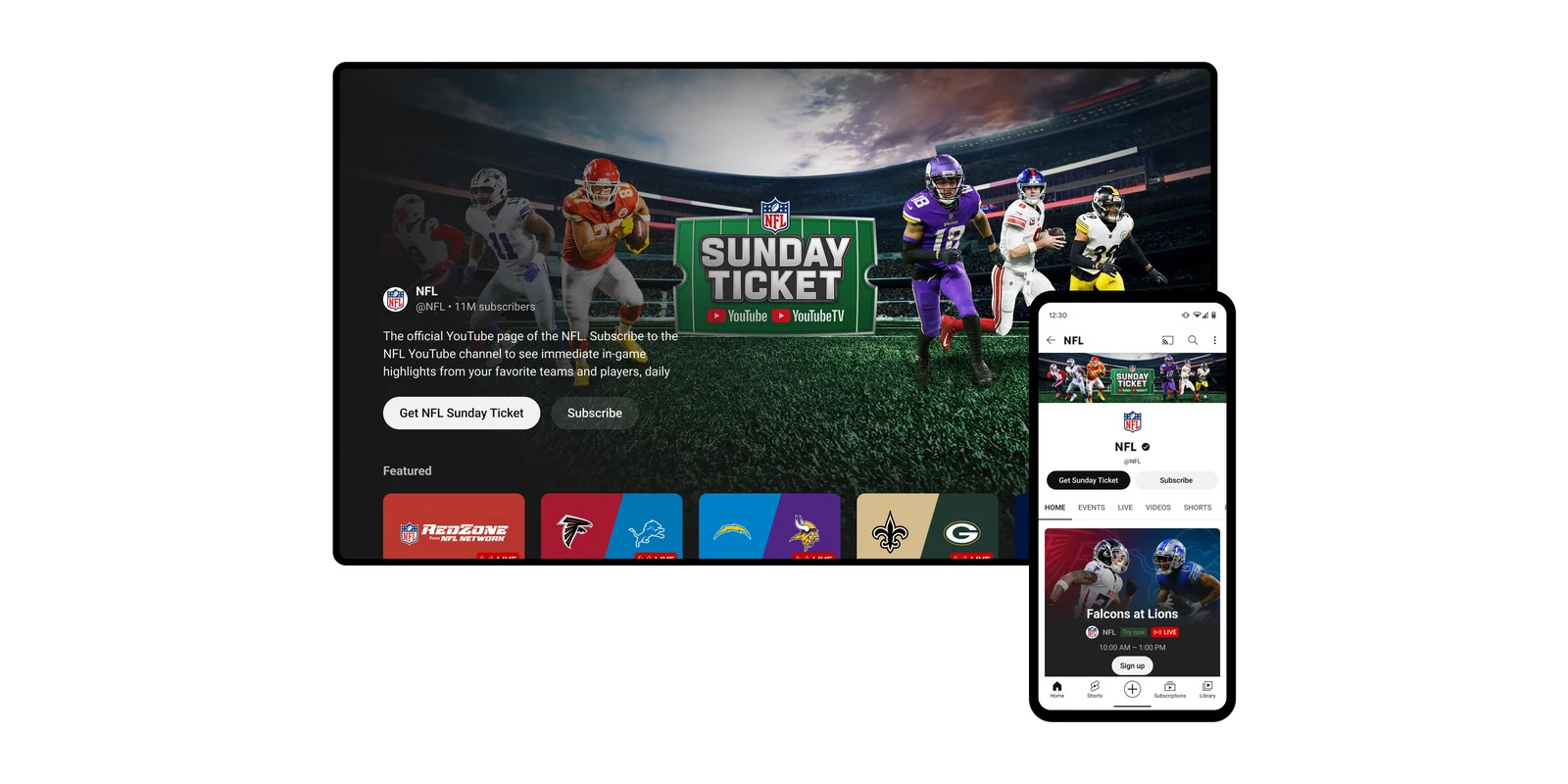
We’re about to kick off the second full year of NFL Sunday Ticket on YouTube and YouTube TV, and the prices have been official detailed with no price hike this year, but some new discounts available.
After a lengthy delay, Samsung has officially launched its Android 15 update – One UI 7 – with a major redesign, new features, and more. Here’s everything you need to know about Samsung’s Android 15 update including which devices have been updated, the schedule, and what’s new.