
Author

Avatar for 9to5 Staff

9to5 Staff

Google’s new multi-billion dollar market: Hollywood entertainment

Site default logo image

Back in April, the Wall Street Journal reported that Google was spending a hundred million dollars to commission premium YouTube content from the likes of Creative Artists Agency, William Morris Endeavor and International Creative Management, to name a few. But the search monster’s agenda is likely much, much bigger, per research note issued to clients by William Blair & Company. The research firm believes that “Google is silently buying/licensing hundreds of millions of dollars of professional Hollywood content”. Think $100-$200 million for rights to premium Hollywood content:

Google has the resources and infrastructure to be a big player in Hollywood content. Becoming a major player in the premium-content industry requires a com- bination of capital and technology resources that few have. Google fits the bill, how- ever, with $39 billion in cash, annual free cash flow of $9.4 billion, Android, Chrome, YouTube, Google TV, the world’s largest advertising platform, and Motorola Mobility’s set-top-box business. Lastly, Google has made several key Hollywood hires over the past year to understand content rights.

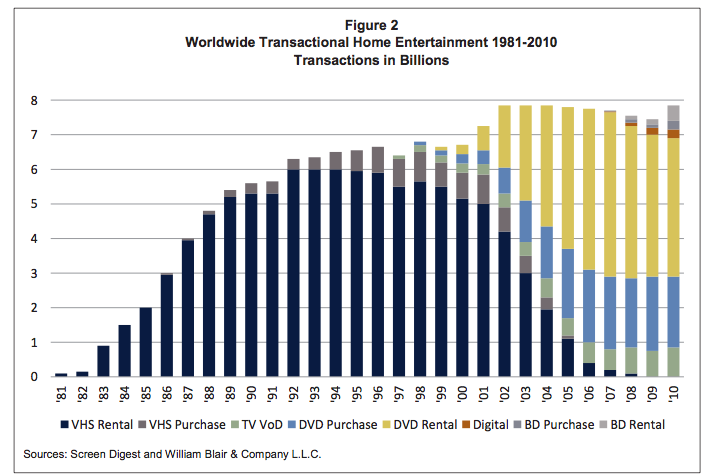
Hollywood studios could consider going to bed with Google should it subsidize their wholesale fees and at least partially monetize the movies through advertising. Consumers would be given the choice of either watching a pricier, ad-free version or rent ad-supported titles for a lower fee. Stakes are high in this game. The market is worth an estimated $65 billion and just advertising on digital home entertainment is a billion dollar business (see the table after the break).

Google, of course, is facing fierce competition from the likes of Apple, Amazon, Netflix, Hulu, in addition to traditional retailers such as Best Buy (CinemaNow) and Wal-Mart (Vudu). Weighing in on Amazon, Google and Apple, William Blair summed it up nicely:

We believe Amazon’s digital agenda is to gain Prime customers, Apple’s strategy is to sell devices, and Google’s focus is to build a bigger ad footprint.

Now, if Google has in fact been quietly licensing studio content left and right, prudent watchers should expect a splashy announcement alongside GoogleTV 2.0, which is due end of summer, as in any day now. If Google can leverage their pending Motorola acquisition, which makes millions of set-top boxes for other IPTV players, Google could quickly establish an end-to-end Hollywood entertainment delivery platform that even Apple might find difficult to crack. In all, Google has likely found its new $65 billion market, the research note reasons:
Expand
Expanding
Close

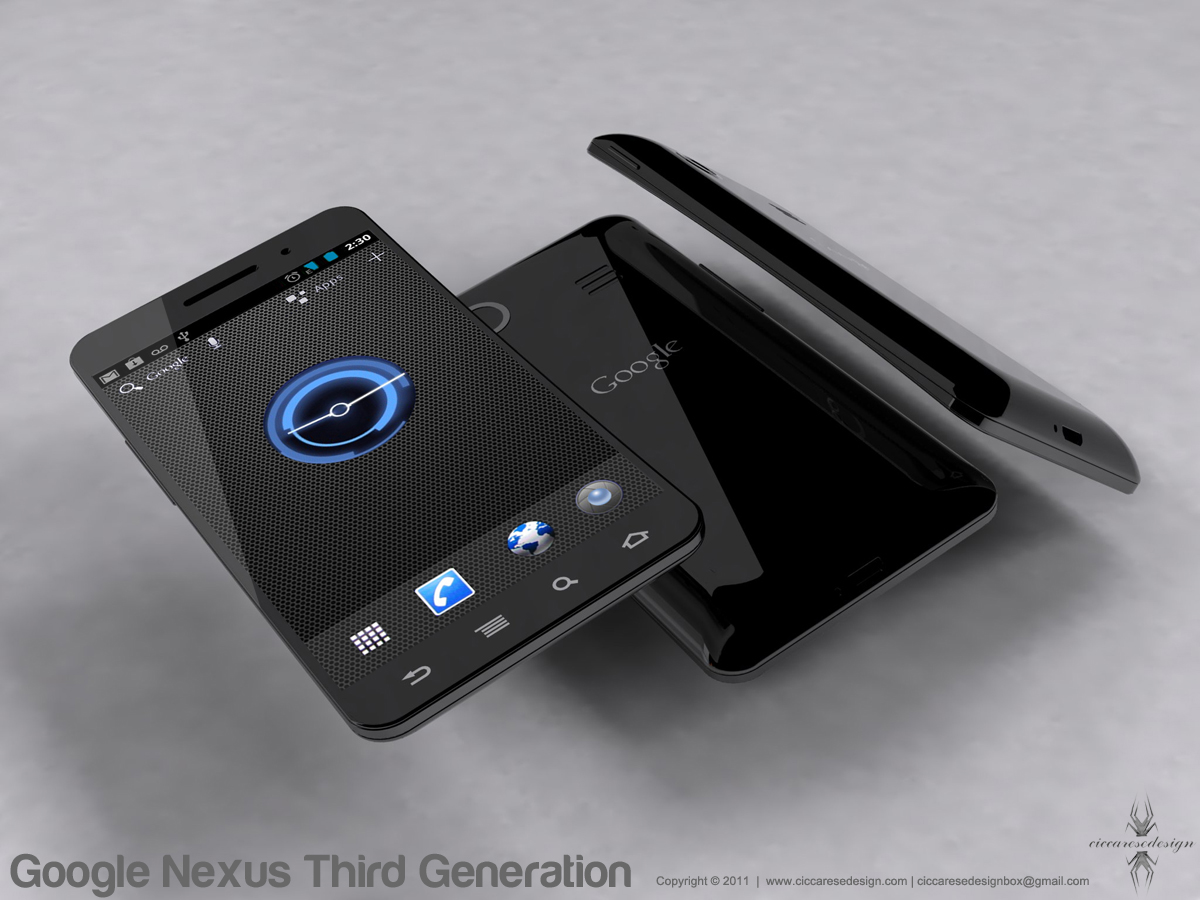
Jaw-dropping rendering of Nexus Prime running Ice Cream Sandwich

Site default logo image

If a third-generation Nexus phone (dubbed Nexus Prime) even remotely resembles the above concept render, we’re sold. The awesome image arrived courtesy of designer Federico Ciccarese who is also credited with the iPhone Air mockup. As you may recall, rumored Nexus Prime specs include a 4.65-inch Super AMOLED HD display with a native 720p pixel resolution and possibly Texas Instrument’s OMAP4460 processor. The phone is allegedly to be manufactured by Samsung. Two more gorgeous renders included after the break.


Expand
Expanding
Close

Samsung goes after iPhone, iPad in France as Apple halts Motorola cases until Google merger is completed

Site default logo image


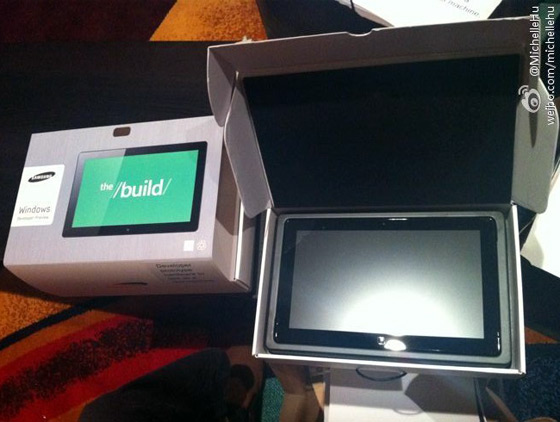
This is a Samsung-branded Windows 8 tablet Microsoft is giving away to BUILD attendees today. Wanna take bets on possible actions from Apple? Go past the break for unboxing clips. Image courtesy of MobileTechWorld

The latest in the ongoing patent saga involving Apple, Google, Motorola and Samsung includes an unexpected twist as Samsung goes after iPhone and iPad with a complaint filed before a Paris district court in July. The filing alleges infringement of Samsung’s three technology patents, reports AFP. The first hearing is expected in December of this year.

Meanwhile, patent expert Florian Müller notes on his blog FOSSPatents that Apple has filed motions to temporarily halt two Motorola lawsuits until Google completes its $12.5 billion acquisition, which shook the technology world last month. Put simply, Apple argues Motorola waived its rights to sue when it transferred patents to Google. Apple wrote:

To further its pending acquisition by Google, Motorola has surrendered critical rights in the patents-in-suit, such that Motorola no longer has prudential standing to pursue this action. According to the publicly-filed Merger Agreement, Motorola has ceded control of the most basic rights regarding the patents-in-suit

As you know, Google has transferred some of the Motorola patents to HTC, in addition to the ones acquired from Palm and Openwave Systems. HTC then used those patents to counter-sue Apple. Back to Apple vs. Samsung…

Financial Times today opined that Samsung needs to hit the reset button, predicting a licensing agreement of sorts provided Apple succeeds in blocking Galaxy products in the U.S. next month. Contrary to the reports, the publication thinks “Apple is restricted from taking its chip business to Samsung’s rivals in Taiwan because Samsung offers a complete package of components that other firms cannot match”. However, there are indications that Apple’s been lowering Samsung orders for some time and it’s widely believed the company is eager to take its silicon business to TSMC beginning next year.


Expand
Expanding
Close

Nielsen: Android men are for Maps, women are for Facebook

Site default logo image

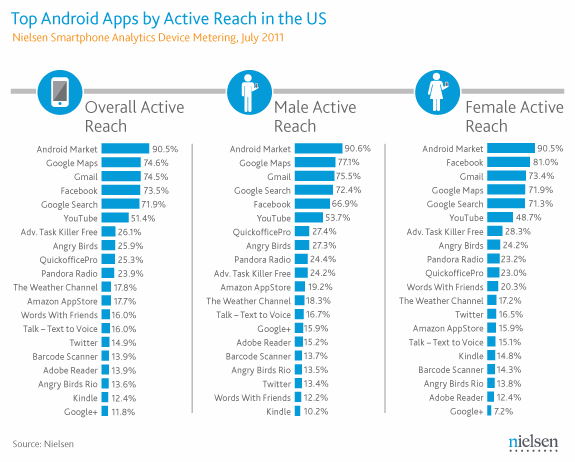
In jargon talk, marketeers frequently argue that Android is from Mars and iPhone is from Venus when explaining the different demographics and appeal of the two platforms. Be that as it may, it would be interesting to figure out what apps are people particularly liking on their Android devices. That’s what research firm Nielsen set out to discover in their latest survey that analyzes app trends among U.S. consumers. Based on data obtained from on-device meters on thousands of Android smartphones, Nielsen found out that Google’s own programs dominate the list of most-used Android apps nation-wide.

In addition to Facebook (#2) and Android Market (as expected, it ranked first), the top 10 list based on overall active reach includes Google Map, Gmail, Google Search, YouTube, Adv. Task Killer Free, Angry Birds, QuickOffice Pro and Pandora Radio. Amazon’s storefront app to their own Appstore for Android ranked twelfth.

Gender break down reveals that the Facebook app is more popular with the ladies, reaching 81 percent versus 69 percent for male users. Google+, on the other hand, is more popular with male Android users (15.8 percent active reach) than women (7.2 percent). Google Maps has the highest reach among male Android users, 77.1 percent, second only to Android Market. Twitter, Words With Friends and Kindle apps are more popular with female Android users in the United States.

And while we’re at it, what do you reckon the most profitable apps on Android are? Games? Entertainment? Adult apps? No. It’s weather programs, per research2guidance’s free “Android Market Insights” research note.


Expand
Expanding
Close

Chrome just keeps chugging: One in four desktop installations, now within spitting distance of Firefox

Site default logo image

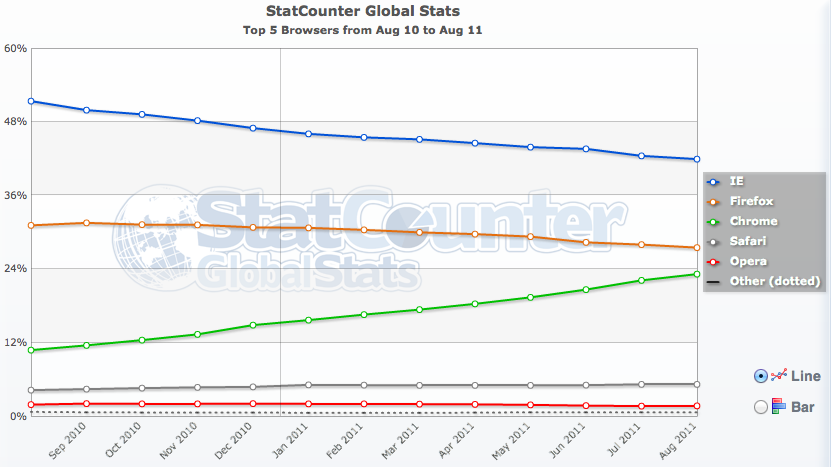
Chrome and Android, the two crucial weapons in Google’s assault on mobile and desktop, are showing no signs of stopping. We already reported today that Android passed iOS globally. When it comes to browsing the web, Google’s Chrome zoomed past the 25 percent mark for the first time this weekend, ConceivablyTech observed. More precisely, Chrome grabbed 25.02 percent share this past Sunday, per StatCounter Global Stats data.

The software has been growing rapidly, registering global market share of 18.29 percent in April, 19.36 percent in May 2011, 20.65 percent in June and 22.14 percent in July. Apple’s Safari grew marginally, adding just 0.02 percentage points to its 5.17 percent share in July. The latest StatCounter data, which may not be representative of the entire market, really spells trouble for Mozilla’s Firefox. Mozilla’s browser used to be the preferred alternative to Microsoft’s market-dominating Internet Explorer not that long time ago. How times change…

Firefox’s share is declining five times faster than Internet Explorer’s, indicating that Chrome is slowly but steadily chipping away at Firefox’s market position, which is now within spitting distance. Firefox scored a 27.49 share for the month of August versus 41.89 percent for Internet Explorer. The fact that only 14.5 percent of web users, or 54 percent of Firefox users, have upgraded to Firefox 6 is another indicative of shifting tides as Google gains significant ground in the web browsing space.

Google also benefits from the silent updating mechanism, a computer process that sits in the background to automatically keep your Chrome installation up to date, without any intervention on your part. Did the latest StatsCounter numbers surprise you? The writing has been on the wall for some time.


Expand
Expanding
Close

Android passes iOS globally in web usage share

Site default logo image

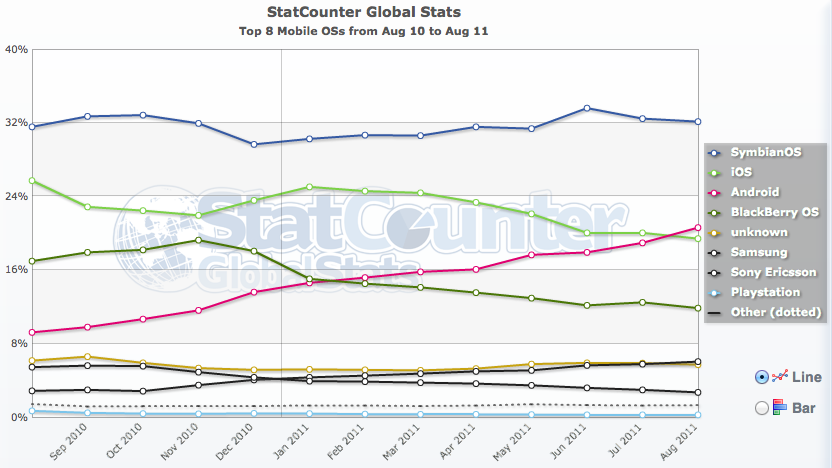
Per latest StatCounter Global Stats data, Google’s software platform in August 2011 passed iOS worldwide to rank as the world’s #2 mobile operating system. showing no signs of stopping, Android gained ground at the expense of pretty much every other platform, including Research In Motion’s BlackBerry OS, Symbian OS and Apple’s iOS. Of course, stats can be deceiving and phone makers have been boosting Android’s numbers with dirt cheap handsets and BOGO promotions. Let’s not forget that StatCounter base their data on web usage stats obtained from a network of participating sites so the survey does not necessarily paint a representative picture of the whole market.

That being said, Android was trumped only by Symbian OS, which lost 1.46 percent of market share since June 2011. Symbian OS in August grabbed 32.12 percent market share versus 20.6 percent for Android and 19.41 percent for iOS for the month of August. While Apple’s mobile operating system had pretty much held ground during the June-July period, it dropped 0.62 percentage points between July and August.

In the same period of time, BlackBerry OS declined by 0.64 percentage points. Samsung’s own Bada software for feature phones took 6.04 percent market share in August. Interestingly, Microsoft’s Windows Phone doesn’t even blip on the global radar and is probably tucked away under the ‘Unknown’ category which claimed a 5.72 percent share.


Expand
Expanding
Close

Video highlights Google Wallet’s many potentials

Site default logo image

[youtube=http://www.youtube.com/watch?v=2RJaAUeASyU]

In May, Google proclaimed the end of the wallet by announcing a new service called Google Wallet that promises to make mobile paying as easy as tapping a phone to an intelligent terminal which can take digital receipts and coupons and carry out the transaction. The company followed-up with a splashy video that highlighted the bright future of digital invoicing. Four months in, people still carry traditional wallets in their pockets. Heck, some even keep an iPhone in their wallet.

The Next Web points to an interesting video put together by AdZag, explaining why Google Wallet is a disruptive technology of the future rather than a fad. It’s actually the clip Google showed at the Wallet presser, it just hasn’t been available online until now. Google Wallet’s biggest hurdle is availability….


Expand
Expanding
Close

HTC considering OS purchase: “We have given it thought and discussed it internally”

Site default logo image


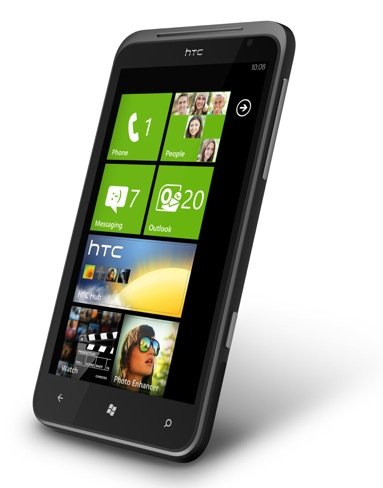
HTC will debut the Titan, a Windows Phone 7 ‘Mango’ device, on AT&T this Fall.

A rather curious message comes from the HTC camp, with chairwoman Cher Wang confirming her company has given the notion of buying its own mobile operating system “a thought”, according to a report by Focus Taiwan.

We can use any OS we want. We are able to make things different from our rivals on the second or third layer of a platform. Our strength lies in understanding an OS, but it does not mean that we have to produce an OS.

WebOS? Don’t count on it, although any purchase is possible these days with the mobile space turned upside down. The HTC Sense user interface is seen by the company as a compatibility layer which can hide the underlying OS from the user, at least from the usability standpoint. In the larger scheme of things, the very public mention of buying its own mobile software should not be interpreted as a voice of support for non-Google software, at least for now.

After all, the vast majority of the handsets HTC is selling today run Google’s Android software. That being said, there’s nothing unusual with HTC seeking alternative solutions for the future. The company used patents Google obtained from its Motorola acquisition to sue Apple and gain some leverage in its ongoing litigation with the iPhone maker. If Apple prevails in court, HTC’s Android strategy could come into question as the royalties will likely hurt profits and slim margins.


Expand
Expanding
Close

Samsung Galaxy S II has the fastest GPU in any current smartphone, more than 2x faster than the Galaxy Tab 10.1’s Tegra 2 chip

Site default logo image

Anandtech has published some interesting findings based on their extensive Samsung Galaxy S II review. It’s the first smartphone to use the graphics processing unit based on the Mali-400 core from ARM Holdings, a fables chip maker from the UK. In fact, Samsung has engineered and manufactured its own system-on-a-chip solution for the handset.

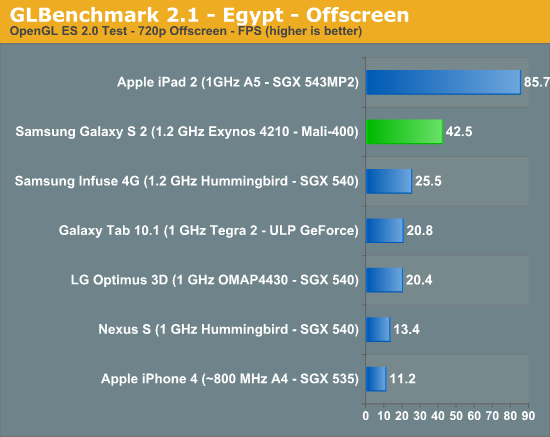
They call it the Exynos 4210 and it combines a dual-core Cortex-A9 CPU core and the aforementioned Mali-400 GPU sporting four cores. The resulting performance, says Anandtech, is comparable to Texas Instruments OMAP 4 chip that incorporates Imagination Technologies’ PowerVR SGX540 GPU core. However, the quad-core 1.2GHz Exynos 4210 probably won’t hold a candle to iPhone 5, which will likely carry the same dual-core processor-GPU combo as the iPad 2’s 1GHz A5 chip:

Samsung implemented a 4-core version of the Mali-400 in the 4210 and its resulting performance is staggering as you can see above. Although it’s still not as fast as the PowerVR SGX 543MP2 found in the iPad 2, it’s anywhere from 1.7 – 4x faster than anything that’s shipping in a smartphone today.

Interestingly, and per the GL Benchmark seen in the above image, the Exynos 4210 is more than twice as fast compared to the Galaxy Tab 10.1 that runs Nvidia’s Tegra 2 chi. It’s also nearly four times speedier than iPhone 4’s 800 MHz A4 chip which has the PowerVT SGX535 GPU core. However, the 4210 falls short in the triangle throughput department.

The publication this this could be a big disadvantage over the iPad 2’s A5 processor that clocks nine times the graphics performance of the original iPad’s A4 chip. Triangle throughput is important in graphics-intensive games and will become key in “future games that may scale along that vector rather than simply increasing pixel shader complexity”. The video of Anandtech’s Samsung Galaxy S II review is right after the break.

Cross-posted on 9to5Mac.com.


Expand
Expanding
Close

WSJ: $79 a year Amazon Prime subscription to include Kindle books?

Site default logo image

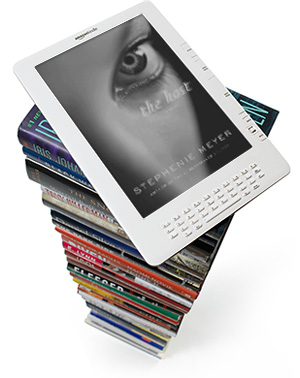
Amazon is in talks with books publishers about a new service that could enable customers to subscribe to Kindle books in bulk for an annual subscription fee, according to a report by The Wall Street Journal.

Amazon has told publishers it is considering creating a digital-book library featuring older titles, people familiar with the talks said. The content would be available to customers of Amazon Prime, who currently pay the retailer $79 a year for unlimited two-day shipping and for access to a digital library of movies and TV shows. Amazon would offer book publishers a substantial fee for participating in the program, people familiar with the proposal said. Some of these people said that Amazon would limit the amount of books that Amazon Prime customers could read for free every month.

However, the deal is anything but certain because print die-hards are not entirely sold on the initiative, fearing the idea might “downgrade” the value of books.

Several publishing executives said they aren’t enthusiastic about the idea because they believe it could lower the value of books and because it could strain their relationships with other retailers that sell their books, they said.

It is also unclear whether enough people would buy into the idea of subscribing to a vast library of digital books. The service would, however, provide value to e-reading aficionados who buy a lot of individual e-books on a regular basis. Of course, if Amazon can work out fair usage terms and keep the prices low, the general public could take the bait, too. If anything, the initiative could be seen as another way to upsell customers to the Amazon Prime subscription package.

That being said, the very idea of subscription-based access to Amazon’s vast books library raises the question whether Amazon is attempting to kill the library per se. It may seem a stretch, but let’s not forget that Kindle books are now outselling hardcover and paperback editions combined. Also, the service could take off if coupled with the forthcoming Amazon tablet, which will probably be the case.


Expand
Expanding
Close

Swiffy, Google’s Flash-to-HTML5 converter, gets more features and a new home

Site default logo image


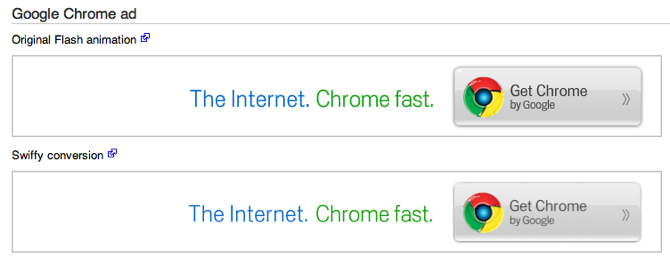
An example Chrome advert before and after the conversion. Go here for live demo.

Swiffy, Google’s experimental tool that converts Flash files to HTML5 code, will not be killed off due to their Fall spring-cleaning which will retire other Google Labs projects, namely Fast Flip, Desktop and Notebook, among others. Engineer Pieter Senster wrote in a post over at the official Google Code blog that Swiffy has a new home at g.co/swiffy. Although it’s in beta and won’t convert overly complex Flash files, Swiffy has gotten off to a great start and already users have converted “hundreds of thousands of files”, the company noted.

Google also highlighted several new features, such as support for shape tweening and drop shadow, blur and glow filters, all using SVG, CSS and JavaScript. A great example of Swiffy is this Chrome banner, which converted into HTML5 runs and looks just as smooth and pixel-perfect as its Flash counterpart. Google specifically mentions iOS devices in the Swiffy description which details how the web-based tool lets people“reuse Flash content on devices without a Flash player (such as iPhones and iPads)”.


Expand
Expanding
Close

Google updates Advanced Image Search with cleaner interface, more features

Site default logo image

Google’s been rolling out a series of product updates lately in an effort to unify its many services in terms of both looks and features departments. For example, the company is working towards bringing the encrypted and regular search pages on par. Today, the Google Operating System blog spotted that the advanced image search interface has been re-worked to function more like the corresponding web search page. In addition, the new interface provides access to the features that were previously only available in the sidebar. You’d want to tap the advanced search page (by clicking the “Advanced Image Search” link on images.google.com) in order to narrow down your search results to a domain or a country, a certain filetype or list only Creative Commons images.

Google’s art department’s not been standing still either. Ever since Larry Page took over Google’s reins and pledged his company would put great design front and center, we’ve seen the search behemoth revamp its many properties. It started with the appealing Circles interface in Google+ and continued with the little tweaks that have freshened up the overly simplistic and geeky appearance of Google’s many web properties, bringing them on par with the Google+ theme. Latest examples include the Google Account sign-in page and the Blogger interface, both updated with the new look. Google hired renowned designer who worked on the original Macintosh, Andy Hertzfeld, to create the Circles user interface.


Expand
Expanding
Close

Encrypted Google search interface almost ready for prime time

Site default logo image

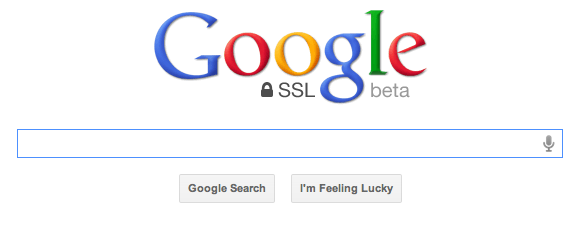
Have you been redirected to the encrypted Google search page this morning? Worry not, you should be honored for having participated in “an experiment”, the Google Operating System blog reports. The search monster is sending “some percentage of Chrome 14 users” to the more secure, SSL-enabled search page, which is still in beta. The reason?

They are testing out the new functionality of the SSL page, which now sports nearly all of the features of its non-SSL counterpart. Previously, encrypted search lacked many features of the regular search page, such as Image Search, Google Instant and Instant Preview. The encrypted search page still lacks navigation links and Google Maps doesn’t support SSL yet.

As Google works to bring feature parity between SSL and non-SSL search pages, eventually users might just tick a check box in their search settings to opt-in to SSL search. SSL, a secure communications protocol, ensures that anything that gets sent between your browser and Google’s servers (such as your query and search results) is encrypted to prevent eavesdropping.


Expand
Expanding
Close

Apple files lawsuit in Tokyo, seeks suspension of Samsung phones and tablets in Japan

Site default logo image


Japanese carrier Docomo sold 100,000 Galaxy S II phones in the first three days and today they launched an LTE version of the Galaxy Tab tablet.

Apple’s patent infringement claims against Samsung now include twelve courts in nine countries on four continents. Reuters reported this morning that Apple is now formally suing Samsung in Japan and seeking to block sales of Samsung phones and tablets in the country:

Apple has filed a suit with the Tokyo District Court seeking the suspension of sales of Galaxy S and its sequel S II smartphones and the Galaxy Tab 7 in Japan, according to sources close to the matter. The first hearing was held on Wednesday, the source said.

The iPhone maker is seeking 100 million yen, or approximately $1.3 million, in damages. Apple previously had filed four complaints before the Tokyo District Court, according to patent expert Florian Müller. Coincidentally, Japan is also another high-revenue market for Apple. Other countries where Apple took Samsung to court include Germany, U.K., U.S., Australia and more.

Samsung’s Galaxy S has outsold the iPhone in Japan last year. In July of this year, Samsung announced sales of three million Galaxy S II phones in 55 days, the successor to the popular Galaxy S handset. Samsung is also the world’s #2 smartphone maker, after Apple. The Korean company surprised investors by deciding against divulging sales of phones and tablets in the face of growing competition with Apple. Android-based handsets and iPhones together hold well over three-quarters of the Japanese market for smartphones, forming a duopoly which is present in pretty much every other market where Google and Apple compete are locked in the battle for smartphone supremacy.

Apple is projected to sell 86.4 million iPhones worldwide in 2011 and its iPad is dominating the post-PC world with approximately two-thirds of all tablets sold worldwide. In an interesting twist, court in Australia recently advised the Cupertino, California-headquartered gadget giant to divulge iPad 2 sales figures in the U.S. and U.K. if the Samsung sales blockade is to hold. In a nutshell, judge wants proof that the similarities between Samsung’s Galaxy Tab 10.1 tablet and iPad 2, which had been first brought to light by Apple, have in fact hurt iPad 2 sales.

Last week Apple successfully banned the new Galaxy Tab 7.7 from the IFA show in Germany. Samsung will also cease to market that device in the country until its legal dispute with Apple is resolved. Samsung, also Apple’s supplier of memory chips, processors and other components, considers litigation with Apple as “destiny”, their CEO Choi Gee-sung told reporters in Korea last week:


Expand
Expanding
Close

Dell sees Baidu Yi phones, tablets as an opportunity to sell more computers

Site default logo image

We now know that Baidu Yi, a brand new mobile operating system unveiled Monday by Baidu, the dominant search engine company in China, is forked from Android. We knew it would be stripped of Google search, but we haven’t been aware of the extent of customization. A DigiTimes story from this morning indicates the software cuts all ties with Google services:

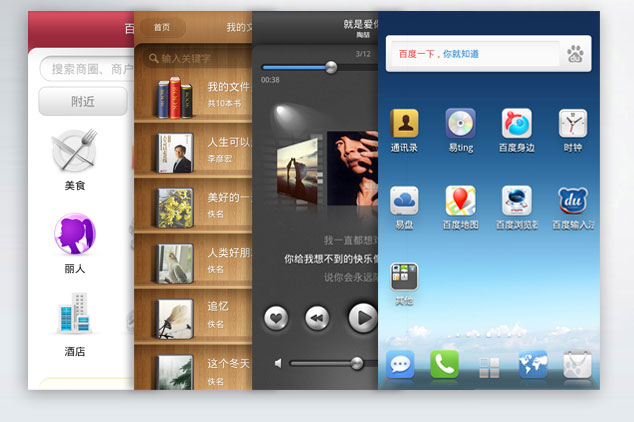
Baidu’s new software platform will feature map, e-book reader, cloud storage and search functions.

Baidu yesterday forged a partnership with Dell, which is expected to unveil first Baidu Yi-powered tablets and smartphones this November, in time for the holiday shopping season. Some even think Baidu Yi gear will roll out worldwide rather than in China only. The publication also highlights another interesting nugget we haven’t known, that Dell will preload devices with an Android-based app of its own.

Basically a storefront to the online Dell store, the app will allow for buying Dell computers online and giving ratings. No doubt Dell sees Baidu Yi both as an opportunity to drum up publicity for their ailing tablet business and upsell consumers to their computer products. No word on whether Baidu Yi will run a customized user interface atop Android, similar to Samsung’s TouchWiz or Motorola’s MotoBlur.


Expand
Expanding
Close

A day later, Baidu signs up Dell to build phones and tablets powered by new Android-forked mobile OS

Site default logo image


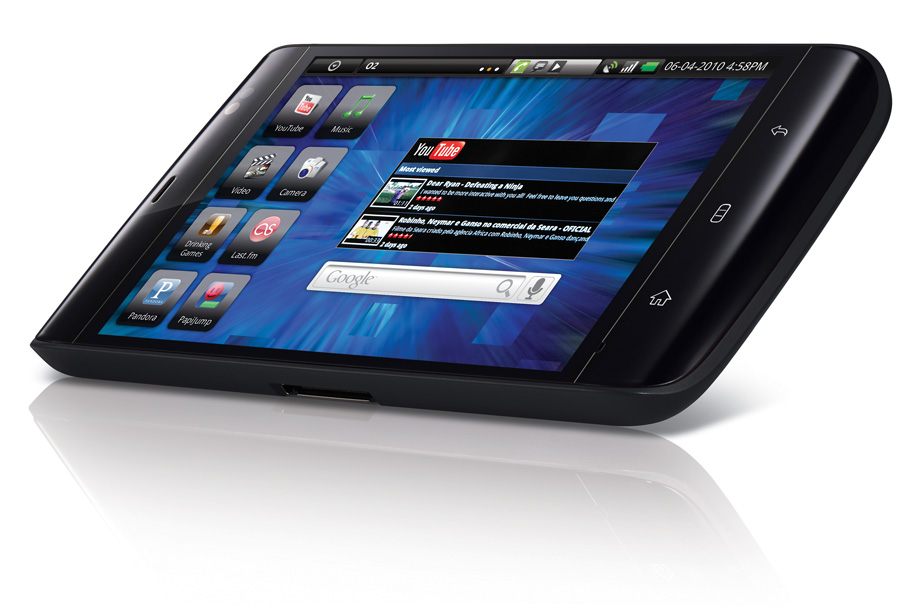
Dell discontinued its Streak 5 hybrid tablet, seen above, last November. The company is now leveraging its Baidu tie-in in the hope of re-entering the space in a meaningful way.

9to5Google yesterday reported that Baidu, the leading search engine in China, unveiled a brand new operating system dubbed Baidu Yi. Forked from Android and stripped of Google search and services (in much the same way the Amazon tablet‘s software is rumored to be), Baidu Yi aims to keep Google’s Android in China at bay. Following up, Reuters reported Tuesday that Baidu is partnering with Dell on tablets and phones that will run the new software. A Dell spokesperson told the news gathering organization:

We have a partnership with Baidu and you know we have the Streak 5 tablet, so the partnership will be in that space.

The first devices are expected to hit the marketplace early November. The surprising news comes at a time when the mobile industry flipped upside down.“It is really interesting to see Baidu forking its nemesis’ software and partnering with Dell here”, former Engadget editor Joshua Topolsky commented on Twitter. Computer maker Dell, which pulled its five-inch hybrid Streak 5 tablet last August due to poor reception, has some experience working with Chinese carriers and companies as their inaugural smartphone launched in China first. Evidently, both companies have their sights set on the recession-proof global mobile landscape and it’s easy to grasp why…


Expand
Expanding
Close

Judge: Apple should reveal iPad 2 sales data to support Galaxy tablet sales ban in Australia

Site default logo image

The latest in the ongoing legal dispute between Apple and its key components supplier, Samsung, comes via Bloomberg which reported this morning that Apple may be pushed into revealing iPad 2 sales numbers in England and America if the company is to increase chances of the Samsung Galaxy Tab 10.1 blockage in Australia:

Apple Inc. may have to reveal iPad and iPad 2 sales figures in the U.K. and U.S. to improve its chances of barring Samsung Electronics Co. from selling the Galaxy 10.1 tablet computer in Australia, a judge said. Apple’s claim that the Samsung tablet’s release in Australia will hurt iPad sales may carry little weight if it doesn’t provide the numbers, Federal Court Justice Annabelle Bennett said in Sydney Federal Court today. ‘Unless Apple puts on evidence showing the impact in the U.S. or U.K., I can’t draw any positive assumptions,’ Bennett said.

Apple sought an injunction on Samsung’s tablet in Australia until the patent spat is resolved. Apple is claiming that the obvious similarities between Samsung’s family of Galaxy smartphones and tablets are hurting their sales. Apple in prior court documents referred to Samsung as the “copyist”. Recently, Samsung in America asserted Apple ripped off the iPad design from the Stanley Kubrick 1969 film “2001: A Space Odyssey” to argue Apple’s patents should be invalidated under prior art. Judge Bennett would leave it up to Apple to determine whether or not it would be willing to provide court with sales figures. Whichever way you look at it, that’s an interesting twist in this litigation…


Expand
Expanding
Close

Baidu launches its own Android-based mobile OS in China, leaves out Google search and services

Site default logo image

The Register reports that Baidu, the dominant Chinese search engine, has launched a mobile operating system of its own. It’s called Baidu Yi and is based on Android, but leaves out Google search and implants their own instead. It also has “Chrome-alike browser” and comes with Baidu-created web apps plus their mapping, cloud synch and music download services. The software is now featured on Baidu’s homepage. This may not be good news for Google.

Remember that Baidu recently partnered with Microsoft to provide Bing-powered English search results for their search engine in China. 9to5Google reported in June that Baidu might want to leverage Android to limit Google’s appeal in the country and further reduce Mountain View’s share of China’s search-based revenue. In January 2010 Baidu’s search-based advertising revenue share was at 63 percent versus Google’s 33 percent. The site was valued at $15 billion and enjoyed 300 million visitors.

Baidu isn’t alone in Android forking. Last week, TechCrunch reported that Amazon too will use a heavily customized Android version to power its upcoming mobile devices. Author MG Siegler saw prototypes and said “it looks nothing like the Android you’re used to seeing”, adding:


Expand
Expanding
Close

Samsung denies webOS, Apple deals, moves to surface as the world’s top-tier software maker by end of 2013

Site default logo image

There’s no denying Samsung’s best days are yet to come. Their mobile devices arm is hot and has risen to become the conglomerate’s consumer face charged with dreaming up exciting gadgets, such as the Galaxy family of smartphones and tablets. Just last week, they branched out into new form factors with the introduction of the 7.7-inch Galaxy Tab and a brand new 5.3-inch device with a stylus, dubbed the Galaxy Note. Granted, they have no plans to launch the new devices in the U.S. because Apple would likely ask for injunction (unless Obama intervened).

Samsung has also added a WiFi-only 3.6-inch personal media player to their lineup. This is happening despite an escalating patent dispute with Apple which has resulted in tablet launch delays in Australia, the Galaxy smartphones sales blockage in the European Union and a possible video testimony in court. In all, patents expert Florian Mueller counted nineteen lawsuits Samsung and Apple are currently embroiled in, spawning twelve courts in nine countries on four continents.

But the future is bright, CEO Choi Gee-sung told reporters in Korea today. The company zoomed past Nokia and Sony, according to The Korea Times report, and wants to become the world’s top-tier software firm by the end of 2013. Ongoing litigation with Apple?

Samsung regards court battles with Apple as destiny. We are clashing with Apple in certain areas. Current situations will make us stronger.

Another company executive said “Samsung has no reason to send a ‘goodwill gesture’ to Apple first and therefore it is highly unlikely that Samsung will come to a licensing deal with Apple”. The CEO also flatly denied the rumors calling for his company to license Hewlett-Packard’s webOS software or buy the computer maker’s ailing PC business. He likened acquiring an operating system to “becoming a fashion”:

One thing clear is that Samsung will never buy HP’s webOS patent portfolios and I think that’s not important. We have over 20,000 software experts and Samsung prepares beyond normal imaginations. We are open to strike small M&A deals, though.

In fact, it would appear that Samsung has realized (on time, too) that software is the single most important building element that makes the gadget lovers’ hearts sing. That’s why the chairman is said to have demanded that the executive team double down on software. As a result…


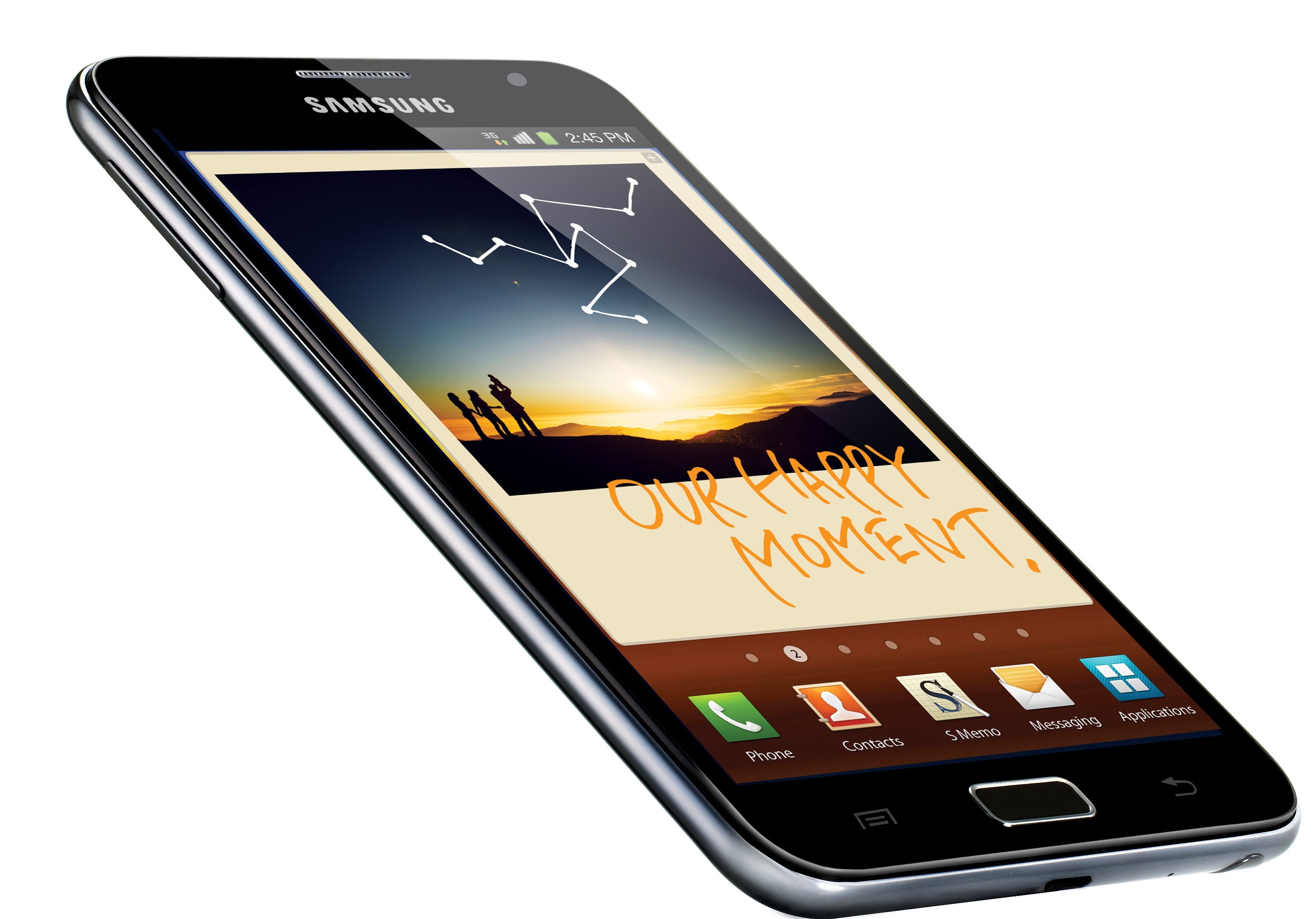
With the Galaxy Note, pictured above, Samsung’s mobile devices division has branched out into a wider array of form factors.


Expand
Expanding
Close

Microsoft could be developing own ad platform for Windows 8 apps

Site default logo image

Software maker Microsoft, understandably, wants its share of  the mobile advertising pie and could be working on a new mobile advertising platform. Like Apple’s ailing iAd – boosted with today’s promotion of iTunes chief Eddy Cue to head of online services – or Google-owned AdMob, the yet unnamed platform should let developers inject Microsoft-served adverts inside apps that will run on upcoming Windows 8 mobile devices, smartphones and tablets in particular. It will give programmers yet another option, but could also prove problematic for Google, which pretty much owns the mobile advertising space.

According to Fusible, the Redmond, Washington-headquartered software behemoth on August 30 apparently registered nearly a dozen domain names through MarkMonitor, hinting at the possible service. These include AdvertisingonWindows8.com, Windows8Ads.com and AdsonWindows8.net, among others:

Right now the actual owner of the domains is hidden behind Whois privacy provided by MarkMonitor’s DNstination. But rest assured, these registrations are 99 percent certain to be Microsoft as MarkMonitor is a brand protection company for some of the world’s biggest companies including Microsoft itself.

Microsoft. of course, calls Windows 8 its most ambitious software ever. Currently, Windows Mobile and Windows Phone devices hold onto a single-digit market share, even with the new Mango software release around the corner (BGR says around September 15). Contrast that to Apple and Google which together seized up to two-thirds of the market


Expand
Expanding
Close

Google believed to be launching Gdrive soon

Site default logo image

If you believe the rumors, Google’s been working on a cloud-based drive for your computer since 2005. Code-named “Platypus” and also known as GDrive, it was supposed to arrive long ago, as I wrote over at TG Daily in January 2009. Today’s article by TechCrunch asserts that the search company may be close to launching Gdrive, based on code hooks discovered in Chrome that point to the drive.google.com URL:

Diving a bit deeper into the code reviews, what’s most striking is that drive.google.com doesn’t appear to be referenced anywhere besides this one exposed ticket. This suggests that it’s either no big deal, or that Google is keeping this very secret.

TechCrunch also reminds us of Steven Levy’s book “In The Plex” which describes how Google+ lead Bradley Horowitz “convinced Google’s top executives not to launch” Gdrive back in 2008 because he felt “the concept of a ‘file’ was outdated”.


Expand
Expanding
Close

Android the platform of choice for the earliest of early adopters, says Nielsen

Site default logo image

Like politics, smartphone wars come down to two major parties – Google and Apple – embroiled in a never-ending fight for consumers, especially those who have not made up their mind as to which operating system they’d like in their next smartphone. According to July 2011 data from Nielsen survey, “these ‘undecideds’ will be the ones device makers will be hoping to win over”. Interestingly, the Late Adopters among likely smartphone upgraders are the ones most likely to be undecided about their next phone platform.

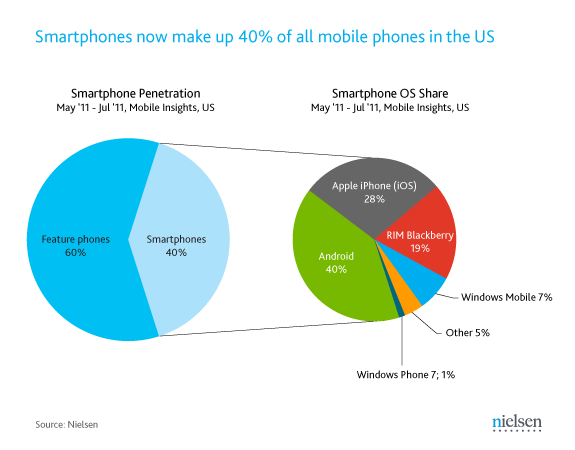
The research firm discovered that forty percent Americans aged 18+ now have smartphones. Android leads the pack with a forty percent OS platform share  and iOS came in second with 28 percent. Compared to Nielsen’s June 2011 study, Android grew its share by one percentage point while iOS growth fell flat. The BlackBerry platform lost one percentage share and now stands at nineteen percent.

Of those buying a new smartphone next year, one third would opt for an iPhone and another third would go Android. This leaves other manufacturers outside the Android-iOS duopoly to fight for the remaining 33 percent of buyers.

Android, however, is the preferred platform of choice for the earliest of early adopters:

Among those who say they are usually the first to embrace new technologies, “Innovators” or the earliest of early adopters, Android leads as the “Next Desired Operating System” – 40 percent for Android compared to 32 percent for iOS. (Survey respondents were asked several questions to determine their attitudes toward new technologies.)

Moreover, the smartphone is clearly on the rise…


Expand
Expanding
Close

Blogger’s revamped interface goes live for everyone, more face-lifting underway

Site default logo image

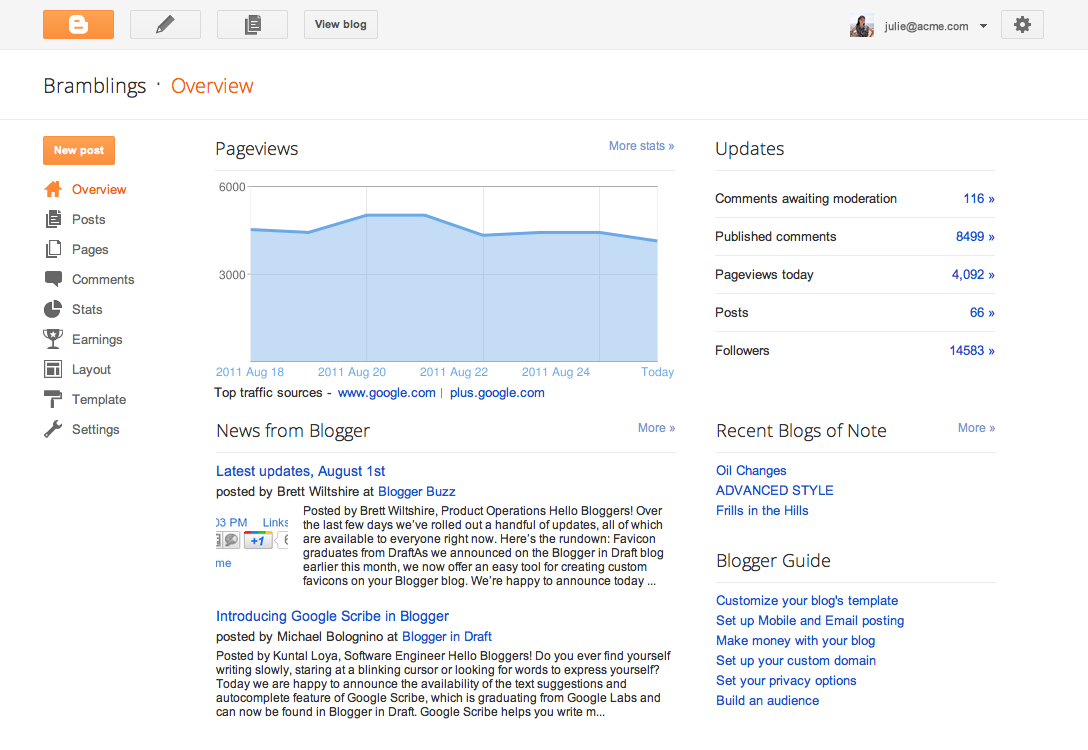
Google embarked on a Blogger redesign back in July, part of a broader push to update the look and feel of their many services that now resemble the clean, elegant appearance of the Google+ service. The revamped UI today went live for everyone, the first in a “series of major updates” due over the course of the coming months, Blogger product manager Chang Kim wrote in a blog post.

Thorough changes are evident in all parts of the Blogger interface, from the post editor to Dashboard. Code has also been optimized and parts of it rewritten from scratch, mainly the editing and management experience.

We here at 9to5Google are all for Google’s new design language stemming from the work of the original Macintosh designer, Andy Hertzfeld. Design-wise, Blogger never felt like a Google service. Updating the Blogger interface to conform to the broader design changes in other Google’ products makes sense from the usability point of view, and especially if you live in a Google world. The new design has to be enabled manually in your dashboard, mind you.


Expand
Expanding
Close

Being green is a way of life, says Google in a corporate video

Site default logo image

[youtube=http://www.youtube.com/watch?v=Dt5sMxYMkGs]

Google’s environmental strides have inspired a flurry of Silicon Valley copycats to go green. The vast majority, unfortunately, just for the sake of it, mostly to look cool and hip in the public eye. Even though many tech giants are missing out on the big picture, there are a few notable exceptions, such as Apple. The iPhone maker is famously building a stunning spaceship-like campus that will have an underground parking lot with solar roof and they reportedly gave employees “iBikes” to ride between campuses.

But commuting to work without driving, meeting with someone on another continent without flying and riding cars without gasoline has long been “a way of life at Google”, their transportation manager Kevin Mathy wrote in a blog post. In case you didn’t know, Google runs the largest corporate shuttle services in the country.

The system spawns a thousand GBikes Googlers use to travel between campuses, an electric vehicle car share program dubbed GFleet, an on-campus taxi service called GRide and much more. Heck, Googlers even earn credits each time they get to work via non-engine means, which they can later convert into dollars to donate to their charity of choice. All this, plus other amazing facts, in a cool corporate YouTube video.


Expand
Expanding
Close