Ben Schoon is a Senior Editor at 9to5Google, working for the publication as one of its primary news writers since 2016.
In 2013, Ben helped start an independent tech publication where he learned the skills used at 9to5Google including writing, product photography, and videography. He is located in the city of Winston-Salem in North Carolina where he lives with his wife Melissa. Ben is an avid disc golf player.
He primarily covers Android products, including Google Pixel devices, Samsung Galaxy smartphones, as well as devices from OnePlus, Oppo, Motorola, and more. Beyond just covering news about these products, Ben also spends time using these products himself, speaking from experience with the articles he writes. Some of Ben’s most recent hands-on reviews include; Pixel 8 Pro, Pixel Watch 2, Samsung Galaxy Z Fold 5, Samsung Galaxy S23 Ultra, Motorola Razr+, HP Dragonfly Pro Chromebook, and more.
Ben Schoon is active on Twitter, @nexusben, but can also be found on Instagram and LinkedIn. For questions or tips, you can email him directly, and his portfolio is also available online.
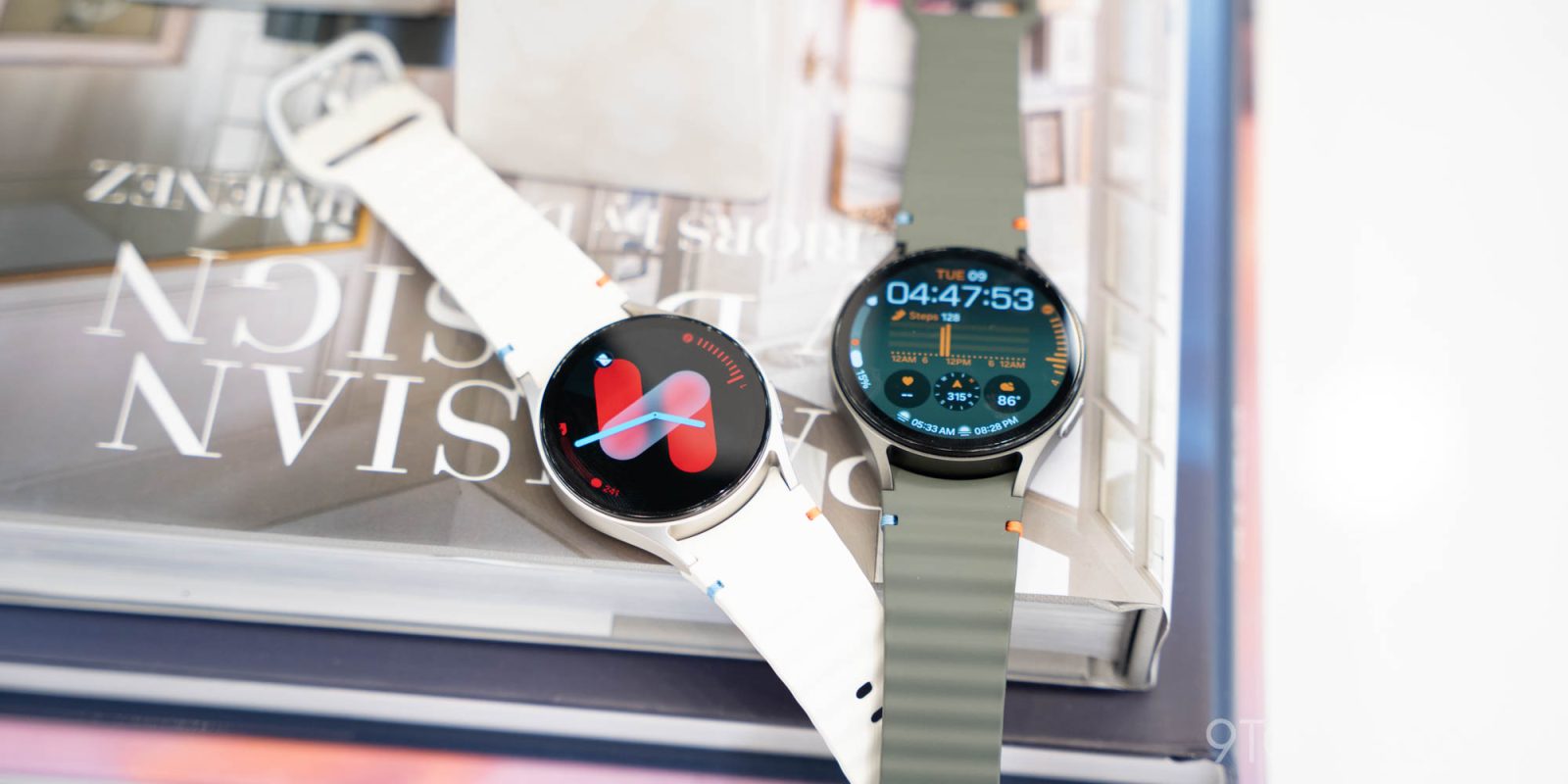
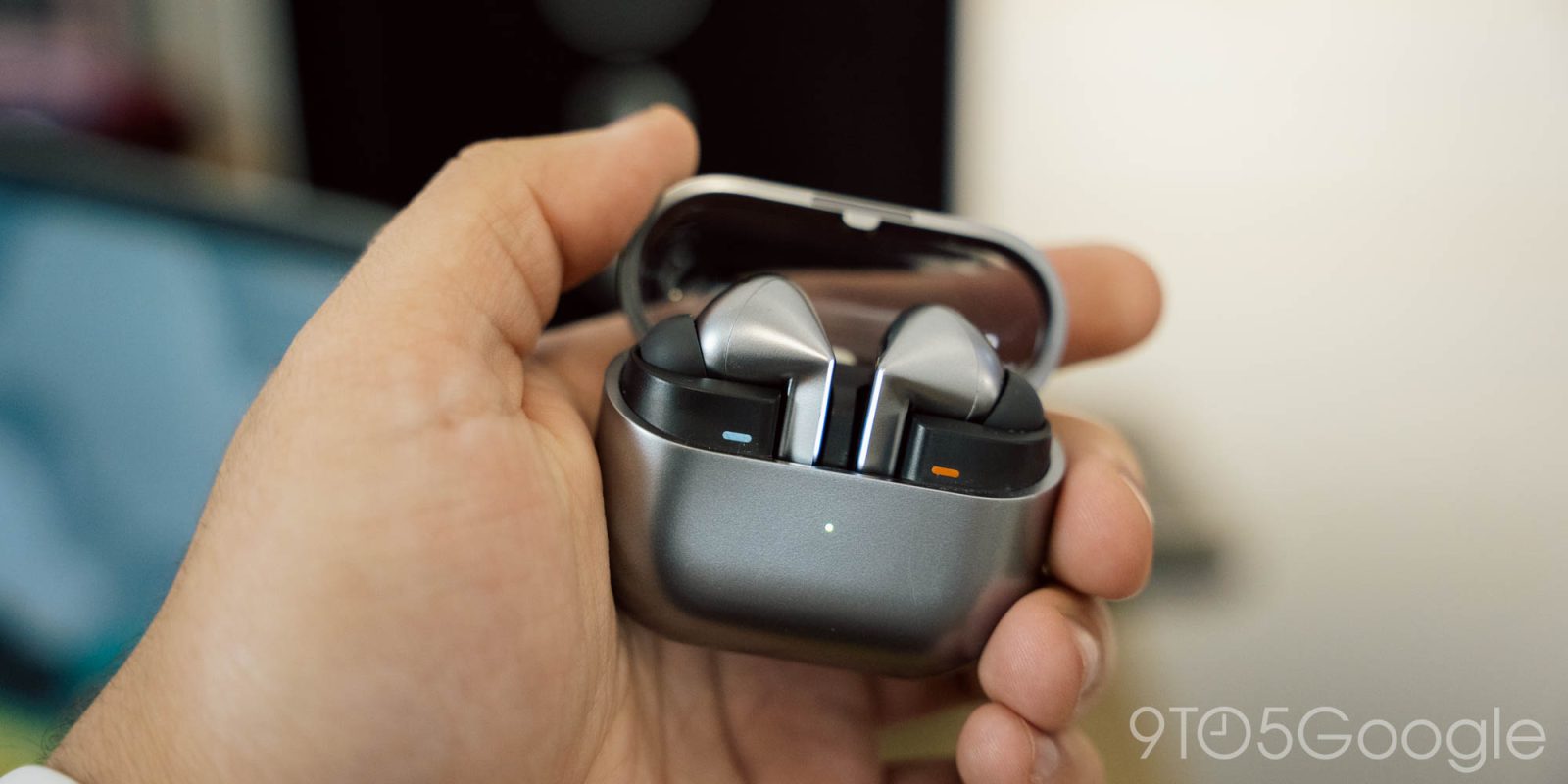
As a part of its Q1 2025 earnings call, Samsung is teasing potentially big changes for Galaxy Watch while also hinting at new earbuds, foldable improvements, Galaxy Tab S11, and more.
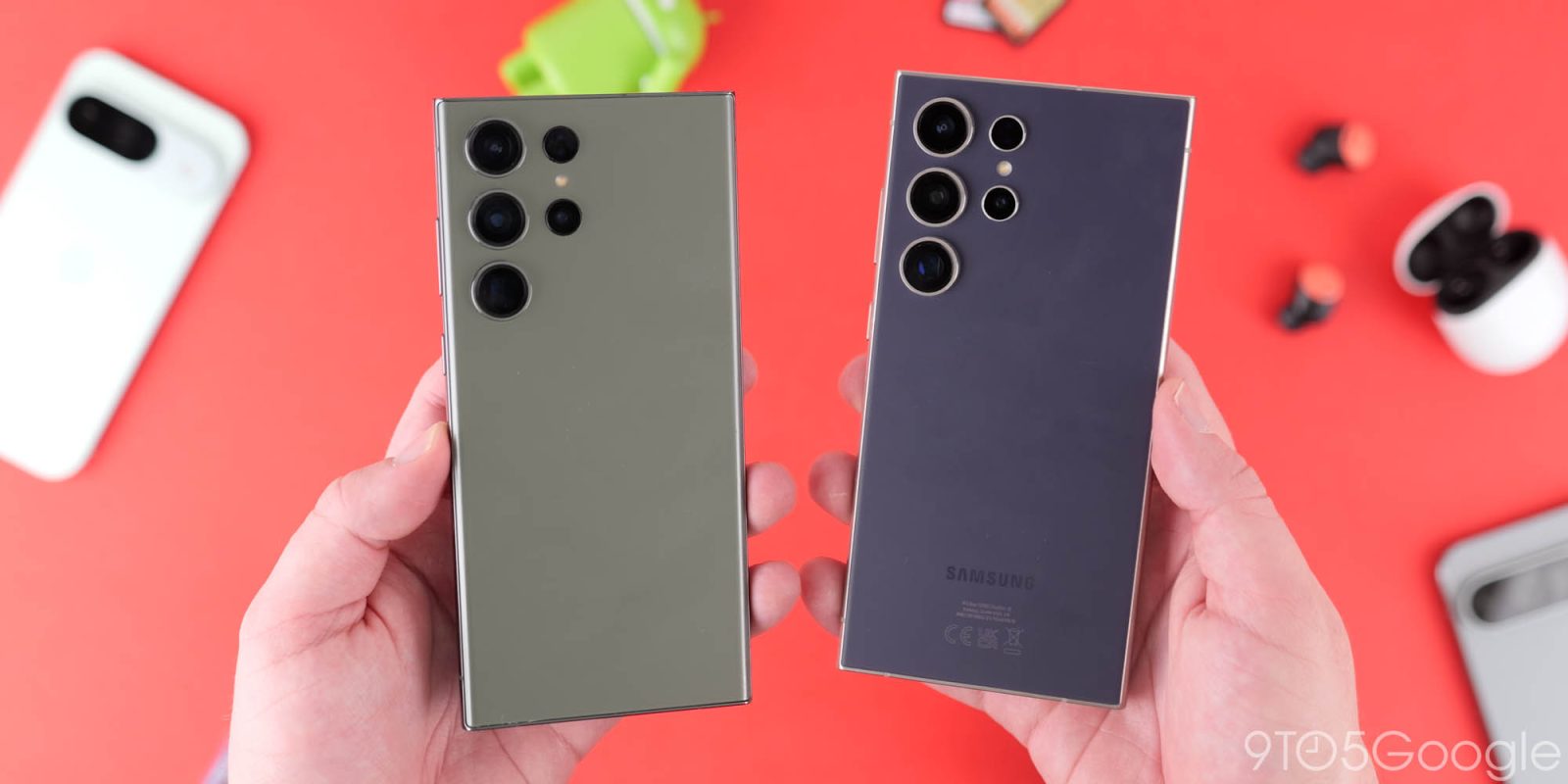
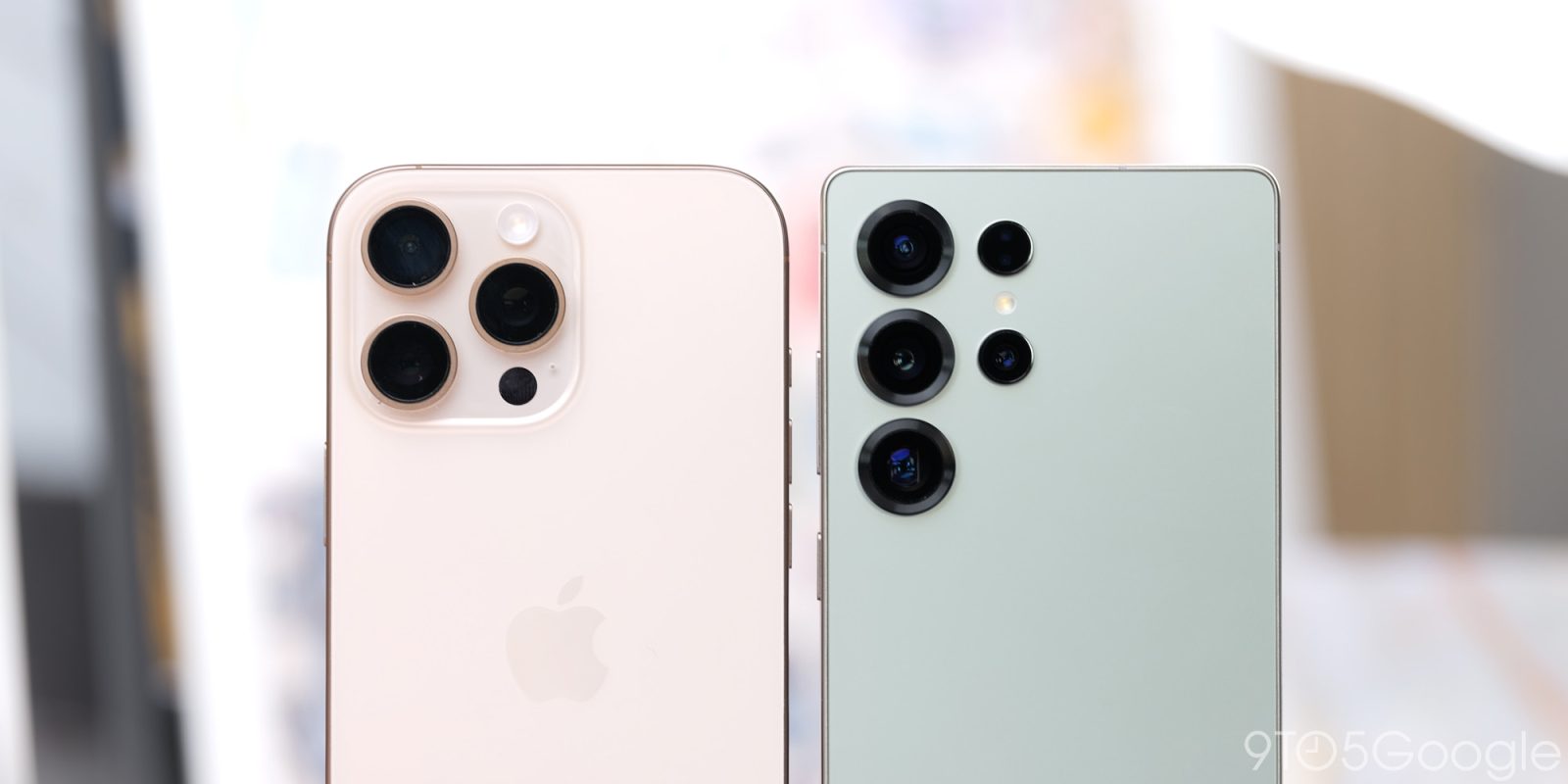
The latest numbers are in, and Samsung’s lead in the global smartphone market keeps shrinking, with just a few million smartphones and 1% separating Apple from the top spot.
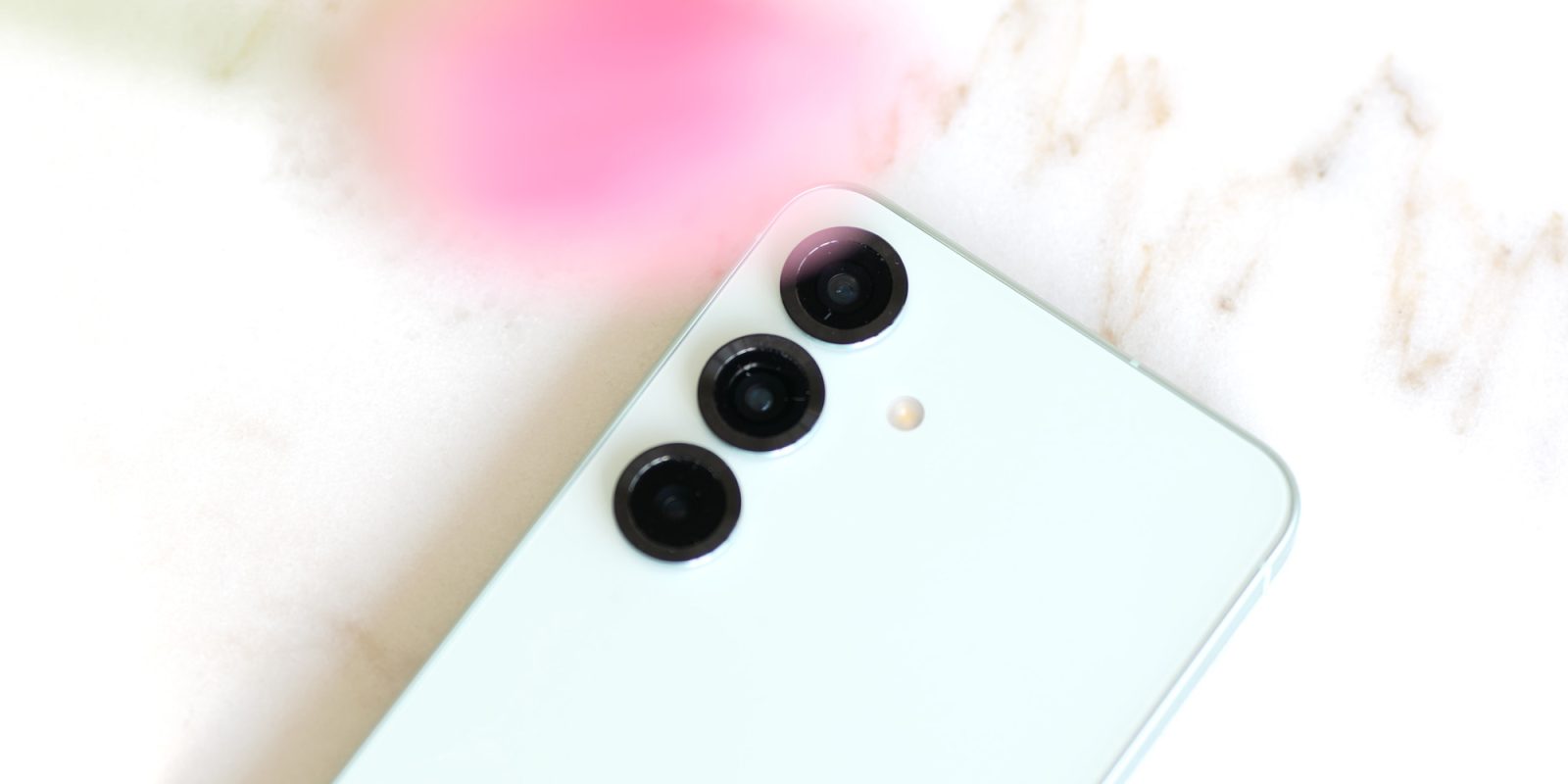
In its latest quarterly revenue announcement, Samsung is teasing the upcoming Galaxy S25 Edge launch while touting “strong” sales of the Galaxy S25 series.
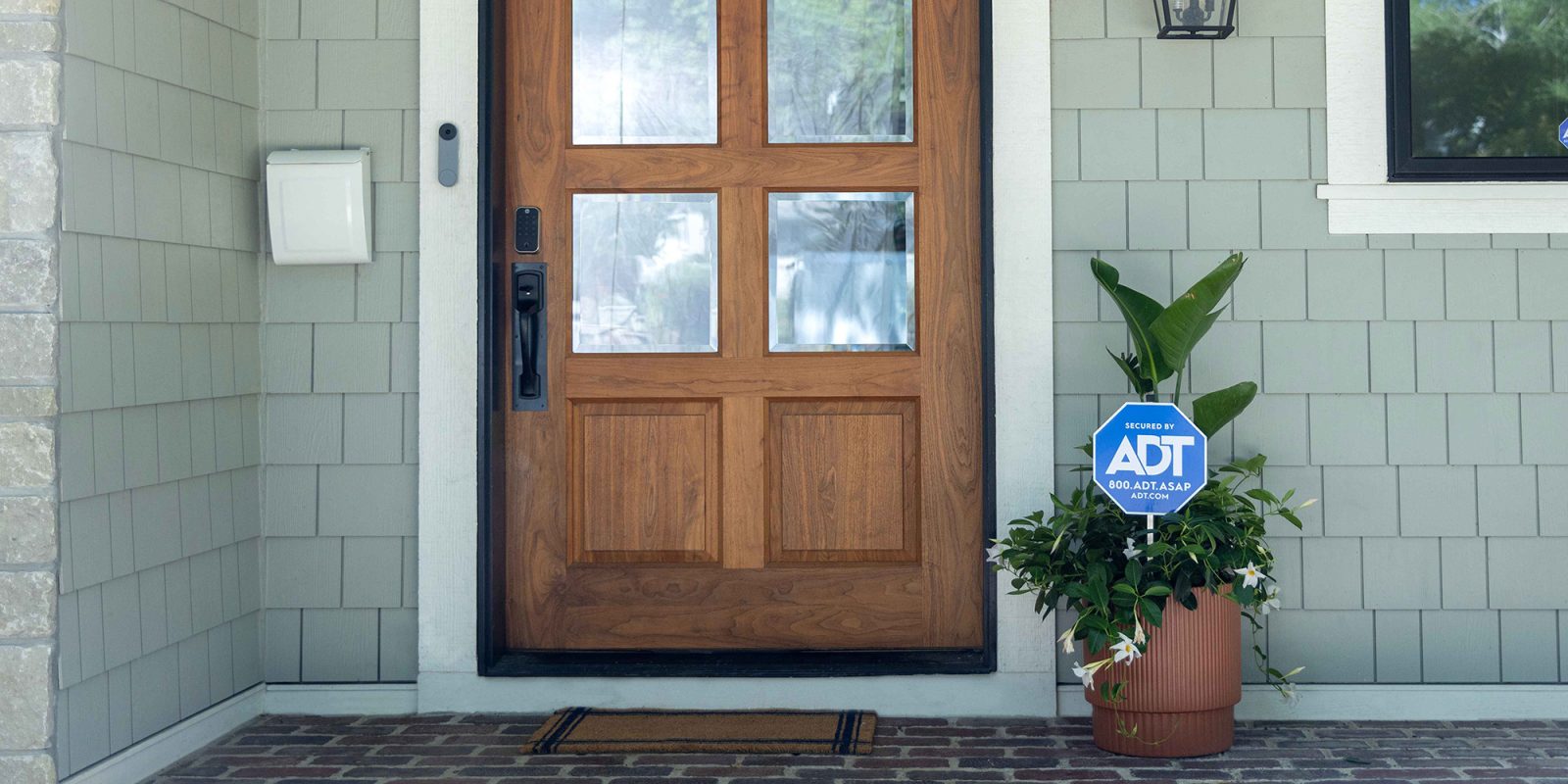
ADT is announcing two new updates to its Google Nest-integrated ADT+ security system including a new door lock that supports your fingerprint, as well as an overdue app redesign.
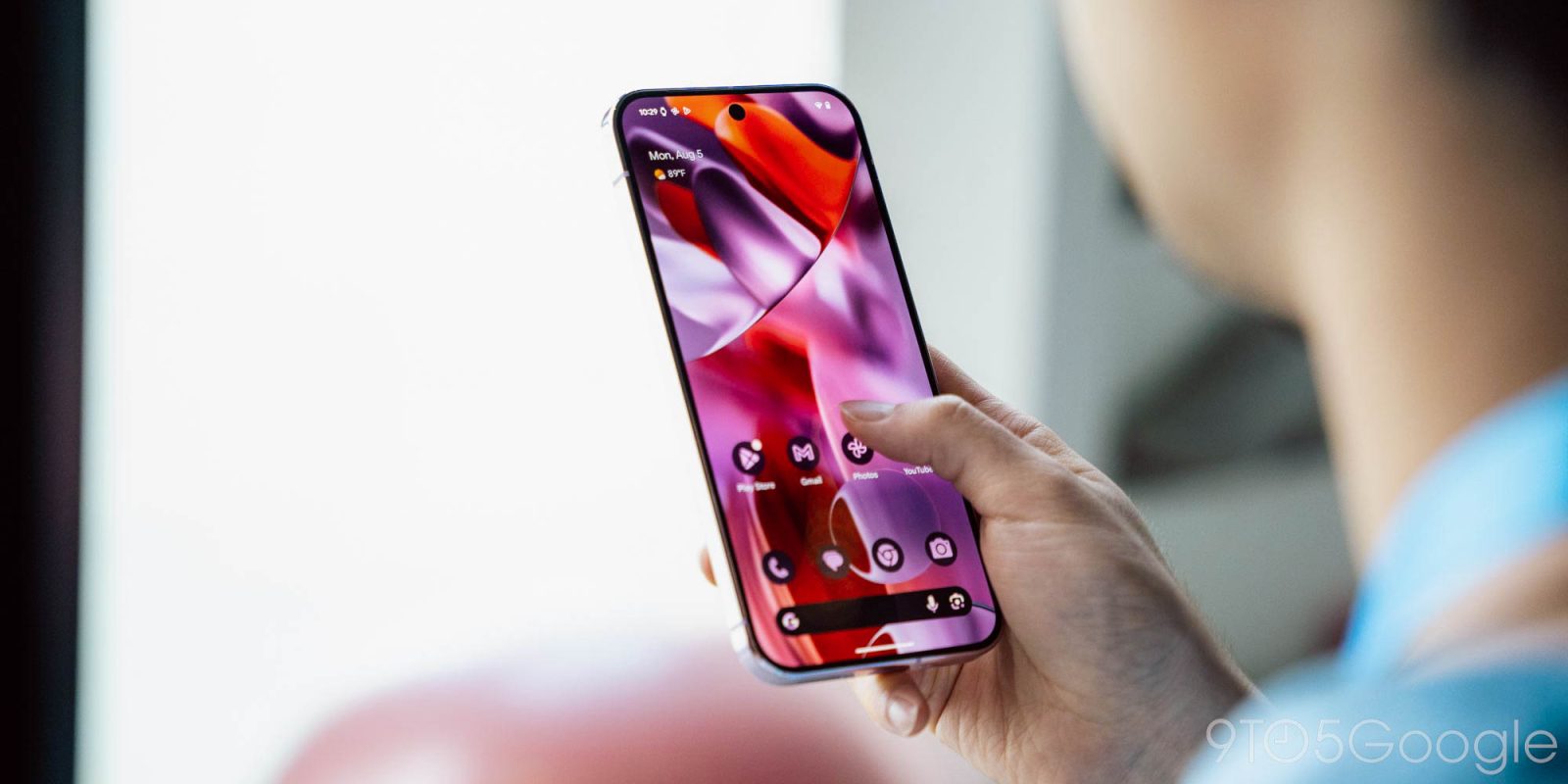
A shortcoming of Pixel displays thus far may be addressed going forward, as Google is teasing better PWM dimming rates in the future, likely starting with the upcoming Pixel 10.
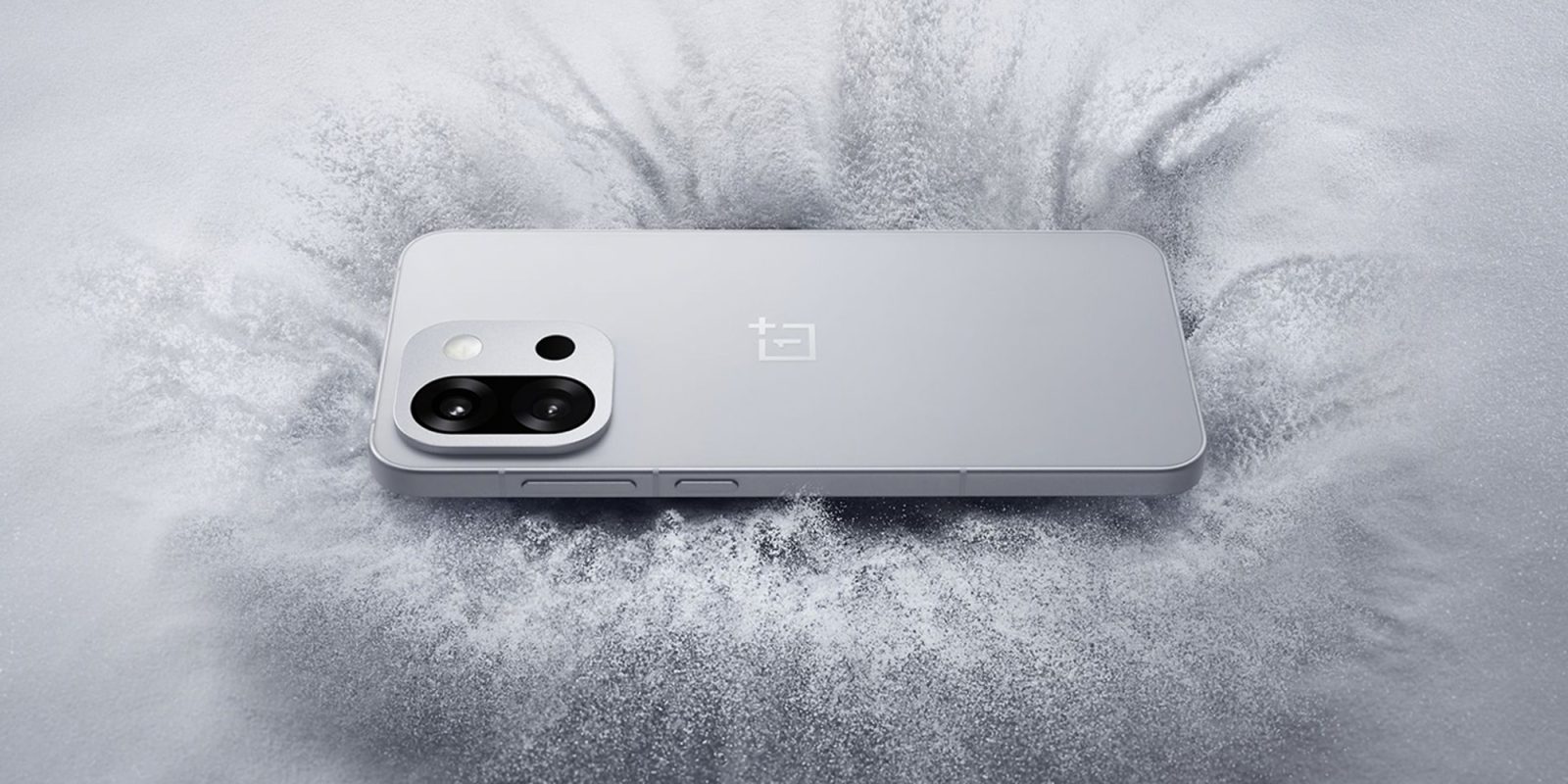
The more compact and rather enticing OnePlus 13T turned heads on its recent announcement, but OnePlus has just confirmed that the device won’t be launching in the United States or Europe.
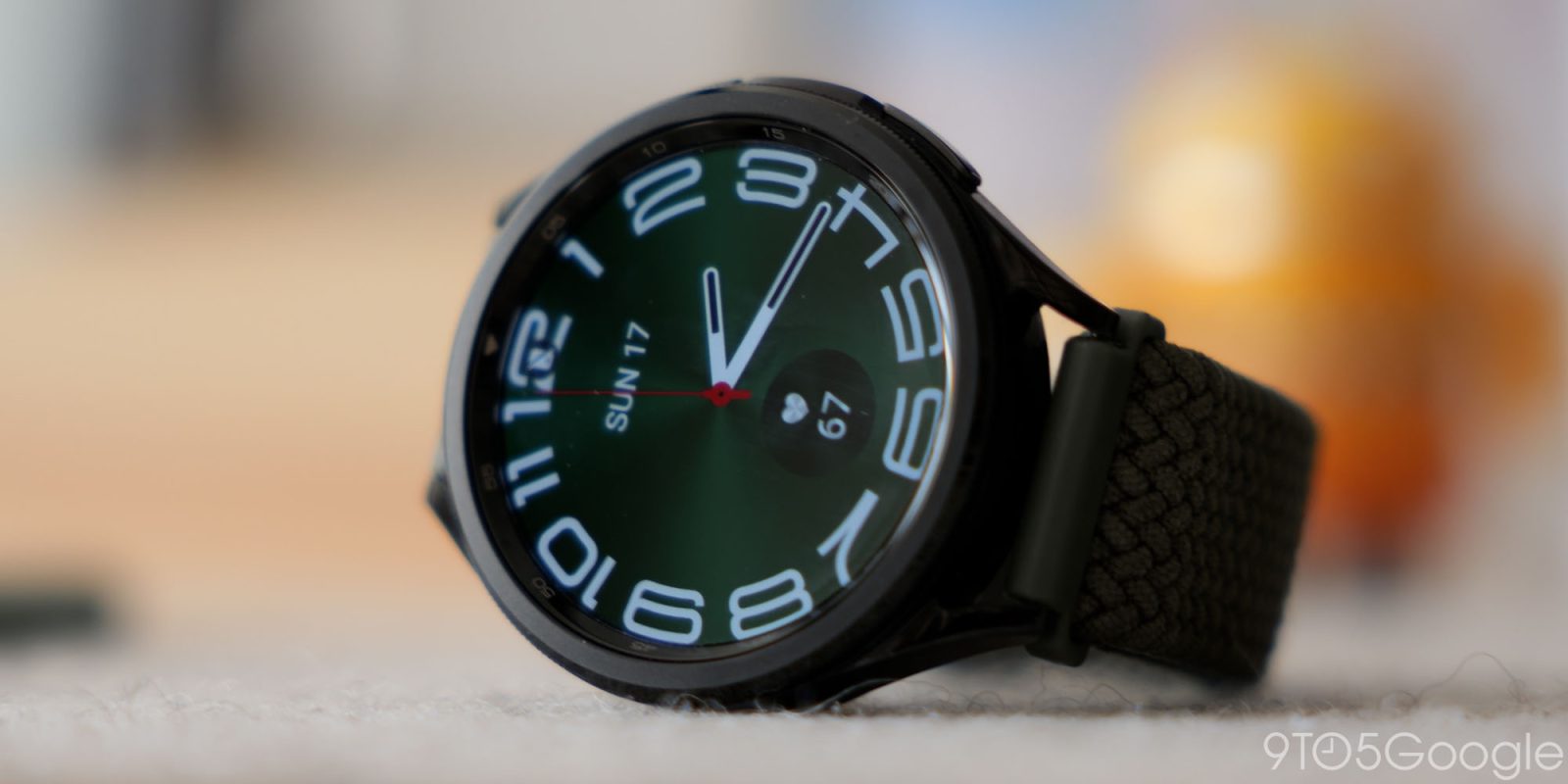
An April 2025 update is rolling out more widely to Samsung’s Wear OS-based Galaxy Watch models, with the update now available through four different generations of hardware.
Nothing has revealed that it is the fastest-growing smartphone brand in India, and also has some new updates available for the Nothing Phone (3a)’s signature Essential Space feature.
Google is working on bringing some form of climate control to its Android Auto platform, and a new update has made it possible for these controls to surface with a preview of the functionality.
It’s been nearly two years since a Nothing Phone was released in the United States outside of confusing “beta” programs, but that’s set to change with the Nothing Phone (3), Carl Pei says.
LG announced just over four years ago that it would depart the smartphone business, and now the clock is running out on any remaining updates for the company’s Android phones.
Google is extending its launch offer for the Pixel 9a with a $100 credit included with purchase, but retailers are upping the ante with $100 gift cards instead.
Ongoing outlet deals at Best Buy are offering refurbished tech at stellar discounts, including Google’s Pixel Buds Pro 2 for over $100 off, and Samsung’s Galaxy Buds 3 Pro for $150 off.
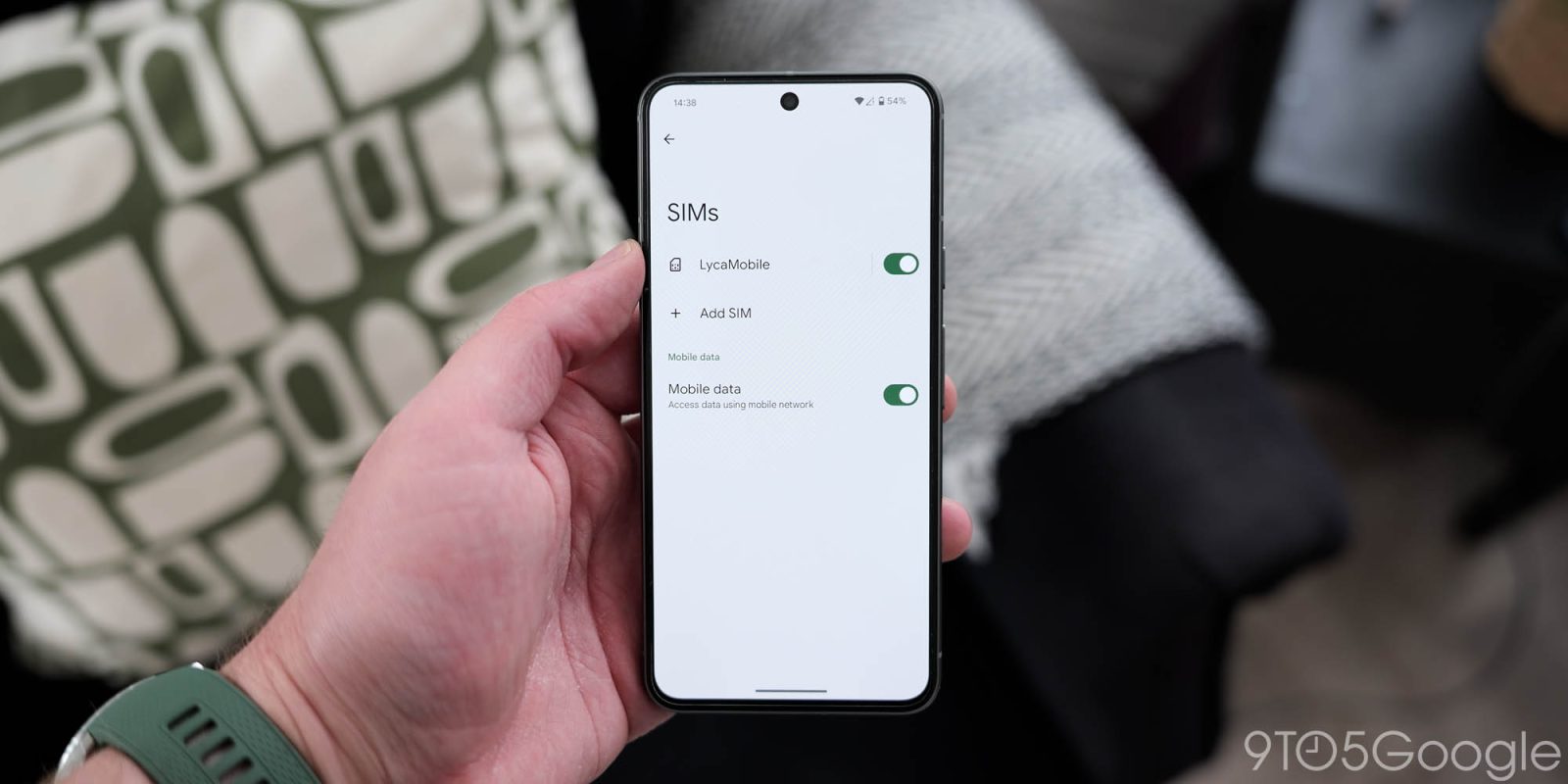
New findings suggest that Android devices may soon be able to include your SIM in a device backup, potentially making it that much easier to swap phones.
Samsung’s back-and-forth Galaxy Watch release schedule appears to be ready to bring back a Galaxy Watch 8 Classic later this year, a device that will hopefully include the company’s iconic rotating bezel.
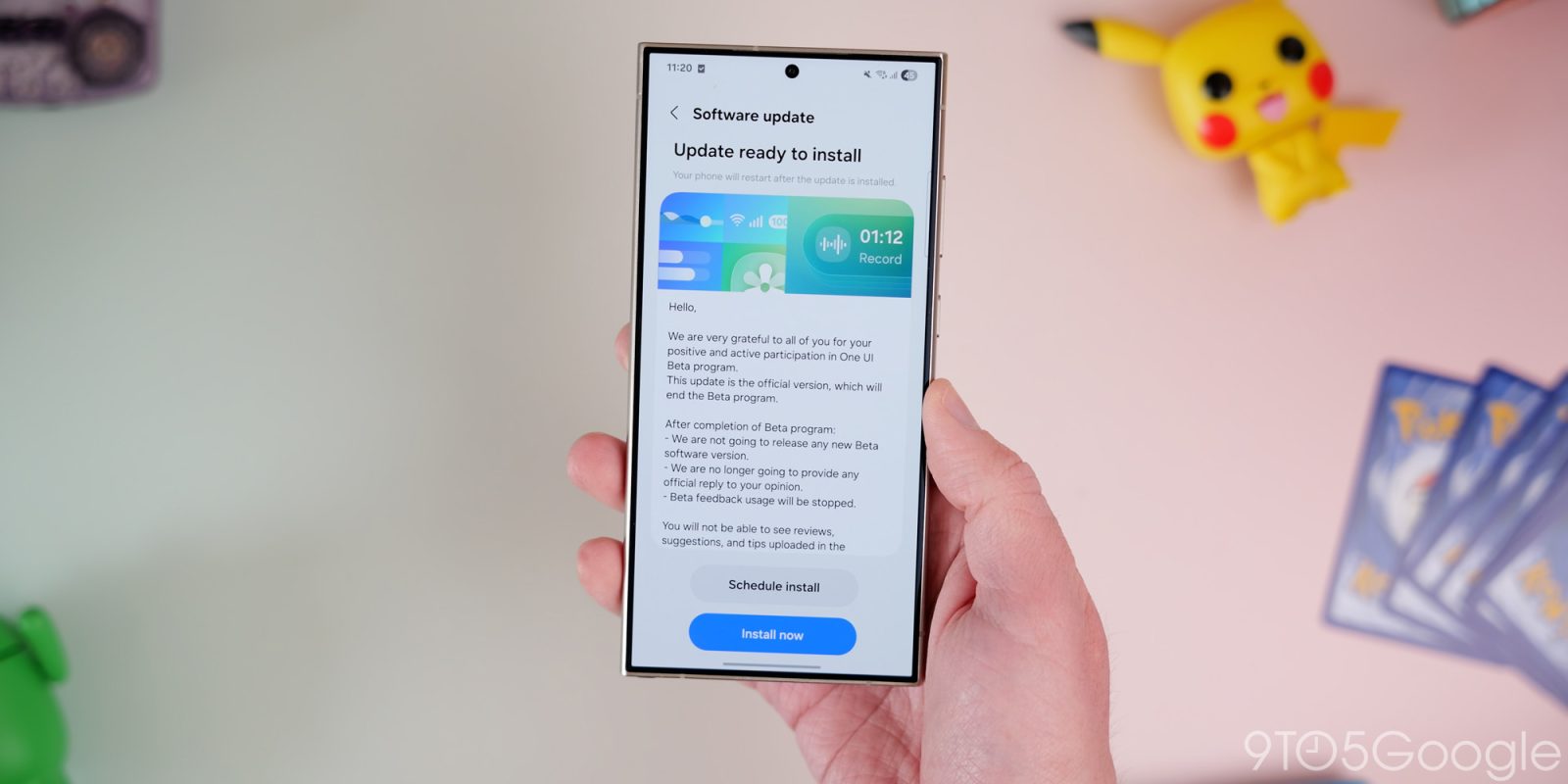
Samsung’s One UI 7 rollout has been nothing short of a minor disaster, but the company is finally picking up steam and, for the first time, is actually ahead of schedule.
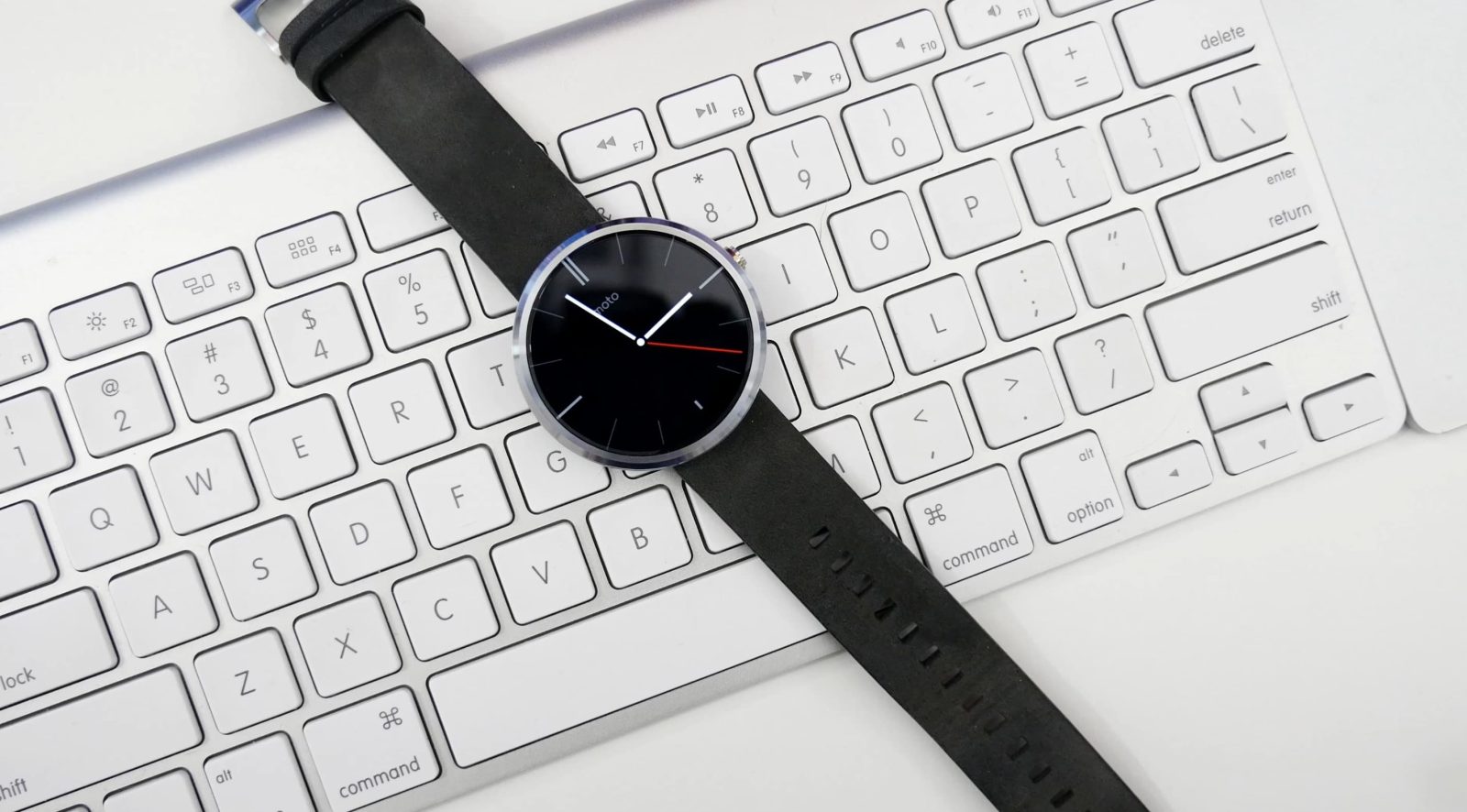
Alongside its new Razr devices this week, Motorola also announced a new smartwatch, and it just serves as a reminder that it’s well past time for a new Moto 360.
Google’s Find My Device network for Android started off slow, to say the least, but has been steadily improving. Now, we’ve finally got some numbers to back up those improvements, as Google has confirmed that the Find My Device network is 4x faster at finding items, and that “more” users have been changing the default privacy settings.