Chromebooks

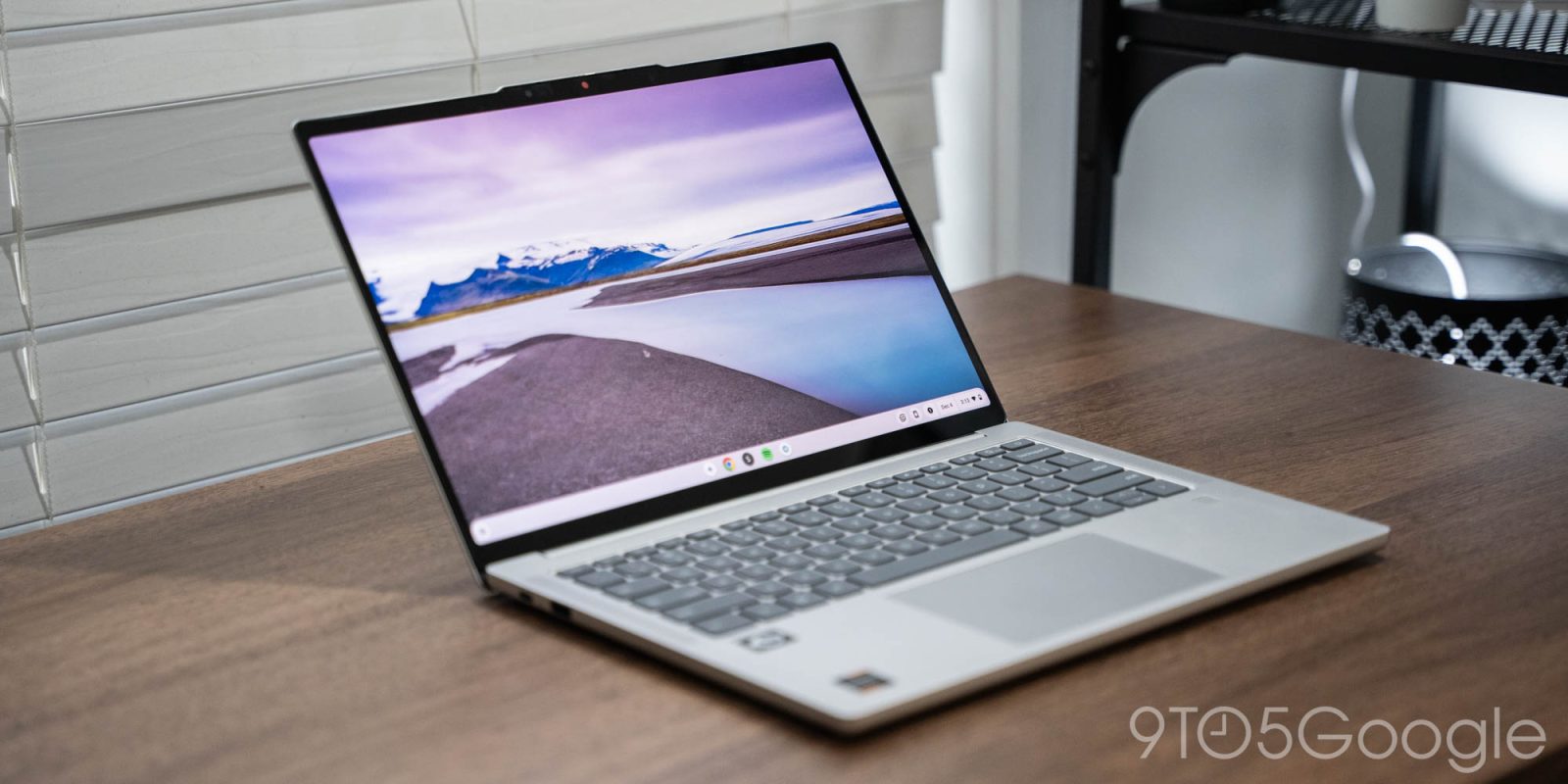
During The Android Show earlier today, Google revealed its “Googlebook” project that will replace Chromebooks, but with so much mystery around what’s to come, there are a lot of questions, but only a few answers. Here are a few additional details.
Expand Expanding Close
Chromebooks are in a sorry state, but it highlights a wider problem. Just what is happening with the desktop platform, and what is the future of Chrome OS?
Expand Expanding Close
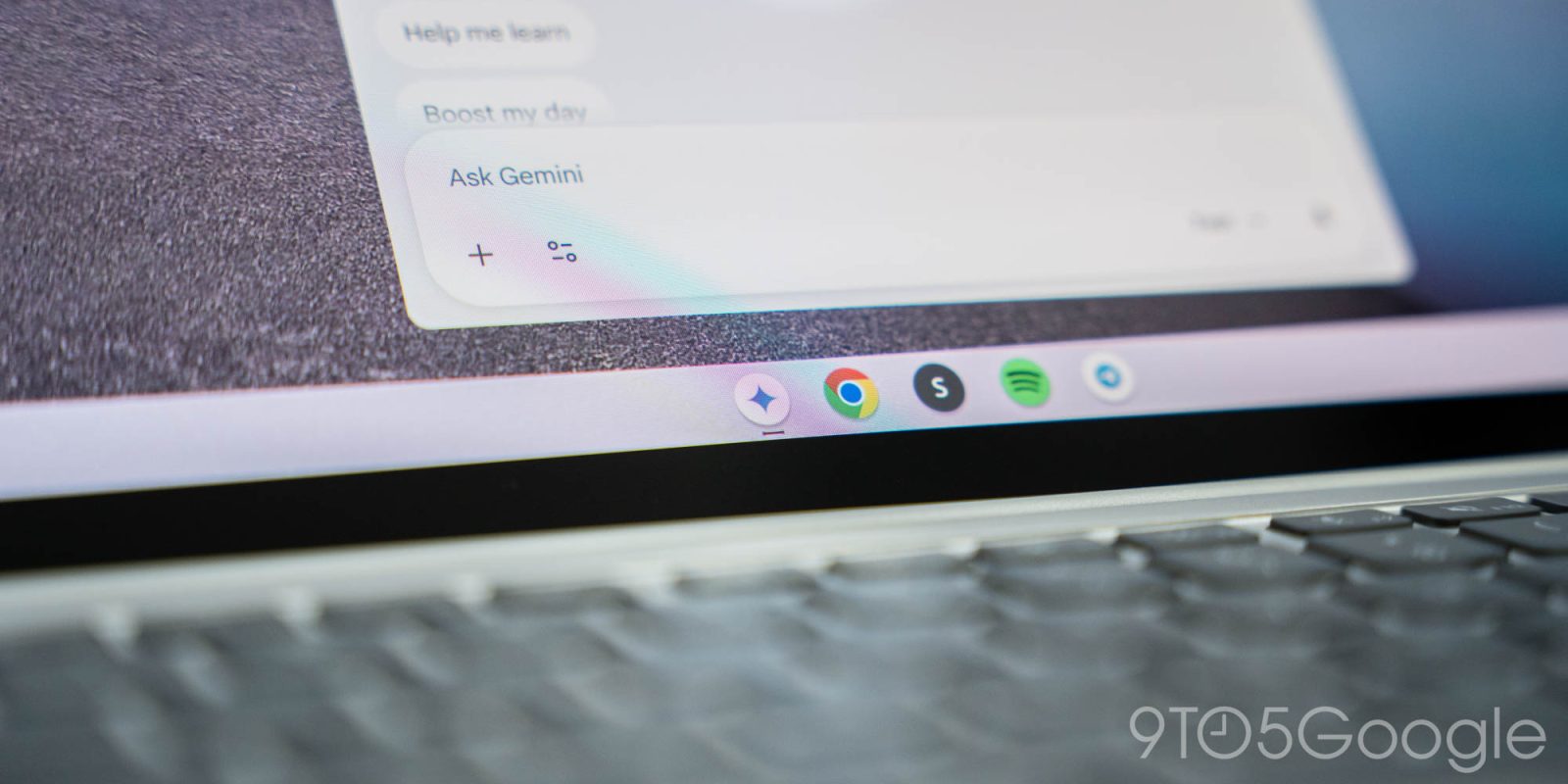
After it first showed up for user a couple of weeks ago, Google has confirmed that its Gemini in Chrome browser features are now available to Chromebook owners, but only those on a Chromebook Plus model.
Expand Expanding Close
The future of ChromeOS is a bit messy at the moment, with Google’s exact plans for the future of Chromebooks and a new Android base being somewhat of a mystery. In a new interview, though, a Google VP offers a bit of information around future support for ChromeOS as we know it today, as well as what owners can expect in regards to whether or not they’ll be able upgrade.
Expand Expanding Close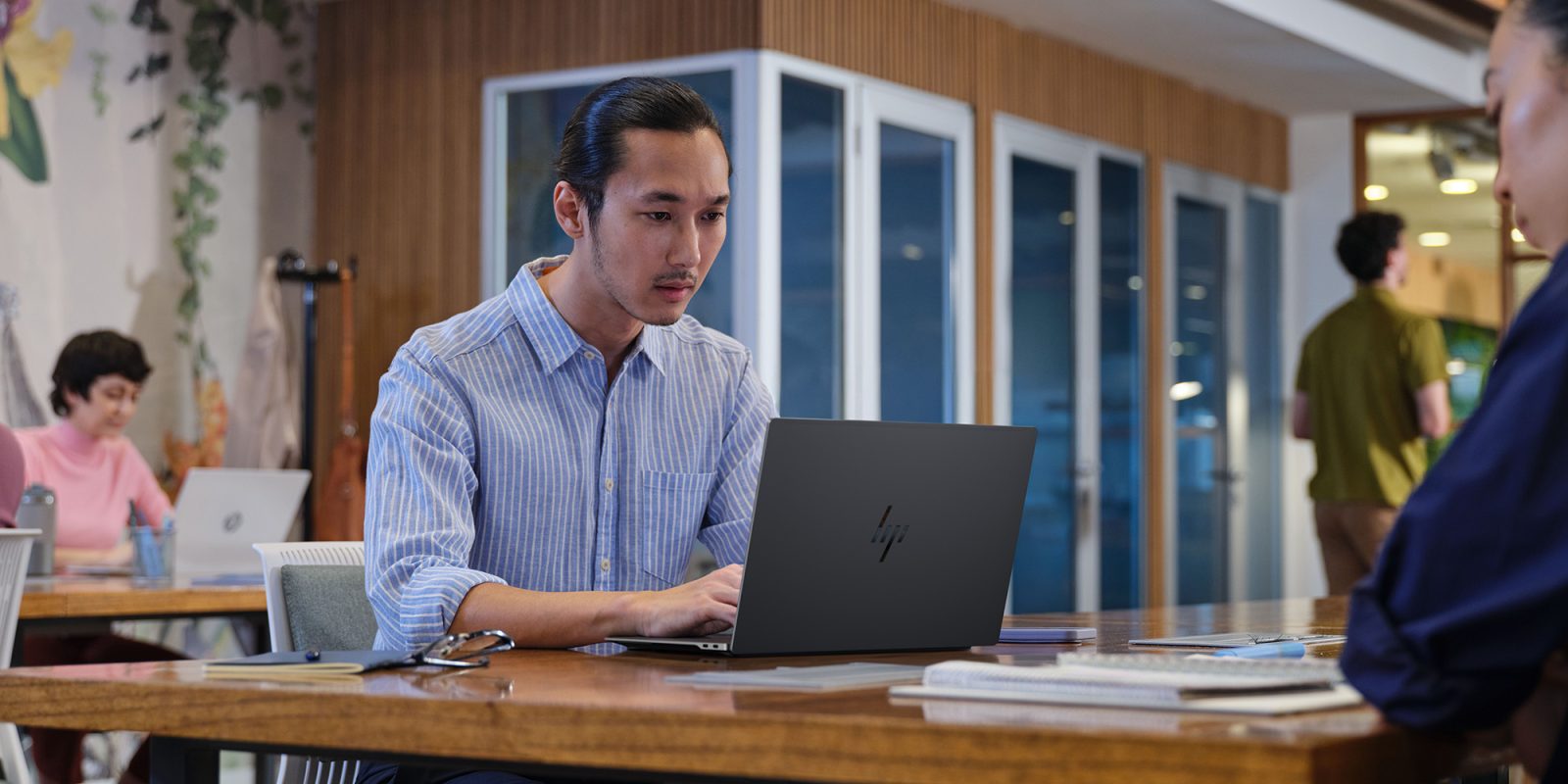
At CES 2026, HP is showing off some new laptops powered by the latest chips including Snapdragon X2 Elite and Intel Panther Lake coming this year.
Oh, and there are some Chromebooks too.
Expand Expanding Close
Chromebooks have been in a really weird place for the past few years, and its future is extremely uncertain. Front and center of it all is the current flagbearer for ChromeOS, the Lenovo Chromebook Plus 14. After using it for the past couple of months, it’s a fine laptop, but one that sits in limbo.
Expand Expanding Close
MediaTek has announced a new chipset for Chromebooks, which will debut in early 2026 with the promise of battery life improvements and the ability to run in fanless laptops.
Expand Expanding Close
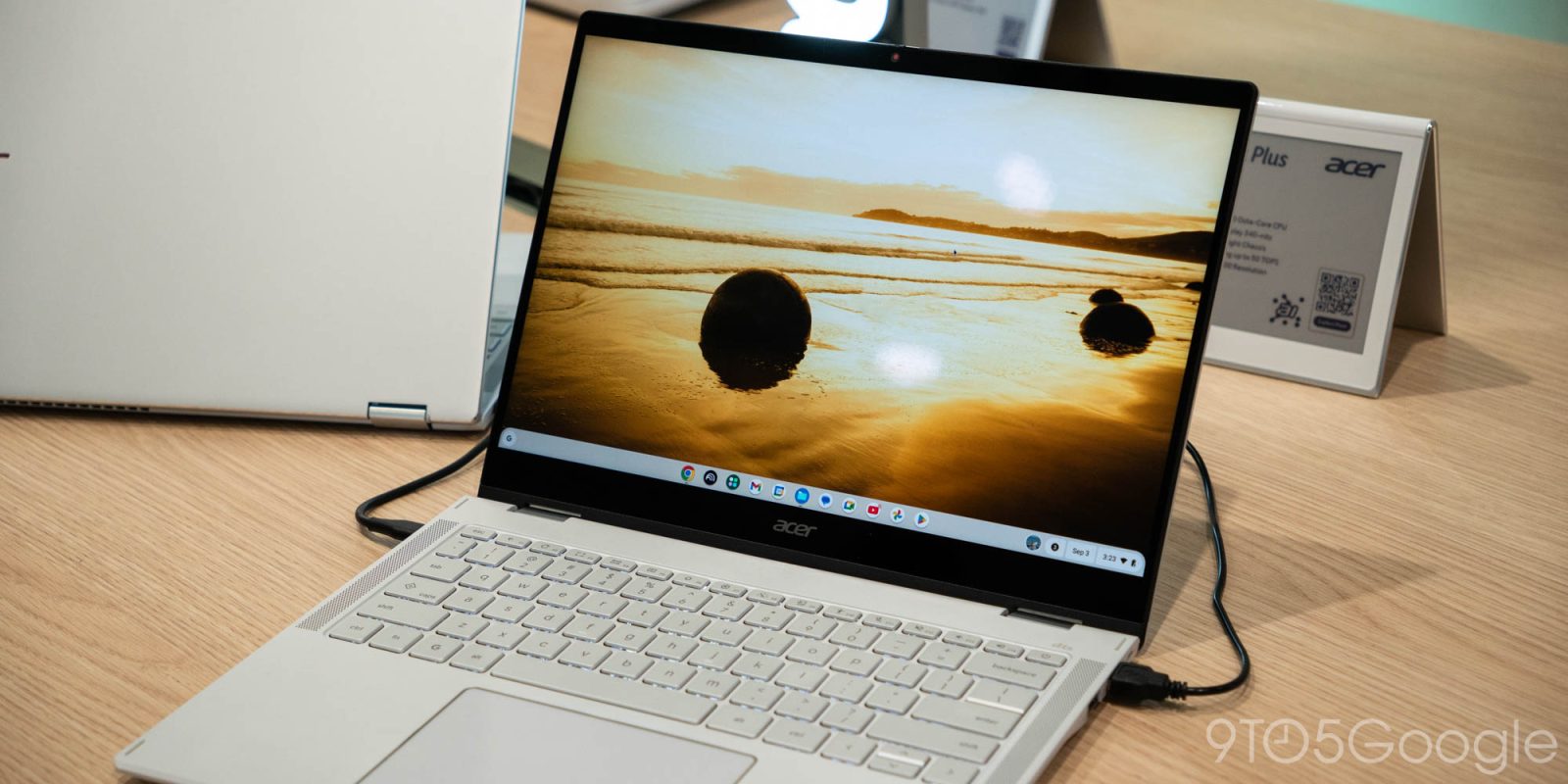
I used to love Chromebooks, to the point where my main laptop was a Chromebook for a few years. But lately, it’s felt more and more like the platform has been struggling to retain relevance, and the latest Acer Chromebook Plus Spin 514 – besides being a mouthful – basically paints a perfect picture of that.
Expand Expanding Close
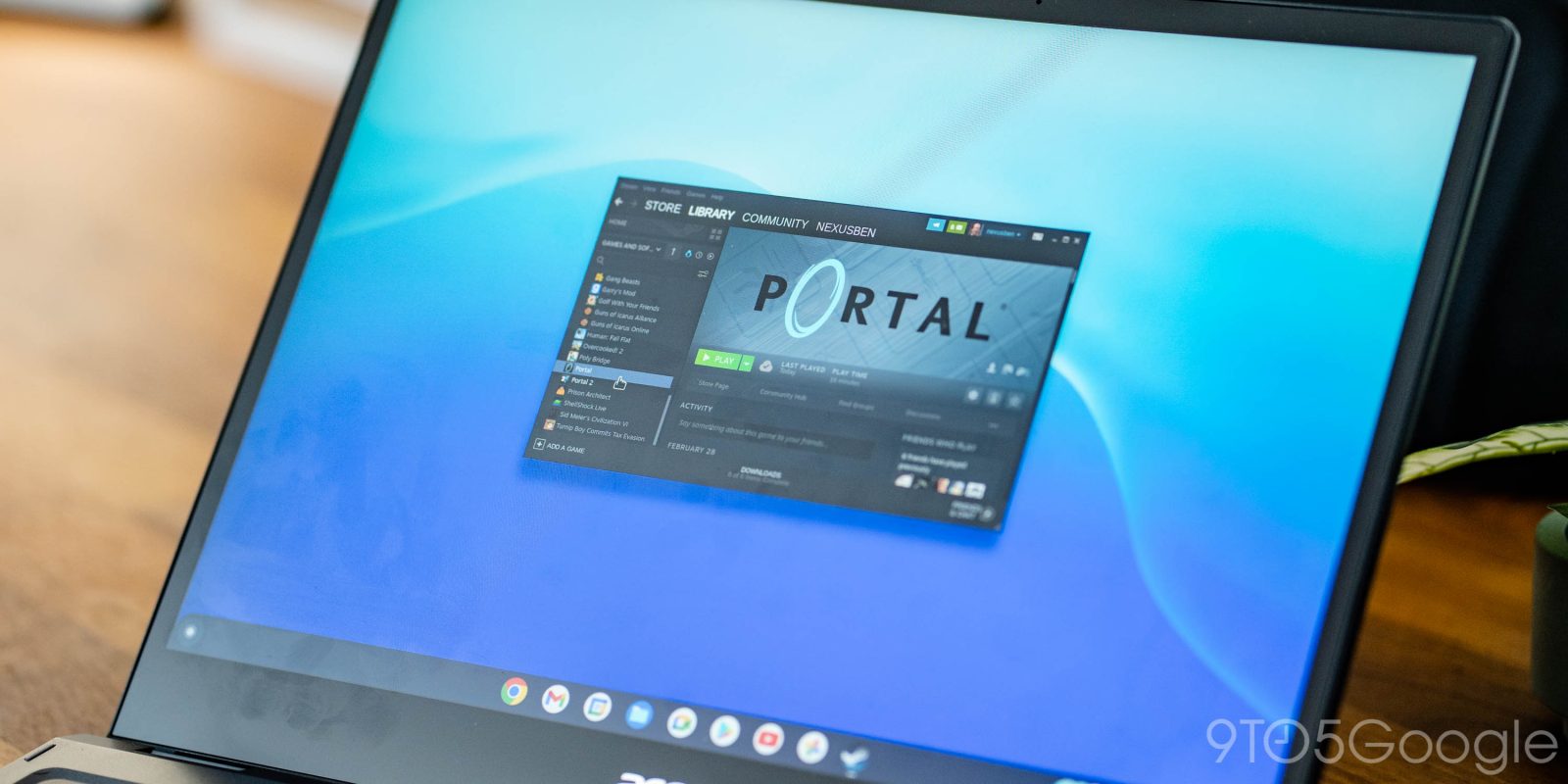
After debuting in 2022, the Steam for Chromebook Beta will stop working in early 2026. At the time, it was a big ChromeOS effort, but there hasn’t been an update in ages.
Expand Expanding Close
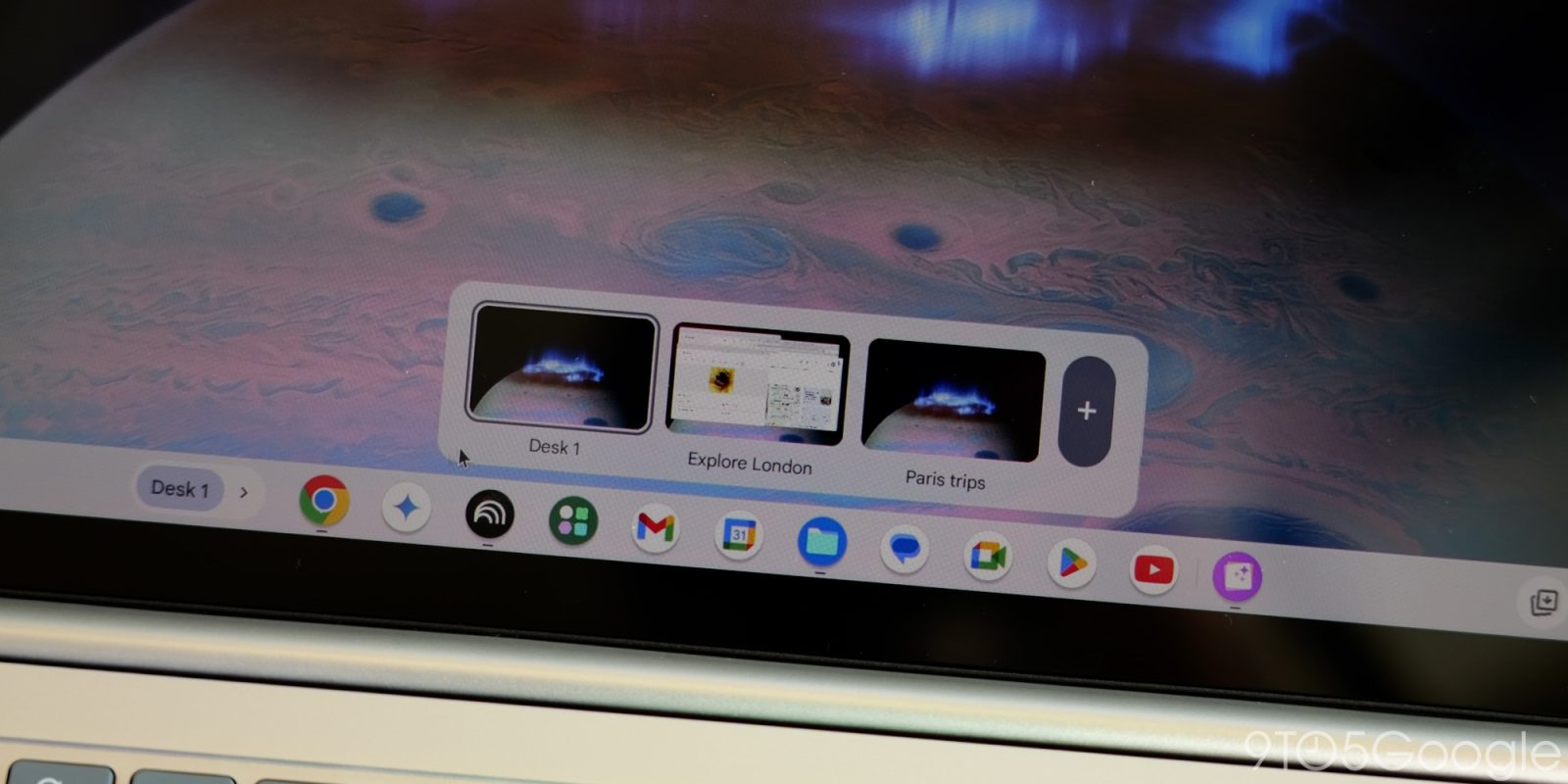
I’d argue that ChromeOS is enough for most people’s personal usage these days given the online services they mainly use and the advancement of web apps. However, I don’t think Chromebooks being third behind Windows and Mac is enough for Google, and that’s why we’re seeing what I’d call “desktop Android” in the near future.
Expand Expanding Close
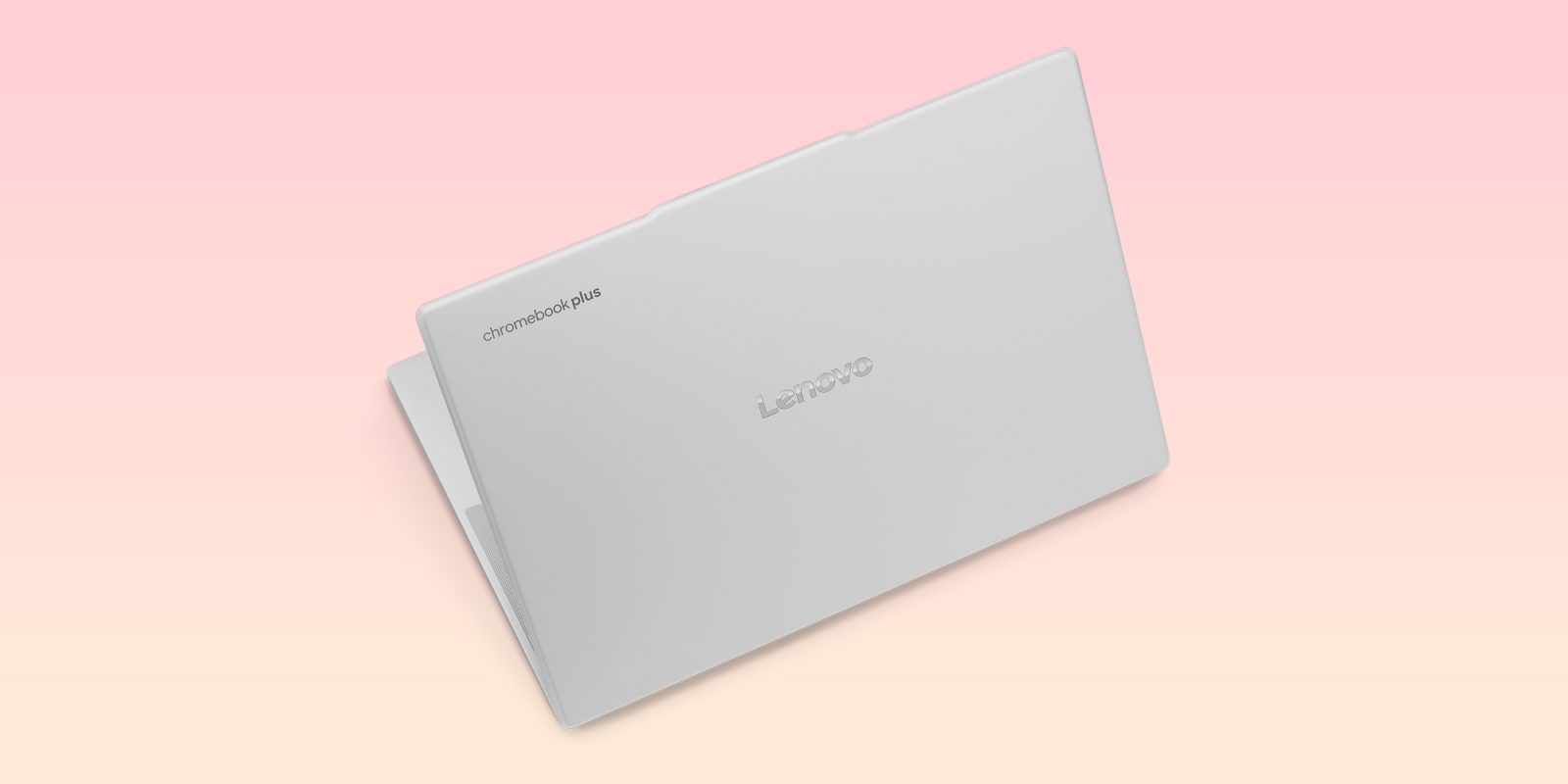
Lenovo has introduced its latest Chromebook, the Lenovo Chromebook Plus 14. This device is the first Chromebook Plus model to feature an ARM processor and the first to integrate the MediaTek Kompanio Ultra chip.
Expand Expanding Close

Following the Android announcement last week, Gemini is set to replace Google Assistant on Chromebooks.
Expand Expanding Close
A pair of Chromebook updates today highlight their broad usage across personal and enterprise, starting with Roblox enhancements.
Expand Expanding Close
At the BETT 2025 education show, Google today announced the latest education and Chromebook features.
Expand Expanding Close
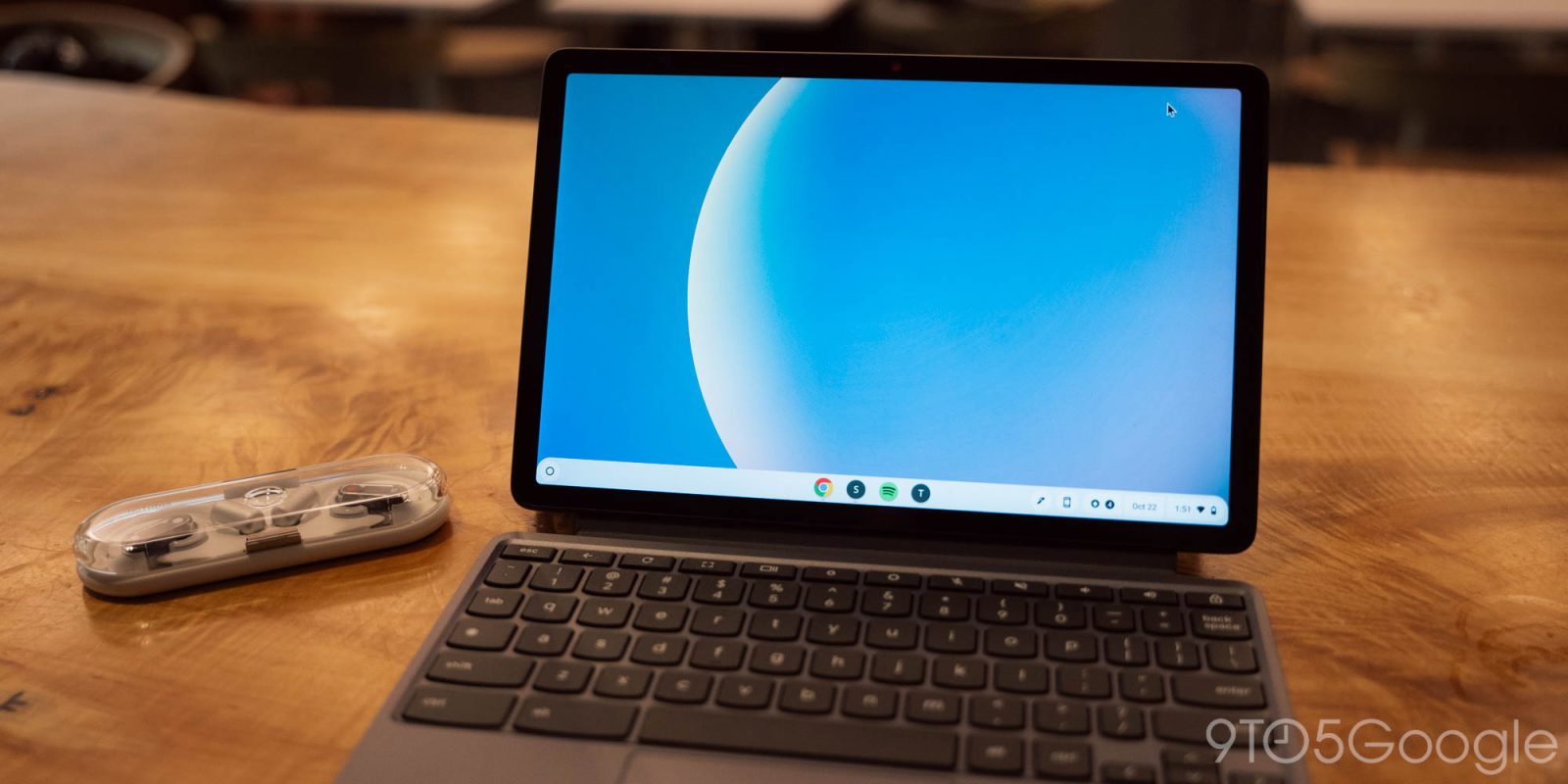
One of the biggest appeals of a Chromebook in 2024 is the affordable price tag, as the lightweight but still capable OS allows for a device to punch above its weight class in terms of performance. But the new Lenovo Chromebook Duet is a great reminder that the minimum for Chromebooks today isn’t enough, as it’s a really good tablet that’s held back by a simple spec.
Expand Expanding Close

Intel has launched its latest generation of laptop chips, “Lunar Lake,” with the promise of massive performance and battery life gains.
Expand Expanding Close
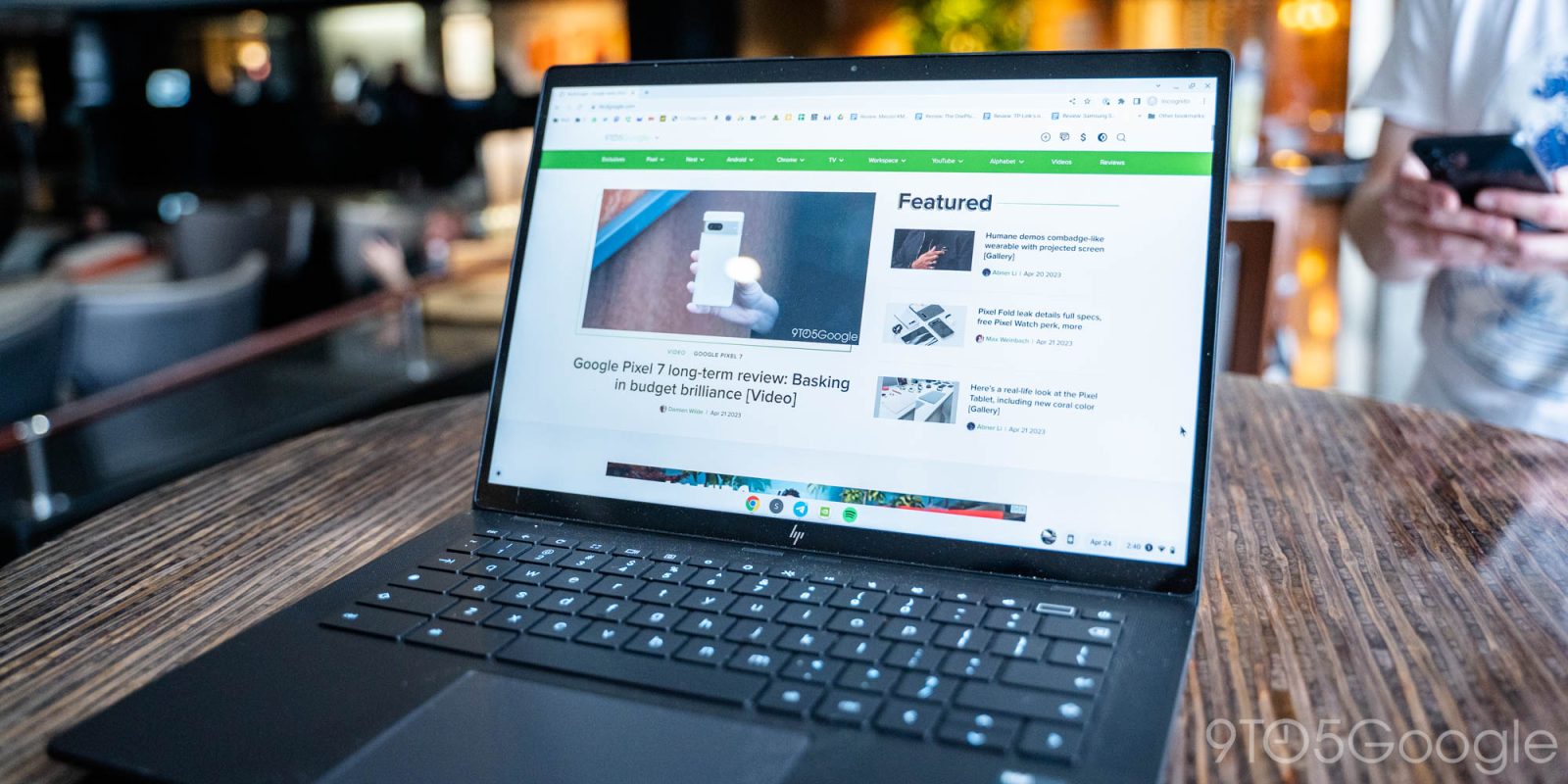
The Chromebook market has shrunk in the past couple of years, especially with high-end options starting to vanish. Recently, it looks like HP has thrown in the towel on its highest-end Chromebooks from the Dragonfly lineup.
Expand Expanding Close
Amid Computex this week, MediaTek has unveiled a new chipset for Chromebooks, with the Kompanio 838 promising better battery life and AI.
Expand Expanding Close

This week, Google is launching the next batch of Chromebook Plus machines from Acer, Asus, and HP and, alongside more AI, they also bring Intel Core Ultra chips to some machines.
Expand Expanding Close

As a ChromeOS user, be on the lookout for a new “Add to Chromebook” badge that will make it easier to install Progressive Web Apps (PWAs).
Expand Expanding Close

HP is introducing several new 2024 Chromebook models this week, with prices starting at $299.
Expand Expanding Close
As Google’s rebrand of Nearby Share continues, we’re now seeing Quick Share appear on Chromebooks.
Expand Expanding Close

We spotted that Google was adding charging sounds to ChromeOS at the end of 2022, and they’re now live on Chromebooks.
Expand Expanding Close
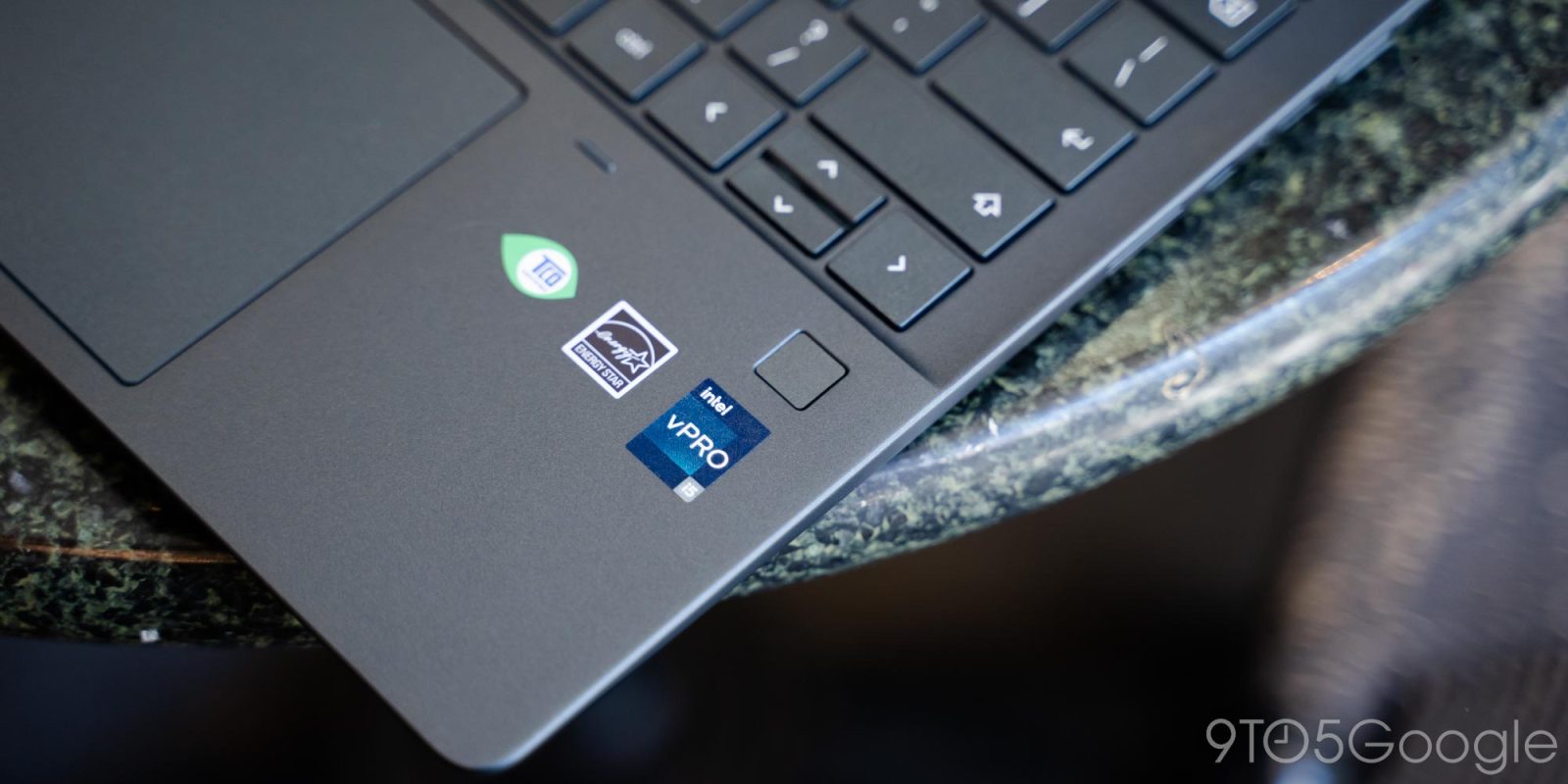
It’s 2024 and the vast majority of Chromebooks don’t have fingerprint sensors. Biometric authentication has become the norm on smartphones, but most ChromeOS users are still typing in a password. (Having to enter your Google Account credentials so often in public seems like a bad idea.)
Expand Expanding Close