Author

Avatar for Ben Lovejoy

Ben Lovejoy

benlovejoy

Ben Lovejoy is a British technology writer who started his career on PC World and has written for dozens of computer and technology magazines, as well as numerous national newspapers, business and in-flight magazines. He has also written two novels.

He thinks wires are evil and had a custom desk made to hide them, known as the OC Desk for obvious reasons.

He considers 1000 miles a good distance for a cycle ride, and Chernobyl a suitable tourist destination. What can we say, he’s that kind of chap.

He speaks fluent English but only broken American, so please forgive any Anglicised spelling in his posts.

Connect with Ben Lovejoy

Site default logo image

Sony confirms raft of Xperia devices will get Android 4.3

sony

Android Central reports that Sony is the first Android manufacturer to commit to updating devices to Android 4.3.

The Japanese company says it can confirm that the Xperia Z, Xperia ZL, Xperia ZR, Xperia Tablet Z, Xperia SP and Xperia Z Ultra will all get upgrades to Android 4.3, though no specific update timetable is offered.

In addition, Sony says it’s looking at upgrading some of its Android 4.1 devices directly to 4.3, leapfrogging 4.2 entirely.

The Xperia ZR and Tablet Z are still scheduled to get 4.2 next month, with a later update to 4.3.

Site default logo image

Google Translate brings handwriting recognition to the web

translate

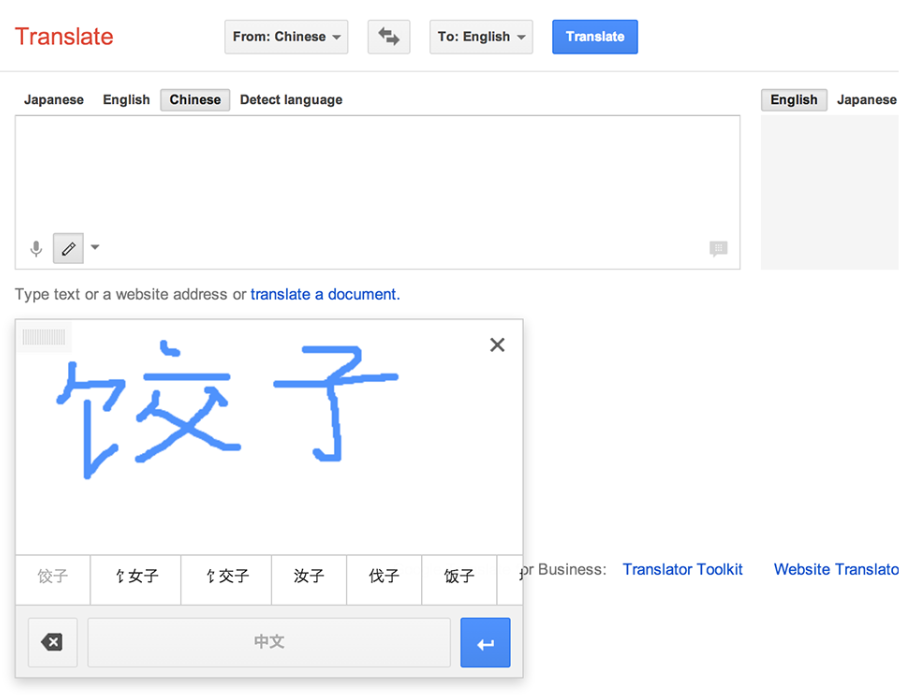
In a move that could have interesting implications for the future of its non-Latin audience, Google Translate has brought handwriting recognition – first introduced in its Android app – to the web. In a blog entry, the company says it is aimed at times when you don’t know how to type characters.

Handwriting input lets you translate a written expression, even if you don’t know how to type the characters. For example, suppose you see the Chinese expression “饺子” and want to know its meaning in English, but have no idea how to type these characters. Using the new handwriting input tool, you can simply draw these characters on your screen and instantly see the translation.

It’s a recognition that an increasing amount of web usage is via devices with touchscreen input, and opens up a lot of future possibilities, such as automatic conversion of handwritten notes into text simply by opening a tab in your browser.

There are plenty of handwriting recognition apps out there already, and the feature is built into some devices like the Samsung Galaxy Tab and Galaxy Note tablets, but the ability for any webpage to recognise handwritten input, signatures and perhaps drawings could make life a lot more convenient for those who, unlike me, write faster than they type.

Influential analyst predicts a hit for Moto X, a miss for new Nexus 7

Site default logo image

x-n7

KGI’s Mingchi Kuo, an analyst with a good predictive track-record, has forecast that the Moto X will do substantially better than forecast, while the new 1080P Nexus 7 will do significantly worse.

According to our survey, 2013F shipments of Moto X, to be announced August 1, should reach 5.5mn units, up 57% from the previous forecast of 3.5mn units, including 1.5mn units in 3Q13 and 4.0mn units in 4Q13.

Kuo cited a combination of supply chain sources, the positive response from U.S. operators and Google’s planned megaspend of half a billion dollars on marketing the handset as key factors for the boost in expected numbers …
Expand
Expanding
Close

Site default logo image

Superheroes, comics, gaming, science and sci-fi: YouTube announces Geek Week

With geeks now cool, YouTube has announced that August 4-10 is Geek Week, with more than 100 channels celebrating superheroes, comics, gaming, science and sci-fi.

YouTube has become a top destination for fans everywhere to create, share and watch geek content. That’s why on August 4-10 we’ll celebrate this content with a special programming event: our first-ever YouTube Geek Week at YouTube.com/GeekWeek.

Produced in conjunction with geek powerhouse Nerdist in the U.S. and Channel Flip in the U.K., Geek Week will showcase more than 100 channels that fans love, unveiling new videos, series premieres and creative collaborations, as well as highlighting some of the best geek videos and shows already on YouTube.

YouTube says that more than half of its top 20 non-music channels are geek-orientated.

Via Engadget

Huge improvements to battery-life expected in Android 4.3?

Site default logo image
glowing-green-battery-charging

Image: malaysiaitfair.com.my

A preview of Android 4.3 by Pocketnow suggests huge improvements to battery-life, with the site reporting 25 hours of heavy usage.

On Android 4.2 I can typically expect 4-6 hours of use before I need to recharge. As a reminder, I use my phones quite a bit more than the average user, so my battery life is expectedly lower than what most should expect to get. On Android 4.3, without changing my usage habits, I was surprised to see the phone last all day, all evening, and still had charge enough to get me to work the next morning. I was able to eek out 25+ hours and still had 1% battery life remaining. That’s impressive! … 
Expand
Expanding
Close

Site default logo image

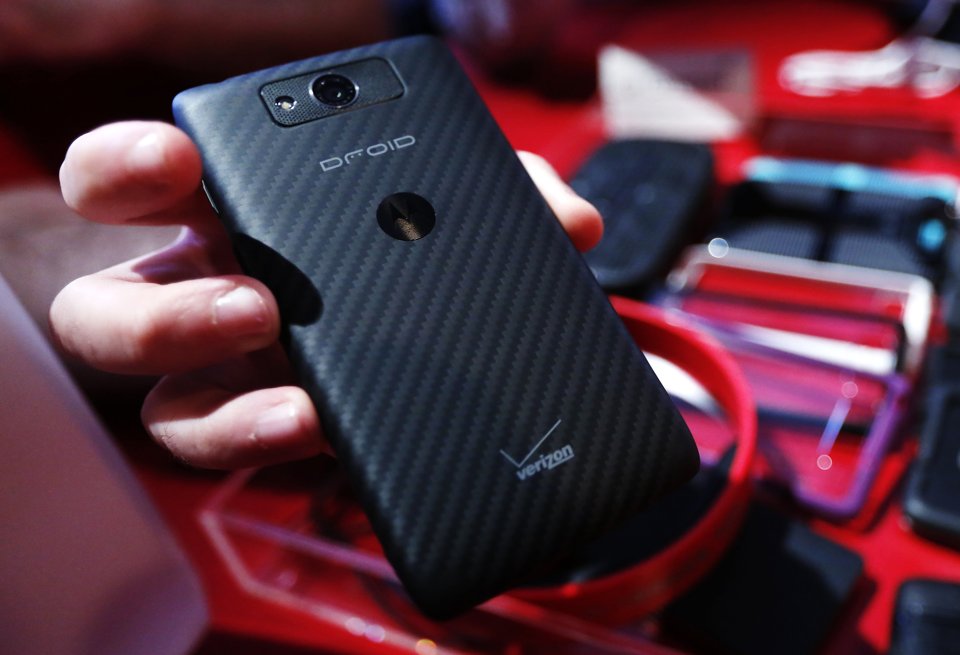
Motorola now exclusive Verizon Droid manufacturer, last pre-Google handsets roll off line

Photo: Yahoo News

Photo: Yahoo News

While we already knew that the Droid MAXX, Droid Ultra and Droid Mini, like all Droids would be exclusive to Verizon (‘Droid’ is a Verizon brand licensed from LucasArts after all!).  CNET now reports that the exclusivity will work in reverse too: with all Droid-branded devices being manufactured exclusively by Motorola.

Starting with the Droid Ultra lineup, Motorola will be the only smartphone manufacturer to build Droid smartphones, Verizon marketing executive Jeff Dietel told CNET on Tuesday.

Verizon had previously used the Droid brand for handsets from a range of manufacturers, including HTC’s Incredible series and Samsung’s Droid Charge. With HTC moving to its own ‘One’ branding and Samsung’s own, more powerful Galaxy branding, the news doesn’t come as much of a surprise.

These latest handsets are likely the last vestiges of pre-Google Motorola and with the Moto X coming in a few short days, these are likely some of, if not the last devices designed before the takeover by Google.  Google-installed CEO Dennis Woodside noted earlier this year that Google was working to clear some mediocre inventory that had been been built by his predecessors. With due respect to Mr. Woodside, the 48-hour battery life and other specs on these are going to give the X phones a run for their money.

Site default logo image

Every Google developer can use any code ever written by the company

Image: websoftwareqa.com

Image: websoftwareqa.com

In an interesting but tech-heavy piece on Wired, one thing stood out for me as evidence that Google’s record for innovation is expressed internally as well as externally.

Google is unusual in that all software code that underpins its many applications and services is available to every developer at the company. What this means is that anyone can reuse anyone else’s code inside their own application or service.

All software developers use library code, of course: sections of code to do commonly-required things that can be re-used to avoid re-inventing the wheel, and to ensure that things work in a consistent way. But to stretch that approach to literally every piece of code ever written in the company is taking things to a whole new level.

As you might imagine, it’s an approach that’s great for development but a potential nightmare for the upgrades. If your piece of code ends up being used in hundreds or thousands of other applications, what happens when you want to improve it? How do you roll out that improvement to all the other apps relying on it? The answer, of course, is to Google it.

[The] system indexes all Google code, in much the same way Google indexes the web, and then, when an engineer rewrites a library, the system instantly searches the index, locates any software that uses the library, and makes the necessary adjustments. A change made in one place becomes a change made everywhere.

The full article makes interesting reading if you want to see where software development may be headed in the future.

Site default logo image

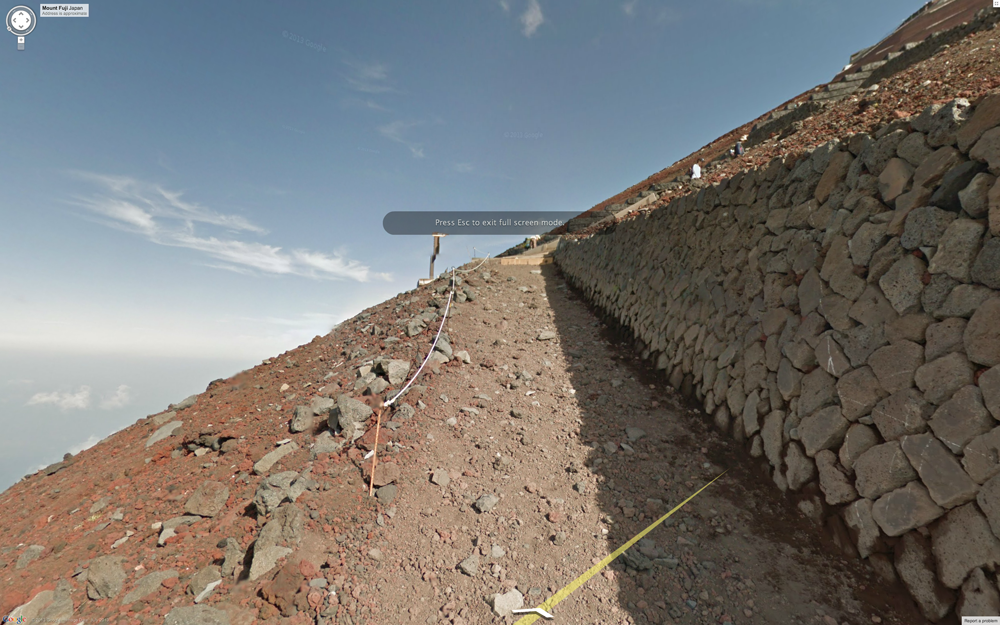
Google’s latest fun StreetView trek: up Japan’s Mount Fuji

fuji

Google has been taking its StreetView cameras to some pretty interesting locations recently. There was the world’s tallest skyscraper, the Eiffel Tower, a Bond villain’s lair and now a trek up to the top of Mount Fuji using the Trekker backpack first tested at the Grand Canyon, reports the Google Maps blog.

This newly elevated status from UNESCO is likely to send a record number of climbers to Mt. Fuji during the summer’s official climbing season. To help them prepare for the grueling trek over loose igneous rock, we hauled the Street View Trekker up all 3,776 meters of Mt. Fuji, and today we are launching the resulting 360-degree panoramic imagery. The Street View collection covers the highly popular Yoshida trail that takes hikers up the mountain, the full walk around the crater at the top, and the quick zigzag descent.

In all, the virtual tour contains a staggering 14,000 panos. The blog also links to a bunch of other UNESCO World Heritage Sites in Japan.

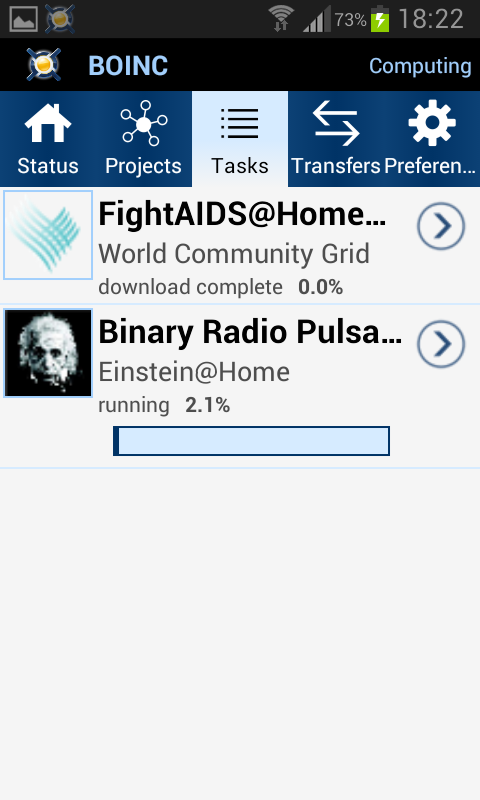
SETI@Home style distributed computing projects running on Android devices

Site default logo image

boinc

You’re probably aware of the SETI@Home project, enabling the spare processing power of home computers to help process chunks of radio telescope data in the Search for Extraterrestrial Intelligence (SETI). Since that initiative, other distributed computing projects for good causes have sprung up. What you may not know is that your Android smartphone or tablet can also participate … 
Expand
Expanding
Close

Site default logo image

Lost in the woods with Google Glass … the world’s cheesiest video

[protected-iframe id=”1855af32ca449c293a327f6cdc8b79d8-22427743-8994189″ info=”http://live.wsj.com/public/page/embed-2B755453_AAD7_4519_B42F_BCD200701B37.html” width=”512″ height=”288″ frameborder=”0″ scrolling=”no”]

We know they’re trying to give a sense of the range of different things you can do with Glass in an entertaining way, but this WSJ video has to be one of the cheesiest out there. Jump to two minutes in (after the mandatory ad) to skip the cringeworthy ‘kidnapping’ …

Two-minute SIM card hack could leave 25 percent of phones vulnerable to spying

Site default logo image
Image: joyenjoys.com

Image: joyenjoys.com

UpdateCNN reported on 1st August that five major carriers have pushed out a patch to block the vulnerability.

A two-minute SIM card hack could enable a hacker to listen to your phone calls, send text messages from your phone number and make mobile payments from your account. The vulnerability, discovered by a German security researcher, is present in an estimated 750 million SIM cards – around one in four of all SIM cards.

Give me any phone number and there is some chance I will, a few minutes later, be able to remotely control this SIM card and even make a copy of it … 
Expand
Expanding
Close

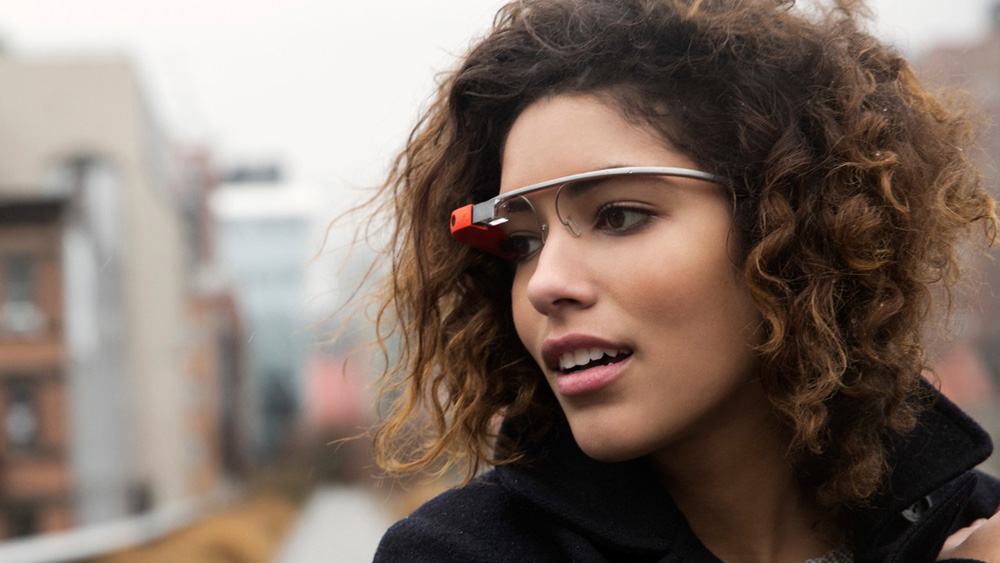
Google gears up for public Glass launch with investment in chipmaker Himax

Site default logo image

google-glass

In another sign that Google is gearing up for the public launch of Google Glass, Reuters reports that the company has taken a stake in Taiwanese chipmaker Himax, a specialist in display driver chips with particular expertise in controllers for LCOS micro-displays used in head-mounted displays.

Google Inc will take a 6.3 percent stake in the unit of Taiwanese chipmaker Himax Technologies Inc that develops display technology for devices such as Google Glass, Himax said.

The investment will help fund the production of liquid crystal on silicon chips and modules used in head-mounted devices such as Google Glass, head-up displays and pico-projectors, Himax said in a statement … 
Expand
Expanding
Close

Site default logo image

Job listing suggests Motorola getting more serious about wearables

Image_of_Motoactv_SmartWatch-_2013-04-04_15-33

A job listing spotted by TechCrunch suggests that Google-owned Motorola Mobility is stepping up its work on wearable computing, seeking a senior director of industrial design for wearables.

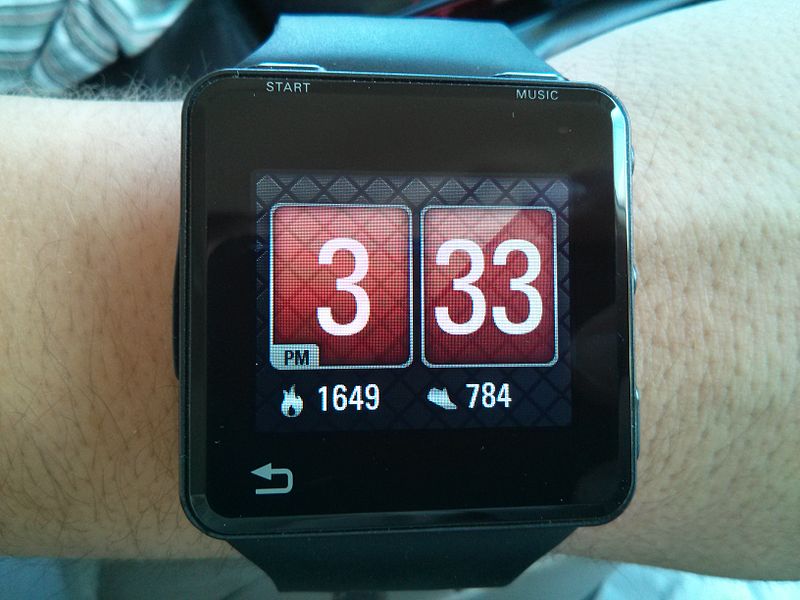
Motorola is no stranger to wearable devices, with eyewear dating back to Windows CE. A fitness-orientated smartwatch called MotoActv (above) launched last year got good reviews but had limited commercial success, likely because low-key marketing meant many didn’t even know it existed. It was essentially a full-on Android device on the wrist, with Bluetooth connectivity to a smartphone and ANT+ communication with fitness sensors like heart-rate monitors and bicycle cadence meters.

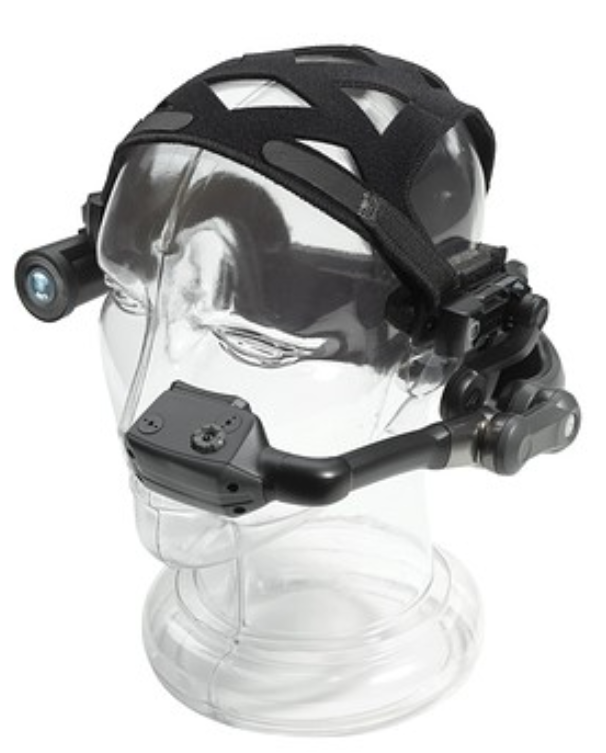
Motorola Solutions also has the HC1, a kind of cyborg-styled Google Glass equivalent aimed at the enterprise and public service sector. For police applications, Motorola suggested that the device could be equipped with both facial-recognition software and automated license plate recognition, displaying any reports on both vehicle and owner.

hc1

Given that the same functionality would be possible in the much less obtrusive package of Glass, it will be interesting to see whether that particular project survives – and, indeed, how Google sees the role of Motorola more generally in the wearables arena.

Site default logo image

Want more battery-life from your laptop? Close some tabs

summer_sketcheskey4

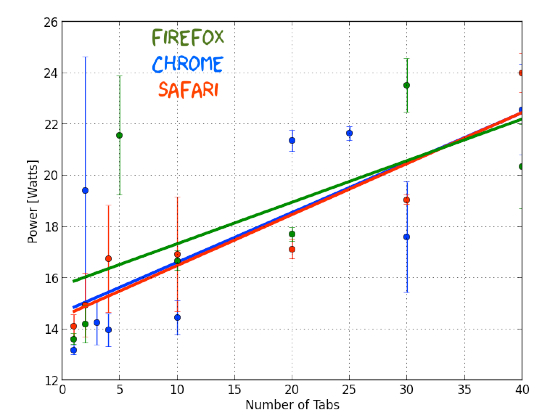
Gizmodo pointed us to some research carried out by someone who must be the poster child for having too much time on your hands: he decided to measure the amount of power a laptop uses for each tab open in a browser. The answer, in case you were curious, is 0.19 watts per tab in Safari or Chrome and 0.16 watts in Firefox.

There is some point to it, though: the experiment showed that having 100 tabs open reduces battery-life by around an hour. While I doubt that many of us have quite that many tabs open at any one time, it does suggest that when you’re trying to eek out as much usage as you can from a battery, closing unnecessary tabs will buy you at least a little more time.

Investor disappointment in Google (GOOG) results misplaced, says Warwick Business School professor

Site default logo image

goog

While the market response to Google’s quarterly earnings seems to have been lukewarm, the stock price dipping in after-hours trading and at least six analysts lowering their price targets after the company came in slightly under Wall Street expectations, Warwick Business School Associate Professor John Baptista says that the modest performance is a ‘blip’.

Bapista, who has researched the company for many years, said that although Google’s ad revenues have suffered as traffic shifts from the desktop to mobile devices (something Google wasn’t slow to address), the real growth in the future will be in the cloud, with Google ideally placed to benefit … 
Expand
Expanding
Close

Site default logo image

Angry Birds and Croods fans now keep their progress across devices – Android and iOS

rovio

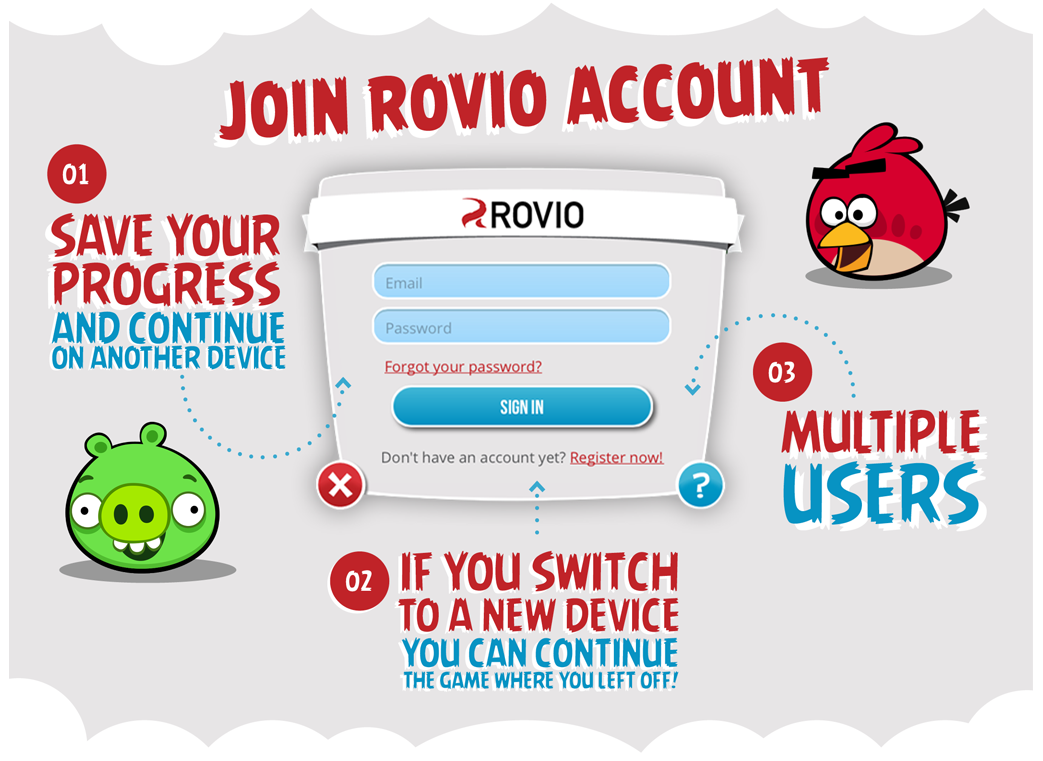
If you’ve ever been frustrated by having to recomplete levels in Angry Birds or The Croods when you download the game to a new device, Rovio has you covered.

After a limited iOS trial back in May, Rovio has now announced that its account-synchronisation feature is being rolled-out globally across both iOS and Android devices. When you download a game to a new device, you just login with your Rovio account to continue right where you left off.

The feature is currently limited to the original Angry Birds and The Croods, but Rovio will be adding all its games over time.

Via Engadget

Huawei on government allegations it aids Chinese espionage: ‘That’s Racist!’

Site default logo image
Photo: Huffington Post

Photo: Huffington Post

Chinese electronics company Huawei has responded to claims by both US and UK governments that it is involved in state-sponsored hacking by describing the allegations as ‘racist corporate defamation.’

It has been suggested that Huawei may be directly supplying information to the Chinese authorities, based on knowledge gleaned about communications networks when supplying networking equipment, with some suggesting that the equipment itself may contain backdoors designed to allow access by the Chinese government. The House Intelligence Committee went as far as advising US companies to stop doing business with Huawei … 
Expand
Expanding
Close

Despite aggressive pushing of Google+, service only gets two percent of social sharing

Site default logo image

plus

It’s pretty difficult these days not to have a Google+ account. Sign up for almost any Google service, and you find you’re on Google+ whether you wanted to be or not. But this aggressive approach of pushing accounts on people doesn’t appear to be paying off: a new report by Gigya cited by Marketing Land shows that only two percent of social media sharing takes place on Google+ … 
Expand
Expanding
Close

Leaked Android 4.3 build available for Nexus 4 – get it while it lasts

Site default logo image

n443ss

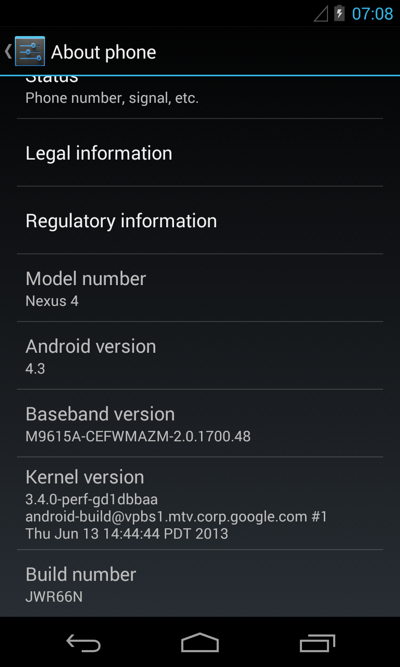
A link has been posted in the XDAdevelopers forum of an Android 4.3 build for the Nexus 4. This follows an earlier leaked version for the Google Edition of the Samsung S4 and likely more before google’s July 24th unveiling.

While the dropbox link posted to the forum soon stopped working, MoDaCo has mirrored the file on MEGA.

Posted just this morning on the XDA-Developers website, the build is currently in TWRP backup format so you’ll need to ensure you have the custom recovery installed, push the files to your TWRP backup directory on /sdcard and then restore … 
Expand
Expanding
Close

Leaked Motorola Droid Ultra photos show red kevlar casing

Site default logo image

ultra

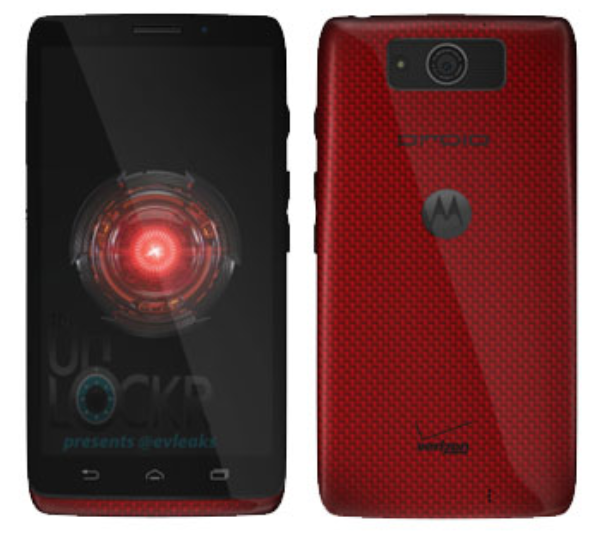
The usually-reliable evleaks (via Engadget) has leaked low-resolution photos of the Motorola Droid Ultra, which appear consistent with Motorola’s teaser campaign promising “a bunch of glossy colors” and a “high-grade DuPont Kevlar body.” Kevlar has five times the strength-to-weight ratio of steel … 
Expand
Expanding
Close

Site default logo image

Samsung returns to the 1980s with flip-phone – but running Android

flip

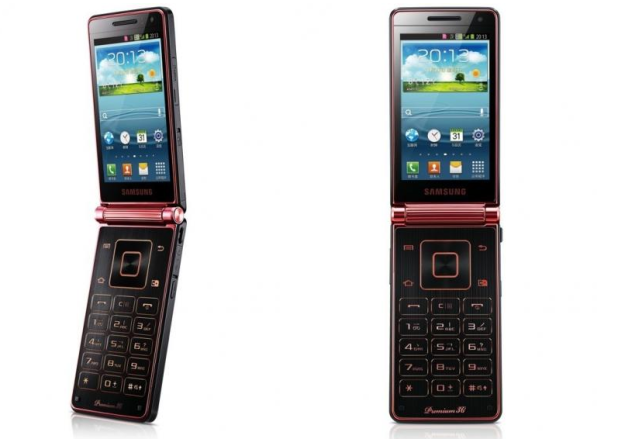
In a blast from the past, BGR reports that Samsung is launching a brand new flip-phone next month – combining the traditional keypad of a feature phone with Android Jelly Bean – to be named the Galaxy Folder.

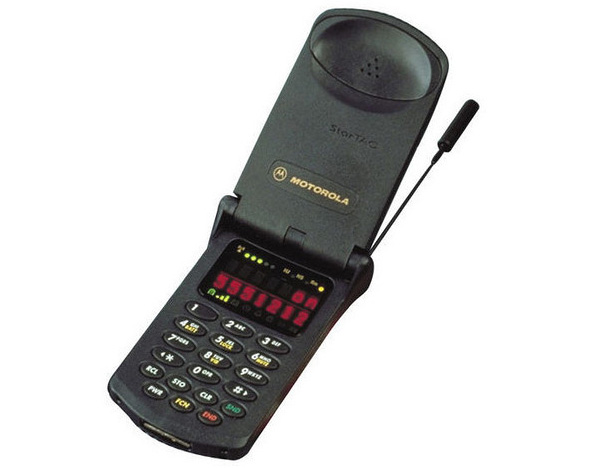
The flip-phone form factor was created by Motorola with the Star-TAC back in 1989. Hard to believe now, but then it was seen as a futuristic design, emulating the Star Trek communicator.

startac

While things have moved on a touch since then, there are still people – mostly in the older age-range – who prefer the familiarity and certainty of physical buttons but aren’t comfortable with the fiddliness of small QWERTY keyboards. Samsung’s hybrid phone strikes us as a smart move: modernising the featurephone concept while likely also acting as a gateway device to a full-on smartphone.

Rumored specs are an 800×480 display and Snapdragon S4 processor. It’s not known whether Samsung will make the Folder available in the USA or Europe, but featurephones do have a following even in developed markets.

Site default logo image

Google Glass could have been hijacked by a simple QR code (vulnerability now fixed)

New technologies, new hacks … AllThingsD reported an illustration by Lookout Security showing how something as simple as placing a QR code on a poster could enable an attacker to take control of Google Glass.

Basically, since Glass allows users to connect to Wi-Fi by taking a picture of a QR code, it’s possible that someone could trick a Glass wearer to unwittingly join an access point that allowed someone else to remotely control Glass and to stream the display via Bluetooth.

The vulnerability has now been fixed.

Google follows through on proposal to kill pirate sites by cutting off their cash

Site default logo image

the_pirate_bay

The Guardian reports that Google is acting on the proposal it made back in May to hit pirate sites where it hurts – their wallets – by depriving them of ad revenue.

Websites offering pirated content will be blocked from offering adverts from Google and other big web advertisers, in a US scheme intended to strangle illicit revenues.

The initiative will mean copyright holders from the music, film and other creative industries will be able to alert the big ad networks if their ads are appearing on sites offering links to pirated content or counterfeit goods … 
Expand
Expanding
Close