Samsung

See All Stories

Samsung is a technology conglomerate based out of South Korea that makes some of the world's most popular smartphones.
Samsung R&D logo

Samsung is a technology conglomerate based out of South Korea that is responsible for some of the most popular smartphones in the world, including the Galaxy S and Galaxy A series devices. Beyond smartphones, Samsung also manufactures and sells laptops, wearables, home appliances, and more.

The company was founded in 1938 as a trading company dealing with local produce, fish, noodles, and more. It wasn’t until the 1960s that Samsung entered the electronics business with its first product, a black and white television. In the 1990s, the company expanded its electronics efforts by producing displays and chips for processing and storage, core components of the business today. In the 2000s, the company established itself as a big player in cell phones, which later evolved into the Samsung Galaxy smartphone lineup.

Off the back of successful feature phones, Samsung quickly became a dominant player in the smartphone industry. The original Galaxy device was launched in 2009, which ran Android 1.5 “Cupcake” out of the box. Just a year later, the “Galaxy S” brand made its debut, selling 24 million units of its original model and 40 million of its sequel. The Galaxy S III was its first massive hit, though, selling 70 million devices starting in 2012. The success of that mainstream flagship propelled Samsung to be a major player in the premium smartphone market.

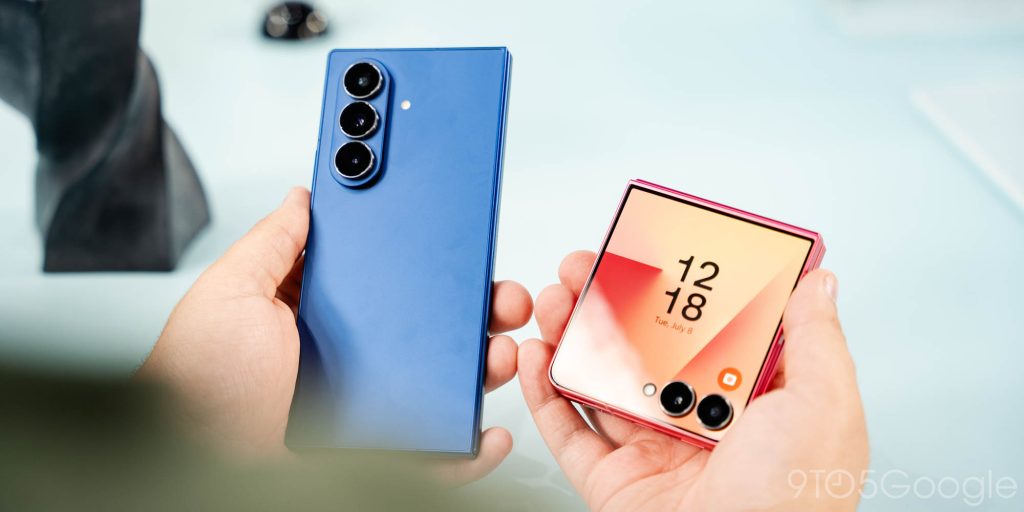
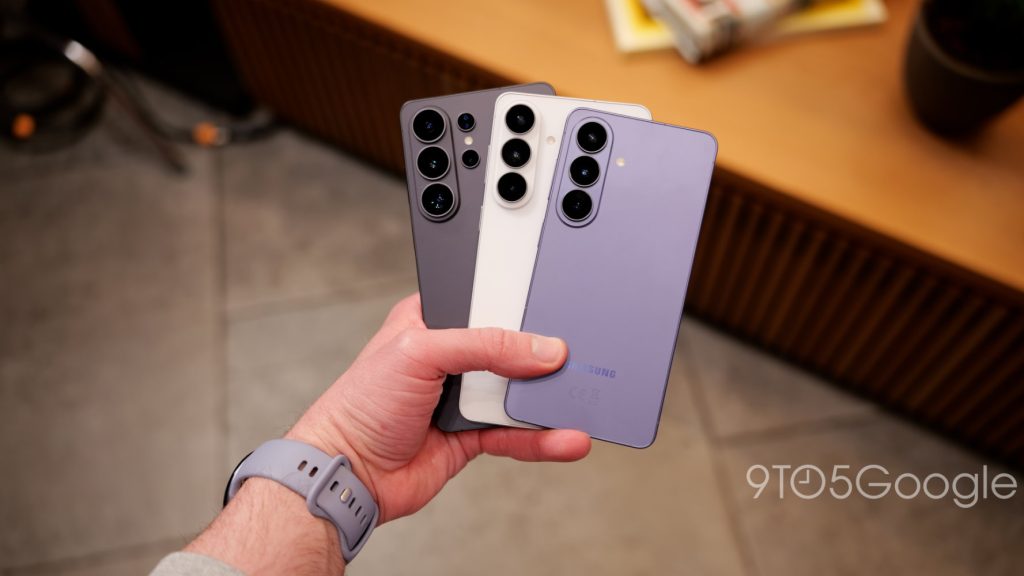
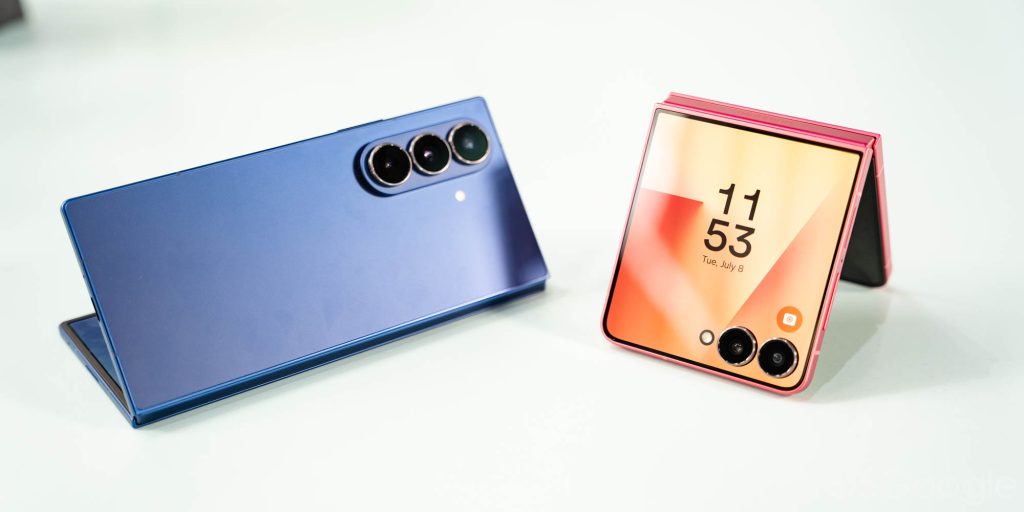
The latest Samsung flagships include the Galaxy S26 series, as well as foldable smartphones such as Galaxy Z Fold 7 and Flip 7.
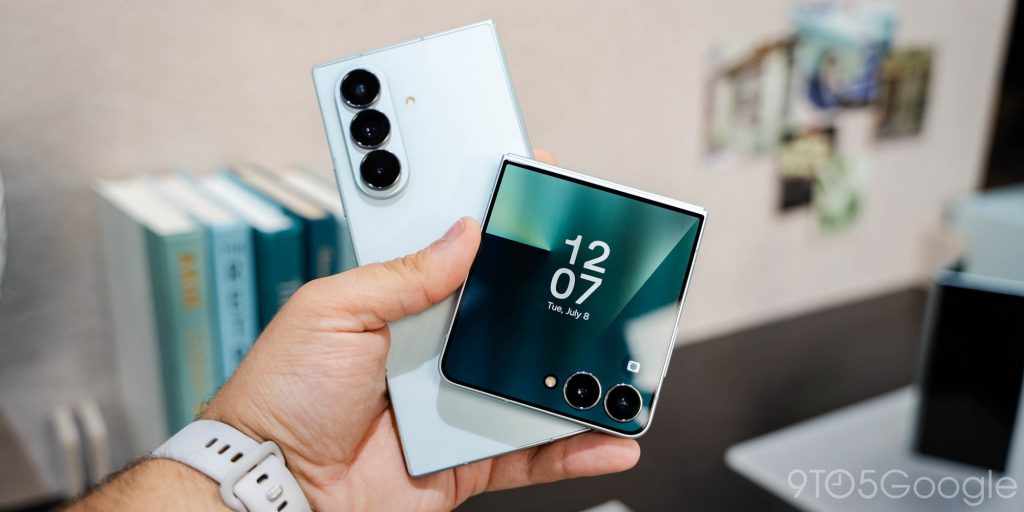
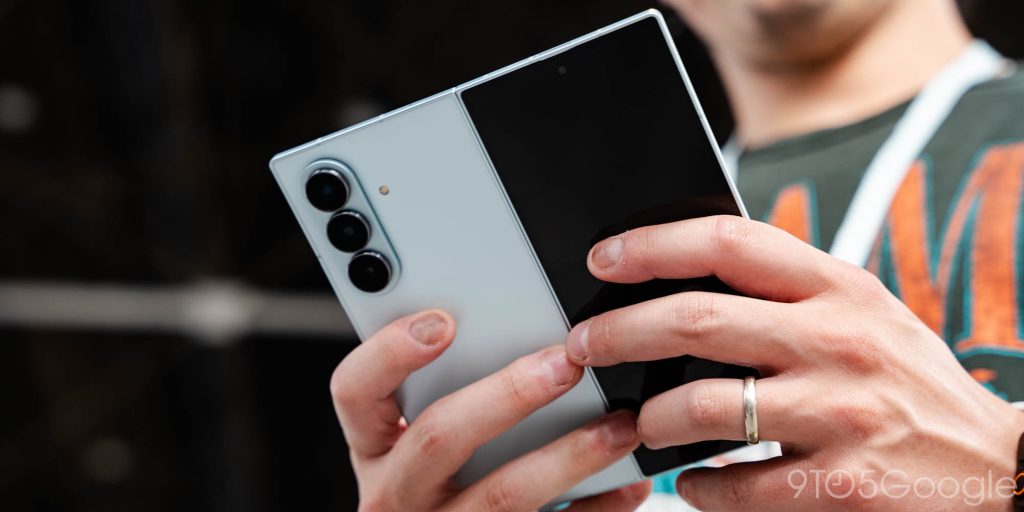
The flagship market is only a fraction of the company’s total smartphone sales. It’s actually more affordable devices such as the Galaxy A series that really earn Samsung its spot in the industry. The Galaxy A series has produced some of the best-selling Android smartphones in the world for the past few years, for instance, with the Galaxy A50 and Galaxy A51 both topping the charts in their respective release windows.

To say Samsung’s smartphones have been influential is an understatement, as the brand has produced some of the biggest trends in the industry. Most memorable is the rise of large-screen smartphones. In 2011, just two years into the rise of its Android-based Galaxy line, Samsung debuted the original Galaxy Note, which was ridiculed for its large 5.3-inch display. The phone went on to sell 10 million units and spawn nine popular sequels leading up to the Galaxy Note 20 series in 2020. In 2016, Samsung famously released the Galaxy Note 7, which was recalled due to batteries that were bursting and catching fire. The phone was discontinued, and fans ultimately had to wait until the Note 8 was released a year later. In 2021, Samsung reportedly canceled its Galaxy Note 21 series due to the ongoing chip shortage, and the best of the Note has now been merged into the ongoing Galaxy S “Ultra” release.
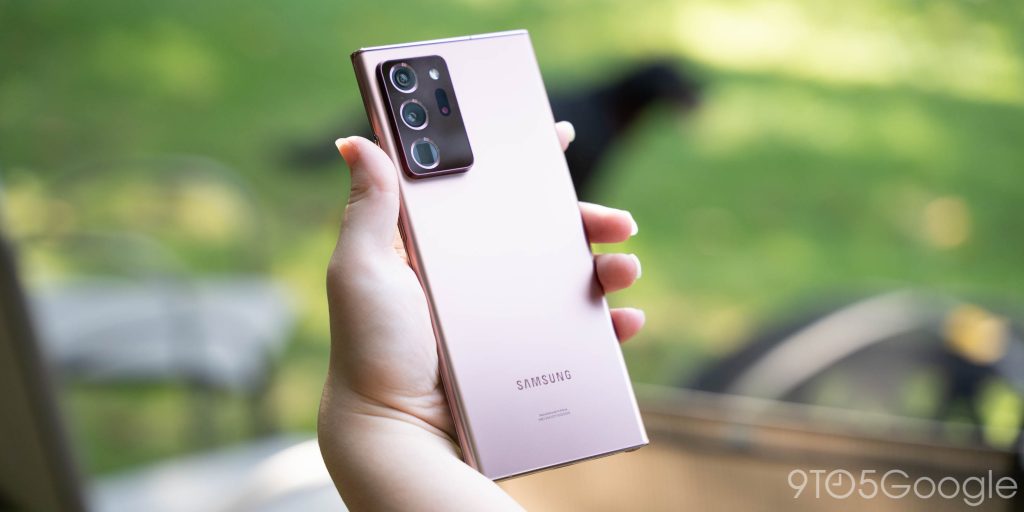
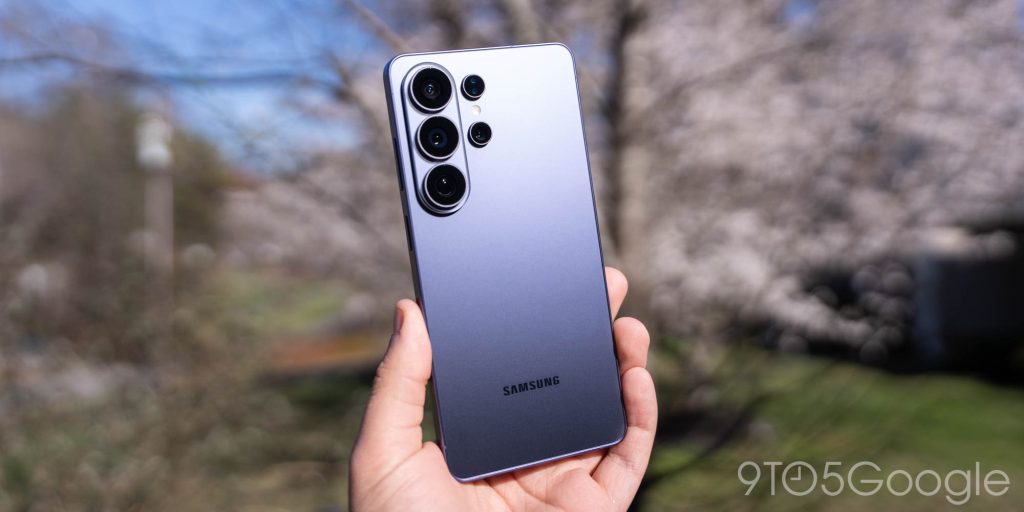
In 2019, Samsung announced its first foldable smartphone in the Galaxy Fold. The book-style foldable had high-end specs and an inner display that was far larger than what could traditionally fit in a pocket, but its launch was met with negativity as several early reviewers faced major issues with the inner display. The company opted to cancel the launch and redesign the product, relaunching it months later with several solutions. In 2020, the Galaxy Z Flip debuted with much better reception and solutions for problems that plagued the Fold, though with a new flip-phone style design. The Galaxy Z Fold 2 took those same ideas and applied them to the original design while improving the displays both inside and out.

Samsung has continued to build on this form factor each year, often with big improvements, including water resistance, better hinges, upgraded cameras, and more.

Galaxy Z Fold 7, especially, proved to be a major update, offering a much thinner form factor that finally caught up to other foldable makers. It was successful, too, with Samsung reporting record sales after the device was released.
What other products does Samsung sell?

Beyond its extremely successful smartphones, Samsung sells a plethora of other products. There are TVs, home appliances, and more. The company also products and sells electrical components, AMOLED displays, and more to other companies.

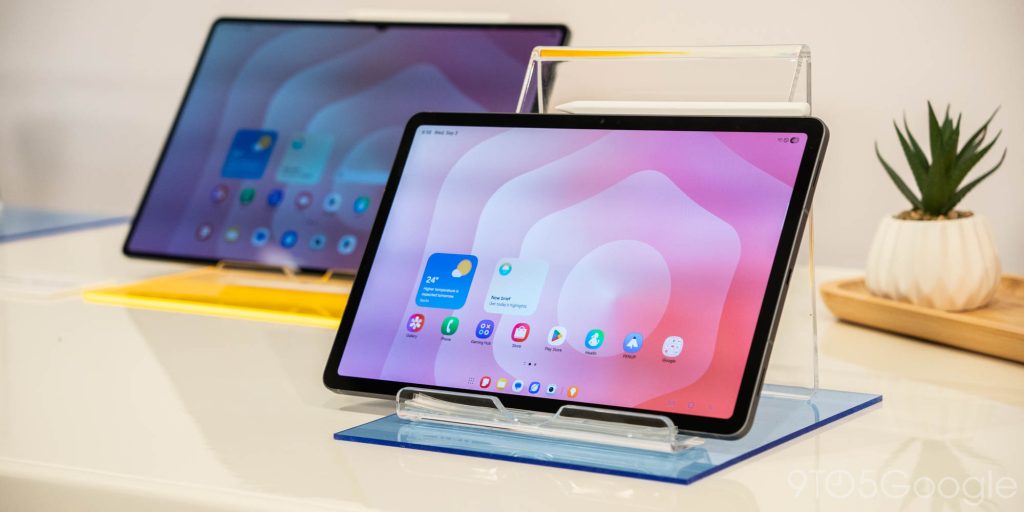
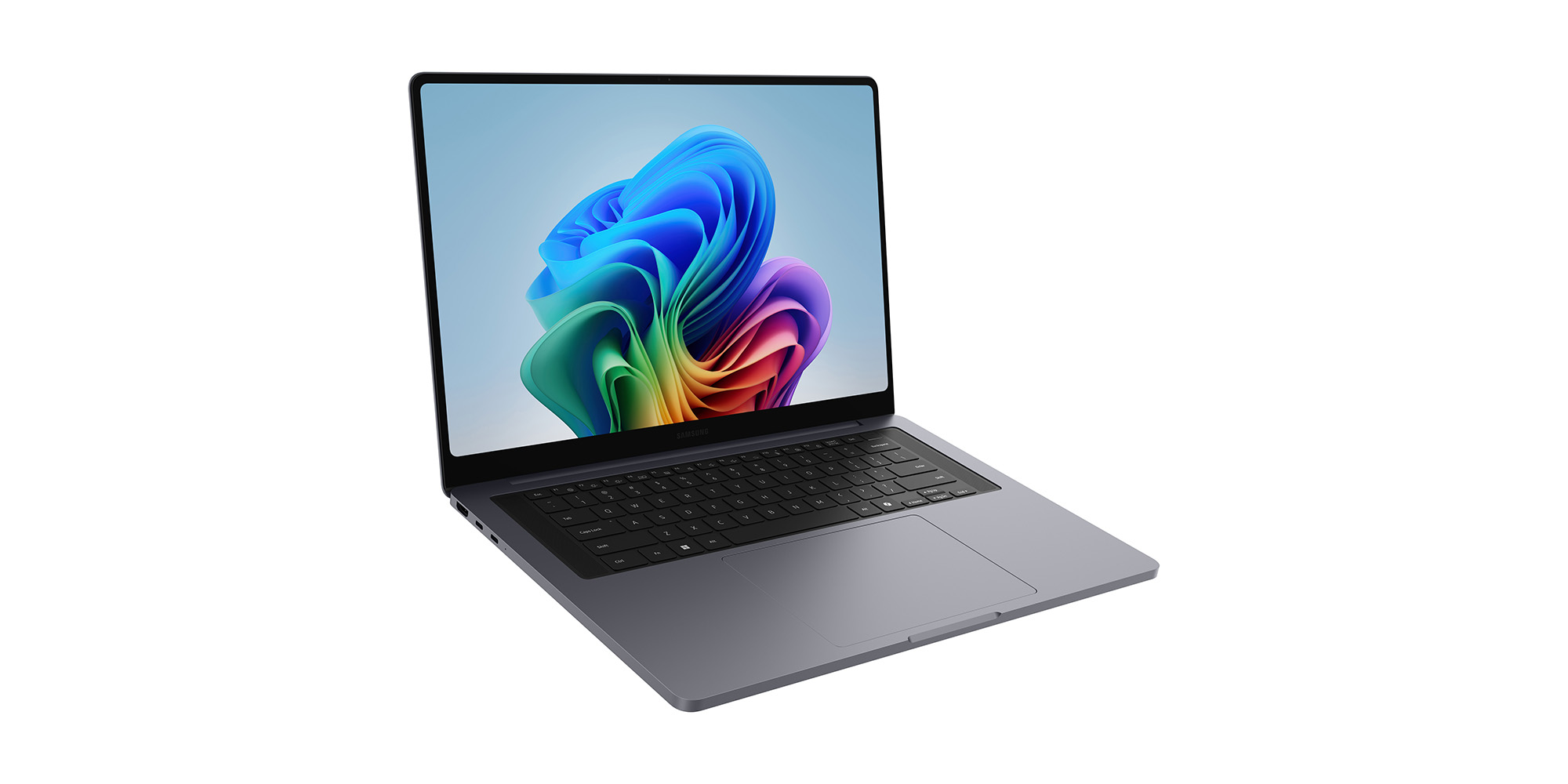
Relating closely to its smartphones, though, are Samsung’s tablets, laptops, and smartwatches. Android tablets are fairly rare on the market, but the Galaxy Tab series has stuck around as an affordable option as well as a flagship one, the latter usually including support for DeX. The company also products laptops using both Microsoft’s Windows and Google’s ChromeOS, the former linking to Galaxy phones using the “Your Phone” integration that is deeply built into One UI.

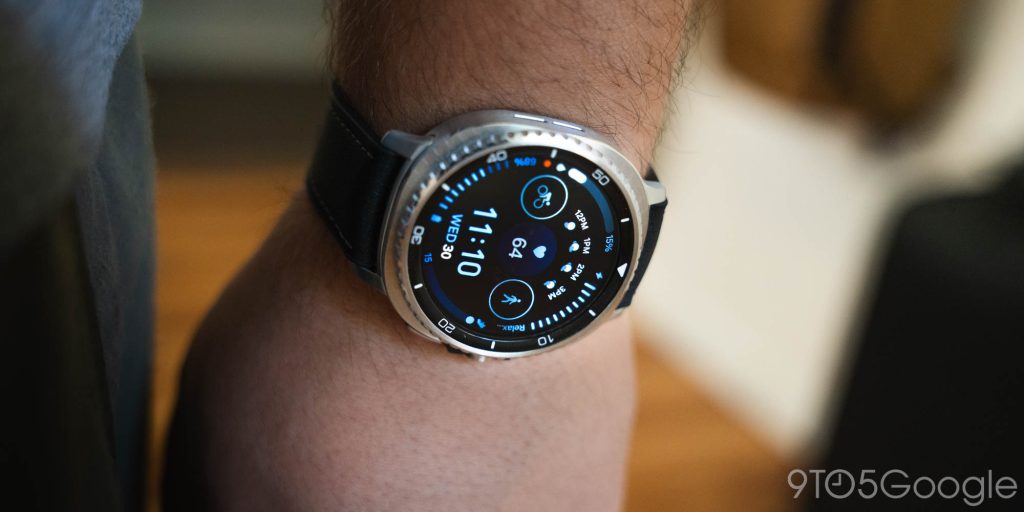
Finally, the Galaxy Watch lineup has been one of the best options for an Android-compatible smartwatch, and each model pairs best with a Galaxy smartphone.
Check out our up-to-date coverage of everything Samsung below.


Video walkthrough details Galaxy Tab 10.1 software update

Site default logo image

[youtube=http://www.youtube.com/watch?v=hlLP3RXkmUQ]

On Monday, 9to5Google told you about some of the new features of the forthcoming software update for Samsung’s Galaxy Tab 10.1 tablet. Following-up, Samsung yesterday released a twelve-minute promotional footage laying out the new stuff in greater detail. If you don’t have the time to sit through the entire clip, here’s what you need to know. First, you’ll notice subtle user interface tweaks that streamline the user experience and tone down a bit Honeycomb’s appearance with the larger and easier-to-grasp pictograms for the back, menu and home buttons. The calendar app has gotten a face-lift and the clock app also sports a cleaner look with crisper fonts.

The biggie is the resizeable widget capability, courtesy of Honeycomb 3.1). You can now resize clock, calendar, weather and picture widgets, which is nice. Samsung has built on top of stock Honeycomb 3.1 experience with custom apps – such as their own contact manager – plus a new version of TouchWiz with Quick Panel access to device settings, wireless and cellular networks, brightness and volume adjustments and so forth. You can also invoke a pull-up gesture from the bottom of the screen to display a list of the commonly used apps. You can also run some apps in multiple windows, usually the ones that don’t require the whole screen, which is a first for Android. Liliputing has the full breakdown of other interesting tidbits and nice-to-haves.


Expand
Expanding
Close

Microsoft seeking royalties from Samsung potentially worth $200 million a year on Galaxy S smartphone alone

Site default logo image

It’s interesting how Microsoft is becoming an intellectual property vendor these days. This is all thanks to Google’s Linux-based Android operating system which incorporate Microsoft’s many patents, allowing the Redmond firm to seek royalties from handset vendors. Microsoft first forced HTC to pony up five bucks in royalties per each handset sold. The revelation has prompted pundits to note that the HTC deal earns Microsoft more money then licensing fees collected from Windows Phone partners.

Microsoft has signed a similar pact with General Dynamics Itronix and their licensing division took cash from component maker Wistron Corp., in addition to Android backers Veloicty Micro and Onkyo Corp. And now, we learn that Microsoft’s legal rottweilers are after Samsung, the leading Android handset maker, reports Reuters based on local media. Note that Microsoft already has licensing agreements in place with Samsung and LG.

Microsoft Corp has demanded that Samsung Electronics Co Ltd pay $15 for each smartphone handset it makes based on Google Inc’s Android operating system as the software giant has a wide range of patents used in the mobile platform, local media reported on Wednesday. Samsung would likely seek to lower the payment to about $10 in exchange for a deeper alliance with Microsoft for the U.S. company’s Windows platform, the Maeil Business Newspaper quoted unnamed industry officials as saying.

Let’s put it this way: Microsoft is set to make $30 million in Galaxy S 2 royalties alone based on sales of three million Galaxy S II smartphones. That’s a run-rate of twenty million handsets a year, meaning the Samsung deal could be potentially worth a cool $200 million in annual licensing fees on the Galaxy S II smartphone alone. And what happens if an Android vendor does not sign with Microsoft for patent protection?


Expand
Expanding
Close

Sprint dropping Gingerbread update for Samsung Galaxy Tab

Site default logo image

Early adopters that bought into the tablet craze by picking up a Samsung Galaxy Tab as then the only viable iPad alternative will be delighted to know that carrier Sprint has begun pushing the Android 2.3 Gingerbread software update over-the-air. Their gadget girl Michelle Leff boasted on Twitter that Sprint is the first carrier to roll out Gingerbread for the Samsung Galaxy Tab. The new firmware brings HID Bluetooth and it updates the device’s baseband software to version S:P100.08 S.EF17 (build GINGERBREAD.EF17).

As you know, Gingerbread is technically a phone operating system. Google was strongly discouraging vendors from building tablet products until Honeycomb arrived. Samsung, of course, didn’t listen. As the iPad had taken everyone by surprise, the Korean gadget maker went on to launch the Galaxy Tab in September of last year. Despite Steve Jobs’ claims that the seven-inch tablets will be dead on arrival because users would need to sandpaper their fingers down to hit the tiny on-screen controls, the form factor has actually been quite compelling, at least among the Android community.


Expand
Expanding
Close

AMOLED displays to differentiate 2011 Android superphones from Apple’s iPhone

Site default logo image

[youtube=http://www.youtube.com/watch?v=bwEVV7PMn10]

Active-matrix organic light-emitting diode, or AMOLED, is a display technology from Samsung which has so far been limited to their high-end devices such as the Galaxy S series smartphones. It has worked out well for the Korean firm: They’ve been advertising the crispness and sharpness AMOLED enables as the hardware feature setting apart their smartphones from Apple’s iPhone 4 which employs a regular LCD display with in-plane switching (IPS) technology. Even though iPhone 4’s Retina Display-marketed LCD IPS display sports wide viewing angles and crisp 960-by-480 pixel resolution, it falls behind the AMOLED technology which features vivid colors, true blacks, high brightness and low power consumption.

All those wonderful goodies are said to be adopted by “numerous mobile phone vendors” in the second half of this year, reports DigiTimes. The publication explains that Samsung Mobile Display “has began production of AMOLED panels with the 5.5G production lines in May to further increase the penetration of AMOLED panels”. Samsung and its carrier partners have been making a lot of noise with the Super AMOLED Plus display featured on the Galaxy S II smartphone.

For example, the company aired a series of television commercials focused on the Super AMOLED Plus display alone. The Korean Herald asserted in May that Apple might use AMOLED in iPad 3, but it’s unclear why Samsung would enable its rival to tap the one distinct hardware feature that differentiate their products from Apple’s gadgets.
[youtube=http://www.youtube.com/watch?v=788MeU_msMI]


Expand
Expanding
Close

An overview of new capabilities of the upcoming Galaxy Tab 10.1 update

Site default logo image

The Galaxy Tab has made its official debut a month ago in New York, giving Samsung will a litmus test of the tablet’s potential in one of the world’s greatest shopping meccas. The well-received device is raved for its attractive design, thinness and a variety of hardware and software features that outdo Apple’s tablet. However, it also has some teething problems stemming from Honeycomb, which is understandable knowing it’s powered by Google’s inaugural tablet software.

If you’ve been eyeing Samsung’s device, rest assured you’ll soon be able to run the upcoming new software which brings a host of Honeycomb 3.1 features provided by Google, such as support for HDMI dongles and compatibility with SD Cards and a range of USB peripherals. On top of that, Samsung is providing their own custom-designed features. The Korean company wrote on the firmware update page that you’ll be able to purchase and rent premium movies as well as purchase next-day television shows using the Samsung Media Hub app, with content sharing across five Media Hub-enabled devices, including tablets and smartphones. The latest version of Swype keyboard input is also included, as is the new ability to remotely locate and wipe lost or stolen devices (they call it FindMyMobile). And now, the most important feature from Samsung.


Expand
Expanding
Close

Samsung has sold 3 million Galaxy S IIs in 55 days, 20 million phones in a year

Site default logo image

Hot off the heels of withdrawing their counter-suit against Apple, Samsung has announced they have sold 3 million Galaxy S IIs in just 55 days. This is a new record for the company beating sales of the Galaxy S by 30 days. What’s surprising here is this phone hasn’t landed in the U.S. yet (at least not tied to a carrier), but is seeing great sales worldwide. Samsung says sales have been doing very well in Europe and globally (especially Korea), selling one device every 1.5 seconds, or 55,000 a day. In the U.K., Samsung has been the number one manufacturer for 17 straight weeks.

Check out the press release after the break.


Expand
Expanding
Close

Samsung Galaxy S II coming to Canada in coming weeks on three carriers

Site default logo image

Whip out your syrup and bacon, because Engadget is reporting that the Samsung Galaxy S II is coming to Canada on three carriers. This device is on its way to Bell, Virgin Mobile, and SaskTell. Bell and VirginMobile have yet to release any pricing. SaskTell will be carrying the phone for $79.99 on a 3 year contract, which seems like a reasonable price but absurd commitment. SaskTell and Virgin Mobile are saying the device is on its way in the coming weeks, where Virgin Mobile is holding a contest to win the phone that ends July 19th. Expect to see this phone soon.

HP luring Android partners, Samsung said to be interested in webOS

Site default logo image


HP’s Todd Bradley unveiled the family of webOS-driven smartphones and tablets in February 2011.

Samsung, the leading Android device vendor, is apparently considering webOS mobile operating system from Hewlett-Packard for use in their own devices, reports SlashGear citing unnamed sources. This doesn’t mean Samsung is ditching Android – the company has invested too much into the platform and it has been working out for them really well.

But the Korean consumer electronics powerhouse also has another mobile software of its own, called Bada, that is gaining share and popularity on so-called feature and mid-range phones, basically a cross between smartphones and dumb phones. Bringing another platform to the mix would enable greater choice, watchers say, which is the same argument Google uses to justify Android.

Coincidentally, Bloomberg also reported earlier today that HP’s CEO Leo Apotheker confirmed licensing talks with Asian vendors:

We are talking to a number of companies. I can share with you that a number of companies have expressed interest. We are continuing our conversations.

This jibes with what an industry source told 9to5Google, that HP has basically sent out their sales teams after several Asian vendors who are said to be increasingly dissatisfied with the fact that Google so far only approved four handset makers into the Honeycomb program for tablets. These companies, the source underscored, are annoyed that Google has begun exercising tighter control over the Android ecosystem, essentially shutting them out at a time when both HP and Microsoft are actively seeking hardware partners to support their struggling mobile operating systems.

Expand
Expanding
Close

Samsung Galaxy Tab 10.1 hits UK August 4, Galaxy Tab 8.9 to follow later this year

Site default logo image

Samsung today announced that its Galaxy Tab 10.1 will arrive in the UK on August 4. The device will be sold by “a range of UK retailers” and a portfolio of accessories will be available at launch. Both WiFi and 3G versions will be available, Samsung said. The Galaxy Tab 10.1 measures just 8.6 millimeters thin and weighs in at 565 grams. The device runs the latest Android Honeycomb 3.1 tablet software from Google and comes preloaded with Samsung’s apps.

These include Readers Hub and Music Hub that provide access to more than 2.2 million downloadable e-books, 2,000 newspapers, 2,300 magazines and 13 million songs. They also have Social Hub which integrates email, instant messaging, mobile contacts, calendar and social network connections into a single interface. The Britons will also be able to get their hands on the 8.9-inch Galaxy Tab (pictured below) “later this year”. Full release below.


Expand
Expanding
Close

ARM-based Android notebooks from Samsung, others arriving by Christmas?

Site default logo image


After smartphones, tablets and cross-over gadgets such as Lenovo’s IdeaPad U1 with detachable display, Android and ARM technology could make its way inside notebooks by year’s end.

The vast majority of all-in-one chips powering today’s tablets and smartphones incorporate CPU designs from UK-based ARM Holdings, a fables semiconductor intellectual property firm headquartered in Cambridge, England. For example, chips from the likes of Qualcomm, Nvidia and even Apple all incorporate CPU designs licensed from ARM Holdings. Now that power-savvy mobile chips with two and four processing cores and flashy graphics are a reality, notebook vendors are taking notice.

We’ve previously heard whispers that Apple has a MacBook prototype designed around the iPad 2’s A5 chip which contains two ARM-designed processing cores. Not content with being left behind, first-tier device makers such as Samsung, Toshiba, Acer and Asustek plan on bringing ARM-powered notebooks to the market by the end of this year. From DigiTimes:

The sources pointed out that ARM-based systems using Android were already launched under the smartbook name two years ago with Toshiba and Lenovo both launching products in the retail channel. However, due to weaker than expected demand, the related products were soon phased out of the market. Asustek has already made plans to launch a 13-inch ARM-based notebook adopting Nvidia’s processor with Android. The sources pointed out that there are already several brand vendors reportedly set to launch ARM-based notebooks with prices lower than US$299 to compete for market share and the vendors’ processor choices include Nvidia’s Tegra, Qualcomm’s Snapdragon and processors from Texas Instruments.

There’s a lot to look forward to…


Expand
Expanding
Close

Android Nation: 7 out of 10 smartphones sold in South Korea run Android

Site default logo image

.

Yonhap News is reporting that 10 million units of Android smartphones have been sold in South Korea. South Korea’s biggest carrier, SK Telecom Co, has a whopping 6.18 million Android subscribers under its belt. KT Corp. is following second with 2.06 million, and LG Uplus Corp hosts 1.86 million and is following with the third spot. The 10 million Android smartphones makes up for 70% of South Korea’s phone market according to the report. Apple’s iPhone, by comparison, has 2.5 million iPhones in the South Korea market on its dominant carrier.  Figures weren’t yet available for SK Telecom.

South Korea is of course the home turf of big Android makers Samsung Electronics Co., LG Electronics Inc. and Pantech Co.

And you thought the US was high with 50%?


Expand
Expanding
Close

Samsung and Acer battle for number two tablet spot behind Apple

Site default logo image

Who said Apple has to dominate the tablet market? As of now they are, but that doesn’t mean things can’t change. According to CNet, Apple shipped 4.7 million tablets last quarter. But hot…err warm… on their heels, Samsung has shipped 850,000 units – and that’s without the newly launched Galaxy Tab 10.1. Following a close third, and could even overtake Samsung, Acer shipped 800,000 units that same quarter. This is promising news for a diverse tablet market.

There’s no reason why Apple can’t become a minority player by the end of the year. Just these two companies alone have a third of Apple’s share.  There is also Motorola, ASUS, LG, HTC and even the Nook by Barnes and Noble.
Expand
Expanding
Close

Why didn’t Samsung use Android for its Apps Refrigerators?

Site default logo image

.

It seems like a no brainer. Samsung is building 8-inch screens into its refrigerator line.  Of course it is going to use Android so you can have 200,00 apps on your Honeycomb fridge, right?  Even HP picked Android to run its printers (at least until it picked up Palm) -Clearly Android is what everyone wants.

.

Nope, it looks like Samsung is using its own proprietary, non-Bada embedded OS.  Likely due to stability concerns, Samsung went to something that Google doesn’t control.  We’ve combed through the 4000 page user manual (PDF) and nary a mention of Android, though some screenshots seem to be reminiscent of its UI (below).  Perhaps Samsung (or some hackers) will get Android on there in a future update.
Expand
Expanding
Close

Galaxy Tab 10.1 hits Sprint this Friday, Samsung unveils a bunch of accessories

Site default logo image

Samsung has taken the wraps off of a lineup of accessories designed for its Galaxy Tab 10.1 tablet. Offered online at samsung.com, some are available now while others are slated for a mid-summer arrival. If you plan on accessorizing, there will be no shortage of choices ranging from standard protective cases and docking and charging stations to multimedia and USB adapters, digital frames and more. Of course, you’ll need a Galaxy Tab 10.1 to boot with and Sprint just announced that sales are beginning this Friday, starting at $499 Full press release below.


Expand
Expanding
Close

Samsung: No, our bosses are NOT engaged in high-level talks with Apple

Site default logo image

Samsung has issued a statement regarding claims of high-level talks with Apple concerning an ongoing legal dispute involving flagship mobile devices from both firms. A company spokesperson told V3.co.uk yesterday:

We are unaware of any meetings or discussions between the two sides over this matter.

The comment follows a report by Reuters which asserted that US district judge Lucy Koh told both parties during a Friday hearing to get their act together and come to an amicable solution. Apparently, Apple’s legal counsel Harold McElhinny told judge that Apple and Samsung executives are involved in talks. It’s obvious one of the parties is not telling the truth. This cat-and-mouse game is beginning to point at a possible settlement because neither party would benefit from dragging each other through the mud in a multi-year lawsuit. Plus, Samsung is Apple’s key supplier after all…


Expand
Expanding
Close

Apple adds a dozen more Samsung products to its compliant, including Nexus S 4G and “showcase” Galaxy S

Site default logo image

Apple is applying more oomph to copycat claims against its key supplier Samsung. Just days after it wrote in court documents that Samsung was “harassing us”, Apple yesterday amended the filing with more intellectual property rights against more products – even re-phrasing accusations more strongly. The legal maneuver comes on the eve of today’s court hearing where the judge will decide about granting each party access to the other’s unreleased products. FOSS Patents spotted the updated complaint:

The original complaint specifically accused the following products of infringement: “the Samsung Captivate, Continuum, Vibrant, Galaxy S 4G, Epic 4G, Indulge, Mesmerize, Showcase, Fascinate, Nexus S, Gem, Transform, Intercept, and Acclaim smart phones and the Samsung Galaxy Tab tablet.”

The amended complaint accuses all of the above plus the Droid Charge, Exhibit 4G, Galaxy Ace, Galaxy Prevail, Galaxy S (i9000), Gravity, Infuse 4G, Nexus S 4G, Replenish, Sidekick, Galaxy Tab 10.1, and Galaxy S II (aka Galaxy S 2). It also specifies the accusation against “Showcase” products, naming the Showcase i500 and Showcase Galaxy S.

Per rephrased wording, Samsung “has been even bolder” than other companies by putting out “products that blatantly imitate the appearance of Apple’s products to capitalize on Apple’s success”. The company claims that the F700 released in 2007 was the first Samsung phone to “copy the clean flat clear surface of the Apple iPhone Trade Dress and the Apple iPhone/iPhone 3G/iPhone 4 Trade Dress”. Apple also points out that its products and brand have been featured in credible newspapers and magazines and even points out the #1 position it took in the BrandZ index. In Apple’s words, this is why iPhone is an iconic product:


Expand
Expanding
Close

Samsung Series 5 Chromebook BOM: $332.12

Site default logo image

IHS iSuppli has dissected and analyzed the Series 5 Chromebook from Samsung Electronics, estimating the cost of components that go into the product at $332.12. The total cost to produce the Chromebook is $334.32 after the $12.20 manufacturing cost. BOM excludes other costs associated with bringing the product to market, such as research and development, packaging, marketing, merchandising, software, licensing, royalties, administrative and transportation costs, cost of sale and what not.

“The Chromebook’s focus on providing a compelling user experience has resulted in the inclusion of some advanced hardware features not typically found in low-cost notebooks”, iSuppli noted. The 12.1-inch computer sports a sealed battery providing eight hours of run time on a single charge. Like the MacBook Air, the Samsung Series 5 Chromebook is designed around 16GB of all-flash storage for instant-on performance and includes 2GB of RAM. A teardown analysis by iFixit revealed a dual-core 1.66GHz Atom N570 processor and Intel’s NM10 graphics chip.

The priciest component?


Expand
Expanding
Close

Galaxy Tab 10.1 hitting American Airlines premium cabins

Site default logo image

Following Delta Airlines and Alaska Airlines pilots testing in-flight use of iPads, Samsung today announced that American Airlines will feature the Samsung Galaxy Tab 10.1 in their premium cabins. American Airlines will deploy six thousand Samsung Galaxy Tab 10.1 units onboard select flights beginning later this year which will

replace the airline’s current personal entertainment device in American’s premium cabins on transcontinental flights between New York’s JFK and Los Angeles, JFK and San Francisco, and Miami and Los Angeles served with 767-200 and 767-300 aircraft; international flights to and from Europe and South America served with 767-300 aircraft; and transcontinental flights departing from Boston to Los Angeles served with 757 aircraft.

Although American Airlines has a flight-checking app on the App Store and offers an in-flight video streaming service to its iPad-using customers, they have not rolled out Apple’s device on commercial flights yet.


Expand
Expanding
Close

Samsung and Apple to overtake Nokia by end of June, says analyst

Site default logo image

With an IDC-estimated 10.8 million units shipped during the first quarter of this year, Samsung files as the world’s fourth-largest smartphone vendor, behind Nokia, Apple and BlackBerry maker Research In Motion. However, the rising popularity of Samsung’s feature phones and dumb handsets powered by their own operating system called Bada has helped the Korean phone maker capture the #2 slot in terms of all handset units shipped globally.

Samsung was outdone only by Nokia in the first quarter. According to IDC’s Worldwide Mobile Phone Tracker, Samsung shipped 70 million handset units during the first quarter of this year versus the 108.5 million Nokia phones. With 18.7 million iPhones Apple came in fourth, behind LG Electronics which shipped 24.5 million handsets. That was last quarter…

The global handset landscape is going to alter rapidly by the June quarter’s end, predicts Japanese research firm Nomura. Their analyst was quoted as saying that “Nokia looks set to relinquish its smartphone crown (in unit terms) to Samsung and Apple”. This means, their analyst argues, that Nokia will be #3, with Samsung and Apple taking the #1 and #2 slots, respectively. Mind you, Nokia has been the world’s top handset maker since 1996…


Expand
Expanding
Close

Samsung’s Chromebook torn apart: A well-polished version of Cr-48

Site default logo image

We got our review unit  yesterday, but today marks the release of Samsung’s first production Chromebook called the Samsung Series 5. The teardown experts over at iFixit have been quick to dismantle the computer and peek under its hood. Their teardown analysis paints the Series 5 machine as “a well-polished version of the rather imperfect Cr-48 prototype Chromebook”. This means that the Series 5 improves on the Cr-48’s clunky trackpad and mediocre battery life, iFixit explained.

The Series 5 fixes the major shortfalls of the Cr-48 and adds the polish necessary to strike lust into the heart of a broad consumer base: sleek looks, 8+ hours of battery life, and optimized performance.

They gave the notebook a decent 6 out of 10 Repairability Score. What about the innards?


Expand
Expanding
Close

CR-48 Blue Screen of Death Easter Egg solved

Site default logo image

While Samsung and Acer are readying their ChromeOS laptops for release this summer, the CR-48 is still being looked over.  One user figured out a Firmware Easter Egg by doing some significant research (and taking a big fat hint laid earlier this week).  The Hex message at the bottom converts to ASCII characters and revealing the following message:

Greetings from the Chrome OS x86 firmware team. This message is brought to you by Randall, Bill, Vadim, Gaurav, and Kelly. Also by the letter G and the number 42. If you’ve enjoyed this gadget, please join us at http://www.chromium.org to help make it even better. We now return you to your regularly scheduled program, already in progress. No animals were harmed in the production of this message. Apply only to affected area. Cape does not enable wearer to fly. Contents may have settled during shipment. Use no hooks.


Expand
Expanding
Close

Samsung: Apple lawsuit “not legally problematic” as we “continue to work with Android on future tablets”

Site default logo image


Strategy Analytics ranked Samsung the #1 Android tablet maker and the world’s #2 tablet company behind Apple in Q1 2011. It took them a month to sell a millionth Galaxy S II smartphone in Korea  and brag about it  on their Flickr account with the above image.

Samsung is content on releasing more Android tablets despite that pending legal spat with Apple, which is accusing them of stealing the iPad’s and iPhone’s design, software features and hardware engineering with the Galaxy-branded tablets and smartphones. The Wall Street Journal quoted this morning Samsung’s J.K. Shin who underscored his company’s determinacy to release more Honeycomb tablets this year as they “continue to work with Android on future tablets”. Their senior vice president of sales and marketing Younghee Lee added:

Android is the fastest-growing platform and the market direction is headed toward Android so we’re riding the wave. When there is a market need for our own software, we will consider it but that’s not our plan at the moment.

Samsung also says it’ll continue offering tablet PCs in multiple screen sizes as a way of distinguishing themselves from Apple. Asked to comment on that pending lawsuit with Apple, Shin responded:


Expand
Expanding
Close

Is this AT&T's best commercial yet?

Site default logo image

Color us blue (no pun intended), but this has got to be one of the best AT&T television commercials yet. Dubbed “Spider”, it sports the new Samsung Infuse 4G said to have colors “so real that it’s almost unreal”. Why “Spider”, you ask. Just watch…

[youtube=http://www.youtube.com/watch?v=mcr2uWkJkzI&w=670&h=411]
Notice how he simply grabs his shoe magically from under the table?