Android

See All Stories

Breaking news for Android. Get the latest on apps, carriers, devices, and more!
Android is Google’s mobile operating system, launched in September 2008, although its history technically began with the release of the Android alpha in November 2007. To this day, Android powers the majority of the world’s smartphones and comes in several different flavors across many phone makers.

What is Android?

Android Inc.

Android, before it was Android, was a company called Android Inc. That company was founded in Palo Alto, California, in 2003 by a crew of four: Andy Rubin, Rich Miner, Nick Sears, and Chris White. The company and its project was acquired by Google in 2005 for a sum of more than $50 million, although the exact number is unknown. The company’s founders joined Google as part of the deal.

In its infancy, Android was an operating system built not for touch screen smartphones like the iPhone, but rather BlackBerry-like devices with physical keyboards. It’s well documented that after Apple shocked the world with the iPhone, ahead of its nearest competition by at least a couple years, Google and Android Inc. had to go back to the drawing board to build something competitive.

Adoption by third-party makers

It didn’t take long after the launch of the iPhone for various manufacturers to enter the market with their alternatives — and Google’s Android immediately became the obvious platform of choice for just about everyone except Microsoft. HTC was the first manufacturer on board, and introduced the T-Mobile G1 running Android in September 2008. Soon after, HTC, Motorola, Samsung, and carriers like Sprint and T-Mobile jumped on board to form the Open Handset Alliance.

Android makers across the world

Iconic Android handsets

There have been thousands of Android phones released since Android’s inception, but some have been more important to the platform’s history than others. There was the original T-Mobile G1, as mentioned, but there was also the HTC One Google Play Edition, Moto G, Samsung Galaxy S4, and others. Some of the most iconic Android handsets include:

  • HTC G1
  • HTC Nexus One
  • Samsung Galaxy S, S2, S3, S4, and their successors
  • HTC Incredible S
  • Samsung Nexus S
  • Samsung Galaxy Nexus
  • Samsung Galaxy Note
  • Nokia 8
  • BlackBerry KeyOne
  • Google Pixel and its successors

In more modern times, there are several Android smartphones makers that popped up across various niches and in several international markets. Huawei is a dominant Android maker in China and many European markets, while Samsung is by far the most popular maker in the United States by far — effectively creating a duopoly with Apple. Today, there are dozens of major device makers contributing to the Android ecosystem.

Full list of Android OEMs

History of major Android versions

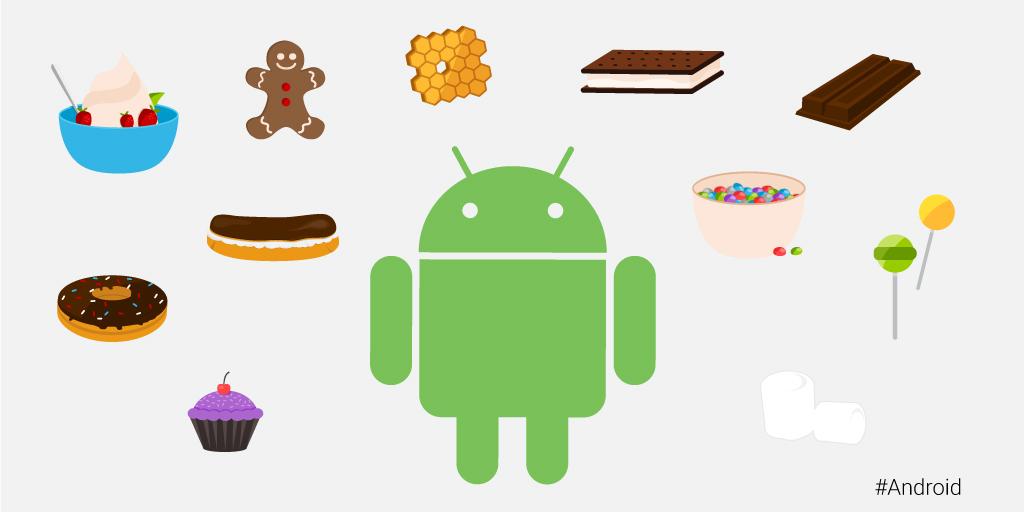
Android has seen countless software revisions over the course of its life, but in modern times the OS usually sees a major release on an annual cadence. In the earlier days, Google famously gave its major software releases dessert-themed codenames, but retired that practice in 2019 with the release of Android 10.

VersionNameReleaseDevices
2.3GingerbreadFebruary 9, 2011Nexus S
4.0Ice Cream SandwichOctober 19, 2011Galaxy Nexus
4.1Jelly BeanJuly 9, 2012Nexus 7
4.2Jelly BeanNovember 13, 2012Nexus 4, 10
4.3Jelly BeanJuly 24, 2013Nexus 7 (2013)
4.4KitKatOctober 31, 2013Nexus 5
5.0LollipopNovember 3, 2014Nexus 6, 9
5.1LollipopMarch 9, 2015Android One
6.0MarshmallowOctober 5, 2015Nexus 5X, 6P
7.0NougatAugust 22, 2016Nexus 5X, 6P
7.1NougatOctober 4, 2016Pixel, Pixel XL
8.0OreoAugust 21, 2017Pixel, Pixel XL
8.1OreoDecember 5, 2017Pixel, Pixel XL
9PieAugust 6, 2018Pixel 2, Pixel 2 XL
1010September 3, 2019Pixel 3, 3a
1111September 8, 2020Pixel 4

List of major Android OS platforms

While Android proper is certainly the most widespread of Google’s Android operating systems, the company has also launched many offshoots of the main OS over the years. There’s Android Auto, Android Wear (now Wear OS), Android TV (now rebranded to Google TV), as well as versions of Android built for tablets and Android Things (now defunct).

Reports of HTC’s withdrawal from the smartphone market are greatly exaggerated, says company

Site default logo image

Photo: HTC Chairwoman Cher Wang, and Alice Sun’s blog post

A recent rumor that HTC was withdrawing from the smartphone market, and that the company would be offered for sale, have been denied by the company. HTC recently warned of a possible loss in Q3 following disappointing Q2 results.

The rumor was started by a post on the the Chinese microblogging site Weibo by EE Times Chinese analyst Alice Sun, a commentator with a generally good track-record. However, rumors of a denial swiftly followed, and Engadget has now received what appears to be a definitive denial of the sale – though interestingly no specific response is made to the suggestion that HTC is pulling out of smartphones … 
Expand
Expanding
Close

Nexus 7 review: the best Android tablet gets even better

Site default logo image

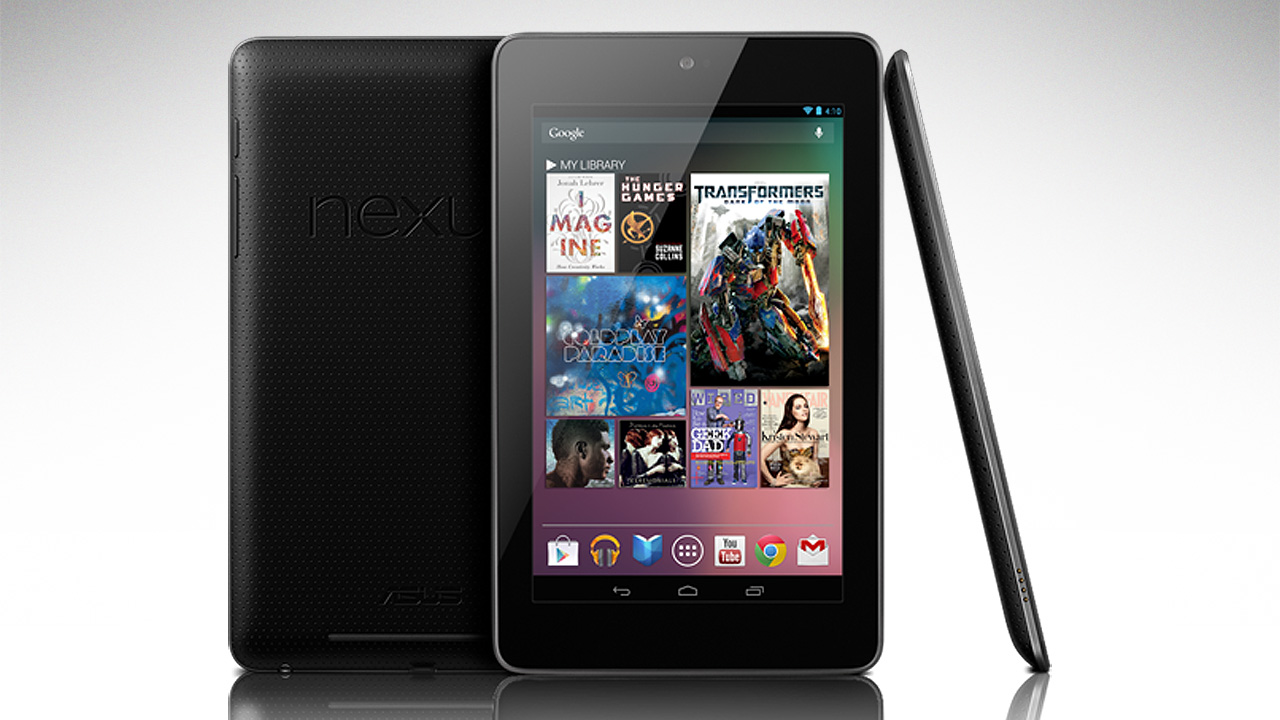
Before Google I/O 2012, Android tablets hadn’t been all that successful, due in large part to their high price and lack of serious support from Google. Then, however, Google introduced the $199 Nexus 7 tablet and started a battle of who could make the best, most affordable tablet. More than a year later, it’s quite clear that Google was the winner of that battle. Other manufacturers could not release an affordable tablet that was worth buying– and its biggest 7-inch competitor, the iPad mini, remains a full $100 above the Nexus 7’s asking price.

When the first rumors hit claiming that the device would cost $229, $30 more than the original model, I was a tad worried, but once Google officially announced the specifications, all that worry went away. The new Nexus 7 improves on its predecessor in just about every way imaginable. It has a faster processor, higher resolution screen, a new rear camera, the latest version of Android, and more. All that doesn’t necessarily mean the device is better, however. Is the Nexus 7 still king of the Android tablet market? Can it compete with the iPad mini?


Expand
Expanding
Close

Obama administration vetoes partial Apple product import ban over Samsung patents

Site default logo image

President Obama and Vice President Biden with an iPhone

United States President Barack Obama and his administration have issued a veto on a potential ban for iPhone 4 and 3G-capable iPad 2 models in the United States. The potential ban of those Apple products was due to patents owned by Samsung.

The news comes by way of a notice from the U.S. Government. The official ruling comes from Michael Froman, a trade representative for the United States:

In addition, on January 8, 2013, the Department of Justice and United States Patent and Trademark Office issued an important Policy Statement entitled “Policy Statement on Remedies for Standard-Essential Patents Subject to Voluntary FRAND Commitments” (“Policy Statement”).2 The Policy Statement makes clear that standards, and particularly voluntary consensus standards set by standards developing organizations (“SDO”), have incorporated important technical advances that are fundamental to the interoperability of many of the products on which consumers have come to rely, including the types of devices that are the subject of the Commission’s determination. The Policy Statement expresses substantial concerns, which I strongly share, about the potential harms that can result from owners of standards­essential patents (“SEPs”) who have made a voluntary commitment to offer to license SEPs on terms that are fair, reasonable, and non­discriminatory (“FRAND”), gaining undue leverage and engaging in “patent hold­up”, i.e., asserting the patent to exclude an implementer of the standard from a market to obtain a higher price for use of the patent than would have been possible before the standard was set, when alternative technologies could have been chosen. At the same time, technology implementers also can cause potential harm by, for example, engaging in “reverse hold­up” (“hold­out”), e. g., by constructive refusal to negotiate a FRAND license with the SEP owner or refusal to pay what has been determined to be a FRAND royalty.

The would be, no-longer affected Apple devices include the iPhone 4, iPhone 3GS, iPad 2 3G, and the original 3G-capable iPad. This ruling mostly affects the iPad 2 and the iPhone 4 as those are the pertinent products that Apple actually currently sells in the U.S. The President’s block of the ITC ban is the first block of this kind since the 1987 Reagan administration.

Both Apple and Samsung have both responded to the news. A Samsung spokesman told AllThingsD the following:


We are disappointed that the U.S. Trade Representative has decided to set aside the exclusion order issued by the U.S. International Trade Commission (ITC). The ITC’s decision correctly recognized that Samsung has been negotiating in good faith and that Apple remains unwilling to take a license.

You can read the full letter from the government below:


Expand
Expanding
Close

Google launches ‘Android Device Manager’ to find and wipe misplaced devices

Site default logo image

Google today announced on its Official Android Blog that it’s launching a brand new tool called ‘Android Device Manager’ that will let users easily locate and remotely wipe misplaced or stolen devices. Anyone familiar with the Find My iPhone feature that Apple has made available to iOS device users will already be quite familiar with how the software works.

Much like Apple’s service, Android Device Manager will let users locate their device on a Map in real-time, as well as remotely wipe the device of all data if happens to get into the wrong hands. You’ll also be able to make your device ring at maximum volume if you happen to misplace it in a nearby location.

If you ended up dropping your phone between those couch cushions, Android Device Manager lets you quickly ring your phone at maximum volume so you can find it, even it’s been silenced. And in the event that your phone or tablet is out of earshot (say, at that restaurant you left it at last night), you can locate it on a map in real time

Google’s announcement comes at a time when government officials are pressuring Apple, Google, and other smartphone manufacturers to implement new theft deterrent features. While Google’s new tool would be one step in the right direction, it doesn’t appear to go beyond what Apple has already had in place since back in 2010.

Recently, Apple announced a new Activation Lock feature that requires an Apple ID and password to reactivate a stolen phone after being remotely erased/wiped by the owner through the Apple Find my iPhone feature. The login information will also now be required to turn off Find My iPhone. If a user’s device is stolen, wiping the device clean will essentially leave the thief with a device that is inoperable without the user’s Apple ID and password. It doesn’t appear that Google’s new tool includes a similar feature.

Google said the new Android Device Manager service will available later this month for devices running Android 2.2 and up, and an Android app will also be available to help users manage their devices.

Motorola confirms new family of “Moto X” devices, including a low-cost version, coming soon

Site default logo image

Following yesterday’s launch of the Moto X and pricing and availability details for US carriers, Motorola today confirmed (via Pocket-Lint) that the device will not be available to consumers in the UK.  It’s not all bad news, however, as Motorola is hinting at a whole family of devices that will follow the branding of its new flagship Moto X and become available in additional markets.

A spokesperson for Motorola reassured Pocket-lint that Europe is still a key priority for the company, and that “Moto X is the first device in a new product portfolio, basically a new family of devices.”

“Because it is the first one, the Moto X has had a real buzz around it, but the US launch is not about the US being Motorola’s priority at all, there are devices coming to Europe. We can’t share what they are as of yet, but they are from the same family. They are cool and they are exciting and there is a lot in Europe coming up.”

Cnet dug up a little more on the upcoming devices, noting that one of them will be a lower-cost Moto X for US prepaid customers and other emerging markets:
Expand
Expanding
Close

FBI can remotely switch on the microphone in Android handsets, claims former US official

Site default logo image

Photo: digitaltrends.com

A report by the Wall Street Journal on the FBI’s use of hacking tools claims that the Bureau has the capability to remotely switch on the microphones in Android handsets.

With such technology, the bureau can remotely activate the microphones in phones running Google Inc.’s Android software to record conversations, one former U.S. official said. It can do the same to microphones in laptops without the user knowing, the person said. Google declined to comment … 
Expand
Expanding
Close

Site default logo image

More details emerge on Moto X’s Clear Pixel sensor – and why you should care

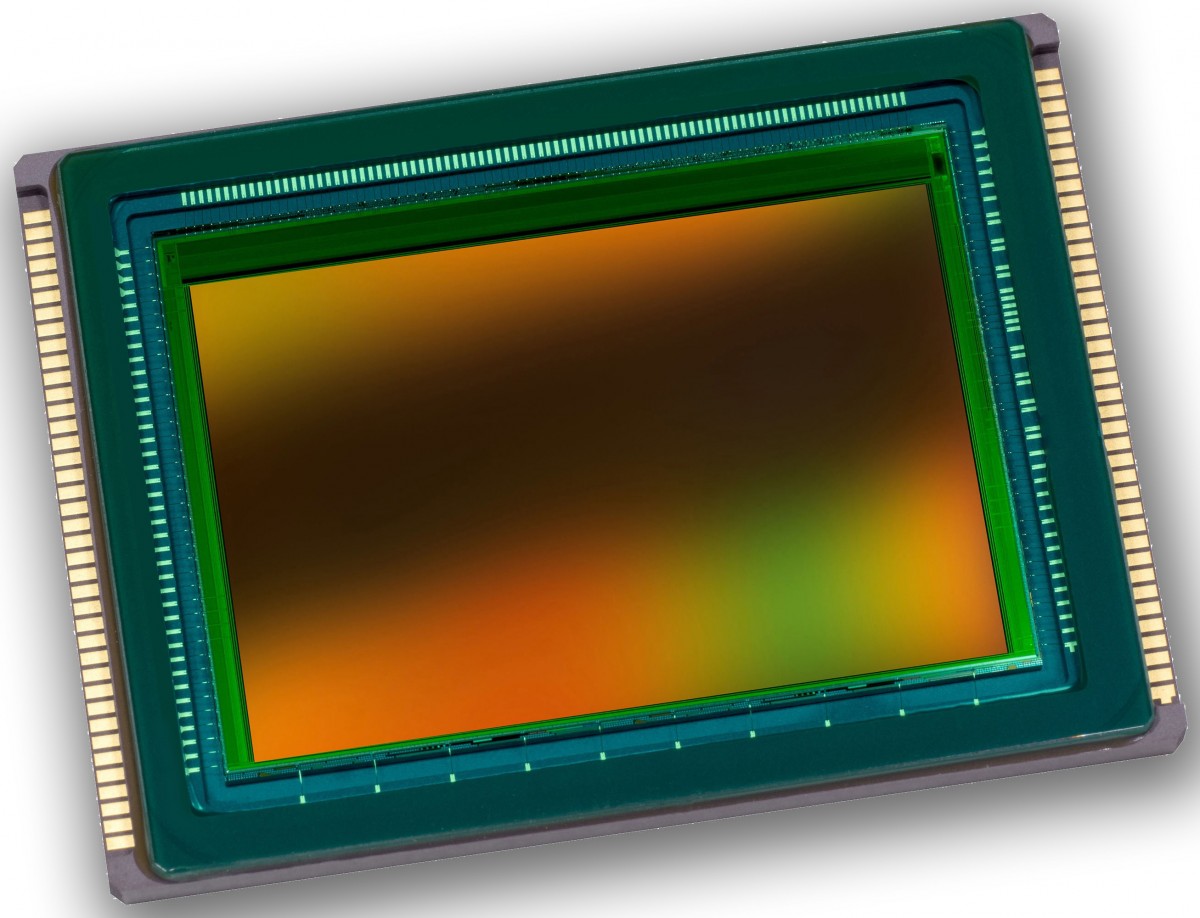
Library image of a camera sensor

Motorola told us yesterday that the Moto X has a “10MP Clear Pixel (RGBC)” camera, and now Engadget has a little more info on this.

It’s the OmniVision OV10820, a 1/2.6-inch sensor with a video-friendly 16:9 aspect ratio and large 1.4-micron pixels. Its strong low-light performance comes through a two-chip approach. The sensor captures RAW images using a sensitive RGBC (red / green / blue / clear) color filter, and a companion chip automatically converts the resulting shots into the Bayer format that most imaging processors expect. The result is a high-performance camera that slots inside the Moto X without requiring any special effort.

RAW images allow a sensor to capture greater ‘dynamic range’. Picture a bright sunny day with a tree casting a shadow. With most sensors, either the shaded area would appear solid black or the surrounding area would appear too bright. RAW allows a sensor to retain detail across both bright and dark areas.

And the size of the pixels? These are again important for image quality, especially in low-light conditions. There has been a tendency for manufacturers to cram more and more pixels into a given sensor size, knowing that most consumers think a higher megapixel number has to mean a better camera. In practice, it can mean the opposite as the quality of indoor photos suffer because the pixels are too small. A larger physical sensor size enables larger pixels and better quality.

1.4 micron pixels are larger than most smartphone cameras, but not exceptional in todays high-end handsets. It’s larger than the 1.12 micron in the standard Samsung S4, the same as the S4 Zoom and iPhone 5 – but not as large as the 2 micron pixels in the HTC One.

Site default logo image

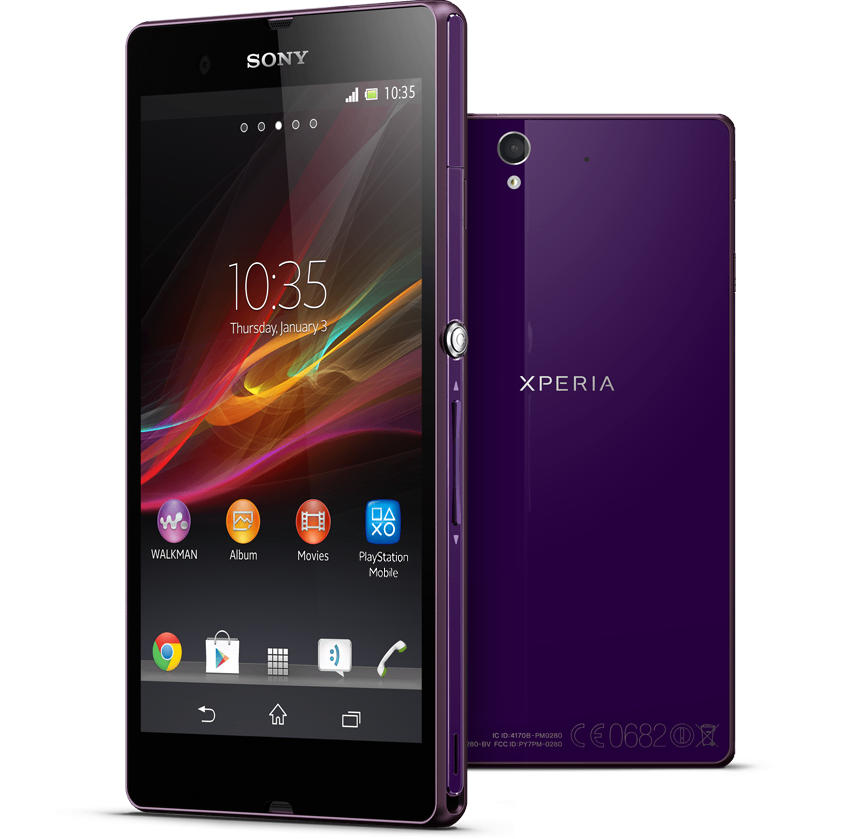
Xperia Z helps Sony’s mobile division turn $28M loss into $60M profit

Sony’s mobile division has posted a profit of $60M in Q2 after making a $28M loss in the same quarter last year, reports the New York Times.

Sony reported a “significant increase” in quarterly sales of smartphones, to 9.6 million from 7.4 million in the period a year earlier. Sony said average selling prices had risen as well, helping the mobile division post a profit of $60 million, after a loss of $28.1 million in the year-ago period.

Its early launch of its flagship Xperia Z handset ahead of launches by Samsung and HTC was likely a significant factor, with export numbers assisted by a weak Yen .

Sony may struggle to maintain this performance, however. The successor to the Z, the Xperia Z Ultra, is due to launch next month with a $799 off-contract price-tag that puts it firmly up against the Samsung S4, HTC One and Moto X.
Via BGR

New ads show off Moto X ‘Quick Capture’ & always-on voice command features

Site default logo image

http://www.youtube.com/watch?v=vpU1mW0Mjm8

Motorola just posted a couple new videos showing off some of the unique software features that its including the Moto X. The first, above, shows the Quick Draw, or Quick Capture, feature that allows users to twist their wrist twice to quickly launch the camera app and snap a photo. The second, below, shows the always-on voice commands included with the device that will let users control their device without ever touching it. You can get all the details on specs and availability for the Moto X here
Expand
Expanding
Close

Site default logo image

BlackBerry rolling out BBM for iOS and Android beta invites

BBM-AndroidEmail-vzm

report from BlackBerryOS.com notes that invites to BlackBerry’s upcoming BBM service for iOS and Android have now started rolling out to users on the company’s Beta Zone website. Back in May, BlackBerry announced that its popular messaging platform would finally become cross-platform and arrive on both iOS and Android devices “later this summer,” and that deadline to launch is of course quickly approaching. Not all Beta Zone members have received the invite email above, but it looks like BlackBerry is getting closer to finally launching the new apps.

We haven’t seen much of the iOS app, but BlackBerryOS also got its hands on the screenshots below of the latest Android beta:

NVIDIA Shield Android handheld gets tear-down treatment as first reviews hit the web

Site default logo image

The Frankenstein-like NVIDIA Shield, the handheld games console whose size and weight (1.5 pounds!) makes it seem like something invented in the 1990s, has been given the tear-down treatment by ifixit.

One thing is for sure—with its shields disabled, this device looks nothing like any tablet we’ve ever taken apart … or game console … or anything

Teardown photos and review roundup below the fold … 
Expand
Expanding
Close

Google testing ‘hyper-local news card’ for Google Now

Site default logo image

Google is testing a new “card” for its Google Now service that would display local news that’s contextually relevant to the user. It’s not something that users have been able to try out just yet, but Quartz reports that vice president of search and assist at Google Johanna Wright tells them that Google is currently testing the feature internally.

There’s no word on whether or not the Google Now card would some how be integrated with Google’s current News service, but Wright provides an example of how the “hyper-local news card” might function:
Expand
Expanding
Close

Official Google AdSense Android app now available on Google Play

Site default logo image

There are a lot of third-party clients for Android that let users access their AdSense accounts, but today an official app from Google has made its way onto Google Play.

Google says that version 1 of the app provides ” key earnings information, top custom and URL channels, ad units and sites reports, payment alerts,” hinting that a future version will implement some of the other detailed reporting features offered in third-party apps and through AdSense on the desktop.

Unfortunately the app doesn’t appear to be compatible with all devices,  including Google’s own Nexus 7 and many newer devices like the HTC One.
Expand
Expanding
Close

Google Play passes App Store in downloads for the first time, but not revenue

Site default logo image

Google-Play-App-Annie-App-Store

According to data from App Annie’s latest download and revenue report, Google Play for the first time surpassed the App Store in app downloads during the second quarter of 2013. While Google was able to move past Apple with about 10 percent more downloads during the three month period, the report notes the App Store brought in nearly 2.3x the amount of revenue.

App Annie says that Google Play’s growth was driven by emerging markets including Brazil, India, and Russia, and while the App Store still leads by revenue, Google Play closed the gap slightly compared to last quarter and years past.

Google Play saw Brazil climb two spots to join India and Russia as another emerging market in the top 5 countries by downloads for Q2 2013…The United States, Japan and United Kingdom remained the leaders in the iOS App Store when looking at revenue generation, and Australia climbed to #4 after a strong Q2. iOS App Store revenue was driven primarily by the United States and Japan, which combined to account for about half of the total iOS App Store revenue in Q2.

App Annie’s report also includes its Games Index tracking mobile games on iOS and Android, which now account for around 40 percent of all downloads on both platforms. During Q2, Gameloft’s Despicable Me: Minion Rush grabbed the top spot for most downloaded iOS game, while publisher Tiny Piece took the honor on Google Play.

As for non-gaming apps, Vine increased by three positions to become the most downloaded app during the quarter on iOS, followed closely by YouTube, Snapchat, and Instagram.
Expand
Expanding
Close

Microsoft’s Office 365 app now available for Android smartphones

Site default logo image

Microsoft is today launching a native Android app for its ‘Office 365’ subscription based productivity suite following the launch of the app on iOS devices earlier this year. The free app, which allows users to view & edit Office files stored in their SkyDrive account, requires users to sign into their paid Office 365 subscription.

The app is already starting to roll out on Google Play, but Microsoft doesn’t appear to be making a tablet version of the app available just yet. Much like on iPhone, perhaps Microsoft is going to stick with recommending users take advantage of the web apps on tablets. It would certainly help it continue its Windows 8 tablet campaigns mocking other tablets for not having Office.

KEY FEATURES:
Expand
Expanding
Close

Site default logo image

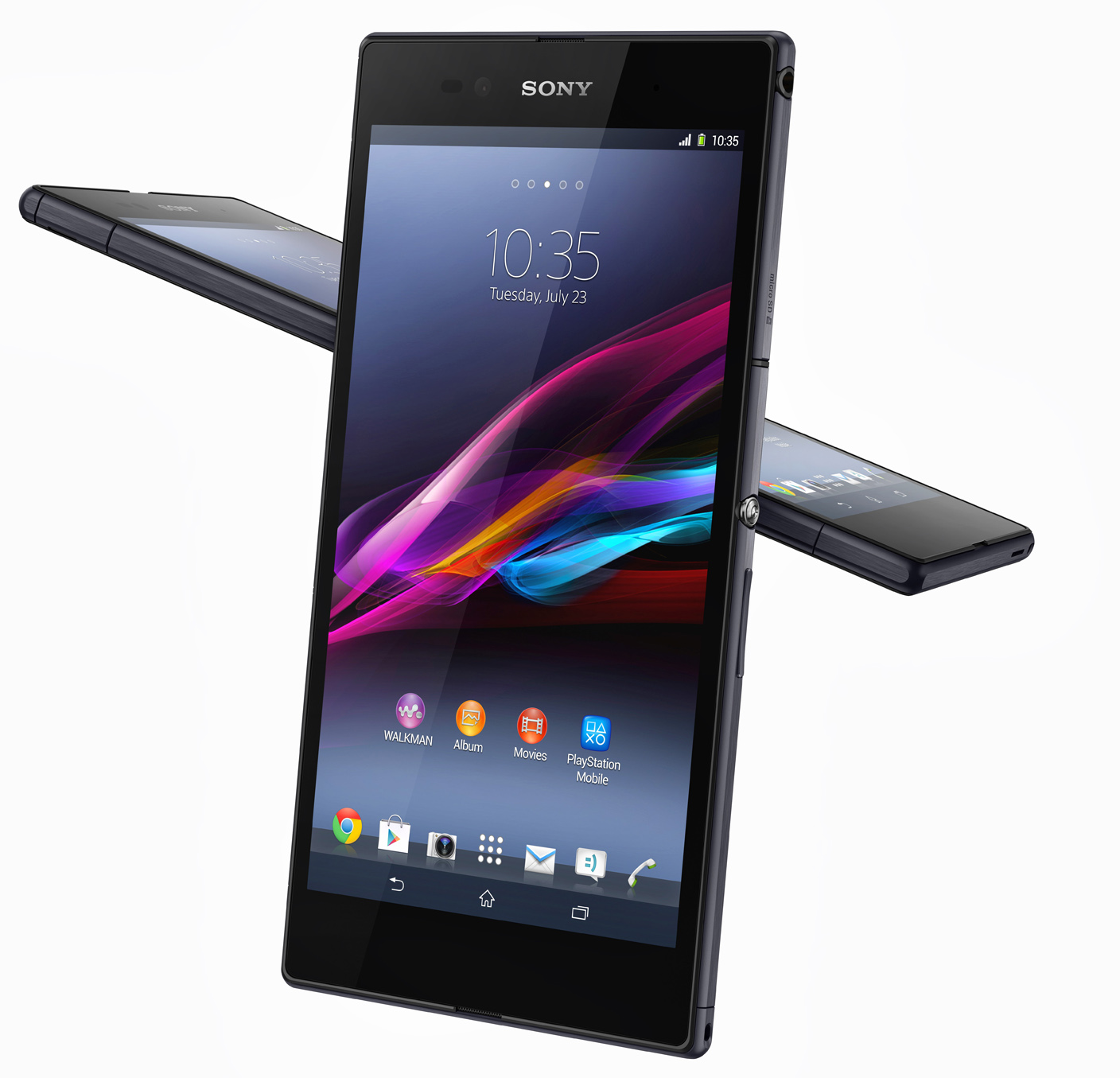
Sony Xperia Z Ultra launching on 12th September

The launch date of Sony’s Xperia Z Ultra has been confirmed as 12th September, reports AndroidCentralPricing starts at $799 off contract, putting it head-to-head with the Samsung S4 and HTC One – pretty tough competition.

Sony is billing it as the world’s largest HD smartphone, with a 6.44-inch 1080p display, 2.2GHz quad-core Snapdragon 800 processor, LTE, 8MP rear facing camera and 16GB of internal storage upgradeable with microSD card. Like the Z it replaces, the Z Ultra is also water- and dust-resistant.

Interestingly, we were originally expecting the handset to launch in July, and at least one supplier appears to have them in stock already.

We spoke to the folks at Negri Electronics about the Xperia Z Ultra, and they have models in purple and white, starting at $799 USD — and they are in stock right now.

Sony’s overlays are not usually the best (to put it mildly), so we’ll be interested to see how this one stacks up, along with its mini version, the Xperia i1.

Google Maps rolls out ‘Views’, a collection of user submitted photo spheres & Street View imagery

Site default logo image

Google today announced a new community-based website called “Google Maps Views” that will allow users to submit and browse 360 degree photo spheres created on Android devices supporting the feature. It will also feature a collection of panoramas from its Street View Gallery.

Once a users signs in and uploads photo spheres from Google+ or directly from their device, they will have a profile on the Views website that displays all of their content:

To upload 360º photo spheres, just sign into the Views site with your Google+ profile and click the blue camera button on the top right of the page. This will enable you to import your existing photo spheres from your Google+ photos. You can also upload 360º photo spheres to Views from the Gallery in Android by tapping “Share” and then selecting Google Maps.

Users can create the 360 degree photo spheres on many Android devices running Android 4.2 and up as well as, of course, Google’s own Nexus devices and others running stock Android. The Views website will also allow users to submit panoramas shot on DSLRs.
Expand
Expanding
Close

Samsung pulls an ARod, caught juicing its S4 benchmark results

Site default logo image

UpdateThe Verge reports that Samsung has responded with a semi-convincing case for how some of it may be innocent, but no comment on the more damning evidence of code referencing specific benchmark apps:

The Korean manufacturer says certain “full screen apps” (any app in which the status bar isn’t present) such as the camera, browser, video player, and benchmarking tools, are classified as requiring the highest performance available. Many games don’t require the maximum clock speed to run, the company notes. Samsung doesn’t address AnandTech‘s discovery of strings of code that implied specific benchmark apps were being targeted for higher clock speeds, but the site did note that other benchmark apps that are not explicitly mentioned in code were also behaving the same way.

For years now, people have been using benchmarks to analyze how devices compare to each other in terms of raw power. As most people know, however, benchmarks don’t usually mean much in terms of real world performance. According to a new report from AnandTech, Samsung has been performing some trickery to make its devices perform better during benchmarking.

Essentially, Samsung has set the GPU of the Exynos 5 Octa Galaxy S4 variant to run at a higher frequency when being benchmarked than during normal, day-to-day usage. AnandTech tested this and found that Samsung sets the device to run at 533MHz during benchmarking tests,  as opposed to the 480MHz during normal usage.

The same trickery also appears to be true when it comes to the CPU speed. While running the GLBenchmark 2.5.1, AnTuTu, Linpack, and Quadrant benchmarking apps, the device was set to use the Cortex A15 cores clocked at 1.2GHz. When using the GFXBench 2 app, which is apparently not subject to Samsung’s benchmark trigger, the device ran at  the lower 500MHz speed.
Expand
Expanding
Close

Site default logo image

Panasonic dips toe back in European Android waters with landline phone

Panasonic may have decided to stick to its Japanese home market for its mobile phones, but it hasn’t completely given up on selling Android phones in Europe: it has just announced an Android-based landline phone.

Android Central reports that the KX-PRX120 is a DECT cordless phone and base-station running a rather elderly Android 4.0.

[It has] a 3.5-inch HVGA (480×320) display, though the spec sheet doesn’t specify a processor type or RAM amount.

Besides the ability to make calls (obviously), you’re looking at a device with Wifi, Bluetooth and GPS capability, an 0.3-megapixel front-facing camera for video calls, microSD expandability and a 1450mAh battery. There’s also a 40-minute answer machine.

It’s clearly a mobile phone adapted for its home role (there not being an obvious need for GPS to navigate between the living-room and kitchen), but the low spec display and out-dated version of Android doesn’t point to a likely return to the global smartphone market anytime soon.

Full specs below:

Panasonic KX-PRX120 specifications

Sophisticated Design

  • 3.5-inch TFT Colour LCD (HVGA)
  • Stylish Compact Design

Smartphone Functionality

  • Android Operation System 4.0
  • Google Play Support
  • Wi-Fi / Bluetooth Connection
  • 0.3M Front Camera for Video Call

Rich Functionality

  • 3.5 inch TFT colour LCD (HVGA) with capacitive multi touch screen
  • Wi-Fi, Bluetooth, GPS
  • 0.3M pixel Front Camera
  • 1450mAh Li-ion Battery
  • microSD / microSDHC Card Slot on Handset
  • micro USB Charging Port
  • Incoming/Outgoing Call Barring to help minimise unwanted or nuisance calls
  • Answering Machine (For KX-PRX120, 40min)
  • Key Finder accessory (Optional)
  • Advanced Alarm-clock
  • Up to 6 handsets (Optional handset or GAP supported DECT handset) can be registered

Samsung’s Galaxy NX Android camera now available through UK retailers for £1299

Site default logo image

Remember that new addition to Samsung’s NX camera family running Android that the company announced back in June? Today it finally becomes available, at least in the UK, with several UK retailers beginning orders for the device at £1299. That means the camera, which offers a full Android experience on a 4.8-inch display and 13 interchangeable lenses, will likely land in North America somewhere in the $1700 – $1900 range. It’s not cheap compared to other mirrorless competitors, but there simply isn’t a comparable experience that offers the power of a quality DSLR combined with a full Android environment, LTE and 1.6GHz quad core processor. The price tag will also get you the 18-55mm kit lens to start out. Wex and Jessops are currently accepting orders for the device, and Jessops lists it as being available for next-day delivery.


Expand
Expanding
Close

Android 4.3 cures performance issues of 2012 Nexus 7

Site default logo image

While all eyes may be on the new Nexus 7, those with 2012 models may want to hold fire before handing over their cash for the shiny new model. AnandTech (via GigaOM) reveals that an upgrade to Android 4.3 could give the older model a whole new lease of life.

One of the common complaints late in the life of the original Nexus 7 was slow storage I/O performance, leading to an inconsistent user experience. After a fresh flash, the Nexus 7 was speedy and performant, but after months of installing applications and using the tablet, things began slowing down. This was a friction point that many hoped would be fixed in the new Nexus 7 (2013) model, which it was. There’s even more to the story though, it turns out Google has fixed that storage I/O ageing problem on all Nexus devices with the Android 4.3 update … 
Expand
Expanding
Close

LG steals a trick from Samsung with QuickWindow case for G2

Site default logo image

Teasing is in. After HTC teased the One Mini so much there was little we didn’t know by the launch, LG appears to be following suit with the G2, the successor to the Optimus G.

First there was the news that it would be powered by a Snapdragon 800 processor, then the likely screen, the official name, and the glass back and rear buttons. We’ve had a series of leaked images and video, and now LG has shown us its QuickWindow case.

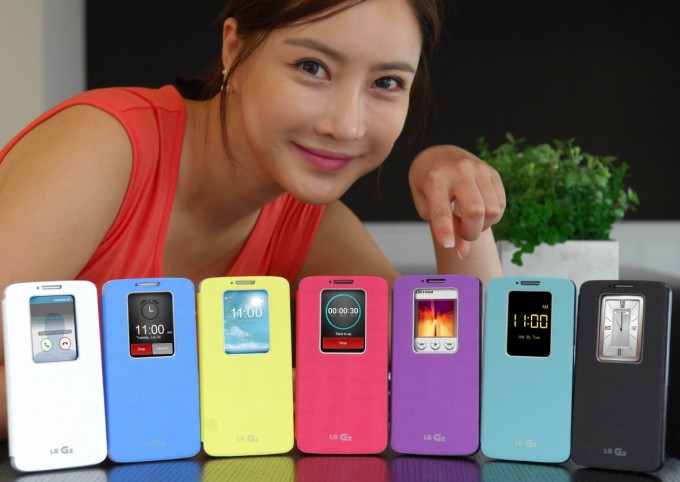
An opening or “window” on the cover of QuickWindow allows users to glance at various information displays without having to open the cover flap. With only a light swipe of a finger, the QuickWindow UX will appear in the window which users can view while on the go. Information that can be viewed through the QuickWindow cover include a clock, weather report, alarm, music player, incoming phone call details and incoming text messages … 
Expand
Expanding
Close