2026: Showtime for Android XR glasses


Google TV launched in 2020 with the goal of replacing the Android TV experience entirely within a couple of years. As the clock ticks away, more brands are getting on board with the Google TV experience, including long-time partner Philips.
Expand Expanding Close
The Android TV space is growing considerably and includes TVs of all sizes, types, and prices. This week, Philips has announced a new range of OLED TVs powered by Google’s Android TV that will be coming to Europe.
Expand Expanding Close
It’s the first official day of CES 2020, and the product announcements are flowing like water. Today, Philips is rolling out a few new series of Android TVs, including one model that’s optimized for gaming, including Google Stadia.
Philips is now selling a 24-inch TV that’s running on Android TV, designed especially for the kitchen, and has a built-in Google Assistant speaker, too. Here’s what you need to know.
As Android TV continues to grow, we’re seeing it pre-installed on more and more 4K TVs. Ahead of CES 2019, a new lineup of Philips TVs have been announced with Android TV on board with some affordable price tags too.
Philips has quite a few Android TV devices out on the market today, and it seems that the company will be updating nearly all of them to Android Oreo.

From 9to5Toys.com:
Originally announced at CES this year, the new Philips 4K TVs are set to launch starting today. The new sets feature support for Chromecast and Google Home technology, as well as High Dynamic Range and voice command support. Head below for more details.
Expand
Expanding
Close

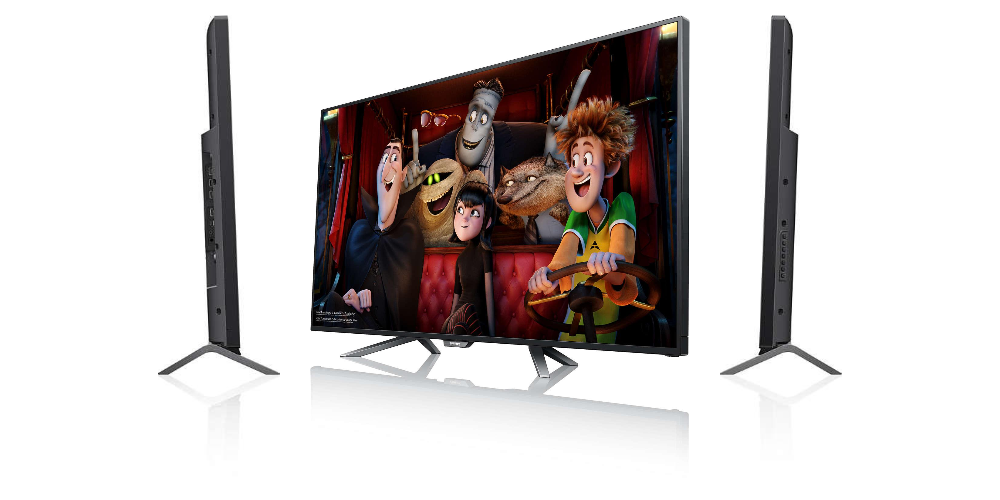
Back in March, Chromecast was renamed to Google Cast and Vizio announced the first Cast-enabled televisions. Philips just announced four new sets as part of the 6000 series Google Cast Ultra HDTV. Like recent affordable Android TV showings from RCA, these models start at $649.

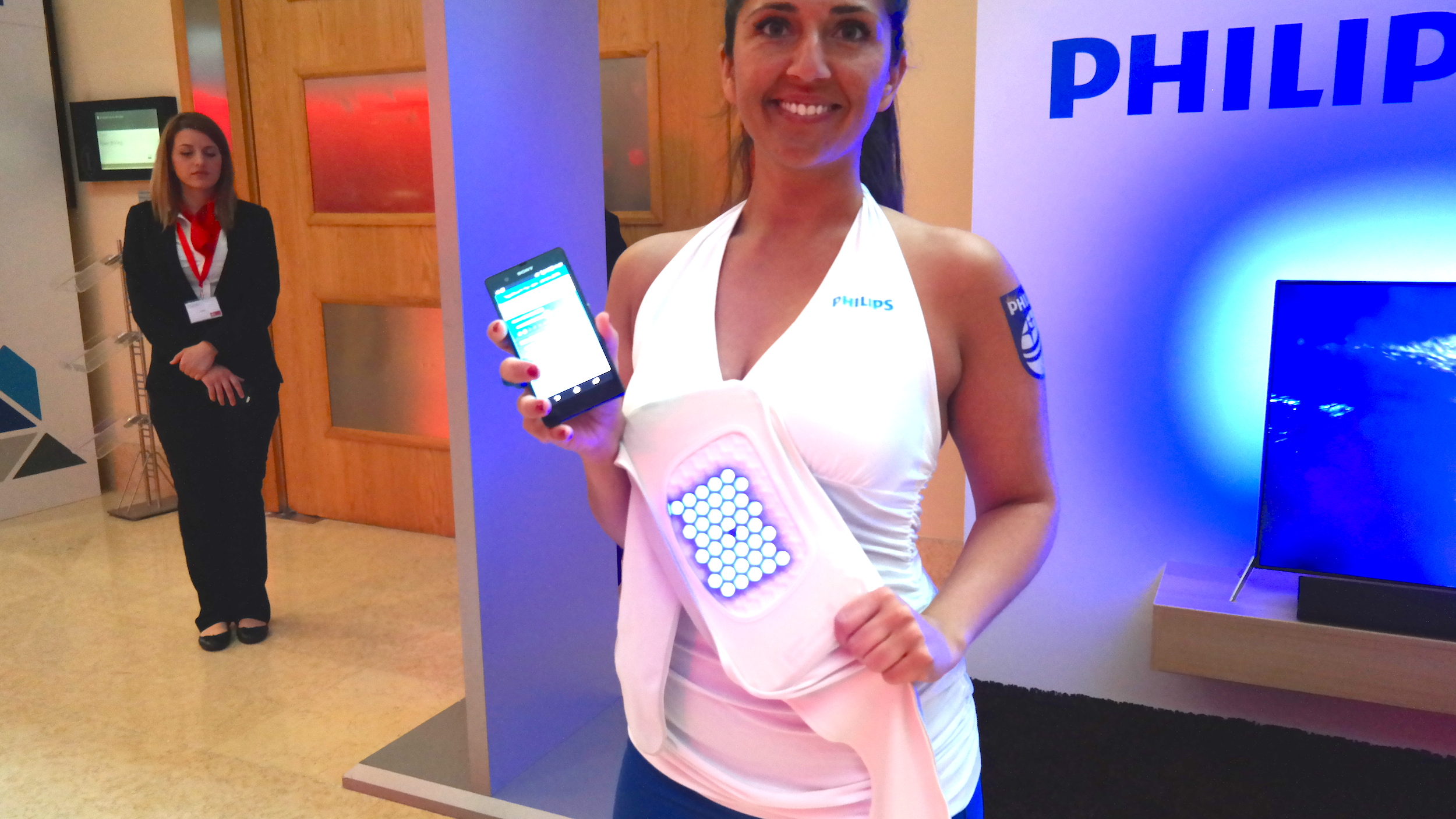
Ahead of IFA in Berlin this September—the event where Samsung, Sony, and just about every other Android device maker unveils their latest products each year—a select group of companies have been giving a taste of what’s to come for the last 5 days at IFA’s Global Press Conference.
So what can you expect? Android-powered TV sets, app connected appliances, and drones are just a few product categories you can expect to see grow at this year’s show.
Expand
Expanding
Close
[youtube=https://www.youtube.com/watch?v=zWasJhXZGlo]
Philips has just revealed some details of an upcoming 8000 series lineup of TVs for 2014, which will likely be the first lineup of Ultra HD TVs that hit the market running Android. Philips has three models running Android- Full-HD 8100 and 8200 Philips TVs and the Ultra HD 4K 8800 series— all of which come packed with Google Play store access and Google services like Chrome, YouTube, Google Play music and movies, and search.
Expand
Expanding
Close

[youtube=http://www.youtube.com/watch?v=ssldTFWBv3E&feature=youtu.be]
Today Philips and Accenture announced the creation of a proof-of-concept that uses a Google Glass head-mounted display for performing surgical procedures. The demonstration connects Google Glass to Philips IntelliVue Solutions and proves the concept of seamless transfer of patient vital signs into Google Glass, potentially providing physicians with hands-free access to critical clinical information. Additional ideas:
This is interesting but proof of concepts have already been happening like the surgeons we covered in August. Press release follows:
Expand
Expanding
Close

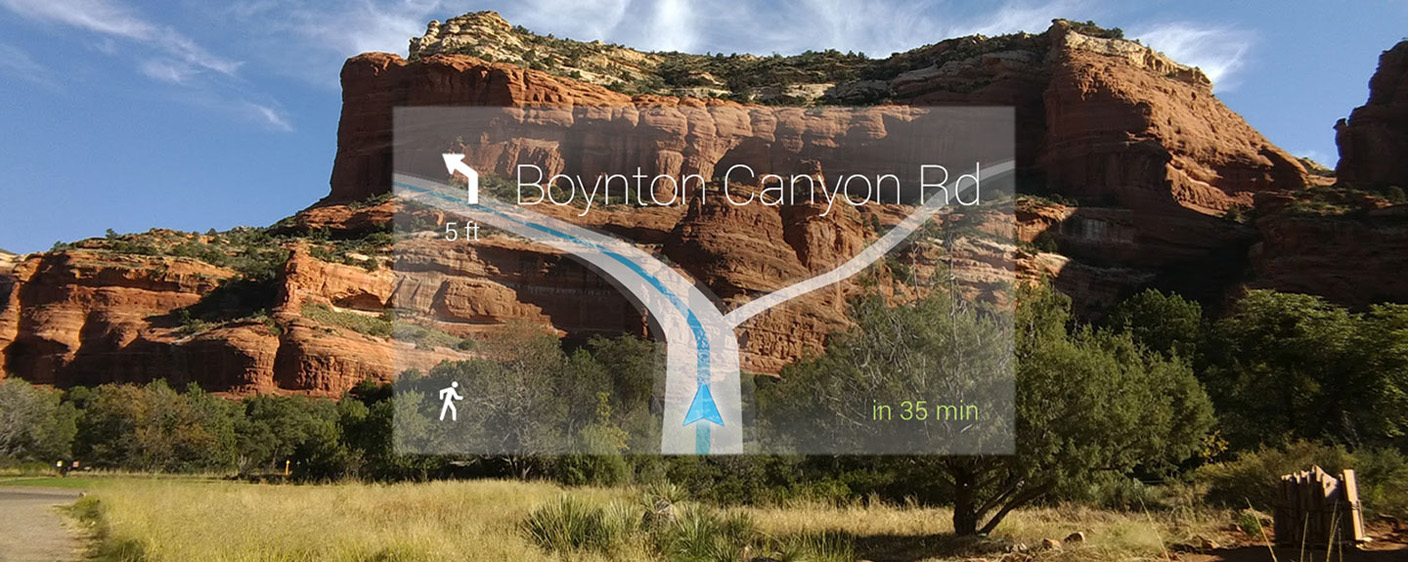
Google Glass seems to be setting new records in the number of prohibitions of a product that hasn’t yet been officially launched.
After being banned everywhere from bars to workplaces, Stuff reports that the British government has announced plans to make it illegal to wear Glass while driving.
A Department for Transport (DfT) spokesman told Stuff: “We are aware of the impending rollout of Google Glass and are in discussion with the Police to ensure that individuals do not use this technology while driving. It is important that drivers give their full attention to the road when they are behind the wheel and do not behave in a way that stops them from observing what is happening on the road.”
Expand
Expanding
Close
looks like root is easy too: reboot-bootloader gives you fastboot oem unlock. There is fun to be had here…
— Liam McLoughlin (@Hexxeh) April 26, 2013
Update: A post from Google employee Dan Morrill clarifies that, although the original developer claimed a “root is easy”, the process developers are using is actually a ‘fastboot oem unlock’. Rather than exposing a security exploit, Google has actually intentionally left Glass open for devs to tinker with, as further explained by Googler Stephen Lau:
Not to bring anybody down… but seriously… we intentionally left the device unlocked so you guys could hack it and do crazy fun shit with it. I mean, FFS, you paid $1500 for it… go to town on it. Show me something cool.
Updated 2: Founder of the Cydia jailbreak store @saurik provided some clarification on his earlier tweets, informing us that he did not use fastboot oem unlock:
Actually, my device’s bootloader is still locked: I did not use fastboot oem unlock, and in fact that would not have been useful without the source code to the Glass kernel, which was not made available until this morning. I relied on a race condition in the adb restore process, a bug that existed in Android 4.0 (and even Android 4.1). As the Glass ships with Android 4.0.4, the bug was easy to exploit. This exploit was not one that I found, to be clear (unless you count “using Google” ;P): I pulled apart an implementation by@Bin4ryDigit, and adapted it for use on Glass (which required very small modifications to the backup; the entire process of learning the exploit and fixing it took 2 hours).
Saurik later published an article explaining some of the ins and outs of the potential for writing apps for Glass and the exploit he originally took advantage of.
Have you been wondering how long until developers crack into Google Glass to provide full root access and start creating some interesting mods? It appears we might not be too far off with Google intern on the Chrome OS team and hacker Liam McLoughlin confirming on Twitter that a root might be easier than many people think (via selfscreens).
McLoughlin first tweeted that, “There’s a “debug mode” option on Glass that appears to enable ADB access. I got a shell on my Glass :D (no root yet!).” Shortly after it appears he also figured out a root method, tweeting, “looks like root is easy too: reboot-bootloader gives you fastboot oem unlock. There is fun to be had here…”
He isn’t the only one working on a root for Google Glass, hacker @chpwn tweeted today that founder of the Cydia jailbreak store @saurik is in the process of unlocking his Google Glass and Saurik later confirmed:
Expand
Expanding
Close
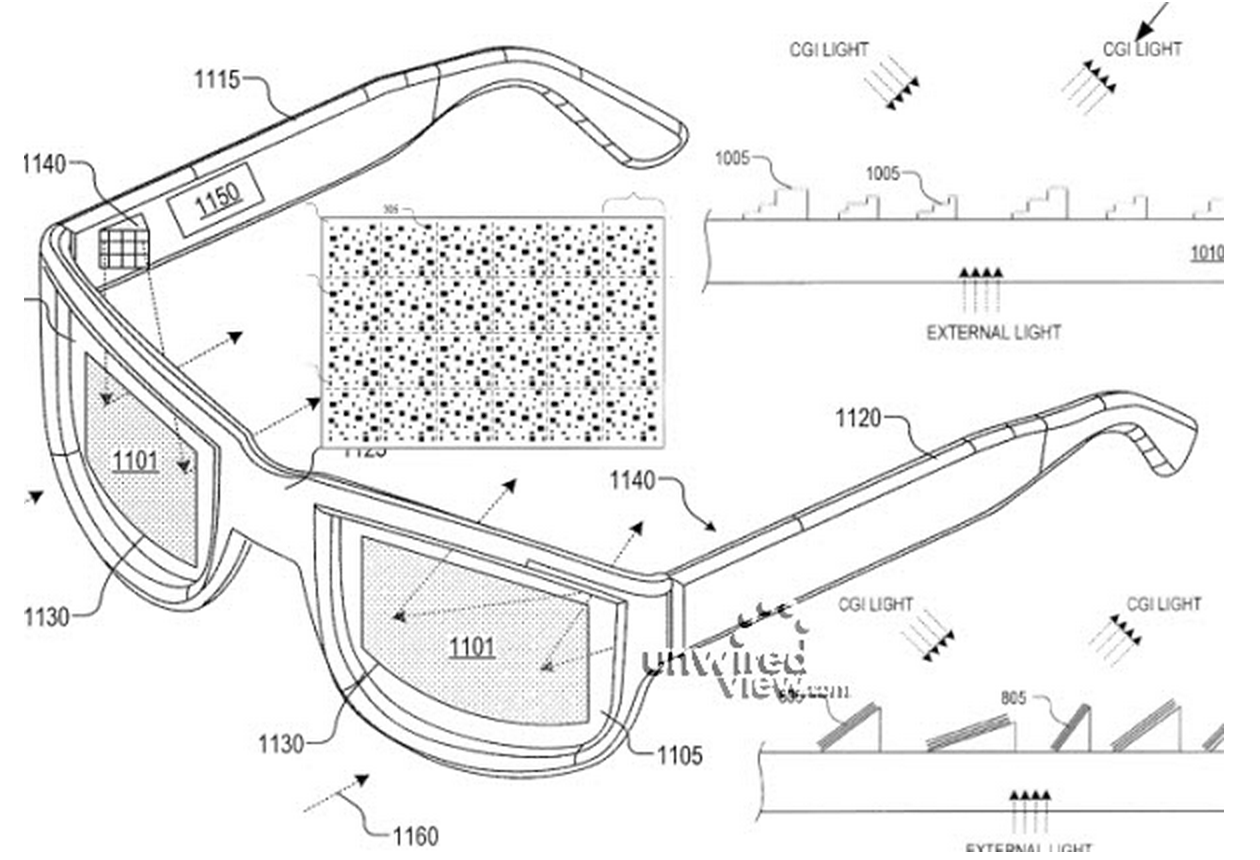
We already knew that future generations of Google’s Glass headset would include prescription frames and lenses in addition to rumors of the company working with trendy designers to make the frames more fashionable. Today we get a hint at some of the ideas Google is floating around for future iterations of the hardware via a patent application published today by the US Patent & Trademark Office and first spotted by UnwiredView.
As highlighted by the patent drawing above, Google’s idea is to use see-through displays in order to make Glass look more like an ordinary, traditional pair of sunglasses. Google describes the invention as “A near-to-eye optical system includes an optically transmissive substrate having a see-through display region and a repeating pattern of diffraction elements:
Expand
Expanding
Close
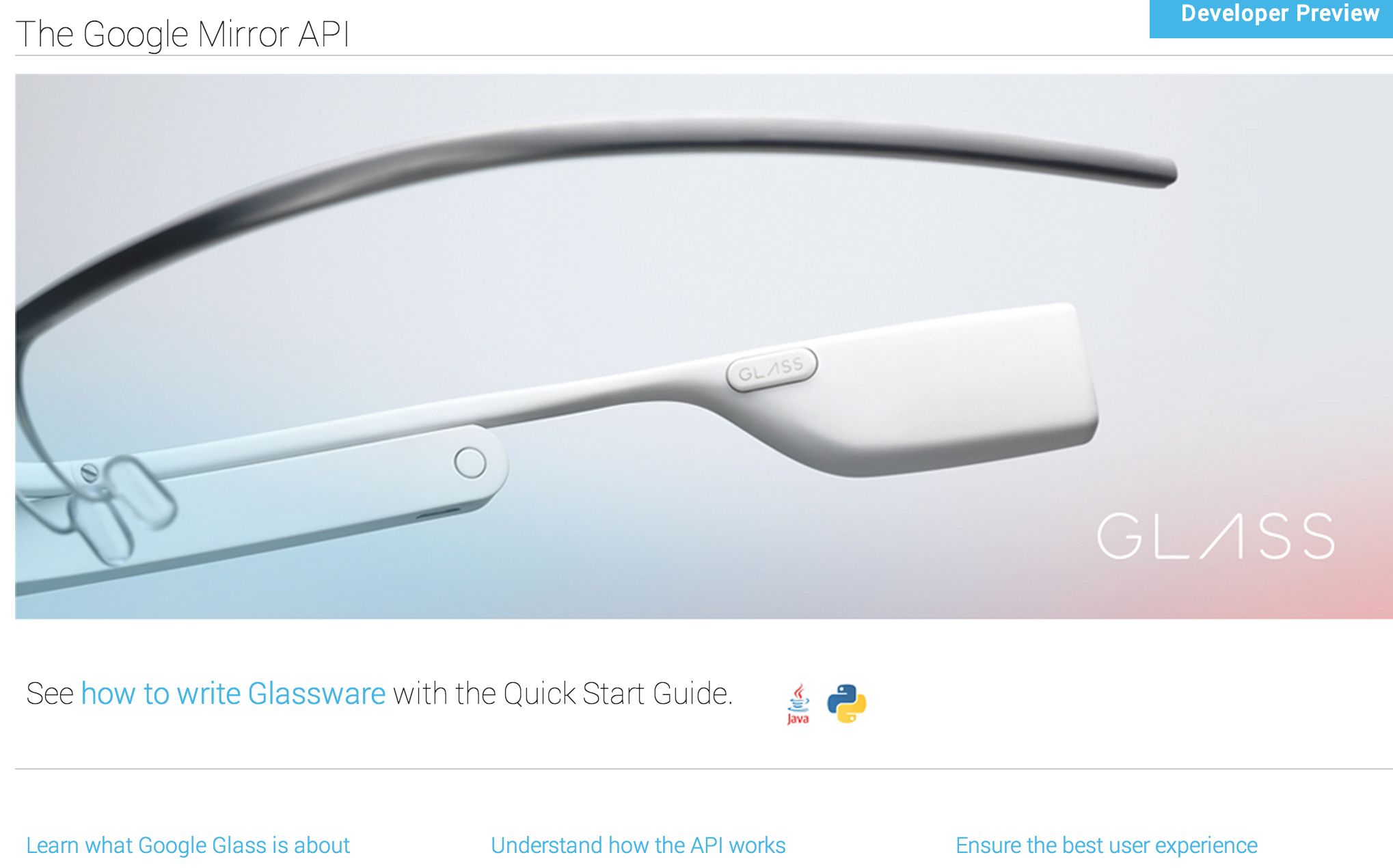
Google just released the mother-load of information on Google Glass including an API, hardware specs (yuk yuk) and FAQs and much more. Developers, Dive in.
Wow Google Glass is finally shipping?! Like imminently based on this email? http://t.co/jTmhpuvtRs
— Brian Klug (@nerdtalker) April 15, 2013
It appears that Google Glass Explorers should soon be getting their Glass units. AnandTech’s Brian Klug got the following announcement.

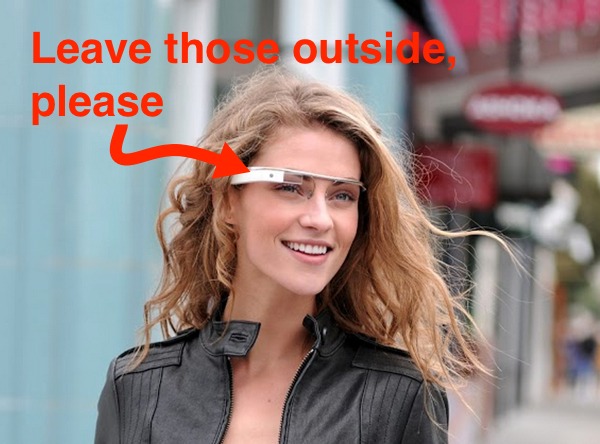
Like many people, I was intrigued by the recent edict from a Seattle bar banning the not-yet-for-sale, action-cam-equipped Google Glass wearable computer, citing privacy concerns. However, while this article originally intended to highlight other potential locations and situations where Glass will be frowned upon, after speaking with a few colleagues, it became clear that the video- and photo-capturing headset will be unwelcome in many more venues than it is allowed. And that spells trouble for Glass adoption, especially as some folks are hoping to rely on Glass — eventually — as their primary pair of spectacles.
When nearly anyone has the capability to very discreetly begin capturing footage of his/her surroundings, concerns are bound to pile up. It’s not just bars which have privacy issues to consider — nearly any other establishment that caters to patrons has a responsibility to make sure its customers are not videotaping each other. In other words, the entire service industry is going to end up banning Glass and products like it; expect No Recording signs to begin cropping up all over the country.
But it’s not just retail and service locations that will be affected, as corporate America is also rightfully sensitive about cameras at the workplace. How’s this for irony: it’s almost certain that Google itself will ban the majority of employees from using Glass at work, due to the many sensitive projects in development at any given time.
Airports? Can’t really see Glass welcome at establishments touting such tight security. Colleges, high schools, etc? Almost certain bans, but for a different reason — instant access to information makes cheating beyond trivial. Will you be able to play pro sports with Glass? Compete in grandmaster chess tournaments? Drive a car? Fly a plane? Pilot a boat?
These are questions that nearly every business, organization, and venue are going to have to answer for themselves, both in America and worldwide, and much sooner than they’d probably prefer to. Progress is coming soon, though, and this time the leap is forward enough to have major societal implications.
[Image courtesy of ZDNet]