Kyle Bradshaw joined 9to5Google in 2018 with a special interest in Google’s Fuchsia OS, rooted in his experience of being the first to offer a visual preview of the revolutionary design of the in-development operating system. Since then, his attention has broadened to include the secrets hidden within other areas of Google’s public codebases.
By reading the public Fuchsia code, Kyle was able to prove the existence of the Nest Mini and the Nest Hub Max months ahead of their respective announcements. With evidence from Chromium, he reported on Google’s since-canceled efforts to create an offshoot of Android designed for “touchless” feature phones.
In 2018, Kyle reported on three distinct Made by Google Chromebooks in development, the Pixel Slate, the Pixelbook Go — a full year before its release — and “Meowth,” the original version of the Pixel Slate that was canceled due to Intel’s delays that year. For ChromeOS itself, Kyle was the first to demonstrate the upcoming light theme redesign in action.
Looking at the early evidence of the Pixel 5’s specs, Kyle accurately predicted in February 2020 that the Pixel 5 might not be a traditional “flagship” phone. In 2021, he reported that Google’s next headset would be the “Pixel Buds A.”
Kyle was the first to report that the Pixel 6 would mark the debut of Google’s in-house processors, later revealed to be the Tensor chips.
He can be reached for tips or just friendly chat by Threads, Mastodon, Bluesky, or email. If you’re looking for his other works or side projects, head over to Kyle’s personal portfolio.
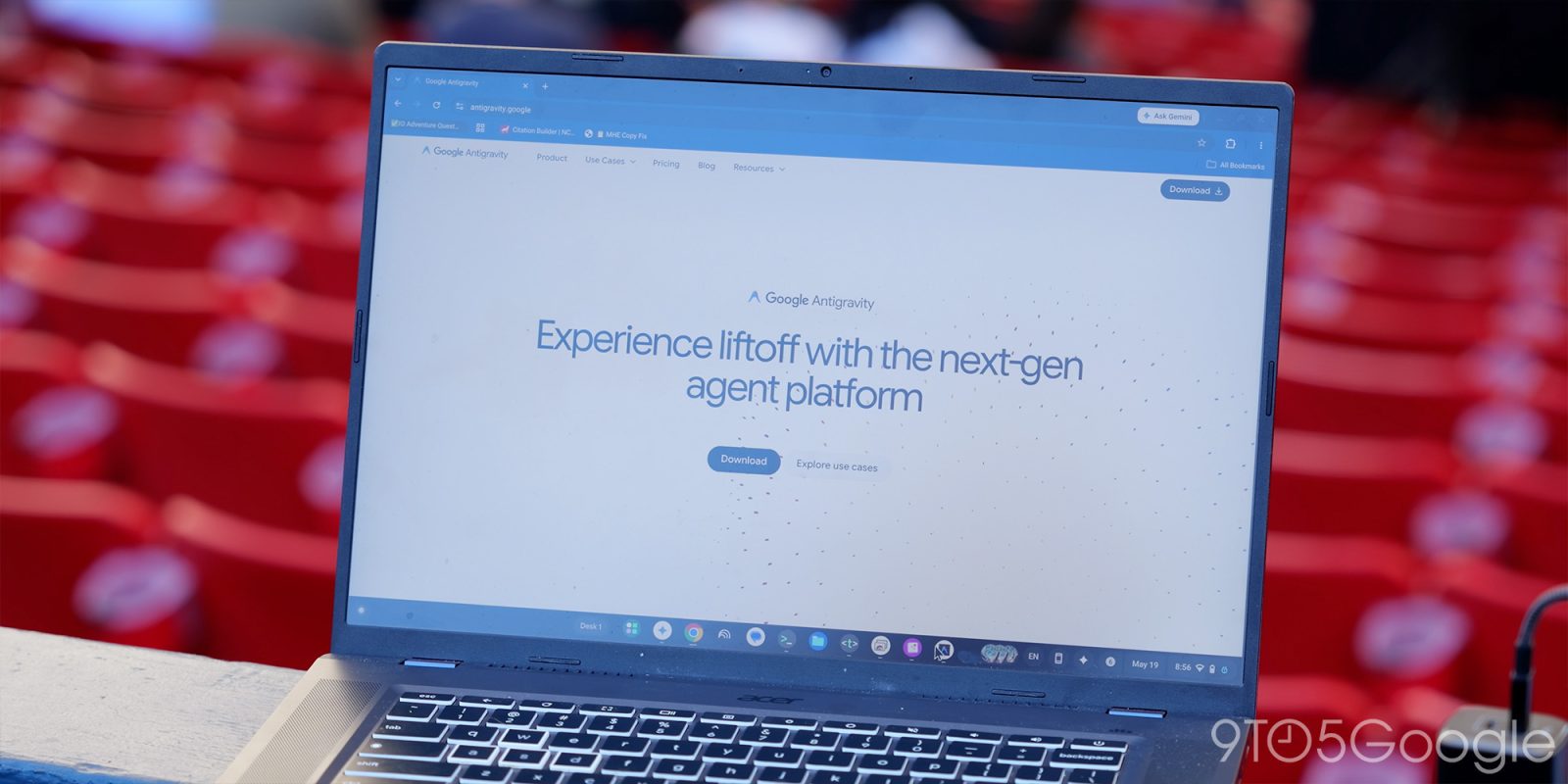
With Gemini 3.5 Flash doing frontier-level work at a fraction of the cost, Google’s Antigravity 2.0 is here to help build and manage your agents and let them loose on your latest projects. Meanwhile, AI Studio is gaining a dedicated Android app to execute on your ideas while on the go.
Google has unveiled Gemini Omni, a new family of generative models designed to “create anything,” and you can use it today to create surprisingly realistic videos.
Google is quietly preparing a new “AI Ultra Lite” subscription tier to slot between its $20 Pro and $250 Ultra plans, plus a dedicated dashboard for subscribers to see their remaining token budget.
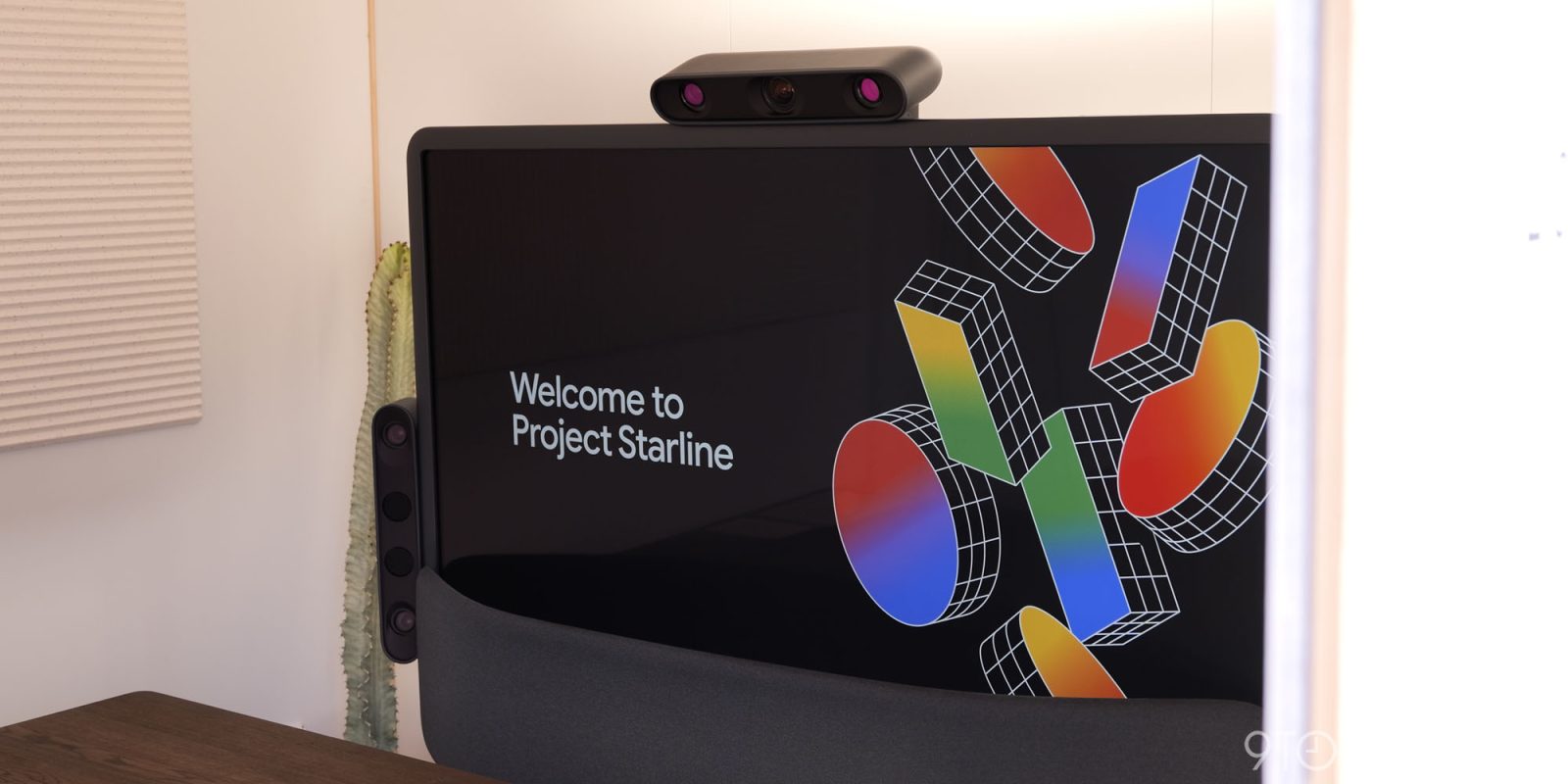
After experiencing a video call through Google’s Project Starline, the most impressive part of the demo was the ability to make meaningful eye contact.
NotebookLM, Google’s free tool for using AI to study or ask questions about a specific set of information, is massively expanding across the globe and gaining new support for websites and Google Slides.
For more than a year now, Google has made it clear that this is the company’s “Gemini era.” With what seems to be a Nest hardware renaissance on the horizon, where does Google’s smart home fit into the Gemini era?
While there were quite a few exciting consumer announcements during Google’s annual conference, Google I/O has always been a developer-focused event. Here’s everything developers will want to know from Google I/O 2024.
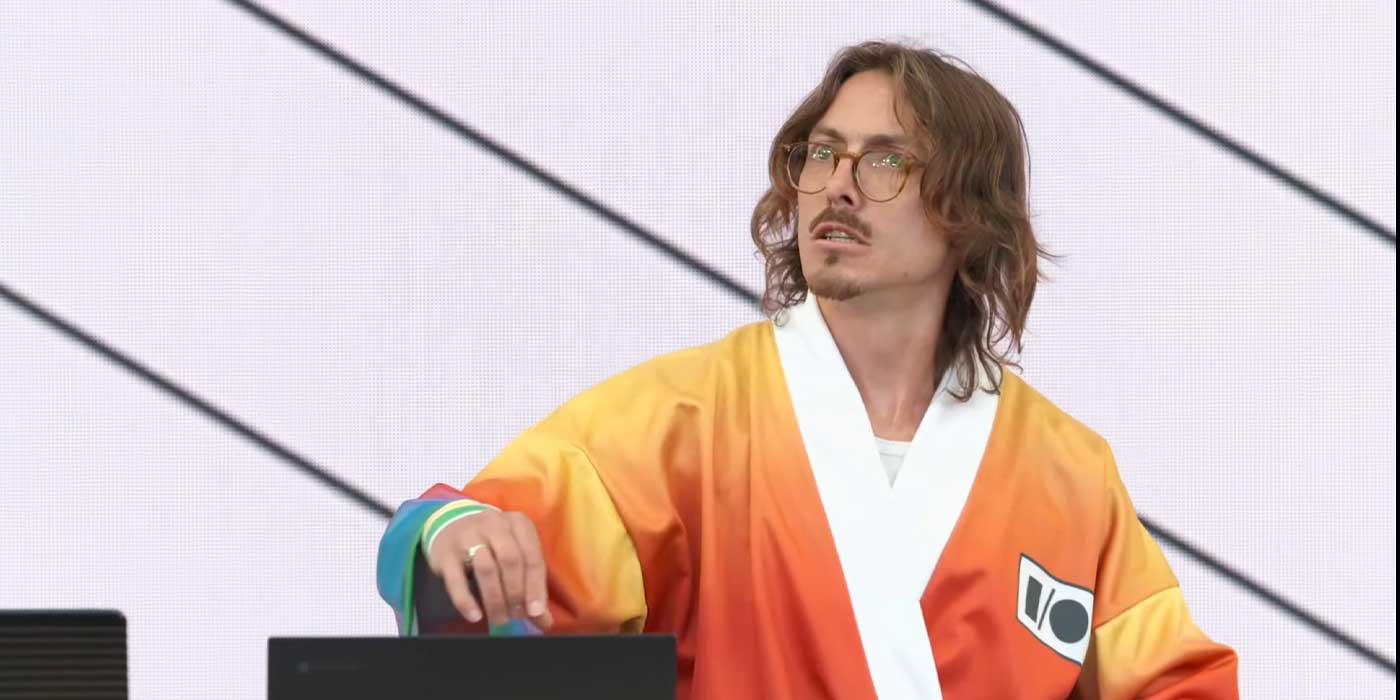
As part of the Google I/O 2024 pre-show, musical guest Marc Rebillet showcased Google’s MusicFX AI generation tool, incorporating it into his signature “Loop Daddy” style.
Google is upgrading NotebookLM, its AI tool for asking questions about a set of documents, with new “audio overviews” that generate a podcast-like discussion between two speakers.
Once upon a time, Google had a cloud gaming platform with a handful of exclusive titles, many (but not all) of which have thankfully reappeared on other platforms. If you never got your chance to play Orcs Must Die! 3 on Google Stadia, you can now pick it up for free on the Epic Games Store.
Nvidia has announced a simplified new way to install GeForce Now on the Steam Deck, opening the handheld to the service’s hundreds of streamable titles.
Last month, Google reworked the cards that appear at the top of your Discover feed. Now, the company is expanding what it calls “your space” with a new Shopping card to promote deals you may be interested in.
In a bizarre set of posts, the official Google Play account on Twitter/X has shared a wildly inaccurate timeline of Sonic the Hedgehog designs over the years.
After years of defaulting to Google’s well-loved Roboto font, it seems the company is preparing to change ChromeOS to use a new default font in most cases.
We’re just a few weeks away from Google I/O 2024, and the company has seemingly revealed that major updates are coming in the form of Wear OS 5 and a new version of Android TV.
Things are really heating up for Google’s 2024 hardware releases, and the hits keep coming. In the latest update to the Google Home app, our team has found evidence of a new Nest Audio speaker and, surprisingly, a new Nest Hub Max.
Ahead of what is sure to be a busy year of hardware launches for Google, a new Wear OS-powered smartwatch has been listed with the FCC today, but it doesn’t seem to be the Pixel Watch 3.
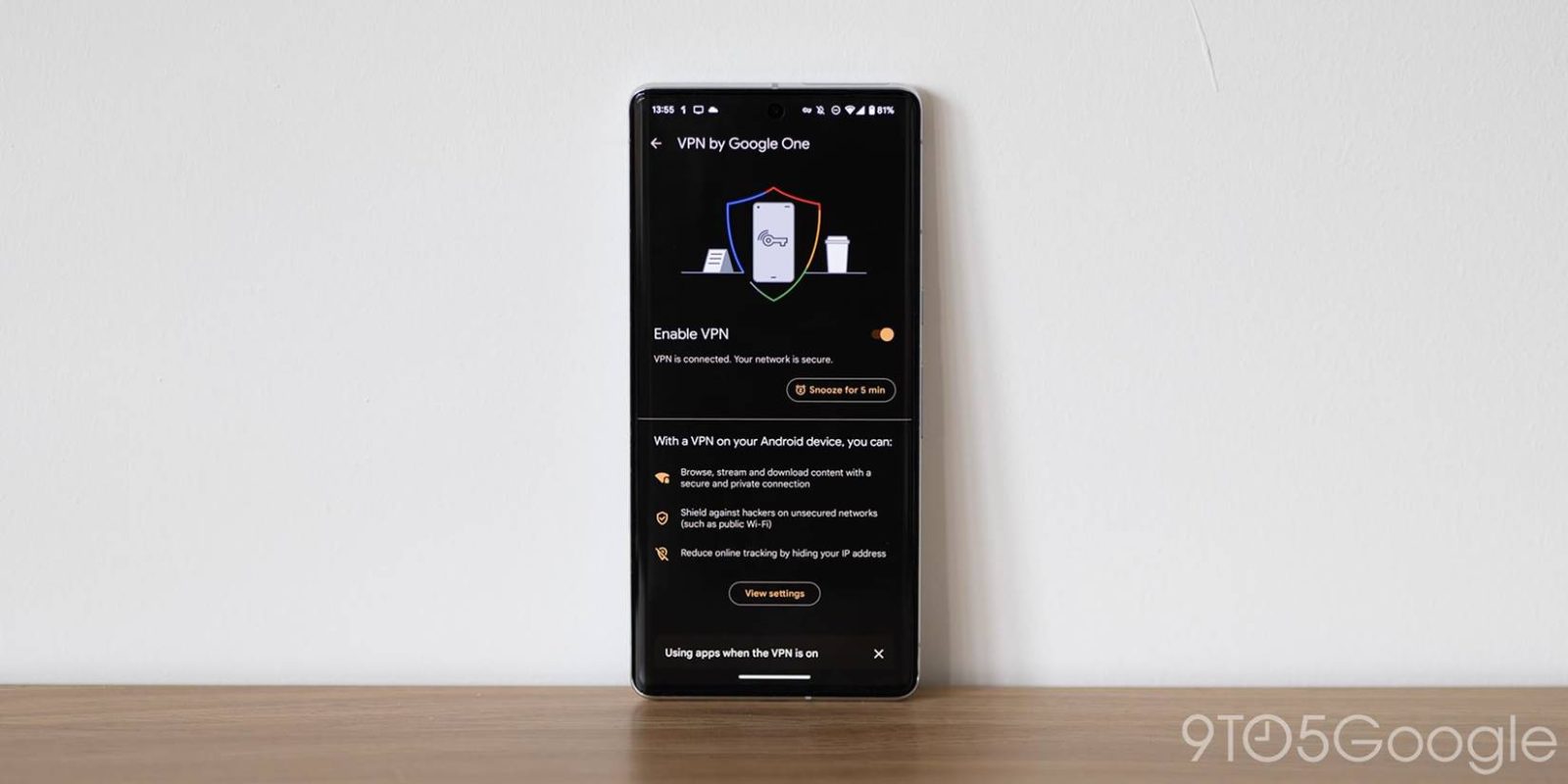
Last week, Google announced that it would soon shut down the VPN service included with Google One. The company pointed to it only being used by a fraction of subscribers, and I wonder if part of that is due to a lack of consumer trust.