Android

See All Stories

Breaking news for Android. Get the latest on apps, carriers, devices, and more!
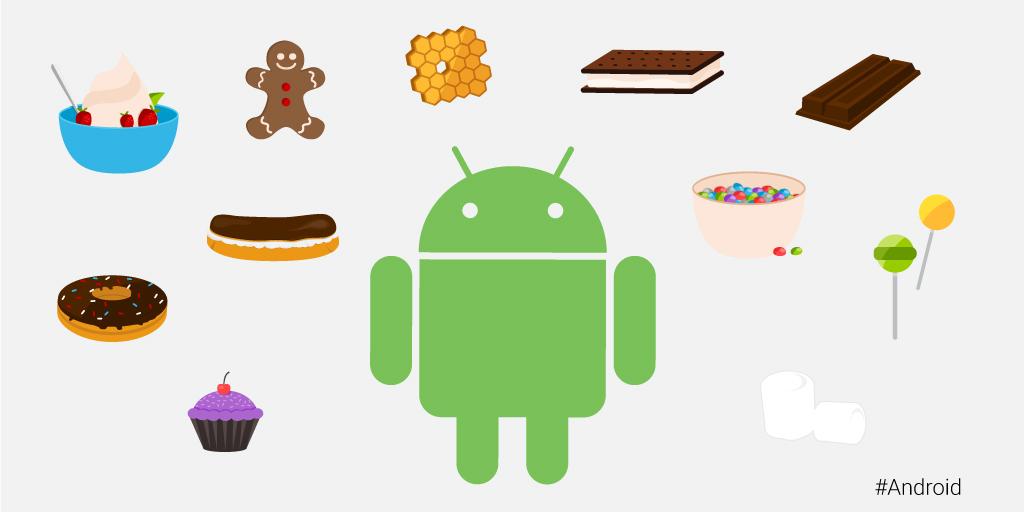
Android is Google’s mobile operating system, launched in September 2008, although its history technically began with the release of the Android alpha in November 2007. To this day, Android powers the majority of the world’s smartphones and comes in several different flavors across many phone makers.

What is Android?

Android Inc.

Android, before it was Android, was a company called Android Inc. That company was founded in Palo Alto, California, in 2003 by a crew of four: Andy Rubin, Rich Miner, Nick Sears, and Chris White. The company and its project was acquired by Google in 2005 for a sum of more than $50 million, although the exact number is unknown. The company’s founders joined Google as part of the deal.

In its infancy, Android was an operating system built not for touch screen smartphones like the iPhone, but rather BlackBerry-like devices with physical keyboards. It’s well documented that after Apple shocked the world with the iPhone, ahead of its nearest competition by at least a couple years, Google and Android Inc. had to go back to the drawing board to build something competitive.

Adoption by third-party makers

It didn’t take long after the launch of the iPhone for various manufacturers to enter the market with their alternatives — and Google’s Android immediately became the obvious platform of choice for just about everyone except Microsoft. HTC was the first manufacturer on board, and introduced the T-Mobile G1 running Android in September 2008. Soon after, HTC, Motorola, Samsung, and carriers like Sprint and T-Mobile jumped on board to form the Open Handset Alliance.

Android makers across the world

Iconic Android handsets

There have been thousands of Android phones released since Android’s inception, but some have been more important to the platform’s history than others. There was the original T-Mobile G1, as mentioned, but there was also the HTC One Google Play Edition, Moto G, Samsung Galaxy S4, and others. Some of the most iconic Android handsets include:

  • HTC G1
  • HTC Nexus One
  • Samsung Galaxy S, S2, S3, S4, and their successors
  • HTC Incredible S
  • Samsung Nexus S
  • Samsung Galaxy Nexus
  • Samsung Galaxy Note
  • Nokia 8
  • BlackBerry KeyOne
  • Google Pixel and its successors

In more modern times, there are several Android smartphones makers that popped up across various niches and in several international markets. Huawei is a dominant Android maker in China and many European markets, while Samsung is by far the most popular maker in the United States by far — effectively creating a duopoly with Apple. Today, there are dozens of major device makers contributing to the Android ecosystem.

Full list of Android OEMs

History of major Android versions

Android has seen countless software revisions over the course of its life, but in modern times the OS usually sees a major release on an annual cadence. In the earlier days, Google famously gave its major software releases dessert-themed codenames, but retired that practice in 2019 with the release of Android 10.

VersionNameReleaseDevices
2.3GingerbreadFebruary 9, 2011Nexus S
4.0Ice Cream SandwichOctober 19, 2011Galaxy Nexus
4.1Jelly BeanJuly 9, 2012Nexus 7
4.2Jelly BeanNovember 13, 2012Nexus 4, 10
4.3Jelly BeanJuly 24, 2013Nexus 7 (2013)
4.4KitKatOctober 31, 2013Nexus 5
5.0LollipopNovember 3, 2014Nexus 6, 9
5.1LollipopMarch 9, 2015Android One
6.0MarshmallowOctober 5, 2015Nexus 5X, 6P
7.0NougatAugust 22, 2016Nexus 5X, 6P
7.1NougatOctober 4, 2016Pixel, Pixel XL
8.0OreoAugust 21, 2017Pixel, Pixel XL
8.1OreoDecember 5, 2017Pixel, Pixel XL
9PieAugust 6, 2018Pixel 2, Pixel 2 XL
1010September 3, 2019Pixel 3, 3a
1111September 8, 2020Pixel 4

List of major Android OS platforms

While Android proper is certainly the most widespread of Google’s Android operating systems, the company has also launched many offshoots of the main OS over the years. There’s Android Auto, Android Wear (now Wear OS), Android TV (now rebranded to Google TV), as well as versions of Android built for tablets and Android Things (now defunct).

Verizon bringing Optimus L3 to prepaid as Optimus Zone

Site default logo image

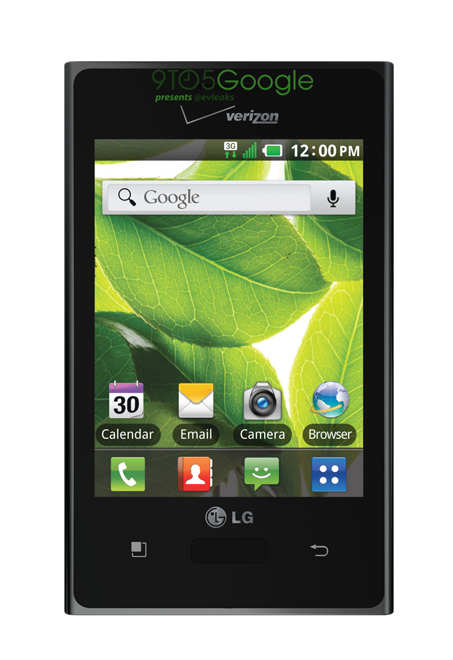
Verizon Wireless is reaching back into cellphone history for its next foray into prepaid, dusting off last year’s LG Optimus L3 and renaming it the Optimus Zone (model number: LGVS410PP). A new name alone won’t improve the specs on this strictly-entry-level device, however, with the Gingerbread-powered (you read that right) slate offering up a 3.2-inch QVGA display, 800MHz processor, 3.15-megapixel camera, and not much else. Look for the revived Zone to sell for just north of free by the end of the month.

Canadians can Grab Samsung Galaxy S4 on April 27th from Telus, Bell, Virgin and Videotron starting at $200 subsidized

Site default logo image

Canadians wondering where your Galaxy S 4 luving is, rejoice! TelusBellVirgin, and Videotron all announced plans to carry the Galaxy S4 today which almost seems like a coordinated effort on Sammy’s part.  Android Police note that each carrier has slightly differing bits of info but expect to drop $200 and be in a contract for at least 2 years.
Expand
Expanding
Close

Site default logo image

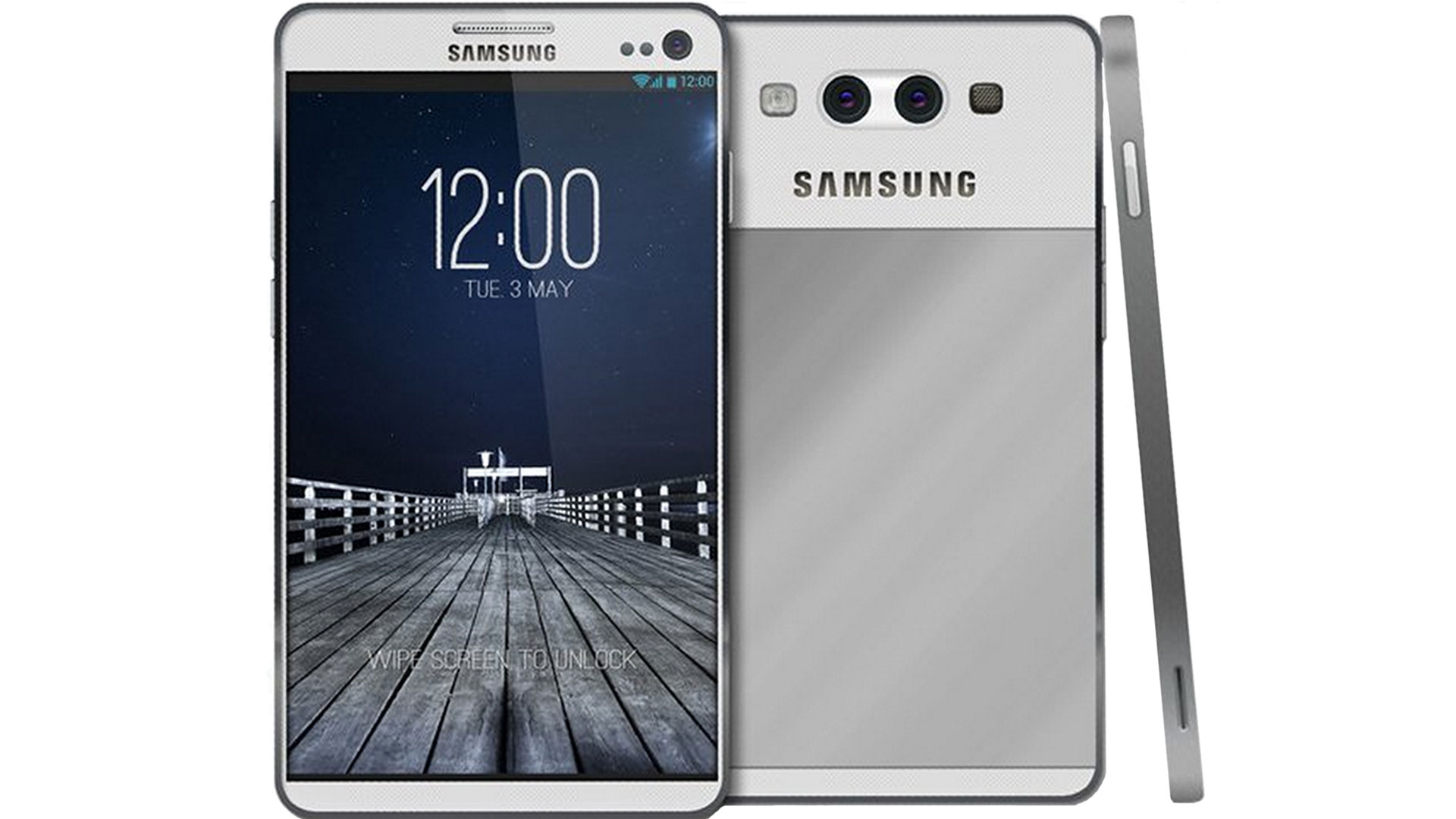
Metal Galaxy S IV never came to fruition because of production worries; Note III to include 6 inch display

via mobda.com

Sources from within are saying that Samsung prototyped an all metal Galaxy S IV, but because of worries with possible production delays, it was never used. The metal Galaxy S IV was met with open arms at the company says SamMobile, and was the first choice, but Samsung didn’t want to risk delays, according a report by SamMobile

Of course, the HTC One being all-metal phone is ‘worrisome’ to Samsung, according to the report, and is unsure if the Galaxy S IV measures up in terms of build quality to the One. While the report isn’t confirmed by Samsung, SamMobile is known to be very reliable. There is a possibility a holiday edition of the Galaxy S IV in metal could launch, but theres no guarantee.

In the same report, SamMobile is also saying that they’ve got the specs for the Galaxy Note II’s successor. The report claims that the Note III will sport a 6″ inch 1080P AMOLED display, 0.2″ inches bigger than the previous report of 5.8″ inches. Other specs include an Exynos 5 Octa-core processor, also found on the Galaxy S IV. The kicker here is that the report says the Note III will support LTE and the Octa-core processor, whereas the Galaxy S IV only supports LTE on the quad-core model.

Finally, SamMobile expects to see a 13MP camera with the “latest version of Android”. Samsung could have one of the first Android 5.0 devices out on the market, assuming Android 5.0 Key Lime Pie is announced at Google I/O and the Note III launches sometime after that.

It’s unlikely the Note III will launch encased in a metal body, but if the report is to be believed, it may not be so far-fetched after all.

Google Chairman Eric Schmidt’s book ‘The New Digital Age’, available for pre-order shipping April 23

Site default logo image

Eric Schmidt and Google Ideas’ Jared Cohen (author of Children of Jihad) have penned a book about how technology will profoundly affect the lives of everyone in the coming years. It gets some pretty impressive reviews from some pretty impressive people, below. You can pre-order it for shipping now April 23rd from Amazon for $18
Expand
Expanding
Close

More than triple your Samsung Galaxy S3 battery with $34, 7,000mAh pack

Site default logo image

One of the benefits of having a removable back plate and battery is that you can do crazy things like add more than 3X the 2100mAh battery size for those extended outings.  It just so happens Amazon currently has this 7,000mAh add on for $34 in a variety of colors (Black, White, Blue).

This is the same amount of battery you’ll find in a Typical tablet and as you can see in the video above, pushes the S3 to 4+ days of battery life. On the downside, you now have a brick in your pocket.

Reddit Via AndroidPopo
Expand
Expanding
Close

Google picks up talent from Behavio, a company that uses sensors in smartphones to learn about users

Site default logo image

Update: Google has confirmed to us that it has not acquired Behavio, but rather just picked up some talent from the company that will now be joining GOOG.

Behavio, a software company that uses sensors in mobile devices to compile data how users live and interact with one another, announced today (via TheVerge) that it has joined Google. The company will work on building its platform at Google while shutting down its current closed alpha and continuing to run its open source Funf project for Android that allows developers to take advantage of the technology. No word on whether or not Google has big plans for the technology or if the move was simply an “acquhire,” but Behavio’s statement noted it “couldn’t be happier to be able to continue building out our vision within Google.”

Behavio doesn’t just use traditional sensors in smartphones to learn more about its users, the software also utilizes data such as if a phone is turned on or off, what apps are installed on a device, or if a phone is currently charging or not.

There were no financial details disclosed in Behavio’s press release, and Google is yet to make an official announcement. Below is an interesting interview with Behavio co-founder from Nadav Aharony where he explains how the software works and the MIT project where Behavio was first developed:
Expand
Expanding
Close

Site default logo image

Pebble Watch SDK goes live, new watch faces and apps to come

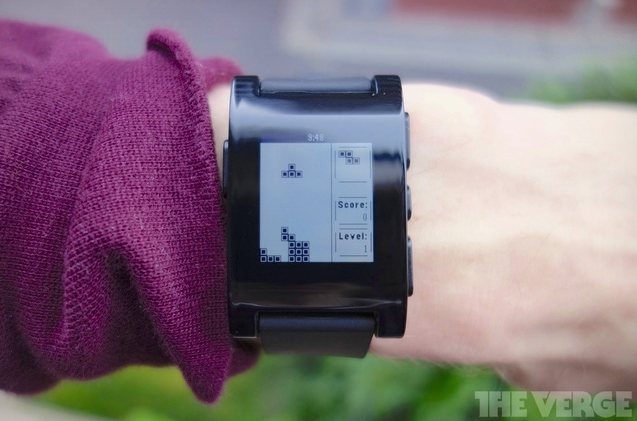
Pebble, the E-Ink smart-watch for iPhones and Android devices which raised over 10 million dollars on Kickstarter is about to get a lot of new features. Today, Pebble announced that the watch SDK is being released today. The SDK will allow developers to create custom watch faces, alerts and new apps.

At the moment, there’s less than 10 available watch faces and only one app, but expect those numbers to grow dramatically now that developers can get their hands on a public SDK.
Expand
Expanding
Close

Facebook Home for Android now live on Google Play

Site default logo image

http://www.youtube.com/watch?v=HiqbNxRurFA

Earlier today we told you that Facebook had updated its Messenger app for Android with the new “Chat Heads” feature from its Facebook Home platform. Today also marks the official launch of Facebook Home for the initial list of supported devices and now the app is finally live on Google Play and available to download.

Facebook Home is the mobile experience that puts your friends at the heart of your phone. From the moment you turn it on, you see a steady stream of friends’ posts and photos on your home screen. Upfront notifications and quick access to your essentials mean you’ll never miss a moment. And when you download Facebook Messenger, you can keep chatting with friends when you’re using other apps.

In addition to the new HTC First, Facebook Home is currently supported on the HTC One X, One X+, Samsung Galaxy S III, Galaxy Note II, and eventually the HTC One and the Galaxy S4.

You can learn more about Facebook Home from our coverage of the launch event here and check out a gallery of screenshots below:
Expand
Expanding
Close

Facebook updates Messenger for Android with Facebook Home’s ‘Chat Heads’ feature

Site default logo image

When Facebook unveiled its new Facebook Home Android experience set to roll out on number of devices today via Google Play, one of the most talked about features was “Chat heads”. The feature allows users to quickly access Facebook messages and SMS through circular profile pictures that users can access from anywhere in the OS and organize freely on the screen.  Today, seemingly as part of its official roll out of Home, Facebook has updated its Messenger app for Android bringing a small piece of Home functionality to all Android users.

The updated version of Facebook Messenger implements the new Chat Heads feature, allowing you to see a small round icon with the face of the person you’re talking to hovering on the display even when you exit the app. When engaged in a conversation in Messenger, exiting the app will automatically create a chat head floating on top no matter where you navigate, allowing you to quickly jump back into the conversation. The chat heads can be arranged freely and dismissed at any time by dragging them off the bottom of the screen.

On top of rolling out the first device to come with Facebook Home stock– the HTC First– Facebook Home will also initially be supporting the HTC One X, One X+, Samsung Galaxy S III, Galaxy Note II, and eventually the HTC One and the Galaxy S4.
Expand
Expanding
Close

Sprint launches $99 Galaxy S III in Amethyst Purple for Mother’s Day promotion

Site default logo image

With Mother’s Day just around the corner on Sunday, May 12, Sprint today announced it is launching a special promotion that will allow you to get the Galaxy S III in Amethyst Purple for $99 on the usual two-year contract, upgrade, or new line. The savings come via a $50 mail-in rebate, and Sprint also noted that it is also offering a “16GB Galaxy S III FREE with an additional $100 instant savings through a port in credit” for a limited time only for customers that switch their number from another carrier.

The Samsung Galaxy S III in special Amethyst Purple is pictured above and available through Sprint’s website now. 

Site default logo image

UK carrier O2 follows T-Mobile lead with its own version of ‘Uncarrier’

o2-store

UK mobile carrier O2 is following T-Mobile’s US lead in separating phone and airtime plans.

Unlike Uncontract, O2’s Refresh deal still requires customers to sign up to an airtime contract, but allows greater flexibility by paying off the phone plan at a faster rate, and getting more frequent upgrades.

Customers can reduce the monthly cost of the phone plan by paying an up-front amount, or trading in the old handset, and can pay off the phone plan balance at any time in order to upgrade.

A customer buys a HTC One on O2 Refresh and chooses to pay £17 per month for their Airtime Plan and gets unlimited minutes, unlimited texts and 1GB of data. They then choose to pay £20 per month for their Phone Plan and pay £49.99 up front, meaning their combined O2 Refresh tariff costs £37 per month, the same as they would pay on a standard 24 month Pay Monthly contract.

To make it even more affordable to get the latest smartphone, customers can trade in their old mobile for cash using O2 Recycle, getting up to £260 to put towards their new phone.

Refresh is focused on higher-end handsets, and will initially offer a choice of HTC One, Samsung Galaxy S3, Sony Xperia Z, Blackberry Z10 and  iPhone 5.

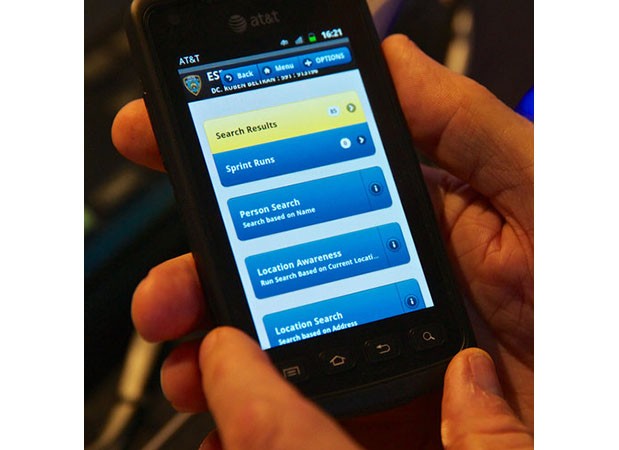
Android app lets NYPD cops see everything from arrest records to CCTV positions

Site default logo image

Photo: New York Times

Over 400 New York cops have been given Android phones running an app that lets them access pretty much anything they might need to know while on the street – from arrest records to the locations of CCTV cameras with a view of a spot where a crime has just taken place …
Expand
Expanding
Close

Judge says Apple and Google are using litigation as a business strategy, have ‘no interest’ in settlement

Site default logo image

In an ongoing case in which Apple and Google’s Motorola have accused each other of infringing various mobile related patents since 2010, U.S. District Judge Robert Scola said in an order yesterday that the two companies have no interest in reaching a settlement. Bloomberg reports Scola said in his order that both companies are using the litigation as a “business strategy that appears to have no end”:

“The parties have no interest in efficiently and expeditiously resolving this dispute; they instead are using this and similar litigation worldwide as a business strategy that appears to have no end,” U.S. District Judge Robert Scola in Miami said in an order dated yesterday. “That is not a proper use of this court.”

“Without a hint of irony, the parties now ask the court to mop up a mess they made by holding a hearing to reduce the size and complexity of the case,” he wrote. “The court declines this invitation.”

The result is Apple and Google will now have a four month period to narrow their claims related to the case that now includes over 180 claims for 12 patents. Bloomberg notes that Scola said the case currently includes “disputes over the meaning of more than 100 terms,” and that the case would be put on hold until the disputes are resolved if the two companies are unable to come up with a solution before the four month timeframe expires…
Expand
Expanding
Close

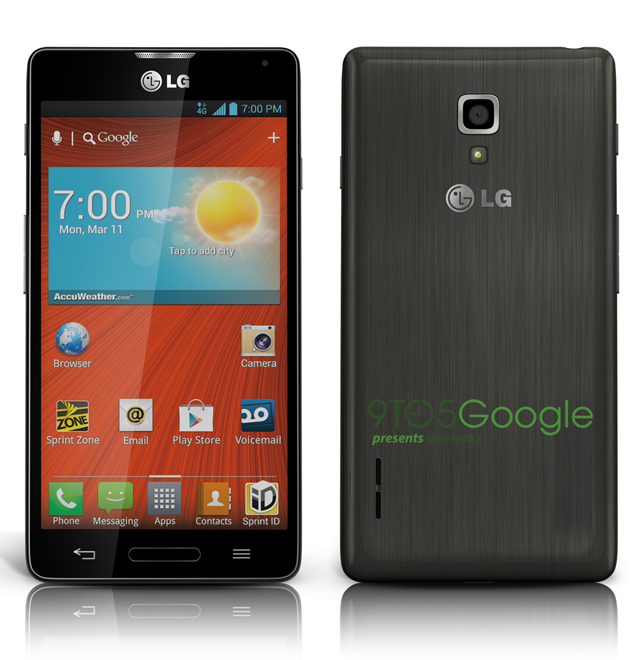
LG Optimus F7 coming to Boost Mobile’s LTE lineup

Site default logo image

At an otherwise ho-hum Mobile World Congress 2013, LG tried to shake up the mid-range market a bit with the modestly-priced, but 4G-enabled, Optimus F Series. Composed of the F5 and F7 at first, with the F3 added later on (and tipped for its own launch on Sprint), the F-series basically pairs the style and affordability of the L-series (now in its second generation), with an LTE-enabled chipset, and calls it a day.

We’ve learned that Boost Mobile will be adding the highest-end model, the F7, to its LTE lineup in short order. It will be the carrier’s third LTE-capable device, following the HTC One SV and Boost/ZTE Force. Featuring a 4.7-inch, 720p display, 1.5GHz dual core processor, and eight-megapixel camera, the F7 (Boost codename: LG FX1) should prove a popular addition to the prepaid carrier’s handset portfolio.

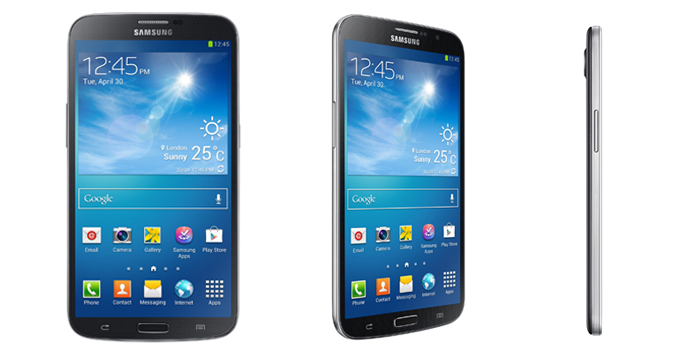
Samsung Galaxy Mega 5.8 and 6.3 – the largest ever phablet fills the last gap between 3 and 11 inch screen devices

Site default logo image

If you really, really can’t decide whether you want a phone or a tablet, Samsung has confirmed the rumor we recently reported that it is indeed to launch the world’s largest smartphone: the 6.3-inch Galaxy Mega.

Think you might want that but it’s just a teensy bit too large while the 5.5-inch Galaxy Note II is just a touch too small? Not to worry, Samsung has thought of you too: the Galaxy Mega is also available in a 5.8-inch form.

The Galaxy Mega has a 1.7Ghz dual-core processor and runs Jelly Bean. It supports LTE, has the usual dual cameras (8MP on the rear, 1.9MP on the front) and is available with 8Gb or 16Gb storage (with a microSD slot supporting up to 64Gb).

Both variants will be launched in May in Europe and Russia, with the US launch date as yet unknown.
Expand
Expanding
Close

IT security consultant & commercial pilot demonstrates airliner hijack via Android app

Site default logo image

A security consultant & commercial pilot speaking at the Hack in the Box conference in Amsterdam yesterday demonstrated a way to take control of airliners using an Android app.

Net-security.org reports (via Techmeme) that Hugo Teso combined his IT and pilot expertise to demonstrate in a virtual environment how the app could exploit two elderly forms of radio data communication to upload data into the Flight Management System. This data can include both specific commands, which the auto-pilot would then execute, and updated flight plans, which would allow an attacker to direct the aircraft to the destination of their choice …
Expand
Expanding
Close

Site default logo image

Report shares more details on Google’s rumored Babel messaging service

We have been seeing more leaks surrounding Google’s much rumored unified chat service that most are calling “Babel”. On Monday we got a look at some pretty legit looking screenshots of Babel inside of Gmail that apparently came straight from a Google engineer testing the service, and today we get even more details about Babel.

A new report from Droid-life claims to have additional details about the service including a feature list from sources close to the project.

Google Babel as a product is a collaboration of work by the Google+, Android, Chrome and Apps teams. Through their combined efforts, as was previously reported by us, we’ll see this unified service launch in Gmail and as Android, iOS, and Chrome apps. What’s particularly interesting, is that Google is talking about the iOS app as being the first time they have built a “first class iOS experience” when it comes to a messaging service.

On top of a “first class iOS experience,” the report also says that Google Voice will eventually be integrated alongside Talk, Hangouts, and Messenger, but not initially at launch. Other features apparently coming to the yet to launch service include: notification syncing across devices, an updated messaging UI, group conversations, 800+ emoji, and some other expected features. Head below for the full list:


  • Brand new UI
    . We’ve designed a new UI that’s applied across all clients and promotes conversations.
  • Stay in sync.  With just one conversation list and experience across mobile and desktop, everything is always in sync. Install the Chrome app, the Android app, and iOS app.
  • Desktop app.  Stop laying whack a mole across blinking browser tabs. With the new Chrome app your conversations continue outside of the browser.
  • Keep a group conversation going to coordinate with your team, and start a Hangout with a single tap whenever you need to talk face-to-face.
  • Be notified…just once.  Get notifications on your two phones, tablet, laptop, and desktop. Open it on one and watch the others disappear. If you’re actively using your computer or phone we’ll even intelligently notify you on just one of those endpoints. Magic!
  • Message more than just text.  Add a photo to the conversation and/or send some of the 800+ emoji to your coworkers. Kittens and poop are particularly helpful in explaining complex issues.
  • Get nostalgic.  Scroll back in time and relive any (on-the-record) conversation, on any device.
  • More ways to talk.  For the first time we are building a first class iOS experience. Try out our very early preview on your iPhone or iPod Touch.