Stay up to date on news from Google headquarters. Be the first to learn about plans for Android, Google Plus, Google Apps, and more!
Stay up to date on news from Google headquarters. Be the first to learn about plans for Android, Google Plus, Google Apps, and more!

As expected, the European Commission cleared Google’s $12.5 billion acquisition of handset maker Motorola Mobility following a short period of back and forth between the Internet giant and European regulators. A statement issued by the European Commission said the transaction was approved “mainly because it would not significantly modify the market situation in respect of operating systems and patents for these devices.”
The Justice Department should approve the transaction this week, if the Wall Street Journal is to be trusted. When it finally goes through (and that’s a when at this stage, not an if), Google will gain control of Motorola’s extensive patent portfolio and use it to deflect Android patent attacks by Apple, Oracle, and Microsoft. The Commission noted it would continue to keep a close eye on “the increasingly strategic use of patents.” As you know, Apple is pressuring European Union regulators to establish consistent royalty fees for patents deemed essential to wireless standards.
Google’s Vice President and Deputy General Counsel Don Harrison wrote on the official company blog that Google is now “just waiting for decisions from a few other jurisdictions before we can close this transaction.” He maintained the company line that the deal will “enhance competition and offer consumers faster innovation, greater choice and wonderful user experiences.”
Motorola reported an $80 million loss in the holiday quarter and shed 800 jobs. It is also embroiled in a nasty patent fight with Apple that saw the latter sue the former in the United States over Qualcomm patent license after Motorola won a brief injunction of 3G iPhone and iPad sales in Germany.

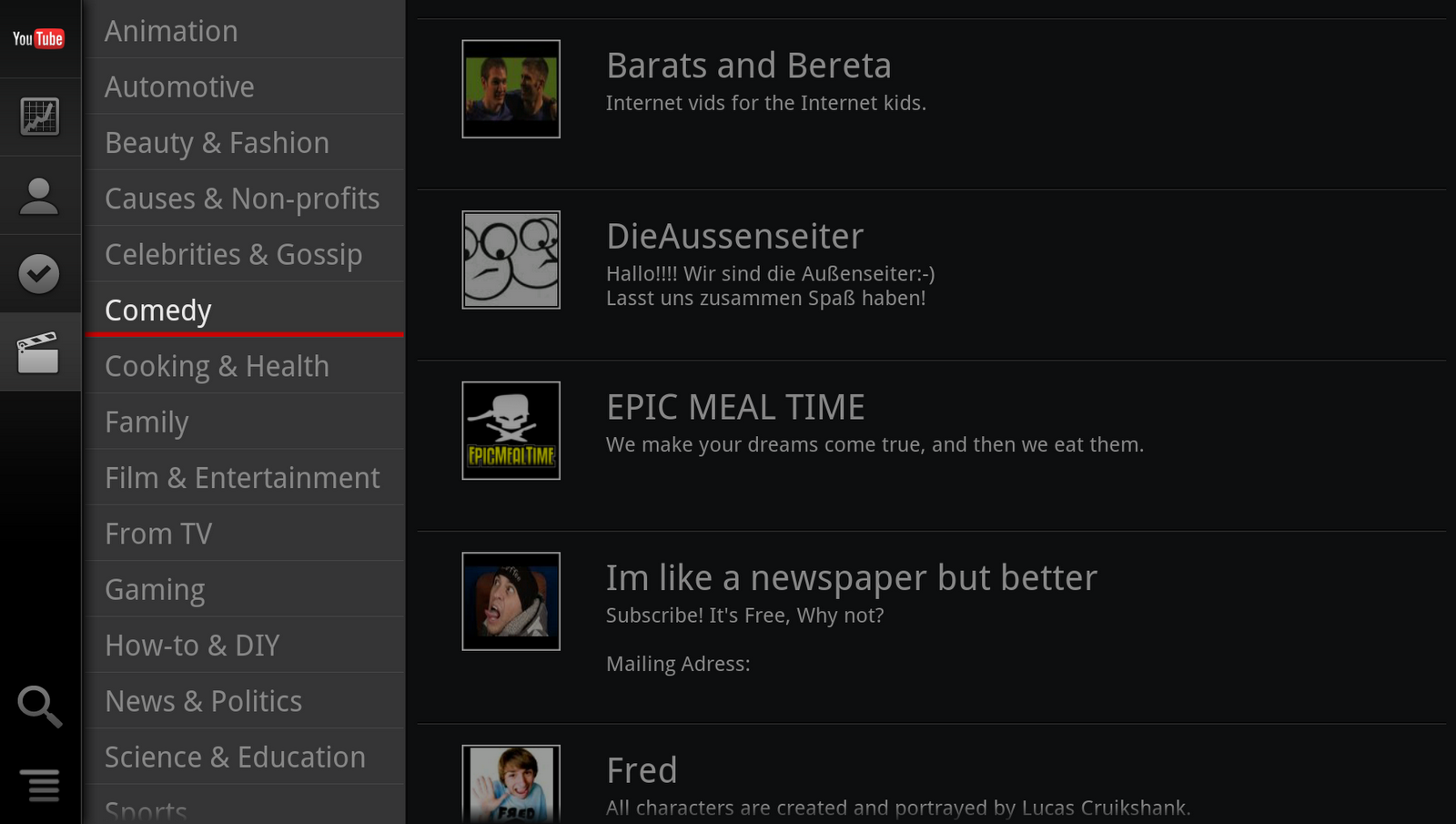
Google just announced on its Official Google TV Blog the “big announcement” for tomorrow. The Google TV crew announced an all-new YouTube app for the Google TV platform. The app features a smoother experience and bug fixes. The big feature here, however, seems to be a new feature called “Discover” that lets users view YouTube channels by different categories (as seen above).
The YouTube app will also gain the new channels that the desktop version of YouTube has seen. From there, you can navigate through users’ videos, favorites, and subscriptions.
When viewing a video, you can use the up and down arrows on your Google TV’s remote to navigate to the information screen. On the information screen, you can interact with a video by giving it a thumb’s up, adding it to your favorites or playlist, and leaving a comment.
The update should roll out to every Google TV user in the next few days from the Android Market. Oh, and I have to say that I am disappointed. Google overhyped this announcement.

The “Googleplex” has been Google’s hallmark offices for years and rates as one of the top places to work by many magazines. According to a new report from the Mercury Times, Google is expanding on its already large Googleplex. The Mountain View, Calif.-based Company reportedly plans to spend $120 million to add new advancements to its sprawling headquarters, from a new museum to new testing labs for the secret Google X projects.
Google plans to open a new Experience Center as a museum not open to the public. The Experience Center would show Google’s history to special invited groups. Some of the products shown off could potentially be confidential. The focus here would be selling products to groups, such as school districts.
There has been much in the news lately regarding Google’s “Project X.” In Project X, the team is reportedly working on new HUD glasses, which we exclusively told you last month. As part of its new $120 million addition, Google is attaching new additions to that sector. Google is also adding to its “Google/@home” initiative. As part of @home, Google is reportedly developing a new streaming home-entertainment device. This break through into consumer electronics could be announced tomorrow, according to a teaser from the Google TV team.
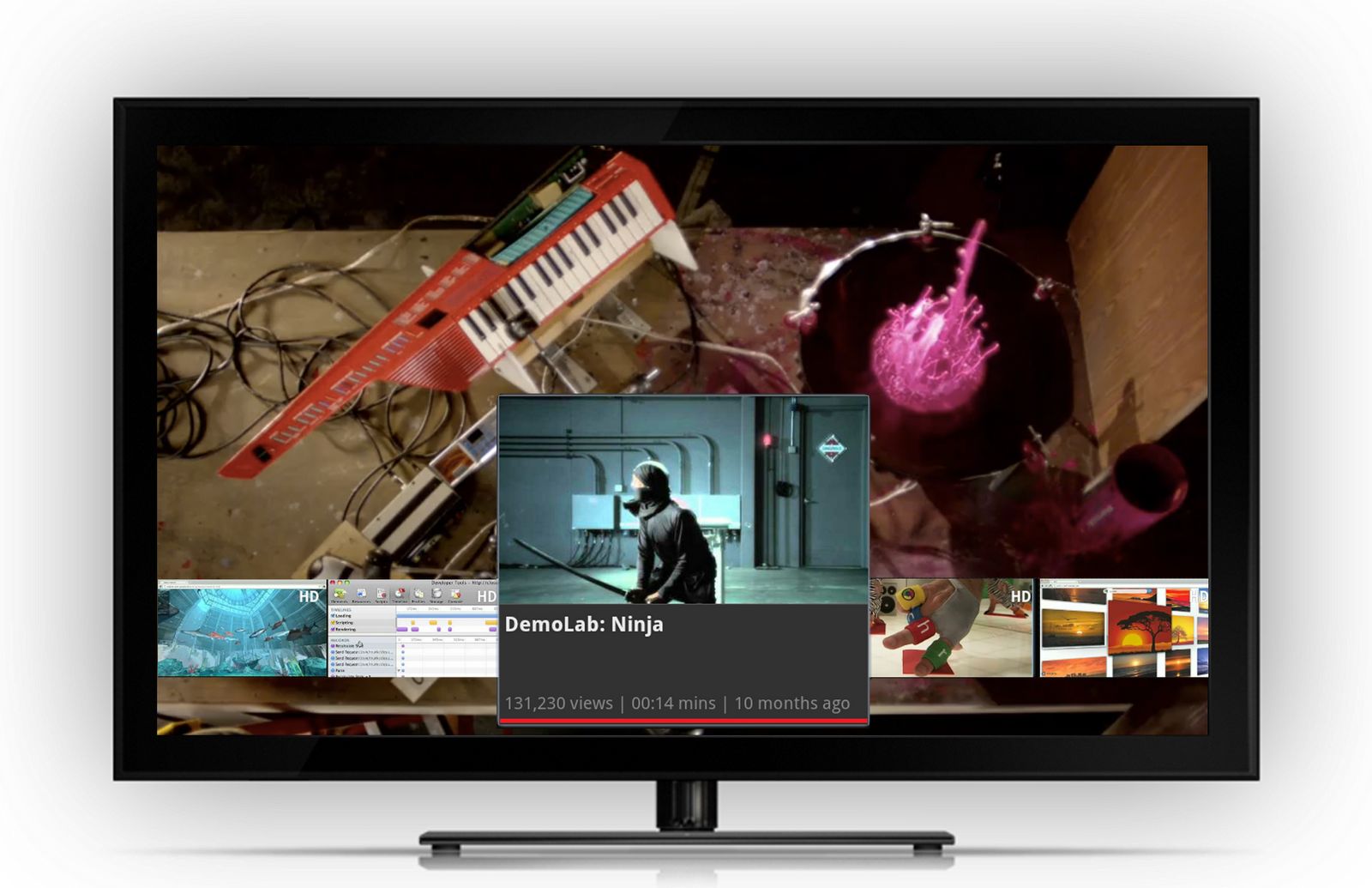
Get excited! Google teased a “big announcement” for the Google TV on its Facebook page last night. What in the world could this be? There is a chance tomorrow’s announcement by Google could surround the streaming home-entertainment device that was leaked last week, or it could be something entirely different. Perhaps it is new hardware out of an OEM, but we are not so sure that is Facebook-post worthy. We will know for sure tomorrow.
Get ready for Monday, we have some big announcements!
Update: It’s nothing special.
(via The Verge)
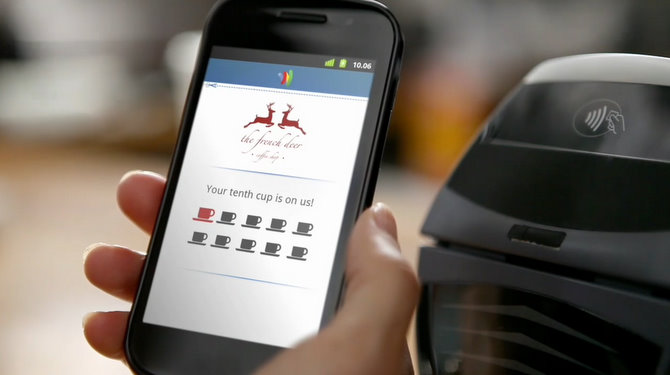
Hackers uncovered an issue this week with Google Wallet on routed phones. The hackers found that pin numbers for Google Wallet on rooted phones can be cracked with simple software. Google quickly released a statement and said it is working on a fix. Meanwhile, a hack also released for non-rooted devices, which is a huge safety concern. Late last night, Google released a post on its Commerce Blog giving a little more of its view on the matter.
Google announced that it would disable provisioning of prepaid cards. This will help if you ever lose a phone and someone wants to use your prepaid card to make purchases. This is a temporary solution, but Google is still looking for a permanent fix.
Google also reminded us that it offers a toll-free line if users ever have a concern or question about Google Wallet accounts. The support line is open 24/7.
Google also said that Google Wallet is safer than plastic cards and folded wallets. The company even talked about the security concerns’ rooting an Android device creates:
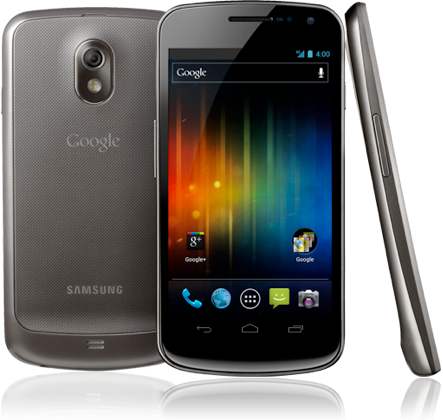
The war between Samsung and Apple continues as Apple requests a United States Preliminary Injunction on Samsung’s Galaxy Nexus. The request was filed in a U.S. District Court for the Northern District of California on Thursday, and the documents were released Friday. FOSS Patents discovered that Apple is basing its request for an injunction on four recently granted patents:
The second patent (seen above) concerns Apple’s Siri technology. Google has similar a voice technology, and Apple wants to slash the accurate but not as robust feature out of the picture. The third slide-to-unlock patent is something that Apple has been after for a while, based on earlier patents. Apple also recently sued Samsung in a separate lawsuit over the fourth autocorrect patent.
Will the injunction be granted? Probably not, but it is interesting to see Apple keep trying. A judge will make a ruling in the coming months.
Stanford University in Palo Alto, Calif., is moving from VM Ware’s Zimbra to Google Apps for its entire staff and student-body, according to The Stanford Daily. Stanford has given Google Apps a trial for the past year and is finally ready to open it up campus-wide. Stanford will roll out Google Apps this spring with undergraduate students able to move to Gmail when they choose. Google Docs will then roll out in the summer. The full roll out of Google Apps across the campus cannot happen until Google enters into a Business Associate Agreement with the university.
Stanford is making the switch to Google Apps from Zimbra, an open source email software made available from VM Ware. Stanford’s Matthew Ricks said, “In delivering Google Apps to Stanford, we’re responding to the desires of the majority of our community,” which indicated Zimbra was not meeting the campus’ needs.
Google Apps will offer Stanford document creation from Google Docs through Gmail, management through Google Calendar, and more. Many other schools and organizations have also made the move to Google Apps while citing it to be the most affective. Thanks for spotting the title error, Dane!
A rumor debuted yesterday that claimed Google is currently developing and testing a streaming home-entertainment system in many of its employee’s homes. Today, a new temporary Federal Communications Commission license awarded to Google revealed that the company is testing a “next generation personal communication device,” whether it is connected to the home-entertainment system or not. A total 102 units of this prototype are in employee’s homes across Mountain View, Los Angeles, New York, and Massachusetts’ areas. The request is specifically for the use of Bluetooth and Wi-Fi in the prototype. (via The Verge)
This prototype could also certainly be Google’s new personal HUD glasses that we told you about earlier this week. Our sources said the Google X crew is developing them, and they could ship in a beta like Chromebook did. We also told you that the glasses will sport Bluetooth and Wi-Fi, so today’s FCC request could certainly be the glasses.
While we already heard from the WSJ that United States regulators are going to approve Google’s acquisition of Motorola Mobility, Reuters is reporting today that European regulators are going to do the same. Getting an approval from both areas would be significant, and it would push the $12.5 billion buyout announced in August closer to sealing the deal.
After Europe and the U.S., Google will still have to get approval from China, Israel, and Taiwan. Chinese regulators have until March 20.
Google acquired Motorola Mobility for its large array of patents. There have also been reports that Google will use Motorola Mobility’s expertise in hardware to build its own Google hardware. WSJ reported yesterday that Google is developing a streaming home-entertainment system.
U.S. regulators will approve the acquisition next week. It is only a matter of time before the merger officially goes through.
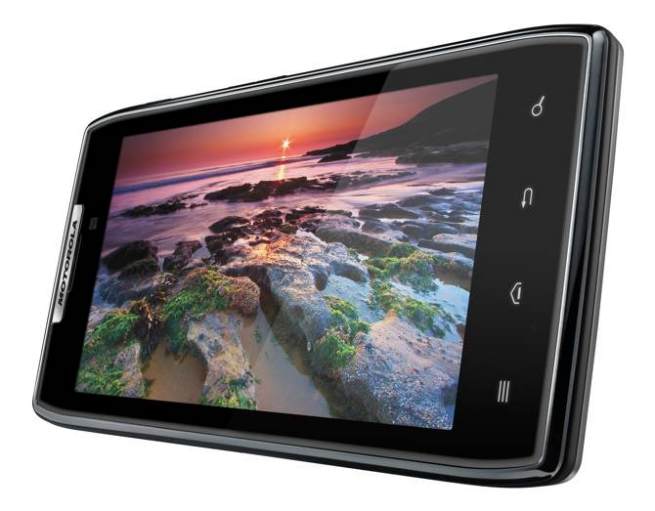
Verizon Wireless began to roll out updates today for a slew of its devices. Motorola’s Droid RAZR, RAZR Maxx, and XOOM LTE users are witnessing a mass update to version 6.12.73 that includes improved data stability on hotspot, V CAST app preloaded, and more. Both versions of Motorola’s XYBOARD tablet are also experiencing an update today. The update “1.6.0M_279” is almost the same, except for a stylus improvements that affect the 10.1 version. Like always, if you are not seeing the update, simply go to “Settings>About phone>System” to push them through.
Official release notes are available after the break (via Droid Life):

Google rolled out its new black navigation bar in November 2011, and today it is seeing a small update. Google just detailed the change over on the Official Google Blog. The update includes links to top Google properties, a more unified look for the search box, and sharing to Google+, as detailed in the photo above.
The biggest change is that we’ve replaced the drop-down Google menu with a consistent and expanded set of links running across the top of the page.
Google said users should see the change soon; it will roll out in the next few weeks.
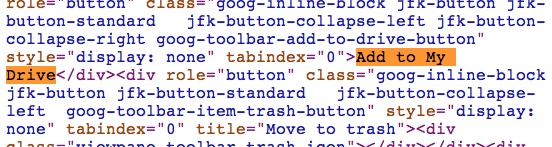
Rumors about Google Drive claim the product is Google’s new cloud file storage service. WSJ reported last night it is launching Google Drive in the coming weeks. Flickr user Sebastien Fuss (via GigaOm) discovered today that Google Docs is referencing the product through a code viewable in any browser, which reads: “Add to My Drive.” There is not any physical button in Google Docs, but the code reference is definitely interesting.
It should not be long before we see something out of Google. The Google Drive product will most likely integrate on Android and throughout its other services, like Google Docs and Google Plus.

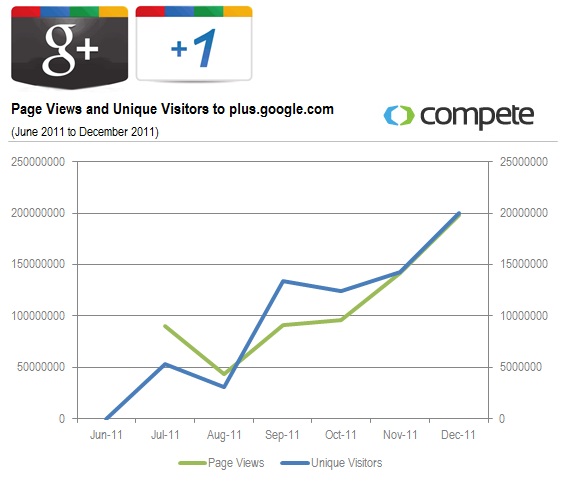
Marketing research firm Compete released a study depicting Google+ as half the size of Twitter, and it suggested the +1 button is now available everywhere on the Internet.
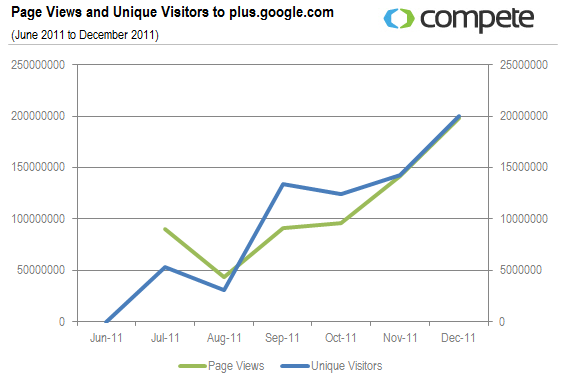
Click to enlarge.
Google’s social platform launched June 28, 2011 and quickly sought to combine personal search, custom social networking, and significance to any website with a new +1 feature (similar to Facebook’s “like” button). The Mountain View, Calif.-based Company saw $37.9 billion dollars of revenue last year— an appropriate correlation to its swelling Google+ service.
The social network reached a high of 20 million unique visitors, 50 million visits, and 200 million page views in December 2011, according to Compete. Those statistics corroborate recent estimates that peg Google+ as gaining 750,000 users daily.
“It is now safe to say that Google+ is becoming an enormous success, with nearly half of the unique visitors of Twitter (40,411,065 unique visitors in December),” announced Compete…
[youtube=http://www.youtube.com/watch?v=lPXC5xbeMu8]
The Google Earth team announced today on the official Lat Long blog a new feature that makes it easy to share attractive screenshots depicting Google Earth explorations with Google+ circles. Run the recently released Google Earth 6.2 program, find a place you like, zoom in on the best possible scene and hit the “Share” button. This sends a snapshot of the 3D view to your Google+ stream. Note that you must sign into your Google Account in the Google Earth application to share screenshots with Google+ circles.
Note: Google Earth is on Google+, too!

If you ever happen to have no messages in your Gmail inbox, you might notice Google’s subtle way of promoting Google Reader with the small ad for Google Reader (below). Now, Google has removed the “Try Google Reader” link and replaced it with a new message promoting Google+ (via Google Operating System blog). The message now reads, “No new mail! See what people are talking about on Google+” (pictured above). Within the new message is a link to the “What’s Hot” stream of Google+.
With the launch Google+, and its incredible growth (about 750,000 new users a day), many warned the growth was attributable to Google’s ability to pull in Google+ users. So, what happens when it runs out of Gmail users to bring in? Google may have already thought that through with a recent update to the Google account creation process requiring users to both create a Gmail account and automatically create a profile and Google+ account. In other words, not only is the company pulling in Gmail users, but also anyone that wants or needs a Google account for other services.
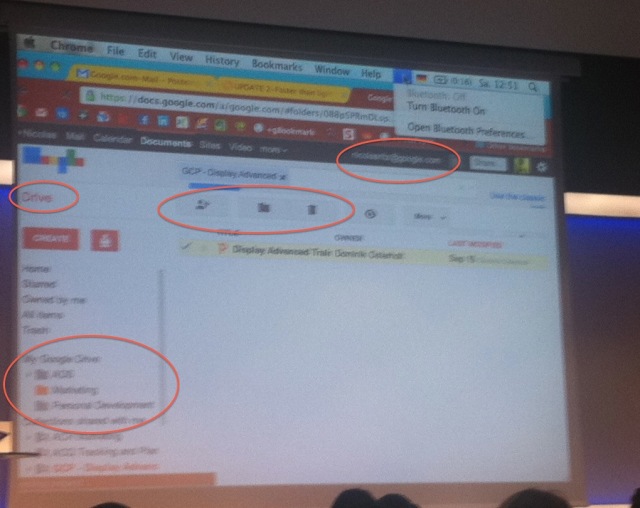
Google Drive has been rumored to launch for quite awhile as a competitor to the popular Dropbox. Google Drive will be a file locker for users to store files accessible from anywhere. Think Google Docs, but for files. Tonight, Wall Street Journal said Google would be launching Google Drive in the coming weeks or months, citing people familiar with the matter.
Google will most likely also release a Google Drive Android app. Users will be able to quickly grab the files they upload through the web and grab them for use on their phones.
WSJ said Google Drive will run for free, but it will cost more money as more data is used like Google Docs. We will keep you updated as the launch draws closer.
[youtube=”http://www.youtube.com/watch?v=P655GXnE_ic&feature=player_embedded”]
If your Android device is rooted, and you use Google Wallet, beware. zVelo reported this evening that Google Wallet’s PIN verification system was cracked through brute force. If someone were to obtain your device and deploy this hack, the stranger would be able to access all of your financial information to make purchases. Yes, this crack was distributed online so it can get in the hands of hackers.
It is simple: If you use Google Wallet, do not root your device. Check it out in action in the video above.
Update: As noted by The Next Web, Google is already working on a fix for the bug.
In a new report from the Wall Street Journal this evening, the publication said the Justice Department is set to approve Google’s acquisition of Motorola Mobility as early as next week. This approval will give Google a good size push in to completing the acquisition.
The U.S. Justice Department is poised to clear Google Inc.’s $12.5 billion acquisition of Motorola Mobility Holdings Inc. as early as next week, according to people familiar with the matter, giving Google a powerful armory of technology patents to deploy in the smartphone wars.
However, antitrust enforcers in the U.S. and Europe remain concerned about Google’s commitment to license Motorola patents to competitors on fair terms, those people said, and will closely monitor Google’s use of the patents. The European Commission has set a Monday deadline to decide whether to approve the acquisition.
Google is set to acquire Motorola Mobility for $12.5 billion, and it is doing so to primarily add Motorola’s large array of patents to its arsenal. Google is currently working to get approvals in Europe, too. A new report surfaced yesterday claiming that Google was going to send letters to European groups in order to smooth over the approval process. We will keep you updated.
Google released its latest update for Google+ for Android, bringing an array of new improvements. The update brings an overall speed increase that will make for a much more enjoyable experience, and the Google+ team added a ‘What’s Hot’ section to the app to see the latest buzz from friends. In the app, users can also see who +1’d posts and more. The full changelog is below.
You can download the update on the Android Market.
Google released a new version of Chrome today to the Stable channel. Chrome 17 [release notes] is an evolution bringing a couple nice enhancements, including new Extensions APIs, updated Omnibox pre-rendering, download scanning protection and some minor under-the-hood tweaks. Chrome’s download manager now checks executable files upon downloading by pinging Google’s servers for information on the originating site, which results in safer downloading. Omnibox, the browser’s address bar that doubles as the search box, has also been tweaked.
“When you start typing in the Omnibox and the URL autocompletes to a site you’re very likely to visit, Chrome will prerender the page, so it will appear faster–sometimes, even instantly–as soon as you hit Enter,” wrote Google in a blog post (this feature appeared in Chrome betas a month ago).
Do you want to be paid to surf the web using the Google Chrome browser? A new Google program called “Screenwise panel” (first reported by SearchEngineLand) is apparently providing users with that exact opportunity. In exchange, Google requests that you give up your privacy and provide your personal browsing data to Google. There has not been an official announcement, but there is already a signup page available here.
A few requirements for users of the service are listed on the signup page. You have to be 13 years of age or older to sign up (for Chrome and a Google account anyway), and —as mentioned before—you will have to give up your browsing data. Participants will get a $5 Amazon gift code after installing a special browser extension, and another $5 Amazon code for every three month period they spend in the program. The signup page noted a maximum payout of $25; however, Google noted in fine print that it would consider giving out additional gifts to users who participate for longer than a year.
Amazon is not actually a partner in the program. Instead, Google has enlisted Knowledge Networks as its “panel management partner.” A Google spokesperson reached out with a brief description and clarification of the program:
Hoping to continue gaining the necessary approvals it needs to acquire Motorola Mobility, Google is reportedly planning to assure wireless standards companies that it will license Motorola’s patents fairly. Bloomberg reported that Google will send the letters within the next day, and it will be signed by a Google lawyer to different groups.
The letter, to be signed by a senior Google lawyer, is likely to be sent within the next 24 hours, according to the people, who asked not to be named because the decision isn’t yet public. The move would come after a deadline passed for Google to submit remedies to the European Commission, which is evaluating the plan to buy Motorola Mobility for $12.5 billion.
Bloomberg said that one of the groups Google plans to send a letter to include the European Telecommunications Standards Institute. Google will make such moves to help smooth over the acquisition.
One of the reasons Google is thought to buy Motorola Mobility is mainly for its large array of patents, which it will most likely license out if the deal goes through to gain more revenue. Google hopes that the acquisition continues for obvious reasons.
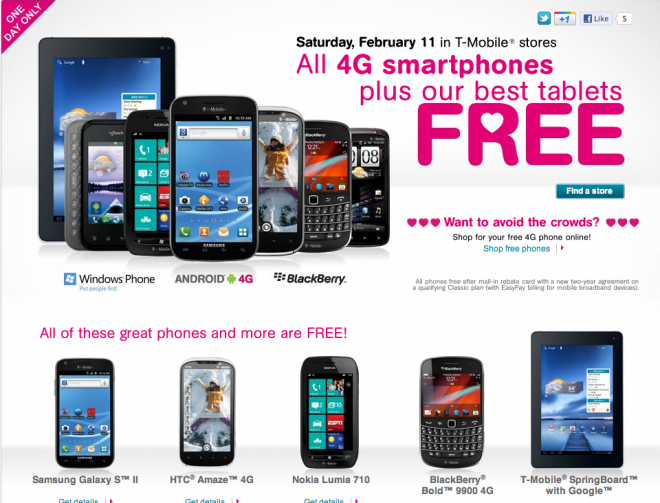
As our hearts prepare for Valentine’s Day, T-Mobile announced today a new sale happening this Saturday, Feb. 11. T-Mobile will offer its entire 4G selection free on a two-year contract. T-Mobile’s Android offerings include the popular Samsung Galaxy S II, HTC Amaze 4G, HTC Wildfire 4G, Springboard tablet, HTC Sensation 4G, and more. (via TmoNews)
Will you be skipping down to the T-Mobile store—with the spirit of love in your heart– to purchase a device? You can read T-Mobile’s press release after the break.
The impressive Google Chrome for Android launched today in beta for Ice Cream Sandwich devices, and people began noticing quickly that the browser did not include Flash. It is a very interesting move by the Android team, considering Android’s default browser includes Flash. Moreover, it is something that some Android users have prided themselves on, especially since Apple’s iOS Safari does not include Flash. It is evident that the Android team hopes to move Chrome for Android to replace the stock browser and keep Android flash-less. Adobe confirmed that the new beta does not contain Flash in an effort to move to HTML 5 technologies.
As we announced last November, Adobe is no longer developing Flash Player for mobile browsers, and thus Chrome for Android Beta does not support Flash content. Flash Player continues to be supported within the current Android browser.
Do not think Chrome for Android is completely Adobe-less. The new browser features CSS Regions and a few other Adobe products that did make it into the new browser.
You may remember in November when Adobe announced it was official killing Flash on mobile devices and choosing to favor HTML 5 instead. This new beta continues that push.