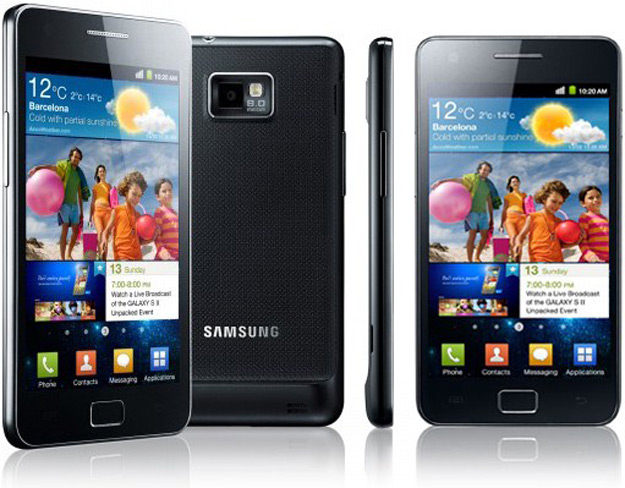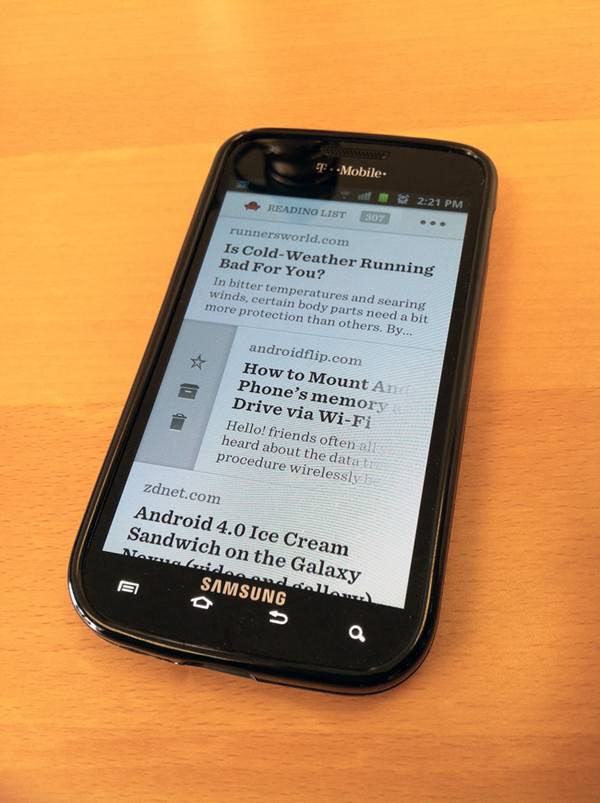
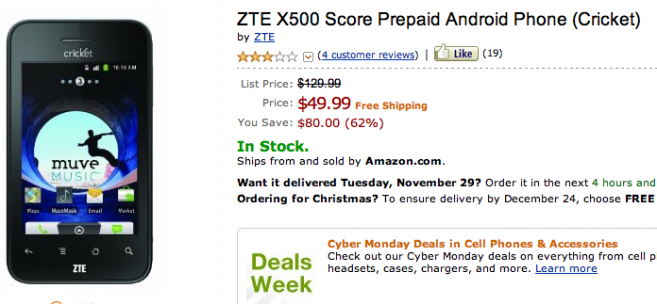
Entry-level prepaid Android phones sell for as low as $50.
Last year, the iPhone was the best-selling smartphone in the world, and Apple re-captured the crown for top smartphone maker in the United States last quarter with an estimated one-fifth of the market. While the original arrived at $499 (remember Ballmer’s reaction?), Apple would not hit the ground running until switching to the subsidized model with the second-generation iPhone 3G. Nowadays, U.S. carriers subsidize the full price of the device with an estimated $400, so those willing to commit to a two-year contract end up paying just $199 upfront for the hardware.
The trick worked and the iPhone went on the become an iconic device, but sales numbers did not replicate in various Southern European countries where carriers steer away from paying billions in upfront subsidies. As a result, prepaid Android phones are now undercutting Apple’s device and selling like crazy. Take Portugal or Greece, for example, where the iPhone last quarter accounted for 9 percent and 5 percent of all smartphones sold, respectively, according to the Wall Street Journal.
In the U.S., where contract plans and phone subsidies dominate, IDC says that around 90% of smartphone shipments over the past four years were for devices that cost more than $300 — despite the recession and uncertain recovery. In Italy, where prepaid plans dominate, that proportion was 67% last year, and in crisis-hit Greece and Portugal, only about 40% of the smartphones shipped in 2011 cost more than $300.
The article author Anton Troianovski said some European carriers are considering eliminating subsidies in favor of the more affordable pay-as-you-go plans. This includes major carriers, such as Spain’s Telefónica SA and Denmark’s Telenor ASA.

The price matrix of the unlocked, contract-free iPhone 4S.