Samsung

See All Stories

Samsung is a technology conglomerate based out of South Korea that makes some of the world's most popular smartphones.
Samsung R&D logo

Samsung is a technology conglomerate based out of South Korea that is responsible for some of the most popular smartphones in the world, including the Galaxy S and Galaxy A series devices. Beyond smartphones, Samsung also manufactures and sells laptops, wearables, home appliances, and more.

The company was founded in 1938 as a trading company dealing with local produce, fish, noodles, and more. It wasn’t until the 1960s that Samsung entered the electronics business with its first product, a black and white television. In the 1990s, the company expanded its electronics efforts by producing displays and chips for processing and storage, core components of the business today. In the 2000s, the company established itself as a big player in cell phones, which later evolved into the Samsung Galaxy smartphone lineup.

Off the back of successful feature phones, Samsung quickly became a dominant player in the smartphone industry. The original Galaxy device was launched in 2009, which ran Android 1.5 “Cupcake” out of the box. Just a year later, the “Galaxy S” brand made its debut, selling 24 million units of its original model and 40 million of its sequel. The Galaxy S III was its first massive hit, though, selling 70 million devices starting in 2012. The success of that mainstream flagship propelled Samsung to be a major player in the premium smartphone market.

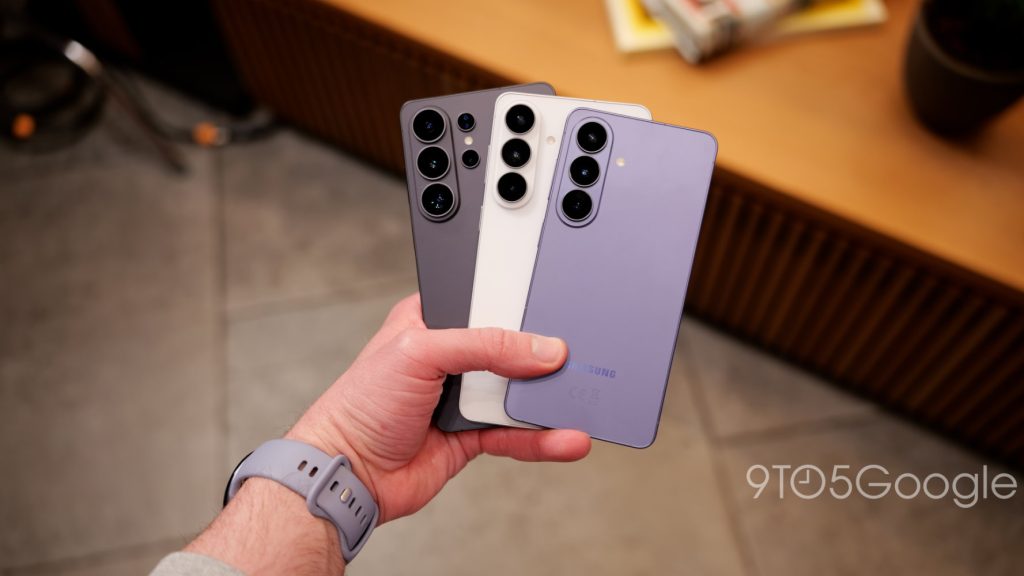
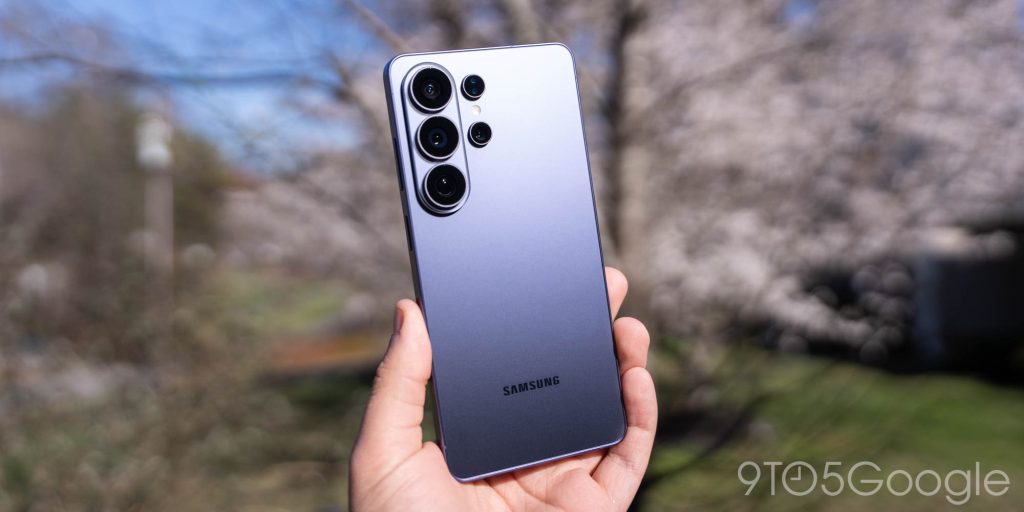
The latest Samsung flagships include the Galaxy S26 series, as well as foldable smartphones such as Galaxy Z Fold 7 and Flip 7.
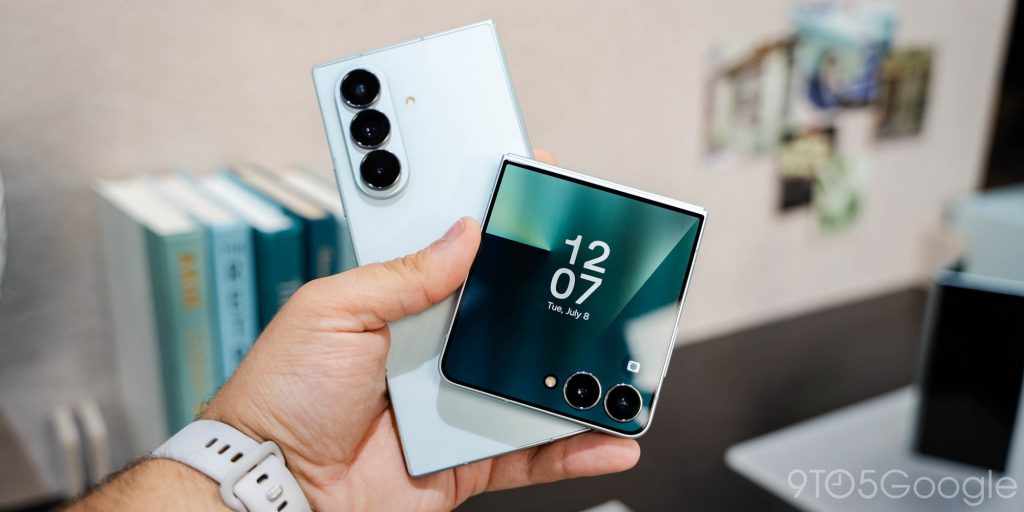
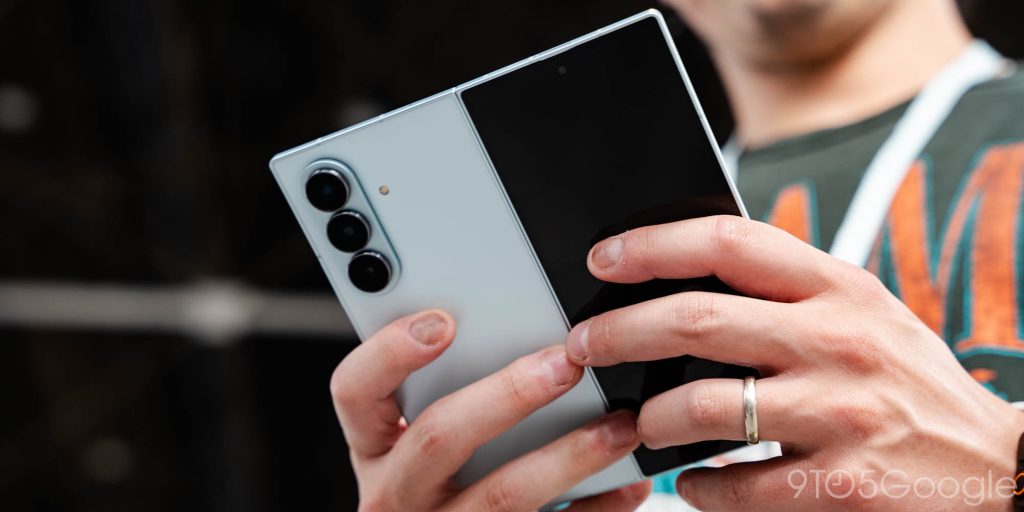
The flagship market is only a fraction of the company’s total smartphone sales. It’s actually more affordable devices such as the Galaxy A series that really earn Samsung its spot in the industry. The Galaxy A series has produced some of the best-selling Android smartphones in the world for the past few years, for instance, with the Galaxy A50 and Galaxy A51 both topping the charts in their respective release windows.

To say Samsung’s smartphones have been influential is an understatement, as the brand has produced some of the biggest trends in the industry. Most memorable is the rise of large-screen smartphones. In 2011, just two years into the rise of its Android-based Galaxy line, Samsung debuted the original Galaxy Note, which was ridiculed for its large 5.3-inch display. The phone went on to sell 10 million units and spawn nine popular sequels leading up to the Galaxy Note 20 series in 2020. In 2016, Samsung famously released the Galaxy Note 7, which was recalled due to batteries that were bursting and catching fire. The phone was discontinued, and fans ultimately had to wait until the Note 8 was released a year later. In 2021, Samsung reportedly canceled its Galaxy Note 21 series due to the ongoing chip shortage, and the best of the Note has now been merged into the ongoing Galaxy S “Ultra” release.
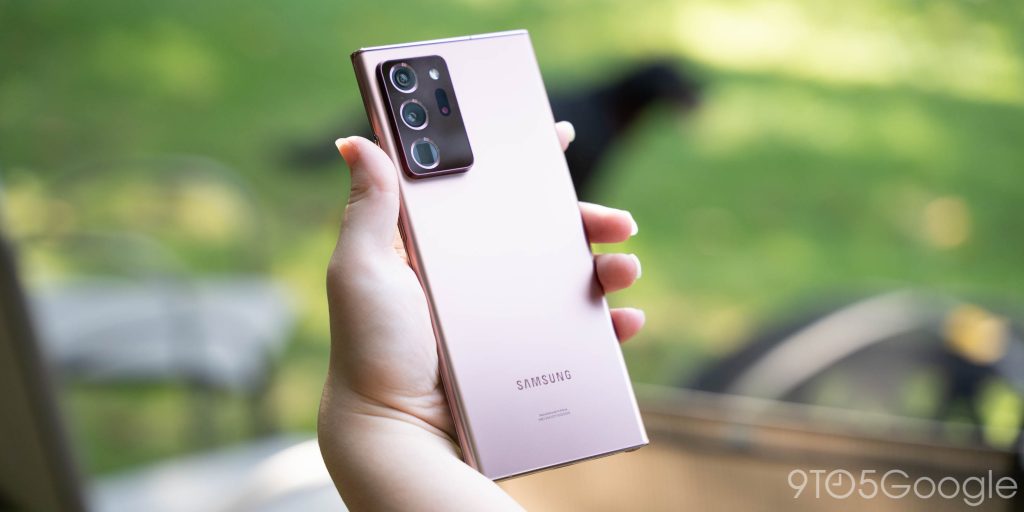
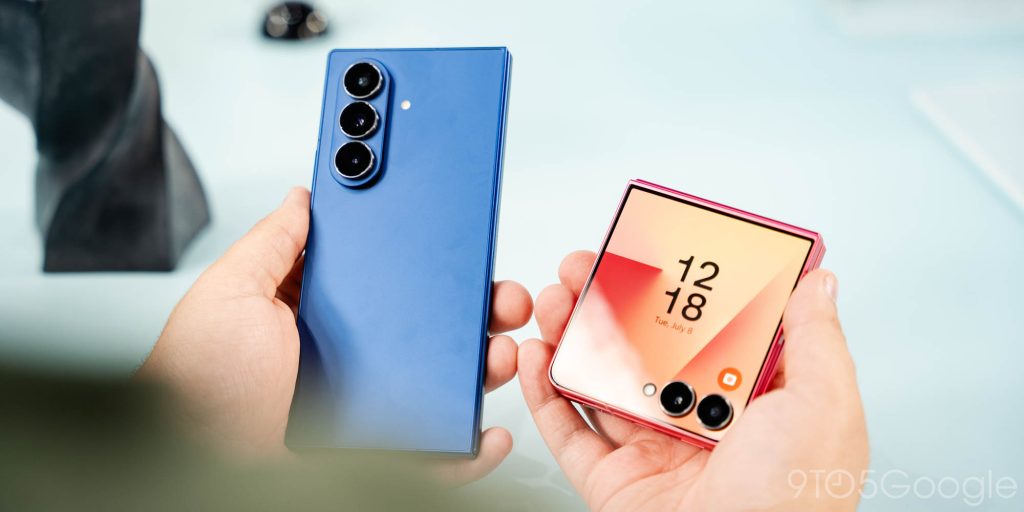
In 2019, Samsung announced its first foldable smartphone in the Galaxy Fold. The book-style foldable had high-end specs and an inner display that was far larger than what could traditionally fit in a pocket, but its launch was met with negativity as several early reviewers faced major issues with the inner display. The company opted to cancel the launch and redesign the product, relaunching it months later with several solutions. In 2020, the Galaxy Z Flip debuted with much better reception and solutions for problems that plagued the Fold, though with a new flip-phone style design. The Galaxy Z Fold 2 took those same ideas and applied them to the original design while improving the displays both inside and out.

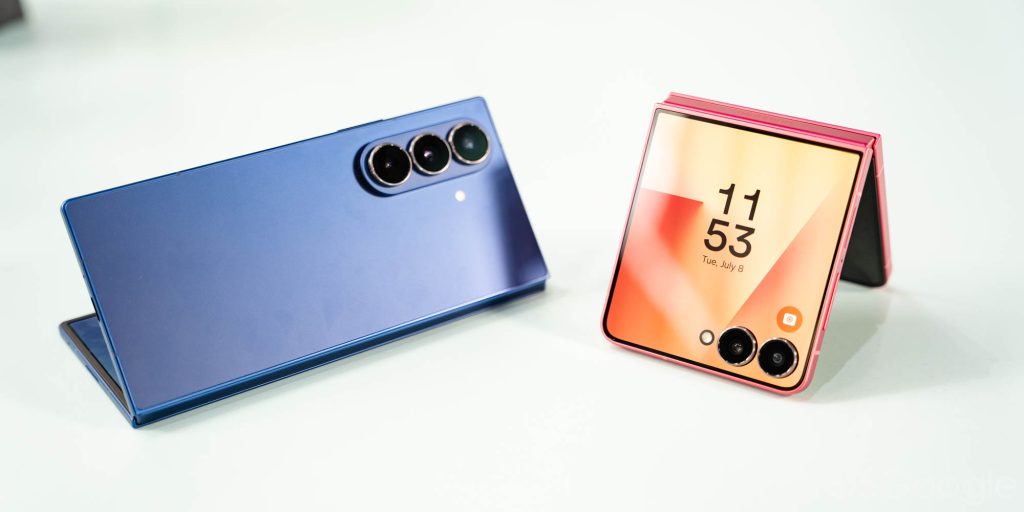
Samsung has continued to build on this form factor each year, often with big improvements, including water resistance, better hinges, upgraded cameras, and more.

Galaxy Z Fold 7, especially, proved to be a major update, offering a much thinner form factor that finally caught up to other foldable makers. It was successful, too, with Samsung reporting record sales after the device was released.
What other products does Samsung sell?

Beyond its extremely successful smartphones, Samsung sells a plethora of other products. There are TVs, home appliances, and more. The company also products and sells electrical components, AMOLED displays, and more to other companies.

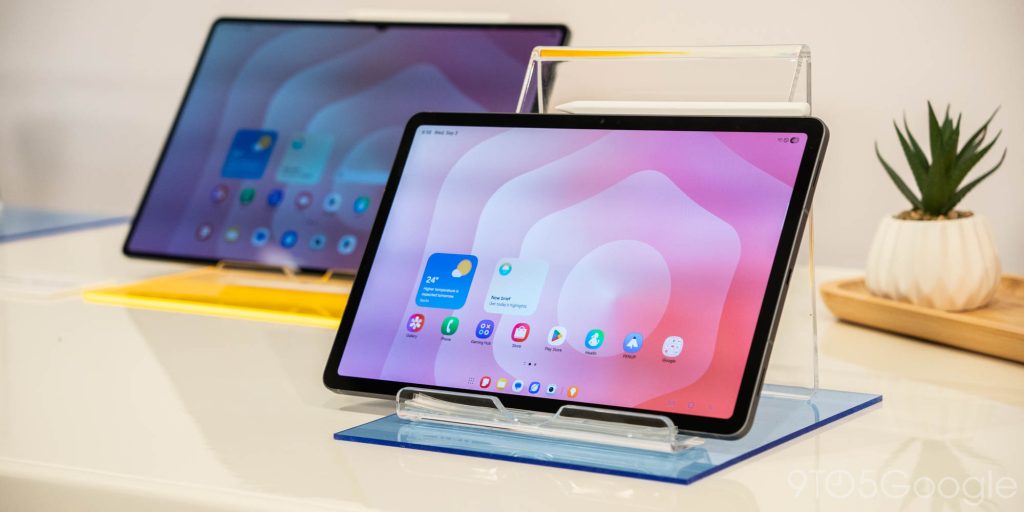
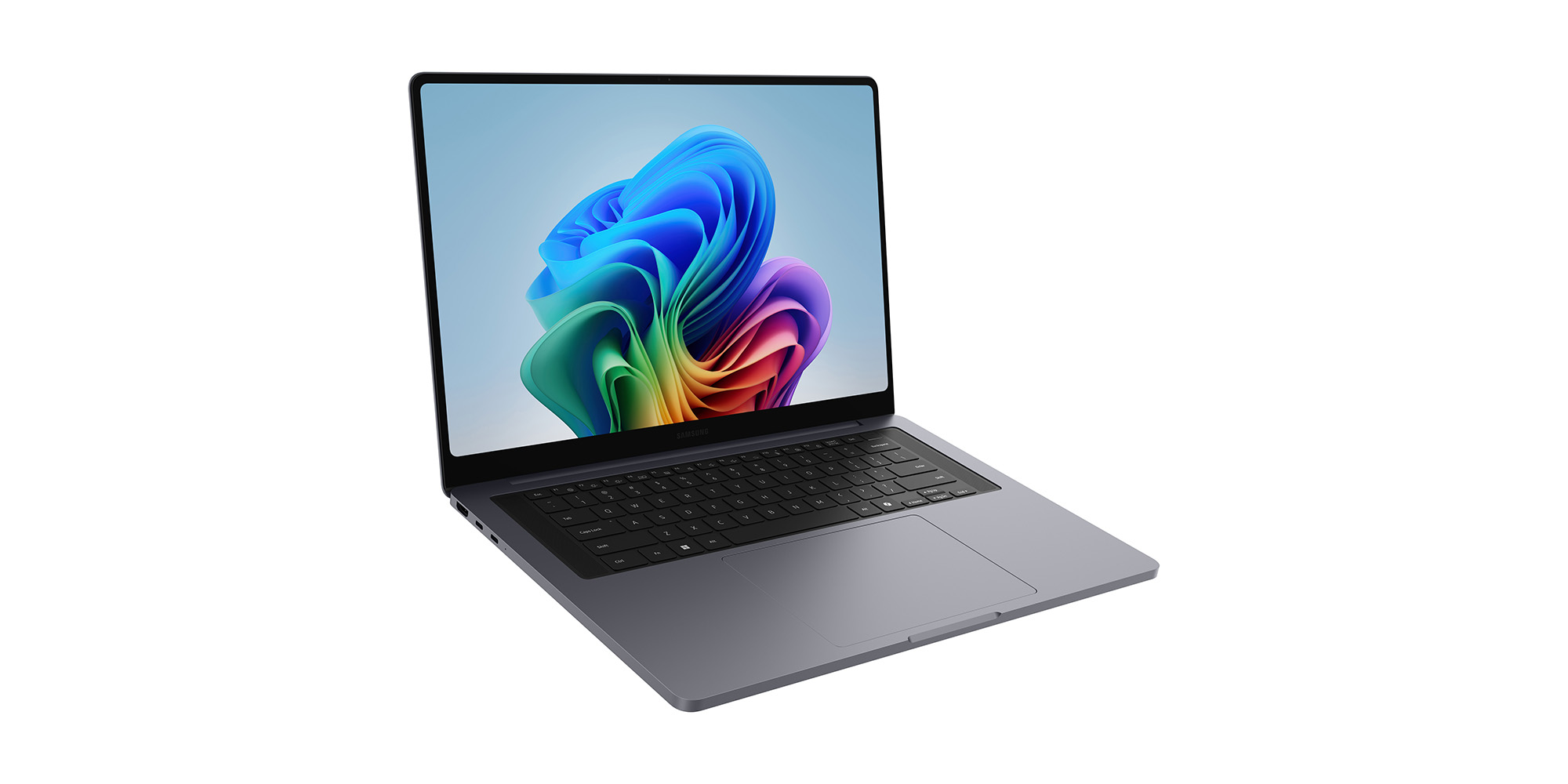
Relating closely to its smartphones, though, are Samsung’s tablets, laptops, and smartwatches. Android tablets are fairly rare on the market, but the Galaxy Tab series has stuck around as an affordable option as well as a flagship one, the latter usually including support for DeX. The company also products laptops using both Microsoft’s Windows and Google’s ChromeOS, the former linking to Galaxy phones using the “Your Phone” integration that is deeply built into One UI.

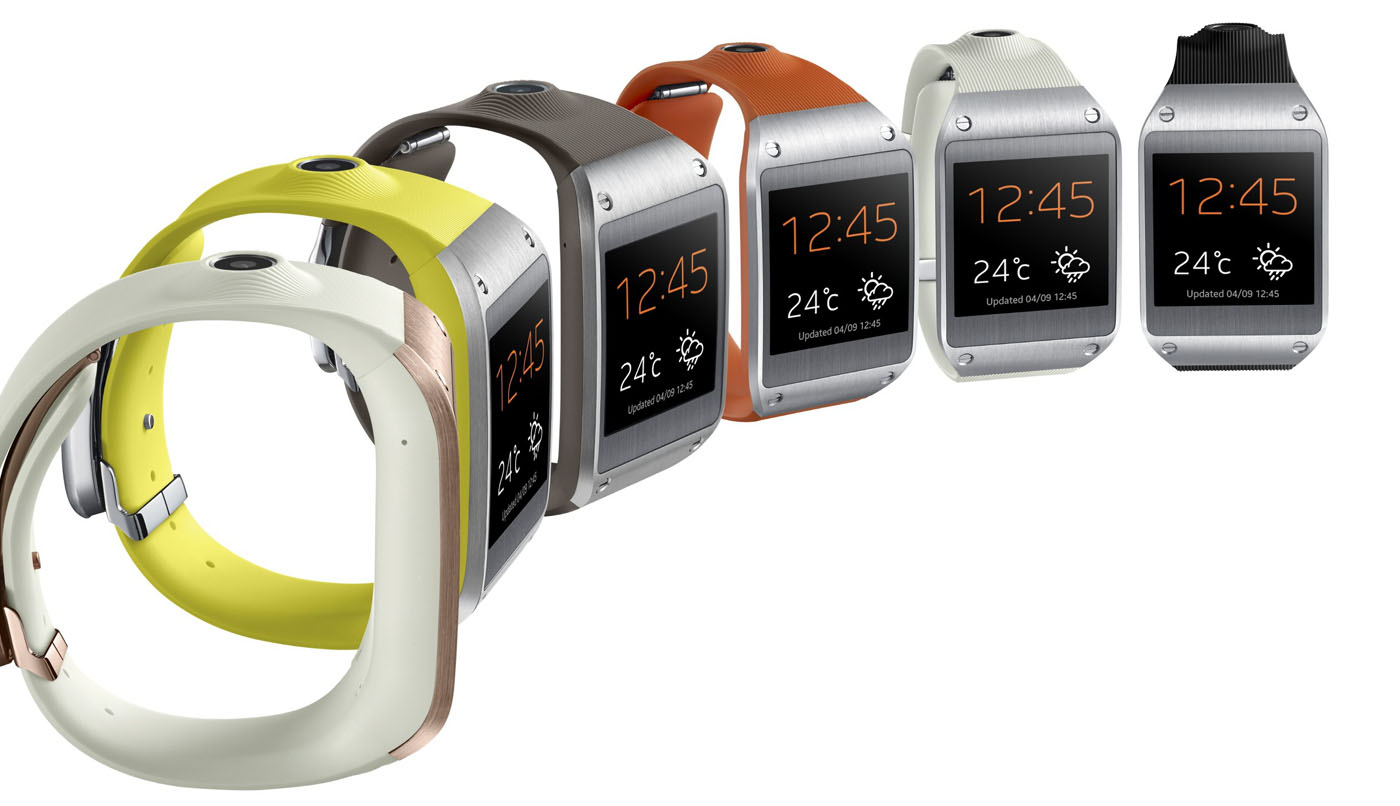
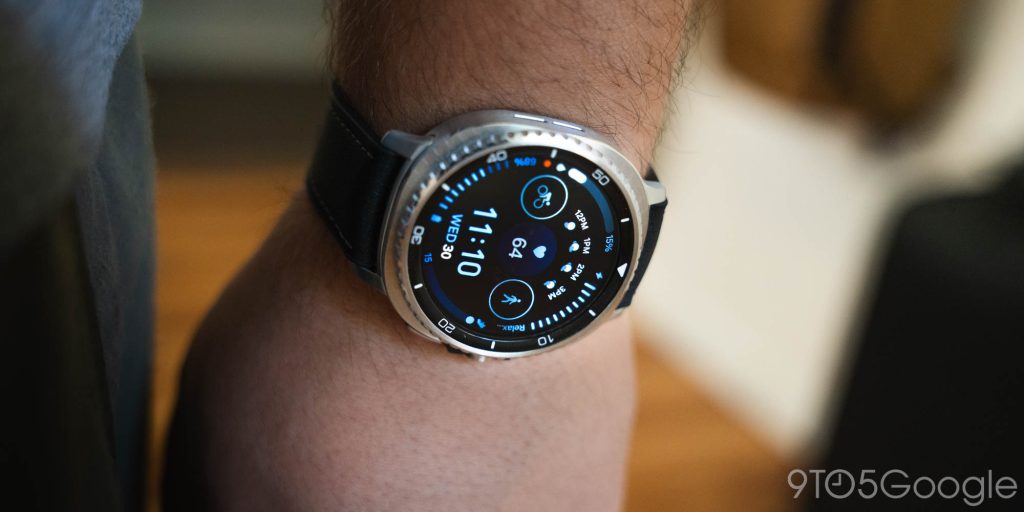
Finally, the Galaxy Watch lineup has been one of the best options for an Android-compatible smartwatch, and each model pairs best with a Galaxy smartphone.
Check out our up-to-date coverage of everything Samsung below.


Samsung to start 2013 with new brand unveiling at CES?

Site default logo image

Samsung plans to welcome the new year with a new look.

ChannelNews just published a report, citing sources in Asia, that claimed Samsung is working with Scott Bedbury, a brand-marketing wizard whose past experience includes Nike, to launch a “more vibrant International brand image alongside the likes of arch rival Apple.”

The new look, which apparently ditches the blue Samsung logo and fashion’s all-new advertising material with fresh colors that will compliment an overall brand identity for the company, is set to unveil at the 2013 Consumer Electronics Show in Las Vegas.


Expand
Expanding
Close

Site default logo image

Samsung confirms 30M Galaxy S III sales in 5 months

There were hints a couple of days ago, but Samsung officially confirmed on its website this morning that it surpassed 30 million global sales of the Galaxy S III since it first launched five months ago in May. Samsung noted that’s 20 million more devices than the 10 million Galaxy S II units sold in its first 150 days. Samsung also announced last week that it sold 3 million units of its new Galaxy Note II in just 37 days of being on sale.

Site default logo image

Samsung’s Galaxy Note II hits 3M in sales since launch

Samsung announced today that it sold roughly 3 million Galaxy Note IIs since the phablet launched over a month ago.

The company specified to the Associates Press (via USA Today) that it took just 37 days to hit the sales figure:

The South Korean firm is pinning its hope on the Note II and the S III to maintain its market lead during the crucial fourth-quarter holiday season, when a number of new gadgets are vying for attention from consumers in the crowded market.

A new report by IDC gives support to Samsung’s unverified claims: the research firm revealed Samsung sat at No. 1 in terms of the global smartphone market for Q3 2012 with 56.3 million sales—doubling Apple’s 26.9 million in iPhone sales.


Expand
Expanding
Close

IDC: Android is now on 3 out of every 4 smartphones sold

Site default logo image

IDC is out with its latest report that covers the top six smartphone operating systems by shipments and market share during Q3 2012. In the study, IDC found Android on nearly 75 percent of all smartphones shipped during the quarter, giving Android 136 million units of the 181.1 million total smartphones shipped during Q3 2012. That accounts for 91.5-percent year-over-year growth, beating out 57.3- percent year-over-year growth for Apple, and an average market growth of 46.4-percent. Apple shipped 26.9 million iPhones, in comparison, giving the company 14.9-percent of the market in the third quarter. Samsung is once again the top Android vendor:

Android, having topped the 100 million unit mark last quarter, reached a new record level in a single quarter. By comparison, Android’s total volumes for the quarter were greater than the total number of smartphones shipped in 2007, the year that Android was officially announced. Samsung once again led all vendors in this space, but saw its market share decline as numerous smaller vendors increased their production.

iOS was a distant second place to Android, but was the only other mobile operating system to amass double-digit market share for the quarter. The late quarter launch of the iPhone 5 and lower prices on older models prevented total shipment volumes from slipping to 3Q11 levels. But without a splashy new OS-driven feature like Siri in 2011 and FaceTime in 2010, the iPhone 5 relied on its larger, but not wider, screen and LTE connectivity to drive growth.

Google Wallet leak reveals an actual Google Wallet card (Gallery)

Site default logo image

AndroidPolice just posted screenshots of a leaked version of Google Wallet, but the most notable tidbit does not concern the app at all: Google plans to launch a Google Wallet card.

The card acts and looks like a typical credit card, but it stores many credit cards into one, shiny piece of plastic. It also works practically everywhere. According to the screenshots, users order the Google Wallet card from their Google Wallet app for front-door delivery.

AndroidPolice noted the significance of a physical Google Wallet card:

The other important implication? The physical Wallet card could make carrier approval for Wallet a thing of the past unless you want to use tap payments. Google could publish a version of the Wallet app without NFC permissions that just allows you to switch between your cards, that could be installed on any phone (even iOS or Windows Phone, theoretically), and you just use the Wallet card for payments. That’s pretty cool. And could seriously reduce the chance of rival mobile payment systems of catching on. Google really does seem to have thrown a wrench in the works of the likes of ISIS and other competing systems.

As for the Google Wallet app, it will soon feature a “Wallet Balance” option for depositing or withdrawing money. Users will also have the ability to transfer money from person to person. Availability for these latest Google Wallet features only seem to hint at the Unites States, for now, but stay tuned for more.

A screenshot gallery is below.


Expand
Expanding
Close

Samsung officially announces 4.65-inch Galaxy Premier

Site default logo image

Today Samsung’s Ukrainian website posted official info for the Samsung Galaxy Premier (I9260), a 4.65-inch smartphone that packs in a 1.5GHz dual core processor, 1GB of RAM, Android 4.1, and a 720 x 1,280 Super AMOLED display (via Engadget). It also includes NFC, Bluetooth 4.0, a 2100 mAh battery, microSD, and a 8 megapixel rear and 1.9 megapixel front-facing camera. The Galaxy S III-looking device is set for a November release in Ukraine, but there is no word on a possible release elsewhere. Pricing for Ukraine works out to about $680. It also appears that it will be available in 8GB and 16GB variants. We’ll keep you posted if more markets are announced. 
Expand
Expanding
Close

Google’s upcoming Nexus 10 further shown-off on video

Site default logo image

[youtube=”http://www.youtube.com/watch?feature=player_embedded&v=-4zeAyxCmNY”]

There have been several leaks of Google and Samsung’s joint venture into the 10-inch tablet space —during the anticipation for the unveiling of Google’s slew of new Android products (whenever that may be)—dubbed the “Nexus 10“. Adding to thd leaks yesterday, BriefMobile posted a brief video showing off the Nexus 10’s over-all structure. Past the overview, nothing is really shocking here. It looks like we’re seeing the same dual-core Samsung Exynos 5250 processor, 2GB of RAM, 16GB of internal storage, a 10.1-inch Super AMOLED display at 2,560-by-1,600-pixel resolution, 5-megapixel rear-facing camera with LED, front-facing camera, NFC, Wi-Fi, and Bluetooth 4.0 capability, as well as Android 4.2 Jelly Bean preloaded, which we’ve seen over the last week. We hope you like a little bezel with your tablet.


Expand
Expanding
Close

Site default logo image

Samsung shipped record 57M smartphones worldwide in Q3, capturing 35 percent global share

Strategic Analytics released its latest report today that depicted global smartphone shipments growing to 162 million in Q3 2012, and it said Samsung led the charge with a record 35 percent global share.

“Samsung shipped 56.9 million smartphones worldwide and captured a record 35 percent market share in the third quarter of 2012. This was the largest number of units ever shipped by a smartphone vendor in a single quarter, ” said Strategy Analytics Executive Director Neil Mawston in a press release.

The report further mentioned Samsung successfully delivered “numerous hit models,” such as the Galaxy and Galaxy Note, despite competition in stores and courtrooms. Apple managed to grab second place in the report, however, with nearly 17 percent. Meanwhile, the remaining handset manufacturers, such as Nokia, fell into the “Others” category at 48 percent.

“(Apple) shipped 26.9 million smartphones worldwide for 17 percent market share, up from 14 percent recorded a year earlier,” Mawston added. “Apple had a solid quarter in the important United States market and this helped to strengthen its global performance.”

Samsung and Apple essentially shipped over half of all the smartphones worldwide in Q3—up from roughly one-third just a year ago. Strategy Analytic Senior Analyst Neil Shah therefore noted shipping volumes have “polarized” around the two brands.


Expand
Expanding
Close

Google’s Vic Gundotra posts photos taken with Nexus 10

Site default logo image

Google Senior Vice President of Engineering Vic Gundotra posted some vacation photos to his Google+ (via AndroidCentral) page that appear to have been snapped by a yet-to-be unveiled Samsung Nexus 10. Some information that we learn about the tablet’s camera specs: the image is shot at 2,048-by-1,536 resolution (3.1 megapixels), which is rather low, but that’s likely because Google+ resized the images. It seems unlikely Vic would post images from another device with the camera listed as “Nexus 10,” but we’ll know for sure on Monday when Google is expected to announce the Nexus 10 alongside the new LG Nexus 4 in New York.

Another one of the images is below:


Expand
Expanding
Close

Samsung Nexus 10 manual leaks ahead of Google event?

Site default logo image

Apparently, keeping secrets isn’t in Google’s DNA. Following a leak of the LG Nexus 4 this morning, ahead of Google’s press event on Monday, we now get a look at what appears to be the support manual for the rumored Samsung-built Nexus 10 tablet. The Verge pointed us to these pair of images from Korean website Seeko, showing some basic specs for the 10-inch tablet.

It’s not clear if these images are legitimate. Moreover, unfortunately, we don’t learn much from the images. If they are the real deal, it appears the new Nexus 10 will sport a design much different from the current Nexus 7 lineup. As you can see in the images above, the placement of the volume rockers, and other components, line up with the Galaxy Note 10.1, but the sides of the device in landscape orientation appear to have a slight curve. None of the specs listed that we can see are surprising, including: a micro USB port, headphone jack, LED indicator, micro HDMI port, and a back camera with flash. We’ll be at Google’s event in New York on Monday where we hope to get a better look at the new device.


Expand
Expanding
Close

Site default logo image

Apple’s rubber banding patent used in Samsung trial declared invalid

A report from FossPatents today (via MacRumors) covering a Samsung filing with U.S. District Judge Lucy Koh shows the United States Patent and Trademark Office has declared 20 claims related to Apple’s rubber-banding patent invalid. One of the claims was even used against Samsung as part of Apple’s $1 billion victory in a California court in August:

While this non-final decision is not binding, there is a possibility that Judge Koh will be persuaded by this to grant Samsung’s Rule 50 (“overrule-the-jury”) motion to the extent it relates to the ‘381 patent. Even if Judge Koh is hesitant to overrule the jury on this and skeptical of a non-final action, the reexamination process will continue during the Federal Circuit appellate proceedings, so if the non-final findings concerning claim 19 are affirmed in subsequent Office actions, they will have more weight. And even after the appeals process, a subsequent final rejection of the relevant patent claim would make the patent unenforceable going forward.

The report noted an anonymous third-party challenged the validity of the patent earlier this year requesting a reexamination (Google looks up into space, begins whistling):

In late May, Scott Daniels, the author of the WHDA Reexamination Alert blog, discovered some new anonymous attacks on this patent and another famous Apple patent. I reported and commented on these findings. At the time I already listed the prior art references on which that ex parte reexamination request was based.

Samsung bringing NYC fans to exclusive Kanye West performance at this Wednesday’s Galaxy Note II event

Site default logo image

Samsung is about to officially launch its new Galaxy Note II this week in the United States at a press event in New York City on Wednesday. We know T-Mobile and Sprint will launch the device this week, and AT&T and Verizon sometime in the near future, but today Samsung confirmed we would also get a performance from Kanye West following the presentation. Samsung’s Facebook page is offering its NYC fans a chance to attend the performance. It did not provide details on how to enter, but it said to stay tuned to its Facebook page for more details. We will be live at the event to bring you updates as they happen.

Expand
Expanding
Close

How to claim free Google Chromebook goodies: 100GB Google Drive storage, 12 Gogo in-air Wi-Fi passes

Site default logo image

Google launched its new ARM-powered Chromebook last week with two years of 100GB Google Drive storage and 12 Gogo in-air, Wi-Fi passes for free, and it even published FAQ pages so folks could access the perks in just a few quick steps.

Here’s how to claim the 100GB of Google Drive storage:

  1. Log into your Chromebook (ARM-powered Chromebook, Samsung Chromebook Series 5 550, or Samsung Chromebox Series 3 only).
  2. Update to to the latest version of Chrome OS (Chrome OS 23 required).
  3. Go to the Google Drive offer page, and the 100GB will soon load in your account (Google will verify the Chrome OS device—only one deal per Google account).

More details are available at Google’s Goodies page.

The steps for Gogo passes are below.


Expand
Expanding
Close

Samsung forgot to mention there’s a 3G version of its new Chromebook too

Site default logo image

Image via <a href="//www.engadget.com">Engadget</a>

According to a listing on Amazon and Samsung’s website, a 3G version of the new Chromebook is also available for $329.99. When the latest Chrome OS laptop was announced yesterday, there was no mention. However, it is now available for all to pre-order. Besides 3G technology, specs remain the same on the Chromebook. It packs an 11.6-inch screen, 16GB of storage, 2GB of RAM, and Bluetooth. Like the previous versions of the Chromebook, the new 3G version will be bundled with two free years of 100MB of data per month from Verizon. [The Verge]


Expand
Expanding
Close

Samsung Galaxy S III hits MetroPCS for $499 on Oct. 22

Site default logo image

MetroPCS, the carrier that will soon merge with T-Mobile, announced today that it would offer its customers Samsung’s Galaxy S III starting Oct. 22. However, the carrier said in its press release (below) that select retail stores would have stock of the device starting this weekend. It is going to cost $499 on one of the carrier’s monthly no annual contract plans. That is a bit more than the usual two-year agreement from other carriers. According to MetroPCS, its $55 LTE plan can save you $1,200 over two years:

Together, the Samsung Galaxy S III and MetroPCS’ 4GLTE service plans deliver an unmatched value to consumers unwilling to compromise on handset or service. Priced at $499 plus tax, the Galaxy S III is available on any of MetroPCS’ affordable 4GLTE service plans, which range from $30 – $70 per month, including the limited-time promotional plans of 4G LTE for $30 or unlimited talk, text and 4GLTE data for $55 per month (taxes and regulatory fees included). When comparing total costs of both the smartphone and rate plans with other 4G LTE operators, consumers can save approximately $1,200 or more over the course of two years (based on MetroPCS’ current $55 4GLTE rate plan).

The full specs for the dual-core LTE Galaxy S III variant with the press release from MetroPCS are below:
Expand
Expanding
Close

Google’s thin 11.6-inch ARM based Samsung ChromeBook with 100GB of online space is finally compelling at $249 (Video)

Site default logo image

http://www.youtube.com/watch?feature=player_embedded&v=S95J5BowMmk

Google just announced some extremely aggressive-priced Samsung Chromebooks starting at $249 at major U.S. retailers:

The new Chromebook is a great computer at any price, but it’s an incredible computer at $249. It’s one of the lightest laptops on the market. You can easily carry it around all day—it’s 2.5 pounds, a mere 0.8 inches thick, with more than 6 hours of battery life for the typical user. And with 100 GB of free storage on Google Drive*, you can get to all of your stuff anytime, anywhere.

Even with its compact design, it’s packed with performance—it boots up in less than 10 seconds and resumes instantly. High-resolution videos (in 1080p) are beautiful to watch and when using the touchpad, you’ll notice smooth scrolling due to a hardware-accelerated user interface. And as you‘d expect from a Chromebook, it’s easy to share with others. Everyone—mom, dad, grandparents, tech lovers, tech haters—can have separate accounts where all of their stuff is kept safe. Finally, if you’re an active Google user of products like Gmail, Drive, Search, Maps, YouTube, Play or Google+ Hangouts, everything just works seamlessly.

The new Chromebook weighs a little less than 2.5 pounds, but it boasts the same 6.5-hour battery life. The screen, however, is 0.5-inches smaller with a 1,366-by-768-pixel resolution. The most notable difference in Google’s thinner Chromebook is the Samsung Exynos 5250 dual-core processor inside, and it features a Cortex-A15 chip that reportedly runs 1080p video and ChromeOS pretty well. GigaOm’s Kevin C. Tofel even noted the overall performance is “comparable to the Intel-powered Chromebook I have, but perhaps a half-step behind; at least in my few hours of using the device.”

This is finally a compelling offer at $249—as long as the hardware is fast. It looks like a base-line MacBook Air (and will surely draw criticism for that) for a quarter of the price. Again, so long as it performs, I don’t think Google will have a problem selling them to its intended audience: grandparents, kids, and as second or third computers for those who are heavy Google service users, and companies that need cheap mobile workstations.

Update: More reviews are starting to come in and unfortunately many are complaining about slowness. Not surprising for a $249 machine but clearly not for power users.

A gallery is below.


Expand
Expanding
Close

Samsung announces Jelly Bean updates for all US Galaxy S III rolling out in ‘coming months’

Site default logo image

While we heard previously that Samsung was beginning to roll out Galaxy S III Jelly Bean updates in Poland, the carrier confirmed today users in the United States would see the update in the “coming months.” We still do not know exactly when to expect it, but Samsung said Verizon, T-Mobile, Sprint, and U.S. Cellular will announce specific timing for the over-the-air updates separately. We will of course notify you when they do. Samsung’s full press release is below.


Expand
Expanding
Close

Sprint’s Samsung Galaxy Note II lands on Oct. 25 for $299, LG Optimus on Nov. 11

Site default logo image

Sprint just made things official for its release of Samsung’s Galaxy Note II by announcing in a press release that the device will launch on Oct. 25. Available for $299 on the usual two-year contract or eligible upgrade, Sprint will get both Marble White and Titanium Gray colors. In case you forget, we had hands on time with the 5.5-inch device in August at its unveiling in Berlin. It also looks like Sprint is confirming a launch date for the previously announced LG Optimus G. AndroidPolice reported the carrier confirmed the device, which many believe LG’s upcoming Nexus is based on, will land on Sprint for $200 on a two-year contract starting Nov. 11. The report also noted that pre-orders for the Optimus G will go live on Nov. 1 Sprint confirmed (below):

[tweet http://twitter.com/sprint/status/258270332169908225]


Expand
Expanding
Close

Samsung highlights Galaxy Note 10.1 in education with Institute of Play [Video]

Site default logo image

[youtube=http://www.youtube.com/watch?v=t0krCDFLjdA&feature=em-uploademail-new]

Samsung’s latest product video shows off how the Galaxy Note 10.1 is being used in education by visiting the Institute of Play:

The Institute of Play have only begun to effect sweeping changes to the way education evolves. With the help of Samsung and the Galaxy Note 10.1, we get a glimpse of the incredible impact the Institute’s revolutionary methods are making, and how the potentially bright the future is for students everywhere.

Photos of ‘Sony Nexus X’ smartphone surface as LG readies Nexus launch

Site default logo image

LG might not be the only manufacturer to release a device sporting the pure Google experience and Nexus branding. Today, we get shots of a yet-to-be-announced Sony smartphone, posted by XperiaBlog (via The Verge), that looks to carry-on the design aesthetic of the company’s Xperia Ion hardware. Unfortunately, there are not any details to go along with the photos. However, we can see “Google” and Sony branding on the back of the device. According to XperiaBlog, the device in the image is called the “Sony Nexus X”. Oddly, there is no visible Xperia branding.

They could very well be fakes; but with LG, this would only make two of the five OEMs that The Wall Street Journal said would release Nexus devices with Jelly Bean. Others likely to join the Nexus device launch party include past Nexus makers Samsung and HTC. Unfortunately, there is a good chance the images above could just be a new Sony/Xperia device with a more stock Android experience. We will wait for a little bit more information before filing this as confirmation of a Nexus phone from Sony.

Handwriting recognition company Vision Objects announces deal with Samsung for Galaxy Note apps

Site default logo image

Vision Objects, a company that provides handwriting recognition and digital ink technologies for various platforms, today announced a deal with Samsung to develop apps for the Galaxy Note line of devices. According to the company’s press release (below), Samsung has already integrated the technology into the input panel and S Note personal note-taker app in the Galaxy Note, Note II, and Note 10.1.

“Our partnership with Samsung is a great step forward in showing the industry that smartphones and tablets can be used for content creation and not solely for media consumption,” said Stefan Knerr, Founder and CEO of Vision Objects. “The tablet market is driven by mobility needs – but until now tablets have been used to access information, not create it. With our handwriting recognition and the S Pen, people can now expect a lot more from their device for uses such as note taking in meetings and lectures, writing messages, ideation and brainstorming, data capture in enterprises, document annotation, easily entering mathematical expressions, educational games and more.”

The company makes a number of apps for the desktop, Android, and iOS, but today it is updating its MyScript Notes Mobile iOS app with functionality similar to the smart note taking on Galaxy Note. The full press release from Vision Objects is below:


Expand
Expanding
Close

Google reportedly hiring for Nexus support call center

Site default logo image

Today, Geek.com points us to proof that Google is preparing to open a call center for Nexus customers. Google is currently sourcing a third-party company to hire employees for the new call center, according to the report, with recruiters seeking “Android enthusiasts” to start in the next few weeks. The timeframe would of course line up nicely with all of the rumors of the LG Nexus and other OEMs preparing Nexus device launches, but Google is not publicly advertising the positions for now on its website.

Lack of support has been a big complaint among Nexus owners in the past. With the introduction of Nexus 7, and new devices on the horizon, we hope all this recruiting is really for a Nexus/Android-related call center. Google recently announced it would start phone support and email support for Apps customers.

Recruiters have been visiting Bay Area campuses looking for Android enthusiasts willing to come work for Google within the next few weeks. Applicants are not being told specifically what the position is for until after the applications are submitted, though the advertisement makes it fairly clear who they are applying to work for…We’re told that Google plans to have the call center fully staffed and trained by the end of the month.

Samsung lifts the cloak on S III’s mini-me, the Galaxy S III mini (Gallery)

Site default logo image

As promised yesterday, Samsung just unveiled the Galaxy S III mini in Frankfurt, Germany.

The Jelly Bean-powered handset features many of the same specs as the original Galaxy S, but the most noteworthy include a 4-inch WVGA Super AMOLED display, dual core 1GHz chipset, support for Wi-Fi, NFC, and Bluetooth 4.0, and a 1,500 mAh battery. It also features a 5-megapixel VGA front-facing camera with LED flash, 720p video recording and playback, 8GB RAM, and MicroSD up to 32 GB.

The S III mini essentially packs the S III experience into a 4-inch screen at a presumably more pocket-friendly cost; however, Samsung did not announce details on pricing and availability. Check out the presser and gallery below for more information on this practical smartphone.

The press release is below.


Expand
Expanding
Close

US court reverses Apple’s injunction on Samsung Galaxy Nexus

Site default logo image

U.S. Judge Lucy Koh granted Apple’s request for a preliminary injunction against Samsung’s Galaxy Nexus smartphone in June, and the decision resulted in the temporary removal of the device from Google Play pending a software fix with Android 4.1. Today, Reuters reported that Apple’s U.S. injunction on the Galaxy Nexus has been reversed. 

TheNextWeb got its hands on the official order. Samsung argued that its product would “sell almost as well without incorporating the patented feature” :

Samsung argued, somewhat humiliatingly, that the sales of the Galaxy Nexus were so poor that they didn’t pose a threat to Apple’s iPhone and that the unified search feature was not essential to the success of its device. The appeals court apparently agrees, as it states in its official order:

…it may very well be that the accused product would sell almost as well without incorporating the patented feature. And in that case, even if the competitive injury that results from selling the accused device is substantial, the harm that flows from the alleged infringement (the only harm that should count) is not.

According to Reuters, the U.S. Court of Appeals for the Federal Circuit ruled the court “abused its discretion in entering an injunction” and will send the case back to the California court for consideration.

Expand
Expanding
Close