Samsung

See All Stories

Samsung is a technology conglomerate based out of South Korea that makes some of the world's most popular smartphones.
Samsung R&D logo

Samsung is a technology conglomerate based out of South Korea that is responsible for some of the most popular smartphones in the world, including the Galaxy S and Galaxy A series devices. Beyond smartphones, Samsung also manufactures and sells laptops, wearables, home appliances, and more.

The company was founded in 1938 as a trading company dealing with local produce, fish, noodles, and more. It wasn’t until the 1960s that Samsung entered the electronics business with its first product, a black and white television. In the 1990s, the company expanded its electronics efforts by producing displays and chips for processing and storage, core components of the business today. In the 2000s, the company established itself as a big player in cell phones, which later evolved into the Samsung Galaxy smartphone lineup.

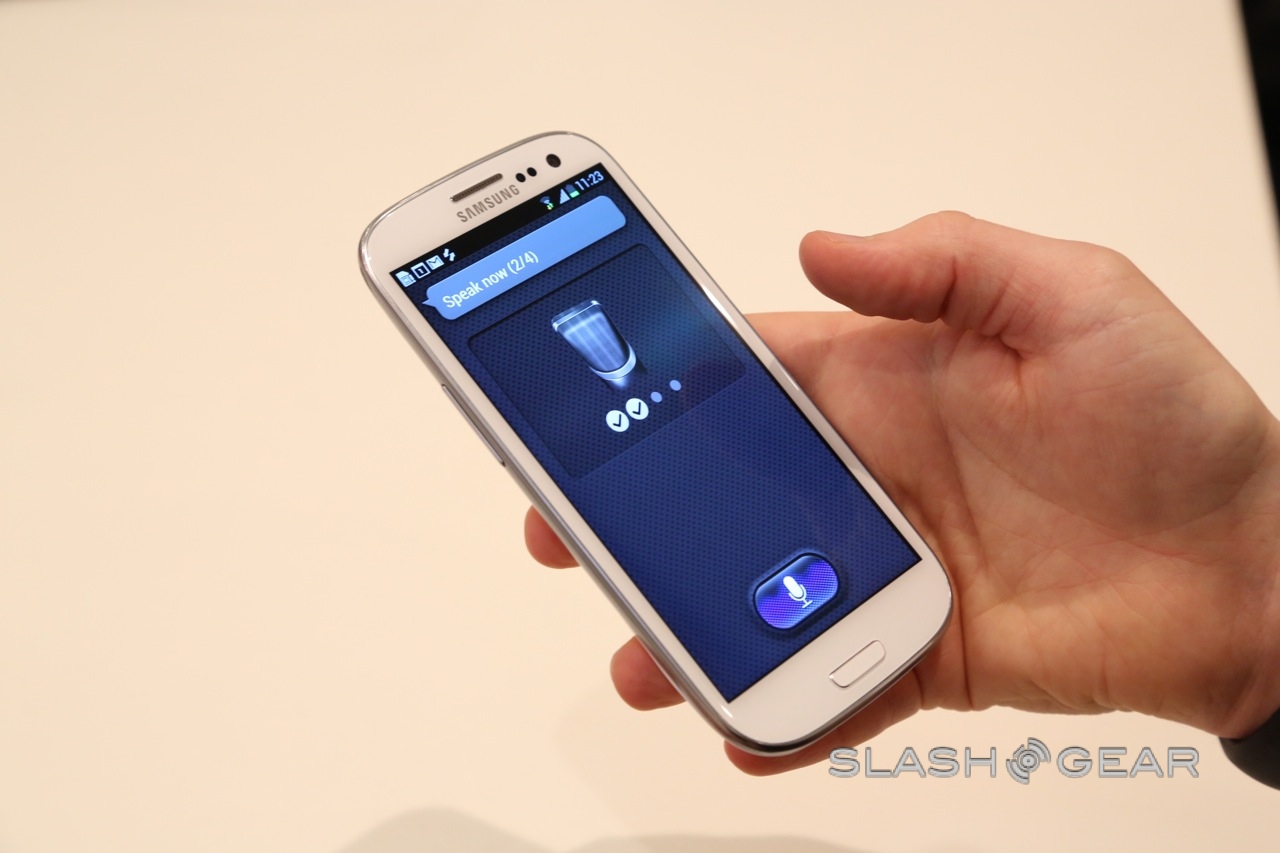
Off the back of successful feature phones, Samsung quickly became a dominant player in the smartphone industry. The original Galaxy device was launched in 2009, which ran Android 1.5 “Cupcake” out of the box. Just a year later, the “Galaxy S” brand made its debut, selling 24 million units of its original model and 40 million of its sequel. The Galaxy S III was its first massive hit, though, selling 70 million devices starting in 2012. The success of that mainstream flagship propelled Samsung to be a major player in the premium smartphone market.

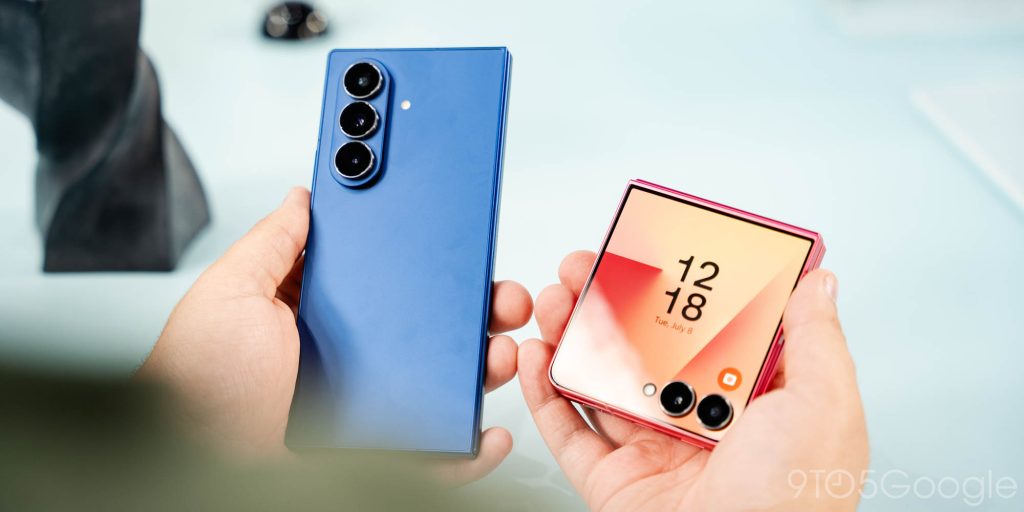
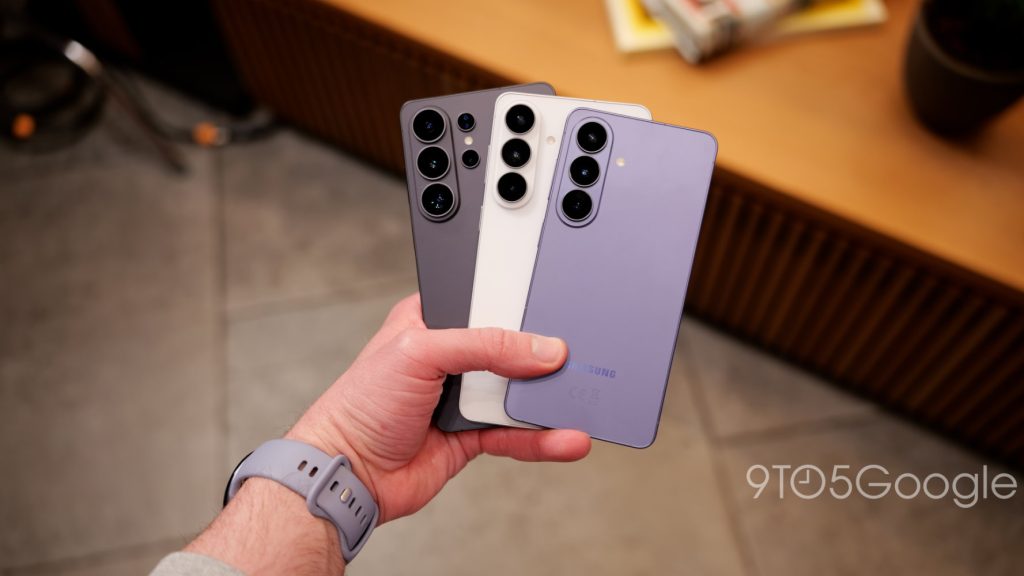
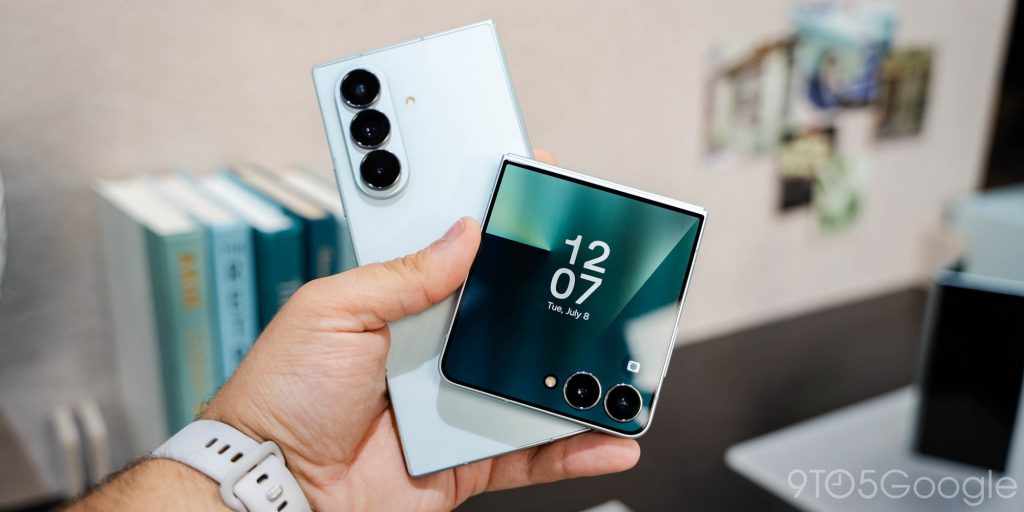
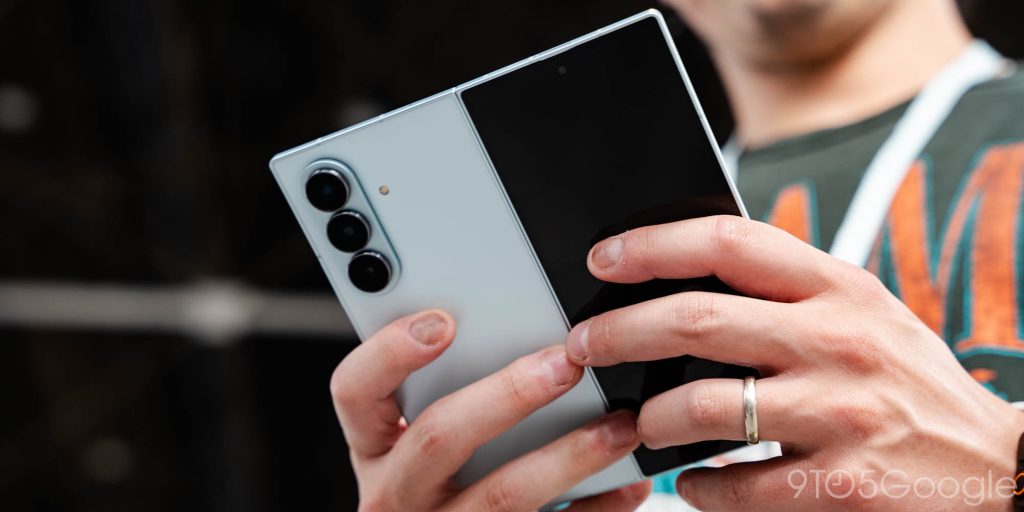
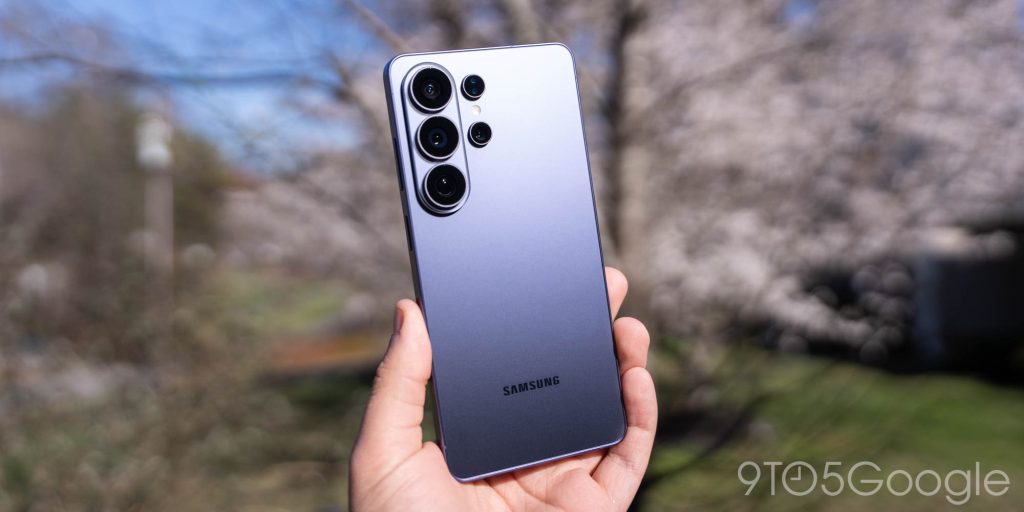
The latest Samsung flagships include the Galaxy S26 series, as well as foldable smartphones such as Galaxy Z Fold 7 and Flip 7.
The flagship market is only a fraction of the company’s total smartphone sales. It’s actually more affordable devices such as the Galaxy A series that really earn Samsung its spot in the industry. The Galaxy A series has produced some of the best-selling Android smartphones in the world for the past few years, for instance, with the Galaxy A50 and Galaxy A51 both topping the charts in their respective release windows.

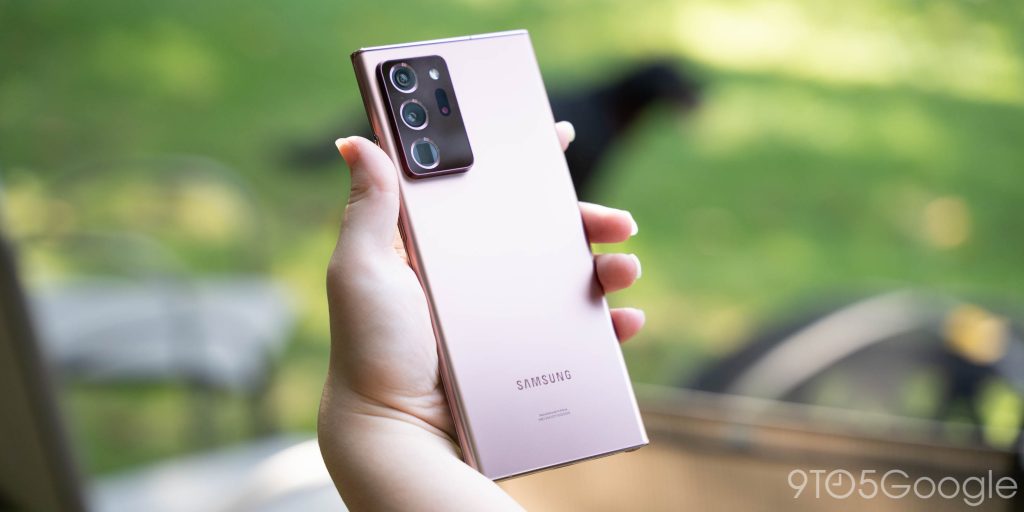
To say Samsung’s smartphones have been influential is an understatement, as the brand has produced some of the biggest trends in the industry. Most memorable is the rise of large-screen smartphones. In 2011, just two years into the rise of its Android-based Galaxy line, Samsung debuted the original Galaxy Note, which was ridiculed for its large 5.3-inch display. The phone went on to sell 10 million units and spawn nine popular sequels leading up to the Galaxy Note 20 series in 2020. In 2016, Samsung famously released the Galaxy Note 7, which was recalled due to batteries that were bursting and catching fire. The phone was discontinued, and fans ultimately had to wait until the Note 8 was released a year later. In 2021, Samsung reportedly canceled its Galaxy Note 21 series due to the ongoing chip shortage, and the best of the Note has now been merged into the ongoing Galaxy S “Ultra” release.
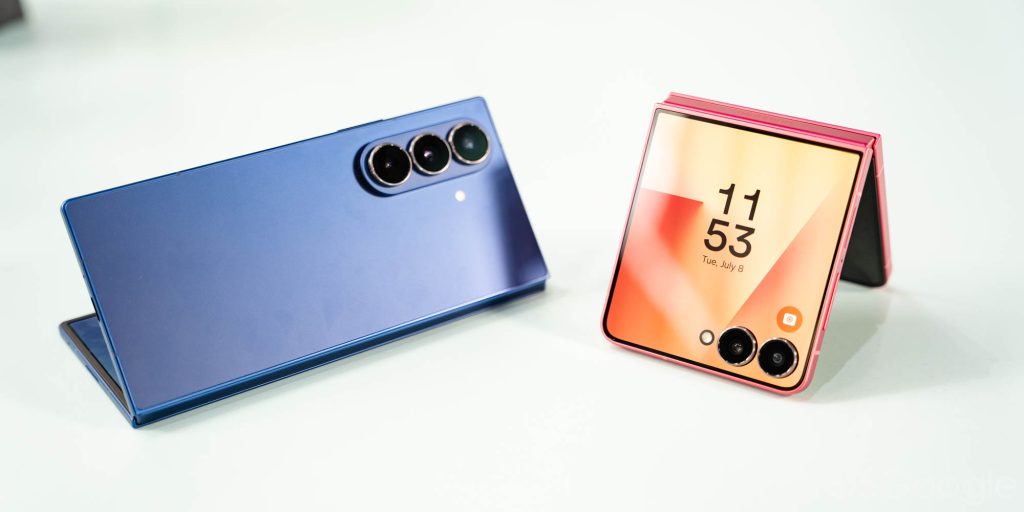
In 2019, Samsung announced its first foldable smartphone in the Galaxy Fold. The book-style foldable had high-end specs and an inner display that was far larger than what could traditionally fit in a pocket, but its launch was met with negativity as several early reviewers faced major issues with the inner display. The company opted to cancel the launch and redesign the product, relaunching it months later with several solutions. In 2020, the Galaxy Z Flip debuted with much better reception and solutions for problems that plagued the Fold, though with a new flip-phone style design. The Galaxy Z Fold 2 took those same ideas and applied them to the original design while improving the displays both inside and out.

Samsung has continued to build on this form factor each year, often with big improvements, including water resistance, better hinges, upgraded cameras, and more.

Galaxy Z Fold 7, especially, proved to be a major update, offering a much thinner form factor that finally caught up to other foldable makers. It was successful, too, with Samsung reporting record sales after the device was released.
What other products does Samsung sell?

Beyond its extremely successful smartphones, Samsung sells a plethora of other products. There are TVs, home appliances, and more. The company also products and sells electrical components, AMOLED displays, and more to other companies.

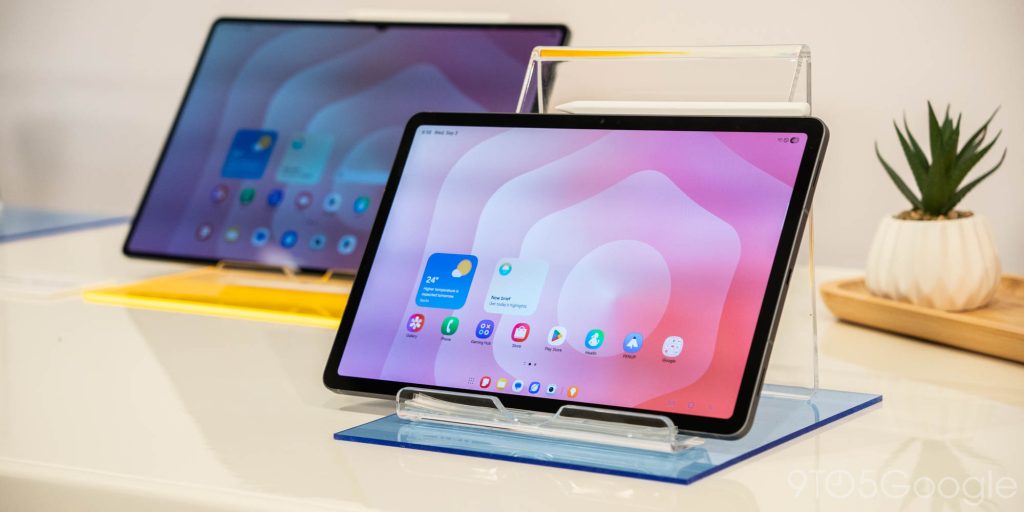
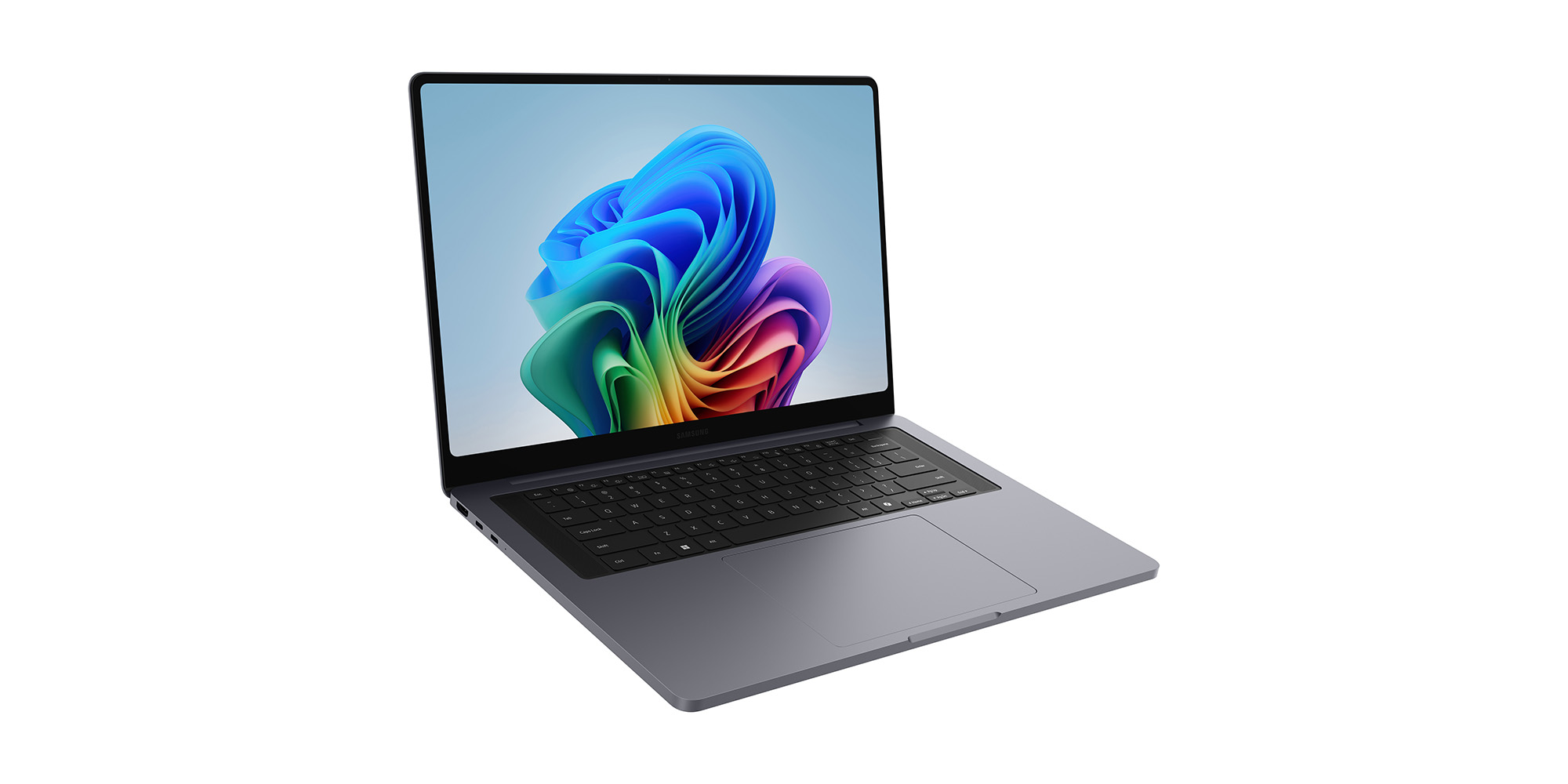
Relating closely to its smartphones, though, are Samsung’s tablets, laptops, and smartwatches. Android tablets are fairly rare on the market, but the Galaxy Tab series has stuck around as an affordable option as well as a flagship one, the latter usually including support for DeX. The company also products laptops using both Microsoft’s Windows and Google’s ChromeOS, the former linking to Galaxy phones using the “Your Phone” integration that is deeply built into One UI.

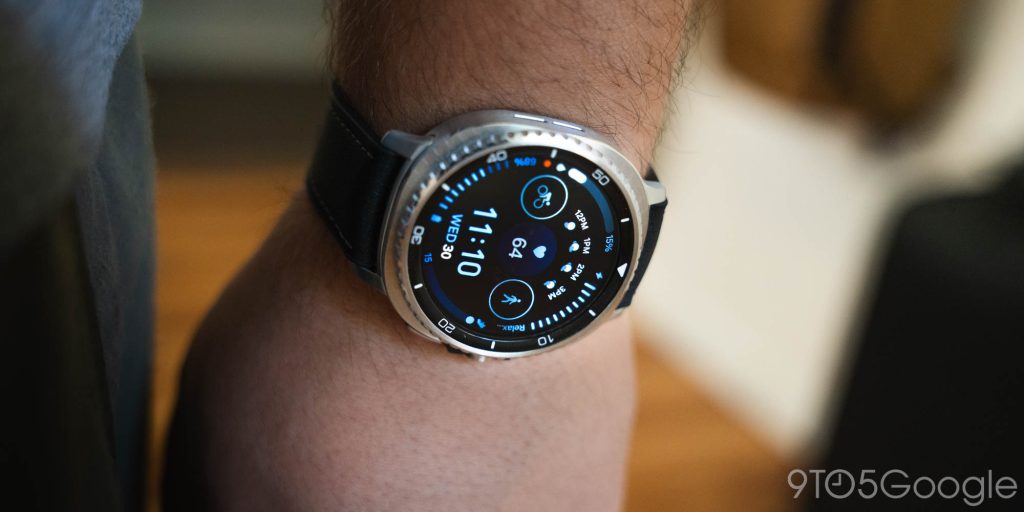
Finally, the Galaxy Watch lineup has been one of the best options for an Android-compatible smartwatch, and each model pairs best with a Galaxy smartphone.
Check out our up-to-date coverage of everything Samsung below.

Android camp upbeat as Google lays hands on 25,000 Motorola Mobility patents

Site default logo image

The web is abuzz with the news that Google is snapping up Motorola Mobility in a deal valued at $12.5 billion. And while there are concerns that Google is pursuing the deal purely for the patents, CEO Larry Page said in a blog post that the agreement will let them “supercharge the Android ecosystem” by fending off patent threats from Apple, Microsoft and other companies. In addition, he dropped hints of “wonderful user experiences” in a nod at tightly integrated devices that Apple famously builds.

Now, conventional wisdom has it that the transaction will put other Android backers in an uneasy position as they get to compete with Motorola on an uneven playing field. Not to worry, Boy Genius Report has reactions from major Android backers that appear to be upbeat about the deal. For example, J.K. Shin, president of Samsung’s Mobile Communications division says:

We welcome today’s news, which demonstrates Google’s deep commitment to defending Android, its partners, and the ecosystem.

The publication quoted similar statements by executives from HTC, LG and Sony Ericsson that Google published on their site. On the other hand, as noted by Business Insider, Android backers cannot be satisfied with the outcome of this time, regardless of their voice of support. TIMN wonders what this deal means for the future of Motorola products and the level of Google’s involvement in product development. So far, this is about intellectual property. Motorola Mobility CEO Sanjay Jha revealed in a conference call discussing the Google deal that his company controls a rich patent portfolio of 17,000 issued patents and 7,500 patent applications filed, indicating that Google will use this patent war chest as a powerful leverage against legal pressure from rivals Apple and Microsoft.

Google’s chief legal officer David Drummond said this in the call:


Expand
Expanding
Close

Samsung roadmap leaks, suggests Ice Cream Sandwich, 720P smartphones and more

Site default logo image

Mobili Inija has leaked Samsung’s roadmap, leaving us very impressed with what’s ahead. A 7-inch Galaxy Tab, supercharged smartphones running Ice Cream Sandwich, and entry level phones are coming up soon — hopefully by the end of the year.

The supposed 7-inch Galaxy Tab is codenamed the P6200, running Honeycomb on a 1024 x 600 display, with HSPA+, a 3-megapixel shooter on the back, and 2-megapixels up front. Samsung will also make it available in a Wi-Fi only version — the P610.  We’re assuming it will be much thinner and faster than the current model which also carries the above specs.

As for the supercharged smartphones, there will be two. The GT-I9250 packs a 4-inch screen with a 1280 x 720 resolution, 5-megapixel camera, an unspecified processor (probably dual-core), and Ice Cream Sandwich. The GT-I9220 is the bigger version, packing a 5-inch screen with a 1280 x 820 Super AMOLED Plus panel, dual-core 1.4GHz processor, 8-megapixel camera, and Android 2.3 Gingerbread (where’s the ICS LOVE!). These phones look very similar to HTC’s rumored Vigor. Could this be the Nexus 4G?

Lastly, the GT-I8150 will pack a 3.7-inch screen, 4GB of internal storage, HSPA+ connectivity, and a 5-megapixel camera. It will have a VGA front-facing camera and 720p 30fps HD video recording.

According to the leaks there are also entry level devices coming up in Samsung’s lineup. Hear about those after the break. (via Slashgear)


Expand
Expanding
Close

Samsung announces the “Galaxy R” with NVIDIA Tegra 2 dual-core, full specs below

Site default logo image

[youtube=http://www.youtube.com/watch?v=_sxBvpEwgGc&]

It’s official…Today Samsung and NVIDIA have outed their latest Android 2.3 Gingerbread-powered device in the Galaxy smartphone (superphone?) family, which we now know will sport a 900 x480 4.19-inch “Super Clear” LCD display, Tegra 2 dual-core processor, front-facing 1.3mp camera, and a 5mp rear camera with LED flash that supports HD video recording. Full specs from the press release after the break.

The press release describes the Galaxy R as a”lightweight, slim and sleek metallic design, the GALAXY R Smartphone delivers incredible performance thanks to its Dual Core processor”… which is all true, but we can’t help but feel this device is specifically for those that don’t require everything packed into the obviously superior, but very similar, Galaxy S II. Either way, we aren’t complaining about having another powerful Android-based device on the market that resembles the S II.

Expand
Expanding
Close

Updated: Samsung Responds… Apple stops Samsung Galaxy Tab 10.1 distribution in European Union

Site default logo image

Update: Samsung has issued the following statement (via TNW) addressing the court’s decision to grant Apple the preliminary injunction:

Samsung is disappointed with the court’s decision and we intend to act immediately to defend our intellectual property rights through the ongoing legal proceedings in Germany and will continue to actively defend these rights throughout the world.

The request for injunction was filed with no notice to Samsung, and the order was issued without any hearing or presentation of evidence from Samsung.

We will take all necessary measures to ensure Samsung’s innovative mobile communications devices are available to customers in Europe and around the world.

This decision by the court in Germany in no way influences other legal proceedings filed with the courts in Europe and elsewhere.

Reports are coming in that Apple has been granted a preliminary injunction for the entire European Union (excluding Netherlands) that will halt distribution of Samsung’s Galaxy Tab 10.1. This comes on the heels of a postponed launch of the device in Australia due to a lawsuit with Apple. If you’ve been in the market for an Android-based tablet, you might have to grab one of those new Vizio tablets or wait for the rumored Kal-El Honeycomb powered “Motorola Kore”.

The decision by the Regional Court of Dusseldorf in Germany to block sales of the device comes after a judge sided with Apple on claims that Galaxy Tab copied key design components related to the iPad 2. While Samsung can appeal the court’s decision sometime in the next month, the Telegraph’s Shane Richmond is quick to point out it would be heard by the same judge. Apple is also said to have a separate lawsuit filed in the Netherlands as well.

Samsung had this to say in a recent statement about their legal disputes with Apple:

“Samsung believes that there is no legal basis for this assertion. We will continue to serve our customers and distributors and the sale of Samsung products will be continued.”

And Apple has made their stance on the situation clear…

Expand
Expanding
Close

Google “movies” update rolling out to Galaxy Tab Touchwiz UX users now

Site default logo image

Looks like owners of that shiny new Touchwiz UX update for Samsung’s Galaxy Tab 10.1 are waking up to a new “Movies” tab pushed out via an update earlier today. Touchwiz came preinstalled with a few video related apps including Google Videos, however none of these provided the option to purchase movies and TV from the Market.

If you haven’t received the update yet, be patient, as it should be rolling out slowly to all users running the Touchwiz UX upgrade within a day or two. You’ll have to accept the new terms of service upon updating to access the feature. We’ll let you know if we find anything else of interest in this latest update.

The TouchWiz UX update for Samsung’s Galaxy Tab 10.1 brought a number of new features and UI enhanceements to the Honeycomb-based tablet. Some of the more notable features include a new dock-like app launcher, quick-access to settings, mobile printing, and the Swype app for tablets preinstalled. Check out our 5-minute video walkthrough here.

Expand
Expanding
Close

Download the Samsung Galaxy Tab 10.1 TouchWiz over-the-air update now

Site default logo image

[youtube=http://www.youtube.com/watch?v=hlLP3RXkmUQ&]

We brought you our 5-minute video walkthrough of the new TouchWiz UX update for Samsung’s Honeycomb-powered Galaxy Tab 10.1, and now the somewhat underwhelming 188mb firmware refresh is available as an over-the-air update.

Some of the more notable features include a new dock-like application launcher, the Swype for tablets app, and mobile printing. You may, however, want to wait this one out, as Samsung’s Gavin Kim confirms to the WSJ the OTA update will not be reversible:

Users, who will receive the over-the-air download for their WiFi devices beginning Friday, won’t be able to remove the Samsung features even if they desire to return to the standard Android platform, Mr. Kim said.

If you’re having trouble getting the update, make sure you’ve set up a Samsung account on your Galaxy Tab. Full list of features from the official press release below, if you’re interested.

Expand
Expanding
Close

Samsung airs new adverts pitching “thinner, lighter, faster” Galaxy Tab

Site default logo image

[youtube=http://www.youtube.com/watch?v=CyJIbTVEkp8]

Samsung is showing no signs of downplaying their tablet marketing amid the ugly patent spat with Apple. On Thursday the company aired a trio of new adverts that pitch its Galaxy Tab tablet as being “thinner”, “lighter” and “faster”, presumably compared to the market-leading iPad. The “Lighter” commercial brags about the Galaxy Tab weighing in “at a dainty 565 grams – as light and portable as they come“. iPad 2 weighs in at 601 grams.

The “Thinner” advert says their tablet “does what other tablets can only dream of”, underscoring “the sleek design you’ve come to expect of all Samsung Galaxy Tabs”. iPad 2’s profile measures 8.8mm versus 8.6mm for Samsung’s device. Interestingly, design is one of the treats Apple said Samsung “slavishly copied” from them.

The “Faster” commercial touts Galaxy Tab’s processors capable of “handling even the largest of video files with ease” and making “buffering a relic of the past”. Go past the fold to check out the remaining two Galaxy Tab commercials.


Expand
Expanding
Close

Leaked Verizon document hints Bionic release date and more

Site default logo image

IGN has discovered a leaked Verizon document going over the release date for many upcoming devices this fall. The Droid BIONIC, which we’ve been waiting forever for, is set to launch September 8th according to the doc. Also, it appears the Motorola Xoom LTE is launching the 8th.

Something we haven’t quite heard of is the Samsung Galaxy Tab P8, which is set for November according to the doc. This in fact could be the 8.9-inch Galaxy Tab we’ve seen floating around. Android Central outlines:

  • Samsung Stratosphere on Sep 8
  • Motorola Droid Bionic on Sep 8
  • Motorola Xoom LTE on Sep 8 (3G to 4G upgrade could be one week earlier)
  • HTC Bliss with Android 2.3 on Sep 29
  • HTC Vigor is slated to replace the Thunderbolt on Oct 5
  • LG Revolution 2 to replace the LG Revolution on Oct 20
  • Samsung Galaxy Tab P8 with LTE in November
    Expand
    Expanding
    Close

Samsung unveils a handful of Galaxy Tab 10.1 accessories

Site default logo image

Along with announcing the new Touchwiz software today at their media event, Samsung has announced a handful of new accessories for the Galaxy Tab 10.1. This is a long list, so bear with us..The $50 Multimedia Dock props the Tab in landscape mode for charging and HDMI-out. The $80 Ultra Productivity Tool features a full-sized keyboard with Android shortcuts and charging capabilities. The $150 Premium Protective case turns the Tab into a notebook with a Bluetooth keyboard and a hinge.

The $40 HDTV adapter offers 1080p out. The $40 SD/USB adapter for accessory input. The $60 Premium Book Cover allows you to prop up the device for web browsing or viewing movies. And finally, the $20 pen tip is a stylus with a silicon tip. (More coverage at Engadget)

To hedge the risk, Samsung exploring InterDigital patents (Apple, Google and everyone else, too)

Site default logo image

Over the past few weeks, the patent arms race has been accelerating and the latest comes in a Bloomberg story that has old frenemies – Apple, Google and Samsung – locked in a fight for InterDigital’s patent portfolio. Samsung is said to be interested the most in InterDigita’s intellectual property their CEO claims is “stronger” than the 6,000 Nortel patents the Apple-led consortium recently acquired for $4.5 billion. People familiar with the matter tell the publication Samsung has been “approached to make a bid”:

Samsung is looking at the patents along with Apple Inc. (AAPL), Google Inc. (GOOG) and other potential bidders, said the people, who asked not to be identified because the talks are private. InterDigital, which holds patents related to mobile technologies used to transfer information, said last month that it hired bankers as it considers a sale.

InterDigital’s patent portfolio covers technology for high-speed cellphone networks “now used by the world’s biggest handset makers”, including Apple’s iPhone as well as BlackBerry and Android phones. The portfolio includes 8,000 patents in total and is estimated to be worth $5 billion or more. “To hedge the risk, Samsung could go ahead with bidding, although they may have to pay a big premium”, says  Shinyoung Securities Co. analyst Lee Seung Woo…


Expand
Expanding
Close

Samsung closing 20M units gap between Nokia to become #1 phone maker in H2 as Android reaches 50+ percent penetration

Site default logo image

If you deemed the nearly 20 million smartphones Samsung shipped in the June quarter an impressive figure, brace yourself for even more extraordinary achievement in the second half of 2011 as DigiTimes reports that Samsung “has placed orders for 30 million touch sensors used to make four-inch AMOLED screens”. Suppliers Chunghwa Picture Tubes and others are said to be the prime beneficiaries of Samsung’s booming smartphone business. Of course, Samsung sources touch sensors from other suppliers so their final order may well exceed the quoted figure. As evident in the below chart from Asymco’s Horace Dediu, the Korean company’s been growing at an exponential rate, eclipsing Apple’s 142 percent annual growth in iPhone shipments.

The company, however, all but displaced Apple, which just toppled Nokia to become the world’s leading smartphone vendor. Being the leading Android backer, Samsung’s success has helped the Google operating system reach more than 50 percent platform share of all smartphones, more than double the iOS share of 19 percent, per latest Canalys survey. That said, it’s entirely plausible that this year Samsung could overtake Apple and become both the world’s leading smartphone vendor, while Apple remains the industry’s leading player in terms of revenues and profit. Also notable, a  gap between Samsung and market leader Nokia is narrowing fast…


Expand
Expanding
Close

Samsung agrees not to sell Galaxy Tab 10.1 in Australia until Apple lawsuit is resolved

Site default logo image

Update: Samsung issued a statement and a “workaround”

In a surprising turn of events to anyone following the ongoing Apple vs. Samsung spat, Bloomberg reported this morning that Samsung has agreed to temporarily cease sales of the Galaxy Tab 10.1 tablet until their legal dispute with Apple is settled or they win court approval:

Apple Inc. escalated a patent dispute against Samsung Electronics Co. and won an agreement that the South Korean company won’t sell the newest version of its tablet computer in Australia until a lawsuit is resolved. Samsung, based in Suwon, South Korea, agreed to stop advertising the Galaxy Tab 10.1 in Australia and not to sell the device until it wins court approval or the lawsuit is resolved.

It’s interesting because Samsung was advertising the Galaxy Tab 10.1 launch in the country since July 20. Still, carriers Vodafone and Optus both hinted at plans to offer the device to their Australian customers “soon”. Samsung’s decision came as a lawyer for Apple sought an injunction before Federal Court Justice Annabelle Bennett in Sydney, claiming Samsung’s tablet infringes ten Apple patents. With that in mind, Samsung’s clearly on the defensive here. Apple also wants wants to “stop Samsung from selling the tablet in other countries” and Samsung’s conceding to Apple may have set an important precedence for other countries. Of course…


Expand
Expanding
Close

Samsung stops disclosing phone and tablet sales for competitive reasons

Site default logo image

Samsung, which reported earnings today, also said it would stop reporting sales data and forecasts for its mobile phones and tablets, “probably due to its continuing legal battle with Apple”, analysts tell The Wall Street Journal. The company did not provide phone or tablet sales data in today’s earnings report, the decision Robert Yi, Samsung’s chief of investor relations, said in a conference call with analysts was due to competitive reasons:

As competition intensifies, there are increased risks that the information we provide may adversely affect our own businesses.

And in the earnings release Samsung only wrote that “shipments of mobile handsets increased in the high-single-digit range quarter-on-quarter”. Per latest IDC and ABI Research second-quarter cell phone survey, Samsung shipped…


Expand
Expanding
Close

Picture of white Galaxy S II leaks, leaves us salivating

Site default logo image

Wow, isn’t she pretty? A picture of the white Galaxy S II has leaked, and it’s looking pretty legit to us. A UK retailer announced yesterday that the white version will be available August 15th, after seeing much success of the Galaxy S II we currently know and love. Live in the U.S. and interested in the Galaxy S II? Go sign up on Samsung’s official page, and pray to the smartphone gods that the white will land on U.S. shores.

via Engadget

Nielsen: Android top phone OS in the US, HTC #1 Android vendor

Site default logo image

Research firm Nielsen chimed in today with a survey that puts Apple as the leading handset maker in the United States whilst Android is portrayed as the top mobile operating system in the country. Those findings follow a recent analysis which had Apple overtaking Nokia to become the world’s leading smartphone vendor in July, also corroborated  by IDC figures. According to Nielsen’s June data, Google’s Android remains the nation’s top phone platform with a 39 percent of the country’s consumer smartphone market. Apple’s iOS follows with 28 percent and BlackBerry maker Research In Motion continues to bleed share, down to 20 percent in the second quarter of 2011. Windows Mobile and Windows Phone combined grabbed nine percent, webOS and Palm OS were barely a blip with two percent, as was Nokia’s dying Symbian OS.

Apple on the other hand is the top smartphone maker in the United States that controls 28 percent of the market (excluding iPods and iPads). That’s partly “because Apple is the only company manufacturing smartphones with the iOS operating system”, Nielsen argues. HTC shares second spot with Research In Motion with a fourteen percent share of Android devices and six percent of Windows Phones for a total of 20 percent share of the whole market, same as the BlackBerry maker. HTC is also the nation’s leading Android and Windows Phone vendor with 14 percent and six percent share, respectively. No wonder Apple is suing HTC and seeking to ban import of their phones into the US…


Expand
Expanding
Close

IMS Research: Samsung, Apple the biggest beneficiaries of the Nokia downfall

Site default logo image

IMS Research put out a study estimating that some 420 million smartphones will be sold worldwide in the 2011 calendar year, or 28 percent of all handsets sold. The survey portrays Apple as making huge gains in the space, buoyed on the sales of 18.65 million and 20.34 million iPhones in their last two quarters – enough to garner a 19 percent share of the global smartphone market. Combined with Nokia’s slumping sales, Apple emerged as the world’s leading smartphone maker.

It remains to be seen whether Samsung, which is due to report its earnings Friday, will beat Apple’s smartphone sales (some say it will). IMS noted the fact that the company grew their share of global smartphone market from three percent in the first quarter of 2010 to 13 percent in the first quarter of this year. Samsung, as you know, sells phones powered by Google’s and Microsoft’s software in addition to their own operating system for feature phones, Bada. IMS’s Analyst Josh Builta says this of LG:

LG, despite being the third largest OEM in the world, has offered a fairly limited smartphone portfolio in recent years, a factor that resulted in the company reaching less than a three percent share of the total smartphone market in 2010.

However, Nokia’s fall surprised even the most seasoned watchers and is unheard of in this industry. Nokia, the Finnish phone giant, lost 16 percentage points of its smartphone market share, going from a 40 percent share last year to 24 percent in the first quarter of 2010. They shipped 16.74 million smartphones in the June quarter – a 34 percent annual decline – versus Apple’s 20.34 million units – a 134 percent annual increase. Nokia also killed Symbian and is only shipping the well-received but short-lived MeeGo-powered N9 to select markets. Here’s how the analyst described Nokia’s problem:

Clearly one of the key dynamics of the mobile handset competitive environment in recent years has been the inability of many traditional market leaders to recognize and adjust to the growing smartphone tier. The reasons for these failures vary and include everything from poorly designed and manufactured devices, unsatisfactory user interfaces, and portfolios that don’t offer products with a differentiating feature. These lapses have created opportunities for newer entrants to the market, which they have aggressively pursued.

Research In Motion fell from 20 percent to 15 percent in the same period, mind you. IMS sees one billion smartphones by 2016 as average selling prices drop and vendors release more inexpensive handsets. Smartphones then will account for one of every two mobile handsets sold, the research firm concludes.

Cross-posted on 9to5Mac.com
Expand
Expanding
Close

HTC: We will not adopt mobile chips from Samsung

Site default logo image


An iFixit teardown of HTC’s Evo 4G reveals a 1GHz Qualcomm Snapdragon processor. HTC denied jumping ship to adopt Samsung-manufactured chips.

Recently, there has been talk of Taiwanese handset maker HTC adopting mobile processors from Samsung in an effort to reduce manufacturing costs and royalty fees, the move that would be called a major blow to HTC’s current chip supplier, Qualcomm. Responding to the rumors, HTC denied the reporting, Taiwanese trade publication DigiTimes reports.

Having procured memory products and display panels from Samsung, HTC is unlikely to add procurement of mobile processors to heavily rely on Samsung, the sources analyzed. In addition, adoption of Samsung’s mobile processors would not help decrease royalty payments because HTC still has to pay royalty to owners of patents concerned, such as Qualcomm, Nokia and Microsoft, the sources pointed out.

The source also noted that HTC “has adopted ST-Ericsson’s U8500 platform for entry- to mid-level smartphone models to be launched in the first half of 2012”. HTC is paying an estimated $5 per each Android handset sold as part of their patent protection agreement with Microsoft. Obviously, the company knows better than to become trapped with a sole supplier like Samsung…

Look at what happened to Apple, Samsung’s biggest buyer of various components, including custom-designed A4/A5 processors for iPhones, iPods and iPads and NAND flash chips for computers and mobile gadgets. Following increased competition from Samsung’s Galaxy Tab tablet and Galaxy S smartphone families, Apple and Samsung become frenemies. The California gadget maker is now suing “copyist” Samsung and reportedly taking its billions of dollars in orders elsewhere, including next-generation A6 processor manufacturing to TSMC.


Expand
Expanding
Close

AT&T flagship Samsung Android slider leaks

Site default logo image

BGR has received an exclusive photo of a Samsung Android slider headed to AT&T. There aren’t many details regarding this device, other than the fact it has a QWERTY keyboard, four-button layout opposed to three, and will be AT&T’s flagship Android device. Will this accompany the AT&T Droid Bionic varient we showed yesterday?

Update: BGR has posted photos of the Galaxy S II headed to AT&T. Check it out after the break.


Expand
Expanding
Close

Acer’s ex-CEO rumored to join Samsung and help boost Chromebook sales

Site default logo image

As you know, Acer lost its CEO Gianfranco Lanci who resigned in March for his inability to produce an answer to Apple’s iPad which ushered in the post-PC era. At the same time, Samsung’s notebook shipments are declining due to weak netbook sales affected by, you guessed right, the iPad and tablets in general. It doesn’t come as a surprise then that Lanci is rumored to be joining Samsung Electronics in August to “help the Korea-based electronics giant expand its notebook business, especially in Europe”, per DigiTimes’ article:

Unconfirmed reports indicate that Dell and Samsung have both contacted Lanci, aiming to leverage the former Acer CEO’s expertise in the management of channel sales in Europe. Acer, Asustek Computer as well as Hewlett-Packard (HP) which all count Europe as one of their leading markets, reportedly have been on high alert on Lanci’s move, said the sources.

One possible issue: Lanci signed a one-year non-compete agreement with Acer when he resigned on March 31. This, the sources assert, should be settled easily between Samsung and Acer should Lanci take the job. Samsung is the world’s seventh-largest notebook vendor by units and sixth in Europe. They shipped 9.9 million notebooks in 2010, IDC estimated, and are one of the premium partners authorized to manufacture Chromebooks. On top of inexpensive netbooks and notebooks, Samsung is also increasingly rivaling Apple with flagship offerings such as the Series 9, an ultrathin notebook The Wall Street Journal columnist Walt Mossberg likened to the MacBook Air. That machine is also on T3’s Gadget Awards 2011 shortlist in Computer of the Year and T3 Design Award categories. In addition to Samsung, Acer stumbled, too…
Expand
Expanding
Close

Report: Samsung may have passed Apple in smartphone sales

Site default logo image

Due to their wide variety of popular Android devices, Samsung “may have” surpassed Apple in smartphone sales according to Boston-based Strategy Analytics. In Q2 2011 Samsung is estimated to have sold between 18 – 21 million smartphones, while Apple sold 20.3 million iPhones, and Nokia sold 16.7 million.  Certainly, they are at least #2.

Much of Samsung’s success is credited to sales of the Galaxy S II which has been booming overseas.

It’s far from official that Samsung has surpassed Apple, but at any rate they’re becoming a close competitor. We can’t wait to look at these numbers again when the Galaxy S II hits U.S. shores, but then again, the iPhone 5 is reportedly on its way too.

via Bloomberg 

Samsung Galaxy S II will hit the U.S. in August

Site default logo image

The Galaxy S II has seen much success in Europe, and we’ve seen leaks pointing to its arrival in the great states. During a South Korean media event yesterday, Samsung’s chief of mobile business division confirmed our suspicion, saying the phone will land in August. Will we see the European version or the ‘Samsung Within’?

via Yonhap News

PlayBook exec leaves for Samsung

Site default logo image

Brain drain at Research In Motion continues with the news that the PlayBook senior product manager Ryan Bidan left for greener pastures at Samsung. Bidan is third high-ranked RIM executives to defect for Samsung following the departures of the company’s vice president of digital marketing and media Brian Wallace last month. CrackBerry reports that Bidan is now Director of Product Marketing at Samsung Telecommunications America and Bidan’s LinkedIn profile confirms this. Prior to joining RIM in October 2008, Bidan was Product Manager at Microsoft’s Games division and Operations Manager at WorldWithoutWire. Two weeks ago Samsung’s chief product and technology officer Omar Khan resigned and went on to work for Citigroup, but it’s unclear whether Bidan will fill his shoes.


Expand
Expanding
Close

Gingerbread 2.3.4 leaks for Samsung Galaxy S II

Site default logo image

Android 2.3.4, a minor update to the Gingerbread-named release of Google’s operating system for smartphones has leaked onto the web ahead of the official carrier release. For now, it’s only available for Samsung’s Galaxy S II smartphone through the means of a downloadable firmware file. Even though it’s only a minor update, Gingerbread 2.3.4 carries a few little surprises worth mentioning. For instance, the update enables Google Talk video calling on Samsung’s device and battery life improvements are also being reported. Some early adopters also claim improved reception due to an updated baseband software. If you’re eager to take the plunge and install the new firmware yourself (and void your warranty in the process), check out a handy guide and download links over at the SAMFirmware blog.


Expand
Expanding
Close

Gloomy prognosis for Samsung in spite of impressive phone sales

Site default logo image

Samsung today posted a 26-percent drop in Q2 profits because its television and semiconductor operations are shrinking. Profits fell to 3.7 trillion won, or about $3.5 billion, versus 5.01 trillion in the year-ago quarter. The drop is being blamed on Samsung’s flat panel unit which is bleeding money for a second consecutive quarter now. Because demand for 3D TVs and consumer electronics in general is weakening, Samsung’s flat panel division has generated an operating loss of 73.5 billion won ($69.1 million) in the second quarter, Bloomberg explains. Just a year ago, the same unit profited 880 billion won (about $827 million). Slim margins and low prices in the cut-throat television business don’t help either. A Kiwoom Securities Co. analyst Kim Sung In slammed the company:

Only the phone business is holding up. Everything else is looking bad. There’s no bright picture for the company looking ahead.

Maybe the flat panel division will recover if Apple brings out an intelligent, networked television set in 2012 using flat panels from Samsung? It’s all peachy for their mobile devices unit which has benefited from strong smartphone and tablet sales. A recent comScore survey put Samsung as the #1 smartphone brand in the US that accounted for 24.8 percent share of all mobile phone subscribers aged 13 and up. What about other metrics?

Expand
Expanding
Close