Author

Avatar for Jordan Kahn

Jordan Kahn

jordankahn

Senior Editor

9to5Mac / 9to5Google / 9to5Toys / Electrek.co

Jordan writes about all things Apple as Senior Editor of 9to5Mac. He covers Google for 9to5Google.com, the best gadgets and deals on 9to5Toys.com, and delivers a weekly roundup of EV and solar news on Electrek.co. Sometimes he makes weird electronic music as one half of Makamachine.

Contact Jordan with news tips and long-winded complaints:  

Connect with Jordan Kahn

Google announces new 11-inch HP Chromebook starting at $269

Site default logo image

HP-Chromebook-11

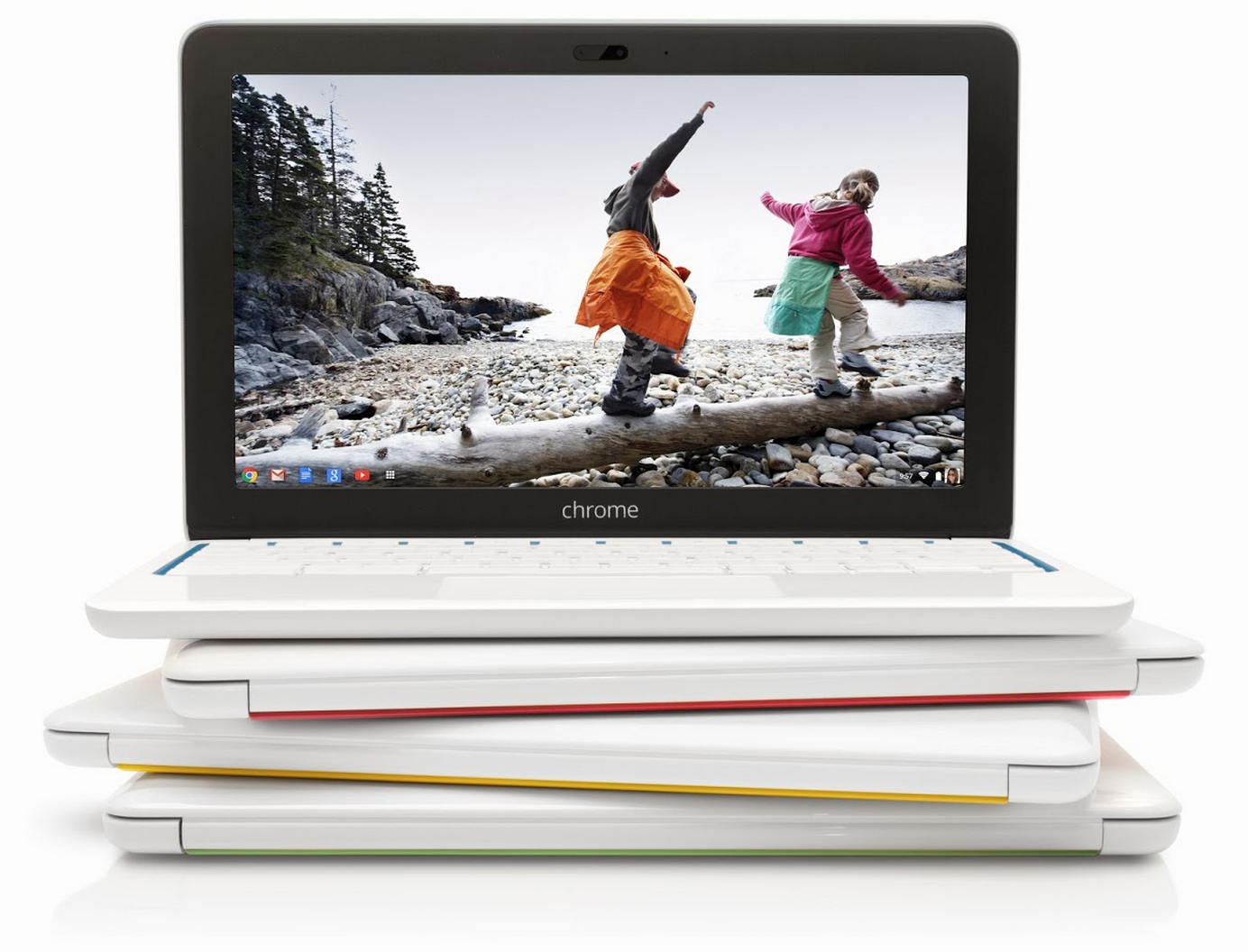
Google has just made things official on its blog for a new Chromebook model from HP that will be hitting stores later today both online and in brick-and-mortar retail stores in select locations. The HP Chromebook 11 will sell for $279 (although it’s listed for $269 through HP), which puts it somewhere between Samsung’s 11-inch $249 Chromebook and HP’s recently announced Chromebook 14. It doesn’t, however, sport a touchscreen like the Pixel or incoming Chromebooks from Acer.

As for the design, HP says it worked with Google to come with a design inspired by the Chromebook Pixel but at a more affordable price point. It’s including a variety of colors as pictured above, but its specs are similar to other Chromebooks including a Samsung Exynos 5250 ARM processor.

[youtube=http://www.youtube.com/watch?v=gOyIA8EK2R0]

The new HP Chromebook 11 focuses on a super light and portable design, according to Google. It comes in at just over two pounds, making it one of the lightest laptops available, and also powers up using a micro-USB charger opposed to your traditional power cable. That makes it even more ideal for people that are on the go or traveling. The Chromebook includes an Samsung Exynos 5250 ARM processor, full-sized keyboard and trackpad, optional LTE connectivity, two USB ports, and features an 11.6-inch 1366 x 768 resolution IPS display. You’ll also get 16GB of onboard storage (+100GB Drive storage) and 2GB of RAM. HP ran down some of the specs on its website:
Expand
Expanding
Close
Google Shopping rolling out new local product listing ads and storefront

Site default logo image

Google noted today on its InsideAdWords blog that it has been slowly rolling out two new features for Google Shopping that will provide users with more results for local business whens searching Google for products. As pictured above, Google is now including ads from local businesses when users search for products, and clicking those ads will take them to a brand new “local storefront” where they can browse items:
Expand
Expanding
Close

Google adds public Transit directions to Glass for Android users

Site default logo image

Google announced today that its latest update to Glass (XE10) includes a few new features with the most notable being the addition of Transit directions. Now, Google Glass users paired to Android device will be able to see public transit directions in addition to other related information, like when to change trains for example, on their Glass display:

We have loads of great updates every month, but there’s one we’re particularly jazz hands about — Transit. Explorers who have paired Glass to their Android phones will now have the option to see public transit directions when navigating on Glass. When you get directions and select transit, you’ll be able to see all sorts of helpful info, like where to change trains, how far you have to walk to the bus stop and how long it should take to reach your final destination.

Google has also added the “ability to tap to select links in notifications.”
Expand
Expanding
Close

Site default logo image

Google begins displaying ads in Gmail Android app for some users

gmail-screen-ads-blur_big

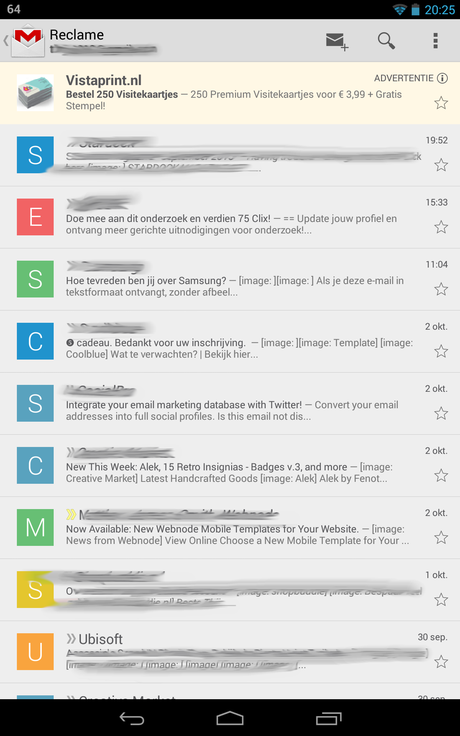
Following the discovery late last month that Google could possibly be planning on integrating ads into the Gmail app on Android, today a new report claims that it has already started doing so for at least some users. Androidworld.nl (via Phandroid) posted the screenshot above showing what appears to be ads in the Promotions inbox similar to what Google already displays on the desktop version of Gmail. It’s always possible that Google is simply testing the ads ahead of a larger rollout, but it’s worth noting that we can’t 100% guarantee the images are real. We’ll be on the lookout for the ads stateside, but you can let us know in the comments below if you’ve begun receiving advertisements in Gmail for Android.

Site default logo image

Google rolling out Android 4.3.1 update to LTE Nexus 7

Google appears to be quietly rolling out an Android 4.3.1 update for Nexus devices, although as of yet there are only reports of the LTE Nexus 7 receiving the update. The small over-the-air update (build number JLS36I) weighs in around 10MB, but as of yet not much of interest has been discovered. The 4.3.1 update lists the ability to “Create restricted profiles, for example, to limit family members’ access to apps and content on your tablet or to secure a tablet in a kiosk setting.” It also brings the usual bug fixes and performance enhancements, but we’ll keep you updated if we find anything else hiding.

Site default logo image

Sony details new PlayStation app for Android launching alongside PS4

While the company gave attendees of the Tokyo Game Show a sneak peek of its new PlayStation app coming to Android devices alongside the release of the PlayStation 4 later this year, Sony has now provided more details on its blog with some high quality screenshots of the app.

As noted by President of Sony’s Worldwide Studios Shuhei Yoshida, the app will let users send invites to multiplayer games, purchase and start downloading games PS4 games from the PlayStation network, as well as send voice and text messages to users on PS4:

“It’s an application that anyone can download for free on iOS and Android devices,” he explained…“There are a variety of things you can do with it. You can connect to your PlayStation profile, and send messages – even voice messages – to friends between your smartphone and PS4…“A friend on PS4 can also send out an invitation for a multiplayer game, which you can then check on the App, and you can also purchase PS4 games from PlayStation Store. Your game will immediately start downloading while you’re away.”

PlayStation-app-PS4-02Sony’s blog post also notes that users will be able to “compare trophies, view friends’ activity (including recorded or live-streamed gameplay on PS4) and access all the latest PlayStation Blog news.” 

Perhaps the most notable feature of the upcoming PlayStation app, however, is the ability for developers to build in a second-screen experience for PS4 games:

PlayStation App will also offer ‘second screen’ gameplay features on enabled titles. For example, during the TGS presentation Yoshida-san showed how the app interacts with THE PLAYROOM – he drew a picture of Knack on his smartphone’s touch screen and then pushed it into the PS4 game on his TV, allowing the game’s bot characters to play with the item he’d created.“But smaller developers can use PlayStation App to connect to PS4 and load an application, like drawing software for example, so that you don’t have to download and install a specific app on your smartphone. It’s open to all PS4 developers to use.”

The app is expected to launch for both Android and iOS alongside the launch of the PS4 in November.

Site default logo image

Instagram rolling out photo & video ads in the U.S. within a couple of months

Instagram-iconWhile it previously announced plans to bring advertising to its mobile app sometime this year, Instagram officially announced today that it will be rolling out both photo and video ads from select brands in the coming months. The company said that the ads will begin showing up for users in the US initially and feature “a small number of beautiful, high-quality photos and videos from a handful of brands that are already great members of the Instagram community.””
Our aim is to make any advertisements you see feel as natural to Instagram as the photos and videos many of you already enjoy from your favorite brands. After all, our team doesn’t just build Instagram, we use it each and every day. We want these ads to be enjoyable and creative in much the same way you see engaging, high-quality ads when you flip through your favorite magazine.

Instagram noted in its announcement that it will allow users to hide ads that they don’t like and also provide feedback to help improve the experience over time.

Last month we reported that Facebook was beginning to test silent, auto-playing video ads in the News Feed, and since Instagram already auto-plays videos, it’s likely its ads will be similar to those being tested with a limited number of users on Facebook:

http://www.youtube.com/watch?v=8iCH9ReoH_I

Facebook adds content from Flickr, Pinterest, Tumblr & Instagram to Home lock screen

Site default logo image

Facebook-Home-flickr-pinterest

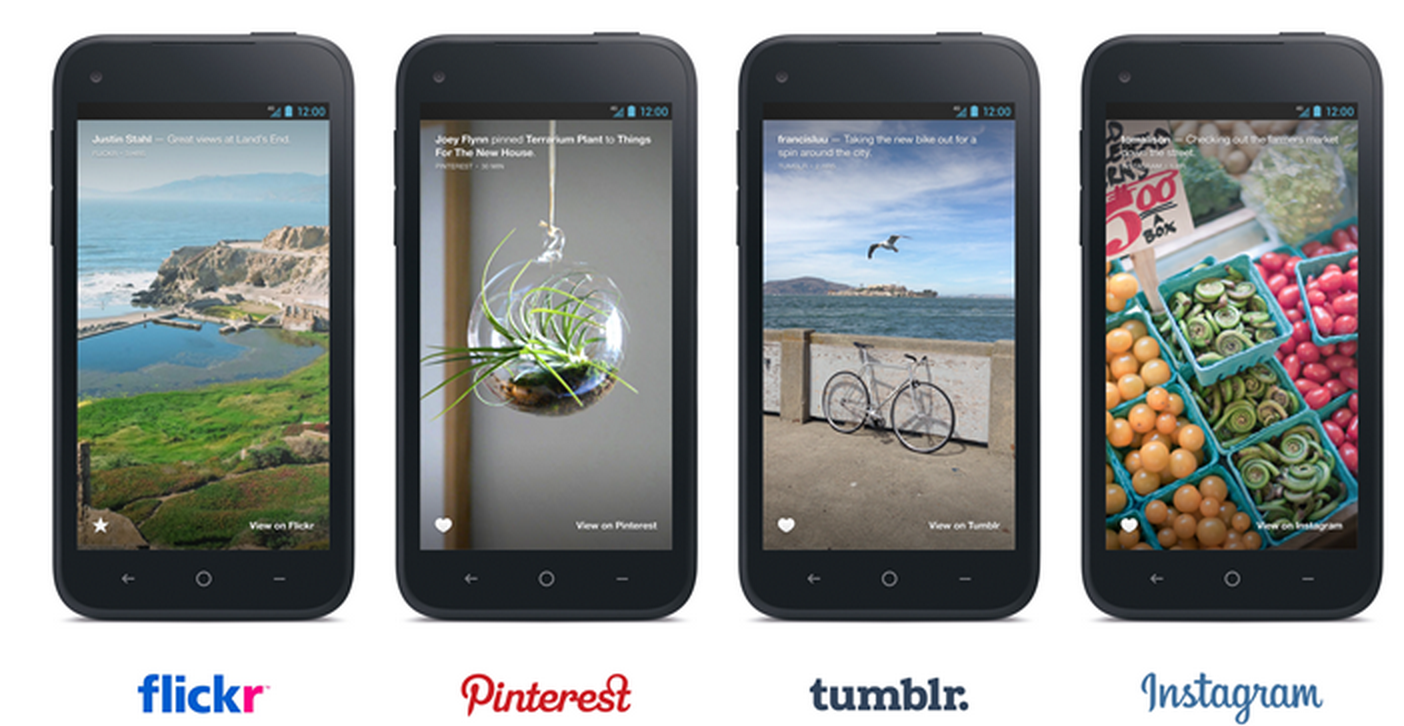
Zuckerberg recently announced that the company had plans to bring content from additional online sources to the lock screen for those using Facebook Home, and today that feature has officially been introduced in the latest Facebook for Android beta release.

At first, Facebook is adding content from Flickr, Pinterest, Tumblr, and Instagram to the Facebook Home lock screen allowing users to swipe through photos and posts alongside Facebook content. Here’s how it works:


Expand
Expanding
Close

Google opens up Glassware Review Process for third-party Glass developers

Site default logo image

Following a report late last month claiming that Google was preparing to open up Google Glass to third-party app developers, the company announced today it is opening up a new Glassware Review Process that allows anyone with Glass to submit third-party apps. Apps that are accepted will show up in the MyGlass app and Google is kicking things off with the addition of a handful of apps, including: SportsYapper, Fancy, Mashable, KitchMe and Thuuz.

As of today, you can submit your Glassware for review. Completing the Glassware review process will make your Glassware eligible to show on MyGlass and eligible to receive quota beyond the testing limit.

Google has a “Distributing Glassware” support document and checklist available to walk developers through the process:
Expand
Expanding
Close

Site default logo image

Chrome 31 Beta released with shortcuts for web apps on Android & more

Google today announced the release of Chrome Beta 31 for Android and desktop that includes new web app shortcuts on Android, an improved auto complete experience for payments, and much more.

The new application shortcuts for Chrome for Android allows you to add a shortcut to a webpage to your Android home screen. While you could already save a similar type of shortcut on Android, Google is now giving the sites an option to open in a special fullscreen mode without all the browser controls:

Sites launched in this way will open in a normal Chrome for Android window, unless they include themobile-web-app-capable meta tag. Those sites will instead open in a special fullscreen Chrome for Android window that doesn’t display tabs, buttons, menus, or the Omnibox. Try adding a shortcut to weight.aerotwist.com to see this in action.

Chrome 31 also includes a smoother experience for autocomplete on Android, Windows, and Chrome OS (soon on Mac) that makes it easier to fill out forms online starting first with payments:

requestAutocomplete() makes it easier for users to fill out online forms by offering web developers programmatic access to the browser’s autocomplete information (with the user’s explicit permission). For this first release, we’ve made it work for web payments. On sites with requestAutocomplete(), users will be able to either use their existing payment data stored with the browser or enter new details through a browser-provided interface. As a developer, you can continue processing payments with your existing payment processor.

The release has a ton of other new features and improvements including new Chrome Apps APIs, the ability for developers to execute native code with Portable Native Client (PNaCl), Speech recognition with the JavaScript Web Speech API, and much more. A full list of what’s new is available on the Chromium blog.

Google Play Music ‘All Access’ for iOS reportedly landing this month following internal beta

Site default logo image

Since first announcing its Google Play Music ‘All Access’ streaming service earlier this year on Android, Google has been delaying the release of an official Google Play Music app for iOS for unknown reasons. Android chief Sundar Pichai originally said the app would be out in “the next few weeks” in May, but four months later we’ve yet to get an iOS app or access to the $9.99 month streaming service on iOS. Today, Engadget reports that Google is continuing to test the app internally and will launch it later this month:

Sources aware of Google’s plans have let slip to Engadget that not only is the company currently testing a native Google Music iOS app internally, but that it’ll launch later this month. We’re told that while employees have been invited to test the app, Google still needs to fix a few bugs before it’s ready for release… The company had previously closed the door on iOS users because Flash was needed to enforce DRM restrictions set by music labels. Now, Google appears to have overcome that issue and is nearly ready to launch.

Until the official app from Google launches, popular third-party clients like the gMusic app have been updated to support the “All Access” streaming service.
Expand
Expanding
Close

WSJ: LG launching 6-inch “G Flex” smartphone with curved screen next month

Site default logo image

Screen Shot 2013-10-03 at 11.13.52 AM

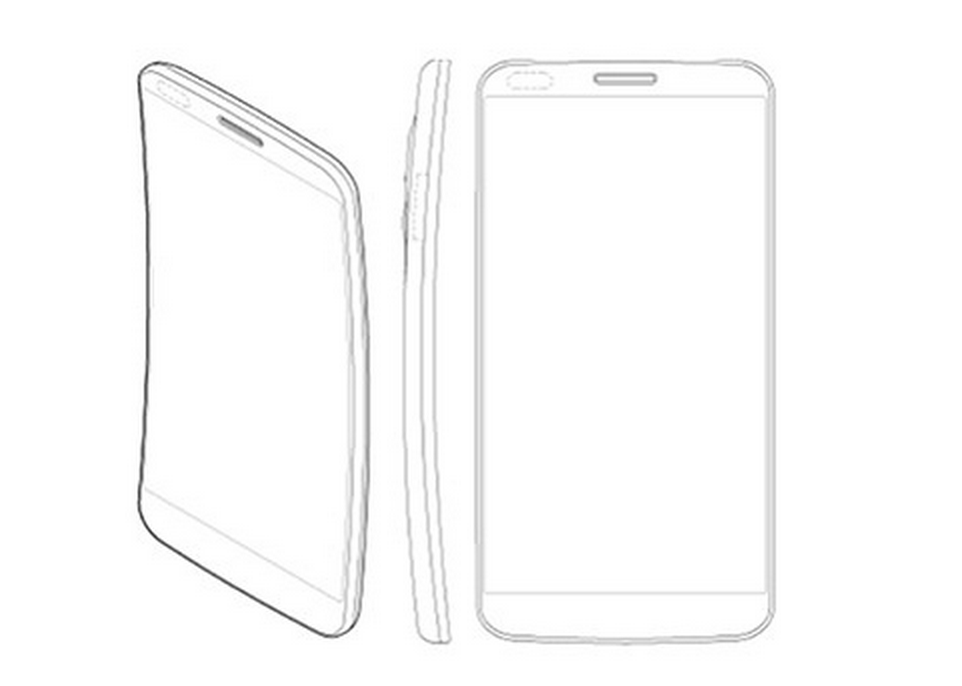
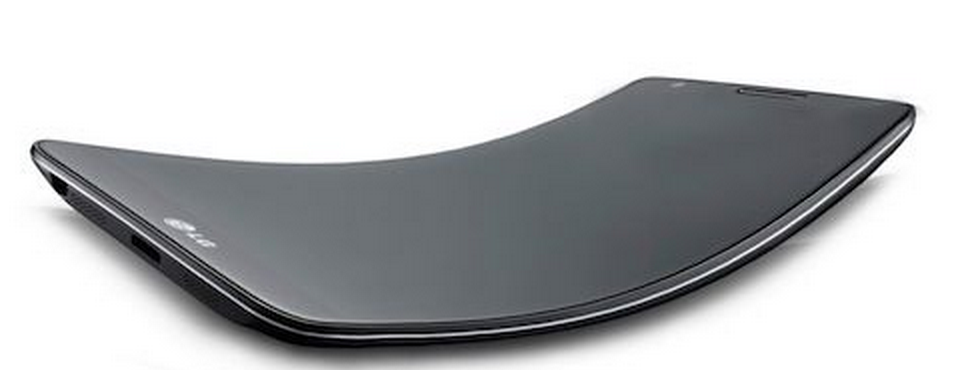
Following a translated report yesterday claiming that LG was planning to introduce its first smartphone with a flexible OLED display, The Wall Street Journal chimes in today with more details on the device. According to the report, LG will launch the “G Flex” smartphone next month featuring a 6-inch curved OLED display:

LG’s new phone, dubbed G Flex, will have a six-inch screen using organic light-emitting-diode technology, a person familiar with the matter said. The handset itself is slightly concave, according to sketches of the prototype viewed by The Wall Street Journal.

For the Flex’s curved display, LG employed what the company refers to as a “plastic OLED” screen, using materials that are more flexible than conventional liquid-crystal-display screens, said the person familiar with the matter.

The WSJ was also able to grab the image above showing a sketch for a prototype of LG’s curved device. 
Expand
Expanding
Close

Report finds almost all Android OEMs, not just Samsung, cheat on benchmarks

Site default logo image

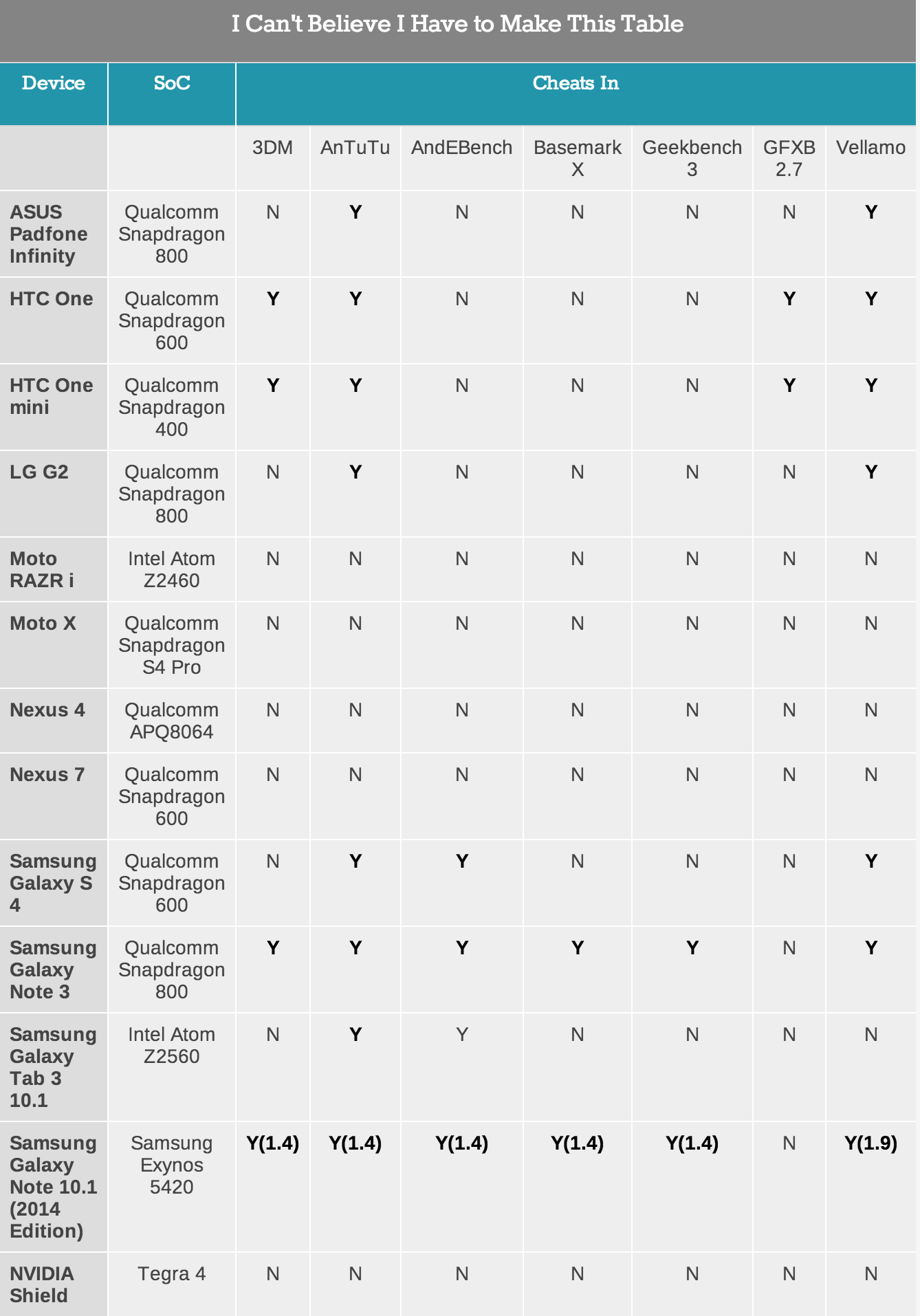
Android-Benchmarks-cheaters

When a story earlier this week discovered Samsung was artificially inflating benchmark scores for its new Galaxy Note 3, many were quick to point out it wasn’t the first time Samsung had been caught engaged in such a practice. The same issue was discovered by AnandTech for the Galaxy S4 back in July, and today the site has an extensive report showing that almost every Android smartphone manufacturer is shipping devices that do the same.

As pictured in the chart above, that includes the HTC One, HTC One mini, LG G2, Galaxy Tab 10.1, and many others. In fact, the only companies that appear to not be using the method is Apple and Motorola, as well as Google with its Nexus 4 and Nexus 7 devices:

We started piecing this data together back in July, and even had conversations with both silicon vendors and OEMs about getting it to stop. With the exception of Apple and Motorola, literally every single OEM we’ve worked with ships (or has shipped) at least one device that runs this silly CPU optimization. It’s possible that older Motorola devices might’ve done the same thing, but none of the newer devices we have on hand exhibited the behavior. It’s a systemic problem that seems to have surfaced over the last two years, and one that extends far beyond Samsung…  None of the Nexus do, which is understandable since the optimization isn’t a part of AOSP. This also helps explain why the Nexus 4 performed so slowly when we reviewed it – this mess was going on back then and Google didn’t partake.

As noted in the report, the gains that OEMs are experiencing from the inflated scores are probably not worth the press they’ve been receiving. AnandTech points out that most of the inflated scores provide under a 10% increase in GPU and CPU performance benchmarks:
Expand
Expanding
Close

Report claims ‘LG Z’ with flexible OLED display will debut later this month

Site default logo image

LG-Z-smartphone-flexible-curved-display

Samsung might have planned on being the first to market with a flexible OLED screen with a special edition of its Galaxy Note 3, but it looks like LG too will soon be launching its first smartphone to incorporate curved display. According to a translated report from ZD Net (via UnwiredView), LG is prepping an “LG Z” smartphone that will be the company’s first to utilize that flexible display technology it’s been working on.

We don’t get many details from the report, but it does claim that the device is already in mass production and could debut as early as this month.

It’s worth pointing out that we still don’t have any real official details on either of these curved devices from Samsung or LG, but we’re guessing the first generation of flexible display smartphones will likely sport a rather rigid casing that will make the product appear curved, opposed to actually being flexible in one’s hand.

Site default logo image

Chrome for Android updated with new gestures for quick tab switching & more

Chrome-gestures

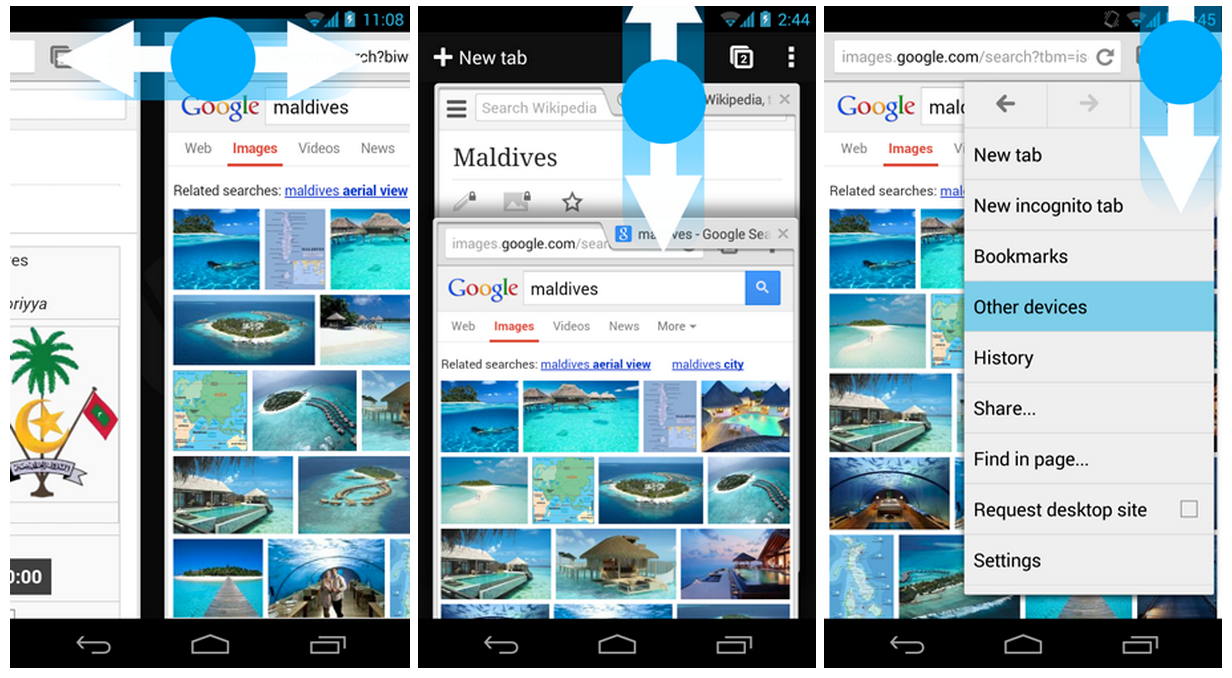
Google announced some updates for Chrome today on its blog that bring new features for both desktop and Android users. Over the next week users on the desktop will now be able to search Google for images when right-clicking an image in Chrome, but the most notable update comes in the form of new gestures for the Chrome for Android app (pictured above):

The new gestures include:

  • Swipe horizontally across the top toolbar to quickly switch tabs.
  • Drag vertically down from the toolbar to enter into the tab switcher view.
  • Drag down from the menu to open the menu and select the item you want without having to lift your finger.

Google said the updates for Chrome on the desktop and Android will be rolling out in the next few days.

Site default logo image

Google Play Music lands in seven new countries including Russia, Netherlands & Switzerland

Google has been adding support for various Google Play services in a lot of new countries recently and today it continues that trend with the roll out of Google Play Music in seven new locations. The company made the announcement in a tweet on its official Google Play Twitter account today and confirmed that the Czech Republic, Finland, Hungary, Liechtenstein, Netherlands, Russia, and Switzerland now all have access to purchase music through Google Play.

Earlier this week Google rolled out its Google Play Books service in a handful of new countries as well, including: New Zealand, Singapore, Taiwan, Hong Kong, Indonesia, Malaysia, Philippines, Thailand & Vietnam.

FreedomPop launches world’s first $0/month, completely free mobile service w/ $99 HTC Evo Design

Site default logo image

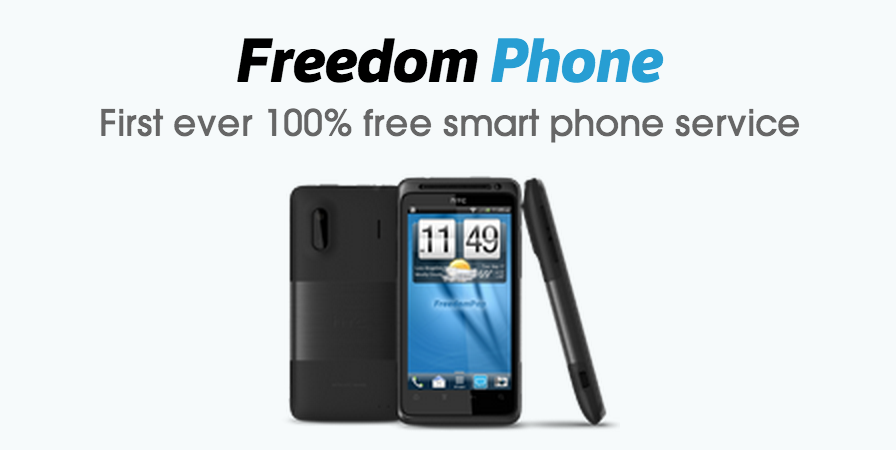
Freedom-Phone-FreedompopFreedomPop, the company that has been supplying free and cheap data plans on Sprint’s network through various hotspot products, today announced that it is launching the world’s first completely free mobile service alongside the first smartphone the company is offering to customers. At first FreedomPop is rolling out the two year old HTC Evo Design, which isn’t exactly a premium smartphone these days, but the company has plans to roll out more Android device choices later this year.
After purchasing the device, FreedomPop will give users a guaranteed 500 MBs of data, 500 text messages, and 200 anytime voice minutes free every month for life.

“FreedomPop is changing the mobile market forever with the sole intent of bringing better value to the consumer and increasing accessibility,” said Stephen Stokols, FreedomPop’s CEO and co-founder. “FreedomPop’s mission is to ensure that everyone has access to affordable, convenient and essential communication services. With this launch, we’ve just taken our largest step to date towards delivering on this objective.”

There will also be an inexpensive monthly plan for users that require more data:
Expand
Expanding
Close

Site default logo image

Google rolling out colorful, streamlined design for Docs, Sheets, Slides & more in Google Drive

docsfinal2

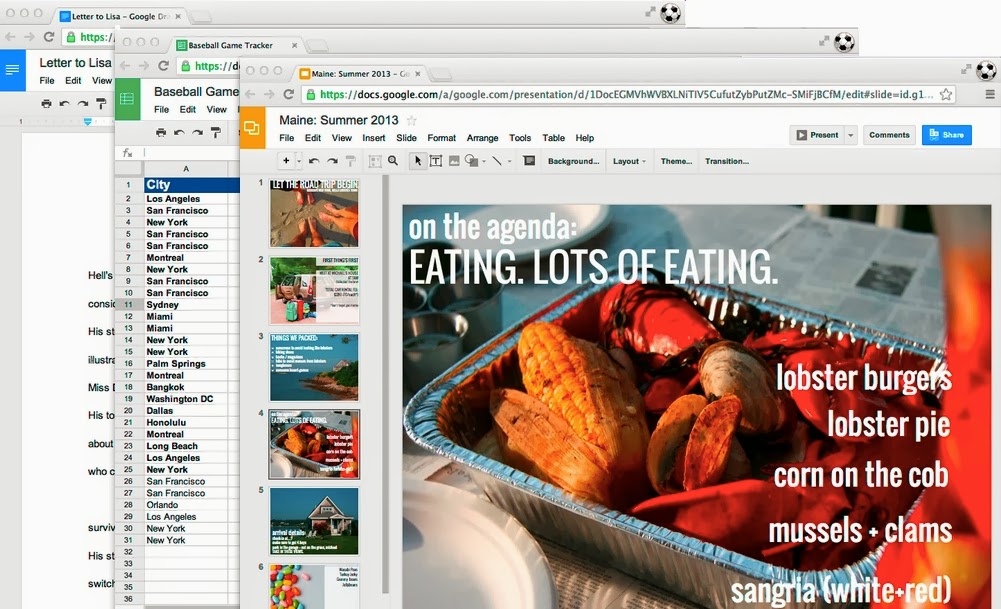
We already got a new Google Analytics app for Android today and the launch of its new Web Designer HTML5 design tool, and now Google has announced that it’s rolling out a new, cleaner look for Docs, Sheets, Slides and more in Google Drive on the web. Google explained that the new look brings a new streamlined header and more colorful and compact design for its online productivity suite:

First, you’ll notice each editor’s product icon displayed in the header, which doubles as a quick link back to all your files in Drive. Next, you’ll see that the header is more streamlined and compact, helping you to focus on what matters most—your content.

You’ll notice the changes in Docs, Sheets, and Slides (as pictured above), but also in Drawings, Forms and Apps Script.

Site default logo image

Google releases completely redesigned Analytics app for Android

Google announced today on its Google Analytics blog that it is releasing a brand new version of its Analytics app for Android that brings a new design for smartphones and tablets (pictured above) alongside a handful of new features. On top of improved real-time reporting and new visualizations that Google notes “automatically resize to fit your screen size and orientation,” the app is also built on Google Tag Manager allowing Google to configure reports and visualizations without having to update the app:

We’re also introducing new visualizations designed with tablets and phones in mind. Rather than getting overwhelmed with too much information on a small screen, you now see just the most relevant metrics on cards, so you decide when you want to drill-down for details or just get a quick update on your performance

The app also includes specialized reports for web and app views and “deeper analysis via dimension-based drill down in most reports.”

The updated Google Analytics app is available now on Google Play and a full list of what’s new is below:

  • A completely redesigned look and feel, ideal for tablets and phones
  • New visualizations that automatically resize to fit your screen size and orientation
  • Side navigation that mirrors Google Analytics on the web for quick access to reports
  • Specialized reporting for web and app views (profiles)
  • An Overview screen summarizing key metrics from each report
  • Deeper analysis via dimension-based drill down in most reports
  • Better Real-Time reporting
  • Advanced Segments to further analyze your data

Google rolling out Google Play NFC vending machines in Japan (Gallery)

Site default logo image

Engadget got its hands on shots from the unveiling of new Google Play vending machines being rolled out in Japan today. The machines will sell Google Play content starting with a mix of 18 different free and paid games, and users will complete their purchase using any Android device running 4.0 and up with NFC. Engadget walked us through the process:

You rest the phone on the tray below the screen, and NFC pairing takes care of the rest. We put the machine to the test with our LG G2 on hand, and had no troubles choosing and downloading a free game through the machine. There’s a slick unified animation from the giant touchscreen (which looks almost identical to drinks machines elsewhere in the country) to your Android phone of choice when the download kicks in. Also, for trying out another Google app, you’ll get a ‘present’ which ‘drops’ down from the screen and into the vending tray once your download is complete.

The three Google Play machines will officially open to the public tomorrow at Parco department store in Shibuya. 
Expand
Expanding
Close

Site default logo image

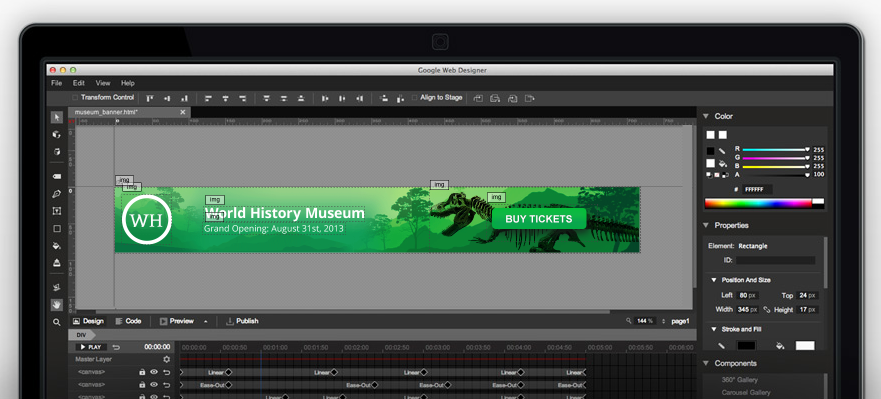
Google launches beta of ‘Web Designer’ HTML5 design tool

Google-Web-Designer

Google today announced that it is launching a public beta for its new Web Designer tool that allows users to build interactive ads and other HTML5 content. Google says that with HTML5 ad spend expected to overtake Flash spend within the next two years, it’s aiming to provide easy-to-use tools that will allow publishers to quickly and easily create and publish HTML5 ads:

We’re working hard to solve this development challenge by offering agencies powerful yet easy-to-use tools for HTML5 production. In this vein, we announced DoubleClick Studio Layouts for HTML5 back in August, which lets you create HTML5 ads in minutes, and last week we announced Ready Creatives in AdWords, which creates HTML5 ads for you in seconds. Today, we’re excited to announce the public beta of Google Web Designer, a new professional-quality design tool that makes HTML5 creative accessible to everyone from the designer to the dabbler.

Google walked through a few of the features of Web Designer in its blog post:

  1. Create animated HTML5 creative, with a robust, yet intuitive set of design tools.
  2. View and edit the code behind your designs and see your edits reflected back on the stage automatically.
  3. Build ad creatives seamlessly for DoubleClick and AdMob, or publish them to any generic environment you choose.
  4. Receive updates to the product automatically, without having to re-download the application.

It also noted that access to Web Designer will be free for all, at least for the time being.

The Web Designer beta is available to download on Google’s website. Google has a getting started guide here, and high-speed demo of an ad being created in the Web Designer beta is below:

http://www.youtube.com/watch?v=kHj7fqbNaQw&feature=youtu.be

Google’s BufferBox self-serve pickup service comes to San Francisco

Site default logo image

bufferbox

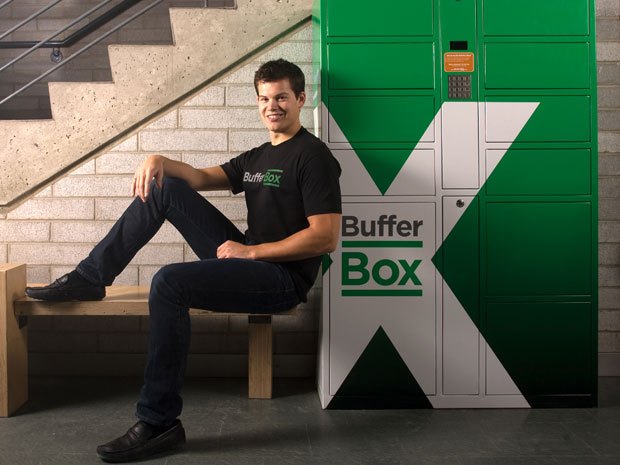
After first acquiring the Waterloo, Ontario self-serve package pickup startup Buffer Box last year, Google today announced plans to expand the service. The company has been making its self-serve pick up boxes (pictured above) available for deliveries in the Toronto area close to its home, but today Google announced the BufferBox service is coming to San Francisco for online purchases:


Expand
Expanding
Close

AT&T announces Oct. 4 release for Galaxy Note 3 & Galaxy Gear

Site default logo image

AT&T and other carriers have already started accepting preorders for Samsung’s new Galaxy Note 3 and Galaxy Gear companion smartwatch, but today AT&T announced official release dates for the two products.

Both devices will become available online and in stores on October 4th for the same prices AT&T previously announced for preorders. That’s $299 on contract for the Note 3 (or $35 per month on AT&T Next), and $299 for the Galaxy Gear. Preorders from AT&T’s site are currently listed as shipping on October 1st.

Other carriers, including T-Mobile and Sprint, will also begin selling the Note 3 and Galaxy Gear beginning early next month. 
Expand
Expanding
Close

Site default logo image

Samsung says ChatON now at 100 million users, up 50 million since May

ChatOn

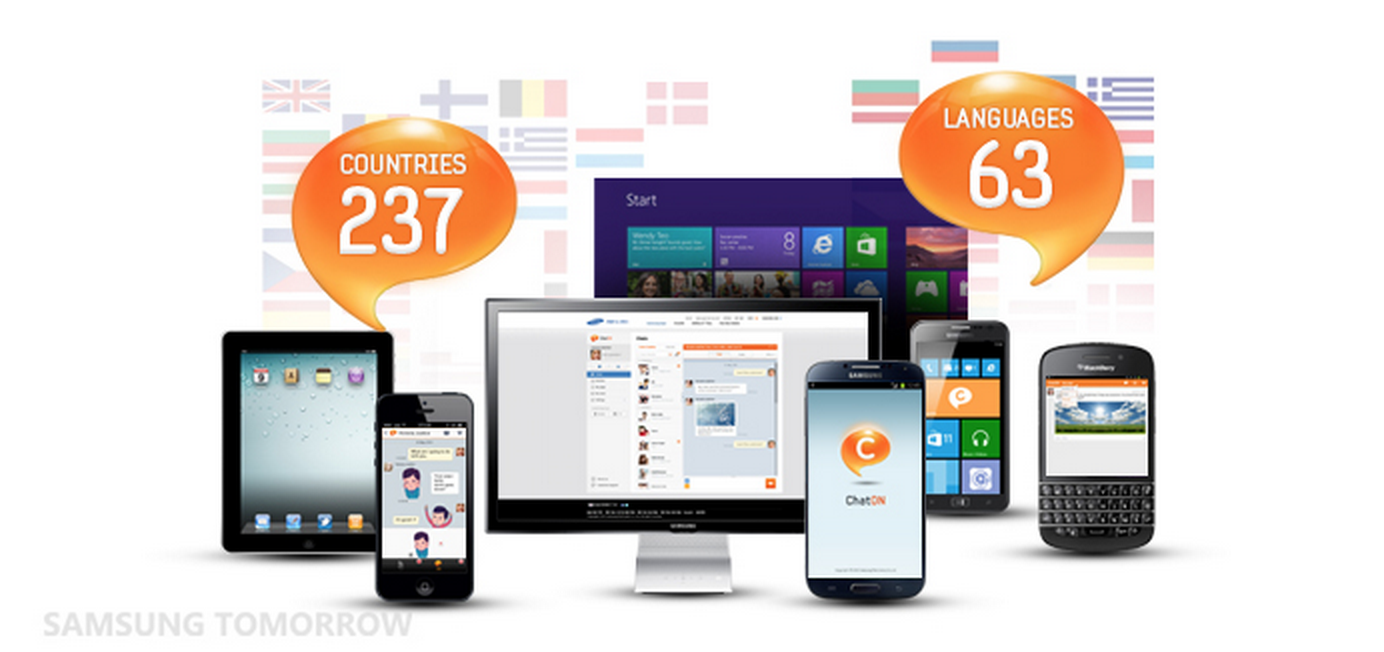
Samsung announced today that ChatON, the company’s chat service that comes preinstalled on many of its mobile devices, has now passed the 100 million subscriber mark. That’s up around 50 million users in fourth months since first hitting 50 million subscribers in May, according to Samsung. The press release notes that ChatON has been experiencing growth in markets such as India and China, but doesn’t say how many active users the service has:

ChatON was designed in-line with Samsung’s drive to deliver products that meet specific local needs in different markets. In India for example, ChatON has seen exponential growth as the service supports 10 regional dialects, with plans to support 13 dialects by the end of 2013. Additional features such as the Ramadan Anicon have helped boost its popularity in the Middle East.

It’s important to note that this certainly doesn’t mean active users, and with ChatON currently preinstalled on Samsung’s most popular devices– the Note II & III, Galaxy S4, etc– there’s no telling how many users signed up and only tried the service once.

ChatON is also available on other Android devices, iOS, Windows Phone, and PCs, as well as in 63 different languages, but Samsung didn’t share details on how many subscribers it has on each platform.