Ben Schoon is a Senior Editor at 9to5Google, working for the publication as one of its primary news writers since 2016.
In 2013, Ben helped start an independent tech publication where he learned the skills used at 9to5Google including writing, product photography, and videography. He is located in the city of Winston-Salem in North Carolina where he lives with his wife Melissa. Ben is an avid disc golf player.
He primarily covers Android products, including Google Pixel devices, Samsung Galaxy smartphones, as well as devices from OnePlus, Oppo, Motorola, and more. Beyond just covering news about these products, Ben also spends time using these products himself, speaking from experience with the articles he writes. Some of Ben’s most recent hands-on reviews include; Pixel 8 Pro, Pixel Watch 2, Samsung Galaxy Z Fold 5, Samsung Galaxy S23 Ultra, Motorola Razr+, HP Dragonfly Pro Chromebook, and more.
Ben Schoon is active on Twitter, @nexusben, but can also be found on Instagram and LinkedIn. For questions or tips, you can email him directly, and his portfolio is also available online.
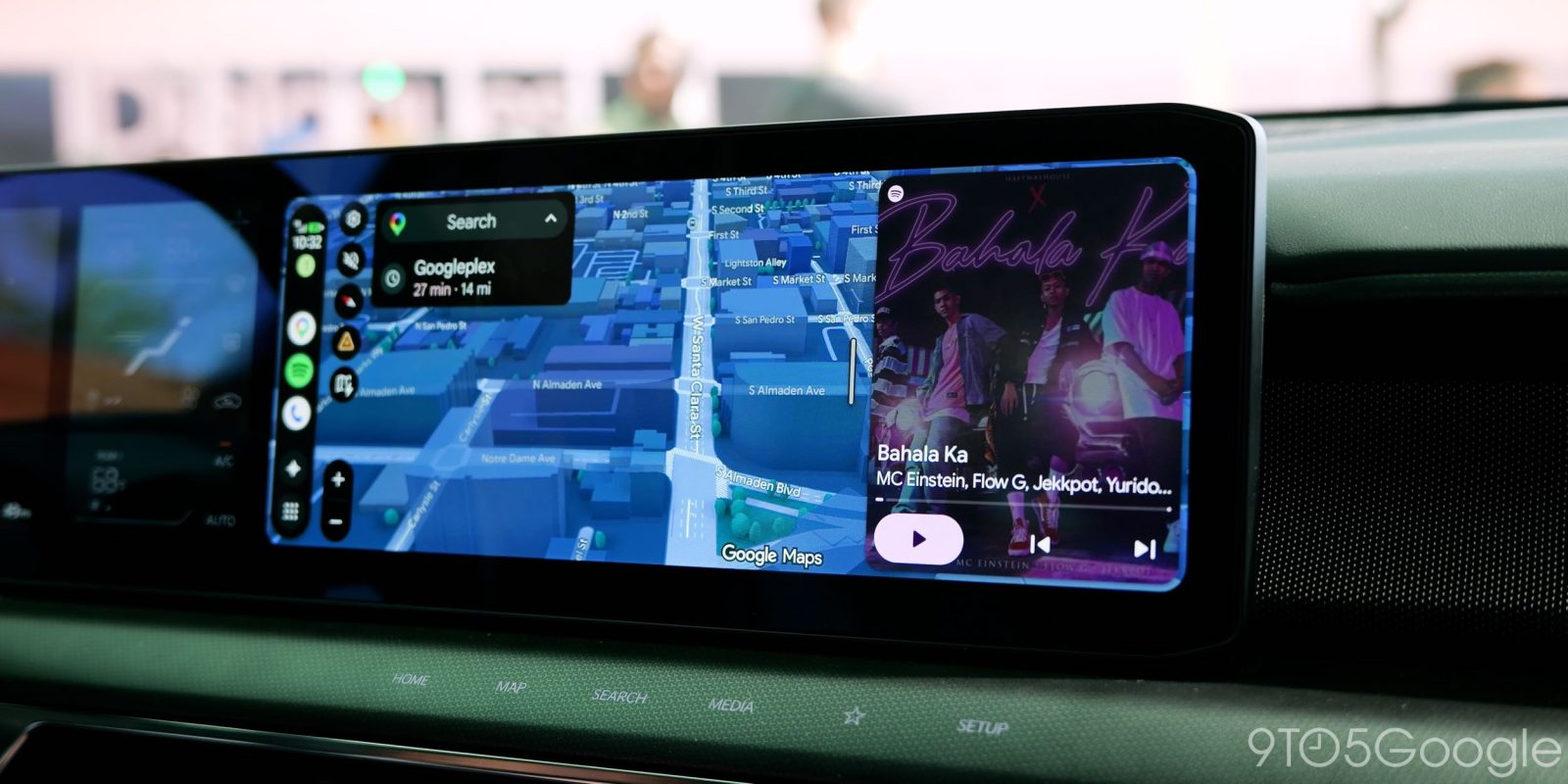
New Android Auto updates tend to be a bit strange, with changes often showing up for some users but not others, but Google has just recapped a handful of Android Auto updates for media apps from the past few months, including confirmation that the squiggly line design is here to stay.
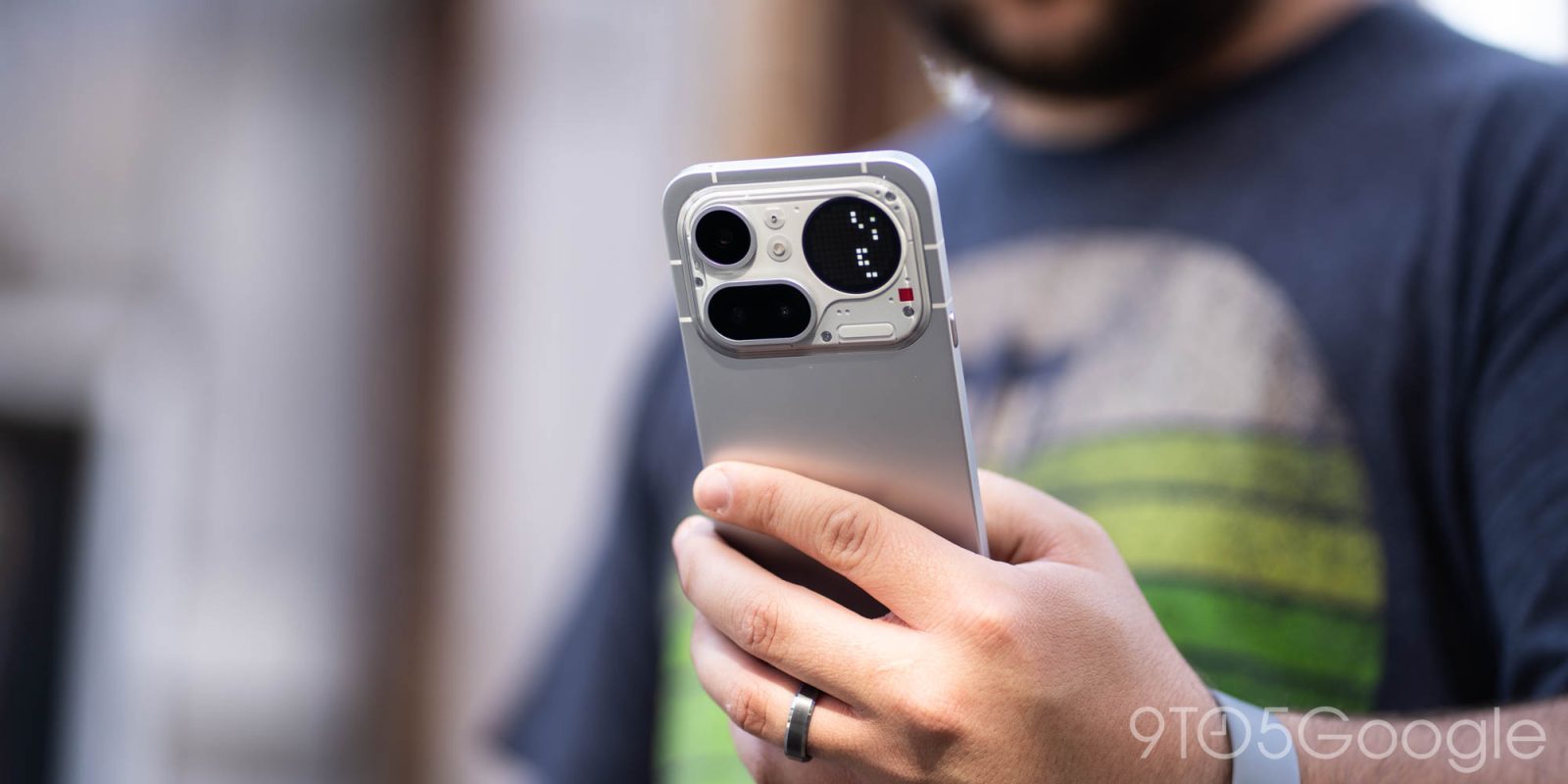
Nothing is bringing back its “Community Review Program” which will give some fans and enthusiasts a chance to try out the company’s new products before they’re released to the public.
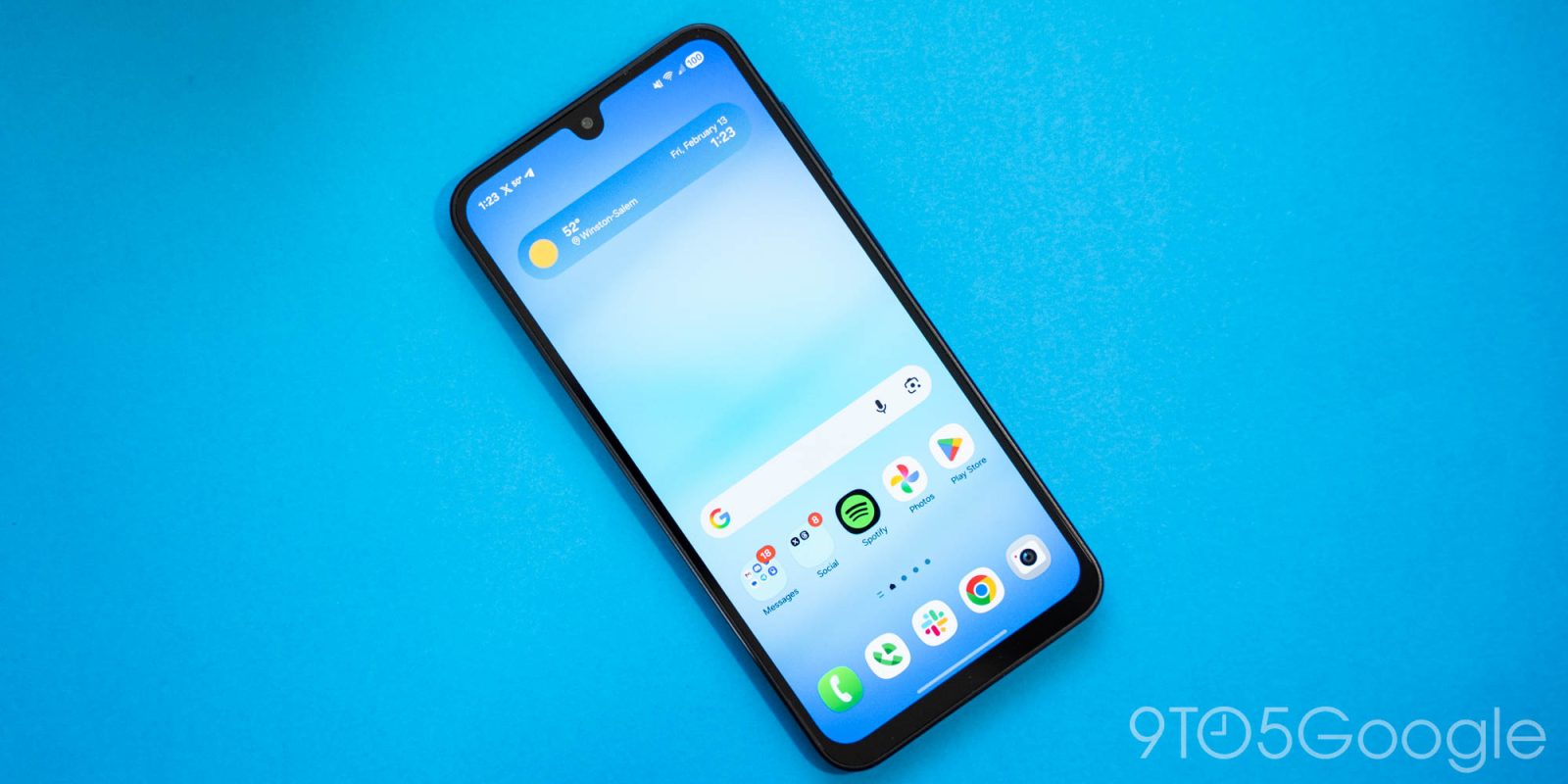
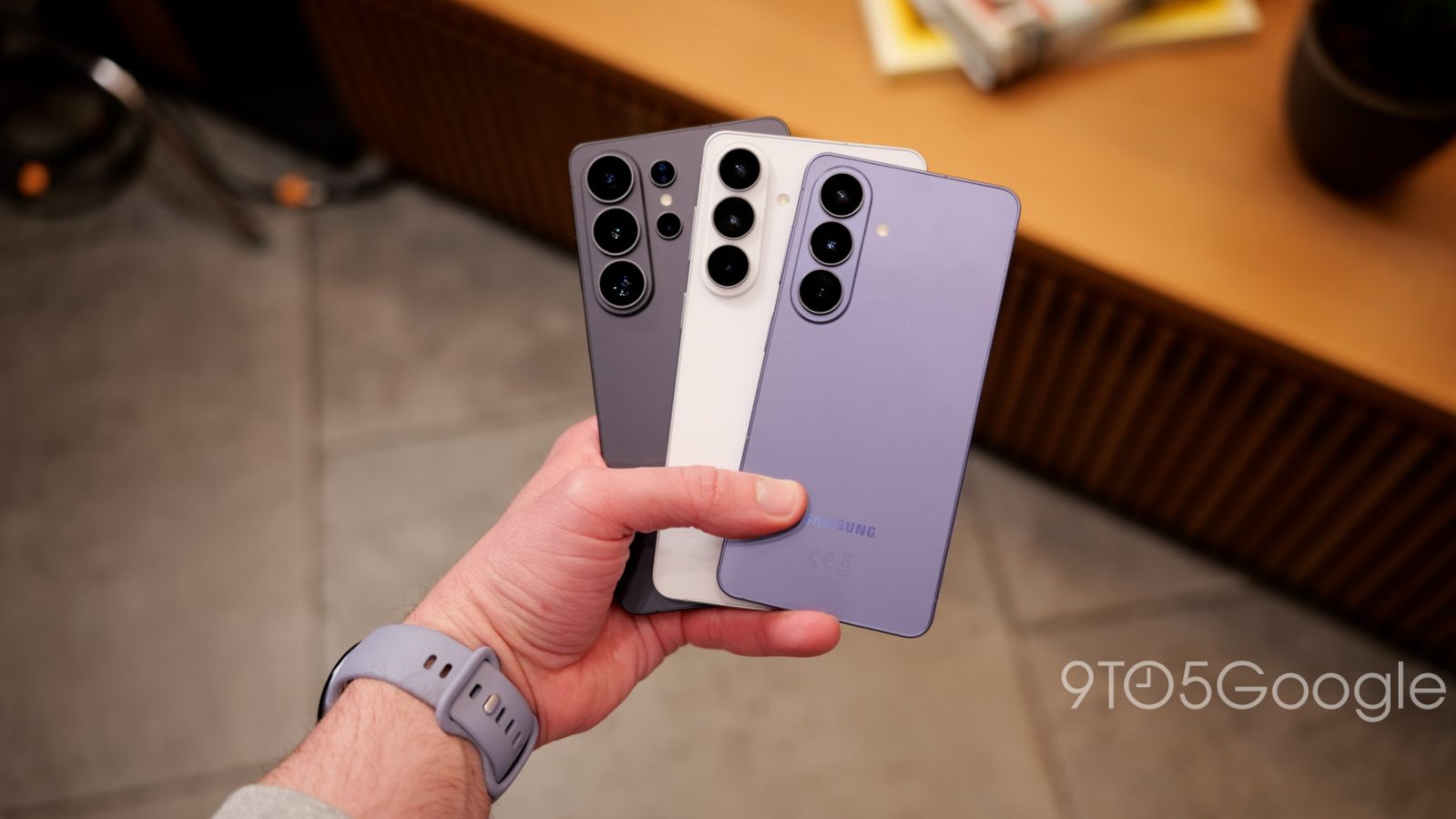
Alongside a price hike on the Galaxy S26 series, Samsung has rolled out quiet price hikes on a number of its other Galaxy phones in the US as RAMageddon rages on.
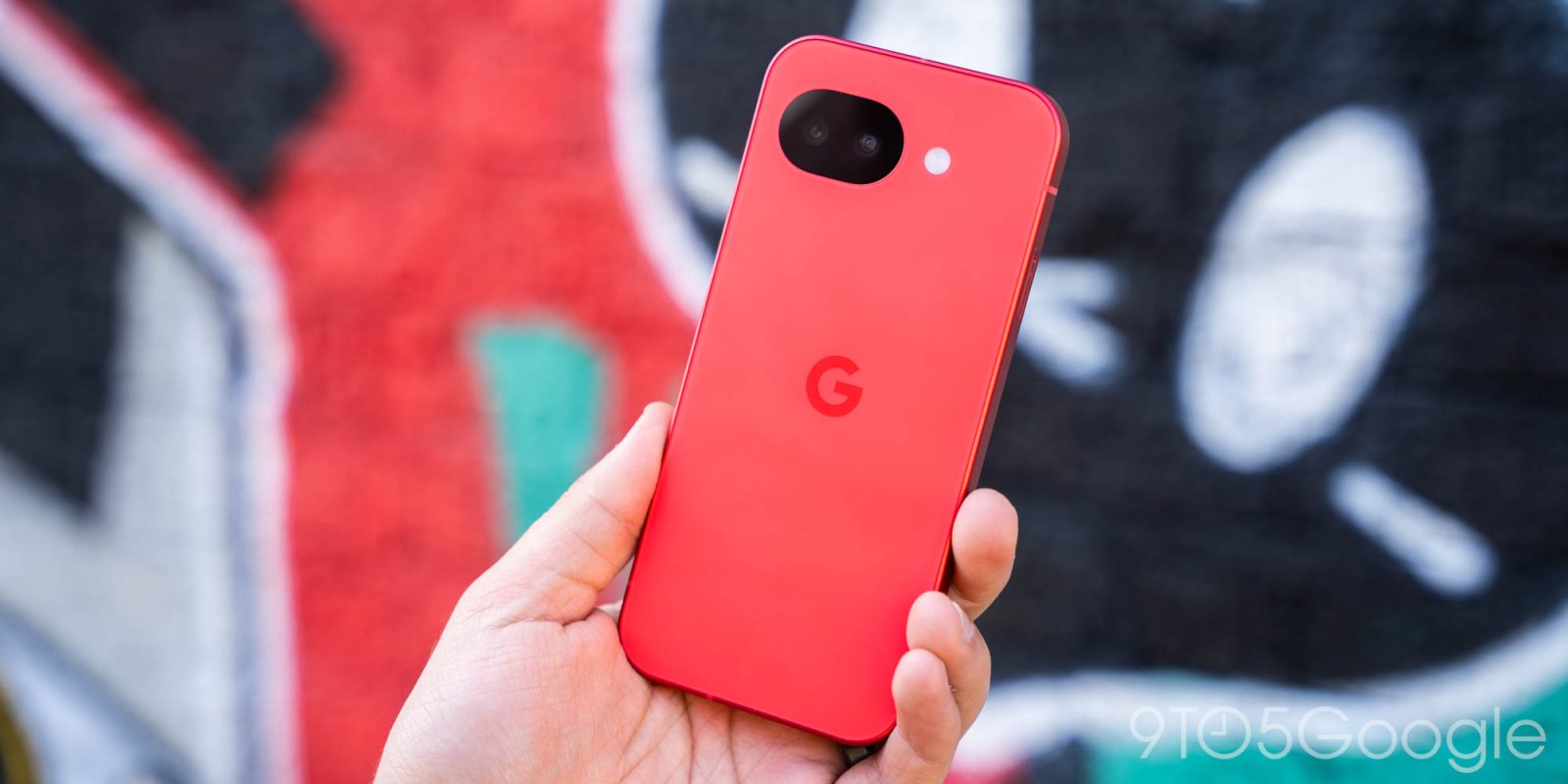
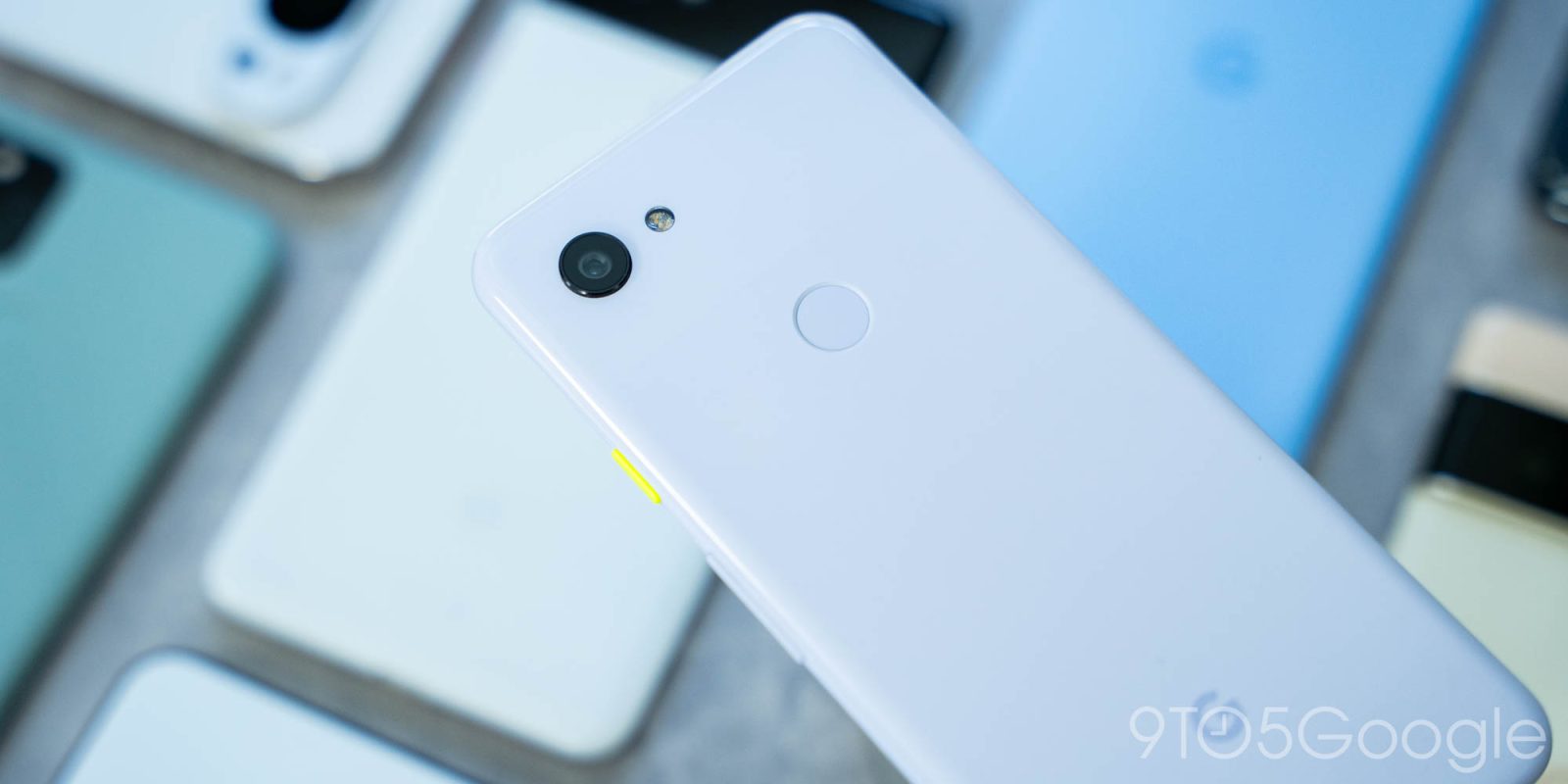
Google Pixel was designed to be a premium smartphone effort, but that all changed in 2019 with the debut of the Pixel 3a. The budget-conscious launch went on to be a turning point for the Pixel’s history and, looking back, it might just be the single most important Google smartphone ever.
The Nvidia Shield TV is an iconic piece of Android hardware but it also hasn’t seen a refresh in the better part of a decade. But, because of the increasingly depressing state of the entire tech industry, Nvidia Shield TV Pro is getting a $100 price hike to $299, seven years after it first launched.
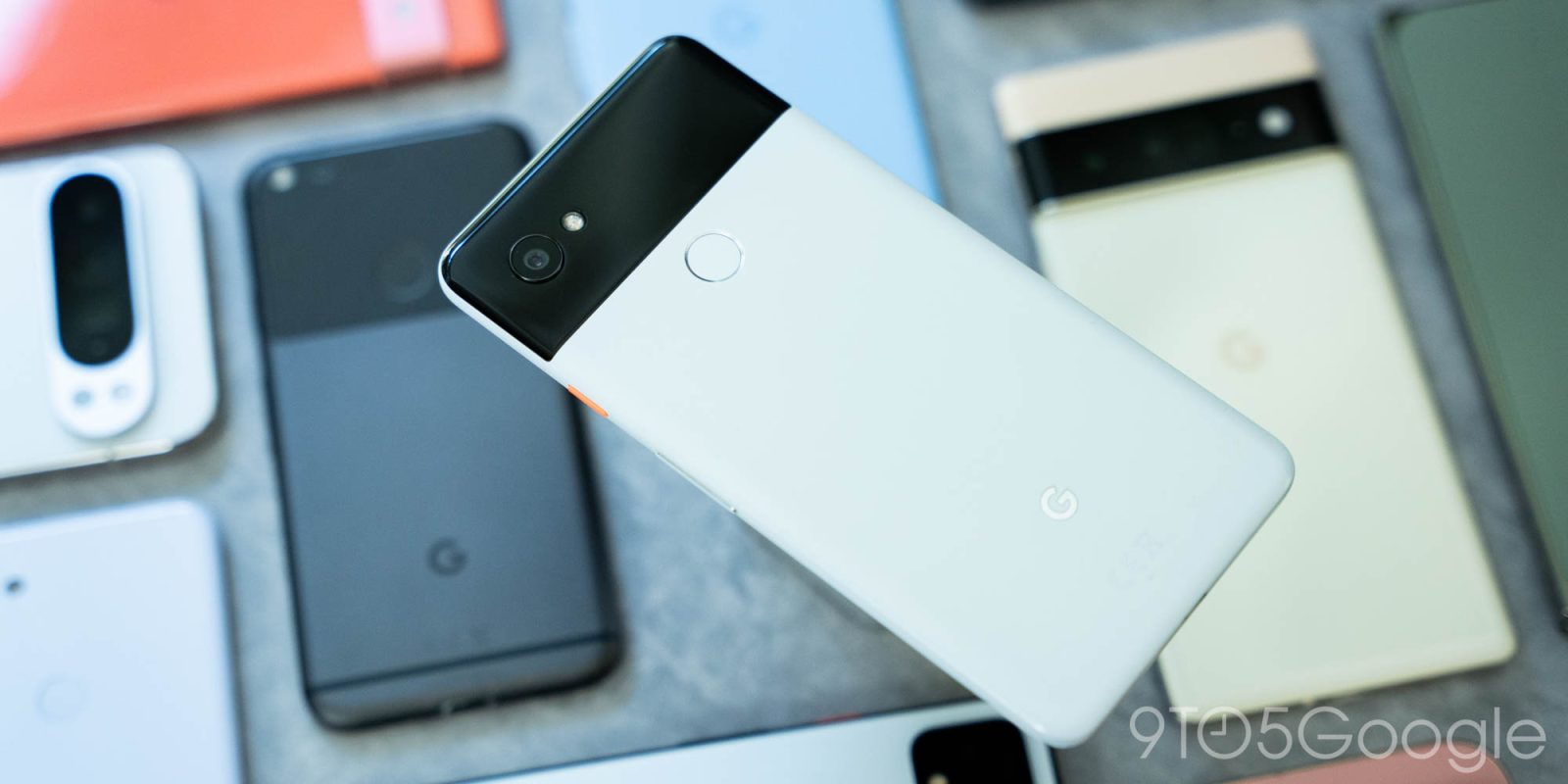
Google Pixel’s 10-year anniversary has me taking a look back at a bunch of the milestones throughout this lineup’s history and, when picking up the Pixel 2 XL, hindsight really kicked in as to how this phone was very much a sign of the tumultuous roller coaster that would become Google Pixel.
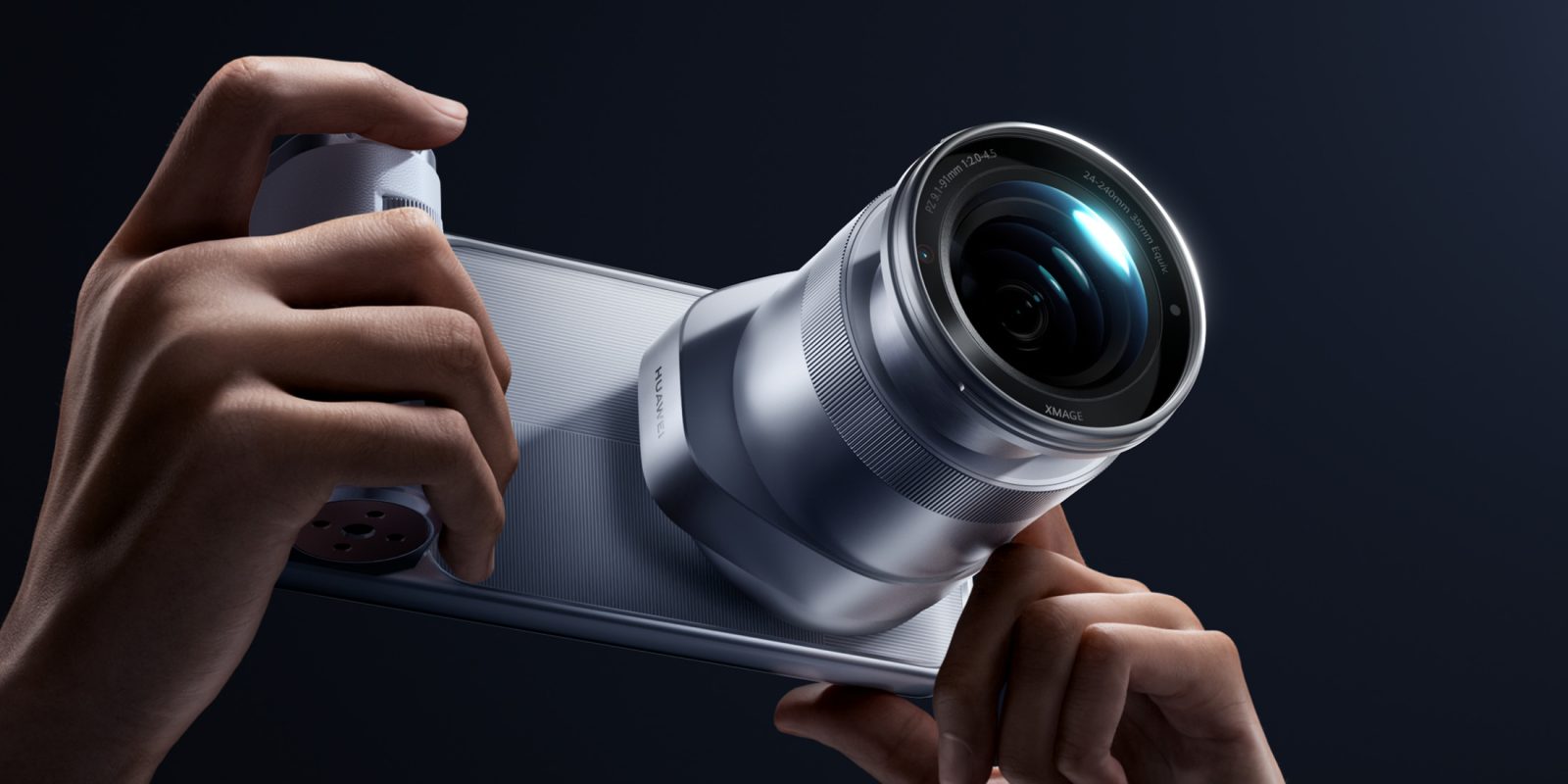
Huawei has just introduced its new Mate 90 Pro Max in China and the big feature is not the cameras built into the device, but rather the giant one you can add on.
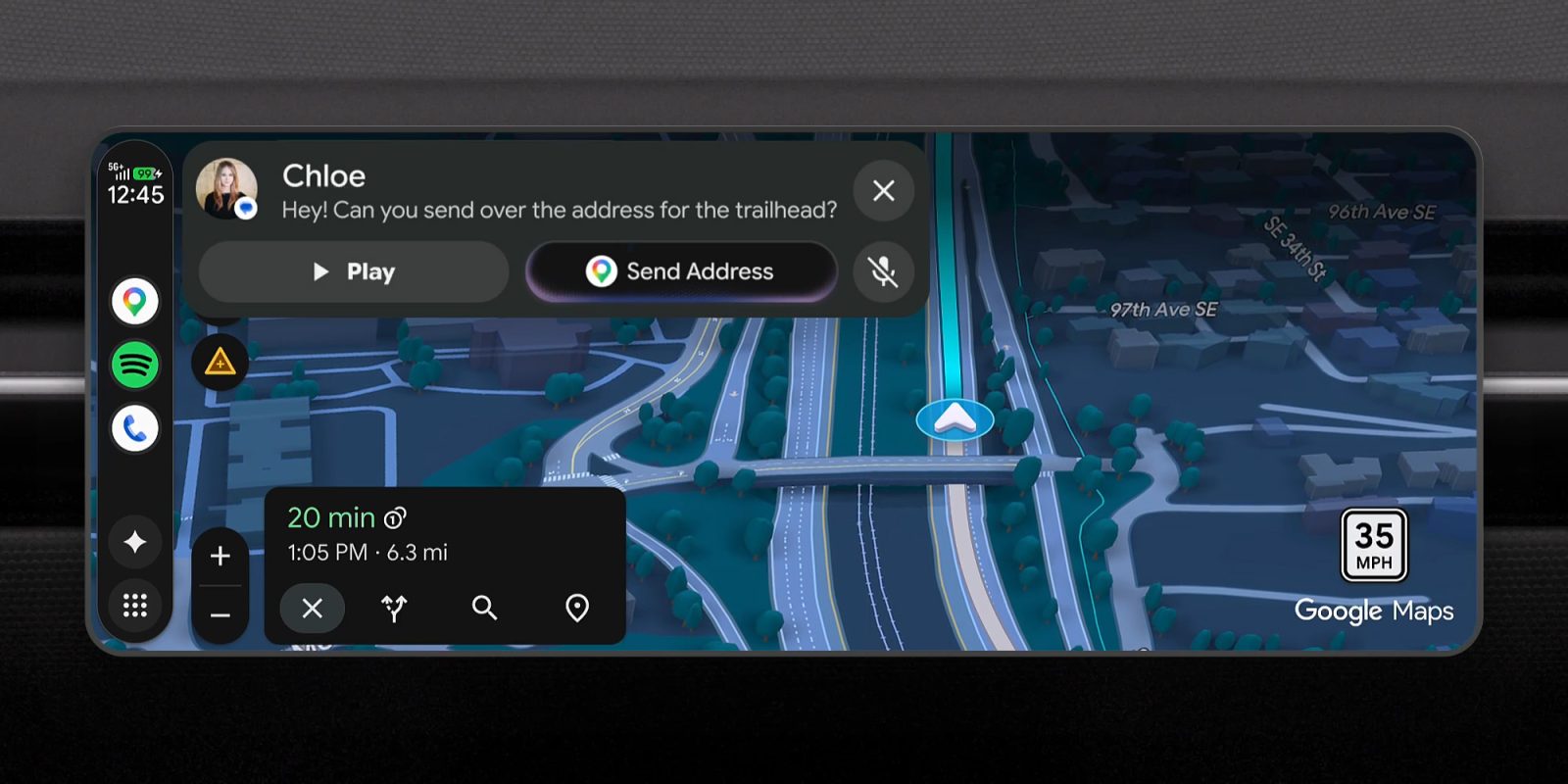
Google is apparently preparing to bring Proactive Assistance – also known as “Magic Cue” – from its Pixel phones over to Android Auto, which could be a really useful addition.
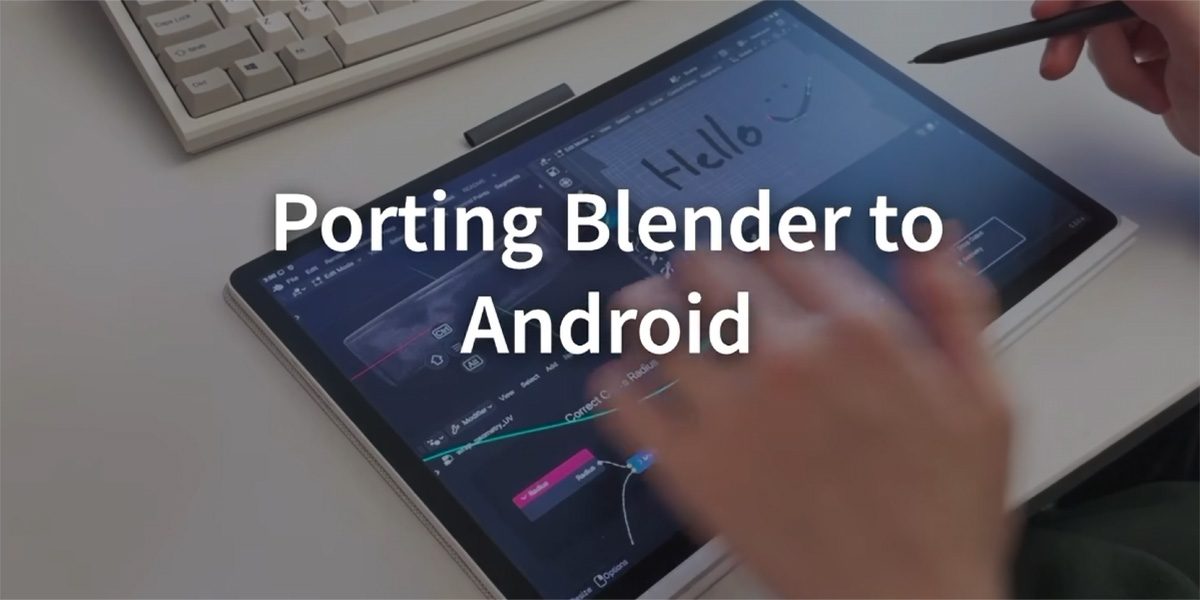
One of the biggest headaches facing Google’s push to make Android more of a desktop platform is the professional sector of apps and programs, but one big name is making the effort, as Blender is working to bring its app to Android.
A new report details how Google is testing paying web publishers for content used in its AI Overviews, including how much they’re making and how much that varies.
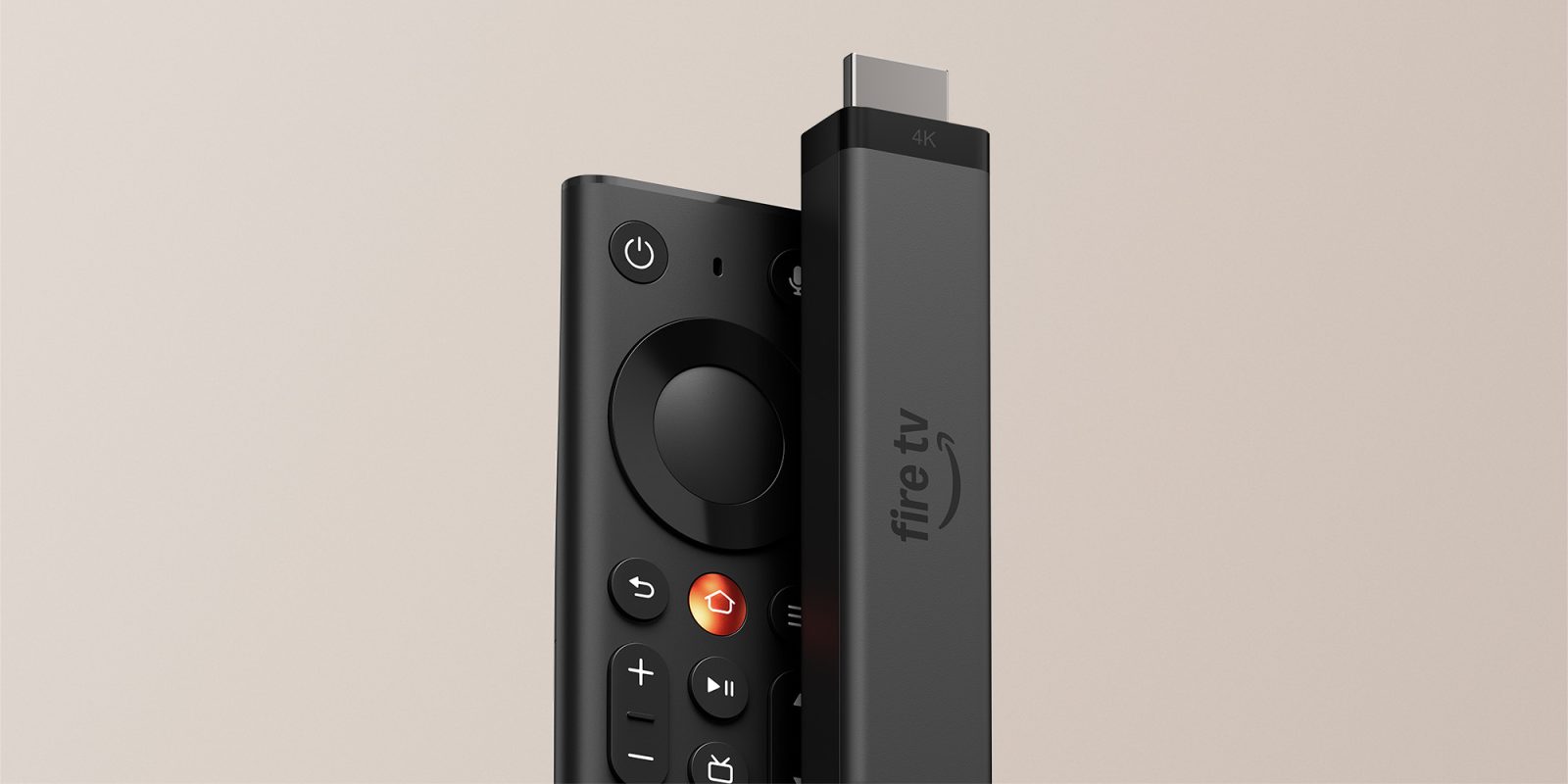
Amazon continues its move away from Android on Fire TV, with its latest Fire TV Stick 4K moving over to Vega OS, though with upgrades including support for using your TV’s USB port for power and a massively improved remote.
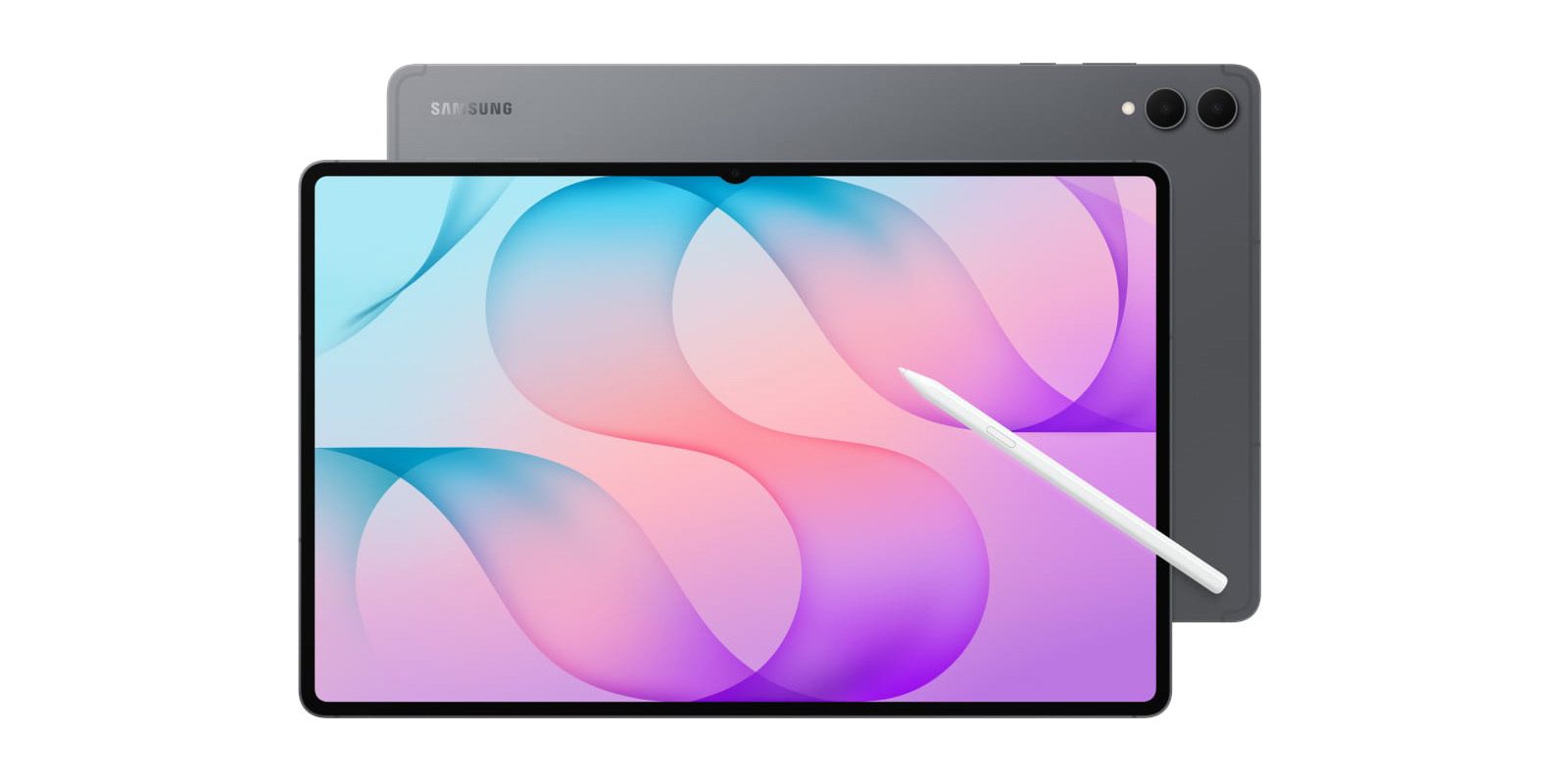
Samsung is today officially launching its new Galaxy Tab S12 series with the Tab S12+ and Tab S12 Ultra delivering big displays, powerful specs, and some new software tricks too.
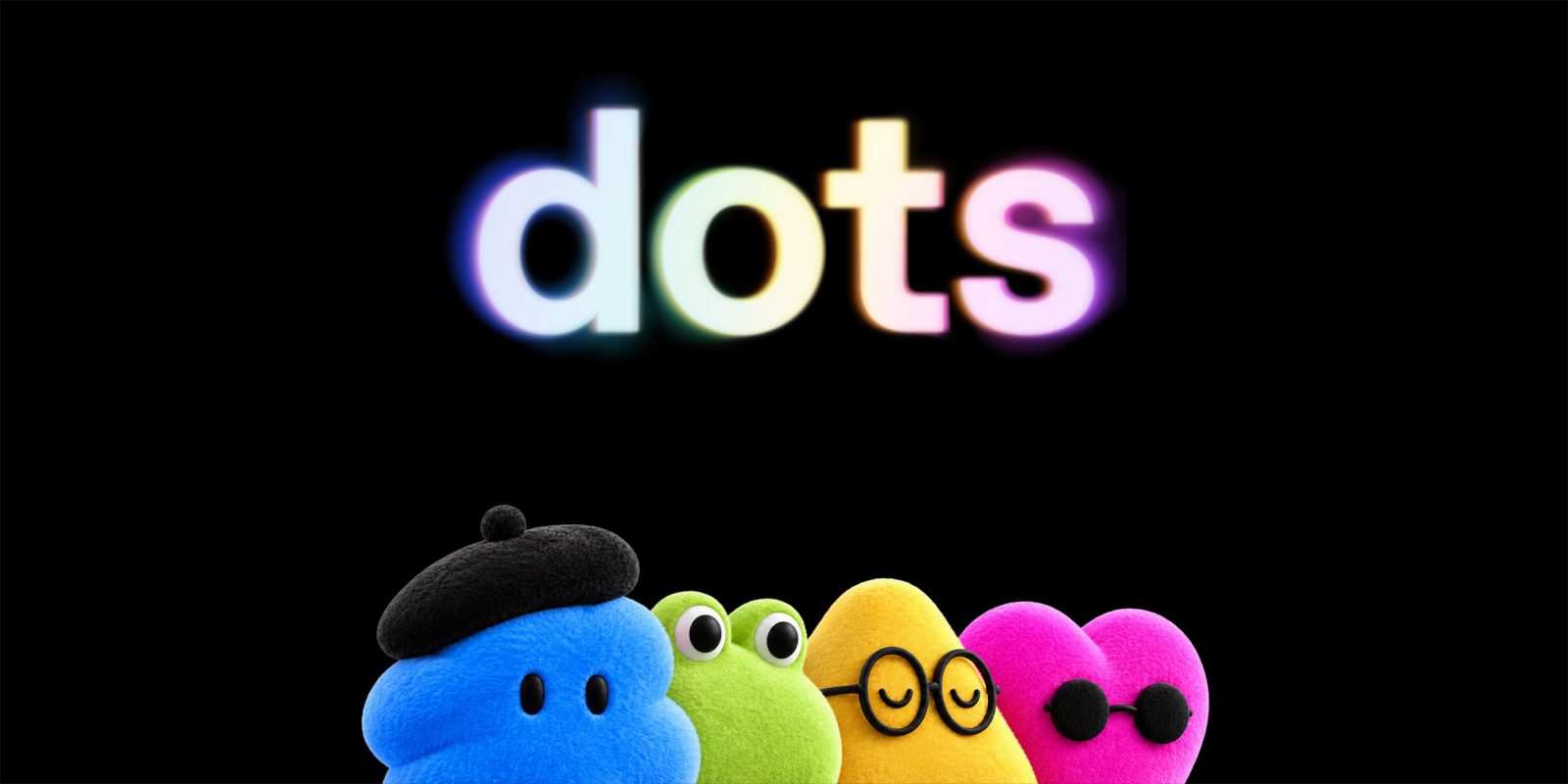
Right as Meta’s Muse avatar agent has taken the AI world by storm, OpenAI is today announcing Dots as “always-on agents” you can customize to your needs.