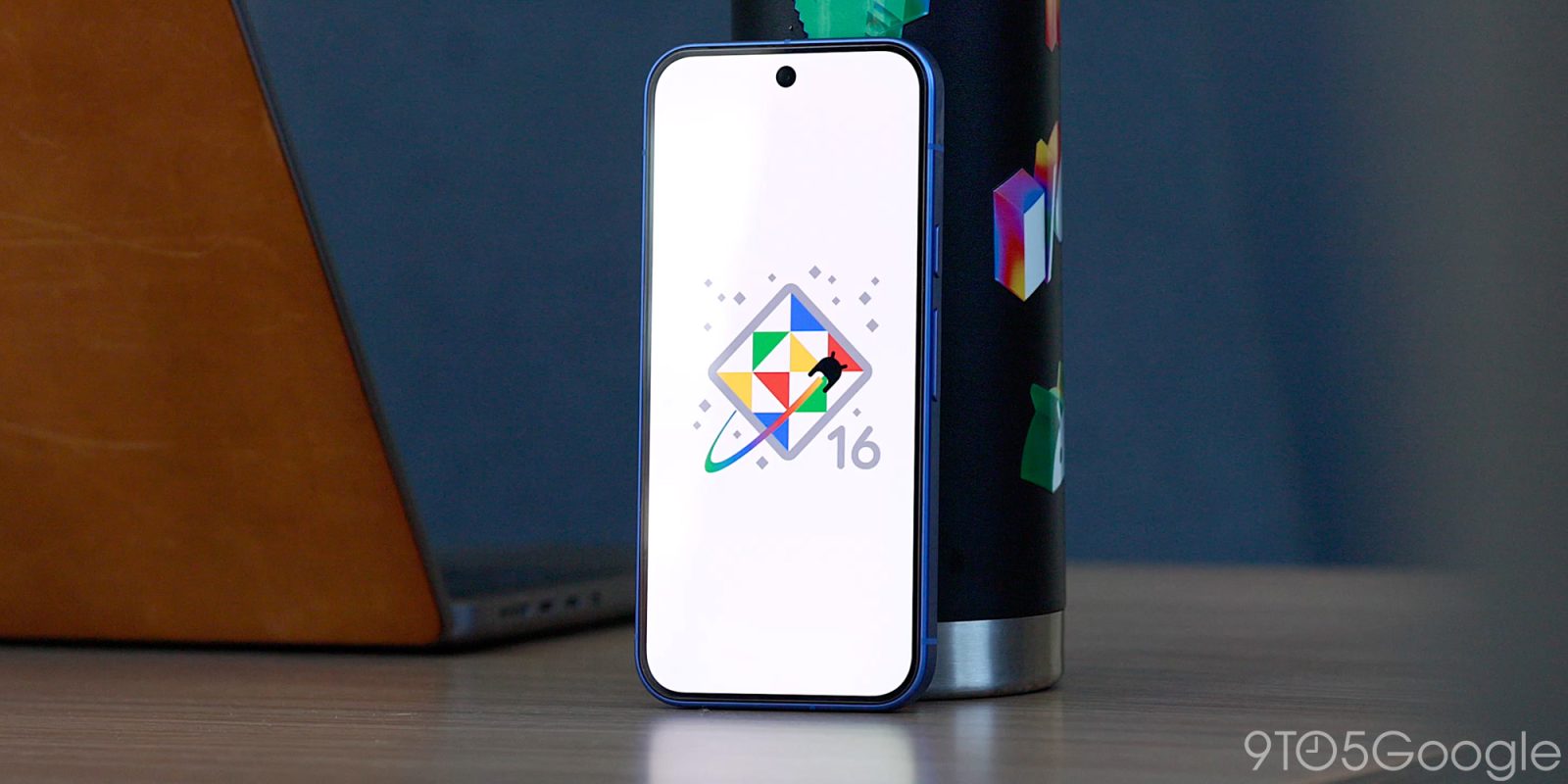
The Android 16 Beta Program should be nearing completion with QPR2 Beta 3 for Google Pixel devices now available.
Expand Expanding CloseGoogle rolling out Android 16 QPR2 Beta 3 for Pixel


Send tips/talk to abner@9to5mac.com or @technacity (open DMs).
Abner Li has worked at 9to5Google since 2015 and in late 2020 took on the role of editor-in-chief. He is keenly focused on tracking what happens at Google, and is often the first to spot new features in Google’s ever-growing family of applications that are updated on a daily basis, including Search, Assistant, Maps, Workspace, Android, Chrome/OS, Wear OS, and YouTube Music.
To him, what Google does greatly impacts the technology space and modern life. Inside the company, he is particularly interested in the key products mentioned above, as well as services like Google Podcasts and Google Lens. Each are massive platforms that can be unwieldy to grasp, with Abner keenly bent on understanding their philosophy and future direction. He is most excited about Google’s plans for augmented reality glasses.
Abner spearheads the APK Insight program at 9to5Google to chronicle all changes in the company’s Android apps, often finding new features before they are officially announced. This includes redesigns and revamps, launches, and new products.
A big area of interest is Google’s hardware division, including Pixel, Fitbit, and Nest. He detailed all of the Pixel 3’s camera features before launch and scooped the 2nd-generation Nest Hub’s Soli-powered Sleep Sensing capability, including how it would integrate with Google Fit.
Recently, Abner detailed the Pixel Watch’s specs in full before launch, including bands and pricing. He also got wind of the Pixel Tablet’s ultimate form factor.
The Android 16 Beta Program should be nearing completion with QPR2 Beta 3 for Google Pixel devices now available.
Expand Expanding Close

Besides a pill-shaped tweak for the Suggestion strip, Gboard’s next visual change is a dedicated keyboard Font size setting.
Expand Expanding Close
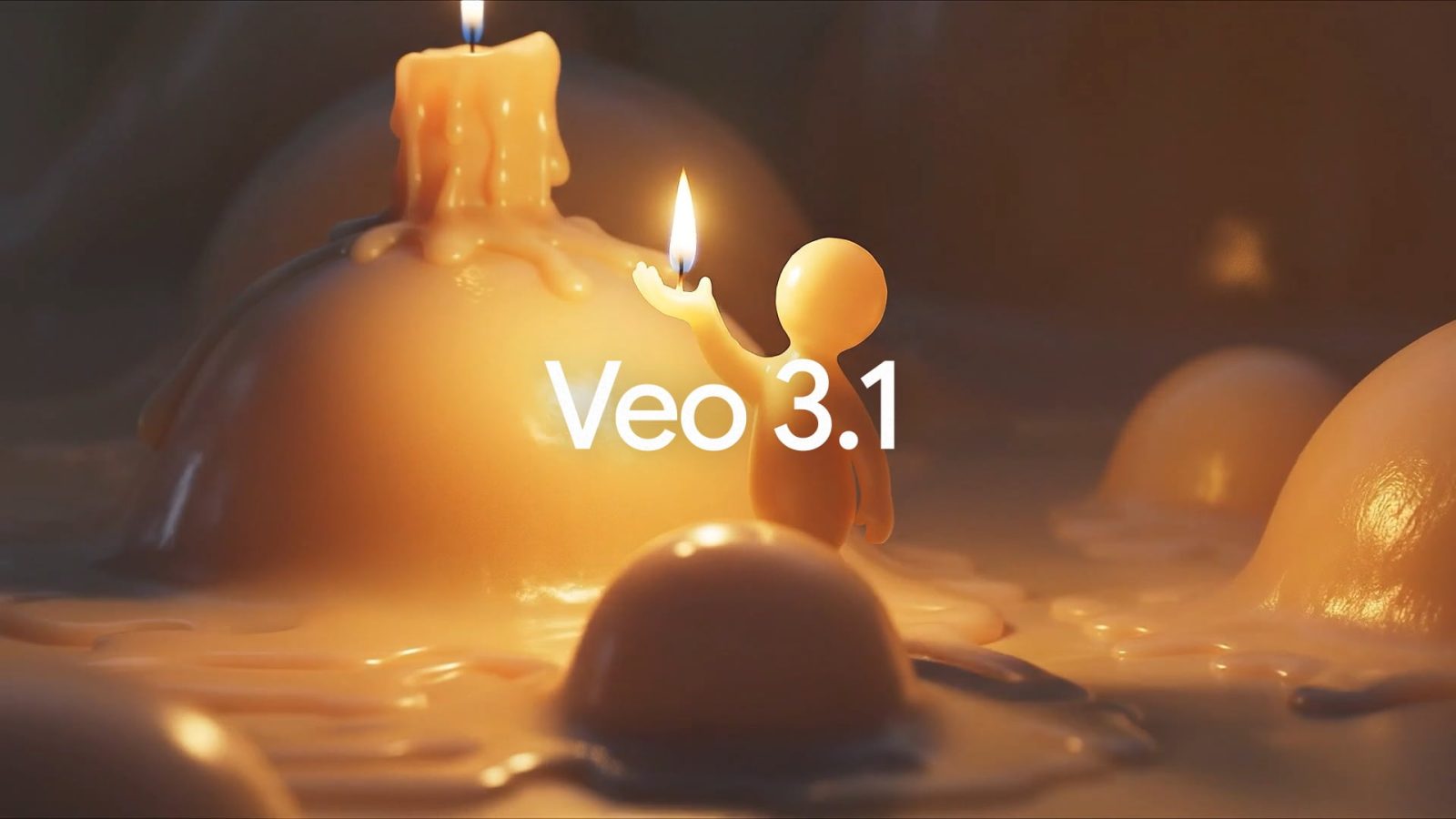
Google today announced Veo 3.1 as its latest video generation model, with Flow getting a number of updates to take advantage of the latest capabilities.
Expand Expanding Close
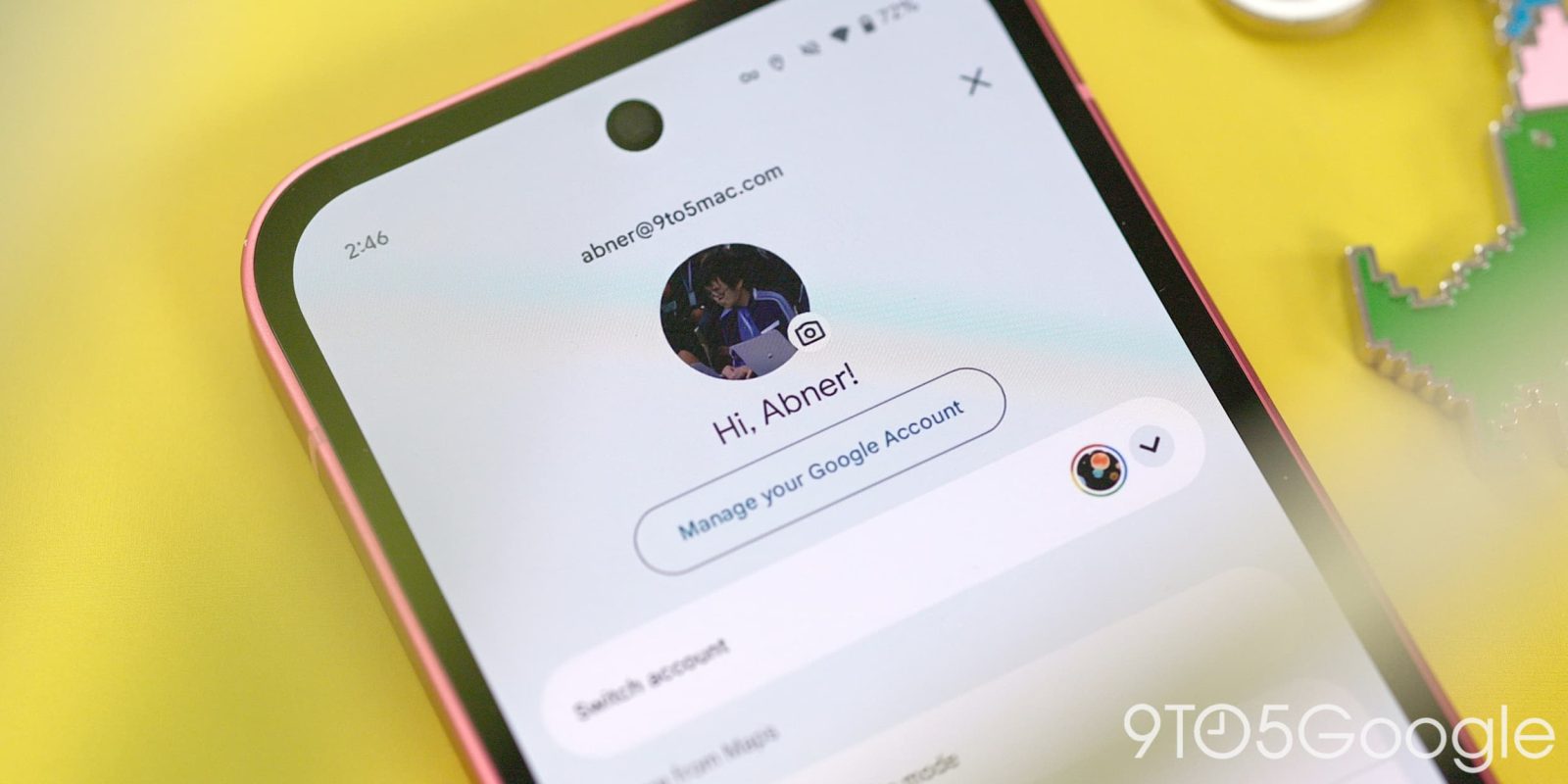
In addition to safety features for Android’s Messages app, Google is introducing new Account recovery tools today, like establishing trusted contacts.
Expand Expanding Close
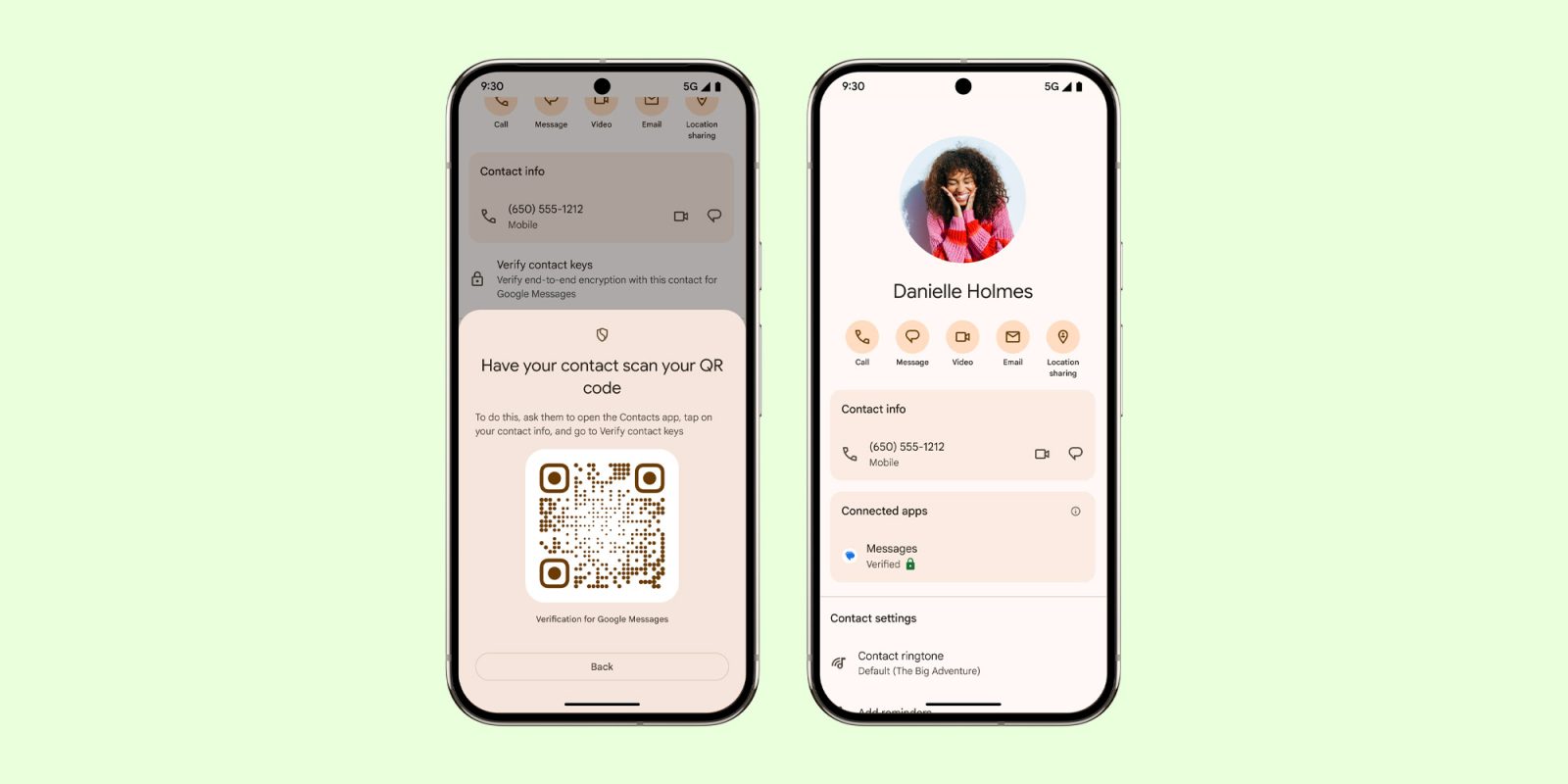
Google is rolling out two new safety features for Messages, including the launch of Android Key Verifier.
Expand Expanding Close

Following the Material 3 Expressive redesign, Google Wallet has rolled out pass nicknames and other features that developers can take advantage of.
Expand Expanding Close

The YouTube family of apps continue to have their own design language that’s distinct from Google services. YouTube is now rolling out a redesign of the video player across Android, iOS, web, and TV, as well as a handful of other “expressive and intuitive” updates.
Expand Expanding Close
As previewed last year, Google Keep is replacing its legacy reminders system with Google Tasks. This is now beginning to roll out.
Expand Expanding Close
Following Add to Calendar earlier this year, the latest Gemini capability coming to Gmail is “Help me schedule” with Google Calendar.
Expand Expanding Close
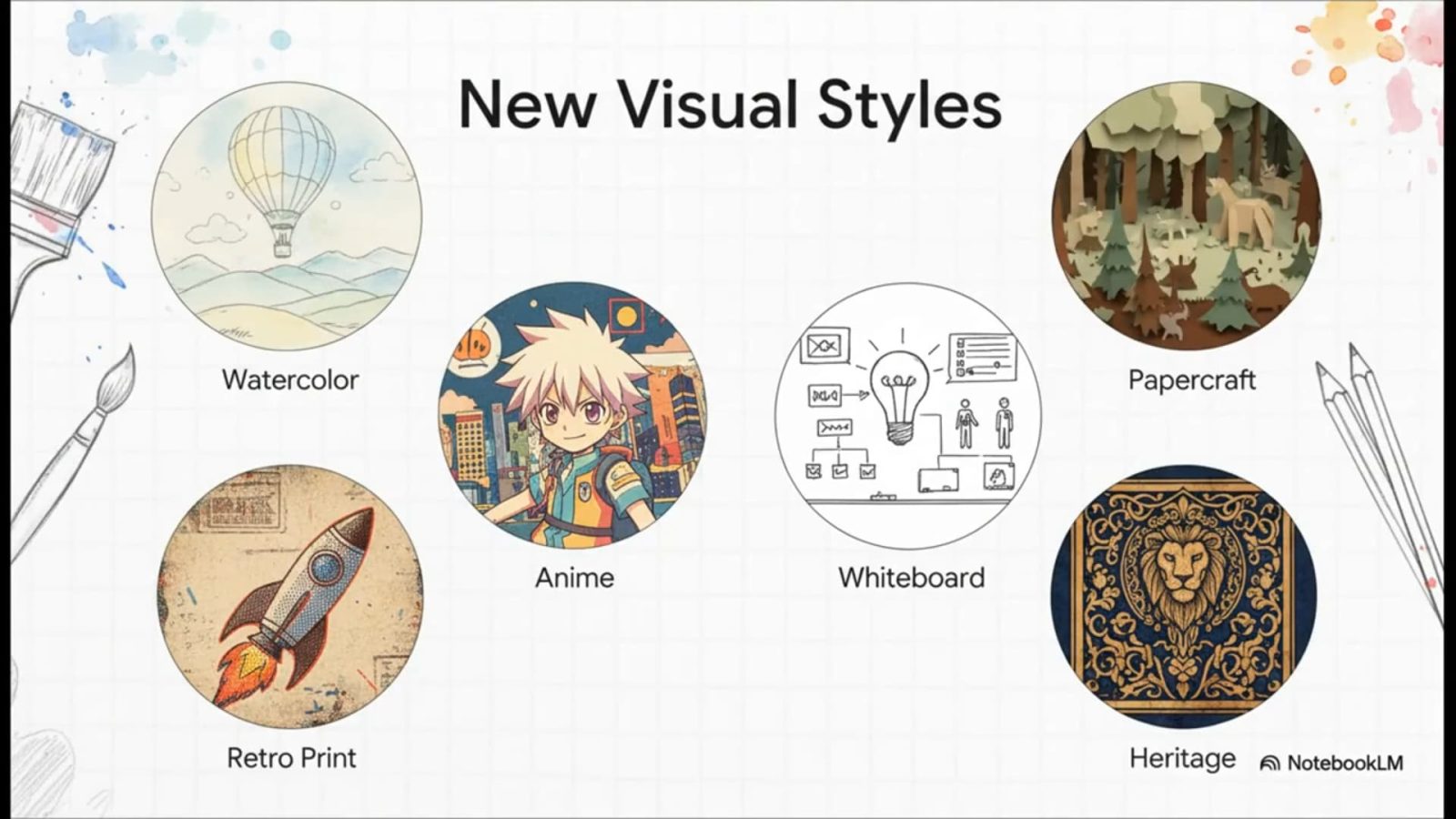
After introducing in July, NotebookLM is giving Video Overviews a big upgrade with the help of Google’s Nano Banana image editing and generation model (Gemini 2.5 Flash Image).
Expand Expanding Close
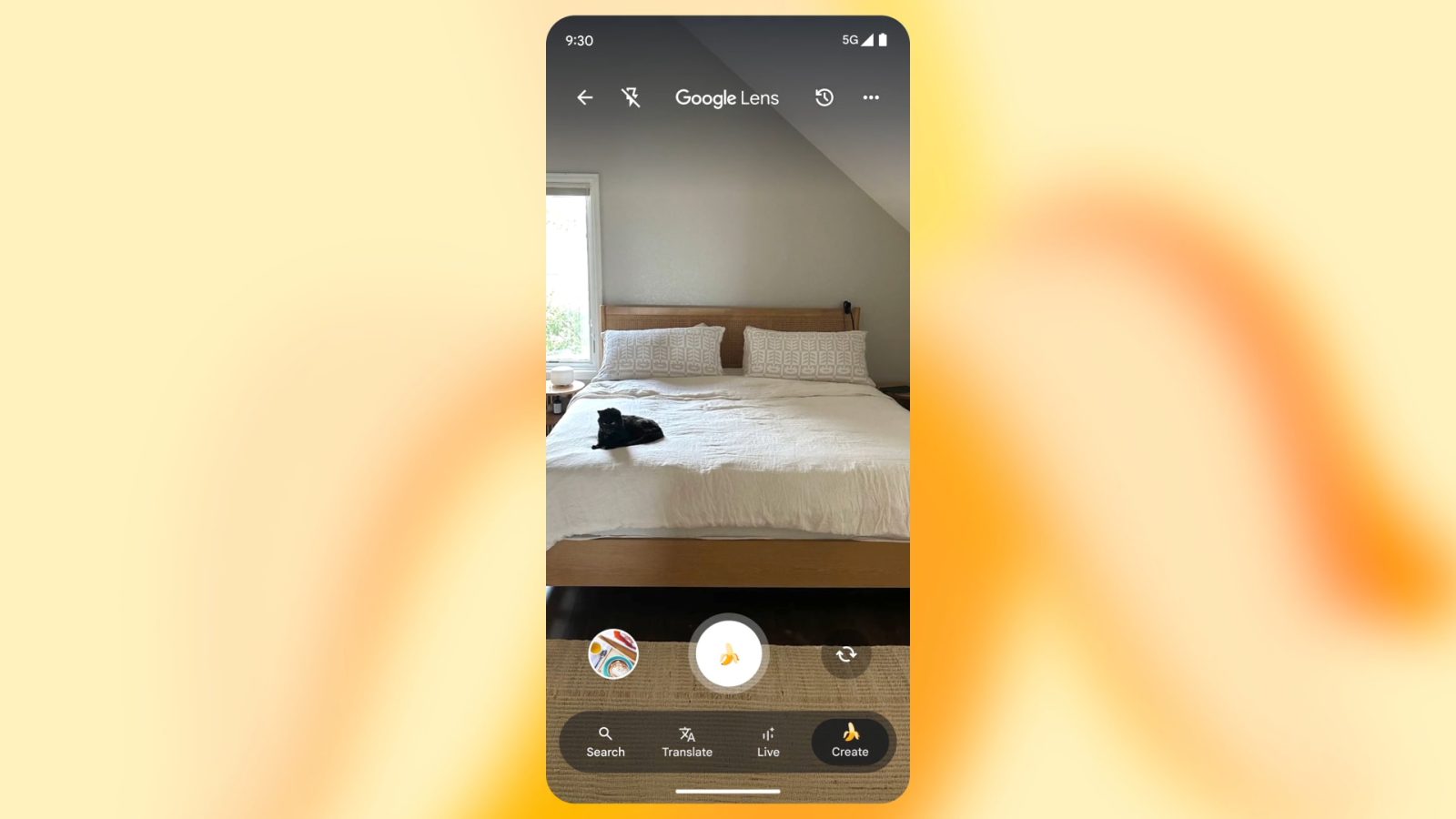
Nano Banana has been a hit in the Gemini app, and Google is now bringing the model’s (Gemini 2.5 Flash Image) viral image editing and generation to AI Mode, as well as Google Lens.
Expand Expanding Close
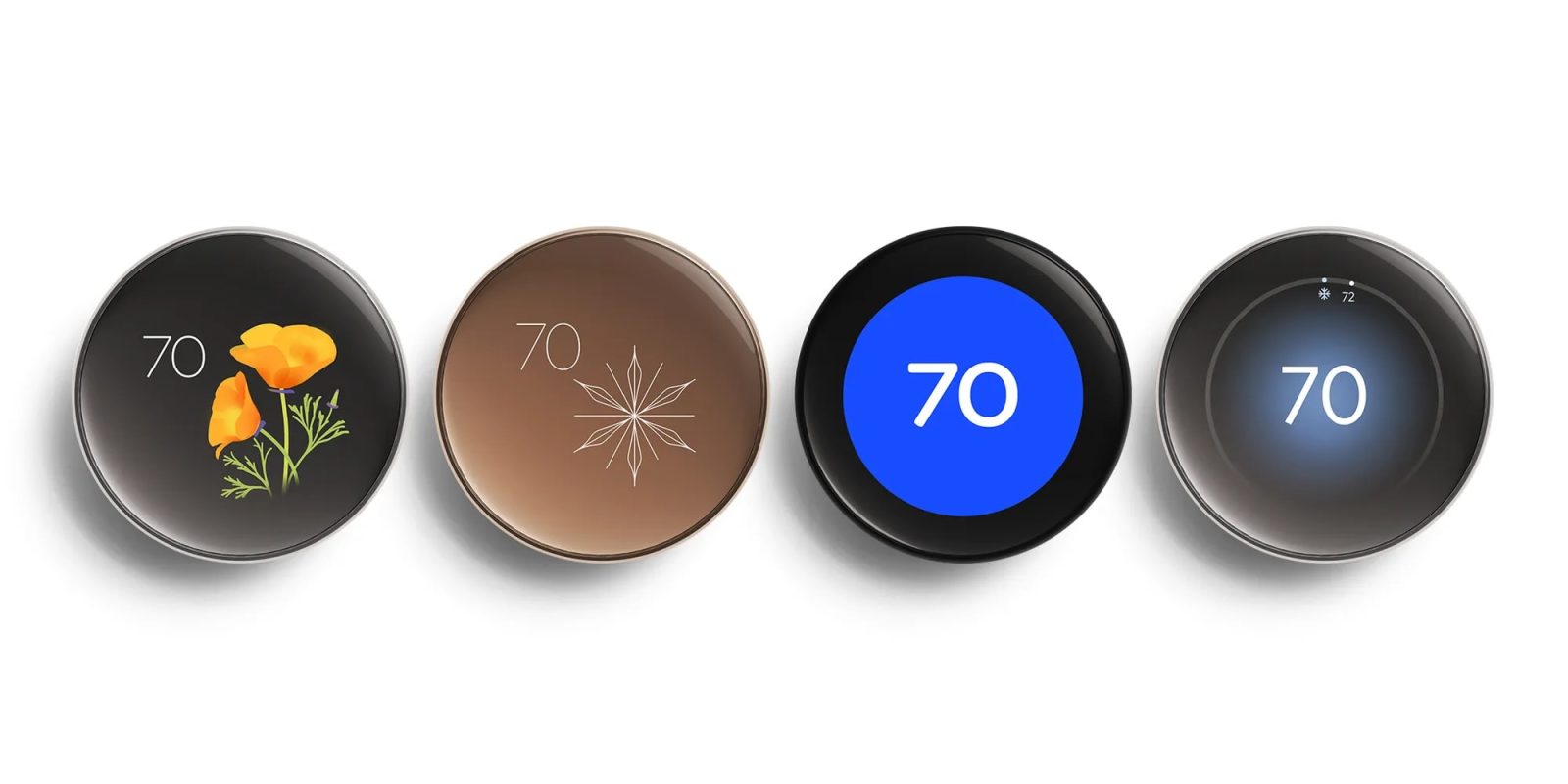
Following all the Gemini for Home announcements at the start of this month, Google is introducing new faces for the Nest Learning Thermostat (4th Gen).
Expand Expanding Close
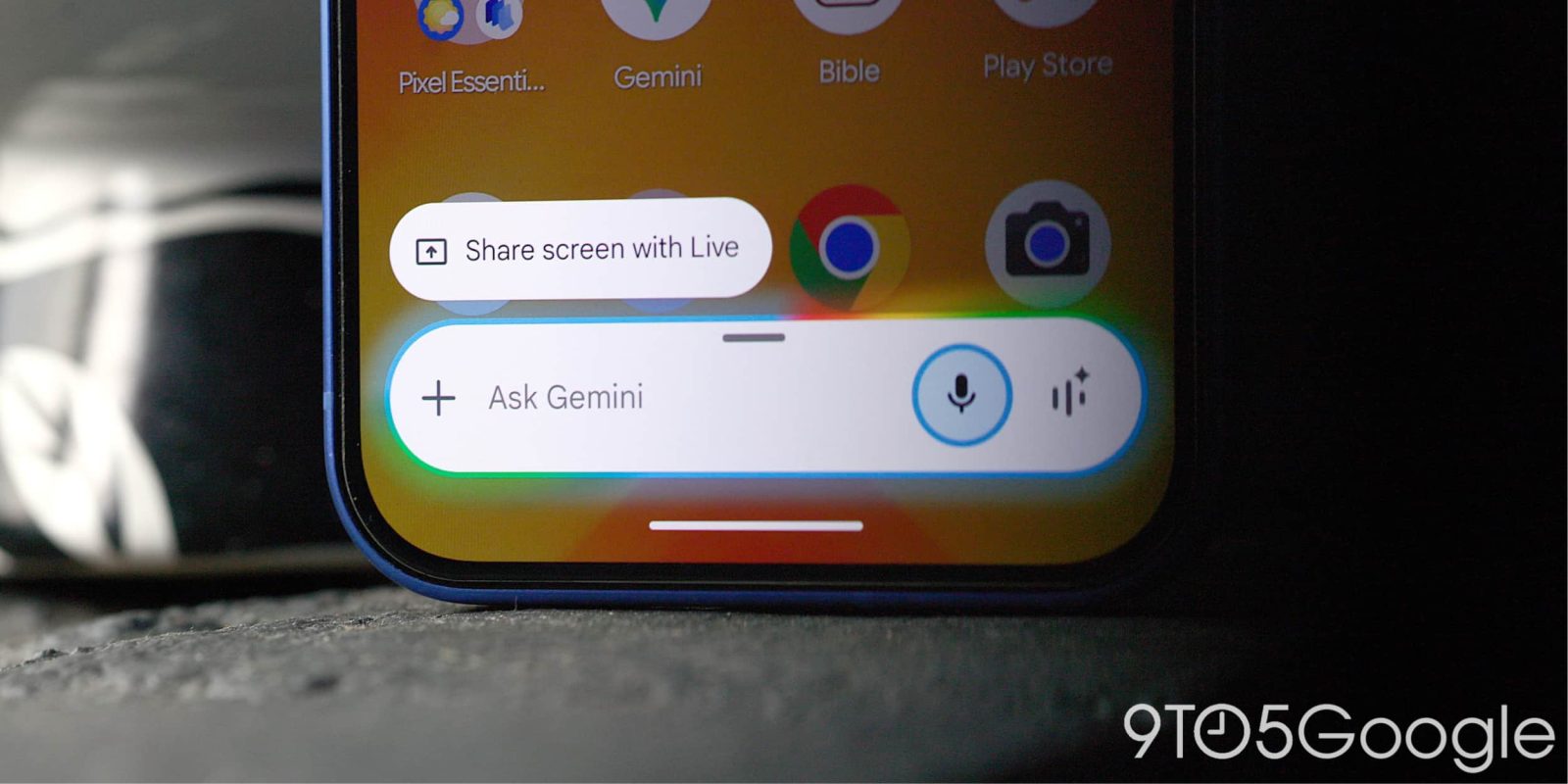
As previewed last month, activating the Gemini overlay in Chrome for Android now lets you quickly Summarize pages.
Expand Expanding Close
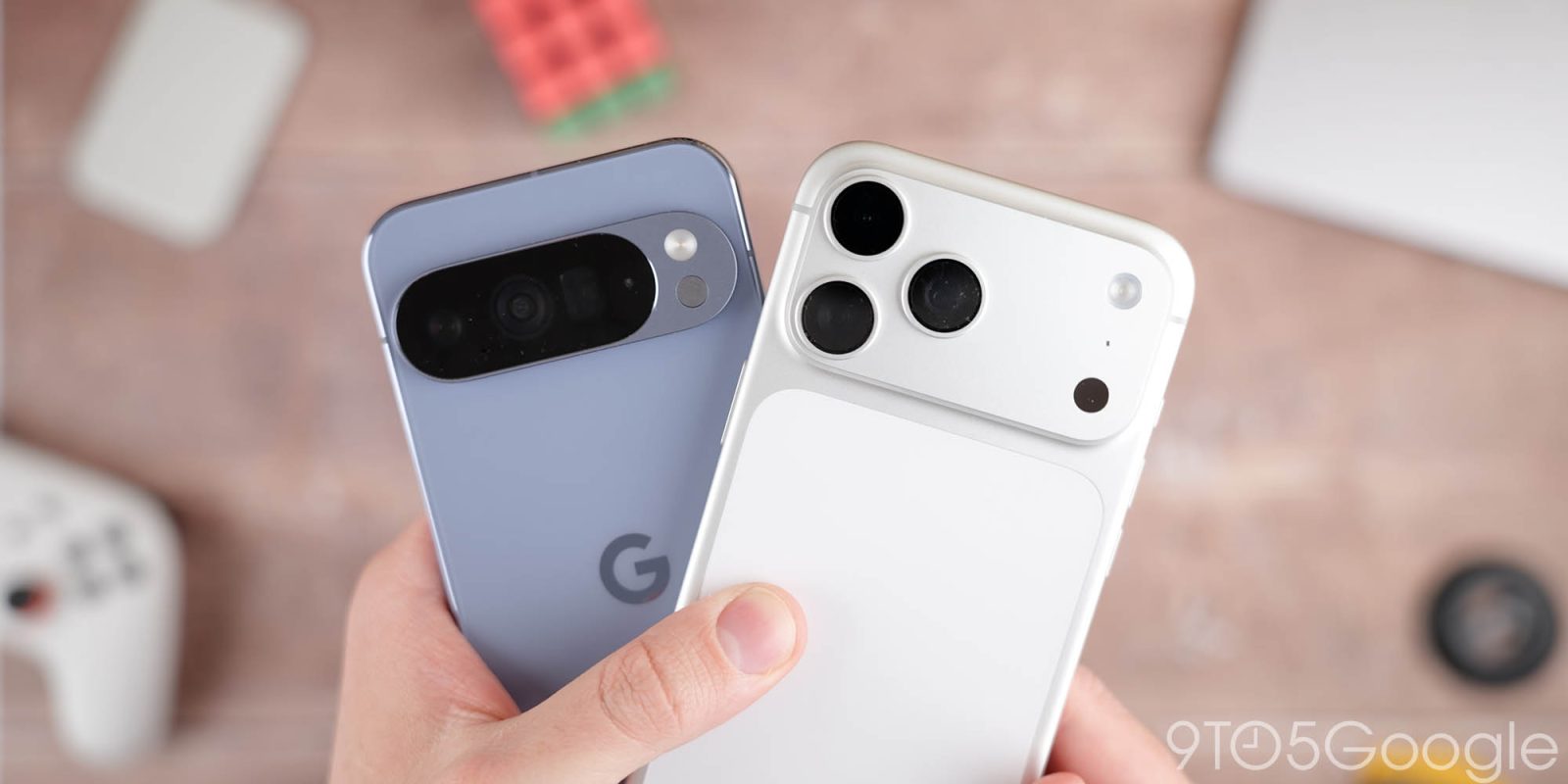
Following Android, most Google apps on iOS now have the redesigned Google Account menu and switcher.
Expand Expanding Close
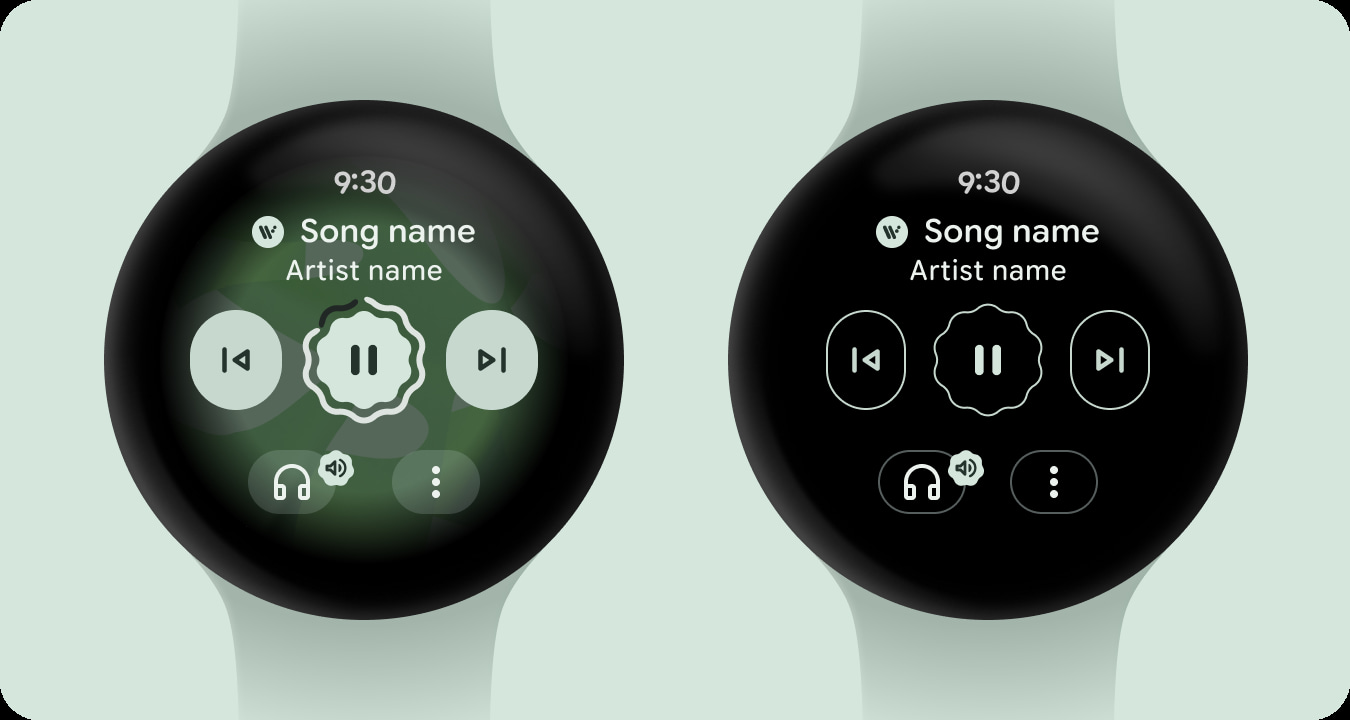
At the moment, Wear OS 6 on the Pixel Watch 4, 3, and 2 does not support always-on display Media Controls, but that is coming soon.
Expand Expanding Close
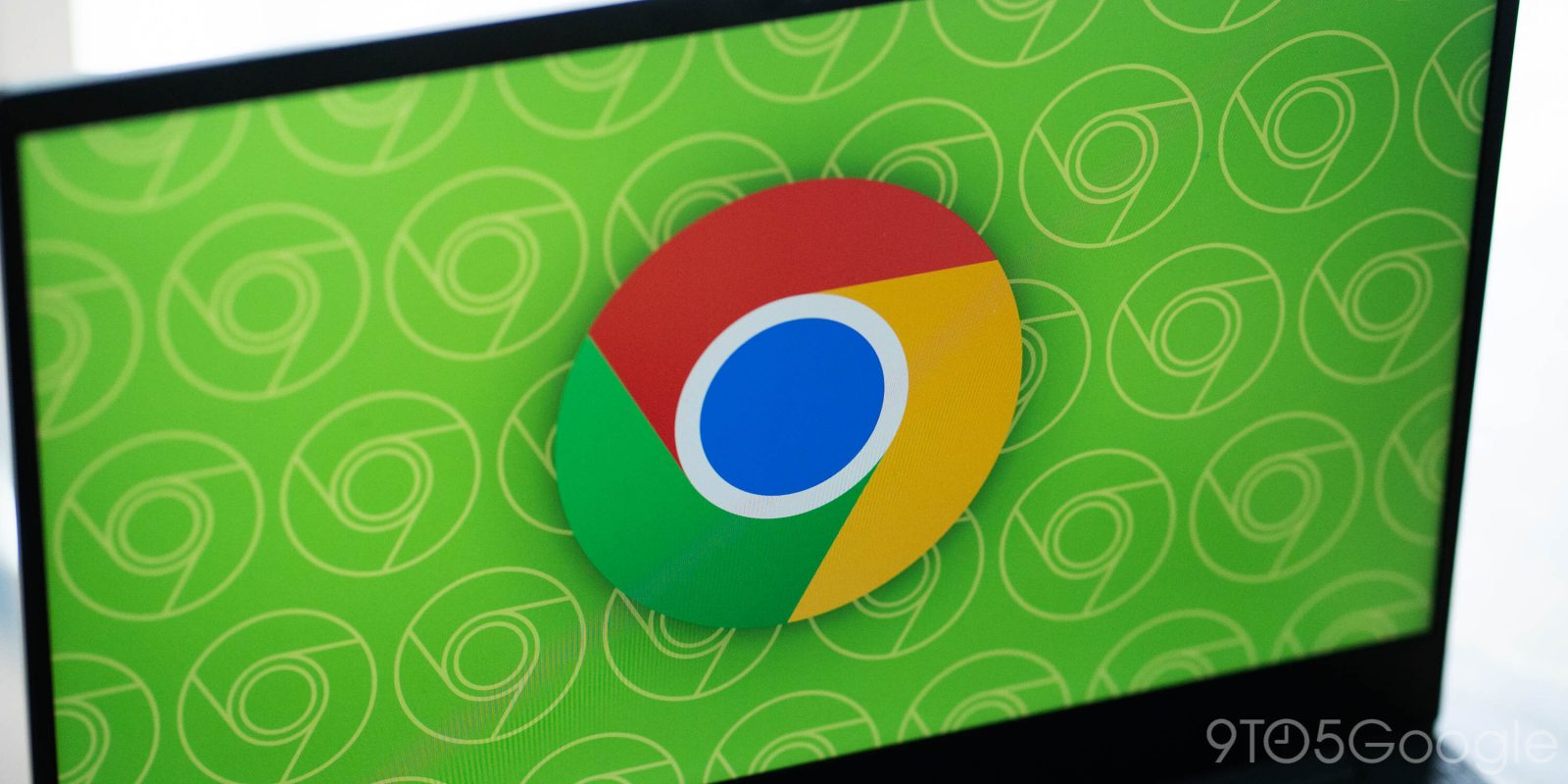
To help reduce notification overload, Chrome for Android and desktop will automatically disable notifications from websites you don’t frequently visit.
Expand Expanding Close
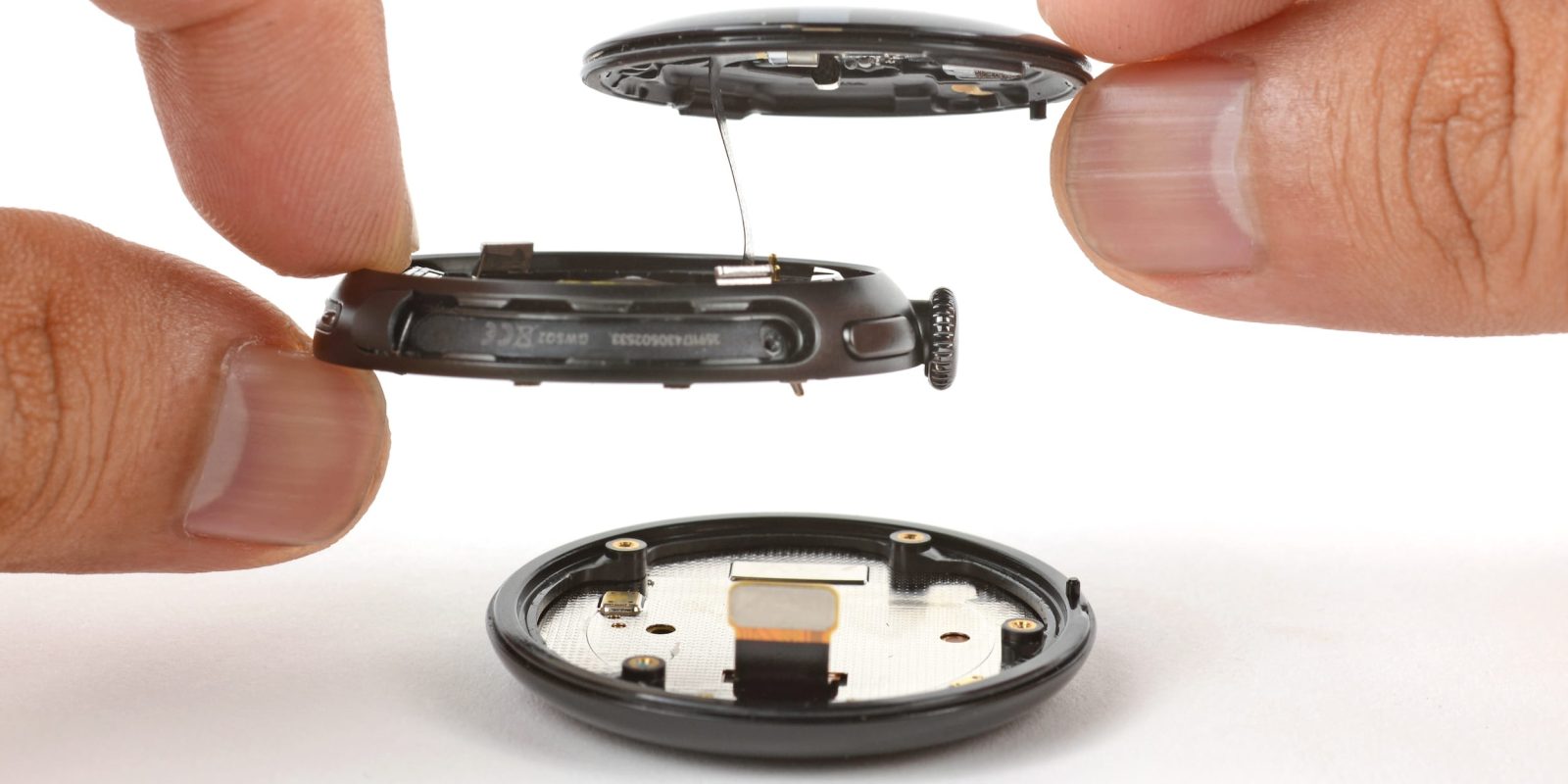
Google designed the Pixel Watch 4 to be serviceable (or repairable) and an iFixit teardown today shows how easy it is to do so.
Expand Expanding Close
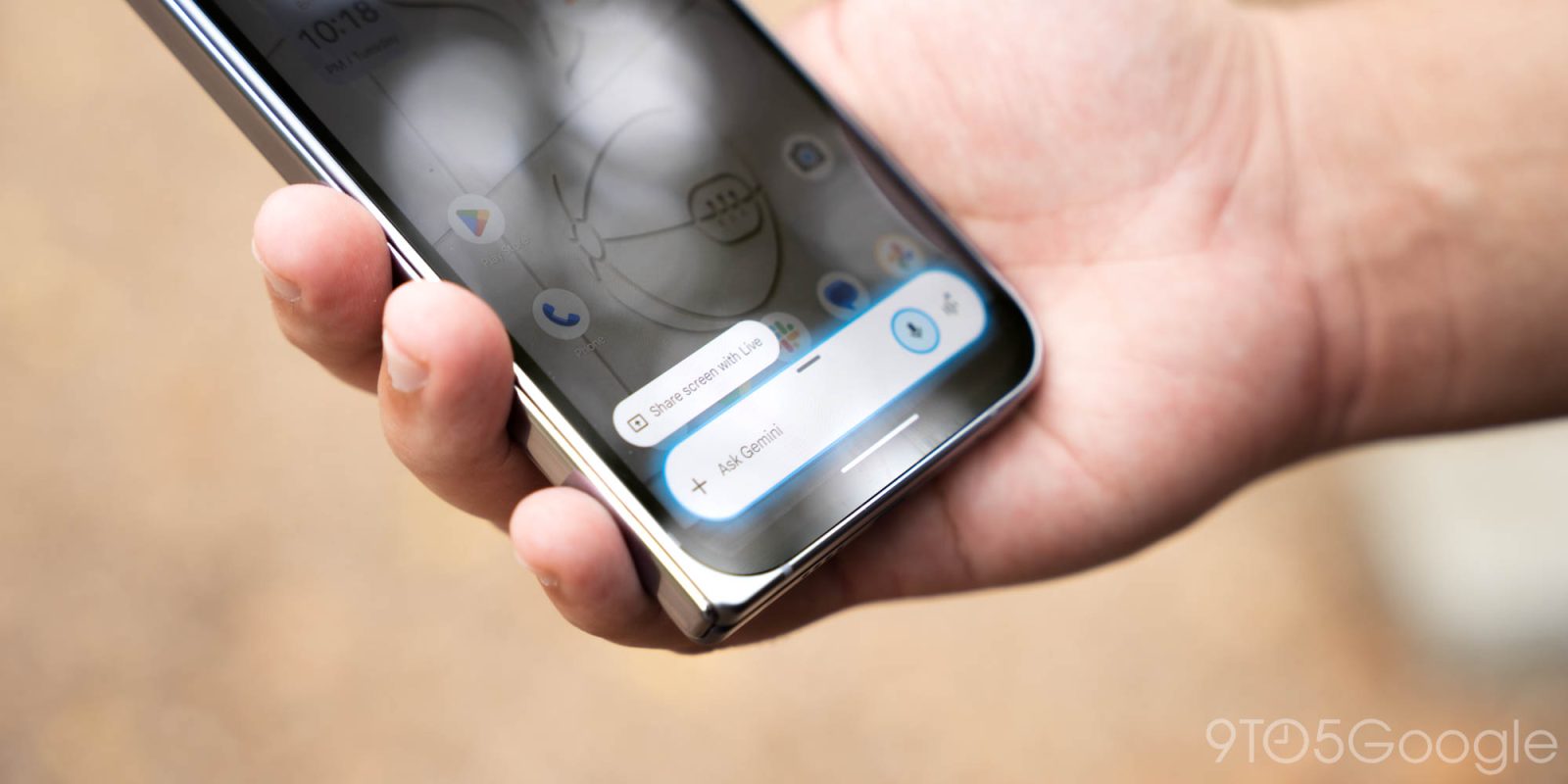
After adding the “Tools” menu last month, a redesign of the Gemini app’s prompt bar removes the box, while the model picker is being moved.
Expand Expanding Close
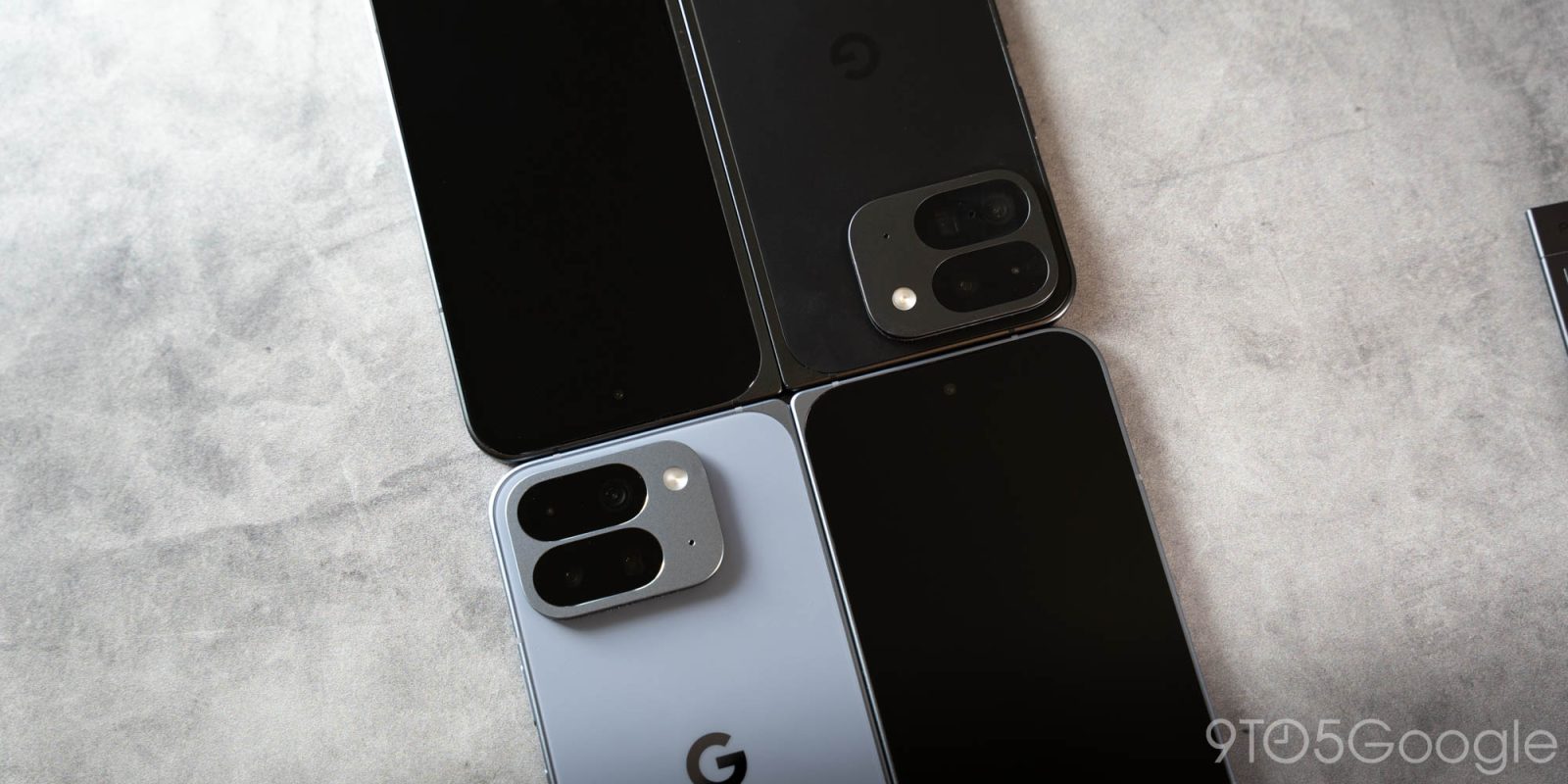
With the Pixel 10 Pro Fold now available, Google is detailing the design and engineering decisions that it made. Of note is how the team considers this device to be a bigger upgrade than most people are giving it credit for given the near identical design that is ever so slightly thicker.
Expand Expanding Close
To simplify AI adoption for businesses, Google is bringing together all its capabilities into one offering called Gemini Enterprise.
Expand Expanding Close
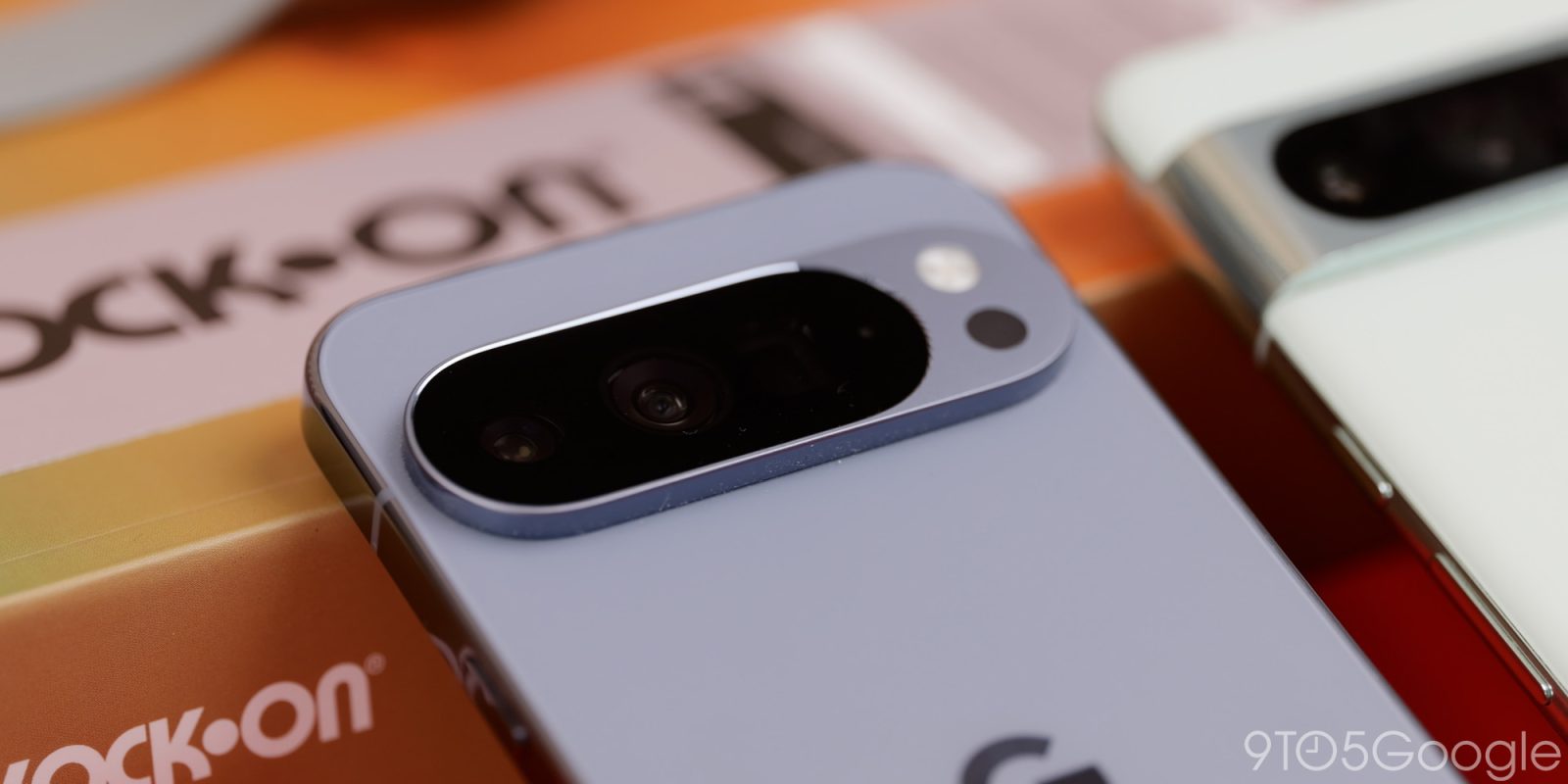
The first update to Android 16 QPR1 is rolling out with the October security patch for the Pixel 6, 6 Pro, 6a, 7, 7 Pro, 7a, Tablet, Fold, 8, 8 Pro, 8a, 9, 9 Pro, 9 Pro XL, 9 Pro Fold, 9a, Pixel 10, Pixel 10 Pro, and Pixel 10 Pro XL.
Expand Expanding Close

Ahead of the Pixel Watch 4 officially going on sale tomorrow, Google is rolling out Wear OS 6 to the Pixel Watch 2 and 3.
Expand Expanding Close
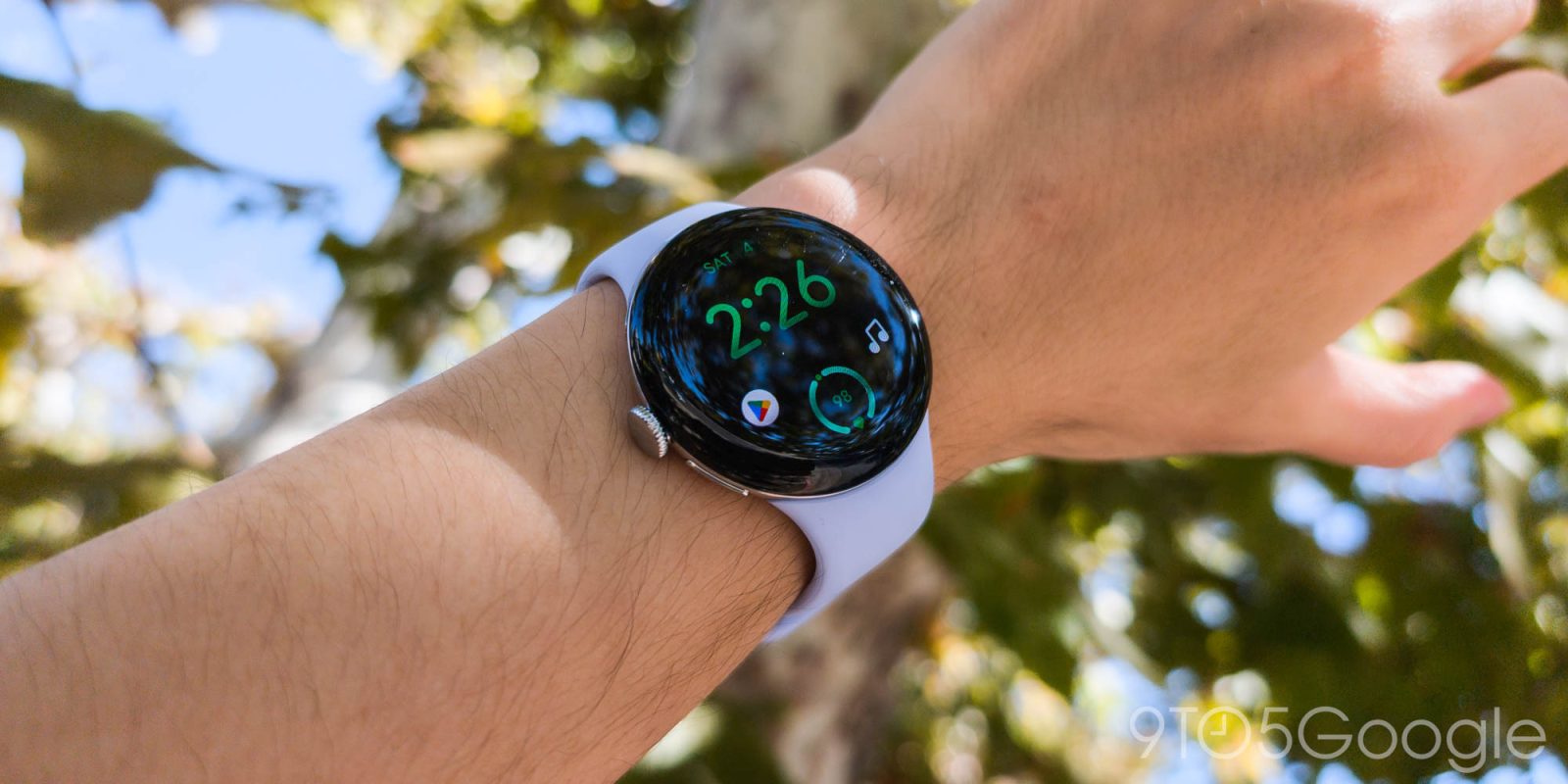
After years of choosing the smallest smartwatch, I spent the last six months with the 45mm Pixel Watch 3. In going back to the 41mm Pixel Watch 4, I think this size class needs to grow, literally, to address how just one aspect is holding back an otherwise great device.
Expand Expanding Close
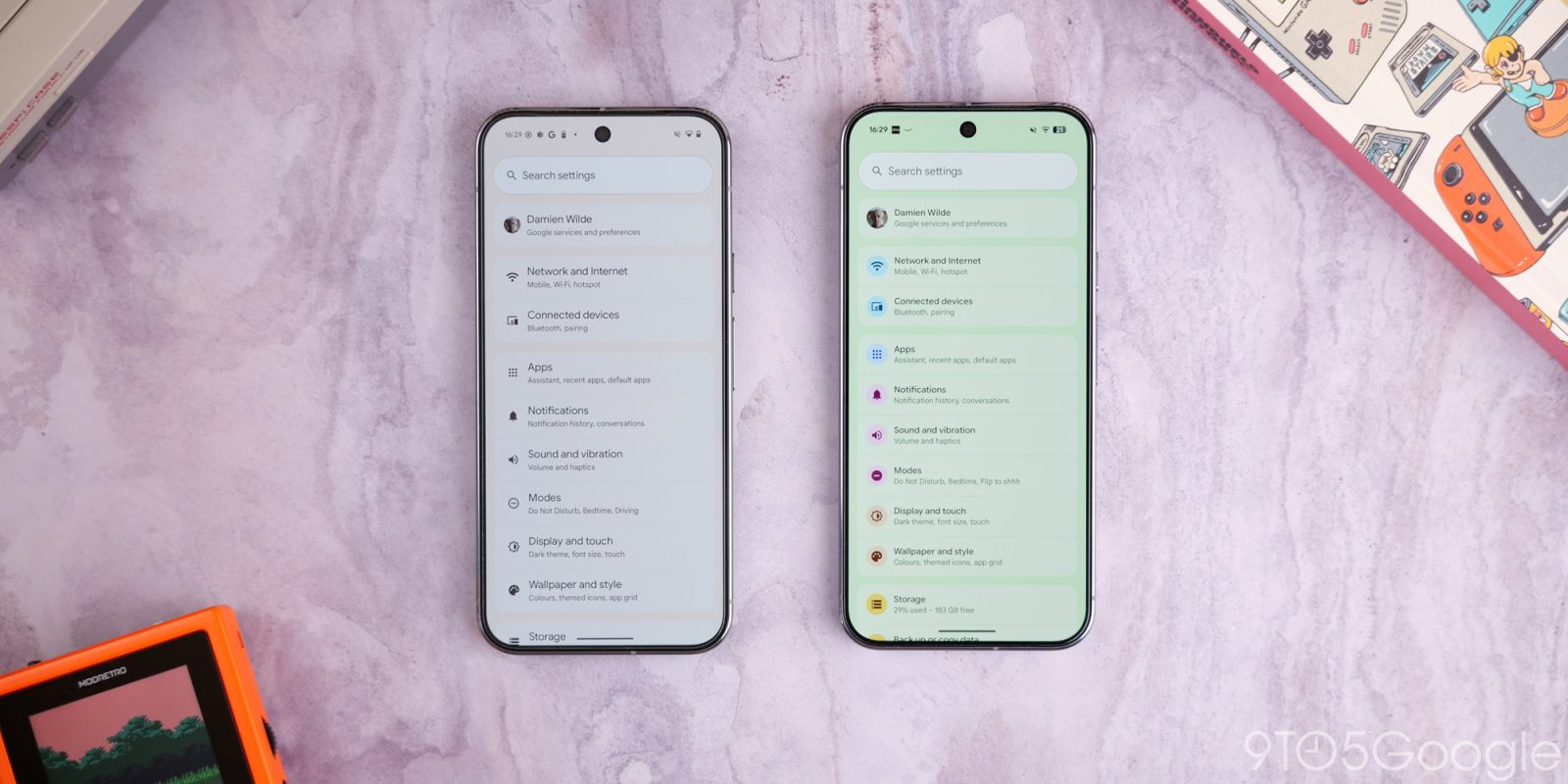
Following the redesign and simplification in August, Google has brought back “Backup details” to Android settings.
Expand Expanding Close