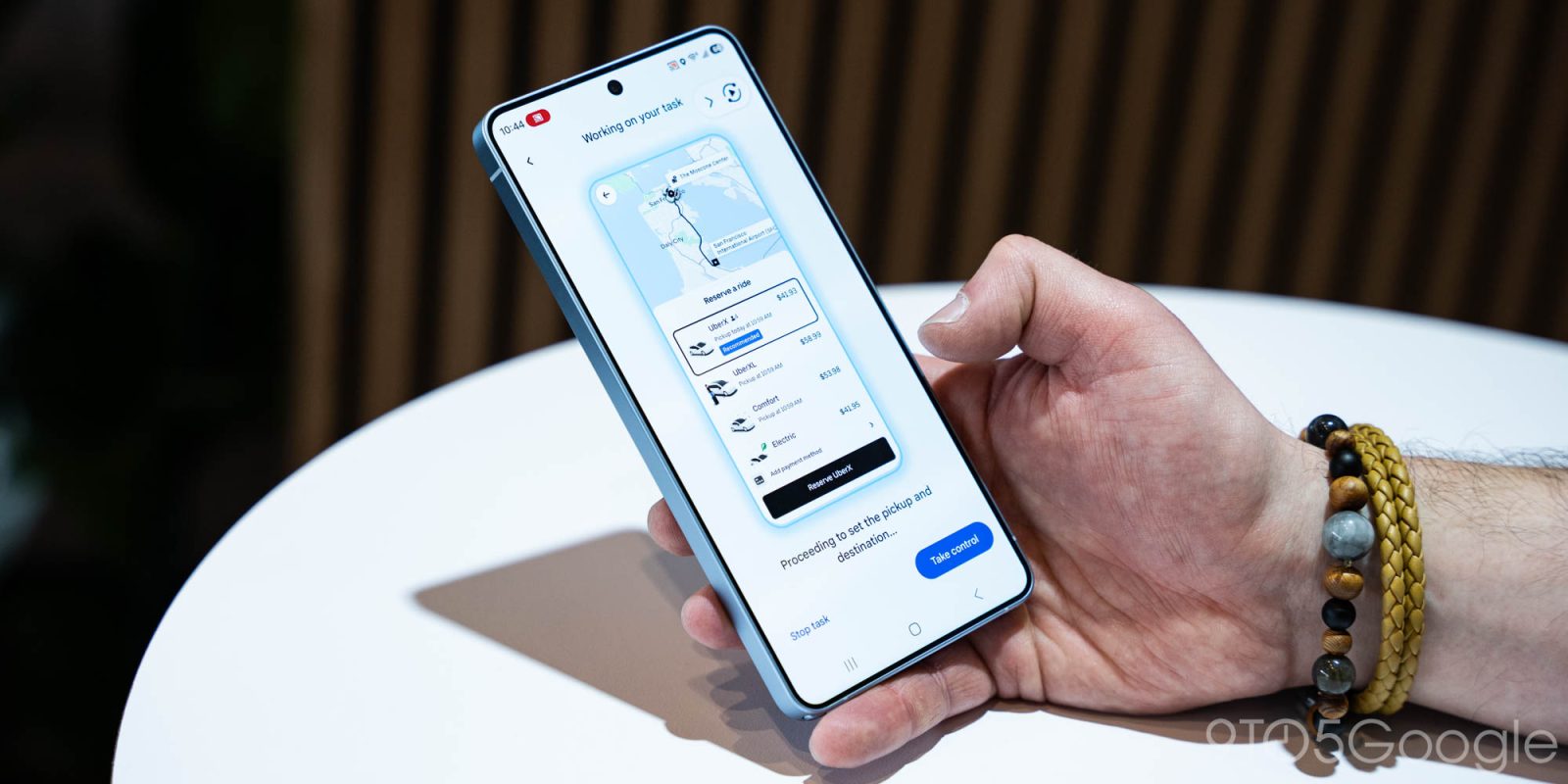
At Samsung’s Galaxy Unpacked, Google announced agentic automation capabilities for the Gemini app on the Galaxy S26, as well as the Pixel 10.
Expand Expanding CloseGemini automation on Pixel 10, S26 can book rides and place orders


Send tips/talk to abner@9to5mac.com or @technacity (open DMs).
Abner Li has worked at 9to5Google since 2015 and in late 2020 took on the role of editor-in-chief. He is keenly focused on tracking what happens at Google, and is often the first to spot new features in Google’s ever-growing family of applications that are updated on a daily basis, including Search, Assistant, Maps, Workspace, Android, Chrome/OS, Wear OS, and YouTube Music.
To him, what Google does greatly impacts the technology space and modern life. Inside the company, he is particularly interested in the key products mentioned above, as well as services like Google Podcasts and Google Lens. Each are massive platforms that can be unwieldy to grasp, with Abner keenly bent on understanding their philosophy and future direction. He is most excited about Google’s plans for augmented reality glasses.
Abner spearheads the APK Insight program at 9to5Google to chronicle all changes in the company’s Android apps, often finding new features before they are officially announced. This includes redesigns and revamps, launches, and new products.
A big area of interest is Google’s hardware division, including Pixel, Fitbit, and Nest. He detailed all of the Pixel 3’s camera features before launch and scooped the 2nd-generation Nest Hub’s Soli-powered Sleep Sensing capability, including how it would integrate with Google Fit.
Recently, Abner detailed the Pixel Watch’s specs in full before launch, including bands and pricing. He also got wind of the Pixel Tablet’s ultimate form factor.
At Samsung’s Galaxy Unpacked, Google announced agentic automation capabilities for the Gemini app on the Galaxy S26, as well as the Pixel 10.
Expand Expanding Close
After losing with the broader Material 3 Expressive redesign, the Google Messages Details page has regained edit history.
Expand Expanding Close

Waymo autonomous vehicles date back to Google’s self-driving car project that started in 2009. As of today, you can get a ride in 10 cities across the US.
Expand Expanding Close
In August of 2024, Google Messages started testing a circular redesign of read receipts. This has been slowly rolling out since then, and there now looks to be wide availability for beta users.
Expand Expanding Close
Just under a year after expanding to the US, YouTube Premium Lite is adding background playback and offline downloads for “most videos.”
Expand Expanding Close
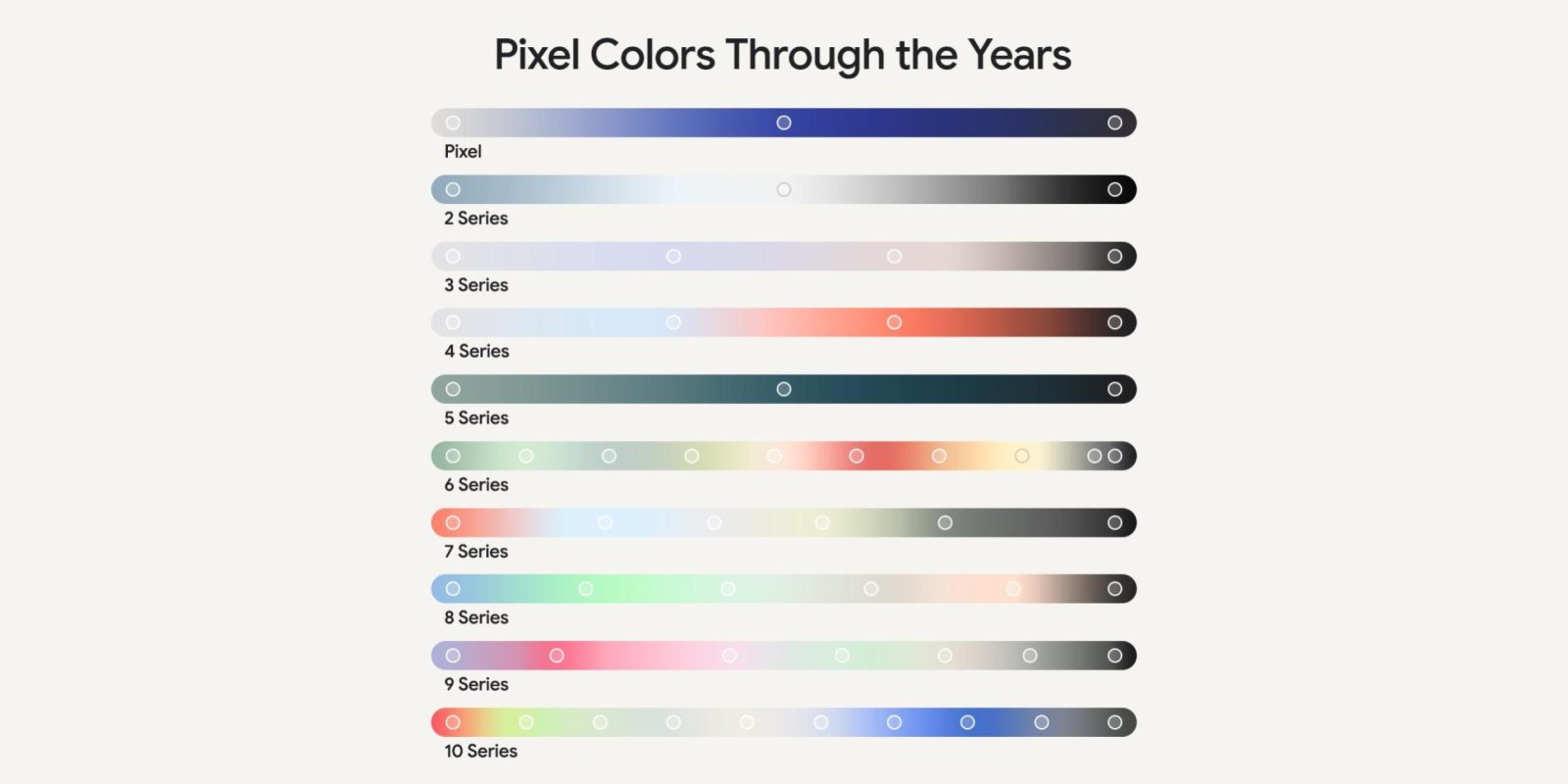
With the Pixel 10a unveil last week, it’s officially a wrap on the Pixel 10 series. Before the next cycle begins, Google posted a fun “Pixel Colors Through the Years” infographic today.
Expand Expanding Close
The monthly “Google System Release Notes” primarily detail what’s new in Play services, Play Store, and Play system update across Android phones/tablets, Wear OS, Google/Android TV, Auto, and PC. Some features apply to end users, while others are aimed at developers.
Expand Expanding Close
Real-time Find Hub location sharing is coming to Google Messages for a more integrated experience on Android.
Expand Expanding Close
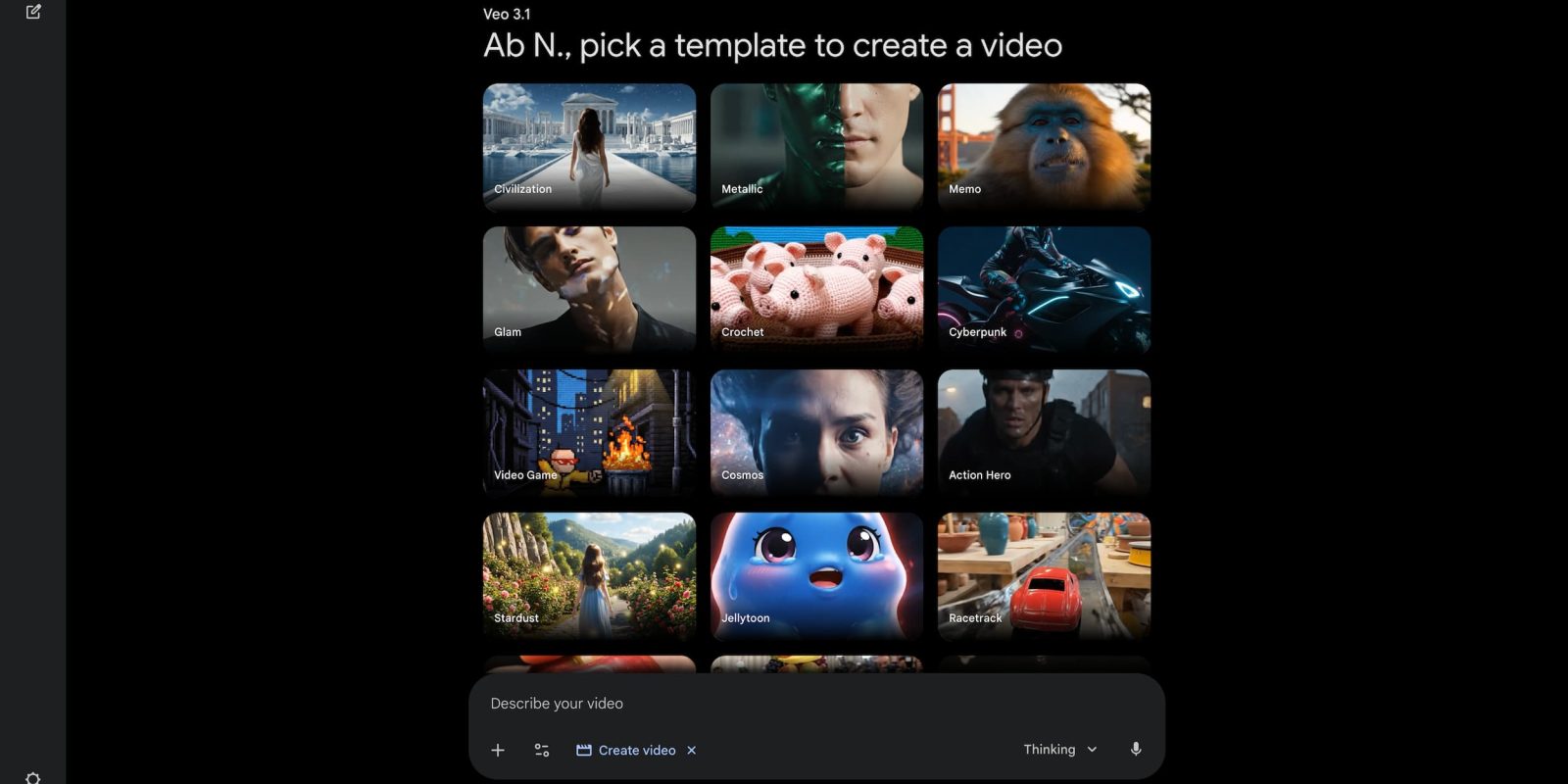
Following music generation last week, the Gemini app is upgrading video generation with templates.
Expand Expanding Close

Google and Apple today announced that testing of encrypted RCS messaging between Android and iPhone is now underway.
Expand Expanding Close
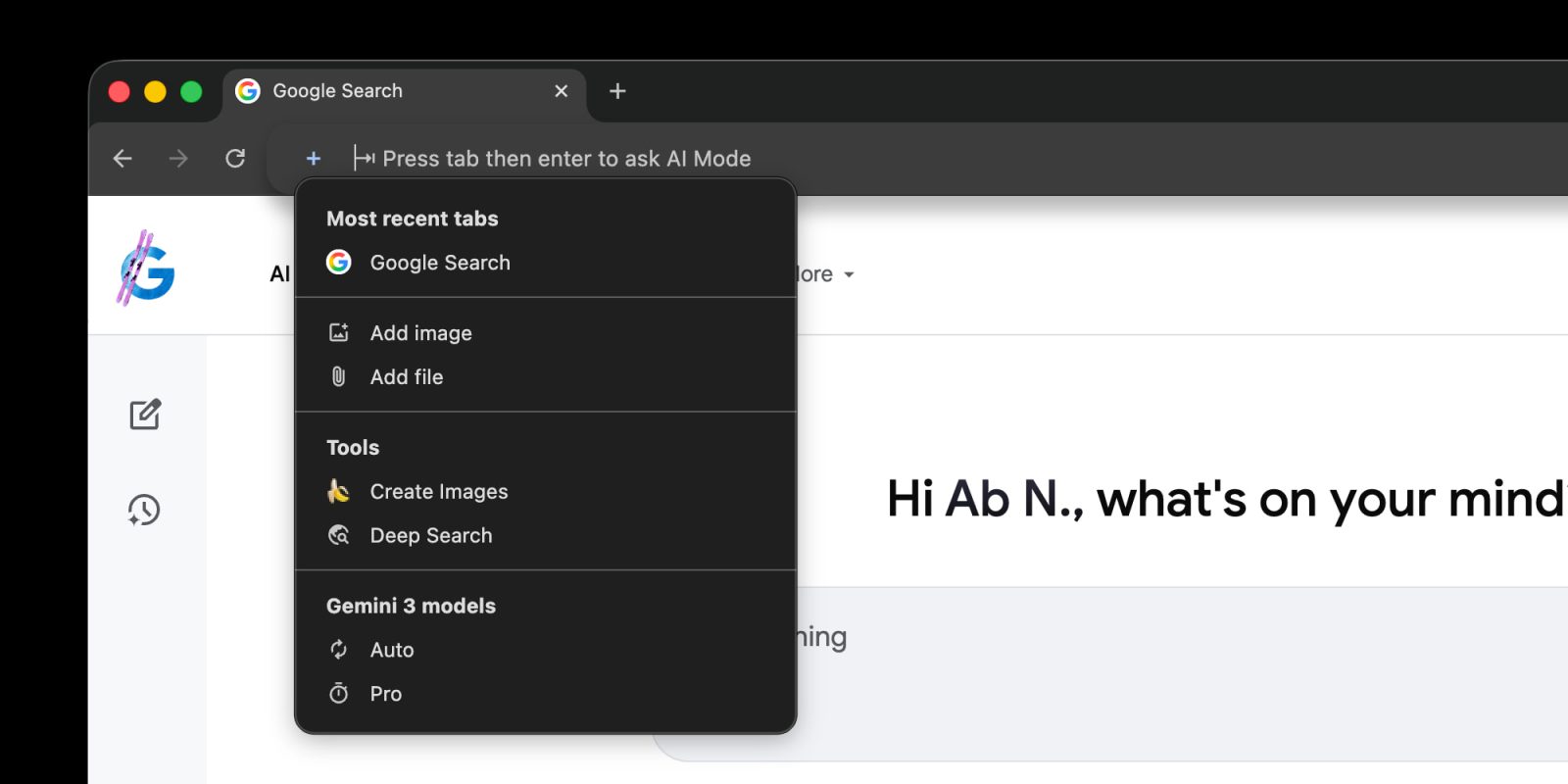
Following last month’s big Gemini in Chrome update, AI Mode in Google’s desktop browser is getting its own upgrade in the address bar.
Expand Expanding Close
NotebookLM has received a slew of updates in the past few days, headlined by Gemini 3.1 Pro and slide customizations.
Expand Expanding Close
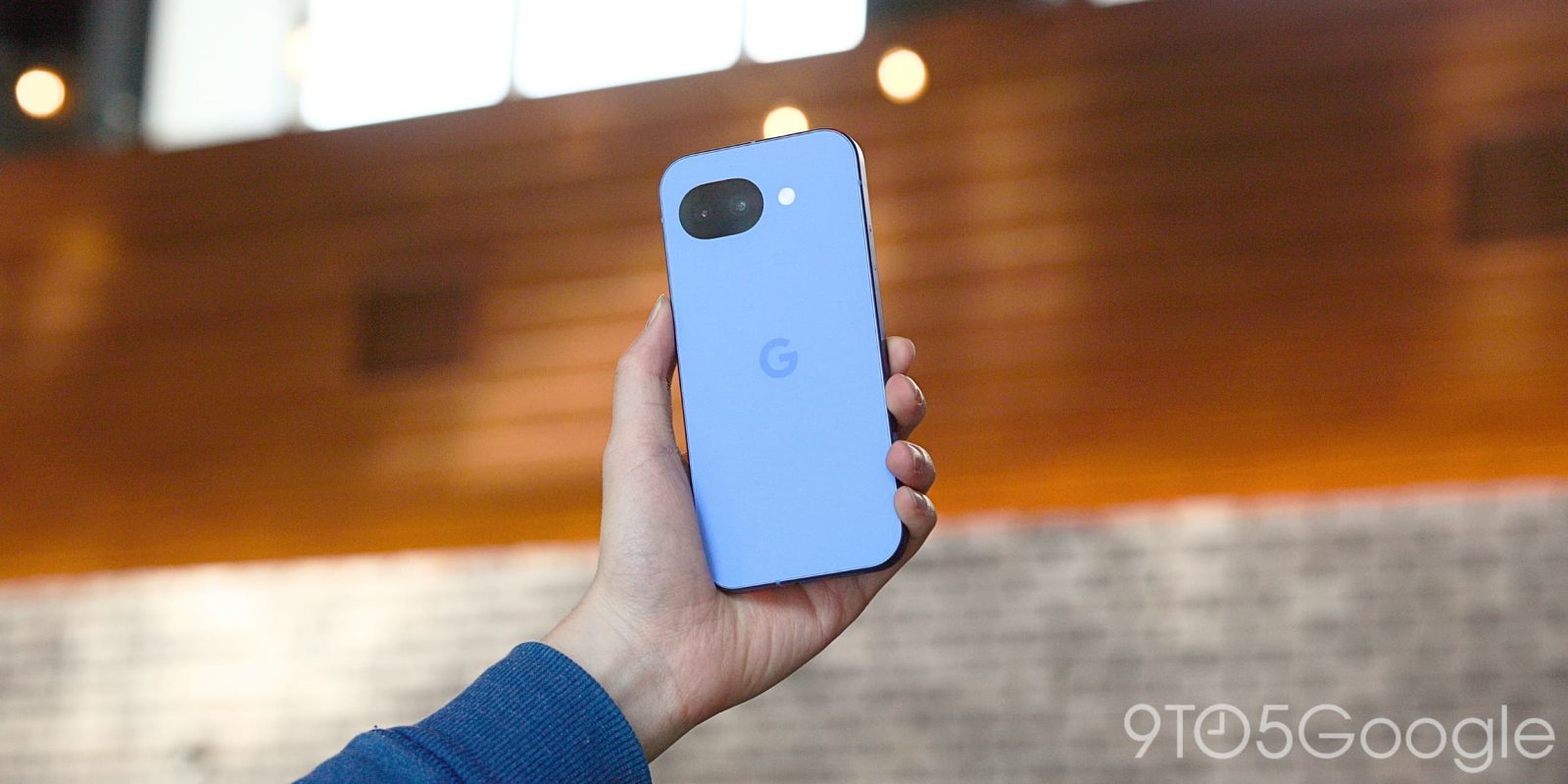
In November, Call Recording for the Pixel Phone app began rolling out broadly, and it’s now getting international availability.
Expand Expanding Close
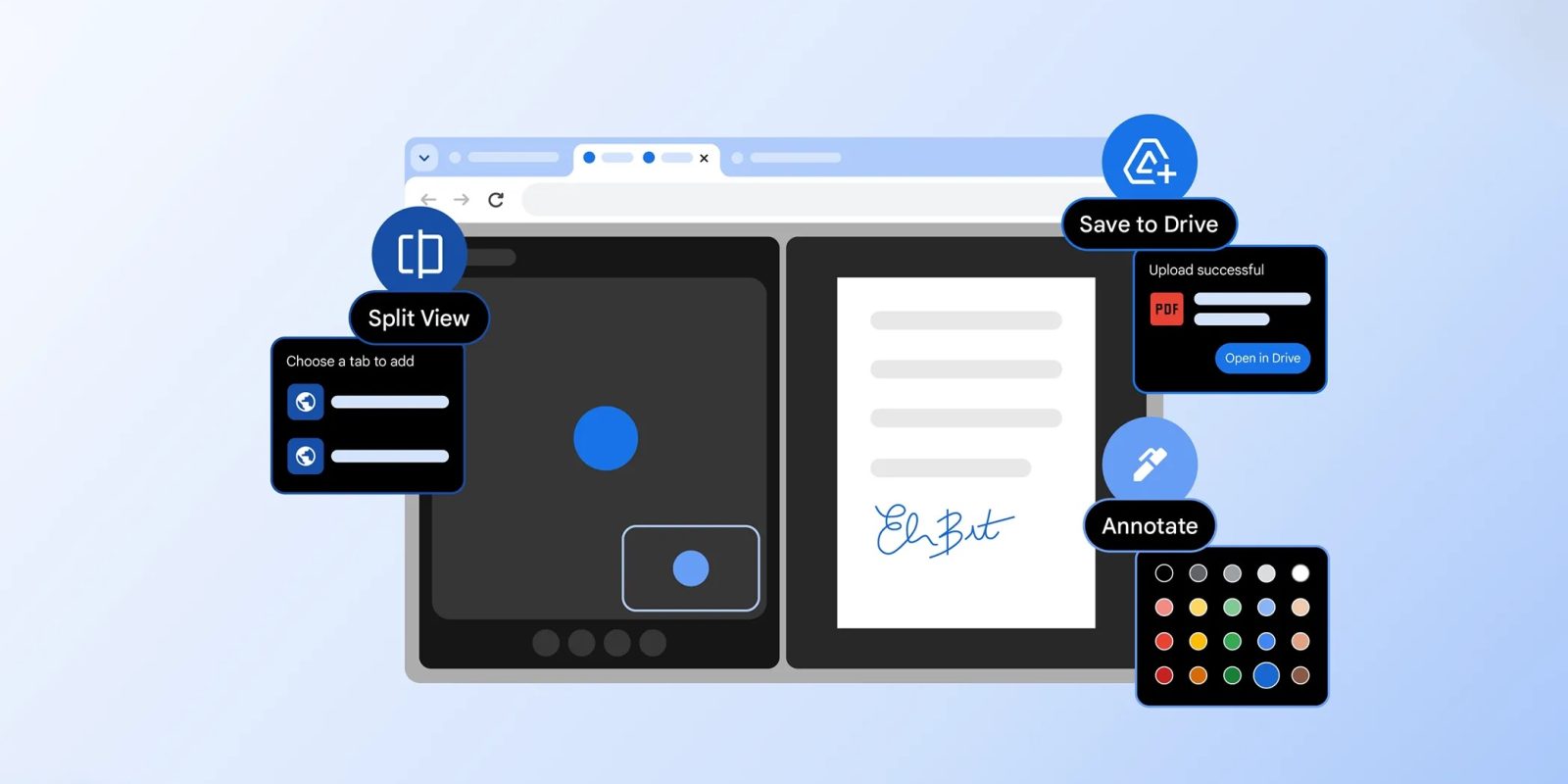
Google is officially announcing a trio of new desktop Chrome productivity features today: Split View, PDF annotation, and Save to Google Drive.
Expand Expanding Close
In November, Google introduced Gemini 3 Pro in preview, with Gemini 3 Flash following a month later. Google today announced Gemini 3.1 Pro “for tasks where a simple answer isn’t enough.”
Expand Expanding Close

After soft-launching in December, Snapseed for iOS is now officially rolling out its new camera that makes the app more than just an image editor.
Expand Expanding Close
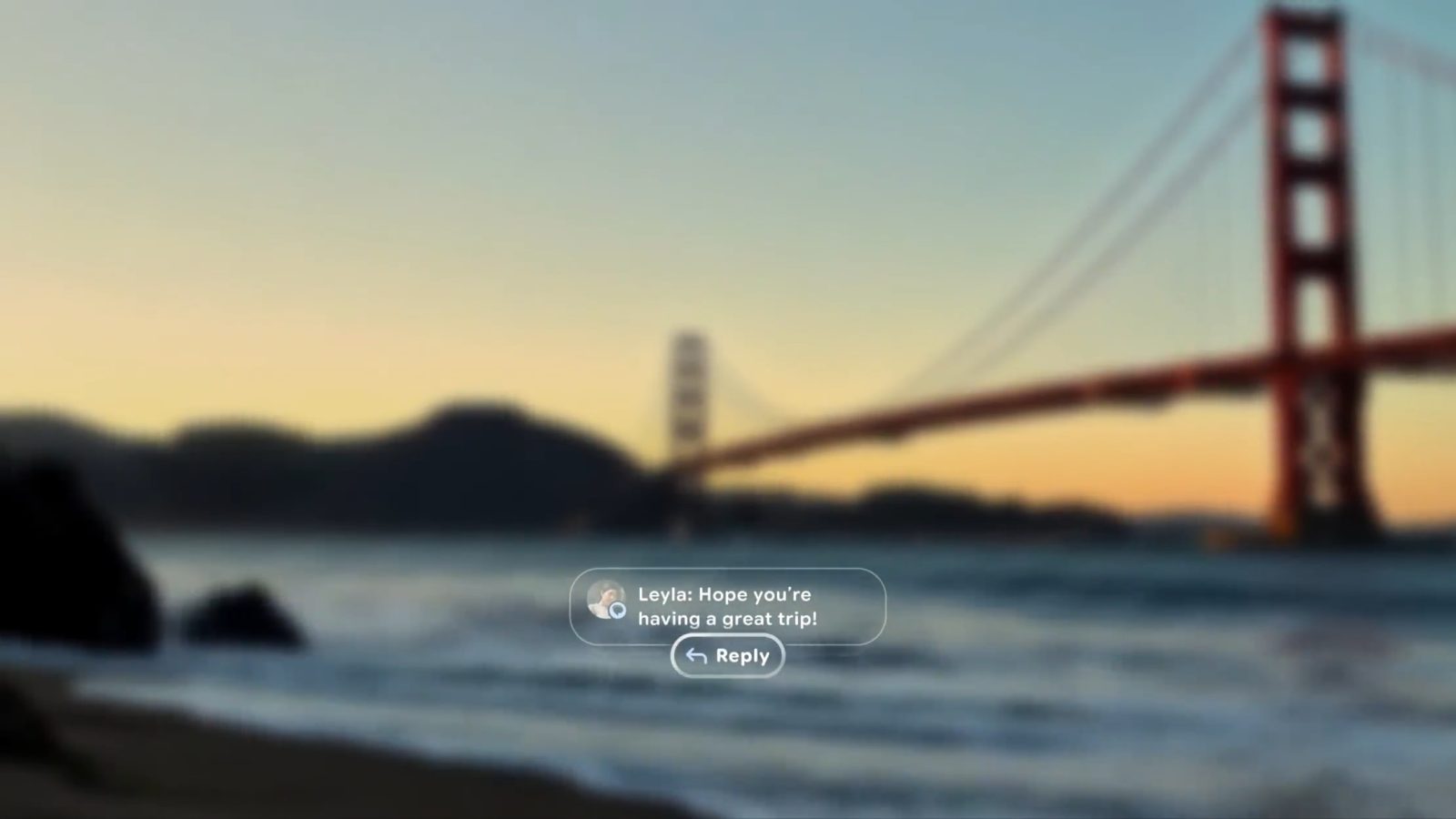
Google Design has an interesting article this week about “Designing for Transparent Screens” and the work that went into Jetpack Compose Glimmer, Android XR’s design system for Display AI Glasses.
Expand Expanding Close
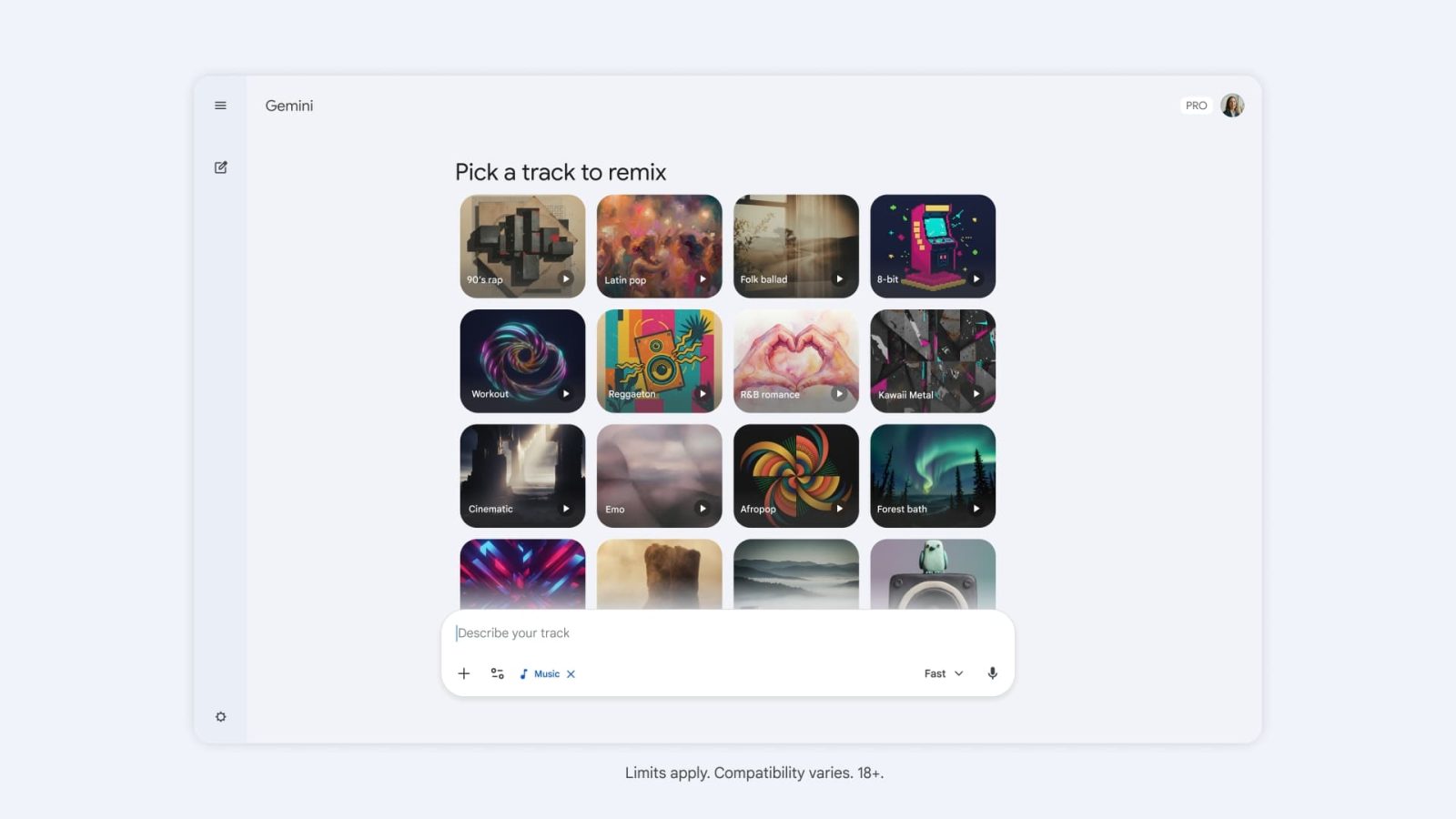
Following text, audio overviews, images, and video, the Gemini app’s latest output is music with Lyria 3.
Expand Expanding Close
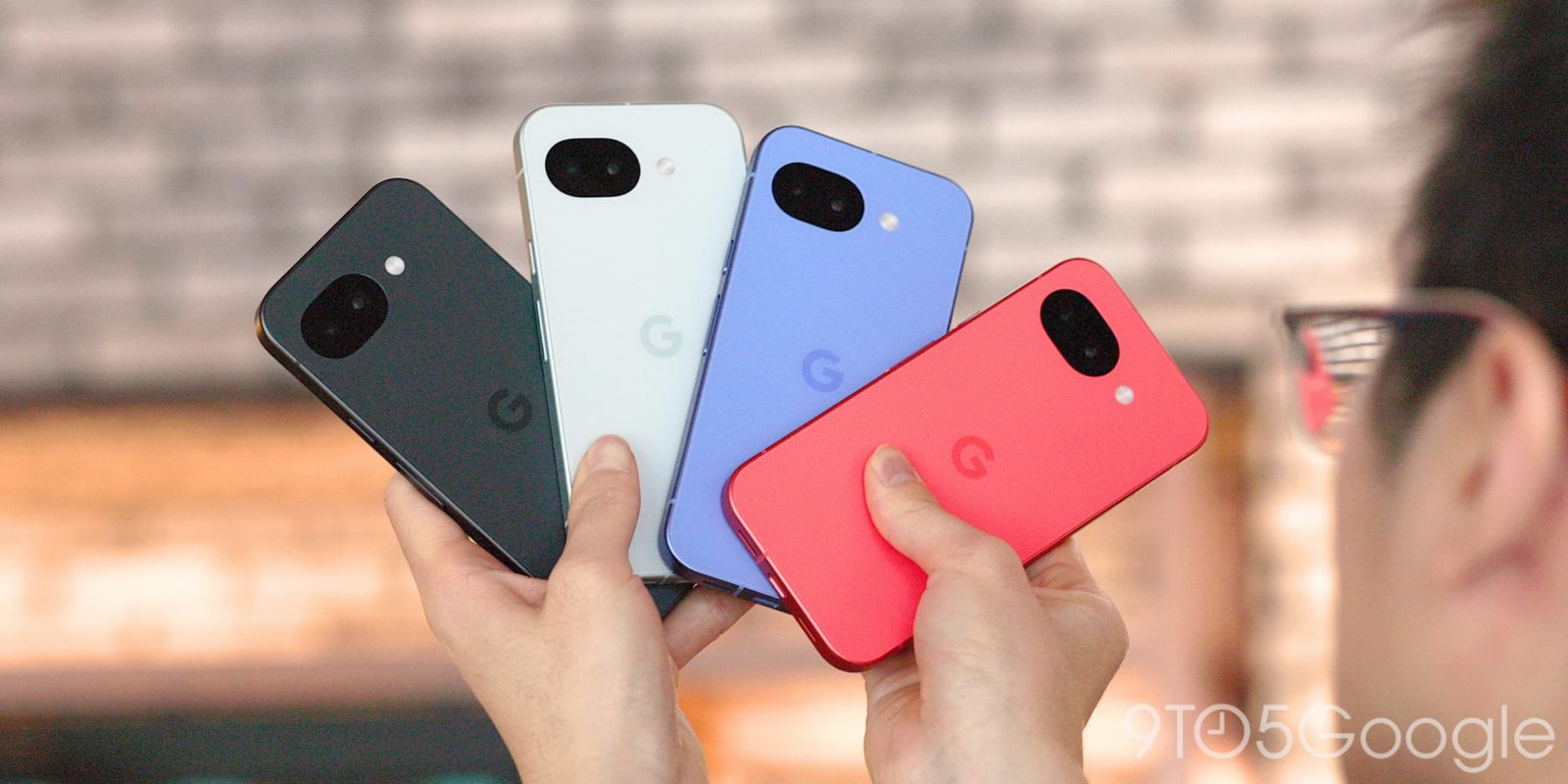
Google today fully detailed and opened pre-orders for its 2026 A-Series phone. After briefly checking it out in person, the Pixel 10a is my platonic ideal of a smartphone.
Expand Expanding Close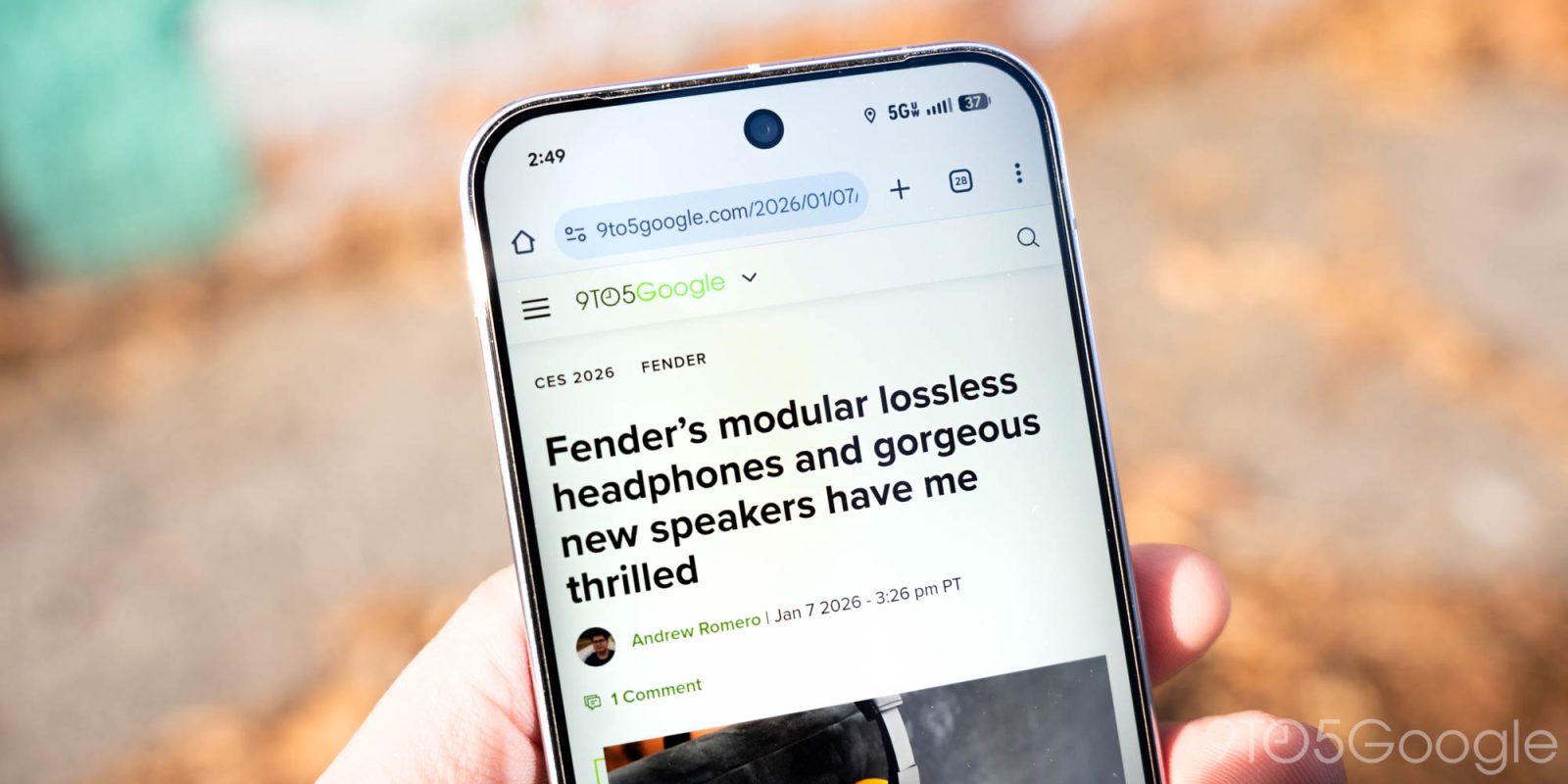
Chrome 145 is widely rolling out on Android today with a new Home icon in the address bar.
Expand Expanding Close

For the third update in a row, Google Home is improving automations. Google has a trio of new features and changes with the February 17, 2026 release notes.
Expand Expanding Close
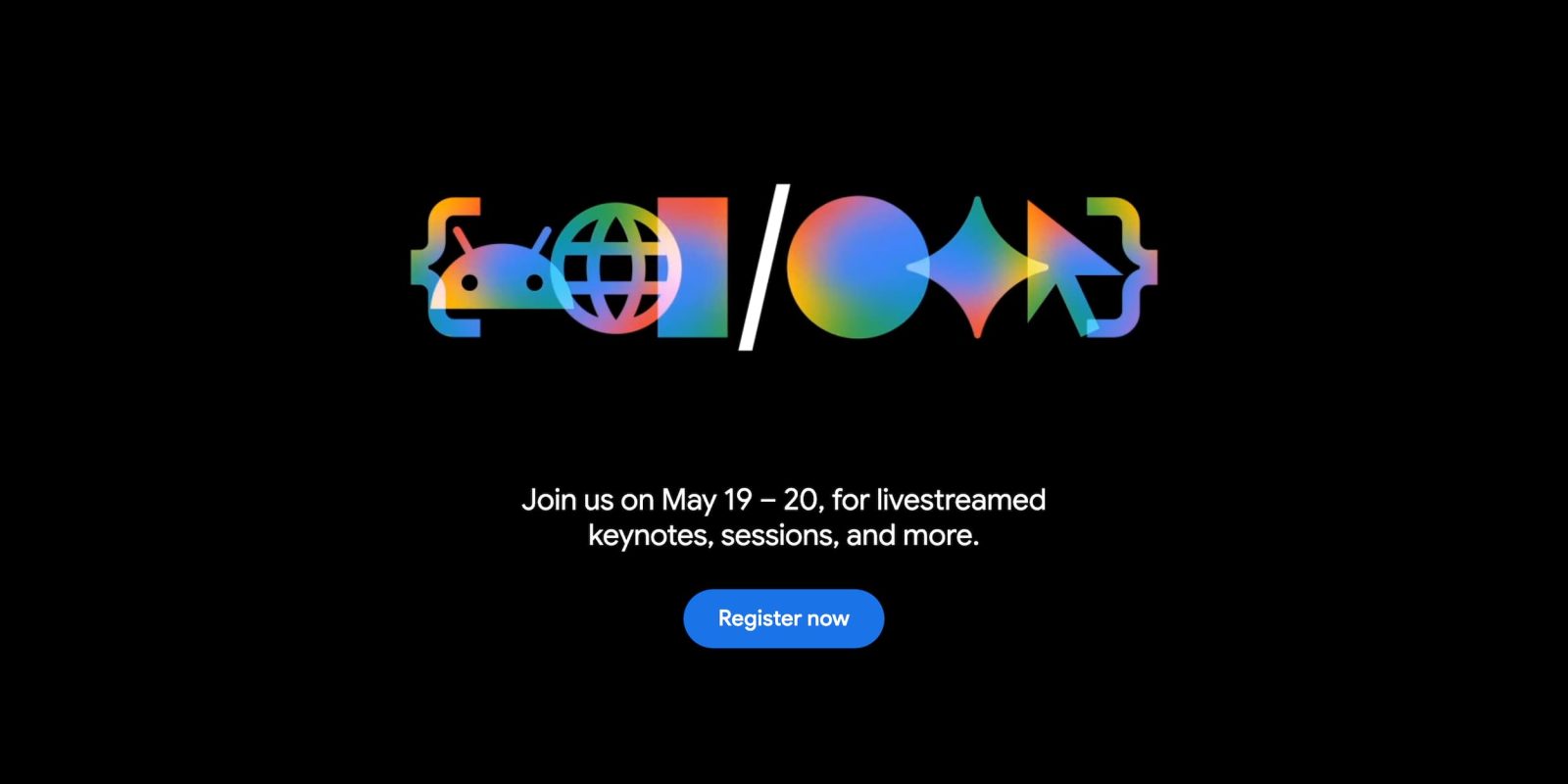
Following the puzzle this morning, Google has announced that I/O 2026 is taking place May 19-20.
Expand Expanding Close
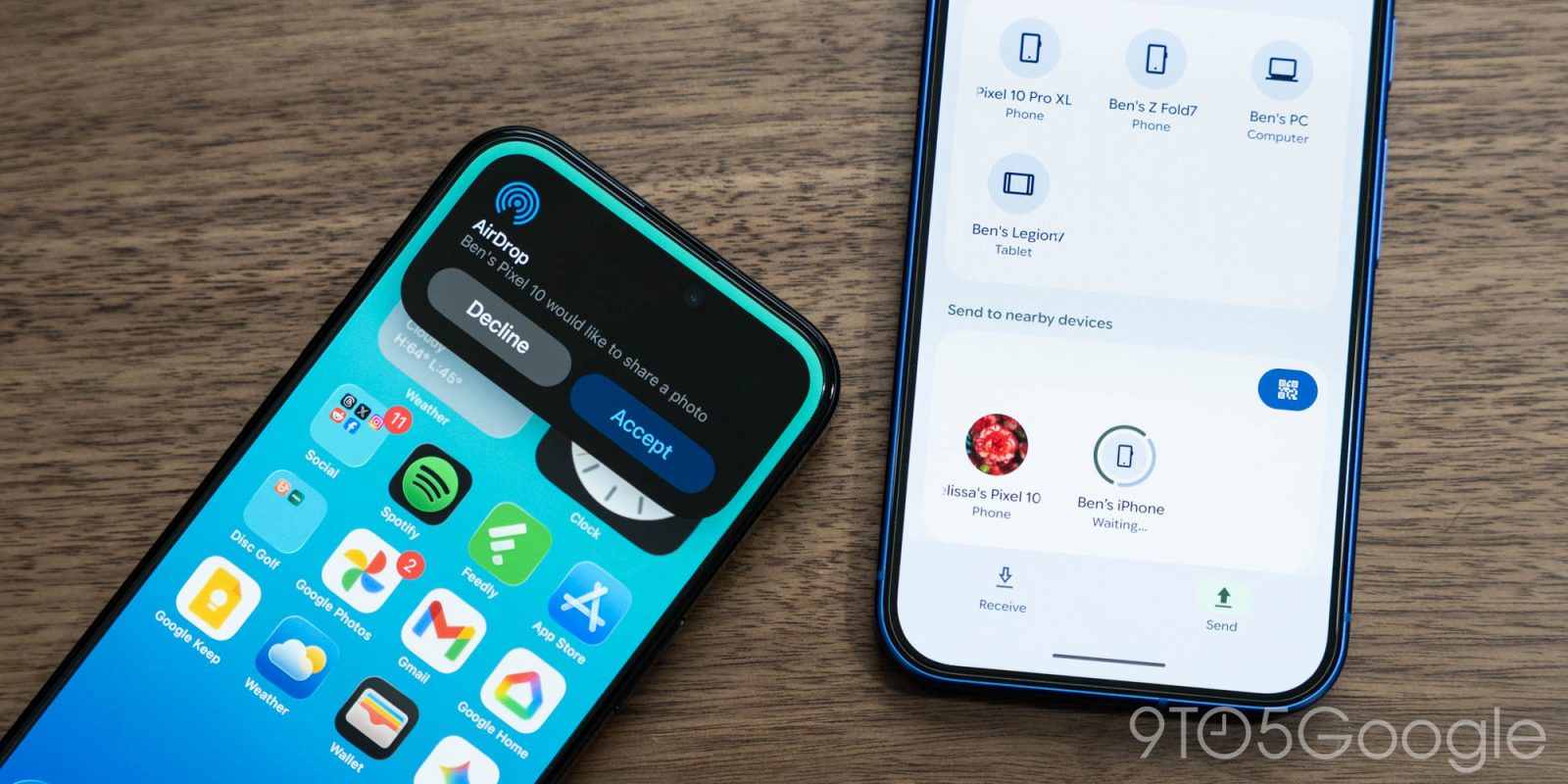
After introducing on the Pixel 10 last year, Google is expanding Quick Share support with AirDrop to the Pixel 9, 9 Pro, 9 Pro XL, and 9 Pro Fold.
Expand Expanding Close
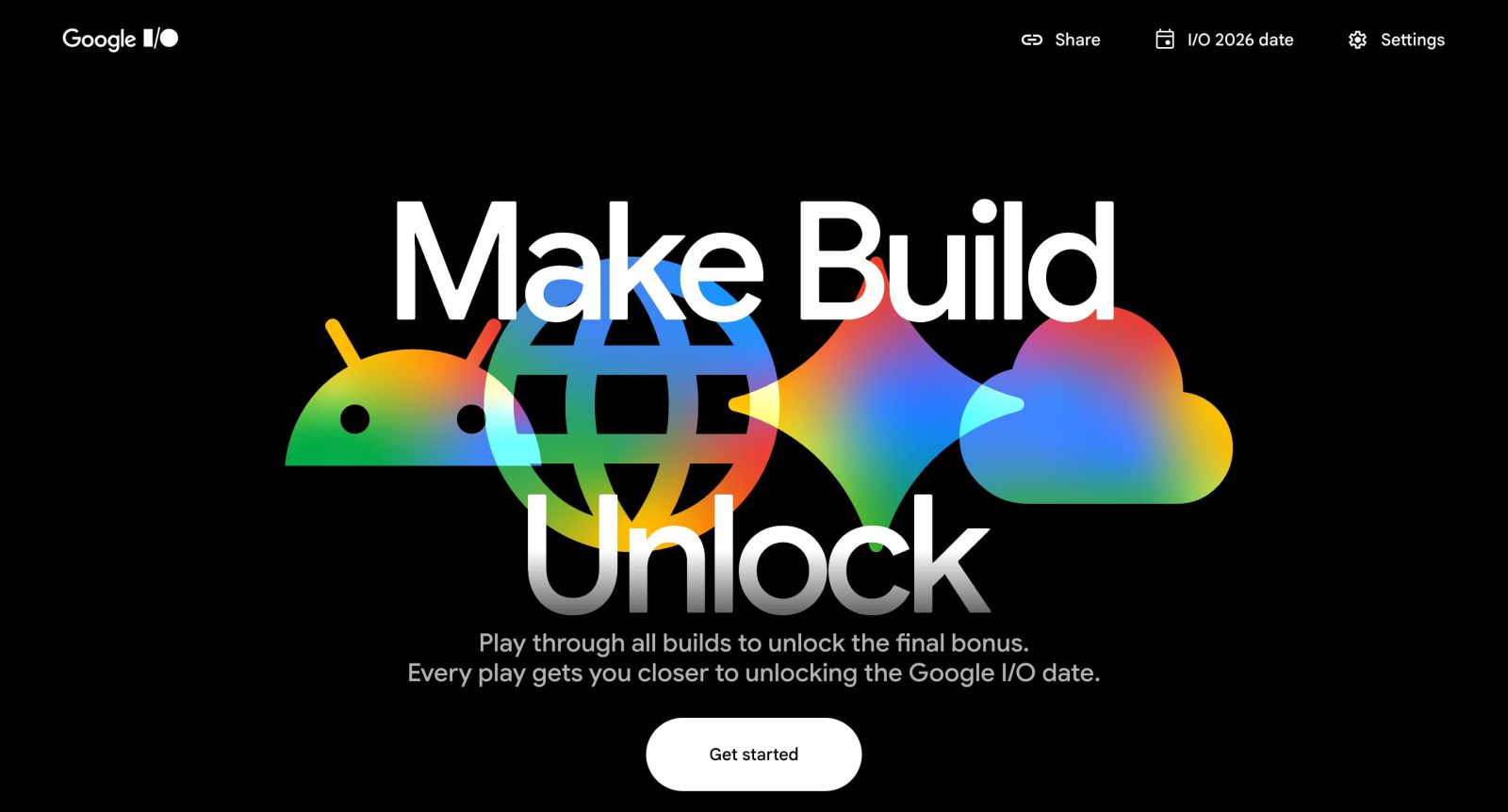
The journey to Google I/O 2026 is well underway this morning with a puzzle to figure out the dates for the developer conference.
Expand Expanding Close