Stay up to date on news from Google headquarters. Be the first to learn about plans for Android, Google Plus, Google Apps, and more!
Stay up to date on news from Google headquarters. Be the first to learn about plans for Android, Google Plus, Google Apps, and more!

[youtube=http://www.youtube.com/watch?feature=player_embedded&v=BPeWJTuD7G8]
Canadians are getting a little bit of love today from Google as Google Map Maker for Canada officially goes live. The project has been available in the U.S. since earlier this year and elsewhere since 2008, but now Canadians too can add local geographic data to Google Maps.
By heading over to www.google.ca/mapmaker, you can now start adding points of interest (adding/naming buildings, restaurants, schools, etc.), rivers, trails and roads, or update existing landmarks to make them more accurate. Of course all of your edits will first have to be approved for accuracy by Google engineers before being displayed on Google Maps.
The tool isn’t too difficult to use. You can easily select a route for a bike path or newly constructed road, drop a familiar red pin to add a point of interest, or draw a shape to add a building or landmark. You’ll already notice a lot of edits and additions to the Canada map, as Canadian Google employees have been testing out the tool in preparation of today’s launch.
Expand
Expanding
Close

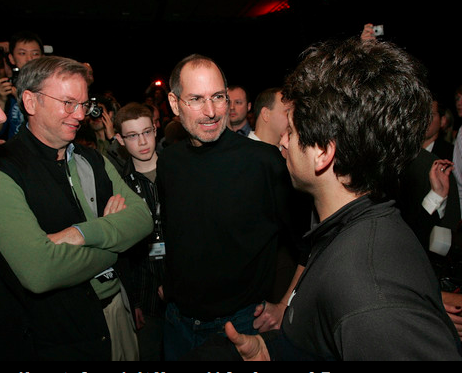
As you probably know, they Steve Jobs book is now in public hands and there will be lots of coverage. As is also known, Jobs wasn’t a huge fan of Android and Google in general, though he was known to council CEO Larry PAge and cofounder Sergey Brin on more than one occasion. Here are some of Jobs’thoughts on building an iTunes client for Android like they did on Windows:
“We thought about whether we should do a music client for Android. We put iTunes on Windows in order to sell more iPods. But I don’t see an advantage of putting our own music app on Android, except to make Android users happy. And I don’t want to make Android users happy.”
He lumps Google in with the Axis of evil:
“IBM was essentially Microsoft at its worst. They were not a force for innovation; they were a force for evil. They were like ATT or Microsoft or Google is.”
And Jobs’ meeting with Eric Schmidt:
“We spent half the time talking about personal matters, then half the time on his perception that Google had stolen Apple’s user interface designs,” recalled Schmidt. When it came to the latter subject, Jobs did most of the talking. Google had ripped him off, he said in colorful language. “We’ve got you red-handed,” he told Schmidt. “I’m not interested in settling. I don’t want your money. If you offer me $5 billion, I won’t want it. I’ve got plenty of money. I want you to stop using our ideas in Android, that’s all I want.” They resolved nothing.
And then there was the thermonuclear War…
“I will spend my last dying breath if I need to, and I will spend every penny of Apple’s $40 billion in the bank, to right this wrong,” Jobs said. “I’m going to destroy Android, because it’s a stolen product. I’m willing to go thermonuclear war on this.” Jobs used an expletive to describe Android and Google Docs, Google’s Internet-based word processing program.
He did have constructive criticism for Larry Page however:
We talked a lot about focus. And choosing people. How to know who to trust, and how to build a team of lieutenants he can count on. I described the blocking and tackling he would have to do to keep the company from getting flabby or being larded with B players. The main thing I stressed was focus. Figure out what Google wants to be when it grows up. It’s now all over the map. What are the five products you want to focus on? Get rid of the rest, because they’re dragging you down. They’re turning you into Microsoft. They’re causing you to turn out products that are adequate but not great….
I suppose it is better to be hated by Jobs than dismissed (Microsoft).

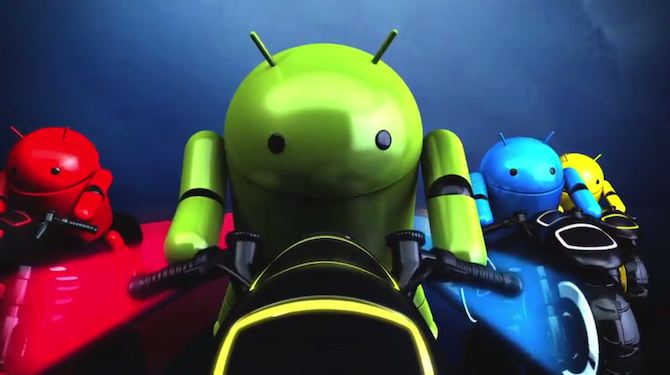
According to a study by research2guidance, the Android Market has exceeded 500,000 apps submitted and successfully published. The study shows with over 500,000 apps published in September 2011, the Android Market is not too far behind Apple’s App Store which has surpassed just over 600,000 apps. Research2guidane also discovered that Android developers on average publish more apps than iOS developers — a 3:2 ratio.
Interestingly, the Android Market has more removed apps after they’ve been published reports research2guidance. 37% of apps published to the Android Market were removed for various reasons, while 27% were removed from the iTunes App Store in September.
At any rate, Android is certainly gaining on iOS. But does any of this really matter? Isn’t about who has the apps that people actually need most, rather than the fart apps?
According to research firm Strategy Analytics (via Bloomberg), Google’s Android-based tablets gained market share in the iPad dominated tablet market during the third quarter, specifically led by new models from Samsung (presumably referring to the same Galaxy Tab family that is currently the focus of patent related litigation between Apple and Samsung).
The report claims Android was up from just 2.3 percent from the same three month period last year, to a 27 percent share of worldwide sales during the third quarter in 2011. The iPad’s market share during the same period reportedly fell from 96 percent to 67 percent. The research firm notes that Samsung’s Galaxy tablets currently account for 9 percent of the total tablet market.
There is also reason to believe Android’s growth on tablets will continue to grow into 2012, as the introduction of Android 4.0 Ice Cream Sandwich (the first Android OS specifically designed for both phones and tablets) could help tablet adoption among Android smartphone users. Strategy Analytics believes that Amazon’s Kindle Fire will also drive Android tablet sales, estimating the company will sell more than 15 million units by 2013.
In contrast to this obvious good news for the Android tablet market, which the WSJ’s Walt Mossberg recently described as having “flopped” in an interview with Google mobile chief Andy Rubin, there are conflicting stats for Android tabs in the enterprise. The recently released Good Technology Device Activations Report for Q3 2011 shows that when it comes to tablets in business, enterprise users are clearly choosing iPad over the alternatives, noting “iOS tablets represent over 96 percent of total tablet activations”. Their graphic (above) also speaks volumes.
Expand
Expanding
Close

Google just announced on their Reader blog this afternoon, that Google Reader will be receiving an updated redesign to match many other products next week. When it comes to social features that Reader already has, Google will be removing friending, following, and shared links and implementing Google+ features instead.
The new redesign will most likely look like the redesign we’ve already seen across Mail, Docs, Maps, and more. Personally, I welcome the new theme, because currently I don’t think Reader looks good. I also like Google’s efforts to make their products look better.

Image courtesy of The Verge
Following a slew of announcements from Google yesterday culminating with the unveiling of Android 4.0 Ice Cream Sandwich, the accompanying software development kit, Android Beam, the new People app, the panoramic camera feature and the Samsung Galaxy Nexus smartphone (among other things), The Verge has published an exclusive, lengthy interview with Android’s head of user experience Matias Duarte. It’s a highly recommended read with revealing details and interesting insider perspective on Google’s arguably the most propulsive property.
Some of the more noteworthy highlights:
Android Honeycomb, which was Duarte’s first big Google project following his departure from Palm after the company was acquired by HP, was a lot like “emergency landing”, he said. It’s a platform which has “a flexibility designed into it that you don’t have to worry about when you’re doing a completely integrated device”. And why Google refused to open-source Honeycomb?
“On Honeycomb we cheated, we cut the corner of all that smaller device support”, adding this:
Honeycomb was like: we need to get tablet support out there. We need to build not just the product, but even more than the product, the building blocks so that people stop doing silly things like taking a phone UI and stretching it out to a 10-inch tablet.
People are fed up with “two decades of windows, and cursors, and little folder icons”, he says. The search company actually visited “shadow” users at their homes and workplaces to figure out how they interacted with mobile devices. What they found out was surprising: Android lacked emotional connection with its users who deemed the operating system overly complex. So they set out to build a wonderland of sorts, improving on Android’s typography by creating in-house a clean typeface for Ice Cream Sandwich dubbed Roboto. He then took a jab at Apple, calling the iOS design “juvenile” and likening it to web pages with “cartoony things hanging off a page”.
More tidbits below the fold.
Expand
Expanding
Close

Matt Cutts has been using ICS on his Nexus S for awhile and recently used the panoramic photo feature to take these pictures.
Now that Ice Cream Sandwich (the newest version of Android) has been revealed, I can tell you that I’ve been testing ICS on my Nexus S.
One feature I love is the panorama mode. I recently did a multi-day hike in Yosemite, and here are a couple panoramic pictures I took with my Nexus S. I can’t wait for the Galaxy Nexus to come out.
I guess it goes without saying that Android 4.0 will work on older Android phones – with buttons- though it isn’t exactly clear how that will work or which phones will make the cut.
Expand
Expanding
Close
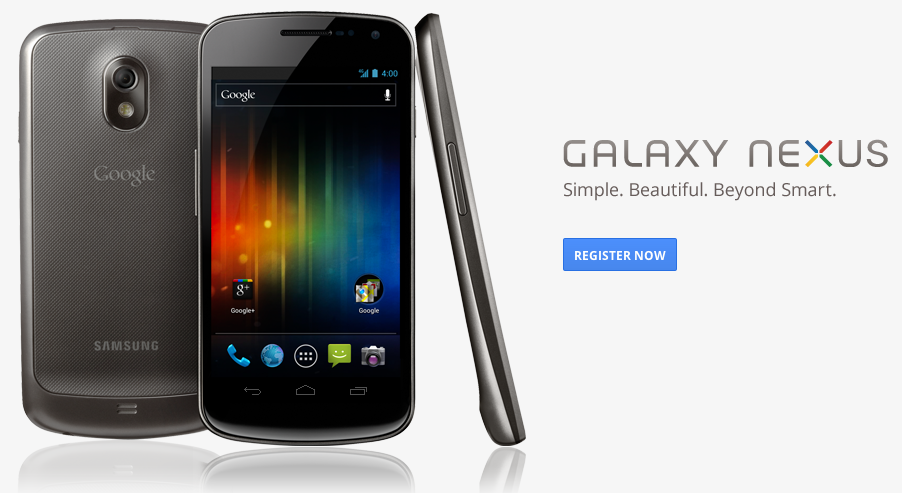
You’ve seen the screens and the videos. Now, go get the executive summery and sign up for news.
Expand
Expanding
Close
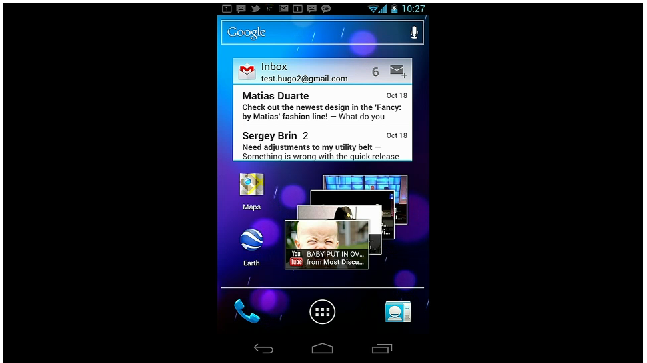
Before they announce it on-stage here in a few minutes, This is my next has just posted a full run-down of Ice Cream Sandwich, the next version of Android. The new version features numerous UI changes, including a new color scheme called Roboto. Since the Galaxy Nexus features no hardware buttons, Google has introduced new virtual buttons to the homepage. To also compliment the homepage GOogle has introduced five screens and resizable widgets. Google is also introducing a new feature to Ice Cream Sandwich called Android Beam. Using NFC, Beam allows users to share content with other Android users.
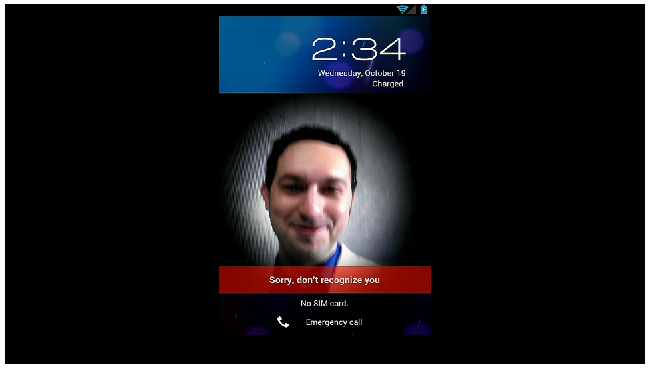
-Ice Cream Sandwich now also features face-recognition to unlock the device. The device will recognize your face and will unlock it when it sees it.
-Ice Cream Sandwich features a new Google+ app, that also features a new People app that pulls photos from your Google+ friends and puts them in your contacts. This new feature will certainly bring a new aspect to the social network.
-To compliment the 5-megapixel camera, Google has added a new camera app to Ice Cream Sandwich that will allow you to edit photos. The keyboard now features an inline spell checker and improved copy and paste.
-Android’s internet browser now features Chrome desktop sync and offline syncing.
-Gmail now features swiping and offline mail.
-Calendar now features pinch to zoom.
-Now features data usage so you know how much data you have used for the month. It also will project data usage for you.
-New camera features.
-Google announces new People App. More to come.
This story is developing, please refresh for updates.
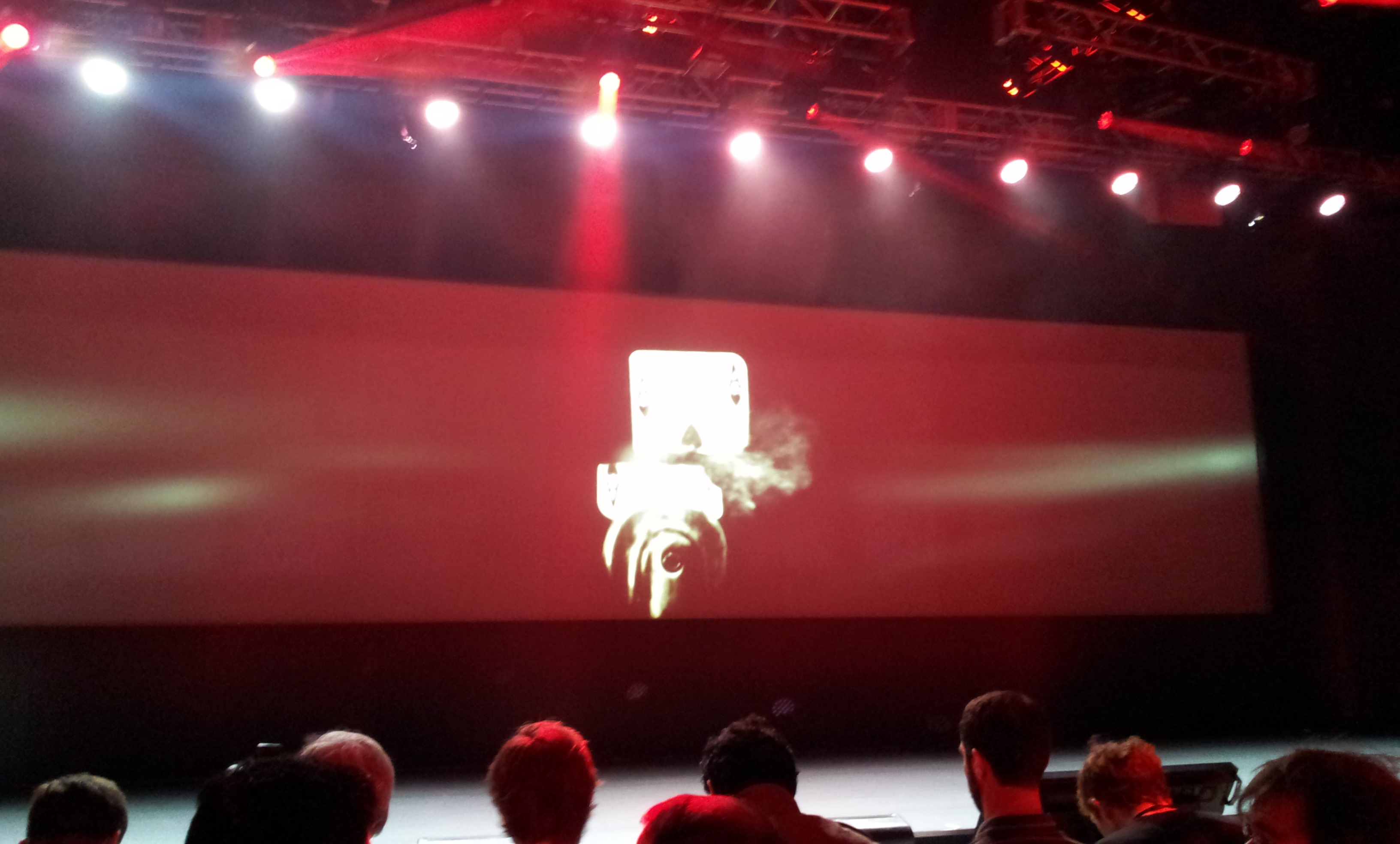
We’re waiting in anticipation live from the Motorola and Verizon media event where we now know we’ll get a better look at the new Motorola RAZR unveiled in a series of teasers yesterday.
12:00 Sanjay Jha enters. Smartphones are a big deal. “Might of heard about some business news”
12:05 Talking Fitness. Hardware – Music centric experience. “Moto ACTV” Little iPod Nano sized device to deliver Fitness and music to headses.
12:20 Demo-ing the Droid RAZR. Pretty much as seen before. 7.1 mm thin except for the bump. Lightest, Strongest, Fastest, Smartest.
Preorders Oct 27 pre order. November delivery Price $299.
While it’s not exactly a flagship feature, lack of native screenshot support on Android has been an annoyance for some (especially those who don’t use select Sammy and HTC devices that build the feature in).
The guys over Android Police are reporting two binaries, “Screenshot” and “Screencap”, provide hints that screenshot functionality will be baked into Android natively. The feature is enabled by pressing “VolDn+Power” and returns the “Sreenshot saved to Gallery” prompt seen below. They note that the feature could be easily stripped out before a public release, but if not it would allow all Android users running ICS or above to snap screenshots without third-party apps, root, or carrier specific implementations.
Expand
Expanding
Close
Today, we have found a few pictures taken by the upcoming Galaxy Nexus on Picasa. We’ve matched the EXIF data of both images with each other, and then with past leaks which seem to indicate that this is the Galaxy Nexus. The Galaxy Nexus’ camera has a resolution of 1944×2592 pixels, and matches the photos leaked a couple weeks ago of an Apple Store. Note, that the EXIF data of both images called this device the Galaxy Nexus, not the Nexus Prime.
The first image, as seen after the break, was posted by Picasa user Sammy Fte (Samsung FTE?). The EXIF data of the image matched perfectly and actually looks like a nice picture if you ask us. The resolution was only 1944×2595, only sizing in at about 5MP, a low megapixel camera in comparison to the 8MP camera seen in Samsung’s Galaxy S II and there may be a reason for this. A previous photo found with Galaxy Nexus EXIF data on Picasa had the same 5MP quality and it led us to believe that the camera is the same. We believe that this certain Picasa user is an employee of Samsung thanks to the name and other photos posted on the account.
As you can see after the break..
Expand
Expanding
Close
We’re but a day away from Google’s and Samsung’s major Hong Kong event meant to serve as a launchpad for the Nexus Prime, the first handset to feature Android 4.0 nicknamed Ice Cream Sandwich. Guardian reports that the handset is “expected to be released in the UK within the next four weeks, in time for Christmas”, without naming a source for their claim. Meanwhile, Japanese carrier NTT DoCoMo wrote on Twitter that the Nexus Prime will land in Japan around November, boasting about it being “among the fastest” devices on the market.
An unlocked version of the phone is already showing up at third-party resellers, priced at about $750. The features allegedly include a powerful 1.2GHz dual-core processor, native 720p display, eight-megapixel camera on the back with 1080p video capture, support for NFC and more.
Google pushed back the Nexus Prime launch originally scheduled for Monday last week out of respect for Steve Jobs. Coincidentally, the new October 19 date collides with a celebration of Steve Jobs’ life due tomorrow in the outdoor amphitheater of Apple’s Infinite Loop campus in Cupertino. Apple will even close its brick-and-mortar stores for an hour so employees can watch the ceremony.
A few members of the Google Maps team answered some pretty interesting questions on Reddit about the platform, from the community. Business Insider posted some of the highlights from the thread:
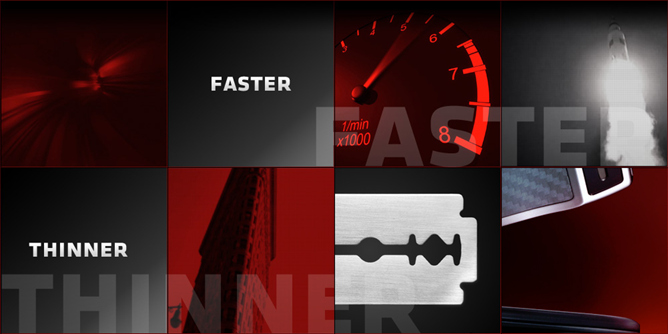
Motorola has sent out invites to 16 different blogs to unlock more pieces to their new RAZR teaser site. The RAZR is the next Android device to be featured on Verizon Wireless. As each blog enters in their unique code a new piece of information about the phone will be revealed. Motorola did something similar with the Bionic, revealing a video that told all about the LTE beast.
The only blog to enter in their code so far is Mobile Burn who learned that the RAZR will feature a kevlar coating. We’ll be looking out for more websites as they come.
The Motorola RAZR will be announced the day before the Nexus Prime and Ice Cream Sandwich, which will be announced by Samsung/Google in Hong Kong.
Google has announced some new interesting features for YouTube partners over at The Official YouTube Blog. In addition to announcing the site is now reaching over 800 million visitors per month, they’re also introducing the ‘Merch Store’.
The Merch Store will allow YouTube partners to sell concert tickets, digital downloads, merchandise, or events such as “meetups” directly through their channel. YouTube has also partnered with affiliates to power the merchandise and ticket sales. “Concert tickets and experiences” (and merchandise) will be powered by Topspin, Songkick will take care of concerts, and iTunes and Amazon will handle digital downloads.
While the Merch Store will start to roll out across the globe over the next couple weeks, TechCrunch notes that Google has declined to inform partners of profit sharing percentages. As of yet, they’ve only confirmed they will take “a small percentage of sales just to cover costs”.
Expand
Expanding
Close
According to a tweet by the official Google Voice Twitter account, Google has pulled the Voice for iOS app from the iTunes App Store. Google decided to pull the app due to its crashing on startup, which was introduced with iOS 5 (Couldn’t sort it out in 3 months of iOS5Beta?). Google says hang tight for the time being, because they’ll be updating/rereleasing the app again. Tweet:
Removed the iPhone app from the App store. We’ll have a new version for you ASAP with a fix for the sign in bug.
There also appears to be some issues with Sprint’s use of Google Voice causing iMessages to get confused. Apple has a Support document for that (below).
Expand
Expanding
Close
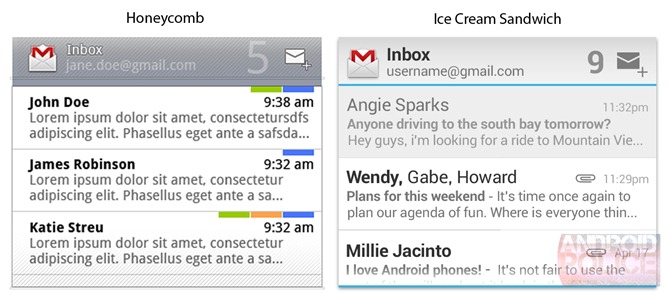
Android Police has gotten exclusive screenshots of the Gmail, Calendar, and Email widgets for the upcoming Android 4.0, Ice Cream Sandwich. As you can see with the Gmail widget above, the Ice Cream Sandwich version features a slightly upgraded UI, but is missing Labels. Below is calendars
Expand
Expanding
Close
During their earnings call Thursday, Google announced that there have been 190 million Android handsets activated. Interestingly, if you look at the numbers on Android’s Developer page, 1.5% of all devices that accessed the market within the last 30 days are running Honeycomb — the almost exclusive OS for Android tablets (well, excluding a few million Samsung Galaxy Tab 7s and other tablets running 2.x Android). So, if all 190 million of those devices accessed the market in the last 30 days, that leaves only 3.4 million Honeycomb tablets on the market if you do the math. Ouch..
With all of the numbers added up, it’s indicating that Android still has some catch up to do against the big Apple when it comes to tablets. Perhaps Ice Cream Sandwich will help with that.
Expand
Expanding
Close
Google has just announced on their blog that they will be shutting down Google Buzz in a few weeks. Users will be able to take out their data from Buzz with Google Takeout, but it will still be viewable on their Google Profile.
In a few weeks we’ll shut down Google Buzz and the Buzz API, and focus instead on Google+. While people obviously won’t be able to create new posts after that, they will be able to view their existing content on their Google Profile, and download it using Google Takeout.
Google also announced a slew of other products that will be closed in January of 2012, including Code Search, Jaiku, and iGoogle’s social features.
So what’s up with all of these product closures? As explained before, and also in yesterday’s earnings call, Google is trying to put more focus around core products. In today’s case it looks like these products will allow the Google team to focus more on Google+. I think we’re all fine with that, right?

The NYTimes thinks so.
According to numerous music executives, Google is eager to open the store in the next several weeks. It would most likely be connected to Google’s existing cloud service, Music Beta, which lets people back up their songs on remote servers and stream them to mobile phones and other devices, said these executives, who all spoke on condition of anonymity because the talks were private and continuing.
Being able to buy MP3s would be a big hole for Google to fill, but it is having a hard time convincing the music industry that it is genuine about stopping piracy. It will be interesting to see what concessions Google gives up to get MP3s and how their system will compare to Apple, Amazon and the other vendors.
Maybe they’ll be able to remove that pesky ‘beta’ tag as well.
(Update: Over, check it out after the break) Starting at 4:30 ET, Google will be hosting their quarterly earnings call to discuss Q3 earnings with investors. We’ll be updating below when the call starts, or you can listen in here. Stay tuned!
Larry Page, Patrick Pichette, Nikesh Arora, and Susan Wojcicki will be hosting the call — starting in just a few minutes.
Follow along after the break:
[youtube=http://www.youtube.com/?v=X3EO_zehMkM]
What do you get by marrying Google Maps to WebGL, a software library that extends the capability of the JavaScript programming language to allow it to generate interactive 3D graphics within any compatible web browser such as Google’s Chrome 14 or Firefox Beta? Pure awesomeness, that’s what. They are calling to Google MapsGL and it enables “far richer visuals and animations”, the search company wrote in a blog post this morning:
WebGL is a new technology that brings hardware-accelerated 3D graphics to the browser without additional installed software. With WebGL your maps experience is much better with 3D buildings, smoother transitions between imagery and the ability to instantly “swoop” into Street View without a plugin.
Just visit maps.google.com and click “Try it now” to take hardware-accelerated Maps for a spin. We wrote in the past about WebGL-based Chrome experiments worth checking out, including a remarkable water simulation and interactive music video.
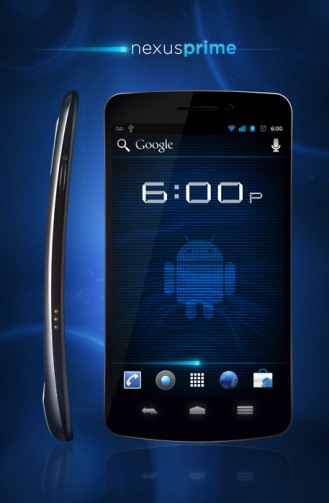
The Nexus Prime and Ice Cream Sandwich (Android 4.0) will be announced in Hong Kong on October 19th, if a new report from Engadget is true. Both products would be announced by Samsung and Google at AllThingsD’s Asia conference, the report mentions. The Nexus Prime and Ice Cream Sandwich were originally scheduled to be announced yesterday, but were delayed out of respect for the passing of Apple’s Steve Jobs.
There have been other rumors floating around that the Nexus Prime will go on sale, on Verizon Wireless, November 3rd. Ice Cream Sandwich would also land that day, too.