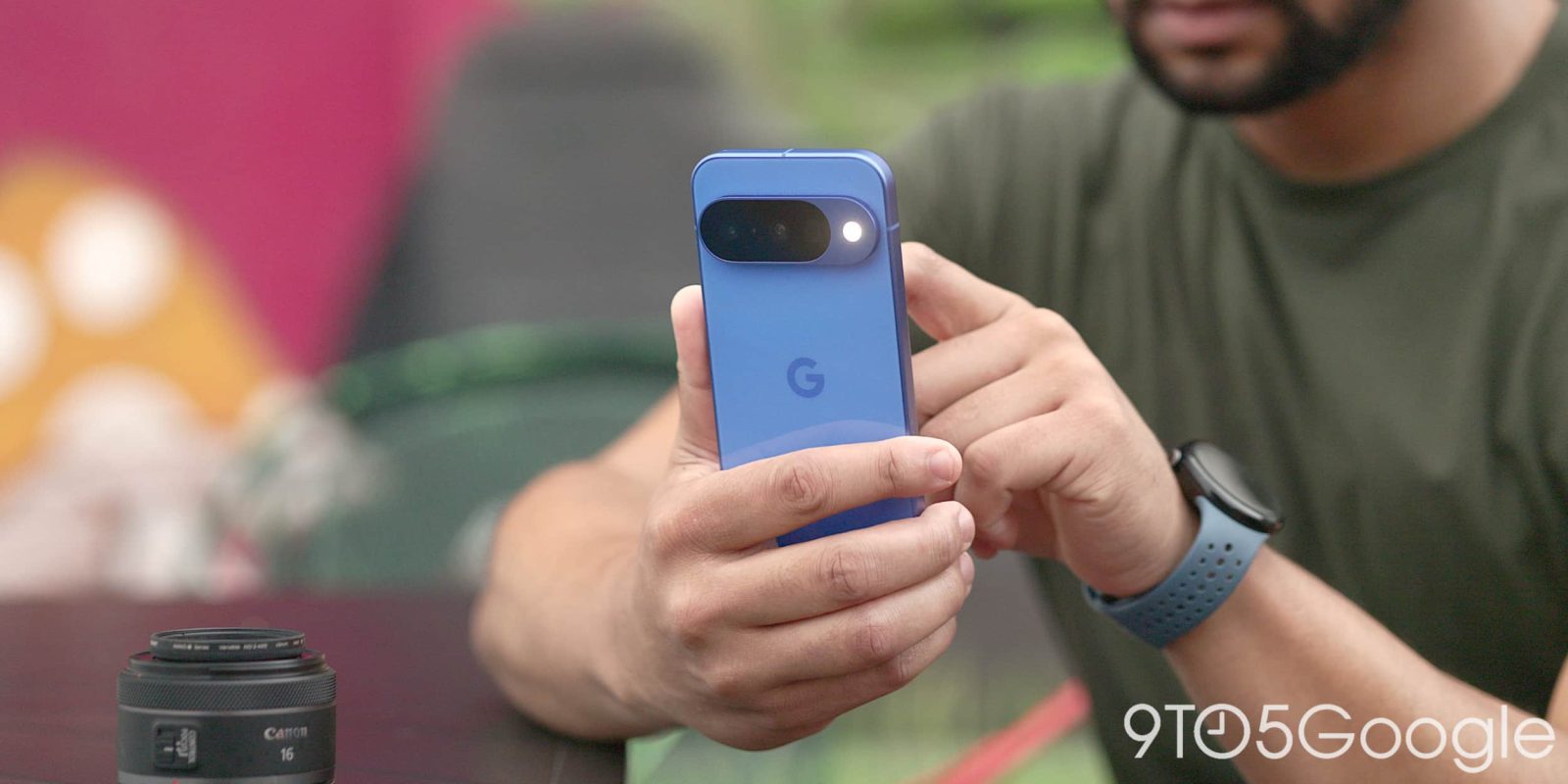
The Pixel punches way above its weight in the smartphone space [Video]


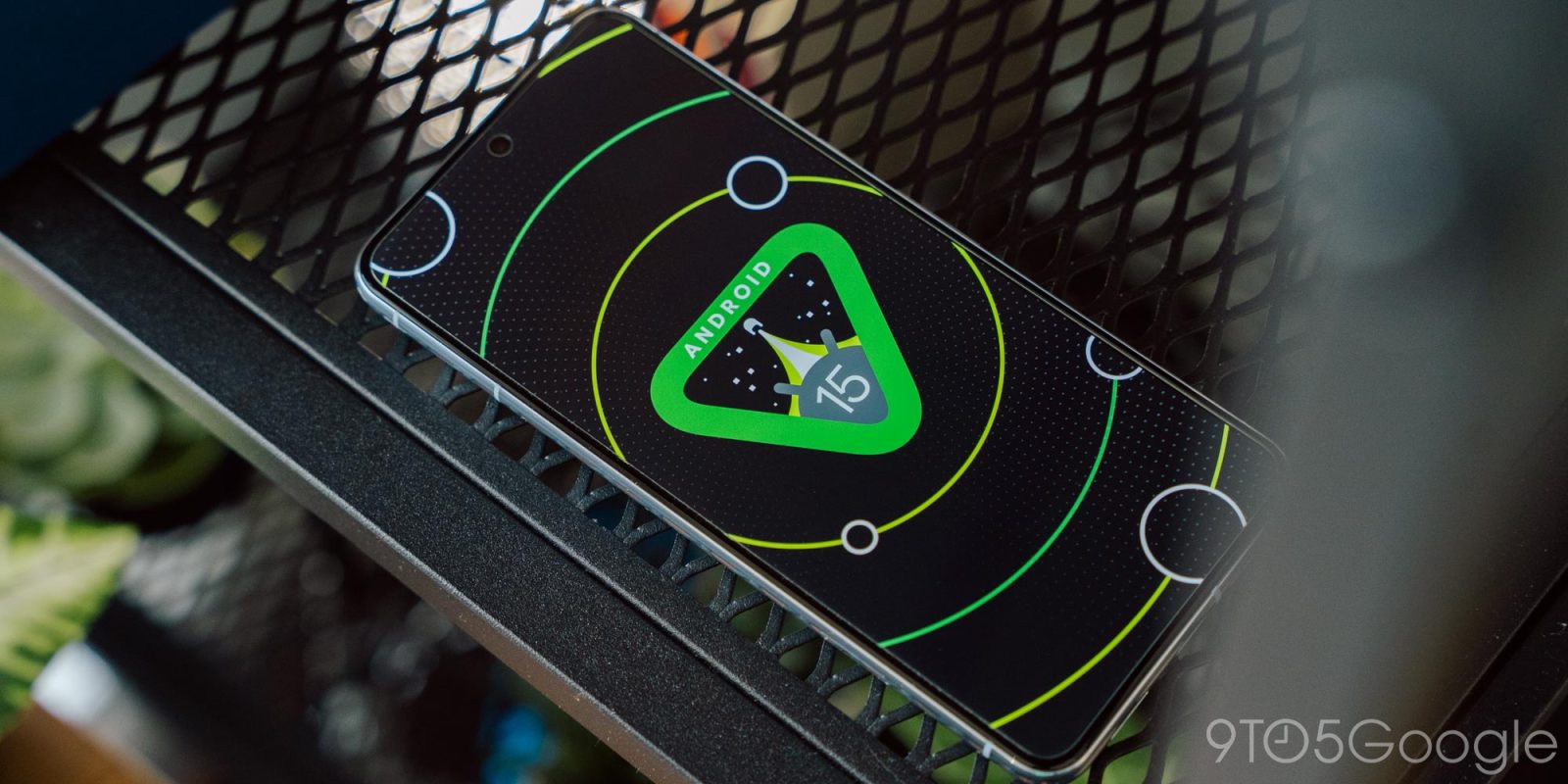
Android 15 is still in its early days, but it’s looking like one visual revamp in the update could be a new design for the volume panel.
Expand Expanding Close

Especially in recent years, Google’s efforts in the smart home have received continued criticism, but looking at the current state of the Google Home app and Nest hardware, is that still deserved?
Expand Expanding Close
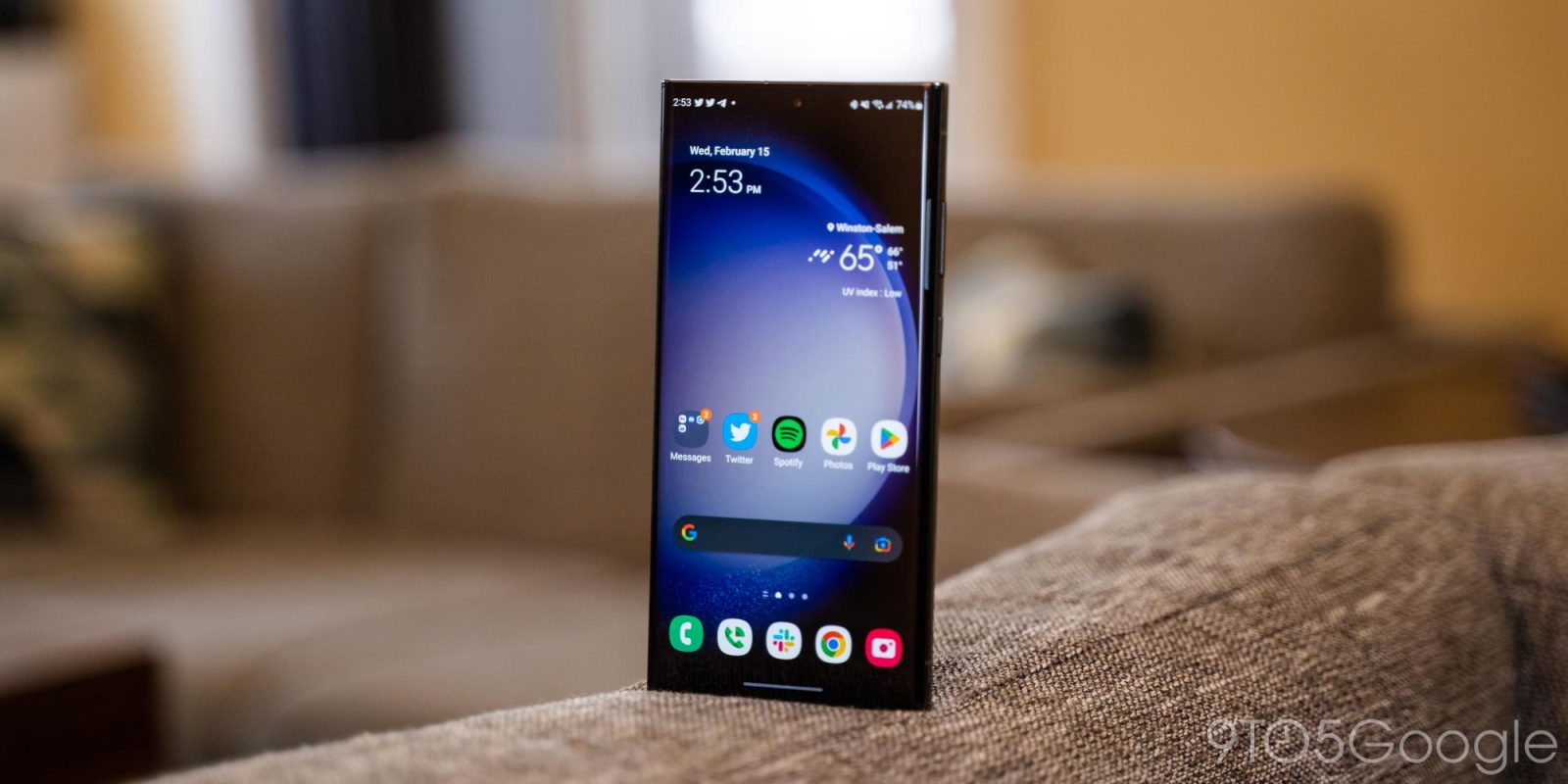
Samsung is in the midst of rolling out its One UI 6.1 update to select Galaxy devices, and that update also brings back some burn-in protections for OLED displays.
Expand Expanding Close
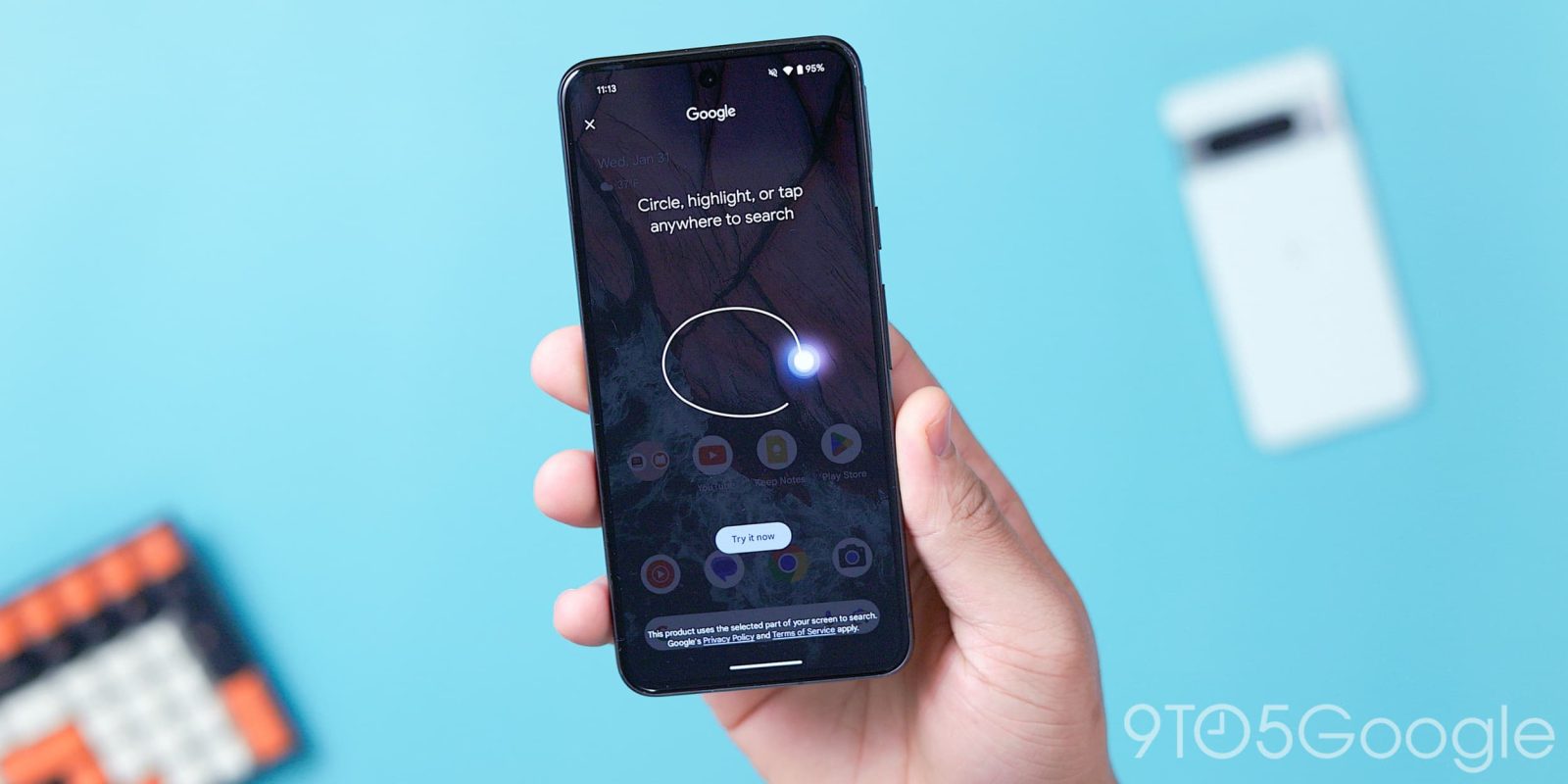
Sold as a useful option to help you quickly find things you’re viewing on your device, Circle to Search has only just rolled out to more devices over the past week. Here’s what you had to say about your daily use.
Expand Expanding Close

After doing bi-monthly recaps of new features for the past several years, YouTube Music will now detail launches on a quarterly basis.
Expand Expanding Close

The YouTube family of apps have their own design language compared to first-party Google applications. That trend is not changing anytime soon and continues today with a redesign of the custom share sheet in YouTube Music for Android.
Expand Expanding Close
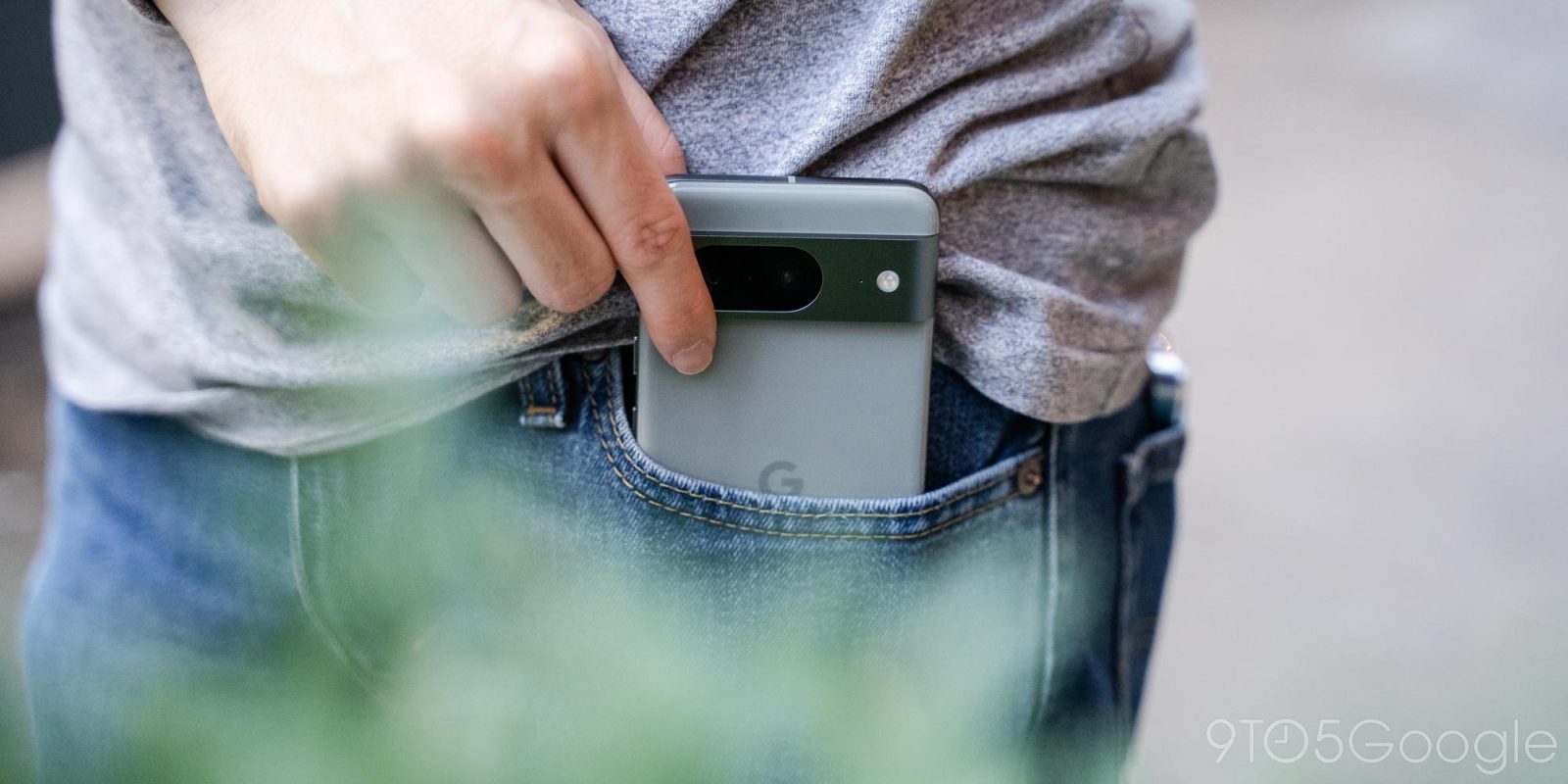
I feel like a broken record at this point, but amid new leaks of the Pixel 9 this week, there are many still asking Google for a “Mini” device, forgetting that small phones are dead.
Expand Expanding Close

Google.com has historically been used to advertise new first-party hardware and features. We’re now seeing a “Try the new Google Pixel 8” message on the Search homepage that wants you to “Upgrade now.”
Expand Expanding Close
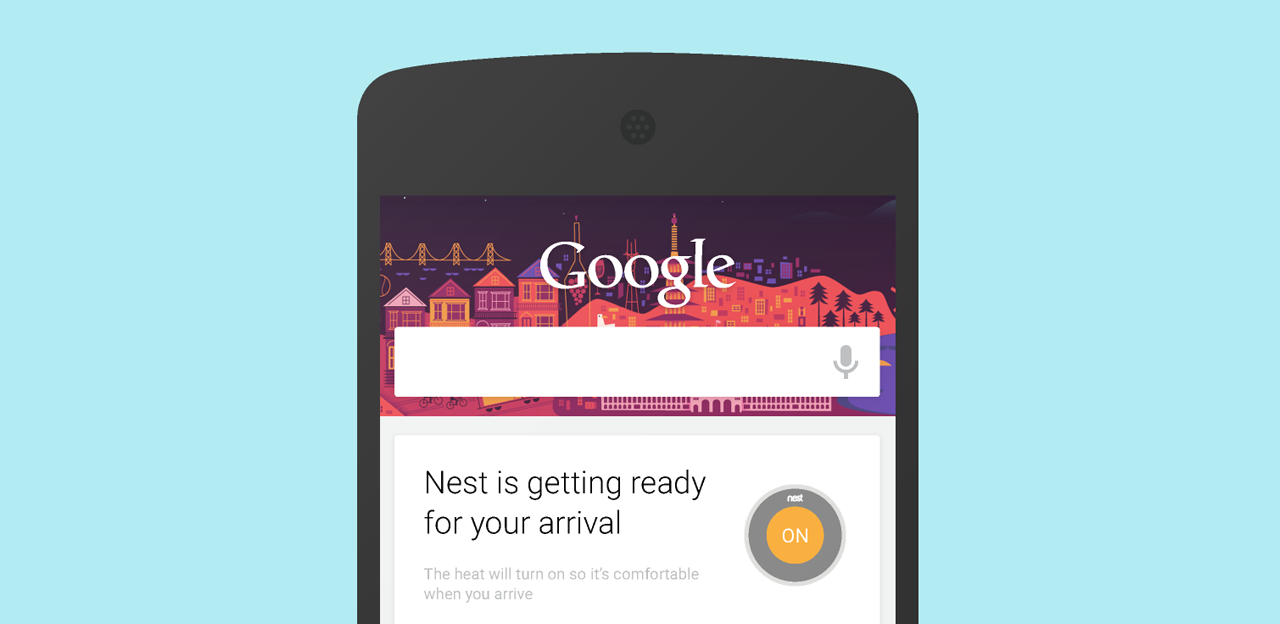
I wish Gmail and Google Calendar were built for consumers instead of businesses. That shift could make the suite of apps infinitely more useful. They are already vital in day-to-day use, but the target audience feels more like employees of a company than anybody else.
Expand Expanding Close
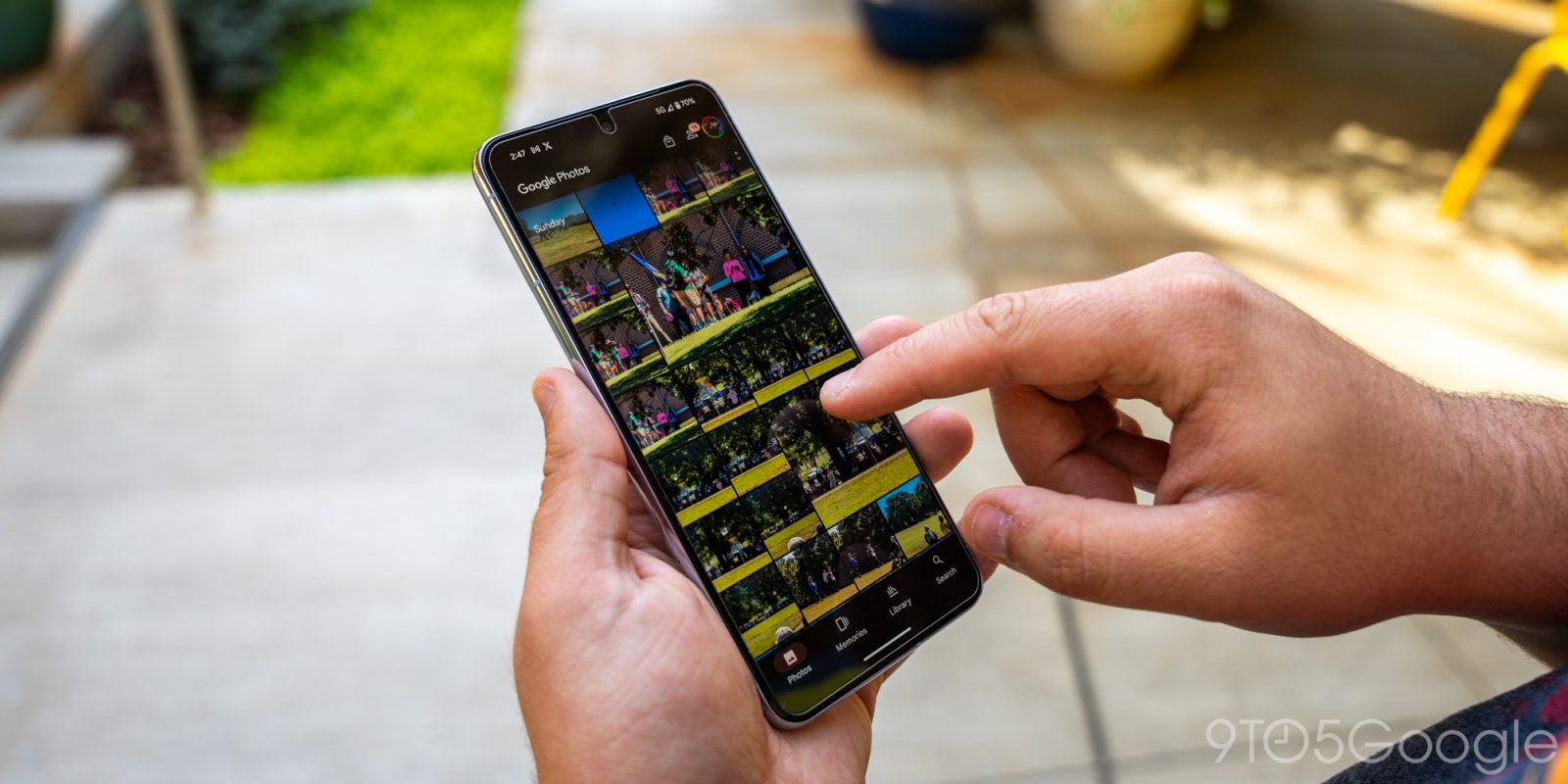
Scrolling issues have been reported by some Google Pixel users for years now, with the issue resurfacing recently on Pixel 8. Now, though, Google claims that Pixel scrolling issues should be gone for good in Android 15.
Expand Expanding Close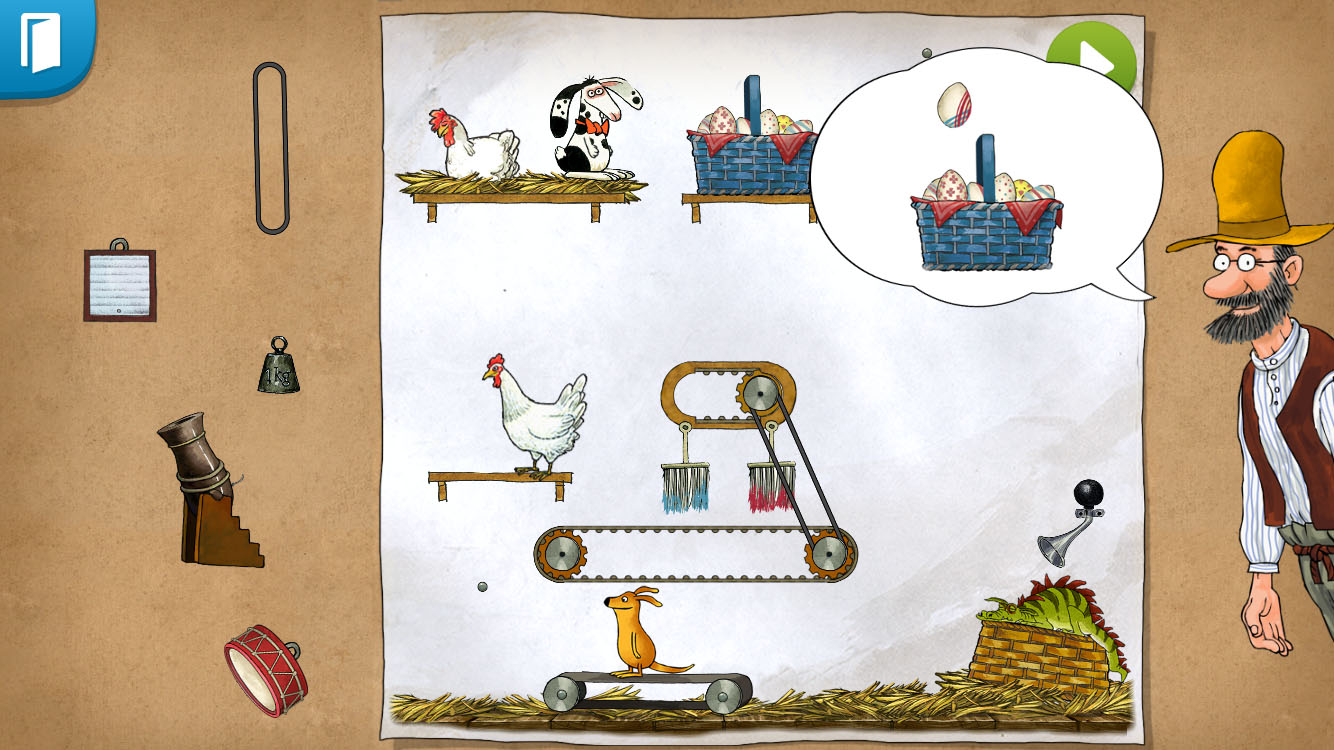

Your Friday afternoon edition of the best Android game and app deals of the day is now ready and waiting down below the fold. Just make sure to also scope out the price drops we are tracking on SanDisk’s 512GB Ultra microSD, Samsung’s Galaxy Tab S9 FE tablet, and the Galaxy Tab A9+ models as well. Moving on to the apps, we have titles like Pettson’s Inventions, Beastie Bay DX, Muse Dash, PEG, Point., KNIGHTS, and more. Head below for a complete look at today’s best Android game and app deals.
Read More
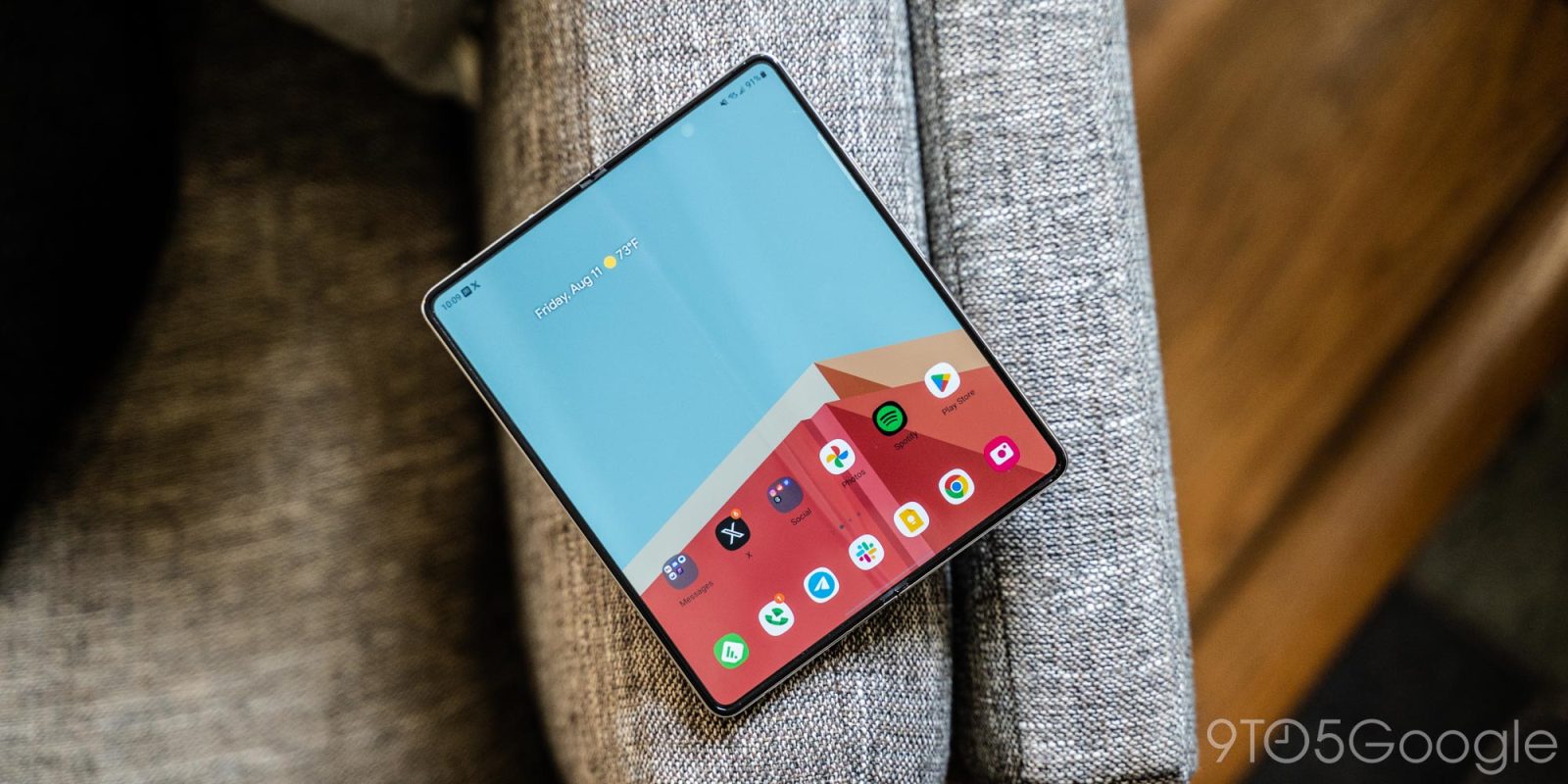
Samsung is raising the price of its Galaxy protection plans, “Care+,” but also allowing customers to get unlimited replacements of their battery while they are subscribers.
Expand Expanding Close

The YouTube Music website now supports offline downloads of songs and podcasts to match the mobile apps. This first emerged in February.
Expand Expanding Close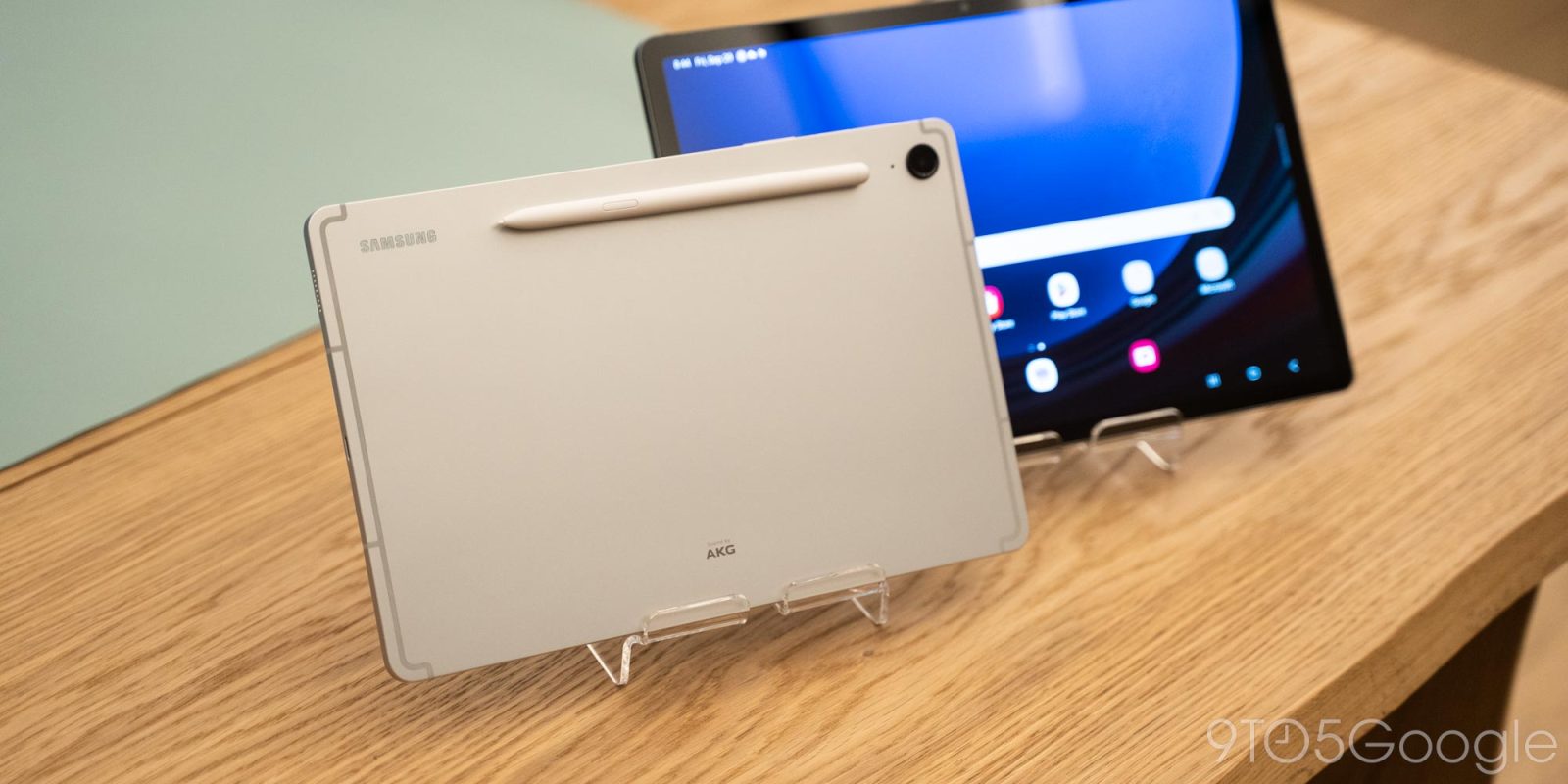
We are now ready to gather some of the highlight deals we spotted today on Android-friendly gear starting with the Samsung Galaxy Tab S9 FE Tablet. This model is now starting at $350 for $100 in savings and a new Amazon low. Alongside that, one of the most beloved Android mobile gaming controllers, the latest Backbone One USB-C edition, is now at the best price of the year for a limited-time, and you’ll find the return of holiday pricing on the latest Bose Ultra QuietComfort headphones and earbuds at $50 off. Hit the jump for all that and more in the latest 9to5Toys Lunch Break.
Expand Expanding Close

The Nest Wifi Pro received its last update in October and Google is currently rolling out a new March 2024 software release.
Expand Expanding Close
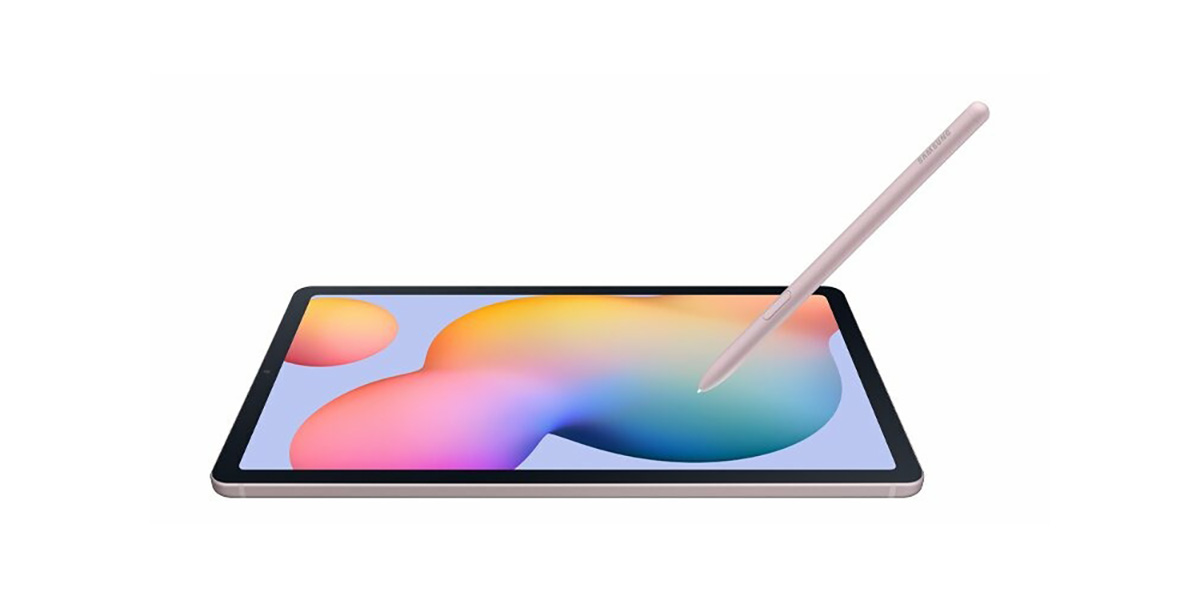
Samsung has some of the most expensive, but also some of the most affordable Android tablets in the game today. But with the launch of Galaxy Tab S6 Lite (2024), the company has really lost its mind, asking for a crazy price that’s just a terrible value for customers.
Expand Expanding Close
WhatsApp’s improved bottom navbar is officially rolling out to Android users of the cross-party messaging platform.
Expand Expanding Close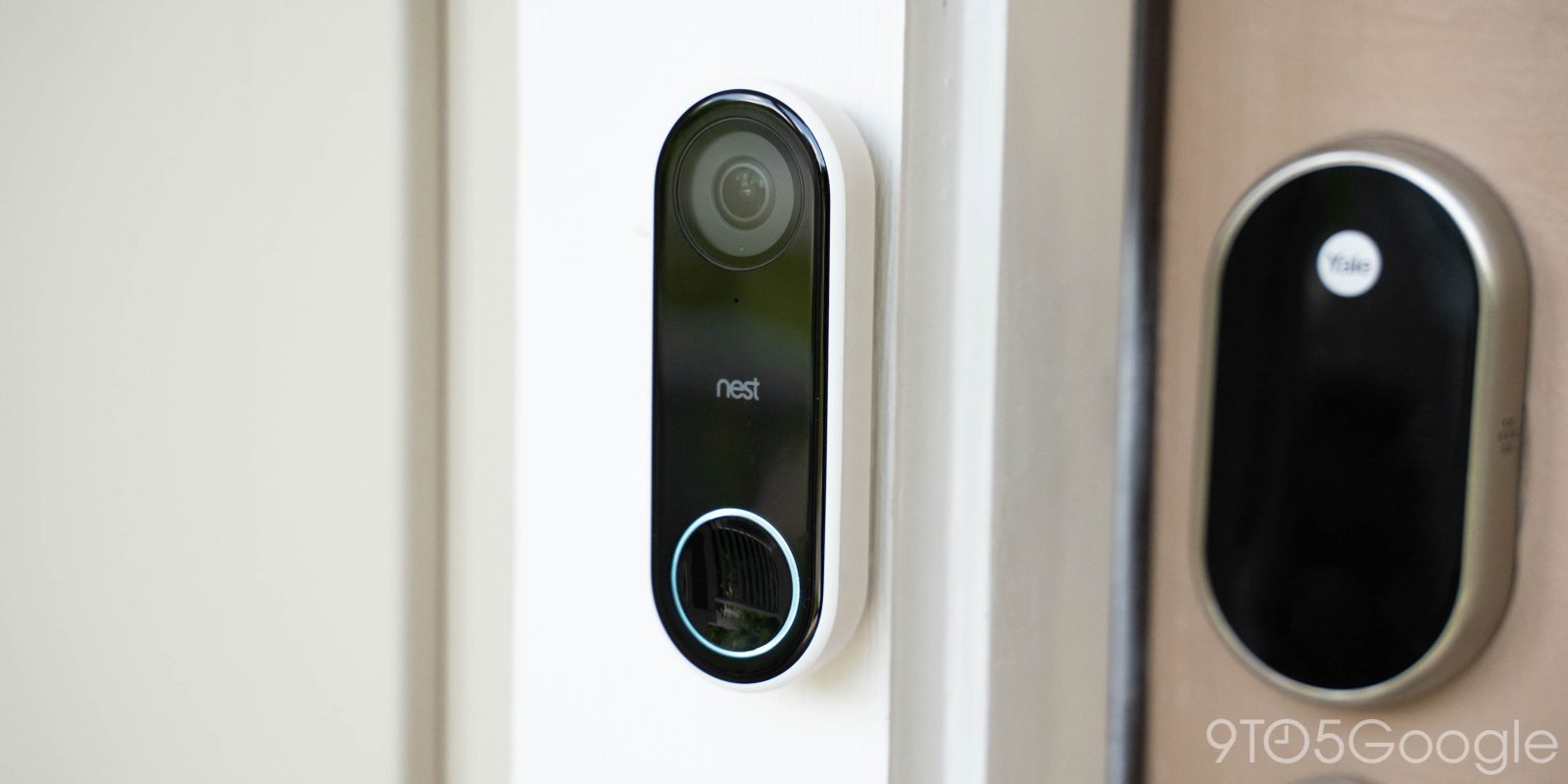
The Nest app is pretty clearly on its way out, but to serve users with old and new Google Nest cameras, the Google Home app has been porting in older Nest cameras. In a Reddit AMA today, Google reiterated that, yes, older Nest cameras and the Nest Hello doorbell are still coming to the Home app.
Expand Expanding Close
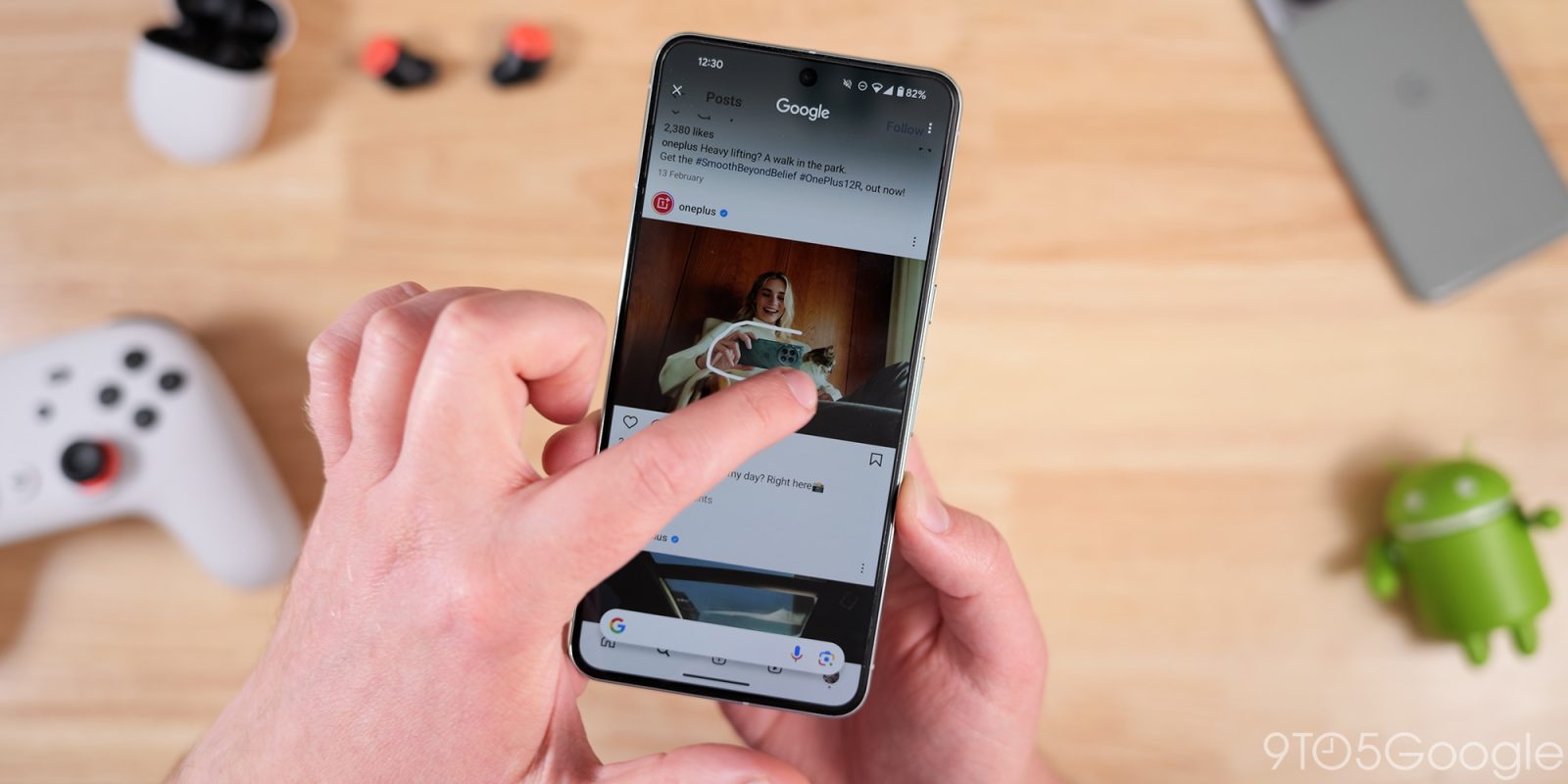
Circle to Search has rolled out to all Tensor-powered Pixel phones. It launched on the Galaxy S24 series and, until recently, was limited to the Pixel 8 and 8 Pro.
Expand Expanding Close
Google Play is running a new “Super Weekly Prize” giveaway for those on the Gold, Platinum, and Diamond Play Points tiers.
Expand Expanding Close
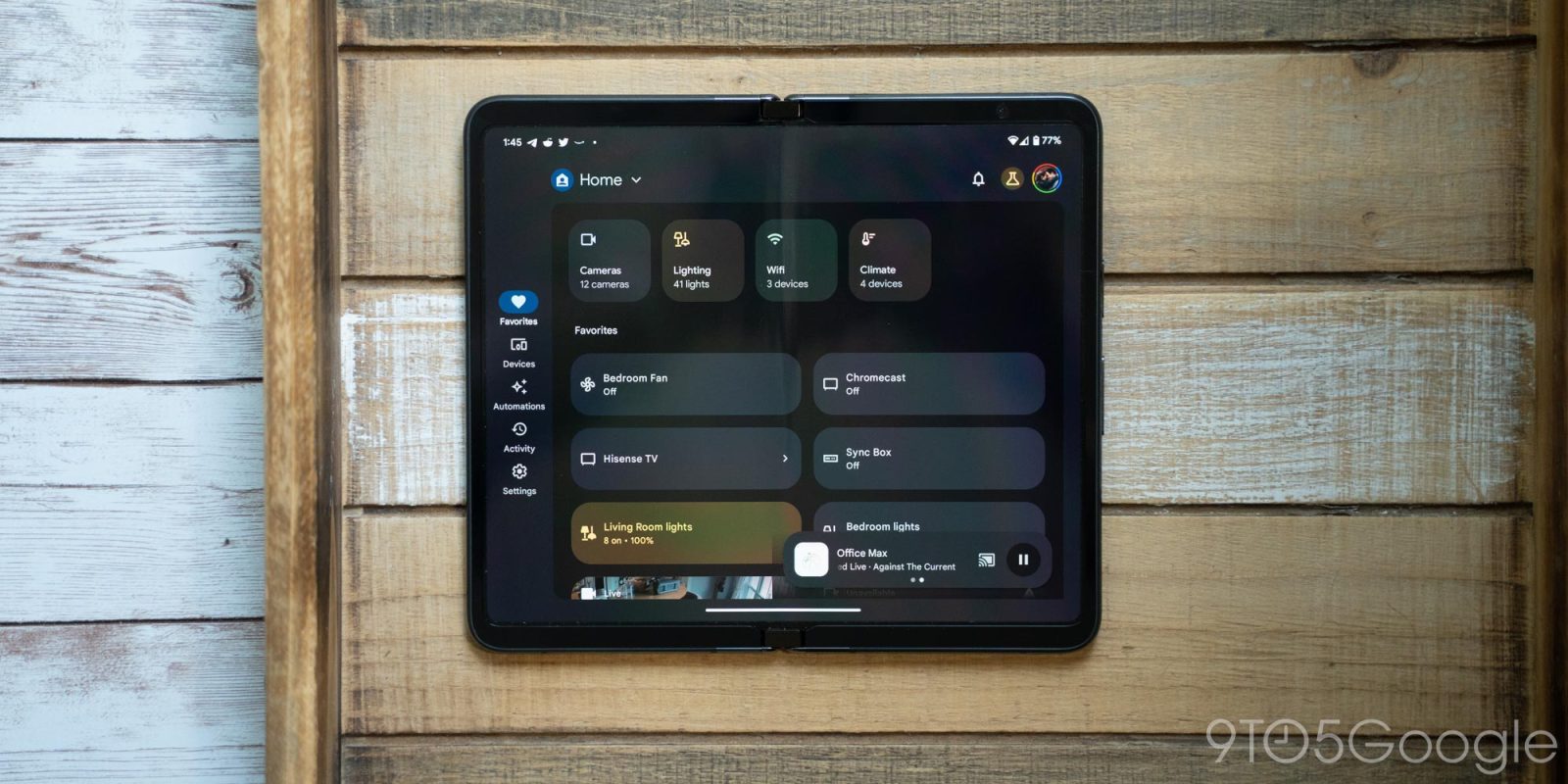
The Google Home app has improved quite a bit in the past couple of years, but there’s still a lot of room for improvement. In an AMA on Reddit today, Google answered some questions about the Home app and confirmed ongoing work to improve local control and support for more cameras and sensors.
Expand Expanding Close
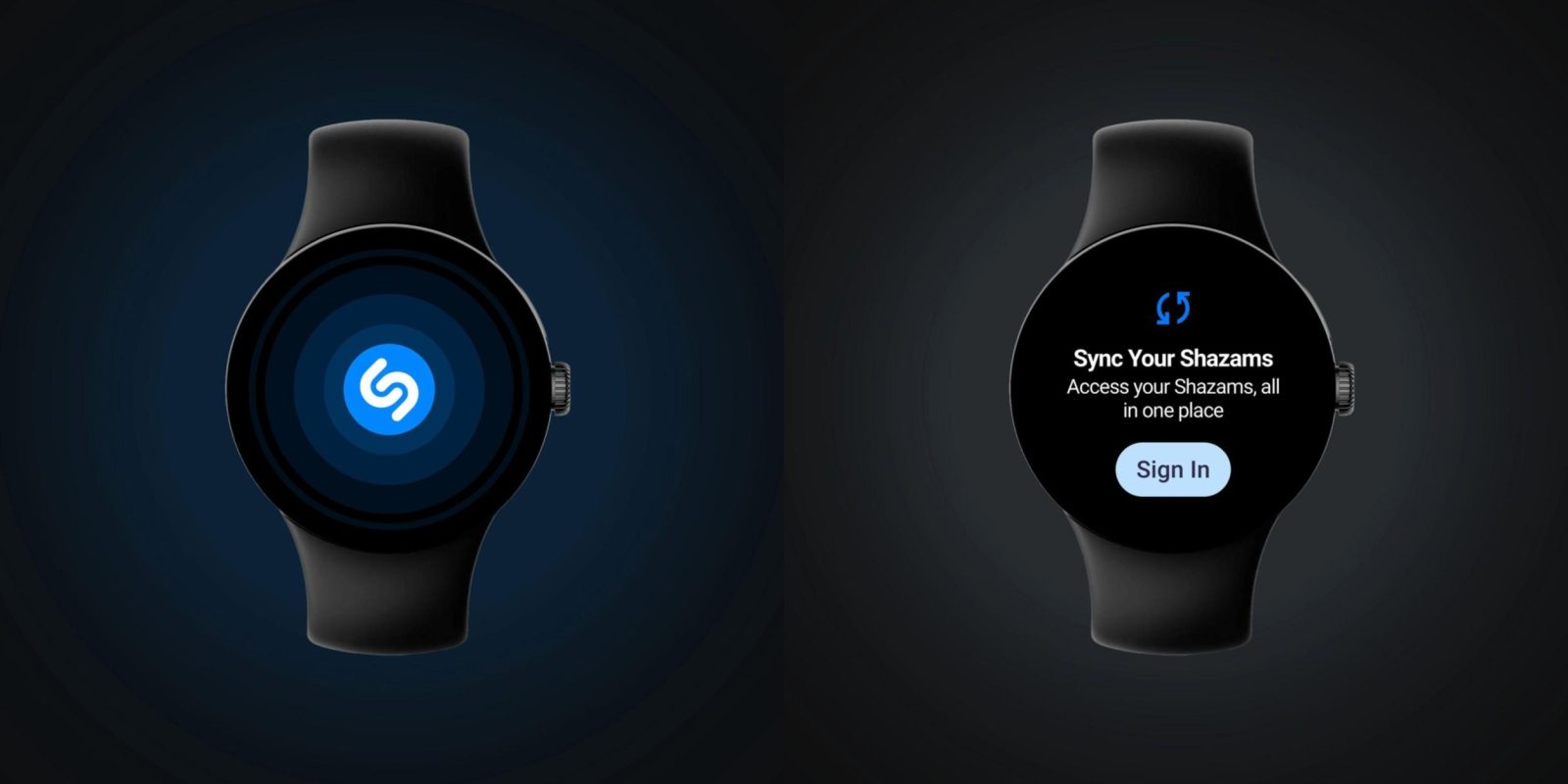
Apple-owned Shazam is out with a significant update that revamps the Wear OS app.
Expand Expanding Close
We are now ready to gather up all of today’s best Google Play app deals for Android users. Just be sure to scope out the new Amazon lows now live on Samsung’s Galaxy Tab S9 FE+ tablets and this offer on Google’s latest battery-powered Nest Video Doorbell. But for now it’s time for the apps. Highlights include titles like High Sea Saga DX, Neoteria, The Lonely Hacker, Ailment: dead standoff, NoteLynX Pro Outliner Mindmap, and more. Head below for a complete look at today’s best Android game and app deals.
Read More
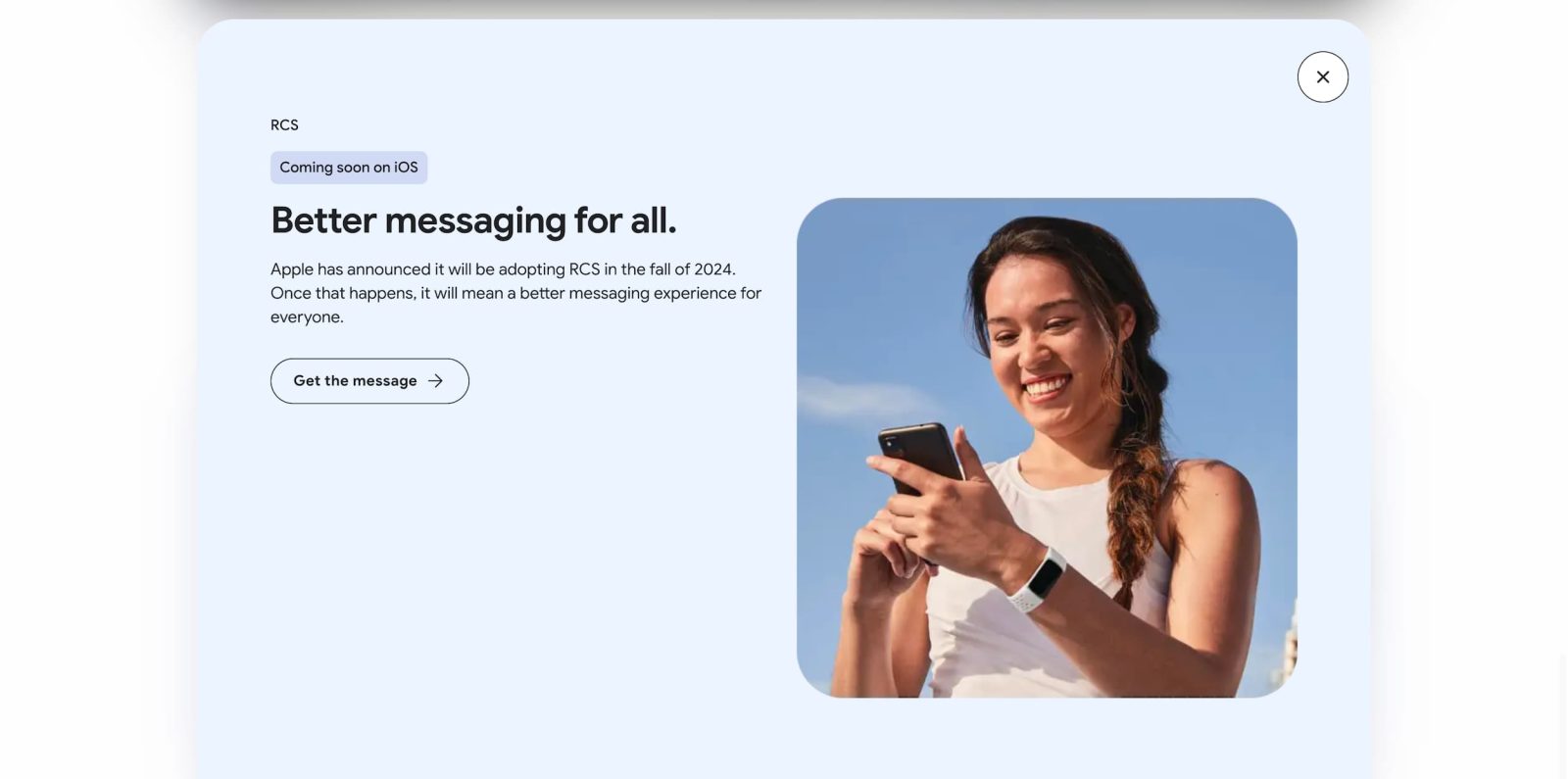
The Android website has added a new landing page for Google Messages that talks about the first-party messaging experience, while also noting that RCS on the iPhone is coming in fall 2024.
Expand Expanding Close