Author

Avatar for Jordan Kahn

Jordan Kahn

jordankahn

Senior Editor

9to5Mac / 9to5Google / 9to5Toys / Electrek.co

Jordan writes about all things Apple as Senior Editor of 9to5Mac. He covers Google for 9to5Google.com, the best gadgets and deals on 9to5Toys.com, and delivers a weekly roundup of EV and solar news on Electrek.co. Sometimes he makes weird electronic music as one half of Makamachine.

Contact Jordan with news tips and long-winded complaints:  

Connect with Jordan Kahn

Report: Motorola X to launch in Nov. with 4.8″ sapphire glass display, Snapdragon 800, 4000mAh battery

Site default logo image

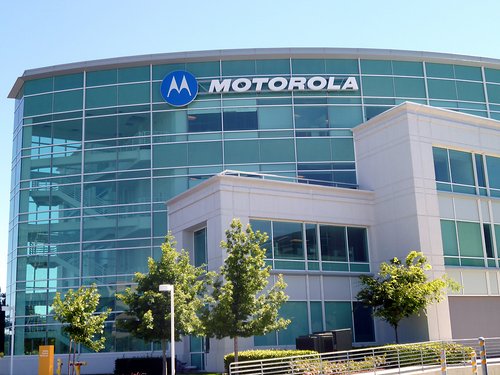
motorola-officeWe have been hearing a lot about the much rumored Motorola X phone. Motorola’s new advisor Guy Kawasaki has been hinting at some big customization options for upcoming Motorola devices, and previously Google CEO Larry Page said Motorola was working on some advanced new features for future smartphones. Some sketchy reports of specs first leaked earlier this month, but a new report today would seem to make sense given Page’s previous comments.

While they don’t exactly match the rumored specs from earlier this month, PhoneArena is reporting a tipster has provided some information on specs for the Motorola X device. Most notable is the mention of a 4.8-inch made of sapphire glass and a 4,000mAh battery, two things that would seem to line up with Page’s comments related to better batteries and impact-resistant designs.

Other specs in the report include corners “made with rubber bumpers”, a carbon fiber back case, and a quad-core 2Ghz Quallcomm Snapdragon 800. The rubber bumpers could also be related to Page’s comments about devices that are more resistant to impact. PhoneArena is also claiming that the device will be water resistant and launch in November in time for the holiday shopping season.

No word on potential hardware customization options as speculated by many following Kawasaki’s comments.
Expand
Expanding
Close
Site default logo image

Watch how Google captures the Canadian Arctic with its Street View Trekker backpack (Video)

Google has been constantly updating its Maps and Google Earth apps with new Street View imagery in recent months. Earlier this month it began rolling out new imagery for famous mountains including Kilimanjaro and Everest, and now Google’s Street View team is hitting Northern Canada for the first time with its Street View Trekker backpacks:

This is the first Trekker expedition in Canada for Google Maps. I’m wearing the backpack to collect Street View imagery as I walk to the shore of Frobisher Bay, where the wind is the strongest and you can see the tide piling up mountains of sea ice. On the way I’ll pass sled dogs tied up outside houses, yapping in anticipation of their next trip. And I may stop to check out an igloo, built by Inuit craftsmen using methods passed down over a millennia.

Report claims Google’s Android team developing smart watch too

Site default logo image

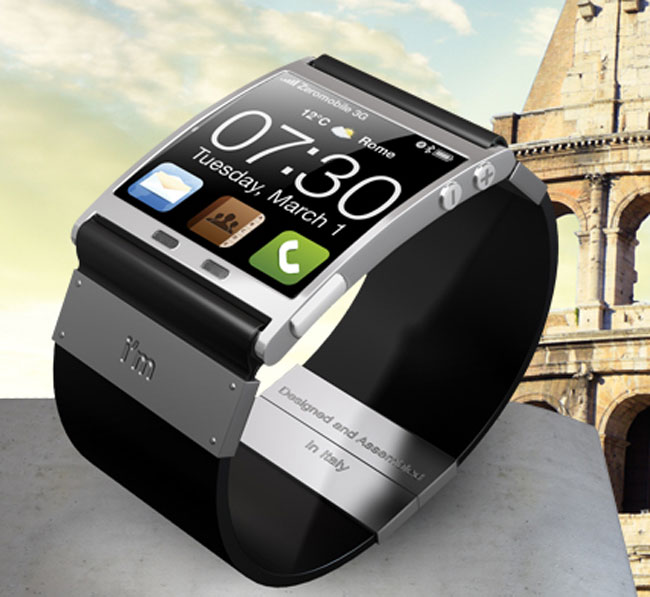
Im Watch (Android wristwatch 001)Update: The Korea Times reports that LG too is developing a smart watch and even testing products similar to Google Glass:

A source familiar with the matter told The Korea Times Friday that the Yeouido-based firm’s development of the next-generation watch, along with an innovative smart product similar to Internet giant Google’s Glass, was part of its long-term strategy to keep its competitiveness in the volatile information technology (IT) industry

While Apple and even Samsung have been at the heart of the rumors that new smart watch devices could be the products to keep an eye out for in 2013, Google too might try its hand at bringing a wearable computer in wristwatch form. According to a new report from The Financial Times, citing “a person briefed on the project,” Google’s Android unit is working on a smart watch platform of its own:

Google’s latest venture into wearable technology was more an attention-seeking gimmick than a serious new venture. But with the search giant ploughing significant resources into Google Glass, which embeds a screen, camera, microphone and other sensors into a pair of futuristic spectacles, it’s another indication that Google is serious about moving from the digital to the physical.

While Glass is being created in its X Lab, home to experimental “moonshot” projects such as the self-driving car, Google’s smart watch is being developed by its Android unit, according to a person briefed on the project

The fact that the device is reportedly being developed by Google’s Android unit, and not its experimental X Labs like Google Glass, could be an indication that Google plans to bring its watch product to the masses sooner rather than later. FT’s source also confirmed that the project is separate from the recently announced smart watch project from Samsung that is rumored to run a new operating system called AltiusOS and not Android.

Bloomberg reported in February that Apple had around 100 product designers working on its smart watch, and many analysts expected the product to be released by Apple as early as this year. Today’s report from FT doesn’t provide many details on what exactly Google has planned, but it’s a sign that Google isn’t betting on Glass as the be-all and end-all of wearable platforms. The report did note that Google is developing its smart watch “to act as an extension to the smartphones using” Android.

Google Glass patent details controlling refrigerator, television, dishwasher, thermostat, garage door, A/V & security systems…kitchen sink?

Site default logo image

Google has recently applied for yet another patent application related to potential Google Glass applications. This time it details an augmented reality system that would allow you to recognize, connect to, and control other connected devices. We got our first look at some of the apps Google has in the works for Glass earlier this month when the company demoed Gmail, Evernote, The New York Times, and other apps up and running on Glass during a presentation at SXSW, but the new patent application discovered by Engadget goes well beyond simply reading New York Times headlines in the corner of your eye.

When the wearable computing device determines that a target device is within its environment, the wearable computing device obtains target device information related to the target device. The target device information may include information that defines a virtual control interface for controlling the target device and an identification of a defined area of the target device on which the virtual control image is to be provided. The wearable computing device controls the HMD to display the virtual control image as an image superimposed over the defined area of the target device in the field of view.

Google described a method of allowing Glass to recognize other devices, including: internet-connected appliances, through visual recognition, Bluetooth, QR codes, infra-red and/or a number of other technologies to display superimposed controls for the device to user wearing Google Glass. Two specific examples given in the patent application include a garage door and a refrigerator, as pictured in the sketches above. Imagine walking into a room while wearing Glass and seeing virtual controls for connected devices in the room hovering over the real-world items.

Google does not go into much detail about how exactly users would control the devices, but it mentions the obvious voice commands and gestures as a possibilities. In one embodiment, Google could display “a virtual control interface that is to be displayed on the surface of the target device in a defined area.” Google would then let you control those devices via “virtual buttons, switches, scroll bars, keys, or any other known elements for receiving input from a user.”

The patent application was published today by the U.S. Patent and Trademark Office, titled “Wearable Computer with Superimposed Controls and Instructions for External Device.”

We got a look at a new Glass app developed by Duke University earlier this month, called “InSight”, that will allow Glass users to easily detect friends and co-workers by learning and identifying the patterns and colors of clothing they wear.

Motorola advisor Guy Kawasaki hints at rumored customizable hardware for upcoming smartphones

Site default logo image

Screen Shot 2013-03-20 at 1.19.17 PM

After joining Motorola as an advisor late last month, former long-time Apple evangelist Guy Kawasaki appears to be dropping some big hints about the company’s upcoming plans in the smartphone space. In a post to his Google+ account (via DroidLife), Kawasaki posted a link to a video detailing customization options offered by Porsche and posing the question, “Wouldn’t it be great if you could personalize your phone like this?”

This has of course lead to speculation that Kawasaki is referring to the ability customize an upcoming Motorola device at the time of purchase, something that recent reports indicate could be in the plans for Motorola’s much rumored X Phone. AndroidandMe and other blogs have reported that the Motorola’s X Phone could include hardware customization options, but also the ability to preload apps, ringtone, wallpapers, etc, features that other devices have offered versions of in the past.

The latest rumors claim X Phone could see an official release by June and its possible we could get our first look at the device in May during Google I/O.

Google brings Chromebooks to Canada, Australia, Germany, Ireland, France, and the Netherlands

Site default logo image

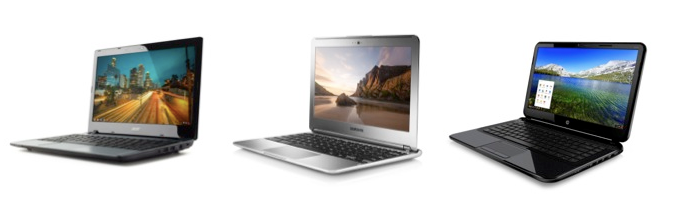
Chromebook-Lineup-Acer-Hp-Samsung

Google made an announcement on the Official Chrome Blog to confirm that it is rolling out Chromebooks to new countries starting today. After successful launches in the United States and United Kingdom, Google has partnered with retailers in a handful of other countries to bring the latest Chromebooks from Samsung, HP, and Acer to new parts of the world including: Canada, Australia, Germany, Ireland, France, and the Netherlands.

Google will also expand the number of U.S. outlets offering the devices in the next few weeks to 1,000 Best Buy stores nationwide. The company didn’t mention its own, recently announced Chromebook Pixel model or whether it is available to purchase in the newly added countries.

Many of you around the world have told us you’re eager to get your hands on a Chromebook, so we’ve been working with our partners to make this possible. Today we’re happy to say we’re one step closer to making Chromebooks truly “for everyone” — or rather, pour tout le monde, für alle, and voor iedereen

Canada: In Canada the devices will launch through BestBuy.ca a Futureshop.ca with the Samsung ($269.99) and Acer ($249.99) models, while the $329.99 HP Chromebook will be available through HPshopping.ca.

Australia: Australians get access to the Samsung and Acer Chromebooks elect JB Hi-Fi and Harvey Norman stores, while the HP Chromebook will be coming soon.

France: Customers in France get access to the 299 euro Samsung Chromebook starting today through “Fnac.com, Ticketmaster, Amazon and Pixmania, as well as 10 Fnac stores in the Paris region.”

Germany: In Germany the Samsung model will sell through”-buyerAmazonCyberport and Saturn on the Internet and in the Saturn store on Hamburg’s Mönckebergstraß.” The Acer model will sell through “SaturnCyberport-buyer and Amazon.”

Netherlands: In the Netherlands the Samsung and Acer models will be available to purchase through  “mediamarkt.nlsaturn.nl and laptopshop.nl and in the store at all 41 Mediamarkt and Saturn stores.”

Google also announced that the Chromebooks will be available to businesses and schools in the new countries and explained in detail in a post on its Enterprise blog.

“To help improve computing for organizations, we’re rolling out Chromebooks to businesses and schools in these same countries as well. Learn more on our Enterprise blog.”

Gmail app for Android updated with reply/archive/delete from notifications, faster search & more

Site default logo image

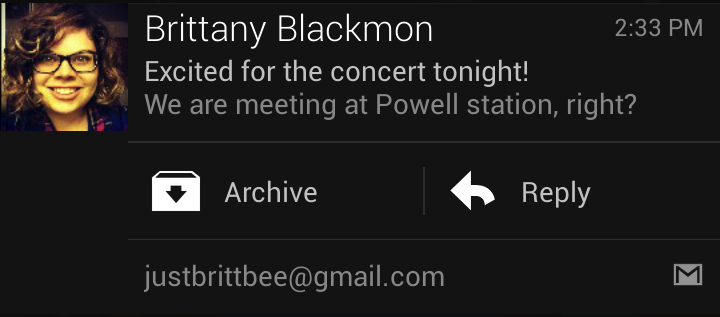
android-gmail-app-notifications

Google announced today on its Official Gmail Blog that it has released an update to the Android app for Gmail that brings new features, faster search, and other enhancements for certain users. Perhaps the most notable new feature is the ability to reply, archive, and delete from notifications with one tap—rather than having to open the app to sort and reply to mail:

You can combine this with existing notification features like the ability to customize which messages you receive notifications for and set up different sounds for individual labels. So if you filter and label all the messages from your mom, you could set a ringtone to let you know you received a new mail from her and then quickly reply (because we know what can happen when you ignore your mother!).

The feature is available to users running Android 4.1 and up, but Google is also rolling out faster search, bug fixes, and performance enhancements for Android 4.0 and up. Users on Android 2.2 and up will now have access to a “New Labels API for 3rd-party app developers” and the usual performance improvements.

The updated Gmail app for Android is available from Google Play now
Expand
Expanding
Close

Google Maps rolls out new imagery for famous mountains including Kilimanjaro & Everest

Site default logo image

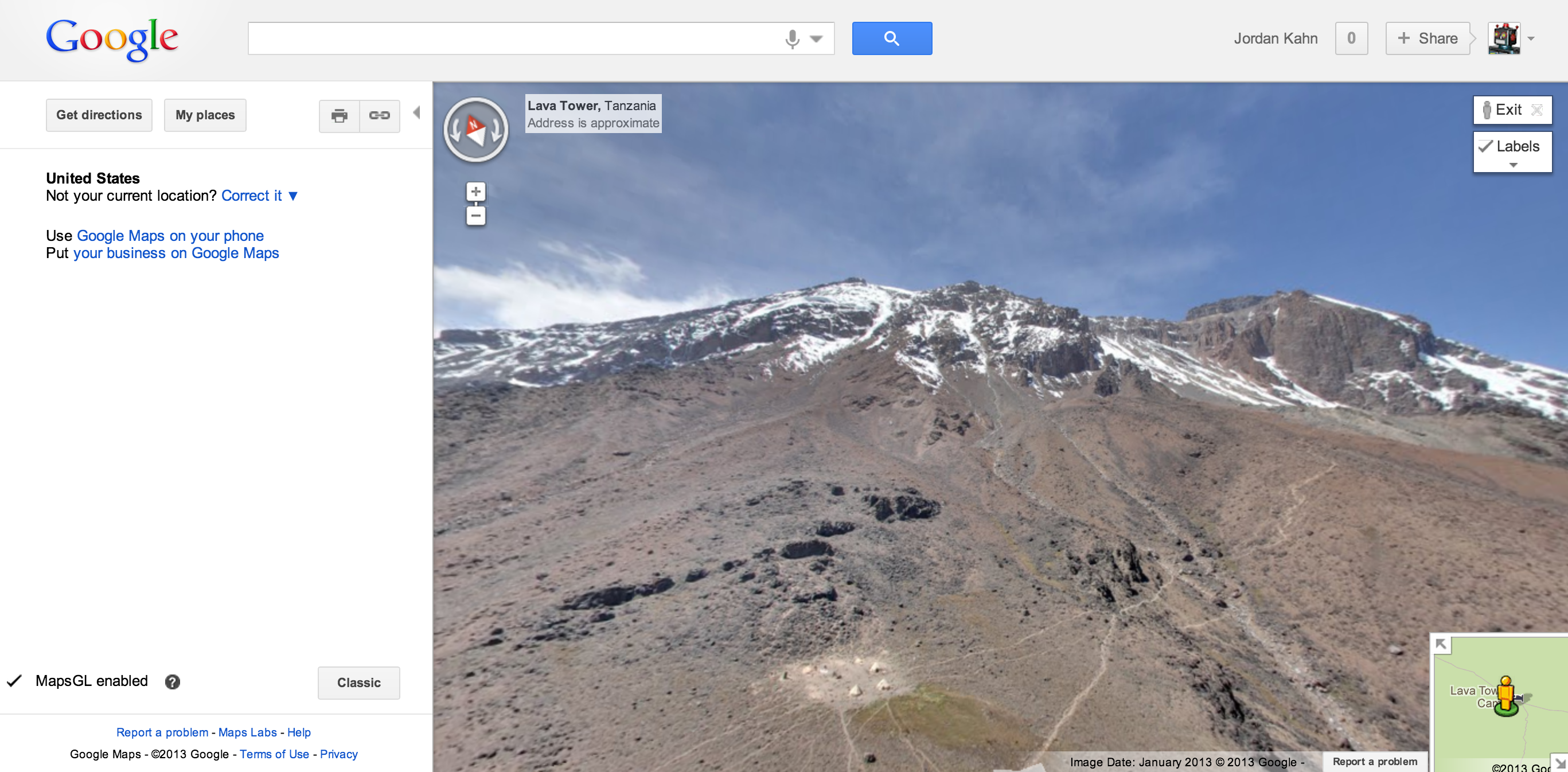
Everest

Google announced today on its Official Blog some that it began rolling out some new enhancements for Google Maps with the addition of famous mountains such Kilimanjaro in Africa and the Everest Base Camp in Asia. Imagery for other mountain peaks is included in today’s update, including: the tallest mountain in Europe; Mount Elbrus located in Russia; as well as the highest in the Western and Southern Hemispheres, Argentina’s Aconcagua.

group shot on everestThese mountains belong to the group of peaks known as the Seven Summits—the highest mountain on each of the seven continents. While there’s nothing quite like standing on the mountain, with Google Maps you can instantly transport yourself to the top of these peaks and enjoy the sights without all of the avalanches, rock slides, crevasses, and dangers from altitude and weather that mountaineers face. This imagery was collected with a simple lightweight tripod and digital camera with a fisheye lens—equipment typically used for our Business Photos program.
Google also shared a detailed post on its Lat Long blog that details the process of collecting imagery for today’s update.

Developers give in-depth look at Google Maps iOS SDK vs Apple’s MapKit

Site default logo image

FastCompany today posted an in-depth look at the differences between Apple’s MapKit and Google’s recently launched Google Maps for iOS SDK from the perspective of developers. The lengthy piece gets insight from several iOS app developers with apps that rely on the SDKs and sheds some light on a few things that Apple is doing much better than Google despite a perception from users that Google Maps are superior:

“Google doesn’t currently charge for the Places API, but they do require a valid credit card for access–which gives you a quota of 100,000 daily requests. So you have to wonder if they plan to start charging sooner or later,” McKinlay explains. “That 100,000 limit perhaps sounds reasonable, but each user session can generate many requests–particularly when using the ‘autocomplete’ feature of Tube Tamer–and some types of requests count for 10 times the quota each, so it can get used up pretty quickly.”

While noting that Google wins out with location lookup services, 3D buildings, directions, geocoding, and better hybrid satellite imagery, the developers were also quick to point out downsides of the Google Maps SDK such as quotas for the Places API, an increased app size, and limitations with markers, gradient polylines, and overlays.

Developer of transportation app Tube Tamer, Bryce McKinlay, discussed some of the benefits of using Apple’s MapKit:
Expand
Expanding
Close

Site default logo image

Google investigating reports of Google Drive service disruption

Screen Shot 2013-03-18 at 10.53.01 AM

Google has updated its apps status page this morning to reflect an investigation into reports of issues with Google Drive. Google doesn’t go into detail about what specific issues are being reported, but users online have reported problems connecting to the service mainly through the web app. The apps status page lists the problem as a service disruption, indicating not all users are unable to access to the service. The service disruptions seem to be hitting a large amount of users, and Google confirmed it would provide more information soon. We’ll update this post when Google provides us with an update.

Google preparing to launch ‘Google Keep’ note taking app for Google Drive?

Site default logo image

While we have yet to get all the official details from Google, we get hints at a new feature today that could be headed to Google Drive via leaks from the Drive source code discovered by 1E100. Within Drive’s source code are hints at a new service dubbed “Google Keep,” including links to a new icon for the service, an Android app, and at one point the Google Keep web app itself. Google has since removed the evidence, but our friends over at Android Police were able to capture the screenshots above before Keep was taken down.

There is some evidence that the app would include Evernote-like functionality, with one screenshot revealing an “Add to Keep” function for webpages. The app otherwise appears to provide functionality with color-coded notes, the ability to add and save pictures, create lists, share, etc.

The app could also launch as a standalone Android app, because 1E100 discovered http://g.co/keep redirects to https://play.google.com/store/apps/details?id=com.google.android.keep. We’ll keep you posted if we hear anything official from Google about Keep.

A few more screenshots below:


Expand
Expanding
Close

Google preparing subscription news service on Google Play to rival Apple’s Newsstand?

Site default logo image

800px-Google-News_logo

It looks like Google might be repairing a new section in the Google Play store specifically for news content in subscription and issue form. While Google already has a dedicated Magazine section on the Play store, AndroidPolice first noticed clues in code for the web version of Google Play that hint Google could be preparing to launch a new service dubbed “Google Play News.”

While we don’t get much information about the service, we do learn Google Play News could offer “issues” and “subscriptions”. This makes us think the company could be preparing a subscription news service that rivals Apple’s Newsstand on iOS. Apple currently offers both issues of newspapers and magazines in subscription form through its Newsstand app.

It’s not clear how exactly the Play News section would differ from the existing Magazine section, but AndroidPolice noted that the Google Play code points to the section having its own heading color. This suggests it will indeed be a dedicated category on the store.

As I’m sure you know, the Play Store is color themed – Books are blue, Music is orange, etc. So the most important question a discovery like this raises is “What color will the News section be?” It turns out we can actually answer this one thanks to the Play Store CSS (mirror). It’s yellow. The News section will be yellow.

It’s a possibility Google will eventually merge this new newspaper feature with magazines like how Apple’s Newsstand app works, but we’ll have to wait to find out for sure what Google officially has planned for the service.

Google adds Phrasebook feature to Google Translate

Site default logo image

Google-Translate-Phrasebook

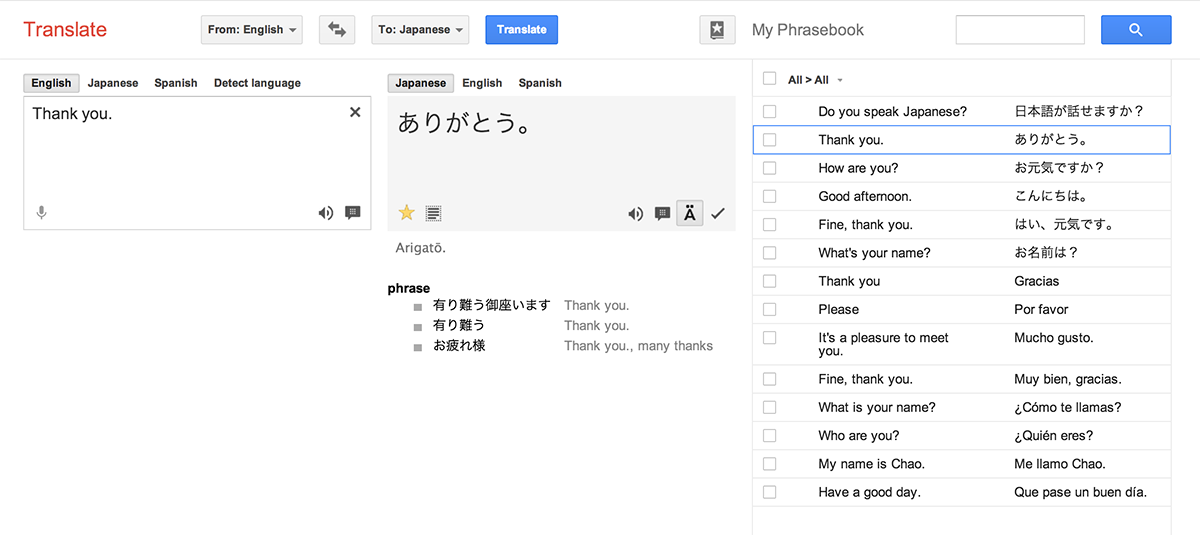
There were hints late last month that Google was planning on adding new features to Google Translate and today the company announced a new feature for the service called Phrasebook. Rather than having to translate the same words and phrases time and time again, Phrasebook allows users to save a set of translations for quick and easy access. Google explained how the features works:

It’s easy to start using Phrasebook. Simply click the star under the translated text to save the translation in your Phrasebook. To view your Phrasebook, simply click the Phrasebook icon above the upper-right corner of the box containing the translation.

Click any phrase in your Phrasebook to load it back in the translation area. Using the Phrasebook controls, you can filter your phrases by language pair or search for a specific phrase. You can also easily listen to each phrase by hovering over the entry and selecting the text-to-speech icons.

Google could soon be adding more features to Translate as last month hints were discovered that Google is working on an option to select a dialect for certain languages in its text-to-speech feature within Google Translate. There were also additional dictionary features that have yet to be implemented.

Amazon drops Kindle Fire HD 8.9 pricing to $269, announces availability for Europe and Japan

Site default logo image

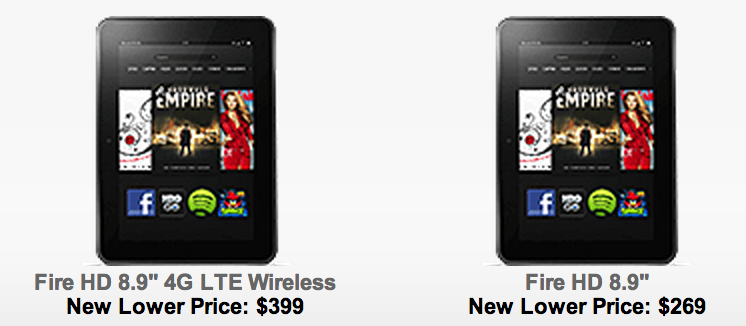
Kindle-pricing-Fire-HD-8.9Amazon announced today in a press release that it is lowering the price of its the largest tablet in the U.S., the Kindle Fire HD 8.9″.  The price of the entry level WiFi only model drops from $299 to $269, while the 4G variant will now sell for $399 (down from $499 previously). In addition, the company is also rolling out the device to a handful of new countries including: the UK, France, Germany, Japan, Spain, and Italy.

The 8.9-inch tablet  includes a1920x1200, 254 ppi display, TI OMAP4470 processor, 1GB of RAM, Custom Dolby audio and dual stereo speakers, 10 hours of battery life, and of course access to Amazon’s ecosystem of content.

You can already find the updated pricing for the both the entry level $269 model and the $399 4G model on Amazon.
Expand
Expanding
Close

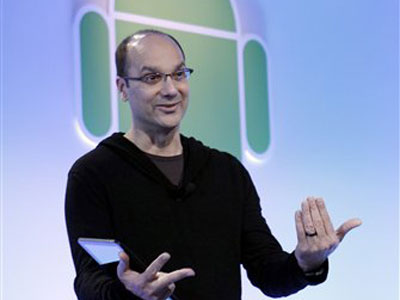
Andy Rubin leaves Android for new role at Google, Chrome’s Sundar Pichai to take over

Site default logo image

andy-rubinGoogle posted an Update from the CEO on its Official Google Blog today where Larry Page announced that Android chief Andy Rubin will officially be leaving the Android team to take up a new role at the company. Taking his place to lead the Android team at Google is Sundar Pichai, who will also continue his work with Apps and Chrome.

Page didn’t specify what responsibilities Rubin would have going forward saying only that “Andy’s decided it’s time to hand over the reins and start a new chapter at Google. Andy, more moonshots please!”

Page also noted that Android is now up to 750 million device activations across 60 manufacturers, up from 500 million back in September.

Fast forward to today. The pace of innovation has never been greater, and Android is the most used mobile operating system in the world: we have a global partnership of over 60 manufacturers; more than 750 million devices have been activated globally; and 25 billion apps have now been downloaded from Google Play. Pretty extraordinary progress for a decade’s work. Having exceeded even the crazy ambitious goals we dreamed of for Android—and with a really strong leadership team in place—Andy’s decided it’s time to hand over the reins and start a new chapter at Google. Andy, more moonshots please!

Going forward, Sundar Pichai will lead Android, in addition to his existing work with Chrome and Apps. Sundar has a talent for creating products that are technically excellent yet easy to use—and he loves a big bet. Take Chrome, for example. In 2008, people asked whether the world really needed another browser. Today Chrome has hundreds of millions of happy users and is growing fast thanks to its speed, simplicity and security. So while Andy’s a really hard act to follow, I know Sundar will do a tremendous job doubling down on Android as we work to push the ecosystem forward.

Samsung’s ad budget exploded past Apple and the rest of the field in 2012

Site default logo image

Apple-vs-Samsung-advertising-ad-budget-2012We have been hearing much about Samsung’s advertising efforts in recent months including its efforts crafting the now well-known ad campaign mocking iPhone line sitters, to some of the companies recent marketing tactics used to target iPhone users. Last night The Wall Street Journal published a new piece outlining Samsung’s increasingly aggressive advertising thanks to new data from research firm Kantar Media. According to the report, Samsung passed Apple in 2012 for ad spending by around $68M in the US:

Outspent by rival Apple Inc. more than three to one in advertising for mobile phones in the U.S. in 2011, Samsung responded with a marketing blitz on TV, billboards, the Internet and print media that moved the Korean company into the pole position last year… In 2012, Samsung spent $401 million advertising its phones in the U.S. to Apple’s $333 million, according to ad research and consulting firm Kantar Media.

Apple spent more than three times Samsung on marketing its mobile devices in 2011. If a slew of recent media reports is any indication, including one from Apple’s own former ad man Ken Segall, many seem to think Apple is losing its advertising momentum to Samsung.

The Wall Street Journal added that executives at carriers said Samsung “also spends more on “below the line” marketing than any device maker. Those funds help pay for in-store advertising, promotions and training for carrier sales representatives that help close the sale.”

To put the spending in perspective for the global smartphone market, Tech/telco analyst Benedict Evans noted the figures above account for around 10% of Samsung global ad budget compared to 1/3 of Apple’s, which also somewhat reflects sales proportions.

Site default logo image

FCC approves T-Mobile/Metro PCS merger, says it will ‘benefit millions of American consumers’

T-Mobile-MetroPCSThe Federal Communications Commission has officially approved the $1.5 billiondeal to merge T-Mobile USA with MetroPCS. FCC Chairman Julius Genachowski issued a statement on the approval of the transaction, saying the deal will “benefit millions of American consumers and help the U.S maintain the global leadership in mobile it has regained in recent years.”
“With today’s approval, America’s mobile market continues to strengthen, moving toward robust competition and revitalized competitors.  We are seeing billions more in network investment, while the courts have upheld key FCC decisions to accelerate broadband build-out, promote competition, and benefit consumers, including our broadband data roaming and pole attachment rules. Today’s action will benefit millions of American consumers and help the U.S maintain the global leadership in mobile it has regained in recent years.

“Mobile broadband is a key engine of economic growth, with U.S. annual wireless capital investment up 40% over the last four years, the largest increase in the world, and few sectors having more potential to create jobs. In this fast-moving space, of course challenges remain, including the need to unleash even more spectrum for mobile broadband and continuing to promote competition and protect consumers. The Commission will stay focused on these vital goals.”

Site default logo image

Reminder: Google I/O registration opens in less than 24 hours

Screen Shot 2013-03-12 at 12.58.13 PM

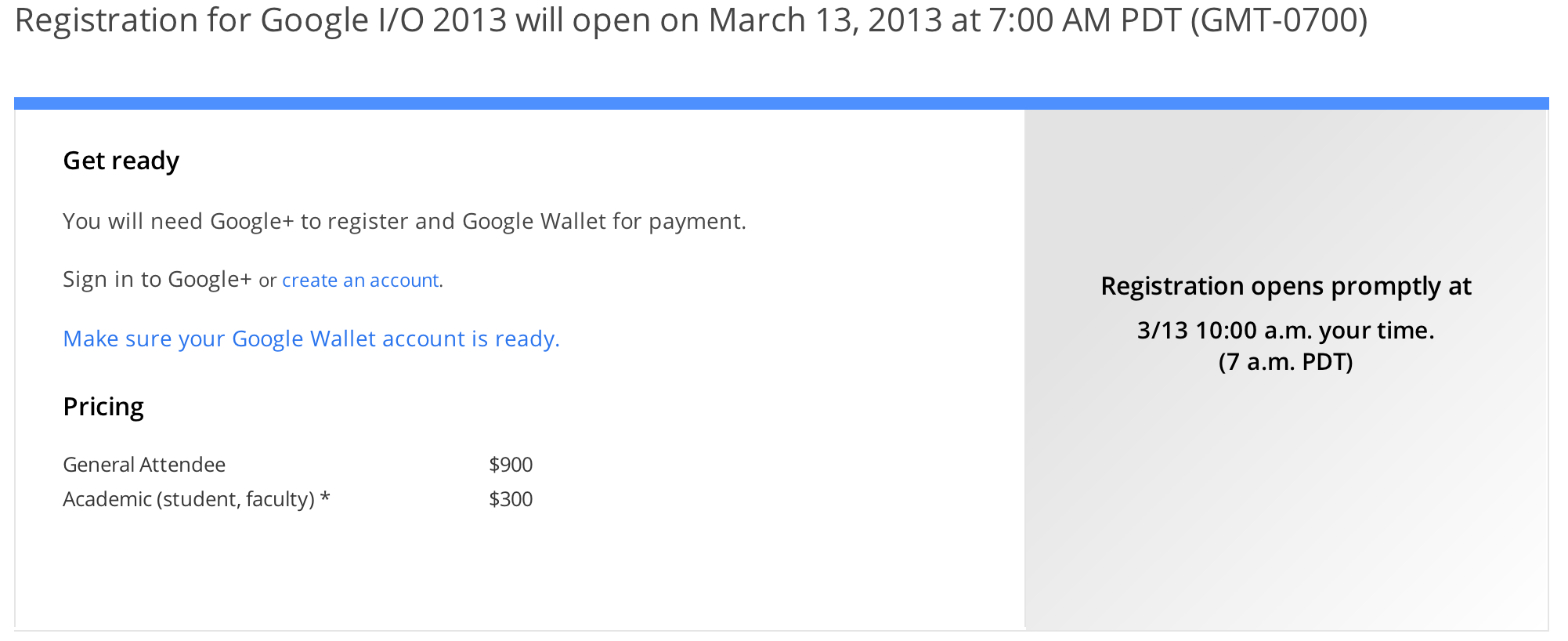
Google’s annual I/O developer conference is right around the corner and tomorrow officially kicks off registration for a limited number of tickets that typically sellout within minutes of the site opening for registration. We told you previously that Google has now launched its Google I/O website with details about the travel, events, and FAQs, as well as the tips below for those planning to register.

You’ll need a Google+ account, a Google Wallet account, and $900 ($300 for Academic) to get yourself a ticket when registration opens at 7 a.m. PST tomorrow morning:
Expand
Expanding
Close

Google confirms prescription frames & lenses in the works for Google Glass, shows off prototype

Site default logo image

Greg_Glass_frames

There have been many people who wear prescription glasses wondering whether they too would be able to wear Google Glass with prescription frames. Today, Google confirmed that the Glass’ modular design will indeed allow users to add frames and lenses that match their prescription. Google also showed off one of the prototypes currently in testing. The image above is of Glass team member +Greg Priest-Dorman sporting prescription frames with Google Glass.

One of the questions we hear the most is whether there will be a prescription solution for Glass. The short answer is: yes! The Glass design is modular, so you will be able to add frames and lenses that match your prescription. We understand how important this is and we’ve been working hard on it

Unfortunately, the ability to wear prescription frames and lenses won’t be available to those lucky enough to get their hands on the Explorer Edition when it’s eventually released. Google said you could expect to see the frames for Glass later this year.


Expand
Expanding
Close

Google updates Gmail web app with new UI inspired by iOS apps, improved search & Calendar integration

Site default logo image

threadlistbigleapweb

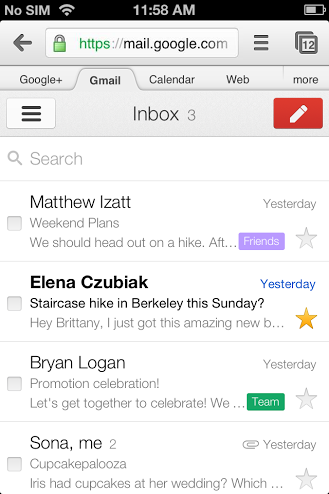
Google announced today that it updated the mobile web app for Gmail and the Gmail Offline Chrome app with a refreshed UI and new features similar to recent enhancements to its iOS apps. On top of the redesigned visuals, Google also included improvements to search and Google Calendar integration:

Today we’re rolling out a similar refreshed look to the Gmail mobile web app as well as Gmail Offline (http://goo.gl/0f1ae) that includes many of these same changes. Try it out at gmail.com in the browser of your Android, iOS, Blackberry or Kindle Fire device.

Google noted it decided to implement a design for its web apps similar to its iOS offerings after receiving positive feedback since first launching the new iOS design in December.


Expand
Expanding
Close

Samsung releases another Galaxy S4 teaser with part two of Jeremy campaign (Video)

Site default logo image

http://www.youtube.com/watch?feature=player_embedded&v=YzkfC7–jog#!

Samsung started a new ad campaign to tease its upcoming next-generation Galaxy smartphone earlier this month. We weren’t huge fans of the ad that featured a top-secret meeting with Jeremy, the 13-year-old “secret messenger of Samsung Unpacked 2013.” Today, Samsung has released part two of the ad. It continues with Jeremy’s story but doesn’t reveal anything new.

Site default logo image

Chrome for Android updated with background audio and performance enhancements

256px-google_chrome_2011_computer_icon-svgGoogle updated its Chrome for Android app today with a number of performance enhancements including improved scrolling, better responsiveness for pinch-zooming, and improvements to “interactive pages thanks to the latest version of the V8 javascript engine.” Google is also including background audio support in this release and “expanded support HTML5 features”:

What’s in this version:

Updates in this version of Chrome for Android include improved text font clarity and stability fixes in addition to:
1. Improved scrolling performance
2. Increased responsiveness to pinch-zooming on pages
3. Faster interactive pages thanks to the latest version of the V8 javascript engine
4. Audio now continues to play while Chrome is in the background. Audio playing in Chrome will now pause when the phone is in use. This requires an additional permission
5. Expanded support for HTML5 features

New YouTube One channel layout now available to everyone

Site default logo image

Last month we told you that YouTube had rolled out its new YouTube One Channel design to a limited number of parter channels, but today the new channel layout is officially available to everyone. You can check out an example of the new layout here. YouTube announced on its Creators blog that all users can now opt in to the new channel design by visiting the One Channel website below:

Check out www.youtube.com/onechannel and click the button at the bottom to get started. We’ll migrate your channel to the new design, and walk you through it. For a limited time, you’ll be able to switch back to the previous design if you like.

YouTube provided some tips to get you started with the new channel design:
Expand
Expanding
Close

Google Glass app from Duke University recognizes people by what they wear

Site default logo image

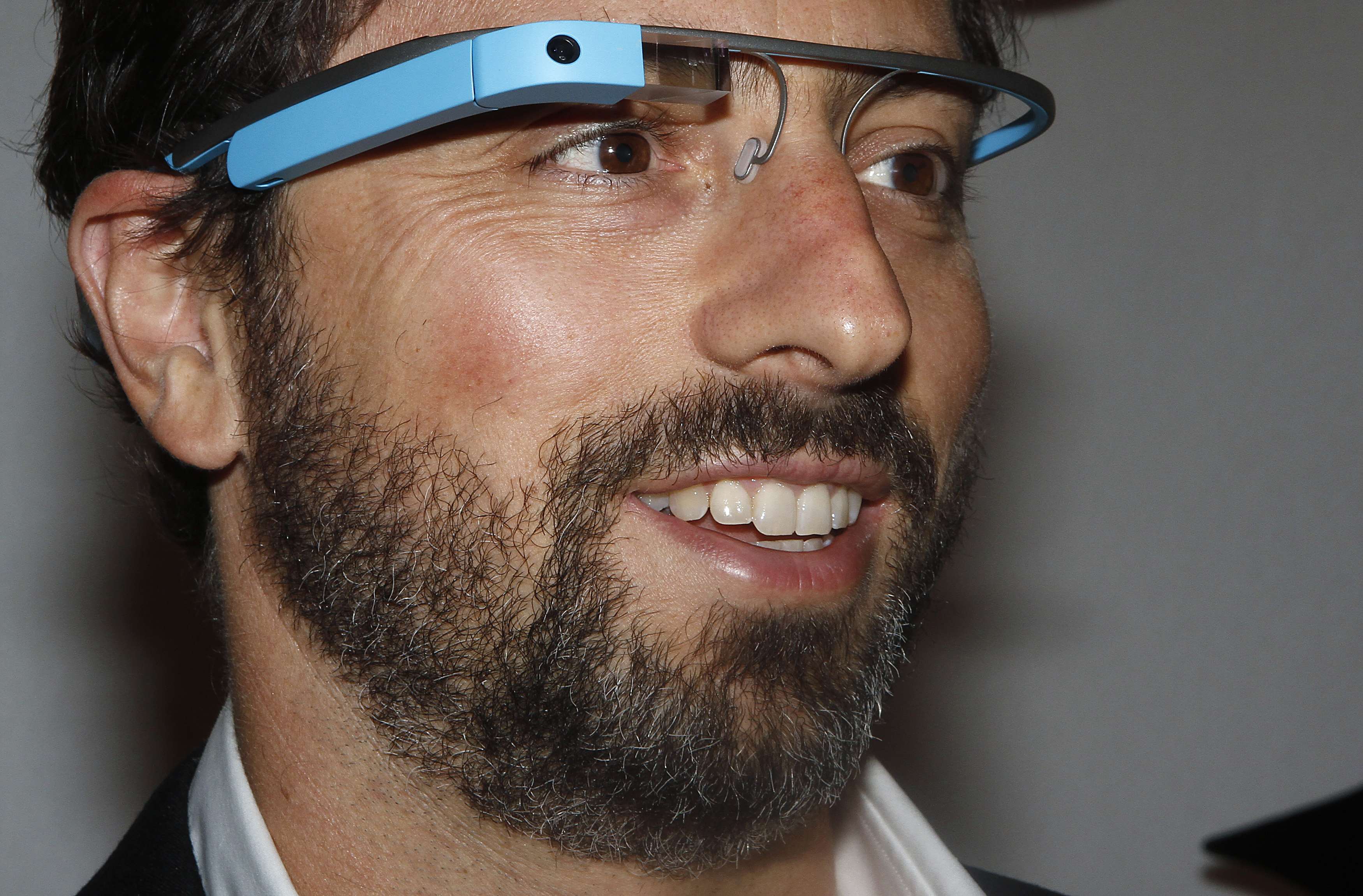
Google founder Sergey Brin poses for a portrait wearing Google Glass glasses before the Diane von Furstenberg  Spring/Summer 2013 collection show during New York Fashion Week

Google Glass has yet to even land as the “Explorer Edition” for developers, but devs are already fast at work on innovative applications for Google’s head-mounted computing platform. With Google I/O right around the corner, we have been seeing more and more concepts for potential Glass apps popping up– including this one from Google and another designed by JetBlue. We’ve seen concepts for apps such as GPS and navigation, photo and video, and weather and alerts, but today NewScientist (via Engadget) pointed us to a new app called “InSight” being developed to allow Glass users to easily detect friends and co-workers by learning and identifying the patterns and colors of clothing they wear.

Imagine a near future where humans are carrying smartphones and wearing camera-embedded glasses, such as the Google Glass. This paper intends to recognize a human by looking at him or her from any angle, even when her face is not visible.

A group at Duke University is developing inSight, and it focuses on allowing Google Glass users to recognize humans without using traditional face recognition technology. It would also allow users to spot people they are looking for in a busy crowd, even if their back is turned. The paper described Google Glass users being able to see a nametag for each person in a room, or, when names are not suitable, users could share a tweet such as “looking to share a cab.”

For instance, Alice may look at people around her in a social gathering and see the names of each individual – like a virtual badge –suitably overlaid on her Google Glass display.

Where revealing names is undesirable, only a tweet message could be shared. People at the airport could tweet “looking to share a cab ”, and Alice could view each individual’s tweet above their heads. In general, we intend to extend augmented reality [1, 2] to humans and the key challenge pertains to differentiating individuals. We explore options outside face recognition [3, 4]

The full paper on InSight from Duke University can be found here and is definitely worth the read if you’re interested in seeing how developers might leverage the unique form factor of Glass to create innovate new apps.