Ben Schoon is a Senior Editor at 9to5Google, working for the publication as one of its primary news writers since 2016.
In 2013, Ben helped start an independent tech publication where he learned the skills used at 9to5Google including writing, product photography, and videography. He is located in the city of Winston-Salem in North Carolina where he lives with his wife Melissa. Ben is an avid disc golf player.
He primarily covers Android products, including Google Pixel devices, Samsung Galaxy smartphones, as well as devices from OnePlus, Oppo, Motorola, and more. Beyond just covering news about these products, Ben also spends time using these products himself, speaking from experience with the articles he writes. Some of Ben’s most recent hands-on reviews include; Pixel 8 Pro, Pixel Watch 2, Samsung Galaxy Z Fold 5, Samsung Galaxy S23 Ultra, Motorola Razr+, HP Dragonfly Pro Chromebook, and more.
Ben Schoon is active on Twitter, @nexusben, but can also be found on Instagram and LinkedIn. For questions or tips, you can email him directly, and his portfolio is also available online.
Google hands out extended free trials to its AI Pro subscription frequently with new smartphone purchases and more, but trial users end up getting less access compared to paid subscribers in what is a bit of a misleading situation.
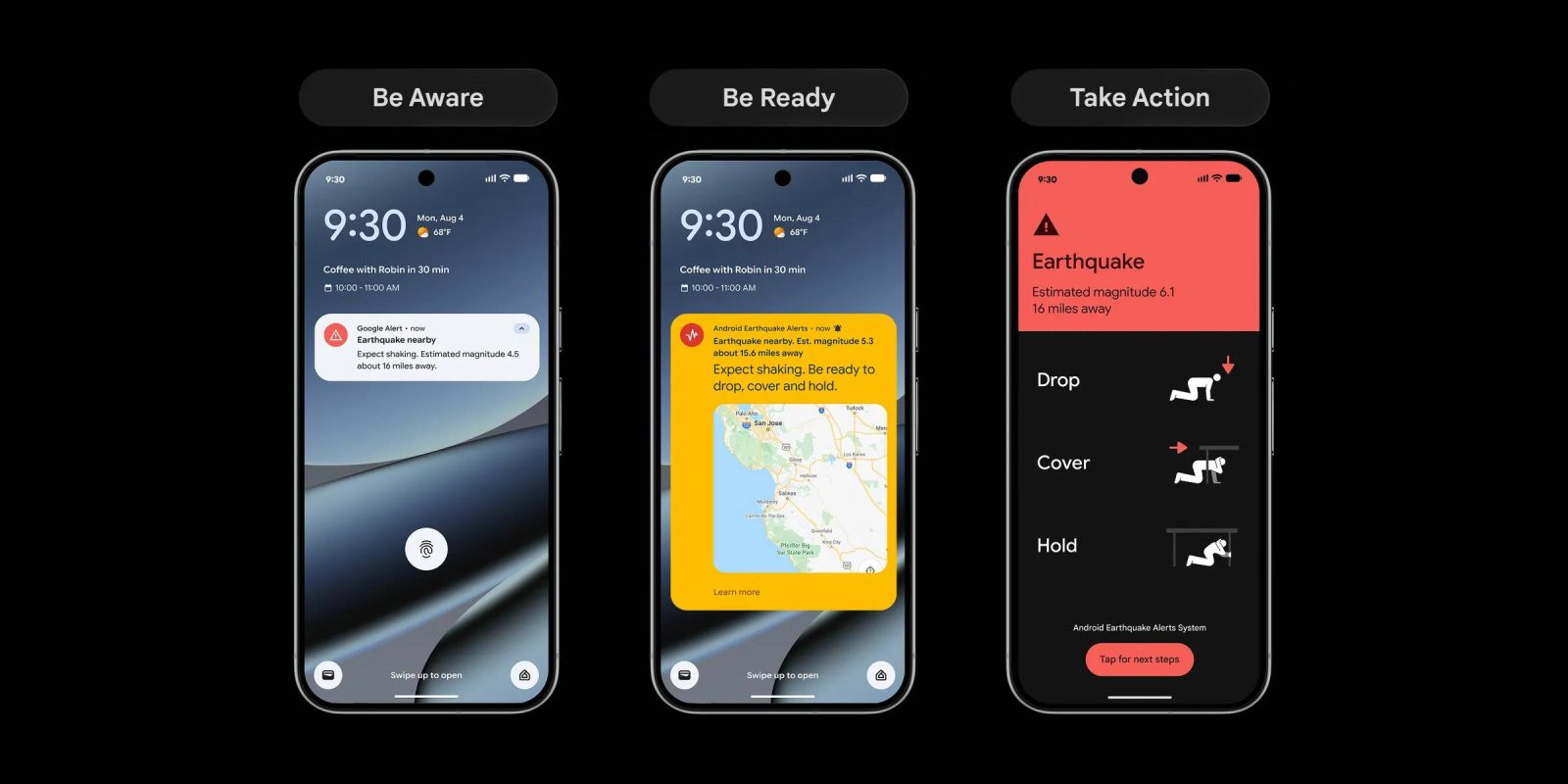
Google is delivering an update to Android’s earthquake alerts system that will show more information while also expanding support to over 200 regions across the globe.
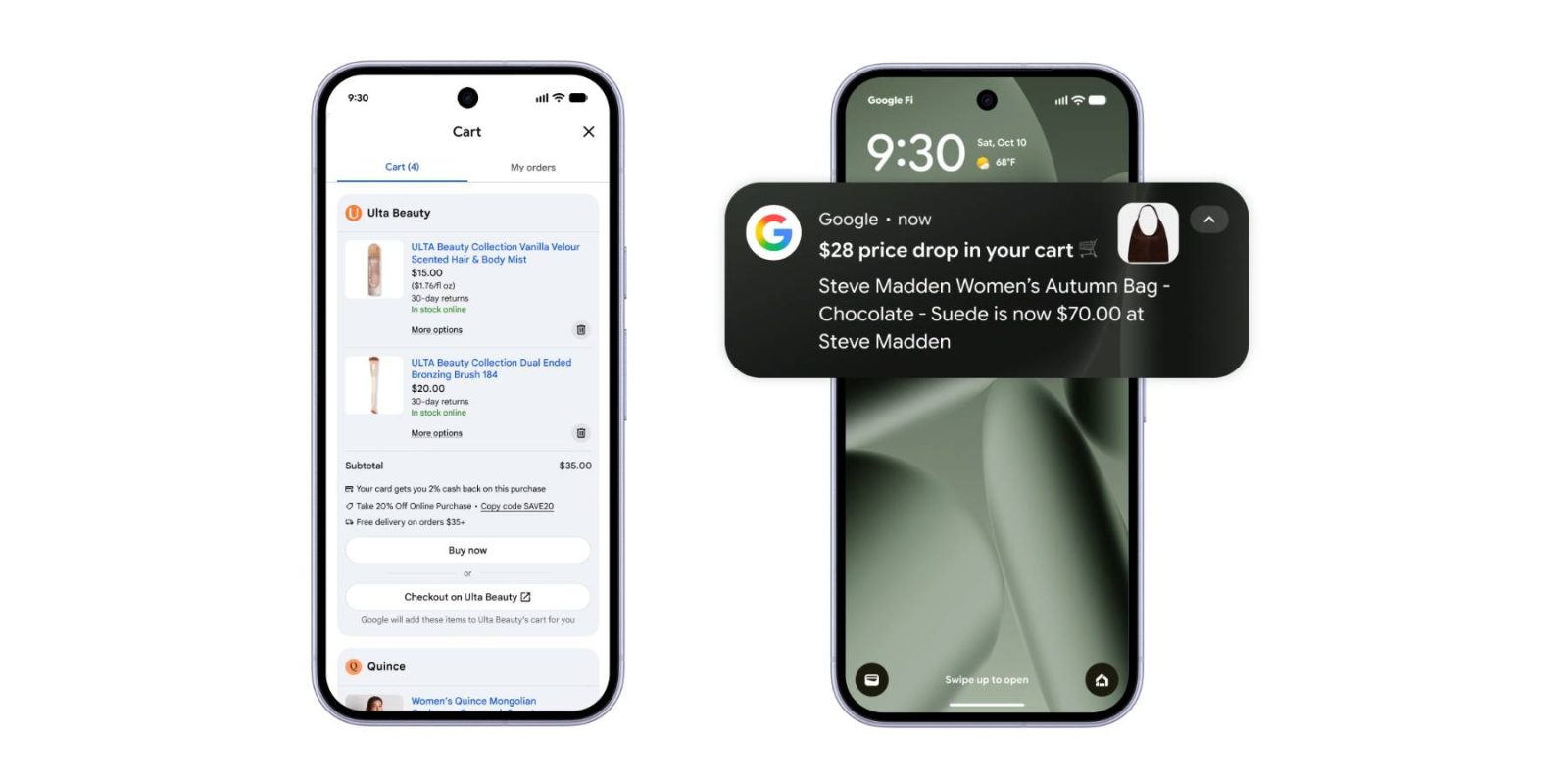
Following its announcement at Google I/O earlier this year, Google’s new Universal Cart is now rolling out in the US, giving you the ability to shop the web and watch for deals using Search, Gemini, and more.
Apple’s debut in the foldable market was always going to have an impact on Android foldables, with many brands having been optimistic that it would have a positive ripple effect. For Samsung, that appears to be true, as the company says that interest in its Galaxy Z Fold 8 remains significantly higher following the iPhone Duo’s announcement.
As privacy complaints continue to dominate the conversation around Meta’s Ray-Ban smart glasses, the company is now fixing an issue that was letting the glasses record on their own without the user prompting the recording.
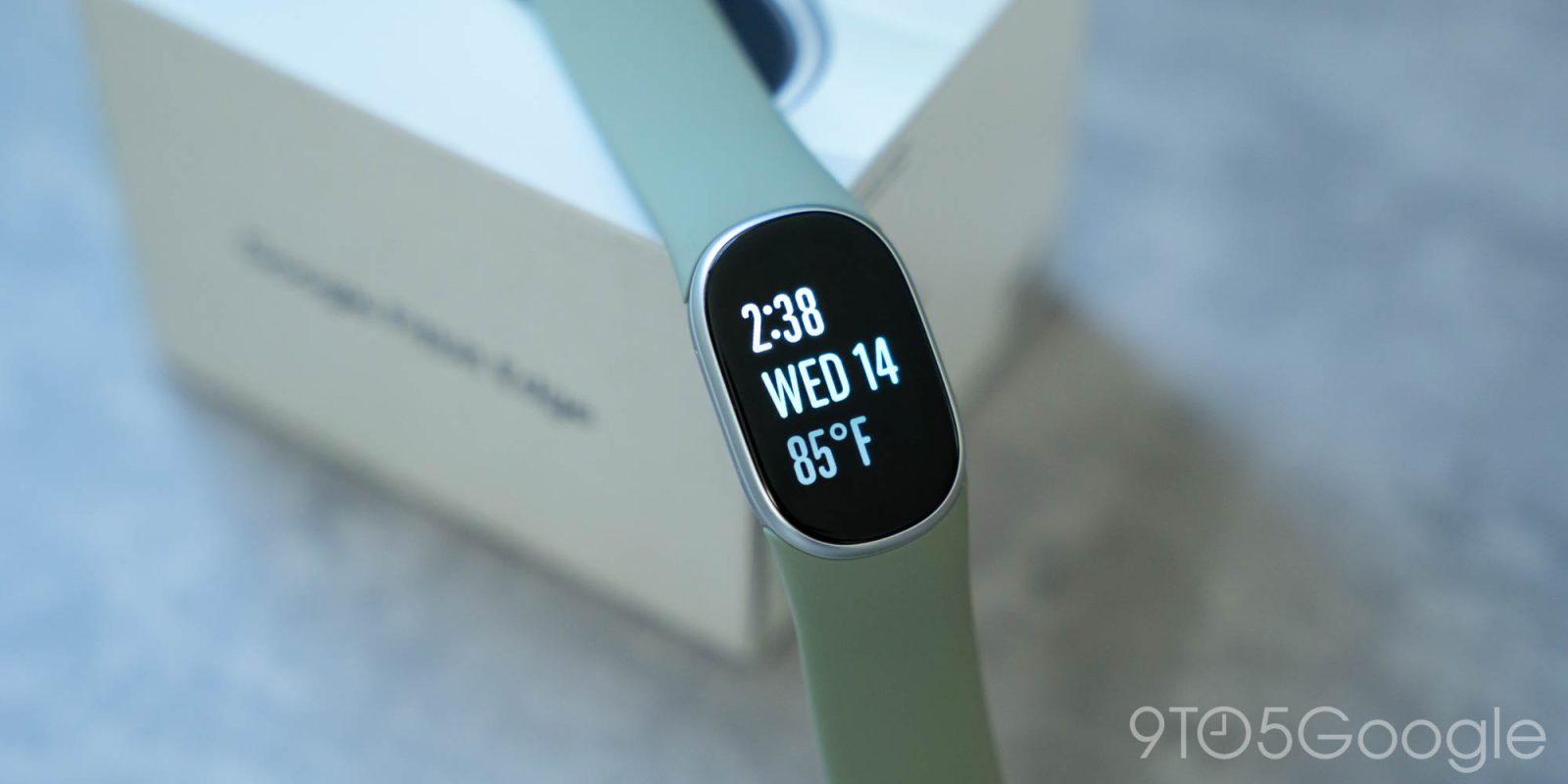
Google’s new Fitbit Edge tracker launches later this month and, as we get our review together, here’s a quick hands-on look at the new middle child of Google’s wearable lineup.
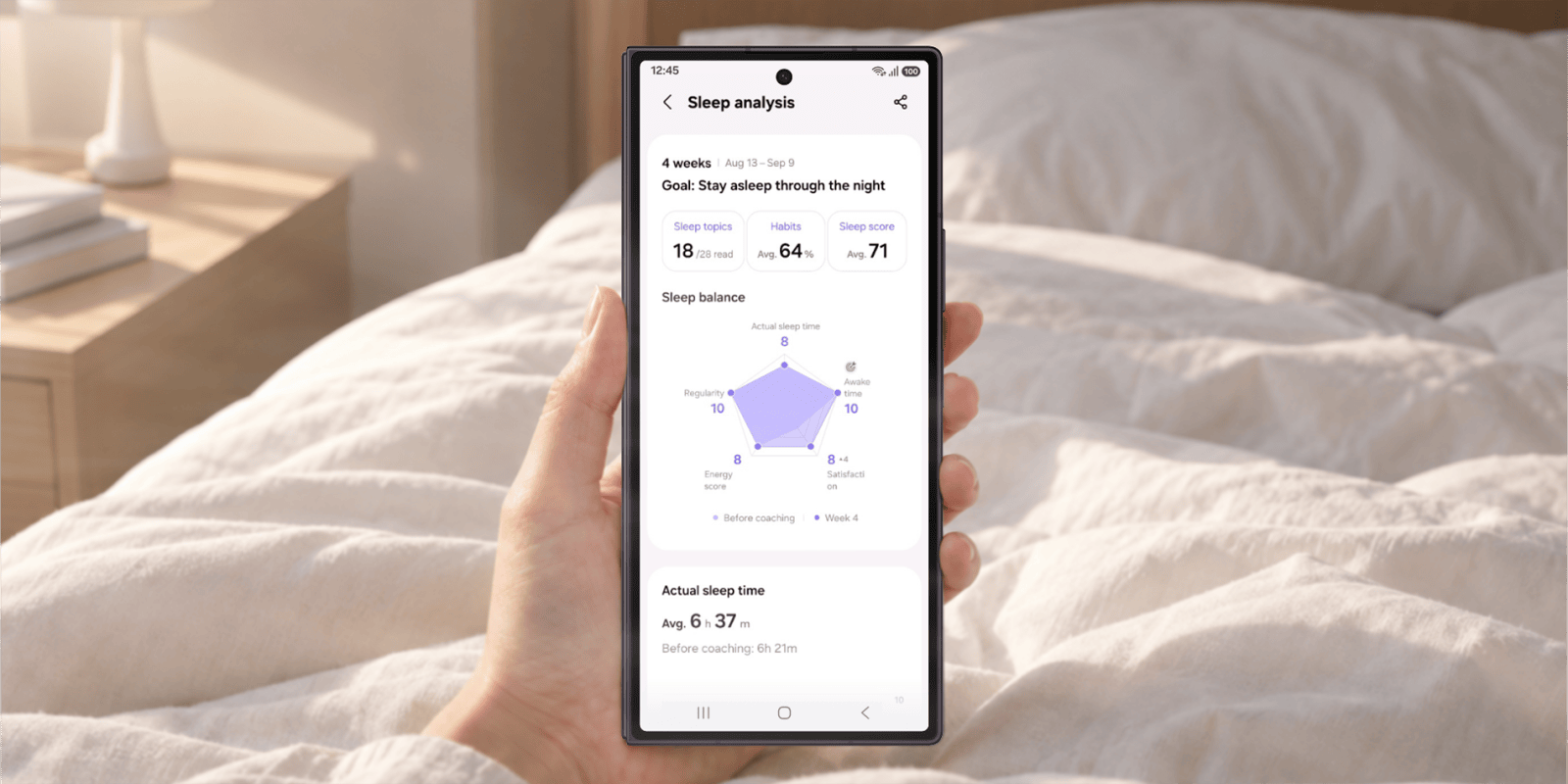
The Samsung Health app is getting a pretty major update this week with support for new coaches for sleep and running, as well as support for scanning meals to track calories and macros.
A reliable source says that Nothing is building out its own AI smart glasses that feature ChatGPT integration, a camera, and two very different models.
Google has launched a new “Shop devices” portal that lets interested buyers pick up a Samsung Galaxy smartphone from the Google Store, right alongside a Pixel phone or Watch.
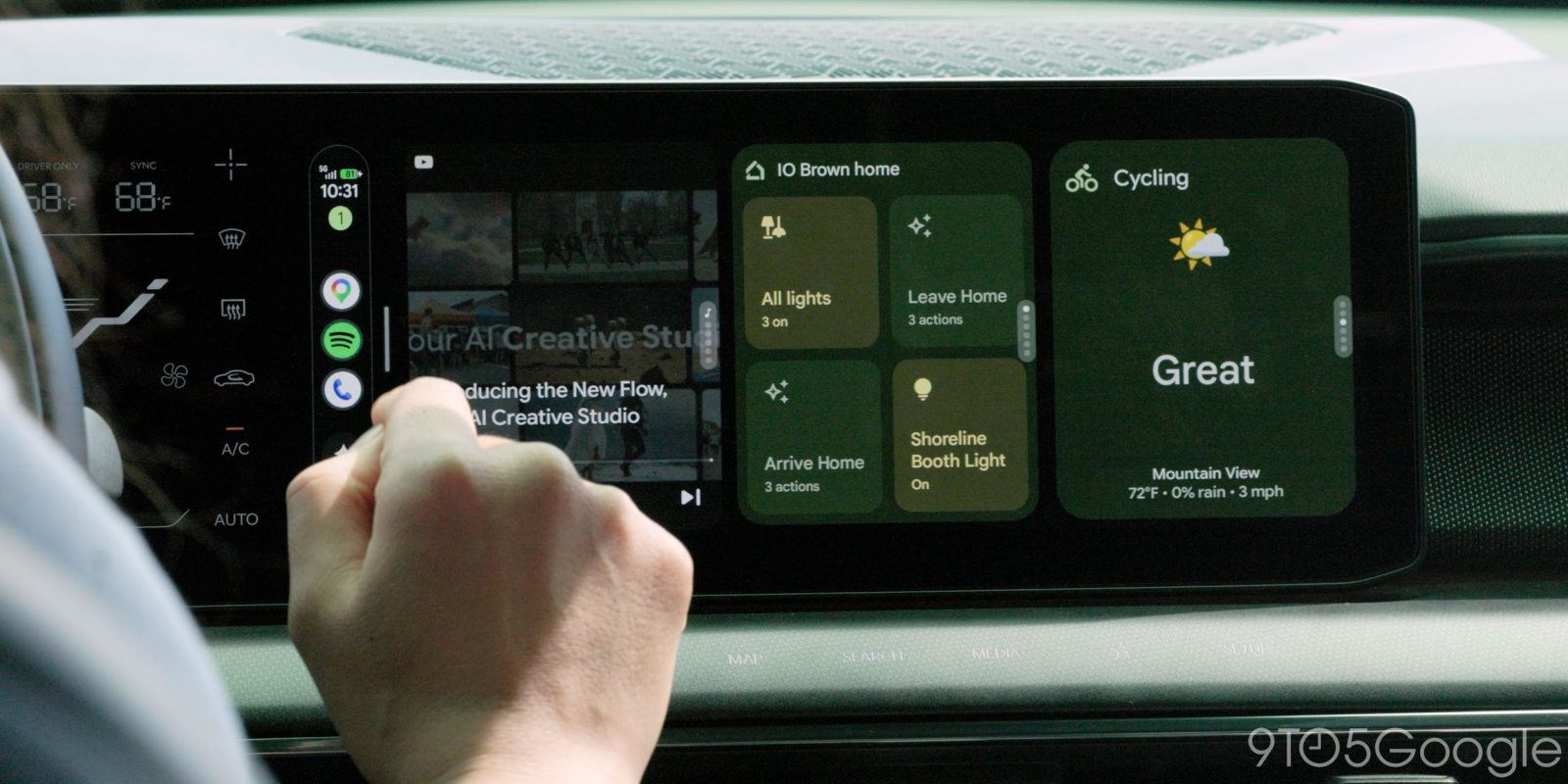
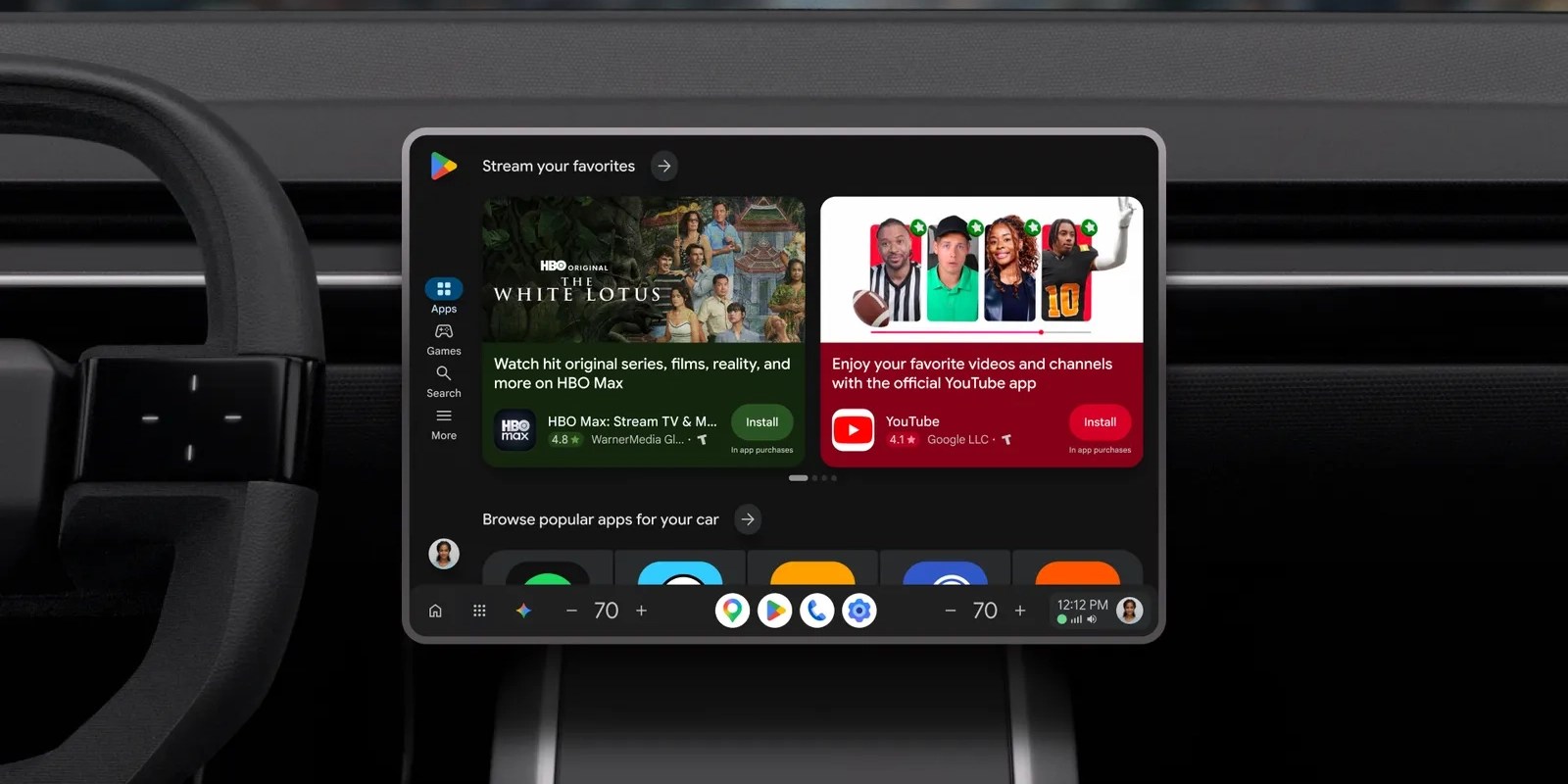
Google is launching some app updates for Android Automotive, “Google built-in,” which bring more video apps and increased flexbility for the platform such as allowing YouTube to run in the background while driving.
RAMageddon continues to have wide effects throughout the tech industry, with a new report revealing that the smartphone market has just hit its lowest point in well over a decade.
Googlebook was always going to run into problems with app availability, but few expected the platform to regress its support for Linux apps from Chromebook’s fairly robust solution. In a blog post, Google reiterates that the “Linux Terminal Preview” on Googlebook isn’t for using Linux apps, but for building with AI.