Android

See All Stories

Breaking news for Android. Get the latest on apps, carriers, devices, and more!
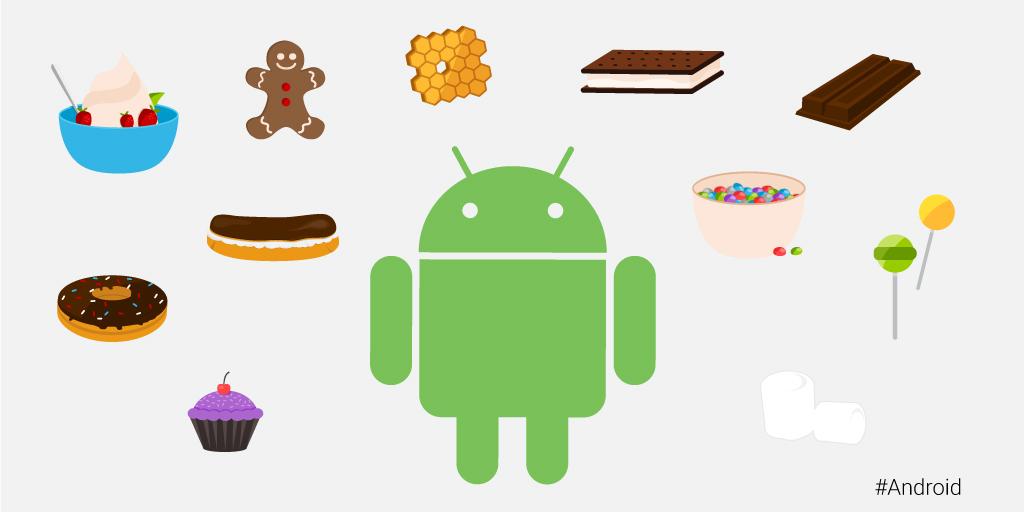
Android is Google’s mobile operating system, launched in September 2008, although its history technically began with the release of the Android alpha in November 2007. To this day, Android powers the majority of the world’s smartphones and comes in several different flavors across many phone makers.

What is Android?

Android Inc.

Android, before it was Android, was a company called Android Inc. That company was founded in Palo Alto, California, in 2003 by a crew of four: Andy Rubin, Rich Miner, Nick Sears, and Chris White. The company and its project was acquired by Google in 2005 for a sum of more than $50 million, although the exact number is unknown. The company’s founders joined Google as part of the deal.

In its infancy, Android was an operating system built not for touch screen smartphones like the iPhone, but rather BlackBerry-like devices with physical keyboards. It’s well documented that after Apple shocked the world with the iPhone, ahead of its nearest competition by at least a couple years, Google and Android Inc. had to go back to the drawing board to build something competitive.

Adoption by third-party makers

It didn’t take long after the launch of the iPhone for various manufacturers to enter the market with their alternatives — and Google’s Android immediately became the obvious platform of choice for just about everyone except Microsoft. HTC was the first manufacturer on board, and introduced the T-Mobile G1 running Android in September 2008. Soon after, HTC, Motorola, Samsung, and carriers like Sprint and T-Mobile jumped on board to form the Open Handset Alliance.

Android makers across the world

Iconic Android handsets

There have been thousands of Android phones released since Android’s inception, but some have been more important to the platform’s history than others. There was the original T-Mobile G1, as mentioned, but there was also the HTC One Google Play Edition, Moto G, Samsung Galaxy S4, and others. Some of the most iconic Android handsets include:

  • HTC G1
  • HTC Nexus One
  • Samsung Galaxy S, S2, S3, S4, and their successors
  • HTC Incredible S
  • Samsung Nexus S
  • Samsung Galaxy Nexus
  • Samsung Galaxy Note
  • Nokia 8
  • BlackBerry KeyOne
  • Google Pixel and its successors

In more modern times, there are several Android smartphones makers that popped up across various niches and in several international markets. Huawei is a dominant Android maker in China and many European markets, while Samsung is by far the most popular maker in the United States by far — effectively creating a duopoly with Apple. Today, there are dozens of major device makers contributing to the Android ecosystem.

Full list of Android OEMs

History of major Android versions

Android has seen countless software revisions over the course of its life, but in modern times the OS usually sees a major release on an annual cadence. In the earlier days, Google famously gave its major software releases dessert-themed codenames, but retired that practice in 2019 with the release of Android 10.

VersionNameReleaseDevices
2.3GingerbreadFebruary 9, 2011Nexus S
4.0Ice Cream SandwichOctober 19, 2011Galaxy Nexus
4.1Jelly BeanJuly 9, 2012Nexus 7
4.2Jelly BeanNovember 13, 2012Nexus 4, 10
4.3Jelly BeanJuly 24, 2013Nexus 7 (2013)
4.4KitKatOctober 31, 2013Nexus 5
5.0LollipopNovember 3, 2014Nexus 6, 9
5.1LollipopMarch 9, 2015Android One
6.0MarshmallowOctober 5, 2015Nexus 5X, 6P
7.0NougatAugust 22, 2016Nexus 5X, 6P
7.1NougatOctober 4, 2016Pixel, Pixel XL
8.0OreoAugust 21, 2017Pixel, Pixel XL
8.1OreoDecember 5, 2017Pixel, Pixel XL
9PieAugust 6, 2018Pixel 2, Pixel 2 XL
1010September 3, 2019Pixel 3, 3a
1111September 8, 2020Pixel 4

List of major Android OS platforms

While Android proper is certainly the most widespread of Google’s Android operating systems, the company has also launched many offshoots of the main OS over the years. There’s Android Auto, Android Wear (now Wear OS), Android TV (now rebranded to Google TV), as well as versions of Android built for tablets and Android Things (now defunct).

Google’s Chrome Remote Desktop Android app now available to all

Site default logo image

After arriving in beta earlier this month, Google today released the Chrome Remote Desktop app for Android to all users through the Play Store. Google has long had its Chrome Remote Desktop app for desktop users to access a laptop or computer remotely for free, and the new Android app brings that same experience to mobile devices starting with Android.

If you haven’t used Chrome Remote Desktop in the past, you can get started by enabling your Windows or Mac machine for remote access through the Chrome Web Store app. Next, simply launch the Android app on your phone or tablet, tap on the computer’s name and start using your remote machine as if you were sitting right in front of it.

The Chrome Remote Desktop app is available for all to download from Google Play starting today and Google notes that an iOS version of the app is on the way sometime in 2014. 
Expand
Expanding
Close

Site default logo image

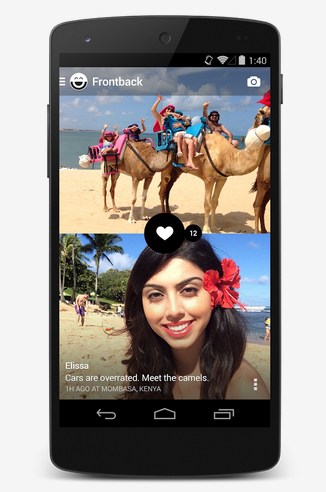
Frontback now available for Android

In what might sound like a throwback to 2009, a popular iOS app just made the jump to Android. After a nine month run on Apple’s mobile platform, Frontback is now available to download from the Play Store. Since you’re probably not familiar with this fairly popular camera app, allow us to bring you up to speed. As suggested by its name, Frontback uses a device’s front and rear-facing cameras to snap two pictures at the same time.

In addition to capturing subjects and selfies, the app lets you add short captions to your photos and share them across Facebook, Twitter, Instagram, Tumblr and Frontback’s in-house feed. Sure, a similar feature is pre-installed on most Samsung smartphones, but now everyone can join in on the fun.

Google’s new Android Camera app arrives on Google Play Store

Site default logo image

Following a report at the beginning of this month that Google was about to release a new, standalone Android camera app, today the app has officially made an appearance on the Google Play Store. Google announced the camera app today and in a separate blog post explained the technology behind the new lens blur features:

That all changes with Lens Blur, a new mode in the Google Camera app. It lets you take a photo with a shallow depth of field using just your Android phone or tablet. Unlike a regular photo, Lens Blur lets you change the point or level of focus after the photo is taken. You can choose to make any object come into focus simply by tapping on it in the image. By changing the depth-of-field slider, you can simulate different aperture sizes, to achieve bokeh effects ranging from subtle to surreal (e.g., tilt-shift). The new image is rendered instantly, allowing you to see your changes in real time. Here’s how we do it. First, we pick out visual features in the scene and track them over time, across the series of images. Using computer vision algorithms known as Structure-from-Motion (SfM) and bundle adjustment, we compute the camera’s 3D position and orientation and the 3D positions of all those image features throughout the series.

Some of the features that were reported previously are present, including the lens Blur option, a 100% viewfinder, and a high-resolution panorama mode. We also get a good look at the completely redesigned UI in the gallery below. Here’s the full list of features from Google:
Expand
Expanding
Close

Site default logo image

Google Play still tops App Store in downloads, slowly narrowing revenue gap

The Play Store continues to hold a growing advantage over Apple’s App Store in terms of sheer downloads, according to the most recent App Annie report (via TechCrunch). More importantly, Google’s mobile app store is slowly narrowing the revenue gap that exists between the two platforms. While Google passed Apple’s App Store in terms of downloads last year, a major gap remained in the revenue that both platforms generated for developers. While Android still lags behind iOS in this department, it seems that the two are slowly reaching parity. Last year’s indexed revenue for the Play Store was ranked at about 40; as the above chart shows, it’s climbed to be just above 50.

Google Play led the iOS App Store in downloads by approximately 45% in Q1 2014, up from 35% in the previous quarter. Meanwhile, the iOS App Store maintained its comfortable advantage in revenue, leading Google Play by 85%. However, Google Play continued to narrow this revenue gap. The gains for Google Play come as Android devices extended their lead in worldwide device installed base.

Google Play saw revenue growth in the United States, which helped it to close the gap. Additionally, Android saw strong download growth around the world. iOS continued its growth in the US, as well as in China — traditionally a stronghold for Android device, albeit devices without access to the Play Store. Apple’s platform also saw strong growth in Vietnam and South Africa, among other smaller countries.

The takeaway? Both ecosystems are strong, and getting stronger.

Take a look inside Google’s extremely clever 3D mapping phone

Site default logo image

Google let iFixit open up one of its 200 prototypes of the Project Tango phone, an Android phone that uses highly-sensitive 3D motion-tracking and measurement to create automatic maps of interior locations.

The device is a really neat piece of kit, and Google believes that developers will find plenty of uses for it. For example, use the phone to scan the interior of your home before you go furniture shopping, and it will create an accurate 3D model of your home complete with measurements. Take the phone to the store with you to see exactly how furniture might fit … 
Expand
Expanding
Close

Site default logo image

Samsung confirms 20 Galaxy devices now compatible w/ new Gear wearables

While some of us have been able to get Samsung’s new Gear fitness tracking wearables working with non-Samsung Galaxy devices, Samsung is still only officially supporting 20 Galaxy devices after first launching the wearables with only compatibility for its flagship devices. Samsung today provided details on the exact lineup of compatible devices, which as of yesterday includes 12 Galaxy smartphones and 8 tablets.

As of yesterday, the devices you see in the images above are all compatible with the Samsung Gear 2, Gear 2 Neo, and Gear Fit. Those are the devices that are officially supported through the ‘Gear Manager’ or ‘Gear Fit Manager’ apps, but we managed to get the Gear Fit working with the new HTC One M8.

Site default logo image

Samsung says Android is still top priority as it plans Tizen smartphones for Q2

While Samsung has confirmed plans to debut phones running Tizen instead of Android,  senior vice president of Samsung’s product strategy team Yoon Han-kil says Android will remain Samsung’s “main business.” The executive also confirmed in the same interview with Reuters that two Tizen smartphones will debut in Q2 with Tizen being used on devices launching only in certain markets:

“We had tried to launch (Tizen) with DoCoMo and Orange … but couldn’t because of poor market conditions. We have changed our strategy and will release the phones in a few countries where we can do well,” he said, adding that he thought Tizen would have to account for up to 15 percent of Samsung’s total smartphone shipments to become a successful platform.

Samsung officially made the switch from an almost all Android ecosystem for its mobile devices to Tizen for its latest round of Gear smartwatches. However, Yoon also confirmed to Reuters that the company plans on releasing an Android smartwatch later in the year, which will presumably be based off Google’s recently unveiled Android Wear platform.

Google’s modular Ara phones to go on public sale in Jan 2015 via configurator tool

Site default logo image

If you’re keen to get your hands on one of Google’s modular Ara phones, the bad news is you’re going to be waiting a while: the company has said at its first developer’s conference they won’t go on public sale until January of next year. You will, though, be able to configure your own phone using a Moto Maker style tool that will allow you to not only select your components but add customized colors and designs to them as you do … 
Expand
Expanding
Close

Site default logo image

Android 4.4 KitKat for Google Glass now available

Google has released KitKat for Glass, following the announcement of the update yesterday. Included in this update are various tweaks to improve battery life and performance, as well as various new features. Notably, Google removed video calls in this update, though other additions to Hangouts were made, such as the ability to send photos.

The KitKat update — known as XE 16 — requires XE 12.1 to be installed, so you’ll have to install both to get the sweet KitKat features. The update rolls out even as Google today offered Glass to anyone interested in shelling out $1,500.

The consumer version of Glass is expected to be released later this year, and the KitKat update is a major step towards bringing the platform in line with Google’s Android efforts. Further announcements are expected at Google I/O 2014.

Site default logo image

BBC iPlayer adds ability to download videos on any device running Android 4.0 or higher

The BBC iPlayer app on Android received a major update last September when it added the ability to download full episodes of shows and save them for up to 30 days. The downside to that feature, however, was that it was only supported on a mere 11 devices approved by the developers. This afternoon, the iPlayer app was finally updated with support for downloading videos on any device running Android 4.0 Ice Cream Sandwich or higher.

The functionality itself still works the same. The videos you save will automatically be deleted seven days after you first view it, or 30 days after the initial download. You can also only download content over WiFi and you have the ability to choose either high-quality video or standard.

The update is available on the Play Store now, but unfortunately, the BBC iPlayer app is still exclusive to UK users. Those of us in other countries will have to find another source for our British content.


Expand
Expanding
Close

Google, Android manufacturers agree to participate in “Smartphone Anti-Theft Voluntary Commitment” program

Site default logo image


Google has agreed to back a new initiative along with a host of Android manufacturers and all of the major U.S. cellular carriers that would require all smartphones manufactured after July 2015 to come with specific anti-theft features. The program is the latest attempt to prevent theft of smartphones, which some have blamed for increasing crime rates.

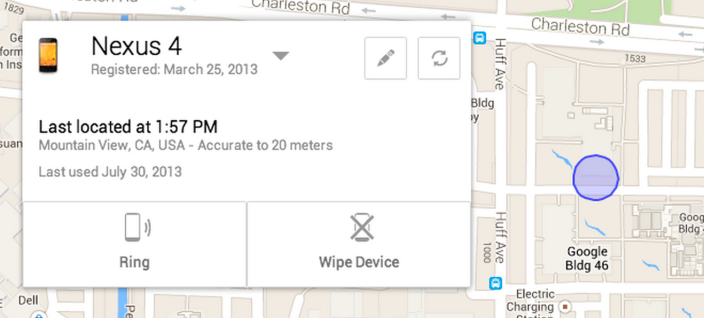
To this end, Google introduced the Android Device Manager application last year, allowing users to locate or wipe lost or stolen devices. Today’s agreement between the carriers and handset manufacturers essentially states that all parties will ship this type of system on new phones.

Specifically, the required anti-theft measures are broken into four kinds:

Expand
Expanding
Close

Google patches Android icon security flaw

Site default logo image

Cyber security vendor FireEye recently announced that Google has patched a software flaw that left Android users open to phishing attacks. The firm says that it identified a malicious app that could modify the icons of other Android software applications. The strategy behind this attack, would be to trick an unknowing Android user into clicking a false app icon that would direct them to a phishing website.

These bogus sites would then try to steal their personal information. Some of the permissions attacked by the malware include  “com.android.launcher.permission.READ_SETTINGS” and “com.android.launcher.permission.WRITE_SETTINGS.” These permissions allow an application to reconfigure an Android device’s launcher, including its software icons.


Expand
Expanding
Close

Head of Android design Matias Duarte talks future of mobile, wearables

Site default logo image

[vimeo 91688685 w=700 h=365]

Matias Duarte — the man behind the design of every version of Android since Ice Cream Sandwich — recently took the stage with Joshua Topolsky of The Verge at the Accel Design Conference in San Francisco to participate in a fireside chat on topics ranging from Android, the future of mobile, design methodology, and wearables.

The video is available on Vimeo (via AndroidPolice), and includes 37 minutes of talk between the two. The beginning covers Duarte’s thoughts on design methodology, and he stresses that good design is always a middle ground between appearance, emotional appeal, and usability — perhaps a shot at iOS 7’s stark interface.
Expand
Expanding
Close

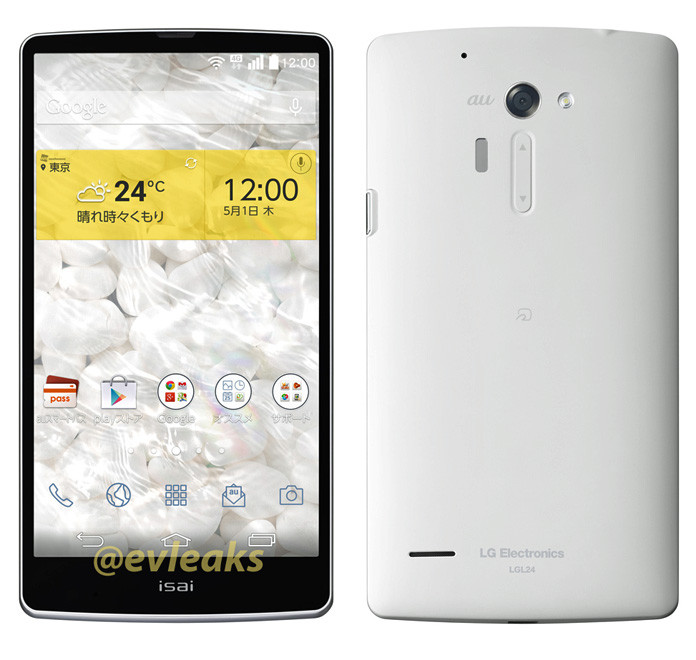
Leaked LG isai FL press photos show ultra thin bezels, possible G3 design

This slim-bezel smartphone we have here, is said to be the LG isai FL headed to Japan at some point in the future. The press shots surfaced on Twitter via @evleaks and may hint at LG’s design philosophy for 2014.

This could indicate a possible design format for the Nexus 6 or LG G3. The isai FL features the same backside volume rocker design that was first introduced on the LG G2, but has a body style similar to the Nexus 5. Either way, there’s no way to ignore those beautiful slim bezels.


Expand
Expanding
Close

Site default logo image

Trademark filings reveal Samsung Galaxy Adore, Galaxy S Fitness and Galaxy V:

Perhaps banking some names for a rainy day, Samsung has filed trademarks for three unannounced devices. Found lurking in the USPTO’s database are entries for the Samsung Galaxy Adore, Galaxy S Fitness and Galaxy V: (not to be confused with the Galaxy S5). So, what’s the deal with this odd trio? It’s really hard to tell, but it won’t stop us from taking a guess.


Expand
Expanding
Close

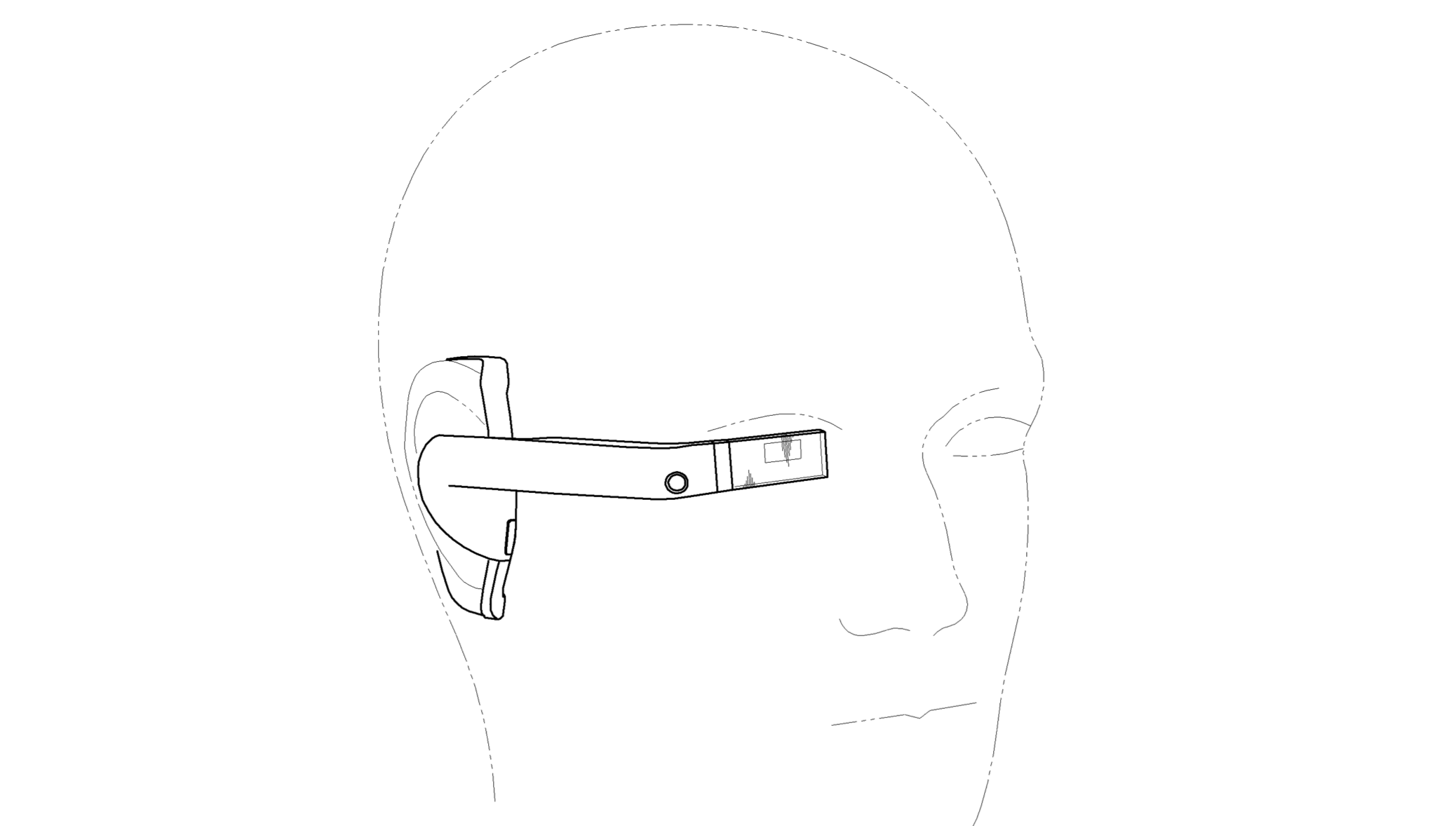
New patent reveals another Samsung Google Glass clone

According to a new patent application filed with the Korean Intellectual Property Office (via Galaxy Club), it looks like Samsung may be planning to take Google Glass head-on. While this isn’t the first time Samsung has filed a Glass-like patent, the application reveals what appears to be a cross between Google Glass and a Bluetooth headset. As odd as that may sound, there could be some practicality behind this idea.

As mentioned in the patent application, Samsung calls this device “Earphone,” but other rumors have suggested that this device could be called Gear Glass or Galaxy Glass. The patent doesn’t describe exactly what this device would be used for, but it looks like Google Glass may have some tough competition in the future.


Expand
Expanding
Close

Watch Google’s Project Ara Developer Conference livestreaming now

Site default logo image

[youtube http://www.youtube.com/watch?v=v2OEKL1w__4]

The first Project Ara developer conference kicks off at 8:30 AM Pacific Time this morning, and will take place today and tomorrow. While Project Ara was originally developed inside of Motorola, the project is still owned and operated by Google. While Google’s sale of Motorola to Lenovo will soon be completed, the Advanced Technology And Products (ATAP) team behind Project Ara is one part of the company that Google is holding on toProject Ara’s goal is to create a smartphone with interchangeable components and the developer conference will also see the release of the Ara Module Developers’ kit:
Expand
Expanding
Close

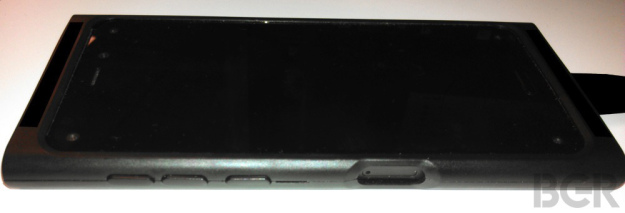
Report: Amazon phone to feature four IR cameras for 3D interface, 13 megapixel camera, 4.7 inch display, 2GB RAM

Site default logo image

Boy Genius Report has posted its knowledge of Amazon’s next smartphone. Although it technically hasn’t been confirmed to be an Android device, it is almost certain that it will be powered by Android at some level, given Amazon’s existing Android ecosystem. BGR claims to have the first pictures of the phone, shown above.

According to the report, the phone will feature a 3D interface. This feature is enabled through a set of four front-facing Infrared cameras that track the position and orientation of the user’s face. The user interface can then update in response to facial movements. Apparently, the four sensors are located in each corner of the front face. The Wall Street Journal reported that the product would feature a 3D interface last week and is set for a June launch.


Expand
Expanding
Close

Samsung Galaxy S5 costs $256 to make, uses mostly “recycled components”

According to a teardown and component analysis by IHS (via Recode), Samsung’s flagship device costs roughly $256 to make. That price includes the bill of materials, as well as the estimated assembly cost.

In an interview with Re/code, the leader of this teardown Andrew Rassweiler noted that Samsung’s smartphones have been going up in cost. However, Rassweiler also stated that, “Inside we see mostly a lot of recycled components that we’ve seen before. There’s really nothing special inside where Samsung is pushing the envelope,” although he did give credit to Samsung for the water-resistant design. 
Expand
Expanding
Close

Samsung Galaxy S5 vulnerable to same fingerprint hack as iPhone 5s

Site default logo image

[youtube=http://www.youtube.com/watch?v=sfhLZZWBn5Q]

The same German security researchers who demonstrated a hack of the iPhone 5s Touch ID fingerprint sensor have released a video showing that the same hack also works with the Samsung Galaxy S5.

The hack relies on photographing a latent print from something like a glass in a bar, then using lab techniques to transfer the image of the print into wood glue, which is then applied to someone else’s finger to activate the sensor … 
Expand
Expanding
Close

Google adds quick access to Auto Backup photos through Gmail’s web interface

Google has announced a new feature for its Gmail web interface that allows users to quickly insert Auto Backup photos from your smartphone into messages. Now you don’t have to worry about syncing photos in order to share them through via Gmail on a computer. Along with that, you’ll also be able to share full albums and have the ability to resize images while composing a message.


Expand
Expanding
Close

LG G3 specs leaked, get ready for quad HD displays

Supposed specs for LG’s upcoming flagship smartphone were spotted on Sprint’s internal device database by MyLGPhones (via PhoneArena). The upcoming G3, internally known as the LG LS990, will have a 1440×2560 display — that’s four times 720p, which is considered HD, and twice the resolution of current flagships like the Samsung Galaxy S5 and the HTC One (M8). All of those pixels will be in a panel that is rumored to be 5.3 inches, making for roughly 530 pixels-per-inch — almost double the dots-per-inch of photos and text in magazines.
Expand
Expanding
Close

AllCast updated with ability to Cast content from Google Drive to Chromecast

Site default logo image

Since its release back in December, AllCast has become one of the most useful apps for owners of Google’s $35 Chromecast. This afternoon, the app, developed by Koushik Dutta, was updated with support for yet another source to beaming content from your Android device to your Chromecast. With this update, you can now stream content from your Google Drive account to your Chromecast, via the AllCast app.

The feature is still in an early beta, but it actually works quite well. The interface within the app still needs work, though, For instance, you simply see a list of all your videos and images, which can be rather cluttered for people with a lot of files stored in Drive. Folder support is in the works for the next update, however, according to Dutta.

In addition to Google Drive support, the update also includes various bug fixes, including a fix for those whose Chromecast and Android device were disconnecting after 30 minutes. The full changelog is below:

  • BETA: Google Drive
  • Potential fix for disconnecting after 30+ minutes
  • Various bug fixes

The update is available on Google Play now, for both the free and premium versions of the app. 


Expand
Expanding
Close