Android

See All Stories

Breaking news for Android. Get the latest on apps, carriers, devices, and more!
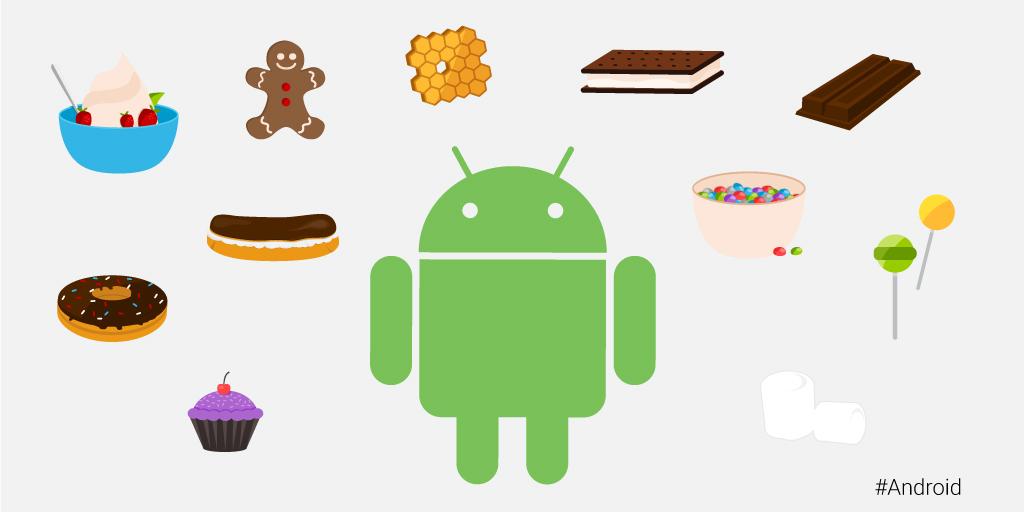
Android is Google’s mobile operating system, launched in September 2008, although its history technically began with the release of the Android alpha in November 2007. To this day, Android powers the majority of the world’s smartphones and comes in several different flavors across many phone makers.

What is Android?

Android Inc.

Android, before it was Android, was a company called Android Inc. That company was founded in Palo Alto, California, in 2003 by a crew of four: Andy Rubin, Rich Miner, Nick Sears, and Chris White. The company and its project was acquired by Google in 2005 for a sum of more than $50 million, although the exact number is unknown. The company’s founders joined Google as part of the deal.

In its infancy, Android was an operating system built not for touch screen smartphones like the iPhone, but rather BlackBerry-like devices with physical keyboards. It’s well documented that after Apple shocked the world with the iPhone, ahead of its nearest competition by at least a couple years, Google and Android Inc. had to go back to the drawing board to build something competitive.

Adoption by third-party makers

It didn’t take long after the launch of the iPhone for various manufacturers to enter the market with their alternatives — and Google’s Android immediately became the obvious platform of choice for just about everyone except Microsoft. HTC was the first manufacturer on board, and introduced the T-Mobile G1 running Android in September 2008. Soon after, HTC, Motorola, Samsung, and carriers like Sprint and T-Mobile jumped on board to form the Open Handset Alliance.

Android makers across the world

Iconic Android handsets

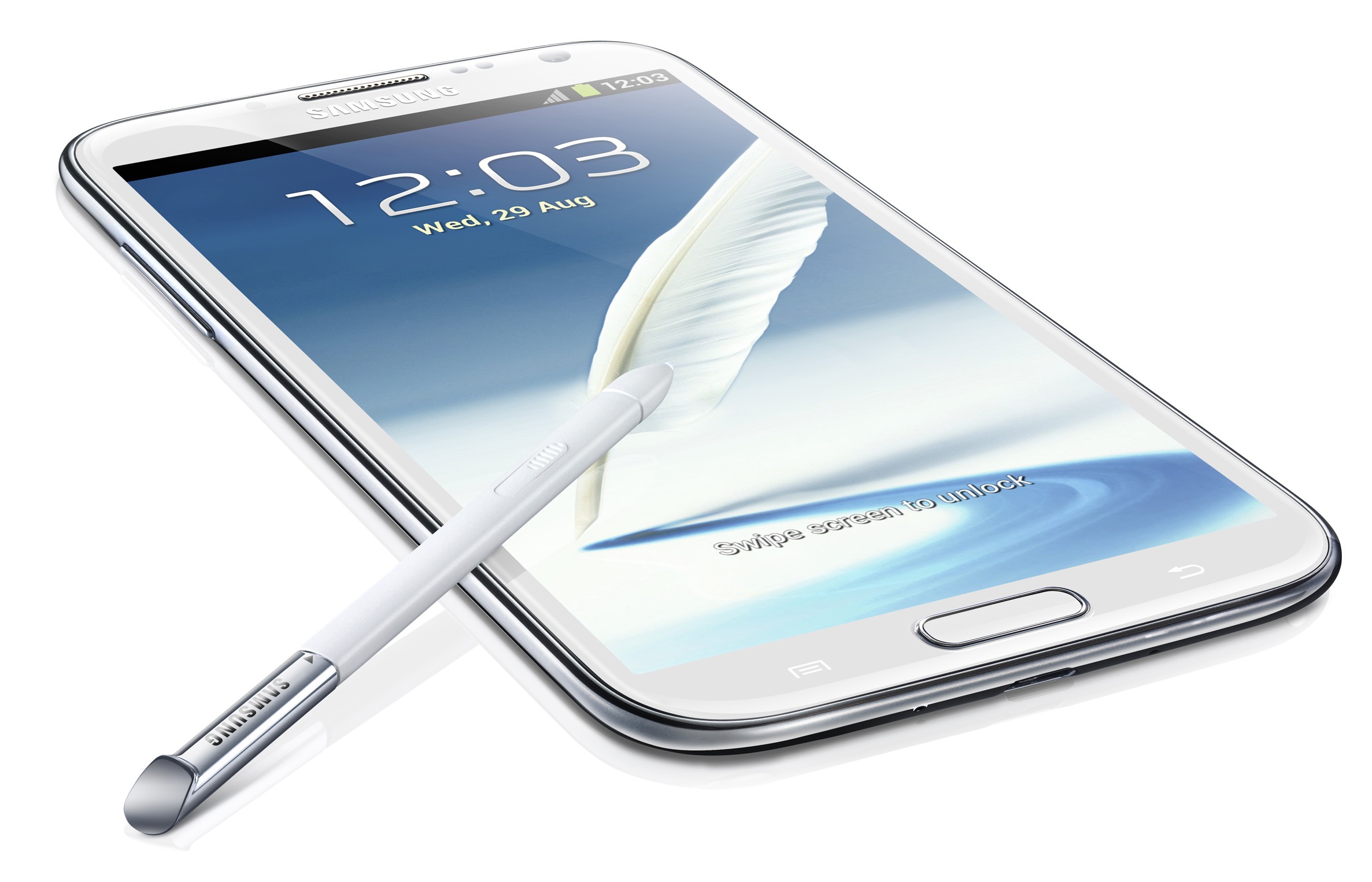
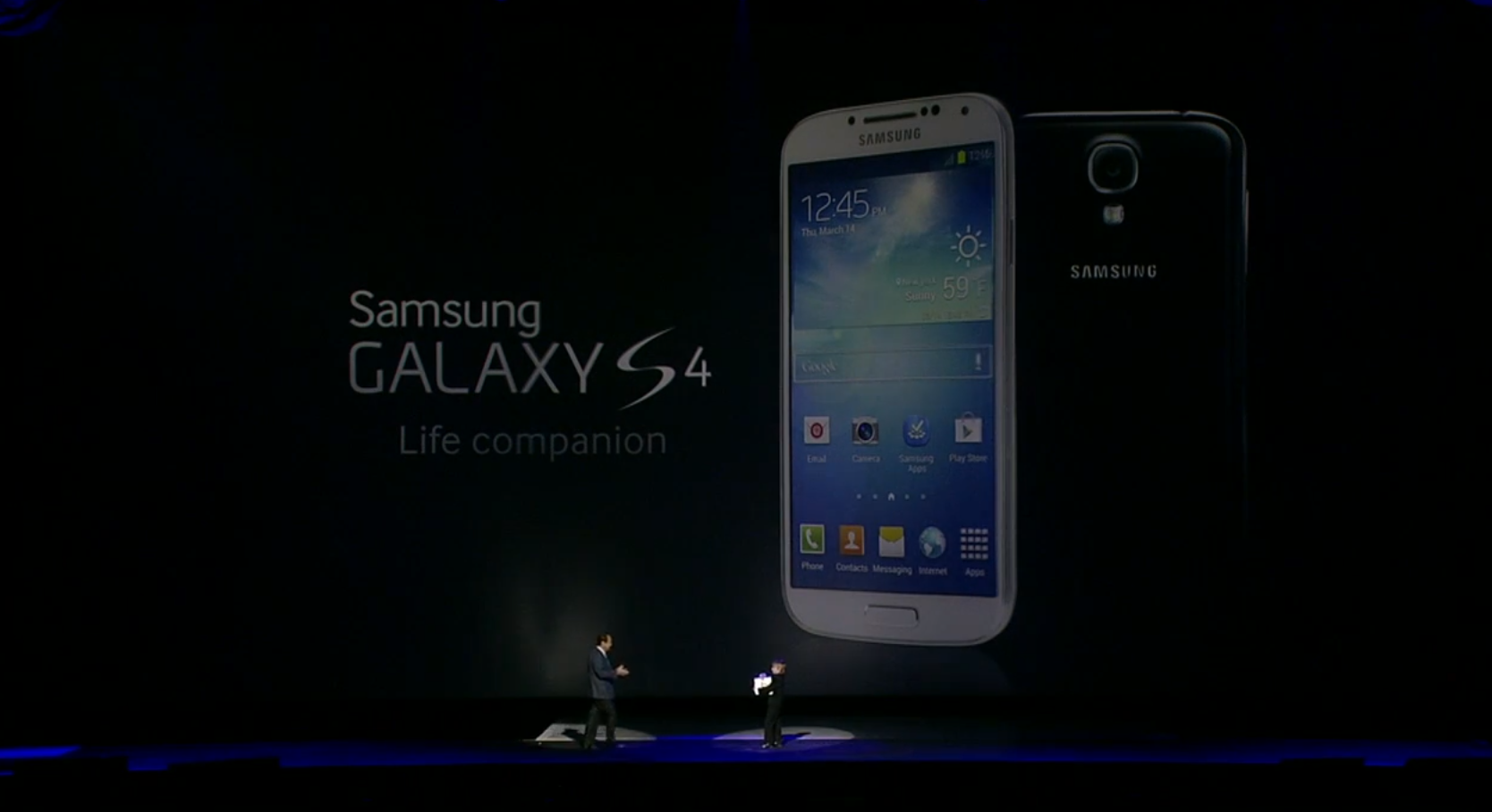
There have been thousands of Android phones released since Android’s inception, but some have been more important to the platform’s history than others. There was the original T-Mobile G1, as mentioned, but there was also the HTC One Google Play Edition, Moto G, Samsung Galaxy S4, and others. Some of the most iconic Android handsets include:

  • HTC G1
  • HTC Nexus One
  • Samsung Galaxy S, S2, S3, S4, and their successors
  • HTC Incredible S
  • Samsung Nexus S
  • Samsung Galaxy Nexus
  • Samsung Galaxy Note
  • Nokia 8
  • BlackBerry KeyOne
  • Google Pixel and its successors

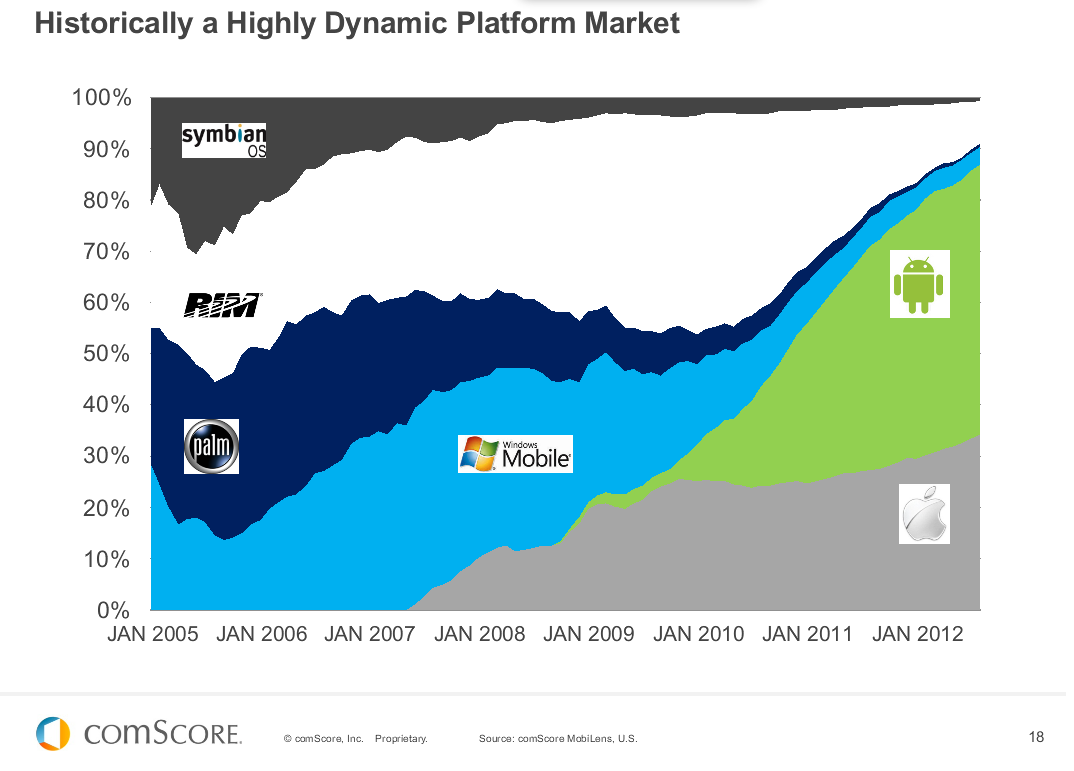
In more modern times, there are several Android smartphones makers that popped up across various niches and in several international markets. Huawei is a dominant Android maker in China and many European markets, while Samsung is by far the most popular maker in the United States by far — effectively creating a duopoly with Apple. Today, there are dozens of major device makers contributing to the Android ecosystem.

Full list of Android OEMs

History of major Android versions

Android has seen countless software revisions over the course of its life, but in modern times the OS usually sees a major release on an annual cadence. In the earlier days, Google famously gave its major software releases dessert-themed codenames, but retired that practice in 2019 with the release of Android 10.

VersionNameReleaseDevices
2.3GingerbreadFebruary 9, 2011Nexus S
4.0Ice Cream SandwichOctober 19, 2011Galaxy Nexus
4.1Jelly BeanJuly 9, 2012Nexus 7
4.2Jelly BeanNovember 13, 2012Nexus 4, 10
4.3Jelly BeanJuly 24, 2013Nexus 7 (2013)
4.4KitKatOctober 31, 2013Nexus 5
5.0LollipopNovember 3, 2014Nexus 6, 9
5.1LollipopMarch 9, 2015Android One
6.0MarshmallowOctober 5, 2015Nexus 5X, 6P
7.0NougatAugust 22, 2016Nexus 5X, 6P
7.1NougatOctober 4, 2016Pixel, Pixel XL
8.0OreoAugust 21, 2017Pixel, Pixel XL
8.1OreoDecember 5, 2017Pixel, Pixel XL
9PieAugust 6, 2018Pixel 2, Pixel 2 XL
1010September 3, 2019Pixel 3, 3a
1111September 8, 2020Pixel 4

List of major Android OS platforms

While Android proper is certainly the most widespread of Google’s Android operating systems, the company has also launched many offshoots of the main OS over the years. There’s Android Auto, Android Wear (now Wear OS), Android TV (now rebranded to Google TV), as well as versions of Android built for tablets and Android Things (now defunct).

Report: Motorola X to launch in Nov. with 4.8″ sapphire glass display, Snapdragon 800, 4000mAh battery

Site default logo image

We have been hearing a lot about the much rumored Motorola X phone. Motorola’s new advisor Guy Kawasaki has been hinting at some big customization options for upcoming Motorola devices, and previously Google CEO Larry Page said Motorola was working on some advanced new features for future smartphones. Some sketchy reports of specs first leaked earlier this month, but a new report today would seem to make sense given Page’s previous comments.

While they don’t exactly match the rumored specs from earlier this month, PhoneArena is reporting a tipster has provided some information on specs for the Motorola X device. Most notable is the mention of a 4.8-inch made of sapphire glass and a 4,000mAh battery, two things that would seem to line up with Page’s comments related to better batteries and impact-resistant designs.

Other specs in the report include corners “made with rubber bumpers”, a carbon fiber back case, and a quad-core 2Ghz Quallcomm Snapdragon 800. The rubber bumpers could also be related to Page’s comments about devices that are more resistant to impact. PhoneArena is also claiming that the device will be water resistant and launch in November in time for the holiday shopping season.

No word on potential hardware customization options as speculated by many following Kawasaki’s comments.
Expand
Expanding
Close

Mini Galaxy S IV specs and photos leak

Site default logo image

Samsung is not very good at keeping secrets it seems, as a new leak of yet another device has slipped into the wild. The Samsung Galaxy S IV hasn’t even launched yet, but its Mini counterpart is already prepared and presumably ready for an imminent launch.

The pictures, found by SamMobile, show the device to look just like a shrunken down version of its bigger brother, with the exception of some lower quality components. You will not find an 8-core Exynos processor inside the Mini but rather a dual-core 1.6GHz. Of course, the main difference between the S IV and the Mini is the screen size. You’ll find a 4.3-inch inch display at 256PPI on the Mini—much smaller than the 5-inch inch 1080P at 443PPI found on the S4.

The Mini is expected to launch sometime in June at an unspecified price point. It’s also unknown what carriers it’ll be available on or if it’ll launch in the United States at all.

A full picture gallery courtesy SanMobile is available below.


Expand
Expanding
Close

Site default logo image

HBO considers U-turn on cable-free access to HBO Go

Reuters reported that HBO might consider a reversal of its previous position of not allowing access to HBO Go without a cable subscription.

HBO-GO

HBO Go launched 3 years ago to allow subscribers to watch shows on tablets, but the service is so far restricted to those who have a cable TV subscription with an HBO partner and pay a top-up HBO fee. Co-President Eric Kessler had previously, and rather naively, said in a video interview at VideoNuze that those abandoning cable TV for purely online viewing was “minimal” and a temporary response to the economy, and he said there was no reason to offer a standalone mobile service.

This position now appears to be softening, with CEO Richard Plepler recognizing that a growing number of consumers want to choose both content and viewing platform at will.

“Right now we have the right model,” Plepler told Reuters on Wednesday evening at the Season 3 premiere of HBO’s hit TV show “Game of Thrones.” “Maybe HBO GO, with our broadband partners, could evolve.”

Companies like HBO are faced with a difficult tightrope act. While they earn billions of dollars from their existing sales model, any new offering that risks cannibalizing revenue is a frightening prospect for the company. Equally, however, it’s clear that ‘cable-cutting’ —giving up cable TV subscriptions in favor of online viewing— will only increase. Failing to respond to this is not an option.

One number will be looming very large in front of HBO: 25 million. That’s the number of illegal downloads of its hit show “Game of Thrones”. While some substantial proportion of those people would download pirated content for free no matter what options were available, there is a growing phenomenon of illegal downloads by those who would be willing to pay for content simply because existing deals don’t allow them the freedom to simply pay for the content they want on the device they want.

Report claims Google’s Android team developing smart watch too

Site default logo image

Update: The Korea Times reports that LG too is developing a smart watch and even testing products similar to Google Glass:

A source familiar with the matter told The Korea Times Friday that the Yeouido-based firm’s development of the next-generation watch, along with an innovative smart product similar to Internet giant Google’s Glass, was part of its long-term strategy to keep its competitiveness in the volatile information technology (IT) industry

While Apple and even Samsung have been at the heart of the rumors that new smart watch devices could be the products to keep an eye out for in 2013, Google too might try its hand at bringing a wearable computer in wristwatch form. According to a new report from The Financial Times, citing “a person briefed on the project,” Google’s Android unit is working on a smart watch platform of its own:

Google’s latest venture into wearable technology was more an attention-seeking gimmick than a serious new venture. But with the search giant ploughing significant resources into Google Glass, which embeds a screen, camera, microphone and other sensors into a pair of futuristic spectacles, it’s another indication that Google is serious about moving from the digital to the physical.

While Glass is being created in its X Lab, home to experimental “moonshot” projects such as the self-driving car, Google’s smart watch is being developed by its Android unit, according to a person briefed on the project

The fact that the device is reportedly being developed by Google’s Android unit, and not its experimental X Labs like Google Glass, could be an indication that Google plans to bring its watch product to the masses sooner rather than later. FT’s source also confirmed that the project is separate from the recently announced smart watch project from Samsung that is rumored to run a new operating system called AltiusOS and not Android.

Bloomberg reported in February that Apple had around 100 product designers working on its smart watch, and many analysts expected the product to be released by Apple as early as this year. Today’s report from FT doesn’t provide many details on what exactly Google has planned, but it’s a sign that Google isn’t betting on Glass as the be-all and end-all of wearable platforms. The report did note that Google is developing its smart watch “to act as an extension to the smartphones using” Android.

Google Chairman Eric Schmidt admits he still hasn’t kicked the Crack/Blackberry habit

Site default logo image

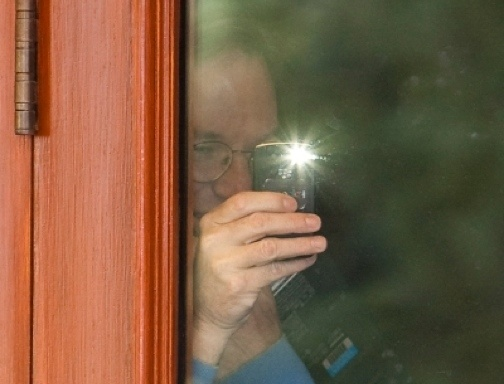
Even though he is the Chairman of Google (the company behind Android in case you are from Neptune), Eric Schmidt told The Guardian that he still uses a BlackBerry phone. Schmidt pointed to the physical keyboard of many BlackBerry phones as the reason for his continued usage of the platform. In comparison, most Android smartphones include touch-screen keyboards. The Android phones with keyboards are also stuck on dated generations of the Android operating system.

Below is a slideshow of Schmidt and his BlackBerry throughout the last few years:

Galaxy Tab III, Note III, slated for September release at IFA

Site default logo image

Rumors have swirled recently about the Galaxy Note III launching soon and that it will boast a screen anywhere between 5.9-inches all the way up to 6.3-inches. A new report from SamMobile seems to add a little unofficial confirmation to its release date. According to an “insider,” the Galaxy Note III, along with an updated Galaxy Tab, is scheduled for release at IFA in Berlin. The report also suggested that Samsung would push out one final update to the current Galaxy Tab II, Android 4.2.2. If it is true that Samsung will no longer update the Galaxy Tab II after Android 4.2.2, the likelihood of a new tablet seems apparent.

The move wouldn’t be a surprise, because the original Galaxy Note was released at IFA in Berlin.

SanMobile claimed its source gave them no word about device specifications, so at the moment it’s unclear if these new devices will adopt the Octa-core processor found in the recently announced Galaxy S IV.

Motorola advisor Guy Kawasaki hints at rumored customizable hardware for upcoming smartphones

Site default logo image

After joining Motorola as an advisor late last month, former long-time Apple evangelist Guy Kawasaki appears to be dropping some big hints about the company’s upcoming plans in the smartphone space. In a post to his Google+ account (via DroidLife), Kawasaki posted a link to a video detailing customization options offered by Porsche and posing the question, “Wouldn’t it be great if you could personalize your phone like this?”

This has of course lead to speculation that Kawasaki is referring to the ability customize an upcoming Motorola device at the time of purchase, something that recent reports indicate could be in the plans for Motorola’s much rumored X Phone. AndroidandMe and other blogs have reported that the Motorola’s X Phone could include hardware customization options, but also the ability to preload apps, ringtone, wallpapers, etc, features that other devices have offered versions of in the past.

The latest rumors claim X Phone could see an official release by June and its possible we could get our first look at the device in May during Google I/O.

Microsoft ad pitches Lumia Windows phone against a year old Android

Site default logo image

http://www.youtube.com/watch?v=c6UMmqUwkFU

In a rather odd ad campaign spotted by GeekWire, Microsoft is running the kind of ad used by soap powder brands in the 1980s: showing owners of a competitor brand being converted to the wonders of the client’s product.

The datedness of the ad technique is not the only odd thing about the ad: it’s also pitching the Lumia 920 against the Samsung Galaxy S3, a handset just superseded by the S4. While the S4 is a relatively minor refresh, the high-profile nature of the launch means that those in the market for a new phone can hardly be unaware of it.

GeekWire also noted that while the ad is a relatively bold move by a company that has so far failed to make much of a splash with Windows Phones, Microsoft has stopped short of trying to take on the iPhone.

Google debuts new Nexus 10 ad, ‘New Baby’ highlighting multi-user feature

Site default logo image

http://www.youtube.com/watch?v=GDCED88IZP4&feature=youtu.be

One advantage of Google’s Nexus 10 tablet over rival tablets like the iPad is that it has multi-user logins. While not perfect, it allows different people to have their own experiences on the same Nexus 10. This particular ad highlights that ability in a family of 2 3.

30-second version below:
Expand
Expanding
Close

The Samsung Galaxy S4’s 1.9GHz Snapdragon 600 doubles Geekbench score of iPhone 5 and BlackBerry Z10

Site default logo image

…and that’s the slow one.

Primate Labs, the company behind the Geekbench speed-ranking system, has compared the Galaxy S4 with all the flagship phones from various vendors including LG, HTC, Blackberry, and Apple. The Quad-core 1.9GHz Qualcomm SnapDragon 600 + 2GB of RAM seems to wipe the floor with the competition.

The scary news is that the non-LTE version of this phone uses an Octocore Samsung Exynos chip with Imagination GPU that is likely to be even faster, putting it further out in the field against the competitor’s devices.

As always, these speed tests are subjective and there are likely to be faster phones released every month or so.


Expand
Expanding
Close

Gmail app for Android updated with reply/archive/delete from notifications, faster search & more

Site default logo image

Google announced today on its Official Gmail Blog that it has released an update to the Android app for Gmail that brings new features, faster search, and other enhancements for certain users. Perhaps the most notable new feature is the ability to reply, archive, and delete from notifications with one tap—rather than having to open the app to sort and reply to mail:

You can combine this with existing notification features like the ability to customize which messages you receive notifications for and set up different sounds for individual labels. So if you filter and label all the messages from your mom, you could set a ringtone to let you know you received a new mail from her and then quickly reply (because we know what can happen when you ignore your mother!).

The feature is available to users running Android 4.1 and up, but Google is also rolling out faster search, bug fixes, and performance enhancements for Android 4.0 and up. Users on Android 2.2 and up will now have access to a “New Labels API for 3rd-party app developers” and the usual performance improvements.

The updated Gmail app for Android is available from Google Play now
Expand
Expanding
Close

Google Maps rolls out new imagery for famous mountains including Kilimanjaro & Everest

Site default logo image

Google announced today on its Official Blog some that it began rolling out some new enhancements for Google Maps with the addition of famous mountains such Kilimanjaro in Africa and the Everest Base Camp in Asia. Imagery for other mountain peaks is included in today’s update, including: the tallest mountain in Europe; Mount Elbrus located in Russia; as well as the highest in the Western and Southern Hemispheres, Argentina’s Aconcagua.

These mountains belong to the group of peaks known as the Seven Summits—the highest mountain on each of the seven continents. While there’s nothing quite like standing on the mountain, with Google Maps you can instantly transport yourself to the top of these peaks and enjoy the sights without all of the avalanches, rock slides, crevasses, and dangers from altitude and weather that mountaineers face. This imagery was collected with a simple lightweight tripod and digital camera with a fisheye lens—equipment typically used for our Business Photos program.

Google also shared a detailed post on its Lat Long blog that details the process of collecting imagery for today’s update.

Google preparing to launch ‘Google Keep’ note taking app for Google Drive?

Site default logo image

While we have yet to get all the official details from Google, we get hints at a new feature today that could be headed to Google Drive via leaks from the Drive source code discovered by 1E100. Within Drive’s source code are hints at a new service dubbed “Google Keep,” including links to a new icon for the service, an Android app, and at one point the Google Keep web app itself. Google has since removed the evidence, but our friends over at Android Police were able to capture the screenshots above before Keep was taken down.

There is some evidence that the app would include Evernote-like functionality, with one screenshot revealing an “Add to Keep” function for webpages. The app otherwise appears to provide functionality with color-coded notes, the ability to add and save pictures, create lists, share, etc.

The app could also launch as a standalone Android app, because 1E100 discovered http://g.co/keep redirects to https://play.google.com/store/apps/details?id=com.google.android.keep. We’ll keep you posted if we hear anything official from Google about Keep.

A few more screenshots below:


Expand
Expanding
Close

Google preparing subscription news service on Google Play to rival Apple’s Newsstand?

Site default logo image

It looks like Google might be repairing a new section in the Google Play store specifically for news content in subscription and issue form. While Google already has a dedicated Magazine section on the Play store, AndroidPolice first noticed clues in code for the web version of Google Play that hint Google could be preparing to launch a new service dubbed “Google Play News.”

While we don’t get much information about the service, we do learn Google Play News could offer “issues” and “subscriptions”. This makes us think the company could be preparing a subscription news service that rivals Apple’s Newsstand on iOS. Apple currently offers both issues of newspapers and magazines in subscription form through its Newsstand app.

It’s not clear how exactly the Play News section would differ from the existing Magazine section, but AndroidPolice noted that the Google Play code points to the section having its own heading color. This suggests it will indeed be a dedicated category on the store.

As I’m sure you know, the Play Store is color themed – Books are blue, Music is orange, etc. So the most important question a discovery like this raises is “What color will the News section be?” It turns out we can actually answer this one thanks to the Play Store CSS (mirror). It’s yellow. The News section will be yellow.

It’s a possibility Google will eventually merge this new newspaper feature with magazines like how Apple’s Newsstand app works, but we’ll have to wait to find out for sure what Google officially has planned for the service.

‘People want Android, not Windows Phone’ says Samsung’s Mobile Chief

Site default logo image

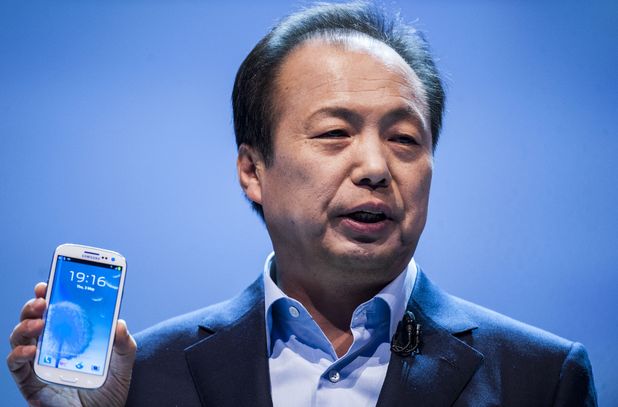
Samsung’s Mobile Chief has some harsh words directed towards Microsoft. In an interview with The Wall Street Journal, J.K. Shin said that Android devices such as phones and tablets are outselling Windows Phone devices and there is a clear demand for Android over Windows. 

The exact Q&A goes as follows:

WSJ: What about your relationship with Microsoft? Has it changed after Nokia began to work more closely with Microsoft on Windows devices?

Mr. Shin: Smartphones and tablets based on Microsoft’s Windows operating system aren’t selling very well. There is a preference in the market for Android. In Europe, we’re also seeing lackluster demand for Windows-based products.

While it’s clearly no surprise that Android devices are outselling Windows devices, the harsh words come just months after lackluster sales of the Microsoft Surface RT and Pro. According to a report this morning from Bloomberg, “people with knowledge about the companies sales” are saying that Microsoft has sold about 1.5 million Surface devices total. Also keep in mind that Samsung just announced the Galaxy S IV, the successor to the best-selling Android phone on the planet, which’ll be sure to gather up some massive sales for Samsung.

Samsung announces Galaxy S IV with 5-inch inch display, Octa-core processor and late April release

Site default logo image

The curtain was just pulled off the Galaxy S IV at Samsung’s Unpacked event in New York City tonight. Confirming the leaks and teasers we’ve seen over the last week, the Galaxy S IV’s design is similar to the Galaxy S III aside from a few minor aesthetic tweaks.

The Galaxy S IV weighs just 130 grams and it’s only 7.9MM thick. In terms of specs, it will come in two colors at launch—Black Mist and White Frost. It’ll also include 4G LTE and HSPA+ 42MB, like the S III. It will also feature a 5-inch inch super AMOLED HD display at 441PPI, and, at launch, it’ll ship with Android 4.2.2 Jellybean and be available in 155 countries on 327 mobile carriers by the end of April.

Other specs include a 2,600mAh battery, as well as a 13MP back camera, 2MP front, an IR blaster, and 8 sensors including a temperature and humidity sensor.

The Galaxy S IV will ship in three available models—16GB, 32GB, and 64GB —each with 2GB of RAM, and it boasts a 1.6GHz Exynos Octa-core chip or a 1.9GHz quad-core Qualcomm depending on the market.


Expand
Expanding
Close

Andy Rubin bids adieu to Android partners in letter, ‘I am an entrepreneur at heart’

Site default logo image

The WSJ posts a letter sent to Android partners:

Dear friends,

In November of 2007 we announced the Open Handset Alliance with 34 founding members. Today, I’m grateful to the over 85 OHA members who have helped us build Android and drive innovation at such an incredible pace. The Android ecosystem has seen tremendous growth since the launch of the very first Android device in October 2008. The volume and variety of Android devices exceeds even my most optimistic expectations – over 750 million compatible devices and counting!

At its core, Android has always been about openness – the idea that a thousand brains are better than one. Just as the ecosystem has grown, so has our team at Google. I am incredibly proud of the phenomenal group of people that spend their days (and nights) building the Android platform and services. Just look at last year…a lean yet incredibly ambitious team released Jellybean with Google Now, launched Google Play in many languages and countries and collaborated with several partners to build three new Nexus devices to help drive innovation in the ecosystem.

Today, the success of Android combined with the strength of our management team, gives me the confidence to step away from Android and hand over the reins. Going forward, Sundar Pichai will lead Android, in addition to his existing work with Chrome and Apps. Hiroshi Lockheimer – who many of you already know well – plus the rest of the Android leadership team will work closely with all of our partners to advance Android and prepare the platform for new products and services yet to be imagined.

As for me, I am an entrepreneur at heart and now is the right time for me to start a new chapter within Google. I am amazed by what we have accomplished from those early days (not so long ago!), and remain passionate about the power of a simple idea and a shared goal – an open source platform freely available to everyone – to transform computing for people everywhere.

Thank you for your support,

– andy

What’s Rubin doing next at Google? I’m thinking AnDrones.

Amazon drops Kindle Fire HD 8.9 pricing to $269, announces availability for Europe and Japan

Site default logo image

Amazon announced today in a press release that it is lowering the price of its the largest tablet in the U.S., the Kindle Fire HD 8.9″.  The price of the entry level WiFi only model drops from $299 to $269, while the 4G variant will now sell for $399 (down from $499 previously). In addition, the company is also rolling out the device to a handful of new countries including: the UK, France, Germany, Japan, Spain, and Italy.

The 8.9-inch tablet  includes a1920x1200, 254 ppi display, TI OMAP4470 processor, 1GB of RAM, Custom Dolby audio and dual stereo speakers, 10 hours of battery life, and of course access to Amazon’s ecosystem of content.

You can already find the updated pricing for the both the entry level $269 model and the $399 4G model on Amazon.
Expand
Expanding
Close

Andy Rubin leaves Android for new role at Google, Chrome’s Sundar Pichai to take over

Site default logo image

Google posted an Update from the CEO on its Official Google Blog today where Larry Page announced that Android chief Andy Rubin will officially be leaving the Android team to take up a new role at the company. Taking his place to lead the Android team at Google is Sundar Pichai, who will also continue his work with Apps and Chrome.

Page didn’t specify what responsibilities Rubin would have going forward saying only that “Andy’s decided it’s time to hand over the reins and start a new chapter at Google. Andy, more moonshots please!”

Page also noted that Android is now up to 750 million device activations across 60 manufacturers, up from 500 million back in September.

Fast forward to today. The pace of innovation has never been greater, and Android is the most used mobile operating system in the world: we have a global partnership of over 60 manufacturers; more than 750 million devices have been activated globally; and 25 billion apps have now been downloaded from Google Play. Pretty extraordinary progress for a decade’s work. Having exceeded even the crazy ambitious goals we dreamed of for Android—and with a really strong leadership team in place—Andy’s decided it’s time to hand over the reins and start a new chapter at Google. Andy, more moonshots please!

Going forward, Sundar Pichai will lead Android, in addition to his existing work with Chrome and Apps. Sundar has a talent for creating products that are technically excellent yet easy to use—and he loves a big bet. Take Chrome, for example. In 2008, people asked whether the world really needed another browser. Today Chrome has hundreds of millions of happy users and is growing fast thanks to its speed, simplicity and security. So while Andy’s a really hard act to follow, I know Sundar will do a tremendous job doubling down on Android as we work to push the ecosystem forward.

Samsung’s ad budget exploded past Apple and the rest of the field in 2012

Site default logo image

We have been hearing much about Samsung’s advertising efforts in recent months including its efforts crafting the now well-known ad campaign mocking iPhone line sitters, to some of the companies recent marketing tactics used to target iPhone users. Last night The Wall Street Journal published a new piece outlining Samsung’s increasingly aggressive advertising thanks to new data from research firm Kantar Media. According to the report, Samsung passed Apple in 2012 for ad spending by around $68M in the US:

Outspent by rival Apple Inc. more than three to one in advertising for mobile phones in the U.S. in 2011, Samsung responded with a marketing blitz on TV, billboards, the Internet and print media that moved the Korean company into the pole position last year… In 2012, Samsung spent $401 million advertising its phones in the U.S. to Apple’s $333 million, according to ad research and consulting firm Kantar Media.

Apple spent more than three times Samsung on marketing its mobile devices in 2011. If a slew of recent media reports is any indication, including one from Apple’s own former ad man Ken Segall, many seem to think Apple is losing its advertising momentum to Samsung.

The Wall Street Journal added that executives at carriers said Samsung “also spends more on “below the line” marketing than any device maker. Those funds help pay for in-store advertising, promotions and training for carrier sales representatives that help close the sale.”

To put the spending in perspective for the global smartphone market, Tech/telco analyst Benedict Evans noted the figures above account for around 10% of Samsung global ad budget compared to 1/3 of Apple’s, which also somewhat reflects sales proportions.