Samsung

See All Stories

Samsung is a technology conglomerate based out of South Korea that makes some of the world's most popular smartphones.
Samsung R&D logo

Samsung is a technology conglomerate based out of South Korea that is responsible for some of the most popular smartphones in the world, including the Galaxy S and Galaxy A series devices. Beyond smartphones, Samsung also manufactures and sells laptops, wearables, home appliances, and more.

The company was founded in 1938 as a trading company dealing with local produce, fish, noodles, and more. It wasn’t until the 1960s that Samsung entered the electronics business with its first product, a black and white television. In the 1990s, the company expanded its electronics efforts by producing displays and chips for processing and storage, core components of the business today. In the 2000s, the company established itself as a big player in cell phones, which later evolved into the Samsung Galaxy smartphone lineup.

Off the back of successful feature phones, Samsung quickly became a dominant player in the smartphone industry. The original Galaxy device was launched in 2009, which ran Android 1.5 “Cupcake” out of the box. Just a year later, the “Galaxy S” brand made its debut, selling 24 million units of its original model and 40 million of its sequel. The Galaxy S III was its first massive hit, though, selling 70 million devices starting in 2012. The success of that mainstream flagship propelled Samsung to be a major player in the premium smartphone market.

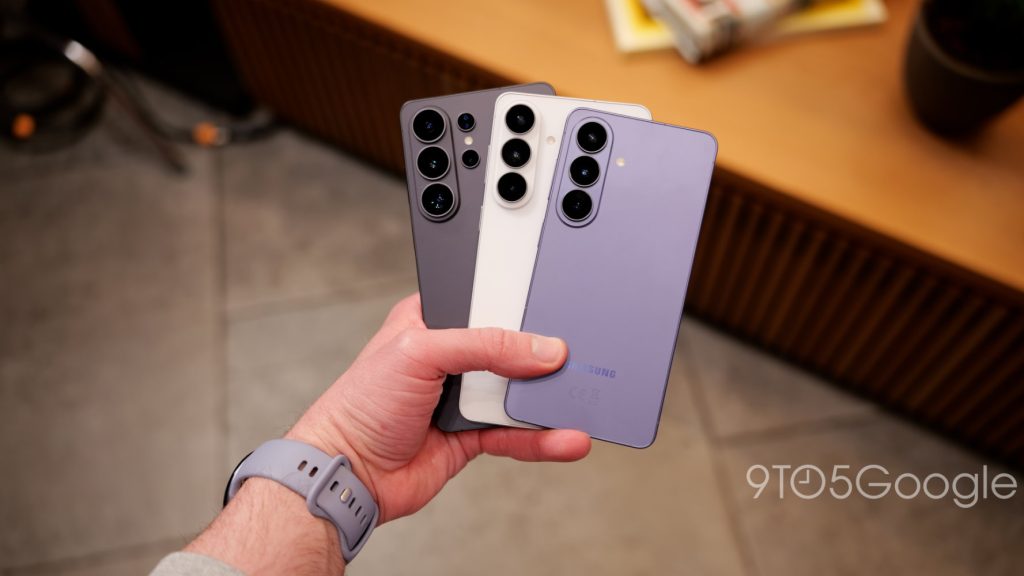
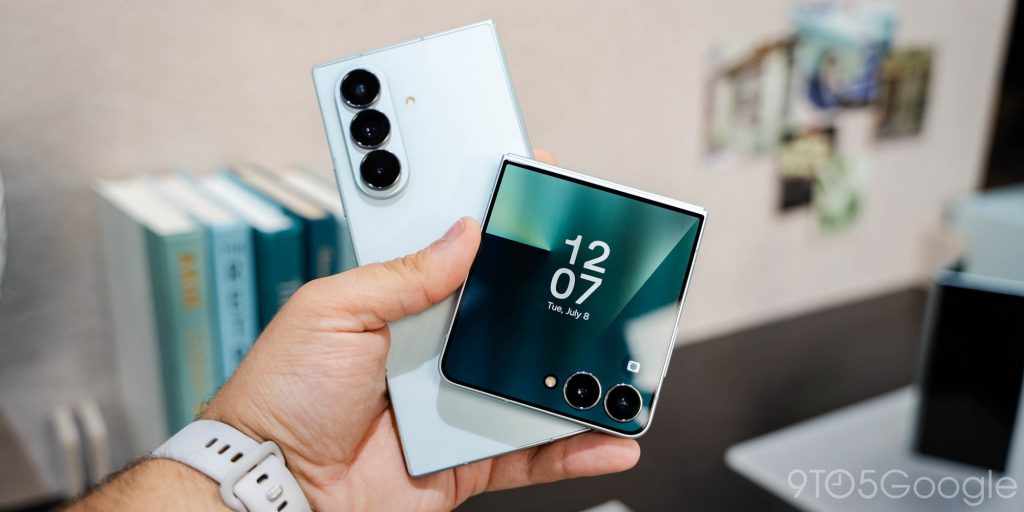
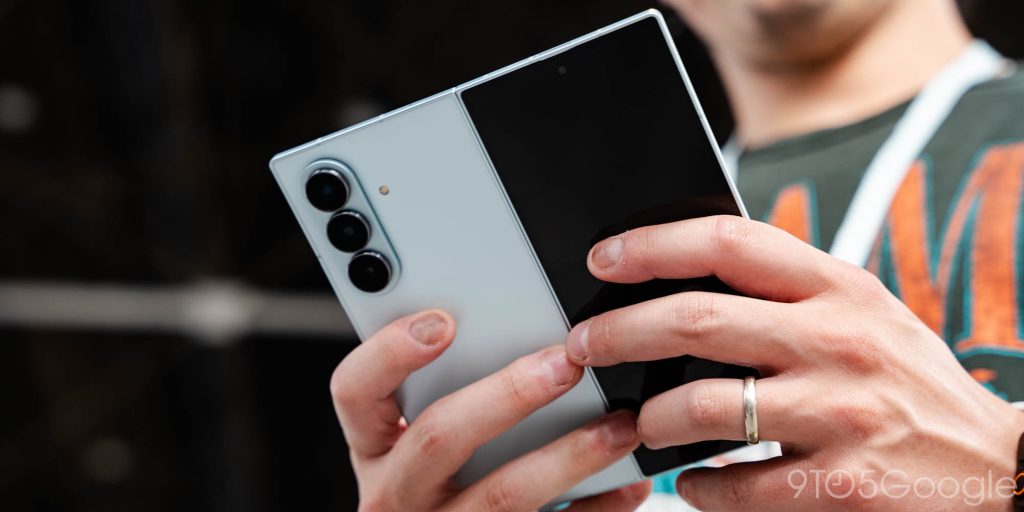
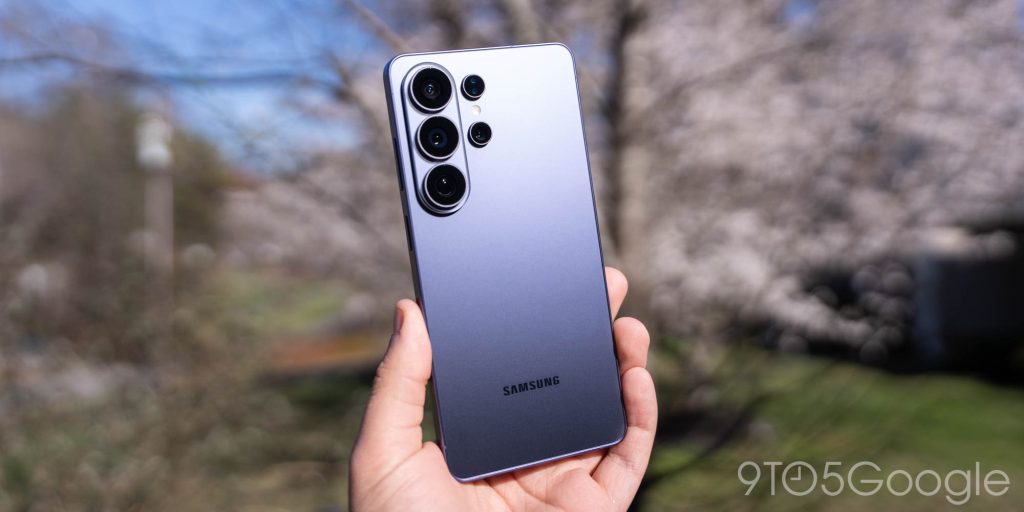
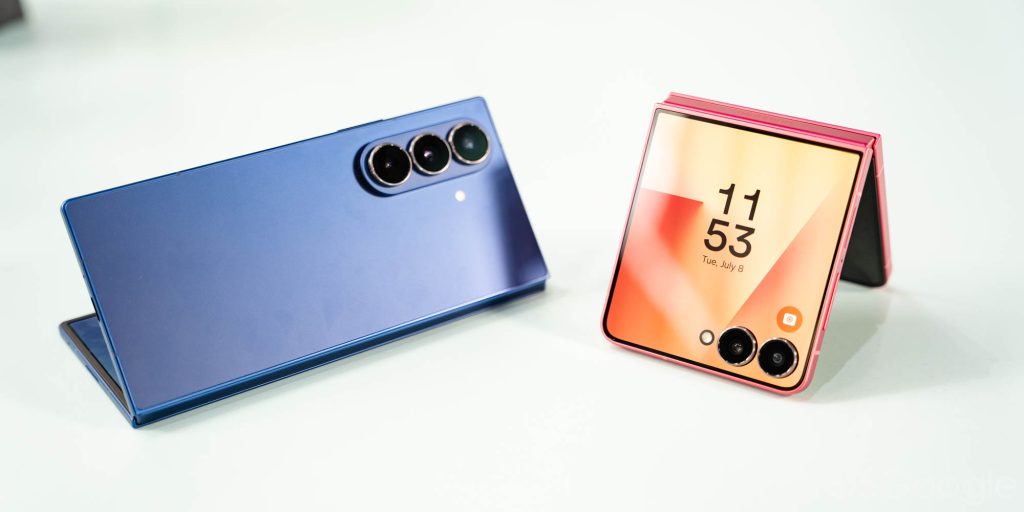
The latest Samsung flagships include the Galaxy S26 series, as well as foldable smartphones such as Galaxy Z Fold 7 and Flip 7.
The flagship market is only a fraction of the company’s total smartphone sales. It’s actually more affordable devices such as the Galaxy A series that really earn Samsung its spot in the industry. The Galaxy A series has produced some of the best-selling Android smartphones in the world for the past few years, for instance, with the Galaxy A50 and Galaxy A51 both topping the charts in their respective release windows.

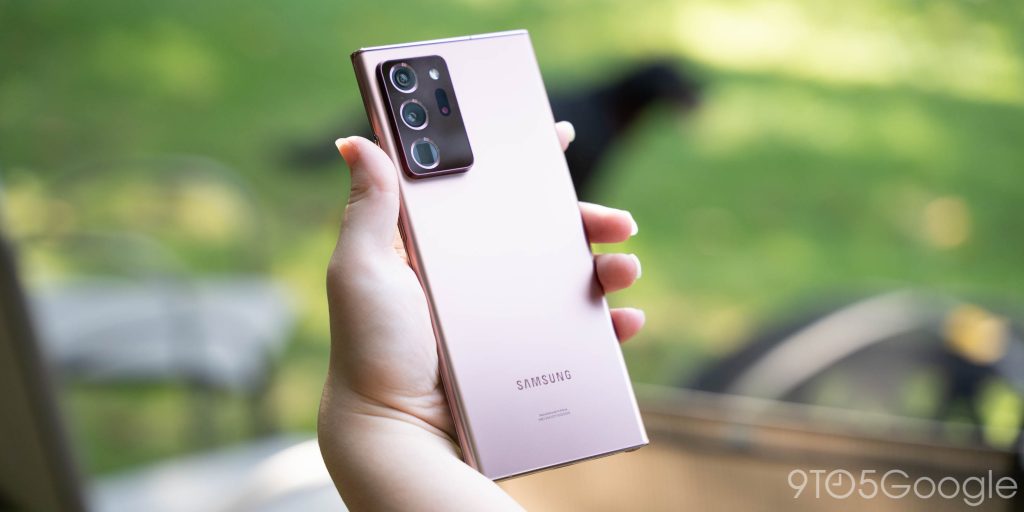
To say Samsung’s smartphones have been influential is an understatement, as the brand has produced some of the biggest trends in the industry. Most memorable is the rise of large-screen smartphones. In 2011, just two years into the rise of its Android-based Galaxy line, Samsung debuted the original Galaxy Note, which was ridiculed for its large 5.3-inch display. The phone went on to sell 10 million units and spawn nine popular sequels leading up to the Galaxy Note 20 series in 2020. In 2016, Samsung famously released the Galaxy Note 7, which was recalled due to batteries that were bursting and catching fire. The phone was discontinued, and fans ultimately had to wait until the Note 8 was released a year later. In 2021, Samsung reportedly canceled its Galaxy Note 21 series due to the ongoing chip shortage, and the best of the Note has now been merged into the ongoing Galaxy S “Ultra” release.
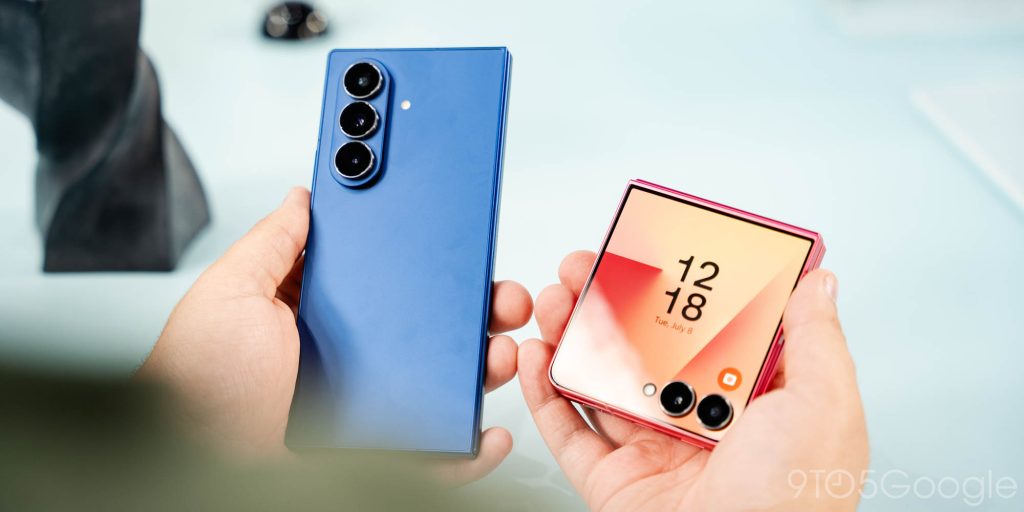
In 2019, Samsung announced its first foldable smartphone in the Galaxy Fold. The book-style foldable had high-end specs and an inner display that was far larger than what could traditionally fit in a pocket, but its launch was met with negativity as several early reviewers faced major issues with the inner display. The company opted to cancel the launch and redesign the product, relaunching it months later with several solutions. In 2020, the Galaxy Z Flip debuted with much better reception and solutions for problems that plagued the Fold, though with a new flip-phone style design. The Galaxy Z Fold 2 took those same ideas and applied them to the original design while improving the displays both inside and out.

Samsung has continued to build on this form factor each year, often with big improvements, including water resistance, better hinges, upgraded cameras, and more.

Galaxy Z Fold 7, especially, proved to be a major update, offering a much thinner form factor that finally caught up to other foldable makers. It was successful, too, with Samsung reporting record sales after the device was released.
What other products does Samsung sell?

Beyond its extremely successful smartphones, Samsung sells a plethora of other products. There are TVs, home appliances, and more. The company also products and sells electrical components, AMOLED displays, and more to other companies.

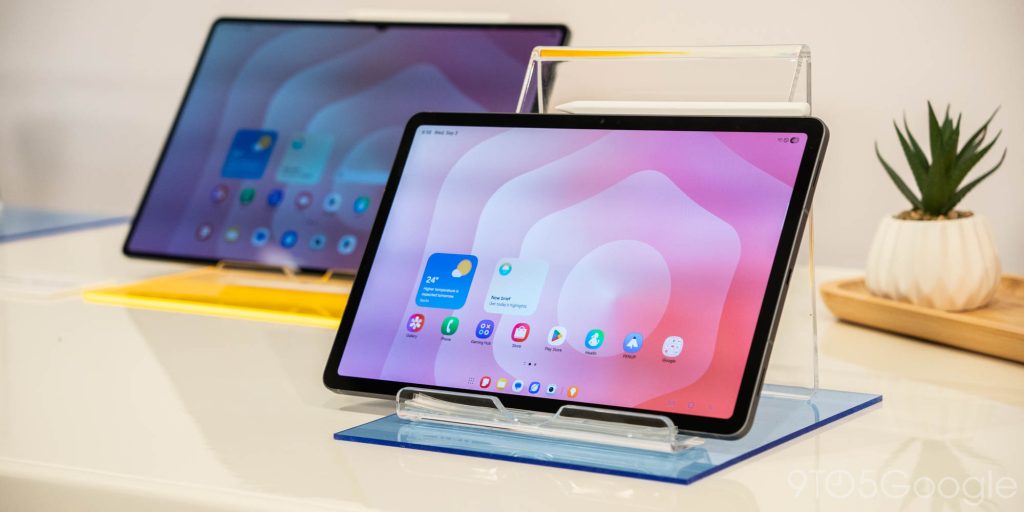
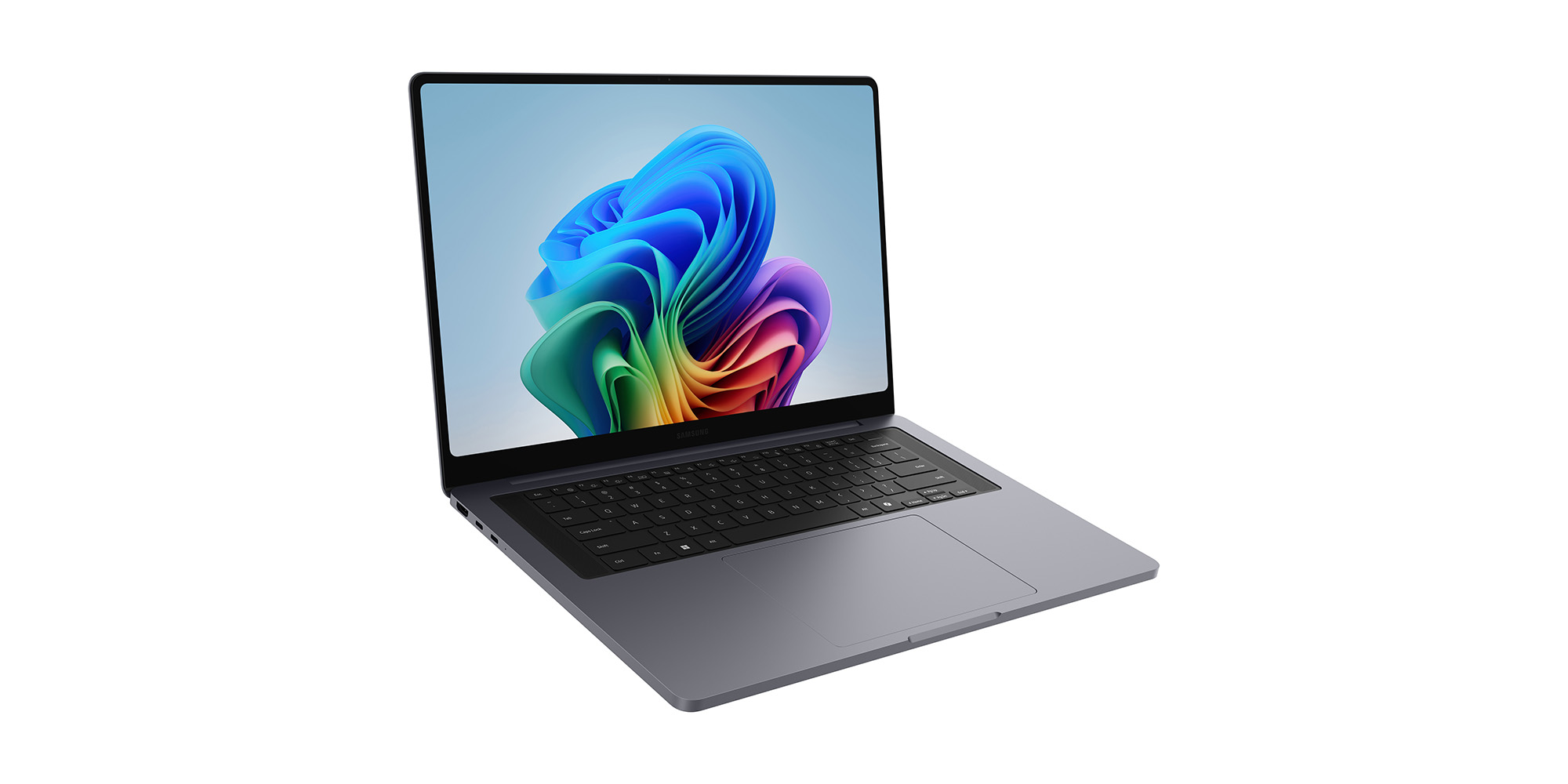
Relating closely to its smartphones, though, are Samsung’s tablets, laptops, and smartwatches. Android tablets are fairly rare on the market, but the Galaxy Tab series has stuck around as an affordable option as well as a flagship one, the latter usually including support for DeX. The company also products laptops using both Microsoft’s Windows and Google’s ChromeOS, the former linking to Galaxy phones using the “Your Phone” integration that is deeply built into One UI.

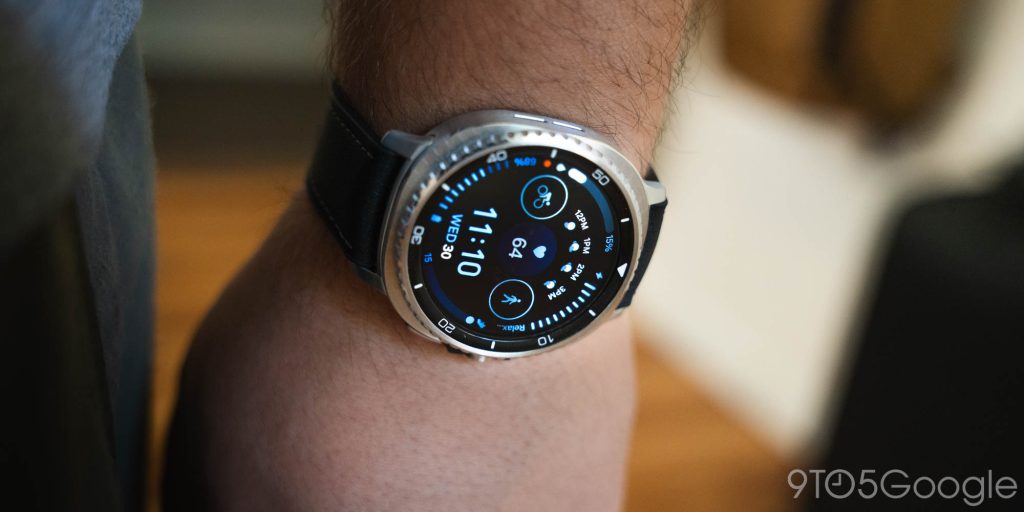
Finally, the Galaxy Watch lineup has been one of the best options for an Android-compatible smartwatch, and each model pairs best with a Galaxy smartphone.
Check out our up-to-date coverage of everything Samsung below.


Samsung planning to launch 5.8-inch and 6.3-inch ‘Galaxy Mega’ phablets?

Site default logo image

Samsung was eyeing a display between 5.9-inches and 6.3-inches for its much rumored upcoming Galaxy Note III last we heard. SamMobile earlier this month said that device would appear at IFA in Berlin this August, but a new report from the Samsung-focused blog today claimed Samsung will introduce a new lineup of devices in the 5.8- to 6.3-inch display size.

While noting “Samsung changed the name of their expected Galaxy Fonblets,” SamMobile said Samsung would soon introduce a new lineup of smartphone and tablet hybrids dubbed “Galaxy Mega” in 5.8-inch (GT-I9152) and 6.3-inch (GT-I9200) variants.

The devices will reportedly launch between the end of May and be available by mid-June:

The Galaxy Mega 5.8 will come in the colour white and will be available around week 22. The Galaxy Mega 6.3 will come in the colours black and white these galaxy devices need to be available around week 25.

It’s unclear what exactly this means for Samsung’s Galaxy Note III. It would be surprising for Samsung to introduce both the Note III and new Galaxy Mega tablet with a 6.3-inch display. Perhaps the Note III becomes the 5.8-inch device, and the Mega branding is reserved for the larger 6.3-inch variant? It’s also possible Samsung keeps the Galaxy Note III at the same 5.5-inch size of the Note II and introduces the Mega line to bridge the gap and cover all bases between its Note lineup and 7-inch to 10-inch tablet lines. We’ll keep you posted when we learn more. 
Expand
Expanding
Close

Best Buy to give Samsung Apple-style store-in-store facilities

Site default logo image

Geek.com reports that Best Buy plans to introduce Samsung ‘store-in-store’ facilities: an area of the store devoted exclusively to Samsung products and with specially trained staff on hand to demonstrate features.

Apple is so far the only company to be featured in this way:

An unspecified number of Best Buy stores are said to introduce the Samsung areas to coincide with the launch of the Galaxy S IV.

AT&T Samsung Galaxy S4 preorders begin April 16 for $249 on contract

Site default logo image

AT&T made things official for customers interested in pre-ordering Samsung’s recently announced flagship Galaxy S4. While there is still no word when the actual handset will be available, AT&T announced in a blog post on its website today that customers will be able to pre-order the device starting April 16.

Continuing our legacy as the first carrier to launch Samsung’s Galaxy series, we are excited to announce AT&T customers will be able to begin pre-ordering the Galaxy S4 beginning April 16 for $249.99 with a two-year commitment. We are proud to offer this iconic device and continue to offer our customers the best smartphone line-up, with a variety of devices for every lifestyle and budget.

Those interested in learning more about the pre-order process can go to AT&T’s Galaxy S4 website.

T-Mobile announced earlier this month that it would launch the device May 1s, which is a pretty good indication of when we will start to see it arrive on other carriers.
Expand
Expanding
Close

Report claims Google’s Android team developing smart watch too

Site default logo image

Update: The Korea Times reports that LG too is developing a smart watch and even testing products similar to Google Glass:

A source familiar with the matter told The Korea Times Friday that the Yeouido-based firm’s development of the next-generation watch, along with an innovative smart product similar to Internet giant Google’s Glass, was part of its long-term strategy to keep its competitiveness in the volatile information technology (IT) industry

While Apple and even Samsung have been at the heart of the rumors that new smart watch devices could be the products to keep an eye out for in 2013, Google too might try its hand at bringing a wearable computer in wristwatch form. According to a new report from The Financial Times, citing “a person briefed on the project,” Google’s Android unit is working on a smart watch platform of its own:

Google’s latest venture into wearable technology was more an attention-seeking gimmick than a serious new venture. But with the search giant ploughing significant resources into Google Glass, which embeds a screen, camera, microphone and other sensors into a pair of futuristic spectacles, it’s another indication that Google is serious about moving from the digital to the physical.

While Glass is being created in its X Lab, home to experimental “moonshot” projects such as the self-driving car, Google’s smart watch is being developed by its Android unit, according to a person briefed on the project

The fact that the device is reportedly being developed by Google’s Android unit, and not its experimental X Labs like Google Glass, could be an indication that Google plans to bring its watch product to the masses sooner rather than later. FT’s source also confirmed that the project is separate from the recently announced smart watch project from Samsung that is rumored to run a new operating system called AltiusOS and not Android.

Bloomberg reported in February that Apple had around 100 product designers working on its smart watch, and many analysts expected the product to be released by Apple as early as this year. Today’s report from FT doesn’t provide many details on what exactly Google has planned, but it’s a sign that Google isn’t betting on Glass as the be-all and end-all of wearable platforms. The report did note that Google is developing its smart watch “to act as an extension to the smartphones using” Android.

Galaxy Tab III, Note III, slated for September release at IFA

Site default logo image

Rumors have swirled recently about the Galaxy Note III launching soon and that it will boast a screen anywhere between 5.9-inches all the way up to 6.3-inches. A new report from SamMobile seems to add a little unofficial confirmation to its release date. According to an “insider,” the Galaxy Note III, along with an updated Galaxy Tab, is scheduled for release at IFA in Berlin. The report also suggested that Samsung would push out one final update to the current Galaxy Tab II, Android 4.2.2. If it is true that Samsung will no longer update the Galaxy Tab II after Android 4.2.2, the likelihood of a new tablet seems apparent.

The move wouldn’t be a surprise, because the original Galaxy Note was released at IFA in Berlin.

SanMobile claimed its source gave them no word about device specifications, so at the moment it’s unclear if these new devices will adopt the Octa-core processor found in the recently announced Galaxy S IV.

‘People want Android, not Windows Phone’ says Samsung’s Mobile Chief

Site default logo image

Samsung’s Mobile Chief has some harsh words directed towards Microsoft. In an interview with The Wall Street Journal, J.K. Shin said that Android devices such as phones and tablets are outselling Windows Phone devices and there is a clear demand for Android over Windows. 

The exact Q&A goes as follows:

WSJ: What about your relationship with Microsoft? Has it changed after Nokia began to work more closely with Microsoft on Windows devices?

Mr. Shin: Smartphones and tablets based on Microsoft’s Windows operating system aren’t selling very well. There is a preference in the market for Android. In Europe, we’re also seeing lackluster demand for Windows-based products.

While it’s clearly no surprise that Android devices are outselling Windows devices, the harsh words come just months after lackluster sales of the Microsoft Surface RT and Pro. According to a report this morning from Bloomberg, “people with knowledge about the companies sales” are saying that Microsoft has sold about 1.5 million Surface devices total. Also keep in mind that Samsung just announced the Galaxy S IV, the successor to the best-selling Android phone on the planet, which’ll be sure to gather up some massive sales for Samsung.

Samsung’s ad budget exploded past Apple and the rest of the field in 2012

Site default logo image

We have been hearing much about Samsung’s advertising efforts in recent months including its efforts crafting the now well-known ad campaign mocking iPhone line sitters, to some of the companies recent marketing tactics used to target iPhone users. Last night The Wall Street Journal published a new piece outlining Samsung’s increasingly aggressive advertising thanks to new data from research firm Kantar Media. According to the report, Samsung passed Apple in 2012 for ad spending by around $68M in the US:

Outspent by rival Apple Inc. more than three to one in advertising for mobile phones in the U.S. in 2011, Samsung responded with a marketing blitz on TV, billboards, the Internet and print media that moved the Korean company into the pole position last year… In 2012, Samsung spent $401 million advertising its phones in the U.S. to Apple’s $333 million, according to ad research and consulting firm Kantar Media.

Apple spent more than three times Samsung on marketing its mobile devices in 2011. If a slew of recent media reports is any indication, including one from Apple’s own former ad man Ken Segall, many seem to think Apple is losing its advertising momentum to Samsung.

The Wall Street Journal added that executives at carriers said Samsung “also spends more on “below the line” marketing than any device maker. Those funds help pay for in-store advertising, promotions and training for carrier sales representatives that help close the sale.”

To put the spending in perspective for the global smartphone market, Tech/telco analyst Benedict Evans noted the figures above account for around 10% of Samsung global ad budget compared to 1/3 of Apple’s, which also somewhat reflects sales proportions.

Samsung releases another Galaxy S4 teaser with part two of Jeremy campaign (Video)

Site default logo image

http://www.youtube.com/watch?feature=player_embedded&v=YzkfC7–jog#!

Samsung started a new ad campaign to tease its upcoming next-generation Galaxy smartphone earlier this month. We weren’t huge fans of the ad that featured a top-secret meeting with Jeremy, the 13-year-old “secret messenger of Samsung Unpacked 2013.” Today, Samsung has released part two of the ad. It continues with Jeremy’s story but doesn’t reveal anything new.

Samsung signs multi-year deal to put Immersion haptics technology in future devices

Site default logo image

http://www.youtube.com/watch?v=HgxyreJRLj8

Samsung is already using the Immersion haptics technology in a couple of its products including the Galaxy S3, but today the two companies announced a multiyear licensing agreement that would allow Samsung to bring Immersion’s TouchSense and Integrator technology to new devices.

“We are very pleased by Samsung’s broad adoption of our haptic technology, and we believe that this agreement marks an important milestone in our strategy to monetize our technology more fully within the mobile market,” said Immersion CEO Victor Viegas.

The Integrator tech works together with Immersion’s TouchSense technology, and it is described by the company as an option for OEMs “that automatically add haptics into the Android UI and applications and provides an easy way to customize the overall tactile feel of the device.”

The press release also noted that the deal extends to “Samsung’s prior and future use of simple forms of haptic effects, sometimes referred to as Basic Haptics, in its smartphones and other mobile devices.”
Expand
Expanding
Close

Report: Samsung’s Galaxy S4 will include ‘Eye Scroll’ feature

Site default logo image

According to a report from The New York Times, citing ” a person who has tried the phone,” Samsung’s upcoming Galaxy S4 will include a new “eye scrolling” feature that tracks the user’s eye to determine where to focus and when to scroll on the page:

The phone will track a user’s eyes to determine where to scroll, said a Samsung employee who spoke on condition of anonymity because he was not authorized to speak to the news media. For example, when users read articles and their eyes reach the bottom of the page, the software will automatically scroll down to reveal the next paragraphs of text.

As noted in the report, Samsung actually filed for a trademark in Europe for “Eye Scroll” in January and again in the United States for “Samsung Eye Scroll” in February.

Apple and other companies have filed patents for similar technology that tracks the movement of a user’s eyes to zoom, scroll, and manipulate the elements on a display without physically touching it.
Expand
Expanding
Close

Samsung officially unveils Samsung Wallet, a ‘Passbook-inspired’ digital ticket app

Site default logo image

Samsung is today officially unveiling its “Samsung Wallet” mobile app solution, and it is quickly gaining attention for similarities to Apple’s iOS 6 ticket, card, and coupon solution known as Passbook. For those familiar with Apple’s app, Samsung Wallet appears to work much the same way. The app will allow users to store event tickets, membership cards, coupons, and boarding passes in one central app. From there, users will be able to present the digital passes and companies supporting the standard can scan a barcode included for each digital ticket.

Samsung has already posted a developers document for the app to outline how devs can implement support for the app using an API (via The Verge). The document also explained how the app works and noted that users will also receive real-time notifications related to their tickets, just as Apple does with Passbook.

As for the Apple influence, aside from the look and feel of the app and icon (pictured above), the Samsung Wallet app doesn’t seem to offer any additional functionality above and beyond what Passbook already offers. The company confirmed to TheVerge that the app will initially not be integrated with NFC wallet solutions (despite a new partnership with Visa), but it did confirm partners for the app’s launch include: Walgreens, Belly, Major League Baseball Advanced Media, Expedia, Booking.com, Hotels.com, and Lufthansa. 
Expand
Expanding
Close

Former Apple ad man Ken Segall says Apple’s advertising has lost momentum to Samsung

Site default logo image

[ooyala code=”9wc3FtOTpudZkeXdJrtb8gXF-WmHpm1i”]

In the video above, Bloomberg West speaks with 72andSunny’s partner and creative director Jason Norcross about the thinking behind some of Samsung’s latest campaigns. 

If there is one person qualified to discuss the state of Apple’s current marketing efforts, it’s Ken Segall. Working alongside Steve Jobs’ creative team for more than a decade, Segall, the man who put the “i” in iMac, served as creative director at ad agency TBWA\Chiat\Day. He created some of Apple’s most iconic ads such as the legendary Think Different campaign. Segall took some time on his Observatory blog today to share his thoughts on how “momentum has been lost” for Apple’s marketing department at the hands of none other than the company’s biggest rival, Samsung:

While you can still argue that Macs and i-devices have a ton of appeal, you can’t argue that Apple is still untouchable when it comes to advertising…The fact is, it is being touched — often and effectively — by none other than Samsung…Samsung has made remarkable inroads in a very short time, for two big reasons.

According to Segall, the two big reasons Samsung’s advertising has eclipsed Apple’s is due to Sammy’s massive advertising budget and willingness to “bash away at Apple, delivering ads that are well produced, well written and seem to be striking a nerve.” Specifically, Segall pointed to Samsung’s decision to run creative new ads at the Super Bowl and Oscars: 
Expand
Expanding
Close

WSJ: Google execs worried by Samsung’s success with Android

Site default logo image

While Google might be happy with the mobile ad revenue Samsung brings in shipping roughly 40 percent of the devices running Android, The Wall Street Journal said Google execs worry behind closed doors that Samsung could use its dominance to renegotiate its cut of revenue from mobile ads and search:

Google executives worry that Samsung has become so big—the South Korean company sells about 40% of the gadgets that use Google’s Android software—that it could flex its muscle to renegotiate their arrangement and eat into Google’s lucrative mobile-ad business, people familiar with the matter said.

Citing its usual “people familiar with the matter,” WSJ claimed executives at Google are betting on companies like HTC and HP to release compelling Android devices that compete with Samsung. According to the report, Android chief Andy Rubin discussed the situation at a recent event for Google executives. He described Motorola as “a kind of insurance policy against a manufacturer such as Samsung gaining too much power over Android.”
Expand
Expanding
Close

Site default logo image

Today only: Samsung’s 11.6-inch Chromebook (Wi-Fi) on sale for $239 + free shipping

From 9to5toys.com (Twitter, Feed, Facebook), today:

Today only, eBay deals has the Wi-Fi variant of Samsung’s latest 11.6-inch Chromebook for the cheapest price we’ve seen at $239 + free shipping. We rarely see these Chromebooks go on sale, and, if you’re not going to pick up the new Chromebook Pixel, this is definitely the best value for your money in the Chromebook space.

Samsung Chromebook Wi-Fi 11.6″ 16GB Exynos 5 Dual 1.7GHz Notebook

Samsung and Visa announce deal to preload Visa payWave on future Samsung devices

Site default logo image

Samsung and Visa today announced a deal that would see future Samsung devices preloaded with the Visa payWave applet, allowing consumers to “wave and pay” through Visa’s contactless payment terminals. The Visa payWave service will of course only come preloaded on select Samsung devices, but rumor has it that the upcoming Samsung Galaxy S4 will be the first to receive the functionality. While Samsung and Visa were showing off the technology with existing NFC-enabled devices at MWC this week, CNET and others have apparently confirmed through sources that the S4 will indeed be the first device to get the applet preloaded.

  • Global Strategic Alliance
    Visa and Samsung have agreed to work together to enable the next generation of Samsung mobile devices with Visa payment technology, and to partner with financial institutions to accelerate the availability of mobile payment solutions globally.
  • Samsung to Connect to Visa’s Mobile Provisioning Service
    In order to enable financial institutions to launch large scale mobile (NFC) payment programs, Samsung will offer banks the ability to load payment account information over-the-air to a secure chip embedded inSamsung devices, using Visa’s Mobile Provisioning Service3 which is linked to Samsung KMS (Key Management System) – a service that creates secure data storage domains for issuers.
  • Samsung Awarded Global Visa payWave License
    The Visa payWave mobile applet will be preloaded onto selected next-generation Samsung mobile devices featuring NFC technology and an embedded secure element. Off the shelf, these devices are ready to be personalized with Visa payment account information – a simple step that consumers will be able to initiate using a mobile payment application provided by their financial institution.

Visa also noted that the partnership, which isn’t exclusive with Samsung, will allow financial institutions with mobile payment programs to “use the Visa Mobile Provisioning Service to securely download payment account information to NFC-enabled Samsung devices.”

Expand
Expanding
Close

The year of the tablet phone continues with the 7-inch Asus Fonepad & new HD Padfone hybrid

Site default logo image

http://www.youtube.com/watch?feature=player_embedded&v=TuMHScgnRUI#!

Following the official announcement of Samsung’s 8-inch Galaxy Note smartphone and tablet hybrid, Asus today made things official for its own 7-inch tablet with built-in 3G calling capabilities. We’re not exactly sure if consumers are asking for a 7-inch or larger device for making calls, but the addition of an HSPA+ radio is on top of otherwise decent specs compared to its competitors. Dubbed the FonePad, Asus said the device includes a 1.2GHz Intel Atom Z2420 processor, 1GB of RAM, a 1,280-by-800 HD display, and a PowerVR SGX540 GPU. The Fonepad also packs a 4,270mAh battery that Asus said should bring around 9 hours of battery life.

As for availability, Asus said the Fonepad would arrive to customers in the U.K. sometime in late Q2 of this year with prices starting at £179 (inc VAT) for the 16GB variant.

The company also announced another phone/tablet hybrid today, the next-generation PadFone. Asus has released previous generations of the device including a smartphone and tablet dock that allows users to quickly switch from the tablet form factor to a smartphone. It announced it is upgrading the smartphone portion to a 5-inch, 1080p display, while the 10.1-inch tablet gets a new 1,920-by-1,200 display and upgraded internals (via Engadget):


Expand
Expanding
Close

Galaxy Note 8.0 launched, takes Apple’s iPad Mini head on

Site default logo image

After lots of leaks, rumors and outright company forecasts,  Samsung today announced the Galaxy Note 8.0, an 8-inch iPad Mini competitor. The 1280×800 pixel display will have a slightly better PPI of 189 than the Mini and match camera specs and a quad core processor. Samsung’s Note 8.0 will also double up the Mini with 2GB of RAM and add an S-Pen for those who need/want it as well as expandable storage via the Micro-SD card slot. Just like the Galaxy Tab 7 2 it has an IR blaster with a rebranded Peel station navigation. On the down side, it won’t have LTE (only HSPA+) and it will run a slightly out-dated 4.1.2 version of Android Jelly Bean. It also weighs almost an ounce more than the iPad Mini.

Oh and it can make calls like a huge phone.

Will this go head to head against the Mini? My gut reaction is no. Samsung’s Touchwiz overlay and pen will keep these out of the hands of mainstream users. No price or launch date is yet planned but the specs tell me (720P TFT display) that Samsung is aiming for a low price. I’d expect to see this at $250 in the US probably just after it launches in the 2nd quarter in a number of Asian and EU territories.

https://twitter.com/9to5mac/status/305507515855167489

Press release follows:

Expand
Expanding
Close

LG announces Quad-core 5.5-inch 1080p Optimus G Pro ‘phone’

Site default logo image

This thing has the same specs as a laptop ‘shrunk’ to ‘phone’ size.

LG just announced its 2013 flagship phone the Optimus G Pro that was leaked last month. The ‘Pro’ stands for huge and fast here, with the first Qualcomm 600 quad core processor running at 1.7GHz. The screen bests even the Samsung Note II phablet screen with a 1080p IPS (not OLED) over 5.5 inches—which is going to look marvelous at 400ppi. Cameras? Yes. There is a 13.0 around back and a 2.1 up front that is HD for video conferencing. Also: 2GB RAM, huge 3,140mAh battery, and Android 4.2—all coming in under 9.4mm thin.

No word yet on when we can grab one stateside.

Optimus G Pro Key Specifications:
• Chipset: 1.7GHz Quad-Core Qualcomm? Snapdragon™ 600 Processor
• RAM: 2GB DDR
• Memory: 32GB / microSD (up to 32GB)
• Display: 5.5-inch Full HD (1920 x 1080 pixels / 400ppi)
• Camera: Rear 13.0MP with LED Flash / Front 2.1MP
• OS: Android 4.1.2 Jelly Bean
• Battery: 3,140mAh (removable / wireless charging capable)
• Size: 150.2 x 76.1 x 9.4mm

The press release and a larger picture are below.


Expand
Expanding
Close

Screenshots from alleged Samsung Galaxy smart watch leak

Site default logo image

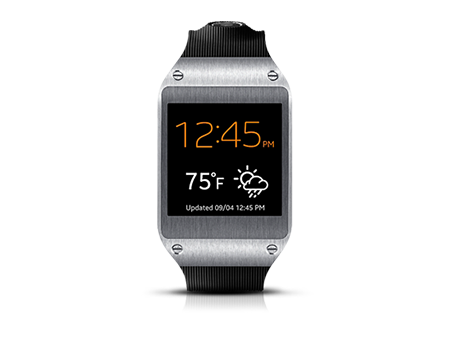
At first glance, the alleged Samsung Galaxy Altius looks like something pushed out by Microsoft. However, this Windows Phone-esque device is said to be one of a kind. The Galaxy Altius is a rumored smart watch from Samsung and presumed to be a direct competitor to the rumored Apple iWatch and other speculative future wrist devices. Leaked screenshots today posted on Slashgear show different tasks running on the device, such as a clock app, the boot-up screen and alleged home screen, which show live tiles very similar to the ones seen in Windows Phone devices. The leaked shots are said to come from a Korean message board website. Slashgear said that because of the “SKT and SKTelecom” words found on some of the leaked screenshots, it’s implied that the watch will be tied to a carrier. It’s also said the OS on the device is not Android but rather a new operating system titled “AltiusOS”. This could imply it’s running a specialized operating system designed for future Samsung watches or an unannounced OS entirely.

Making do with what it has, Slashgear stated that judging by the screenshots the device would feature a 500-by-500-pixel display. And, since the home screen is in a slider like format, it’s presumed the device will in fact be touchscreen (unlike the other smart watch on the market, Pebble).

HP unveils 14-inch Pavilion Chromebook, now available for $329

Site default logo image

We posted a leaked spec sheet late last month that showed off what appeared to be an upcoming 14-inch Chromebook from HP. HP has officially announced the new Chromebook today. While it might have a 14-inch display two inches wider than any other Chromebook, it also happens to be more expensive than Samsung’s latest offering at $329. That’s significantly more than Samsung’s latest $249 model.

HP offered up full specs on the device that is available to order through the company’s website now. Not only is the HP Pavilion 14-c01us Chromebook more expensive, it’s also heavier than Samsung’s offering at 4lbs compared to 2.5lbs. Battery life is unfortunately the same story with an approximate 4.25 hours quoted compared to the 6.5 hours Samsung’s Chromebook offers. If you can get past that, the new HP device packs in a 14-inch diagonal HD BrightView LED-backlit (1,366-by-768-pixel), 1.1GHz Intel Celeron 847 processor, 2GB of RAM, 16GB SATA SSD, HDMI, USB 2.0, as well as an Ethernet port.

The Samsung Chromebook has been the top-selling laptop on Amazon since it launched; Acer reported that Chromebooks make up 5-10% of US shipments; and in the first two months of 2013 Google announced two new devices from two new partners, Lenovo and HP. In the Enterprise, Google just announced 2,000 schools have deployed Chromebooks and businesses like Kaplan, Dillard’s and Quality Distribution are using Chrome devices as well.

HP’s hoping consumers will opt for the larger display, keyboard, and additional ports for the extra $80, but we’re not too excited about the battery life.

Site default logo image

Court again rejects Apple’s attempt at Samsung Galaxy Nexus sales ban

Reuters reported today that a U.S. Federal Circuit Court of Appeals in Washington rejected Apple’s attempt to get a sales ban on Samsung’s Galaxy Nexus. Apple asked the court to revisit a previous decision to reject the company’s request for the sales ban leading up to a full trial set for March 2014. The case involved patents not included in the California trial that awarded Apple a $1.05 billion verdict against Samsung.

Apple wanted the full Federal Circuit of Appeals, made up of nine active judges, to reverse the earlier ruling. But in a brief order on Thursday, the court rejected Apple’s request without detailed explanation or any published dissents… Several experts had believed that Apple faced long odds, as the legal issues in play were not considered controversial enough to spur full court review.

Reuters noted that Apple could still appeal the decision to the U.S. Supreme Court:

Apple could still appeal to the U.S. Supreme Court. However, the high court has made it more difficult for patent plaintiffs to secure sales injunctions in recent years.

Seth Rogen and Paul Rudd pitch ideas for Samsung’s ‘Next Big Thing’ Super Bowl ad [Video]

Site default logo image

http://www.youtube.com/watch?v=pzfAdmAtYIY&feature=em-uploademail

Samsung already confirmed that Seth Rogen and Paul Rudd would be teaming up to star in a two-minute long Super Bowl ad for the company, and today we get a taste of what to expect with a short video showing the two actors pitching ideas for the upcoming ad. The full Super Bowl ad, titled “The Big Pitch,” apparently “shows Rogen and Rudd on a quest to become the Next Big Thing” and was directed by Jon Favreau. 
Expand
Expanding
Close