Jordan writes about all things Apple as Senior Editor of 9to5Mac. He covers Google for 9to5Google.com, the best gadgets and deals on 9to5Toys.com, and delivers a weekly roundup of EV and solar news on Electrek.co. Sometimes he makes weird electronic music as one half of Makamachine.
Contact Jordan with news tips and long-winded complaints:
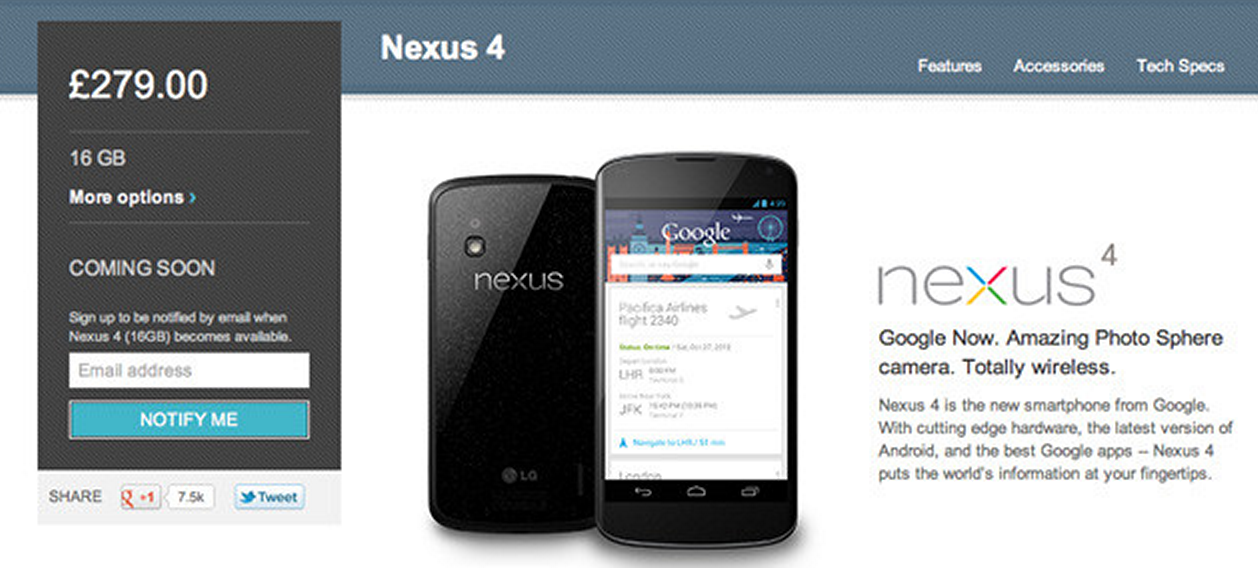
Update: Google appears to have sold out of initial supplies of the 16GB Nexus 4, as the model is now listed with “Notify Me”.
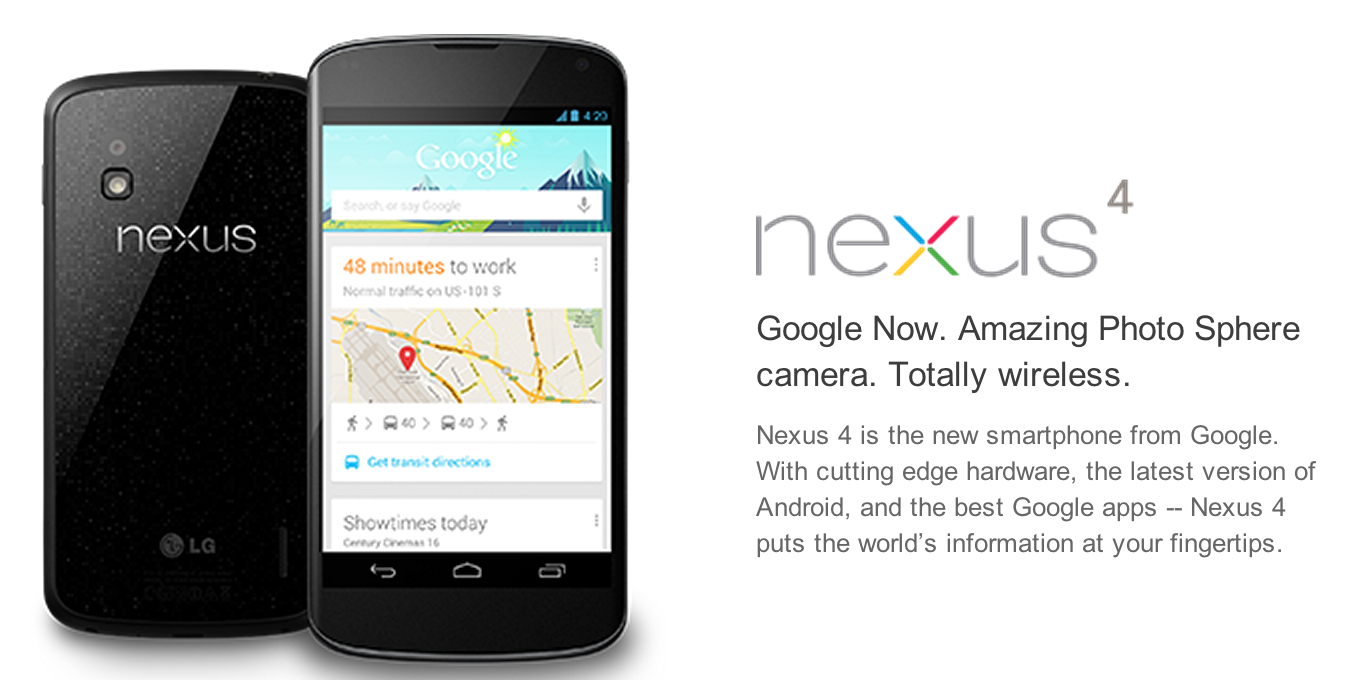
We told you just hours ago that Google had already sold out of the new LG Nexus 4 smartphone after officially going on sale in the U.K. this morning. Slightly ahead of the expected 9 a.m. PST launch, Google has now made both the Nexus 4 and Nexus 10 tablet available to customers in the U.S. through Google Play. It’s likely the 16GB models will sell out first, but we’ll bring you updates if any models sell out.
Google’s new Nexus 4 smartphone officially went on sale in the UK this morning with several reports indicate initial supplies of the device sold out within 30 minutes. The Register and others confirmed that both the 8GB and 16GB models of the new Nexus 4 are now listed as with a “Notify me” button instead of “Buy now.” TechCrunch reported that the 32GB model of the Nexus 10 is no longer in stock, while tweets from customers seem to point to large crowds forming for the retail launch of the device. The US launch of the Nexus 4 and Nexus 10 tablet is slated for 9AM PST this morning. We’ll be bringing you updates following the launch.
Google just announced on its Chrome Blog that it would sell a new Chromebook from Acer on Google Play starting tomorrow. The new Acer C7 Chromebook will debut for $199 in the U.S. at Best Buy and through Google Play. In the U.K., customers will be able to get their hands on the new Chromebook this coming week through various retailers including: Google Play, Amazon UK, PC World, and Currys.
As for specs, Google’s Chromebook website said it includes an11.6-inch (1,366-by-768) display, 3.5 hours of battery life, an Intel Core processor, three USB ports, HD camera, HDMI, a full-sized keyboard, and a “fully clickable trackpad.” Acer is also including a 320GB hard drive and the usual free 100GB Google Drive account.
The $200 price point is obviously extremely aggressive pricing, as it is $50 under Samsung’s newest Chrome OS powered offering. With an included free 100GB Google Drive account (usually $60 per year from Google), the new C7 pays for itself in a little over three years in a way.
Many reports are coming in that Chinese users are having trouble accessing a number of Google’s web products. There is no word on the exact cause of the service disruptions, but The Wall Street Journal noted Google’s Transpareny Report website shows “a precipitous drop in traffic in China starting more than eight hours ago,” although the site doesn’t list the services as completely inaccessible in the country. Google provided a statement to WSJ confirming the interruptions do not appear to be on its end:
“We’ve checked and there’s nothing wrong on our end,” a Google spokeswoman said in a prepared statement.
The Washington Post reported “Users with special VPN (virtual private network) services,” which many Chinese users take advantage of to access banned sites like Facebook, are still able to access Google’s services. Expand Expanding Close
Google announced on its Enterprise Blog today that it would officially make its Google Apps Vault service available to Google Apps for Government customers. Google head of eDiscovery Jack Halprin made the announcement, noting federal, state and local agencies in the United States can “now purchase Vault to help meet their compliance needs.”
Google Apps Vault helps protect organizations of all sizes from legal and compliance risks through advanced message archiving, retention and eDiscovery capabilities. It provides the ability to quickly search, identify, preserve and export information in response to litigation, investigation, compliance audits, or Freedom of Information Act (FOIA) requests.
Google officially started rolling out its new gigabit fiber Internet and TV service in Kansas City in July. Google asked households in the various “Fiberhoods”, which are made up of 800 or so residents each, to sign-up, but the service has not yet rolled out to businesses. Now, as reported by GigaOm, businesses are going as far as purchasing residential homes in the city to take advantage of the $70 per month Internet plans:
the startup community wasn’t willing to settle — and since most of them worked from their homes, coffee shops or communal space anyhow, it wasn’t a big leap to decide to find a house in an area slated for fiber and move in.
Tyler Vanwinkle of Leap2, a mobile search company, said his company was already based near a neighborhood slated to get fiber and a friend of his owned a house there. So he talked to his friend about renting space for the company in the house, now dubbed the Hacker House. “Google fiber the speed is phenomenal but it’s only residential,” he said. “Since we were interested in renting the house as office space and so were some of our friends, this has evolved into this common bond of entrepreneurship.”
GigaOm also noted many other startups and businesses in the city are considering making the switch to residential to gain access to Google’s new Internet service. The company originally said it would provide more information on offering the service to businesses at a later date, but has yet to do so.
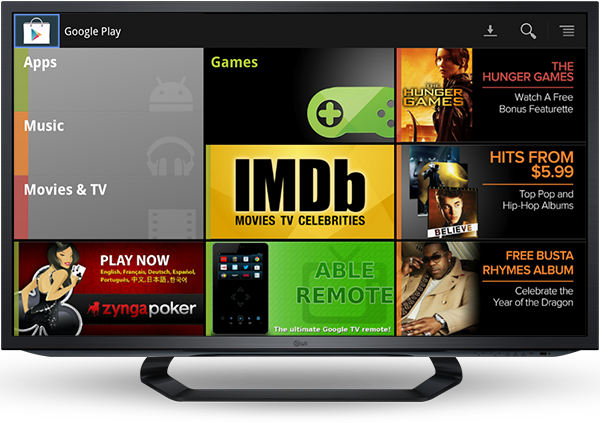
Google is not slowing down in bringing more content to new countries through Google Play. This time, Google TV users will get access to more content starting with a handful of new countries next week. Earlier this month, Google introduced an update to Google TV users that allows purchases and rentals of Google Play content including movies, music, and TV shows. Today, Google announced that it would roll out the Google Play music and movies to new countries starting Nov. 13. Google made the announcement on the Google TV Google+ page:
Starting November 13th, +Google Play music and movies will now be available on your #GoogleTV in the United Kingdom, Germany, France, Canada, and Australia.
Google released the latest beta release of Chrome today, with the Chrome 24 beta for Windows, Mac, and Linux. On top of claiming this is the fattest release yet, Google shared Octane JavaScript benchmark scores that show the browser has become 26 percent faster since last year’s release of Chrome 15.
With today’s Chrome Beta channel release, Chrome continues to get faster, as you can see in this chart which shows Octane scores. Octane is a JavaScript benchmark we designed to measure performance of real-world applications on the modern web. Stability sometimes takes higher priority, but we’re still manic about improving Chrome’s speed
Google also highlighted some of the other areas it’s improving in Chrome including enhancements to Google Cloud Print server-side and work to minimize wait times: Expand Expanding Close
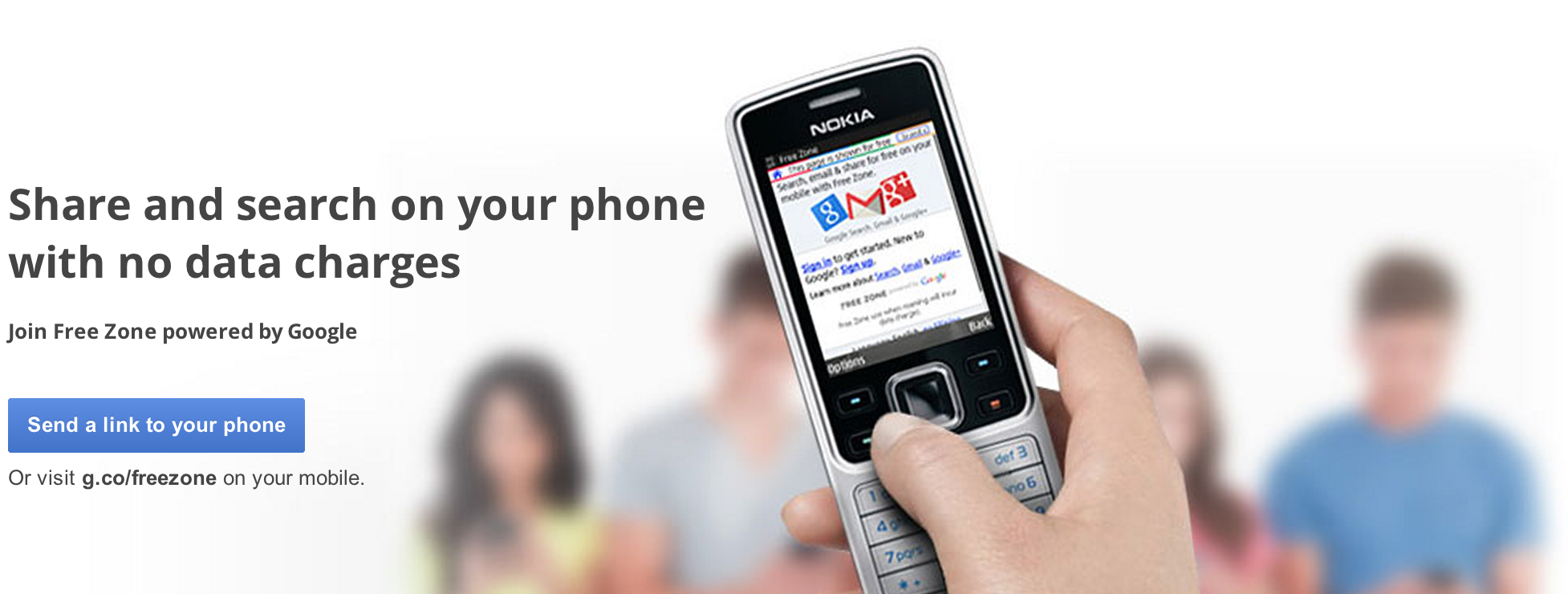
Reuters is profiling a new service that Google just launched this morning aimed at providing Internet access (and advertisements, of course) to millions across the developing world. Known as “Free Zone”, Google will initially launch the service with local carriers in the Philippines. Reuters explained the service would essentially provide free access to Google services, such as Gmail, search, and Google+, entirely for free. However, users attempting to pull in data outside those services will be prompted to buy data from the local carrier partner:
Users could access websites that show up in Google’s search results for free, but any website outside those results would prompt an invitation to subscribe to the mobile operator’s data plan… Google and Globe hope that by offering a free layer of services they will entice users of so-called feature phones to move beyond just making phone calls and sending SMS messages to sign up for Internet services.
Google Product Manager AbdelKarim Mardini had this to say about the program: Expand Expanding Close
Reuters reported today that Vringo released a statement to confirm a jury has upheld its patent claims against a handful of companies. One of those companies is Google, which was found to infringe two old Lycos patents. Vringo is receiving much less than the $696 million it sought—$30 million from all the companies combined. Of that, Google will pay $15.8 million:
Vringo inherited the lawsuit after it acquired Innovate/Protect (I/P), a company which specializes in monetizing intellectual property, in March.
I/P had filed a patent infringement lawsuit against AOL, Google, IAC, Gannett and Target Corp in 2011.
After finding that the patent claims were both valid and infringed by Google, the jury found that reasonable royalty damages should be based on a “running royalty”, and that the running royalty rate should be 3.5 percent, Vringo said.
Late last night, Google’s Sergey Brin took to his Google+ account to post his thoughts on the eve of the U.S. elections and offer a plea to the winner. Brin explained he is “dreading today’s elections,” while describing government as “a giant bonfire of partisanship”:
I must confess, I am dreading today’s elections…Not because of who might win or lose…Not because as a Californian, my vote for President will count 1/3 as much as an Alaskan (actually it won’t matter at all — I’m not in a swing state)…Not because my vote for Senate will count 1/50 as much as an Alaskan…But because no matter what the outcome, our government will still be a giant bonfire of partisanship
His request for the winner? Withdraw from any political party and govern independently: Expand Expanding Close
According to a report from Reuters, Google issued a statement that a Wisconsin federal court has decided to dismiss Apple’s “patent lawsuit with prejudice.” The report explained this particular case was brought on by Apple in part to determine what the courts considered fair and reasonable licensing terms for the patent portfolio Google acquired when purchasing Motorola.
Google said in a statement that it is still interested in making a deal with Apple “at a reasonable and non-discriminatory rate in line with industry standards”:
“We’re pleased that the court has dismissed Apple’s lawsuit with prejudice,” a Google spokeswoman said in an emailed statement on Monday…”Motorola has long offered licensing to our extensive patent portfolio at a reasonable and non-discriminatory rate in line with industry standards,” Google said in its statement. “We remain interested in reaching an agreement with Apple.”
Reuters explained the case being dismissed with prejudice means it is officially over at the trial court level. However, Apple can still appeal: Expand Expanding Close
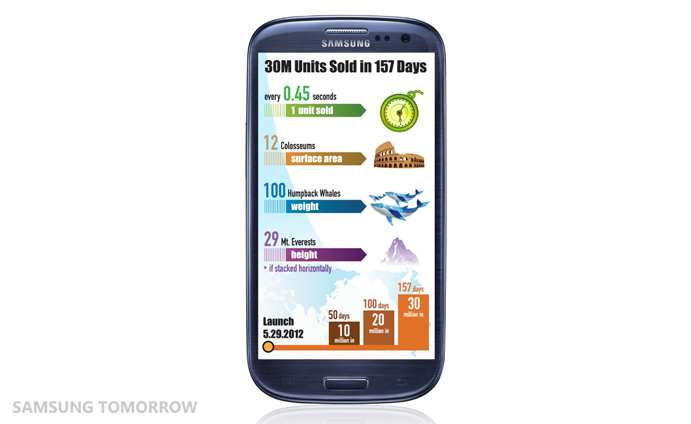
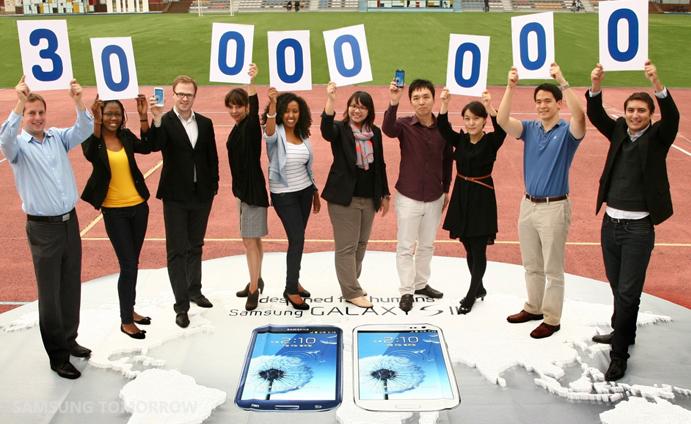
There were hints a couple of days ago, but Samsung officially confirmed on its website this morning that it surpassed 30 million global sales of the Galaxy S III since it first launched five months ago in May. Samsung noted that’s 20 million more devices than the 10 million Galaxy S II units sold in its first 150 days. Samsung also announced last week that it sold 3 million units of its new Galaxy Note II in just 37 days of being on sale.
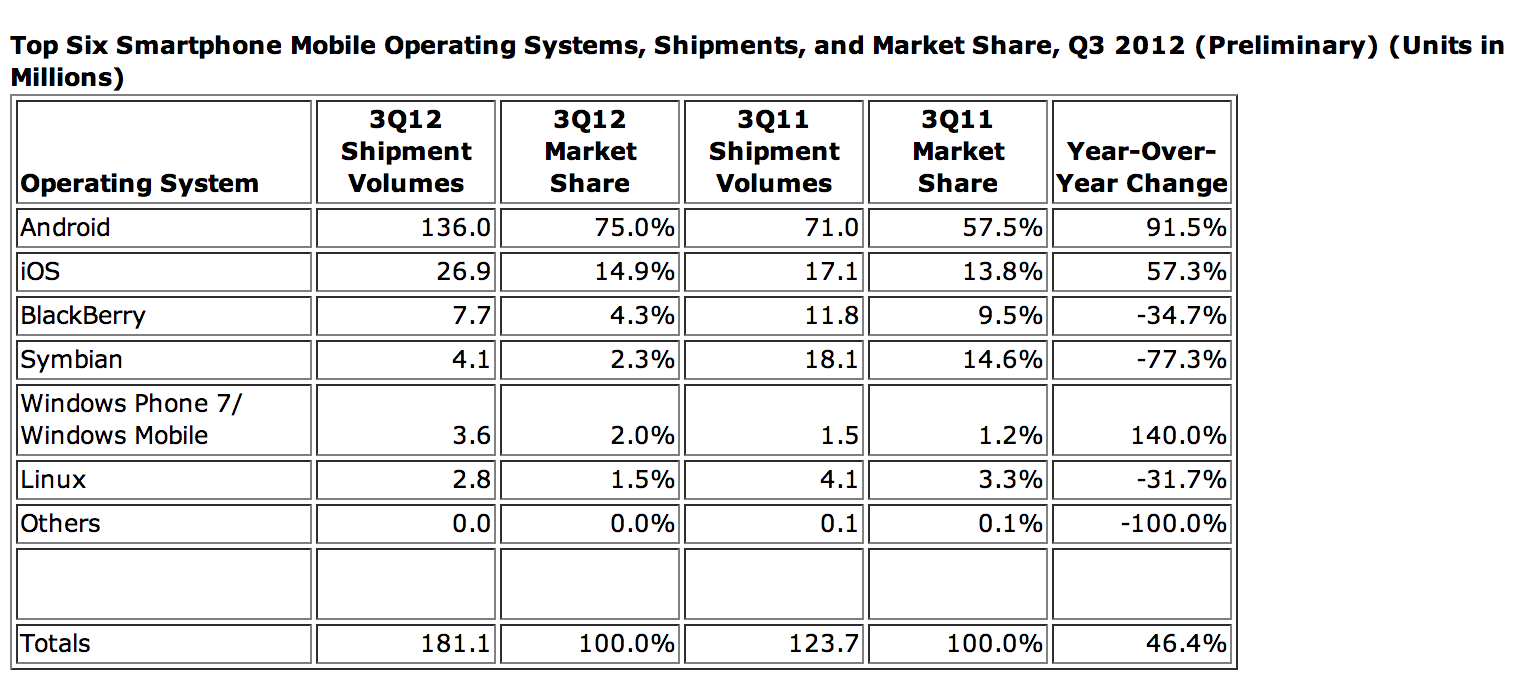
IDC is out with its latest report that covers the top six smartphone operating systems by shipments and market share during Q3 2012. In the study, IDC found Android on nearly 75 percent of all smartphones shipped during the quarter, giving Android 136 million units of the 181.1 million total smartphones shipped during Q3 2012. That accounts for 91.5-percent year-over-year growth, beating out 57.3- percent year-over-year growth for Apple, and an average market growth of 46.4-percent. Apple shipped 26.9 million iPhones, in comparison, giving the company 14.9-percent of the market in the third quarter. Samsung is once again the top Android vendor:
Android, having topped the 100 million unit mark last quarter, reached a new record level in a single quarter. By comparison, Android’s total volumes for the quarter were greater than the total number of smartphones shipped in 2007, the year that Android was officially announced. Samsung once again led all vendors in this space, but saw its market share decline as numerous smaller vendors increased their production.
iOS was a distant second place to Android, but was the only other mobile operating system to amass double-digit market share for the quarter. The late quarter launch of the iPhone 5 and lower prices on older models prevented total shipment volumes from slipping to 3Q11 levels. But without a splashy new OS-driven feature like Siri in 2011 and FaceTime in 2010, the iPhone 5 relied on its larger, but not wider, screen and LTE connectivity to drive growth.
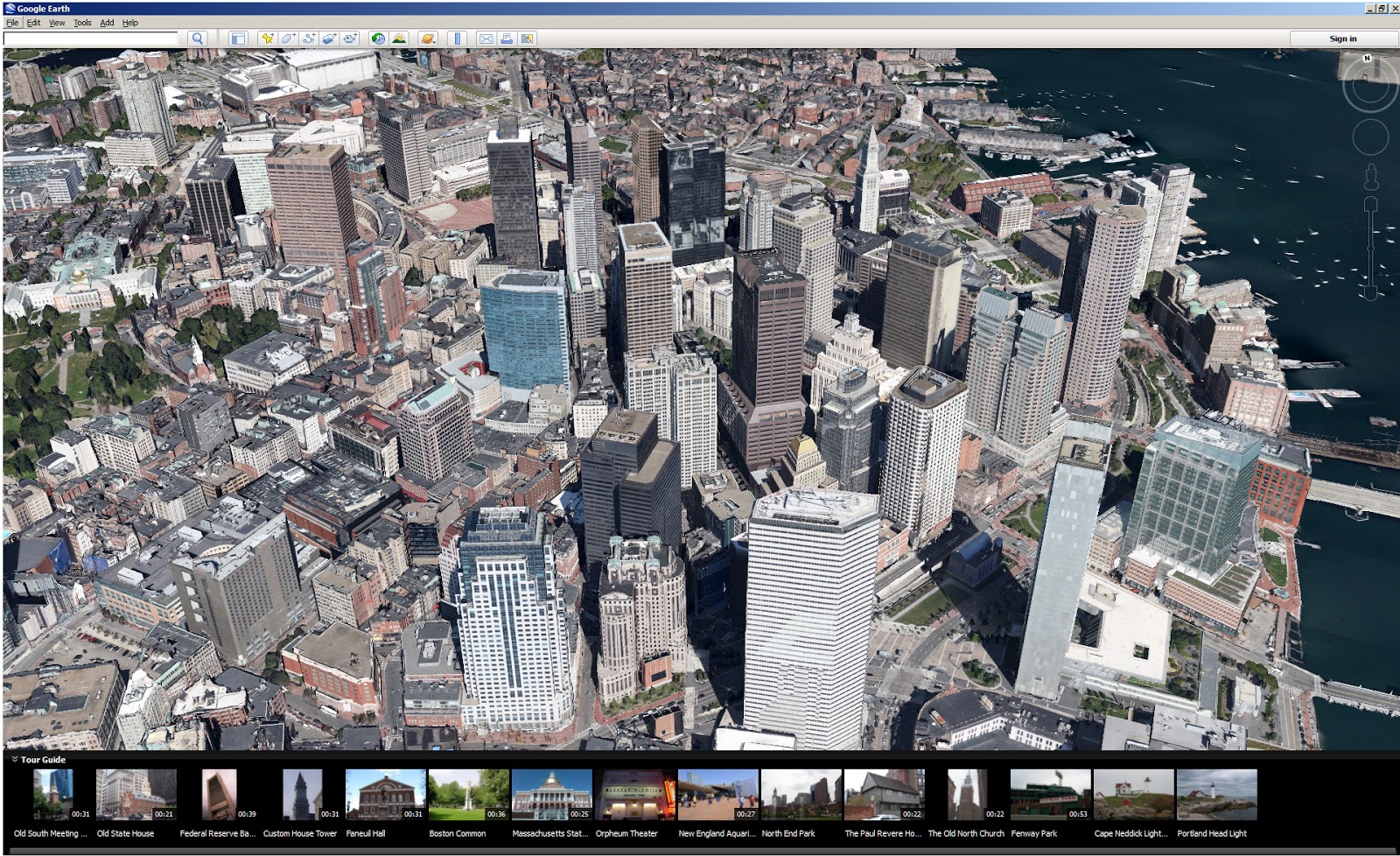
On the Lat-Long Blog today, Google announced it is making new features available in the latest version of Google Earth including the tour guide and 3D imagery it rolled out to the mobile apps in July. Google Earth 7 for the desktop now includes “comprehensive and accurate tours of more than 11,000 popular sites around the world, including our growing list of cities where new 3D imagery is available.” Google is also rolling out more accurate 3D imagery for new areas:
In addition, Google Earth 7 now includes the comprehensive, accurate 3D imagery we’ve already made available on Android and iOS for Boulder, Boston, Charlotte, Denver, Lawrence, Long Beach, Los Angeles, Portland, San Antonio, San Diego, Santa Cruz, Seattle, Tampa, Tucson, Rome and the San Francisco Bay Area (including the Peninsula and East Bay). And today, we’re adding more 3D imagery for a handful of metropolitan regions including Avignon, France; Austin, Texas; Munich, Germany; Phoenix, Arizona; and Mannheim, Germany.
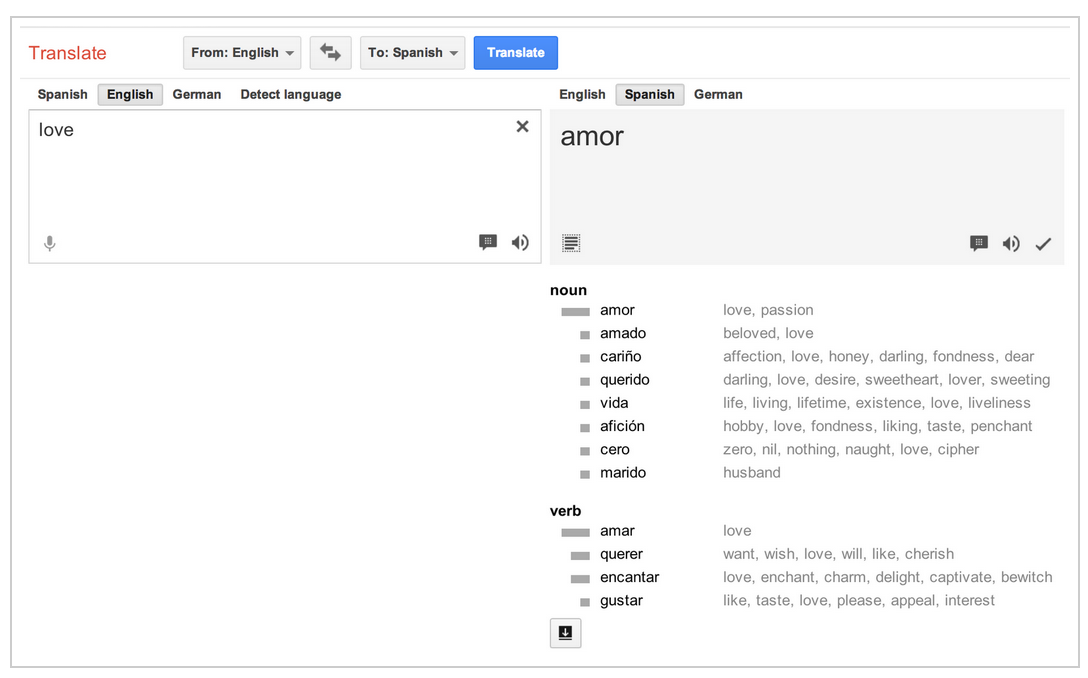
Google is updating its Google Translate service with a few new features today. Among the new features is grouped clusters of synonyms for easier viewing, and frequency indicators that mark translations as “common, uncommon, or rare”. Google also explained a new “reverse translations” feature:
Our users often tell us that they check our translations by translating them back into their original language. Reverse translations can distinguish translations of different meanings and reveal subtle differences among similar words. Each translation is now annotated with its most frequent reverse translations.
The new grouped synonyms will initially only be available when translating into English, but Google said more languages will be added soon. Google also described how the frequency indicators will work: Expand Expanding Close
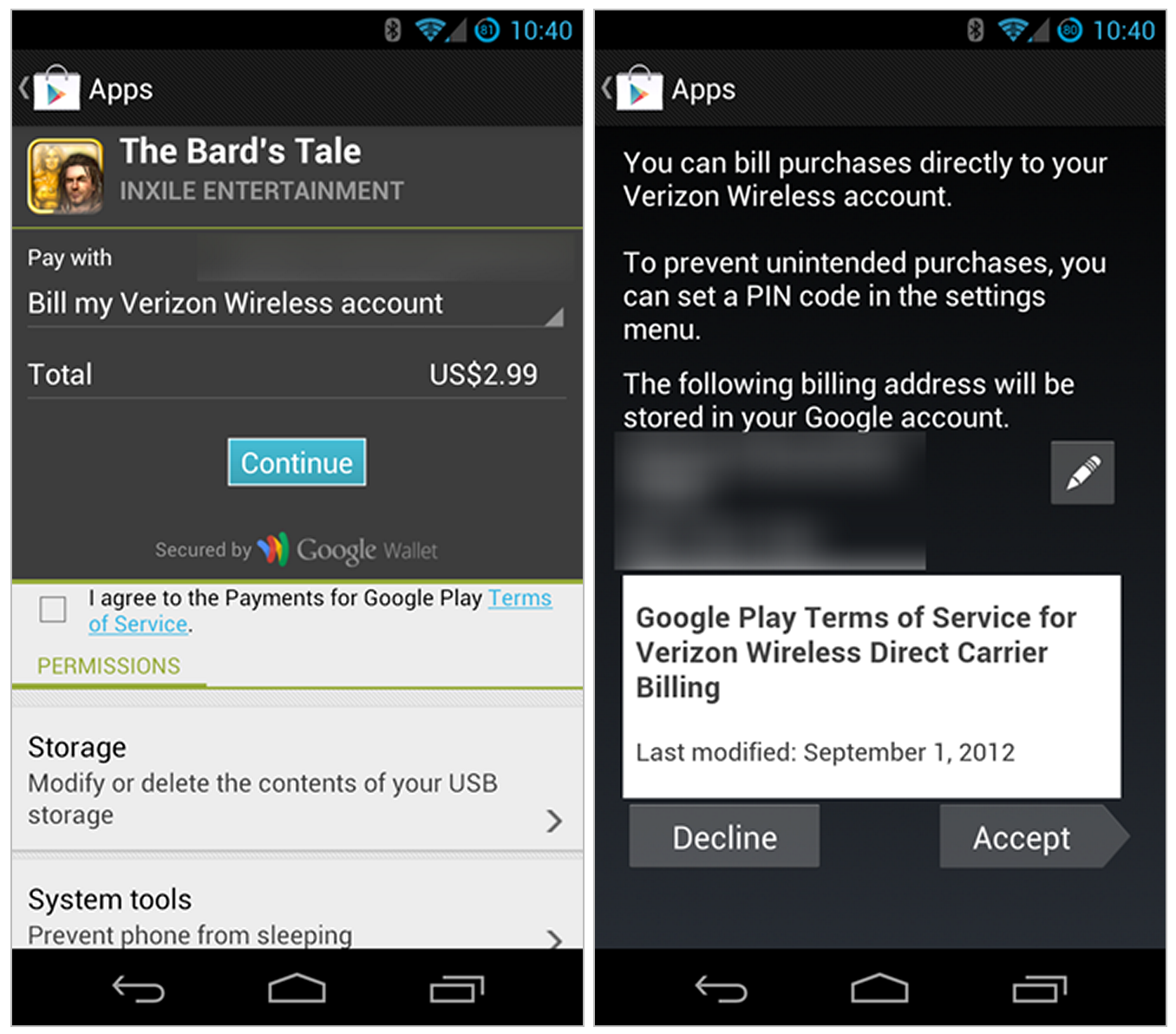
We knew that Google Play carrier billing would be available “in the coming weeks” for Verizon customers when Google confirmed on Twitter earlier this month. Today direct billing is officially rolling out to Verizon users with the new payment option now available form the Google Play store billing page pictured above (via AndroidPolice). Direct carrier billing is already available to most other Android users in the U.S. on AT&T, Sprint, and T-Mobile. No word yet on whether or not Verizon will employ the rumored $25 limit for direct billing. Expand Expanding Close
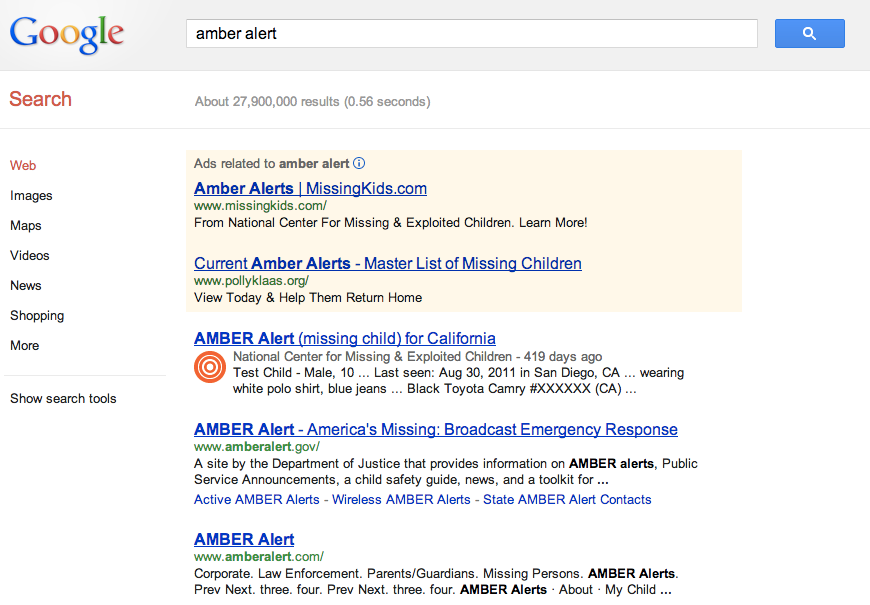
If you’re using Google Search or Maps on desktop and mobile you’ll see an AMBER Alert if you search for related information in a particular location where a child has recently been abducted and an alert was issued. You’ll also see an alert if you conduct a targeted search for the situation. By increasing the availability of these alerts through our services, we hope that more people will assist in the search for children featured in AMBER Alerts and that the rates of safe recovery will rise.
Google explained the alert could include information about an abducted child or additional details including “make and model of the vehicle he/she was abducted in or information about the alleged abductor.” It also said it is working with other organizations, such as Missing Children Europe and the Canadian Centre for Child Protection, to roll out alerts to other countries as well. Google has partnered with the National Center for Missing and Exploited Children in order to display the AMBER alert data: Expand Expanding Close
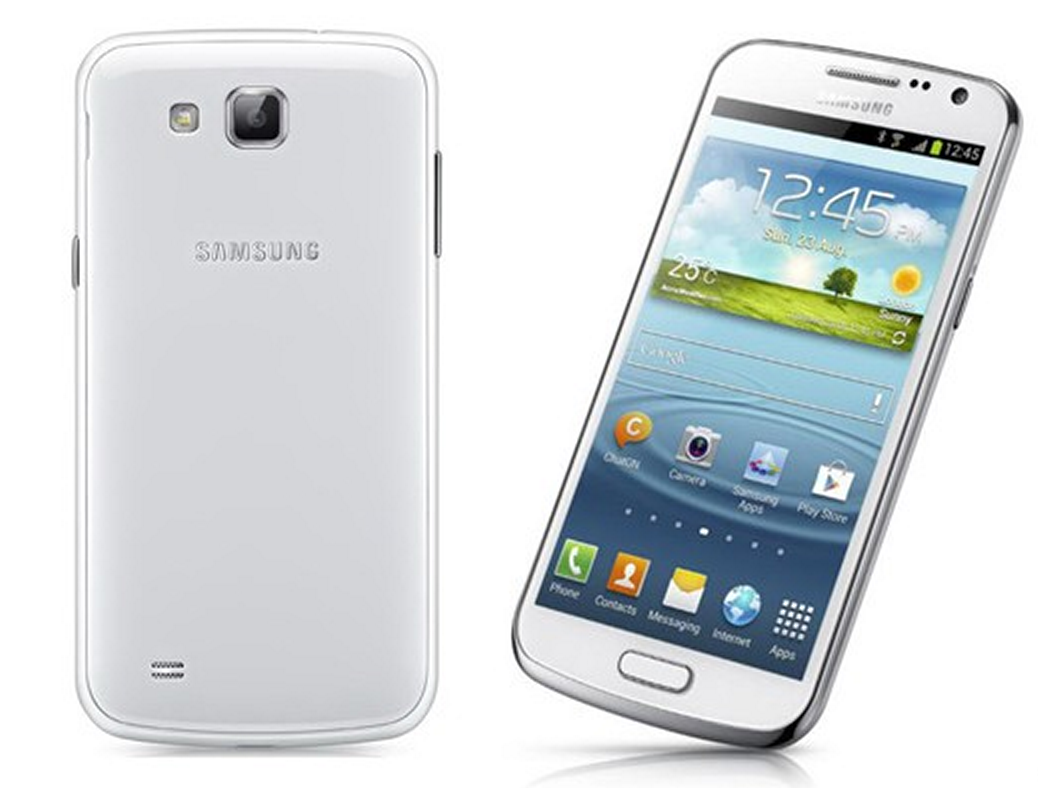
Today Samsung’s Ukrainian website posted official info for the Samsung Galaxy Premier (I9260), a 4.65-inch smartphone that packs in a 1.5GHz dual core processor, 1GB of RAM, Android 4.1, and a 720 x 1,280 Super AMOLED display (via Engadget). It also includes NFC, Bluetooth 4.0, a 2100 mAh battery, microSD, and a 8 megapixel rear and 1.9 megapixel front-facing camera. The Galaxy S III-looking device is set for a November release in Ukraine, but there is no word on a possible release elsewhere. Pricing for Ukraine works out to about $680. It also appears that it will be available in 8GB and 16GB variants. We’ll keep you posted if more markets are announced. Expand Expanding Close
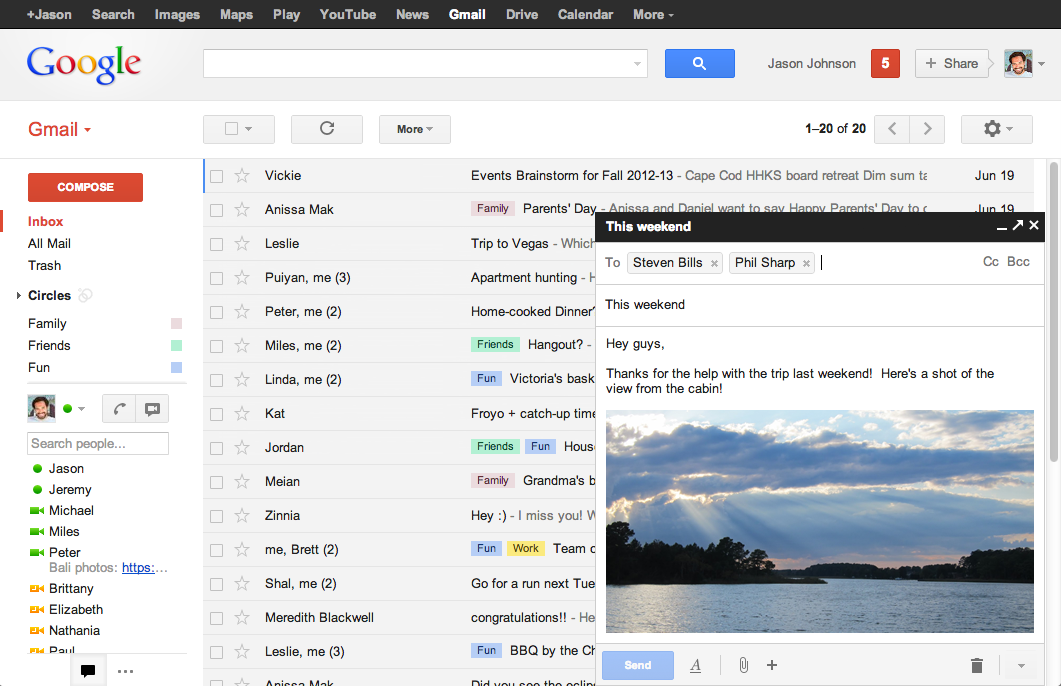
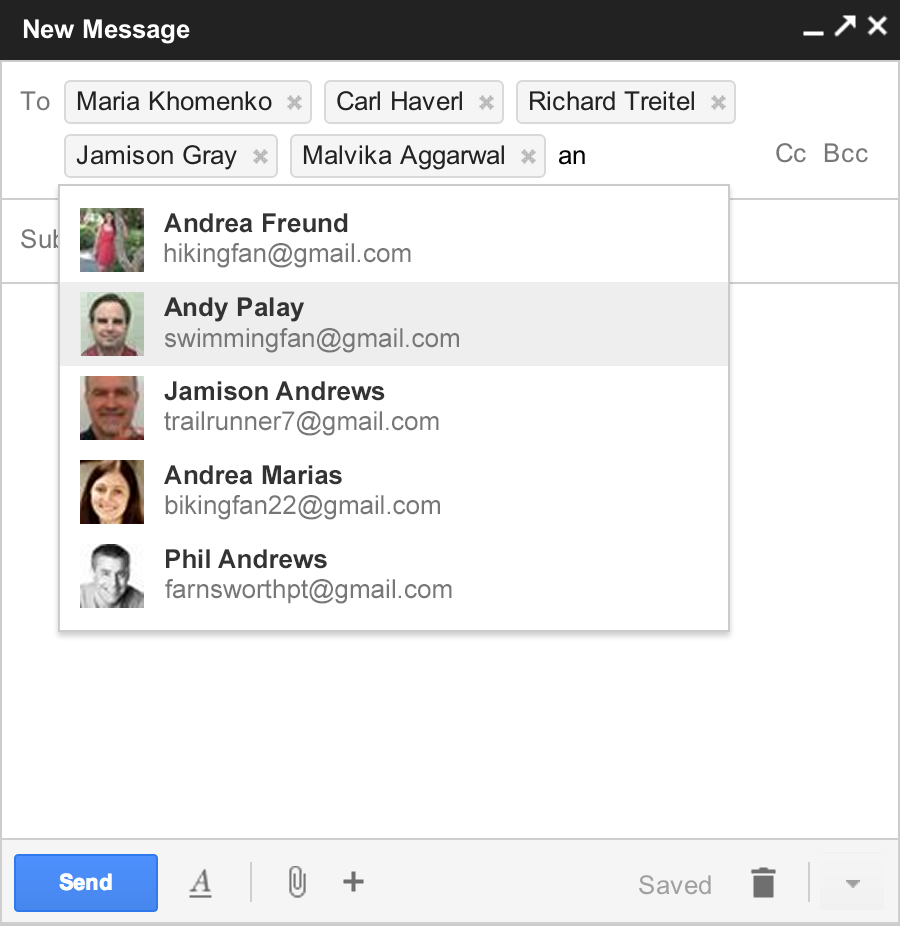
Today on the Official Gmail Blog, Google announced it is rolling out an all new compose and reply window that pops up in a small window similar to chats. As Google explained in its blog post, the new window will make it easier to view your inbox while composing drafts as well as providing the ability to compose multiple messages at once. New features that come with the redesigned compose window include “the ability to easily insert inline images” and profile pictures next to contacts in autocomplete. However, there are a few old, familiar features missing.
This makes it easy to reference any other emails without ever having to close your draft. You can even do a search or keep an eye on new mail as it comes in. And because the compose window works the same way as chats, you can write multiple messages at once and minimize a message to finish it later… You can also drag and drop the new address chips between to:, cc: and bcc:. When you’re done adding recipients, the address area collapses automatically to get out of your way.
Google also explained that the redesigned compose experience also applies when replying to messages:
The reply experience has been designed to fit better inline as part of your conversation — replies take up much less vertical height, intelligently expand to fit your content, and always keep the recipients and other controls in view no matter how long your message gets.
A preview of these new features started rolling out today, and Google said they will roll out to all users in the coming months. Instructions courtesy of Google for enabling/disabling the preview below: Expand Expanding Close
As we covered earlier today, Google is getting ready to introduce a brand new lineup of Nexus branded devices for the holidays and to accompany the launch is Android 4.2. We already got a good look at some of the features in this latest version of Jelly Bean in a promo video and walkthrough with Google engineers, but Google has a full run down of what’s new in 4.2 on its Android website here. It also posted the video above showing off the new Photo Sphere camera experience.
One of the biggest new features that Google is talking about is the new Photo Sphere camera mode. It allows users to snap pictures in every direction “that come together into incredible, immersive photo spheres that put you right inside the scene.” You can check out photo spheres from a few photographers here.
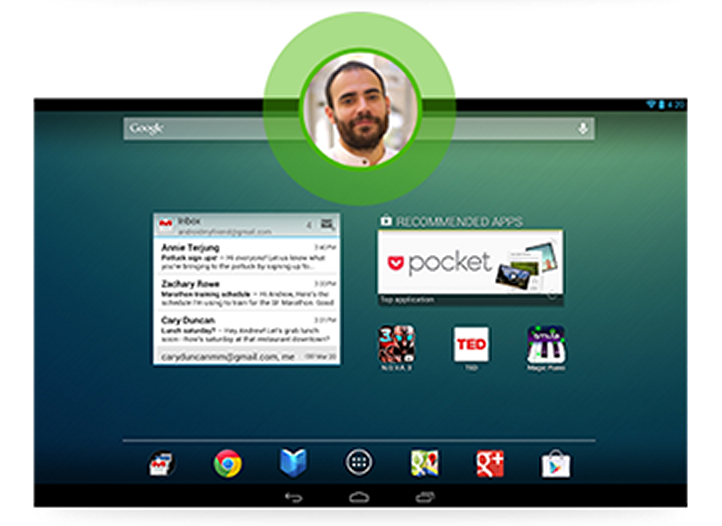
Some of the other features included in 4.2: enhancements to the lockscreen with widgets and camera access, Miracast wireless display support, multi-user support on tablets, and improvements to Google Now and accessibility. Google explained the multi-user support available to tablet users:
It’s your fully customized tablet. And theirs, too. With support for multiple users, you can give each person their own space. Everyone can have their own homescreen, background, widgets, apps and games – even individual high scores and levels! And since Android is built with multitasking at its core, it’s a snap to switch between users – no need to log in and out. Available only on tablets.
Android 4.2 also includes a smarter keyboard with Gesture Typing: Expand Expanding Close
Google’s cancelled event does not mean we will not get to hear all of the announcements it had planned for today. We don’t have our hands on the press release just yet, but the new Samsung-built Nexus 10 just popped up in a promo Google posted to its Nexus YouTube account. Google also now posted a product page for the Nexus 10 (as well as the new Nexus 4) to Google Play, with the ability to be notified of availability.
Google will officially begin selling the tablet on the Google Play store starting at $399 for the 16GB version ($499 for 32GB) on Nov. 13 in the following countries: U.S., U.K., Australia, France, Germany, Spain, and Canada.
All of Google’s planned announcements for its cancelled Nexus event are starting to leak out, and now the company itself has posted the above promo featuring the new LG Nexus 4 and Nexus 10. Stay tuned to 9to5Google.com for more coverage as Google’s new product announcements continue to leak.





 messages at once and minimize a message to finish it later… You can also drag and drop the new address chips between to:, cc: and bcc:. When you’re done adding recipients, the address area collapses automatically to get out of your way.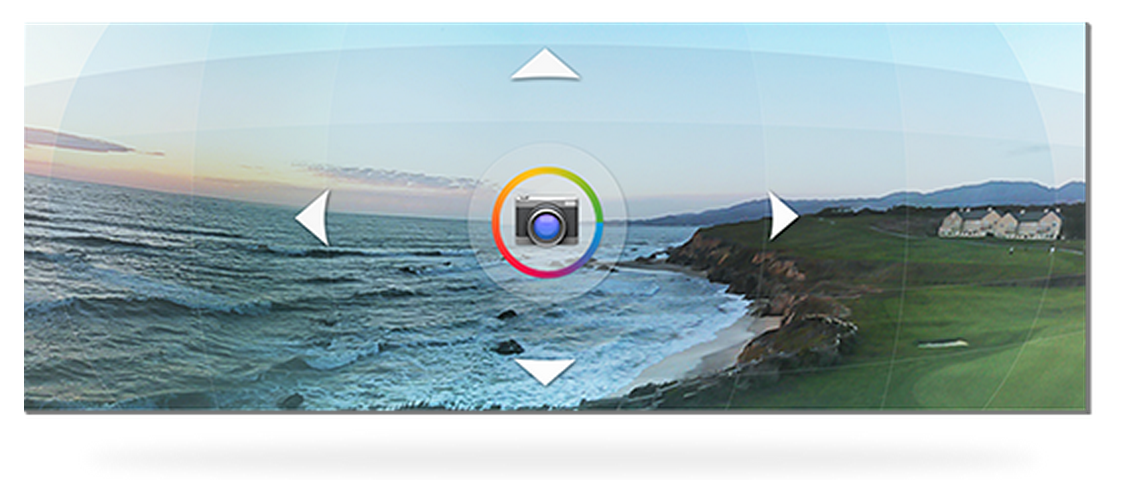
 Some of the other features included in 4.2: enhancements to the lockscreen with widgets and camera access, Miracast wireless display support, multi-user support on tablets, and improvements to Google Now and accessibility. Google explained the multi-user support available to tablet users: