Qualcomm



A couple of days back, rumors emerged claiming that Samsung was working hard to deal with heating problems found while testing the Snapdragon 820 processor in its upcoming Galaxy S7. Although it’s similar to the rumors surrounding the SD810 last year, it was still surprising. Qualcomm stated earlier in the year that its next processor has enhanced performance and efficiency. A stance which the manufacturer was keen to repeat on Weibo having seen those Samsung rumors:
Some recent media reports about Xiaolong 820 rumors performance is not real news.Xiaolong 820 processor all IP modules are to achieve improvement and enhancement, and the use of second-generation 14-nanometer manufacturing process. Xiaolong 820 reached all our design specifications. More importantly, the Xiaolong 820 OEM manufacturers to meet the requirements of its terminal cooling and performance specifications
Qualcomm is no stranger to controversy surrounding the performance of its mobile processors. Last year, the Snapdragon 810 was dropped from the Galaxy S6 before launch, allegedly due to overheating problems. (Qualcomm denied those reports too.) Even devices that shipped with the chip had to under-clock them to deal with the problem, forcing Qualcomm to ship a revised edition. This was a major factor in Qualcomm’s disastrous year. A lack of confidence in new Snapdragon processors, and the rise of competitive lower-priced chips forced the company to make drastic cuts.
The Snapdragon 820, like its predecessor, is facing controversy even before it’s launched, and that’s not good news for Qualcomm. Even if the rumors aren’t true, it won’t do much to inspire confidence in the brand and could lead to a rise in orders from companies like MediaTek and Intel.

A new report from Business Korea has a striking air of familiarity about it. According to the site’s sources, Samsung is working hard to ‘stabilize’ Qualcomm’s next generation Snapdragon 820 processor. Samsung is purportedly modifying the processor’s control program to deal with its ‘heat problems’. If that doesn’t work, it will build a radiating pipe in to its next flagship phones to stop the processor from overheating…



As usual, iFixit has cracked into the latest Nexus device, Google’s Nexus 5X manufactured by LG, to give us our first look at the insides of the device and some insight into just how repairable it will be for owners.
Google’s Android team already filled us in on why it left out Qi Charging on the new Nexus devices (the reversible USB Type-C included is simply more efficient, it said), but we didn’t get an answer on why it didn’t take advantage of Qualcomm’s Quick Charge technology. It turns out the device actually includes a chip that supports the feature, the Qualcomm SMB1358, Quick Charge 2.0 IC, as confirmed in the teardown earlier today. And Qualcomm supports the Nexus 5X’s new USB-Type C connector, so it’s still a possibility the feature could be enabled for the device in the future.
But apart from getting a look inside of the device for the first time, the teardown doesn’t reveal many details we didn’t already know. It does, however, show that Nexus 5X is easily repairable compared to much of its competition with a score of 7 out of 10 meaning most components of the device will be easy to swap in and out or fix. The one downside iFixit noticed included a fused display assembly, which it noted means the “glass and LCD will need to be replaced together if one or the other breaks.”
The positives include the fact that several components “are modular and can be replaced independently,” according to iFixit, and that a standard Phillips screw driver, and not proprietary tools and parts like other devices, is all that’s necessary to open the device.
You can check out iFixit’s full tear down here.
Following evidence suggesting that Samsung has tested at least two revisions of the Snapdragon 820 processor in its next flagship, the Galaxy S7, a new report claims that the upcoming smartphone will indeed ship with Qualcomm’s next high-end chip. Korean publication, ETNews claims that Samsung will be targeting its biggest markets (America and China) with the SD820-equipped smartphone…
Samsung caused a lot of chatter in the tech scene when it decided to eschew Qualcomm’s Snapdragon chips in favor of its own Exynos processors this year. All four of Samsung’s high end devices feature its own processor in every market worldwide. But that could change next year. According to a few leaks posted to Chinese social network, weibo, Qualcomm has sent a few different versions of its Snapdragon 820 processor to Samsung for testing in its Galaxy S7.


Qualcomm had already promised its top-of-the-range Snapdragon 820 chip – expected to be used in next year’s flagship Android smartphones and cellular tablets – will boost battery-life and offer great improvements to photos. Now the company says we can also expect much faster LTE-Advanced connections, and smarter, faster charging.
The Snapdragon 820 will increase maximum LTE download speeds by a third, from 450Mbps to 600Mbps. Maximum upload speeds will double to 150Mbps – currently viewed as an impressive download speed. And speeds could be even higher thanks to support for the as yet unofficial LTE-U standard …
Expand
Expanding
Close


The 5.5-inch Ascend Mate S flagship smartphone isn’t the only new smartphone coming out of Huawei at IFA today. The Chinese handset maker also unveiled its new premium Huawei G8 smartphone launching in several non-US markets next month. The Huawei G8 sports a full-metal body and comes in dark silver, gold, and white tones with a 1080p 5.5-inch curved Gorilla Glass display.
Expand
Expanding
Close
In a press release this morning, Qualcomm announced a brand new technology to help keep us protected from potential malware threats on our smartphones. Smart Protect will be built into chips in the near future and provide “real-time, on-device machine learning designed to support accurate and effective detection of zero-day malware threats for improved personal privacy and device security”. Qualcomm’s Snapdragon 820 chip will be the first to feature the new technology when it hits the market in 2016.
Qualcomm’s new Snapdragon 820 chip, which has been rumored to be powering the Huawei-made 5.7-inch Nexus due to ship later this year, will come with a new Adreno 530 GPU, says the chipmaker. The new GPU will offer improved battery-life when watching movies or playing graphics-intensive games, and will also offer significantly improved image-processing when taking photos, said Tim Leland, head of Qualcomm’s visual processing group.
Our Adreno 5xx-class GPU, brings an entirely new level of imaging to smartphones, and is designed to allow Snapdragon-powered devices to capture ultra-clear, vivid photos and videos regardless of motion and lighting conditions and display them with the color accuracy that nature intended …
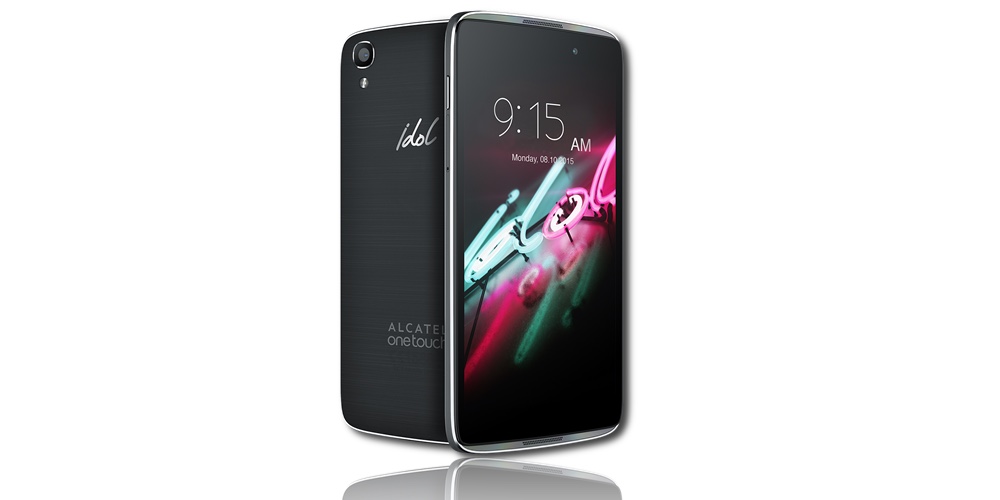
Months after its initial announcement at MWC in Barcelona, Alcatel OneTouch is finally making the smaller, 4.7-inch Idol 3 available to buy in the US and Canada. You will be able to order the device for $179 from the company’s online store or Alcatel’s official Amazon store from Friday, August 14. In terms of design, the 4.7-inch model looks virtually identical to its bigger brother. But it does come with different specifications.
Instead of housing a full HD display panel, the smaller phone comes with a 1280×720 resolution screen. Thanks to its size, that still pushes it over the 300ppi mark. It has a 13MP rear camera, 5MP front camera and has a 2,000mAh battery to keep it going all day. What’s more, it’s powered by a Quad-core 1.2GHz processor paired with 1.5GB RAM and with 16GB of internal storage. Like the bigger model, you can expand the memory using a MicroSD card, but only up to an extra 32GB. Surprisingly, for a phone this small, it still manages to pack in a pair of stereo front facing speakers powered by JBL audio, just like the 5.5-inch model.
On the software side, it runs Android 5.0.2, what’s more, a security update to patch the Stagefright bug will be available to download OTA as soon as you power the device on.
Overall, it’s a promising device but it will be interesting to see how well it compares to Motorola’s latest Moto G. At the same price point, and similar-ish specs, these two devices are clear competitors.
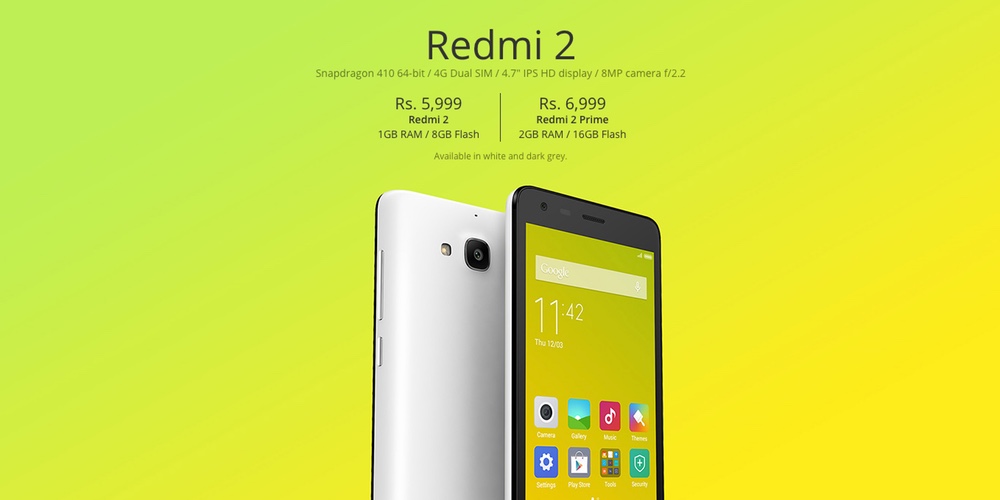
Smartphone manufacturers are climbing over each other to take full advantage of the rapidly expanding market opportunities in India. Chief among them is Chinese smartphone manufacturer, Xiaomi, which has just announced its first smartphone assembled in India, for the Indian market only. The Redmi 2 Prime still predominantly uses parts from China, but is assembled in Sri City.
As for the device itself, the Redmi 2 Prime offers a considerable memory and storage upgrade on the regular Redmi 2 without costing a whole lot more. For just under 7,000 Rupees ($110 USD) you get a device packing 2GB RAM and 16GB storage, that’s double the memory and capacity of the Redmi 2 which costs just under 6,000 Rupees ($94 USD). Both devices make use of Qualcomm’s 64-bit Snapdragon 410 processor and host 4.7-inch IPS HD (1280×720) displays and an 8MP camera on the back. What’s more, they’re dual SIM and can cope with LTE speeds up to 150Mbps.
Xiaomi plans to bring more of its manufacturing process to India, eventually producing more of its components and packaging within Indian borders. Hugo Barra, Xiaomi’s chief stated “this is like the typical chicken and egg story. Unless there is any smartphone manufacturing happening in the country, you cannot expect to get components locally.” So this is very much just the first step in its journey to cracking the Indian market.
Indian consumers can purchase the new Redmi 2 Prime direct from mi.com from today.


Today in a Reddit AMA (“ask me anything”) held by four employees of OnePlus, the Chinese smartphone upstart fielded questions on everything from when VoLTE (voice-over-LTE) will be enabled in the OnePlus 2 to what exactly happened in its fallout with Android-focused blog Android Police. But the most interesting questions the four employees answered were in regards to why the new phone doesn’t include hardware features standard in other recently launched smartphones like NFC for touch-based payments or wireless charging.
Expand
Expanding
Close

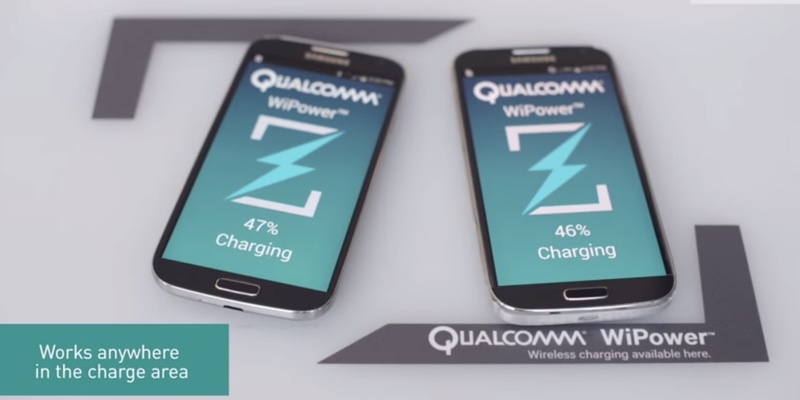
Qualcomm announced today that it has become the first company to launch wireless charging that works on devices with metal casing. WiPower is not only material-agnostic, in that it can technically charge all kinds of devices, but it can do so at a distance and charge multiple devices simultaneously. If it works as Qualcomm says it does, this could be one of the most versatile and easy-to-use wireless charging solutions announced so far.
Expand
Expanding
Close


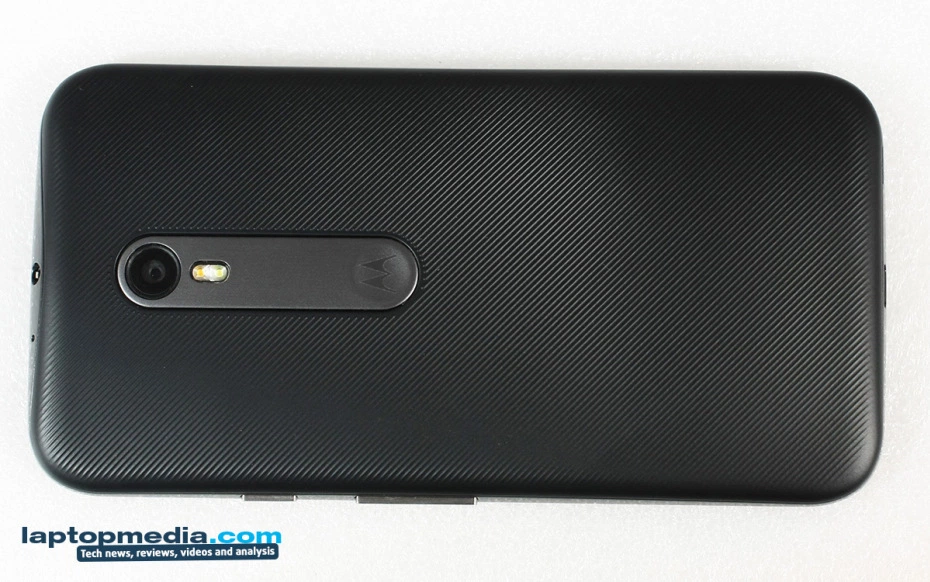
It looks like there aren’t going to be any surprises at all come next week. Earlier today, we told you that some of the best images of the Moto G we’ve seen yet leaked thanks to LaptopMedia, and now the same publication has studied their device and put together an entire spec sheet…
Expand
Expanding
Close

There’s no getting away from OnePlus‘ effect on the market. From the very beginning it planned to be disruptive and offer consumers what they really wanted: A flagship phone at a low price. Despite controversies and frustrations over its marketing and invite-based purchases, OnePlus has gone on to sell over 1.3 million units of its first smartphone. That may not seem like much in a market where companies sell millions of phones. But this is just one phone, made by one small company that most consumers still haven’t heard of.

Qualcomm, the company behind the all-conquering Snapdragon processors, said today that it will cut $1.4 billion in costs and restructure its board after being pressured by an activist investor to make changes. The move could see the chip-maker cut thousands of jobs as it seeks to streamline its operations. Qualcomm’s revenue is significantly lower than it was 12 months ago, and its chip business isn’t the powerhouse it used to be.
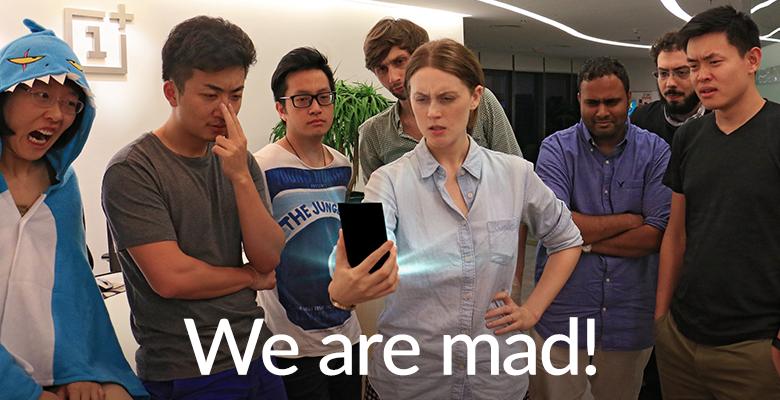
The onslaught of OnePlus posts teasing out each individual facts about its upcoming phone, the OnePlus 2, continues. Today the company is responding to more concerns about overheating, as well as about the price of the OnePlus 2.

In a post to its community forums, OnePlus today unveiled which CPU its much-anticipated OnePlus 2 will use – Qualcomm’s Snapdragon 810. The company said that the Snapdragon 810’s unmatched speed and ability to multitask while maintaining battery performance had them coming back to it over and over again during their search for the right processor. But don’t worry, the company says it will be version 2.1 of the chipset, a version that they collaborated on with Qualcomm engineers to integrate and fine-tune for the OnePlus 2’s hardware and software, and that (apparently) won’t overheat.
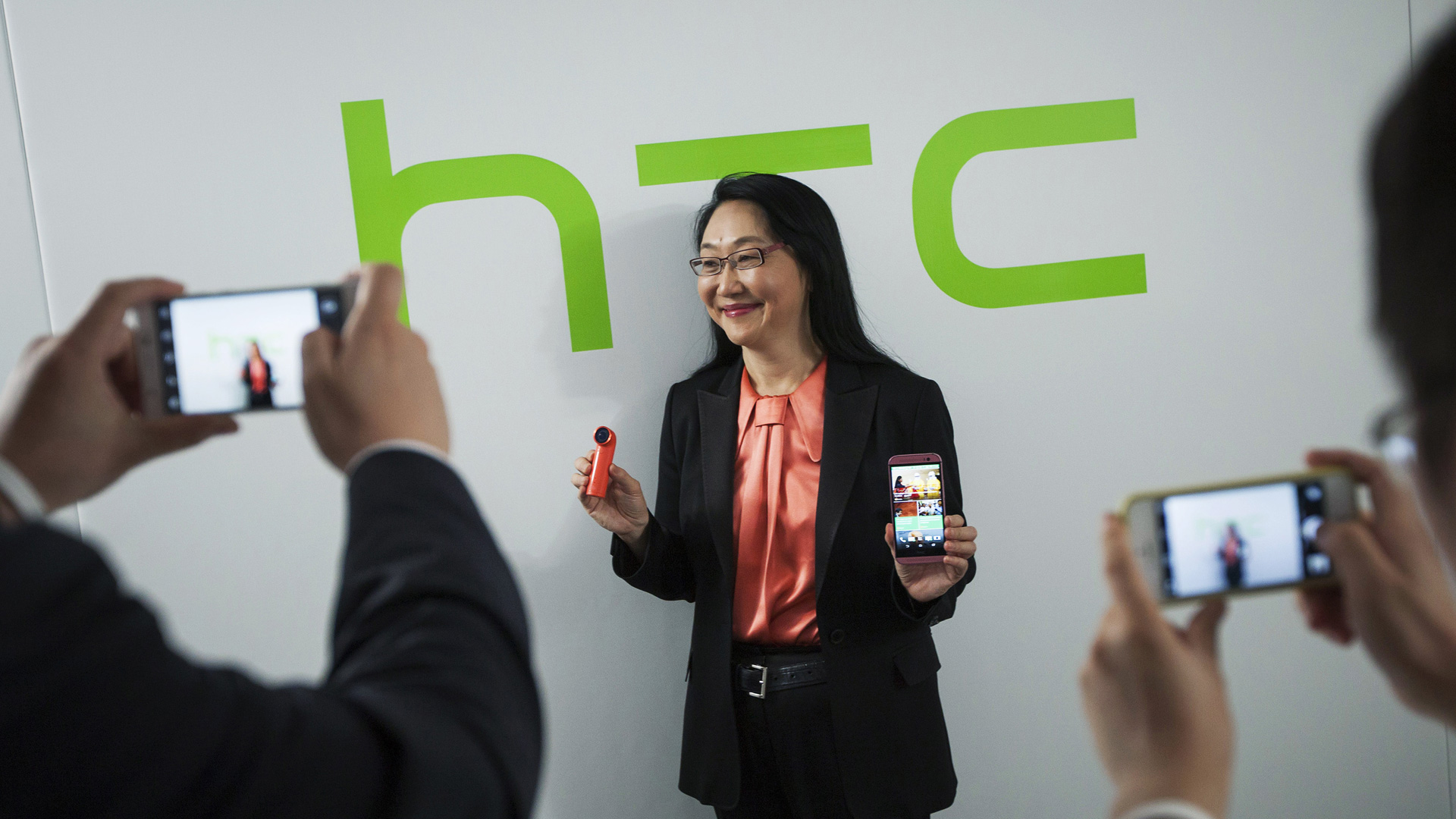
HTC hasn’t been having the best run lately and that continues today. After promising this past Wednesday at an investor meeting to reinvigorate its line through a new product in October and “improved design and innovation,” the Taiwanese smartphone manufacturer has posted bleak earnings results for the month of May with revenue of NT$10.79 billion (US$347 million), down 50% over the same month last year and down 11% from April’s revenue of NT$13.5 billion (US$440 million). Revenue for April was down itself 33% from the month prior and 38% from April 2014.

Google’s Tango tablet
Earlier this week, Google made its Project Tango tablet available to everyone via the Google Store for $512. While many expected this price drop and public availability to lead to a successor at Google I/O, the company kept quiet and didn’t address its Tango initiative. Nevertheless, Qualcomm this evening has taken the wraps off of its own Tango smartphone platform powered by the Snapdragon 810.
Following speculation since March of weaker-than-hoped-for sales by HTC of its flagship One M9 smartphone, rumors are spreading that the Taiwanese company has just cut component orders for the phone by ~30%.
Expand
Expanding
Close
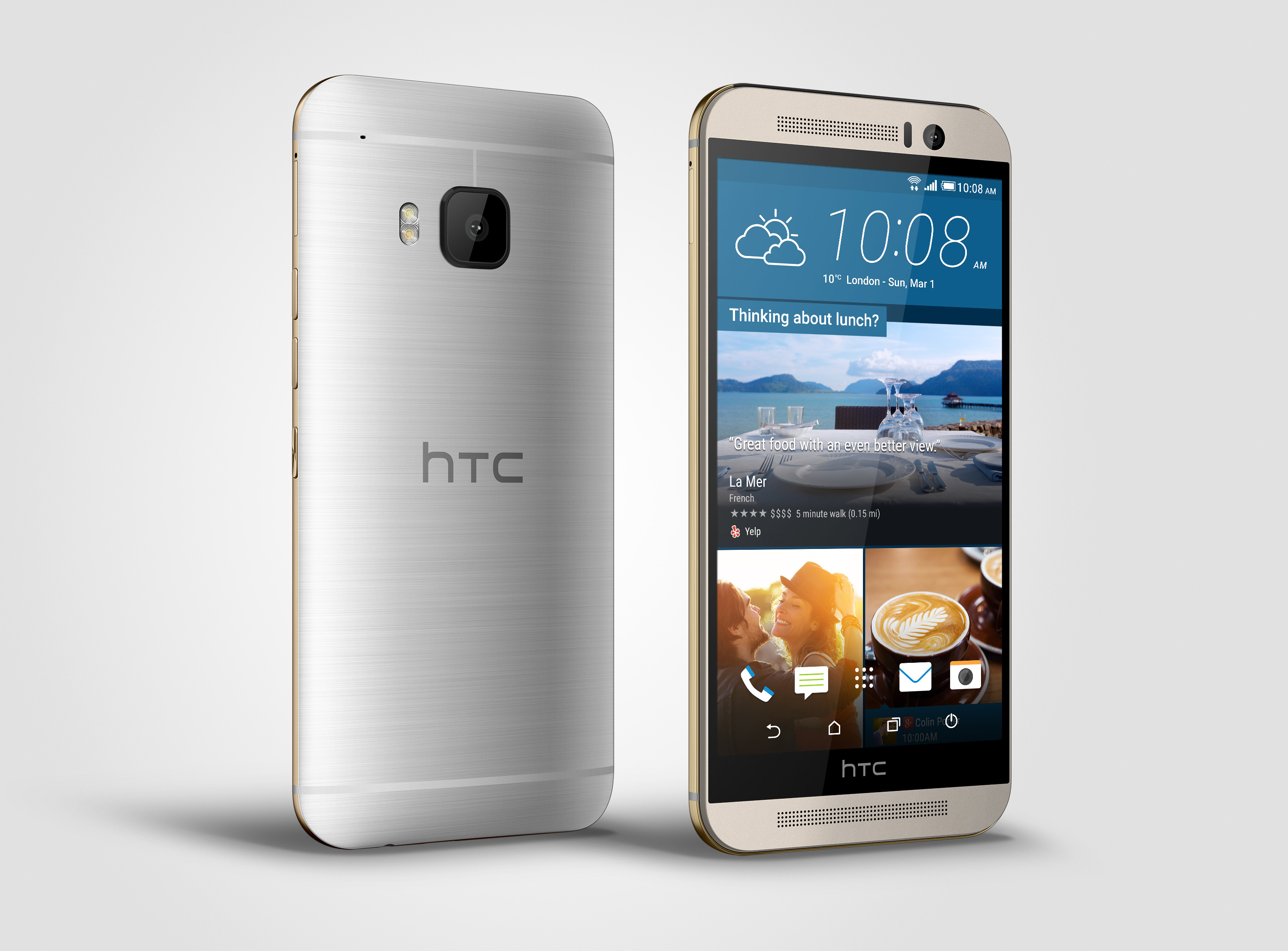
HTC has just released its lowest revenue figures for the month of April in 6 years, attributable to lackluster sales of the new flagship HTC One M9, according to an analyst from Yuanta Securities Investment Consulting Co.
The company’s consolidated revenue was NT$13.5 billion (US$440 million) in April, down 38 percent year-over-year from NT$22.07 a year earlier. This figure is also down 33 percent from promising revenue of NT$20.02 billion posted only the month prior, in March. This is HTC’s lowest monthly revenue for April since 2009’s result of NT$11.4 billion.


The Snapdragon 810-equpiped HTC One M9 lights up like a Christmas tree during a benchmark
You may recall reports earlier this year about the HTC One M9 overheating during benchmark tests, with many claiming the issue was due to a flaw in Qualcomm’s Snapdragon 810 processor. Tim McDonough, the chipmaker’s VP of marketing has finally spoken out about the problem, claiming that the rumors are untrue and there is, in fact, no problem with the chip overheating…

The LG G4 was (purportedly) seen in some leaked renders earlier this month, but today the upcoming handset from LG seems to have made its way through benchmarking software for the first time. As usual, GFXBench seems to be the culprit in this leak, revealing many of the upcoming device’s specs—and interestingly, the phone might be going with the Snapdragon 808 system-on-a-chip.