Samsung

See All Stories

Samsung is a technology conglomerate based out of South Korea that makes some of the world's most popular smartphones.
Samsung R&D logo

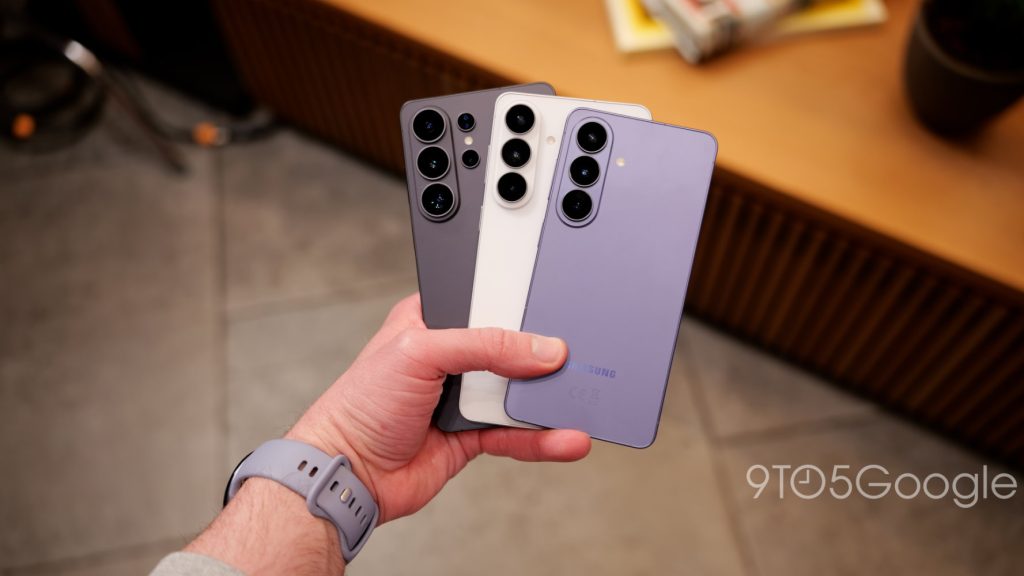
Samsung is a technology conglomerate based out of South Korea that is responsible for some of the most popular smartphones in the world, including the Galaxy S and Galaxy A series devices. Beyond smartphones, Samsung also manufactures and sells laptops, wearables, home appliances, and more.

The company was founded in 1938 as a trading company dealing with local produce, fish, noodles, and more. It wasn’t until the 1960s that Samsung entered the electronics business with its first product, a black and white television. In the 1990s, the company expanded its electronics efforts by producing displays and chips for processing and storage, core components of the business today. In the 2000s, the company established itself as a big player in cell phones, which later evolved into the Samsung Galaxy smartphone lineup.

Off the back of successful feature phones, Samsung quickly became a dominant player in the smartphone industry. The original Galaxy device was launched in 2009, which ran Android 1.5 “Cupcake” out of the box. Just a year later, the “Galaxy S” brand made its debut, selling 24 million units of its original model and 40 million of its sequel. The Galaxy S III was its first massive hit, though, selling 70 million devices starting in 2012. The success of that mainstream flagship propelled Samsung to be a major player in the premium smartphone market.

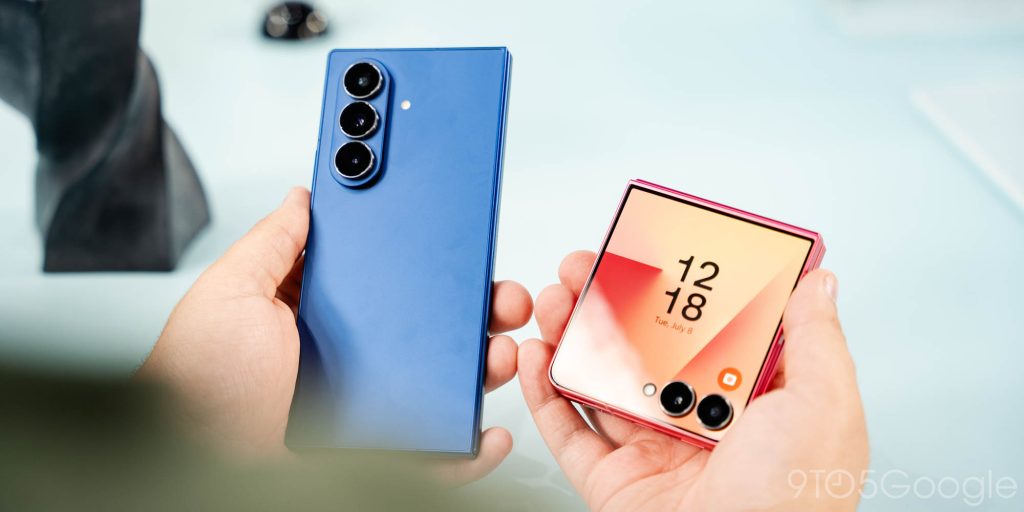
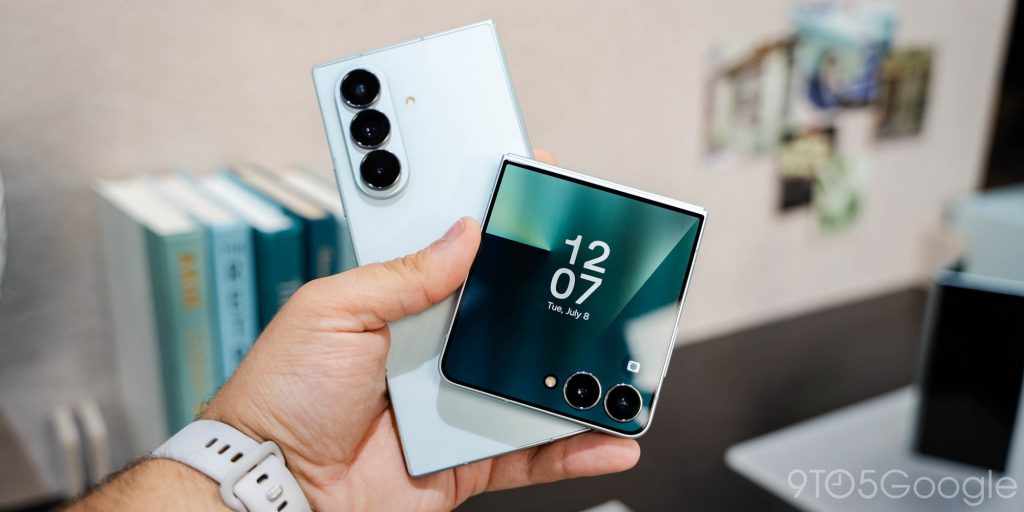
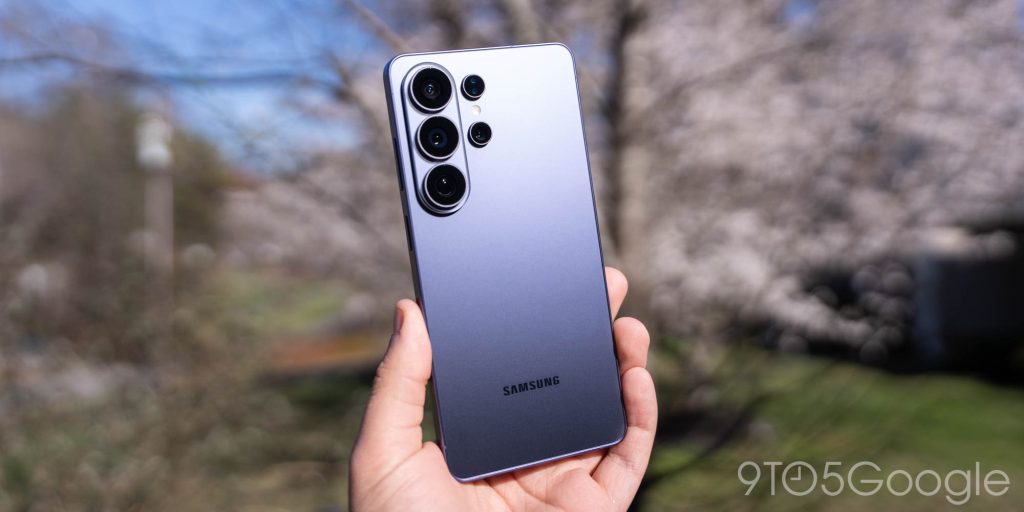
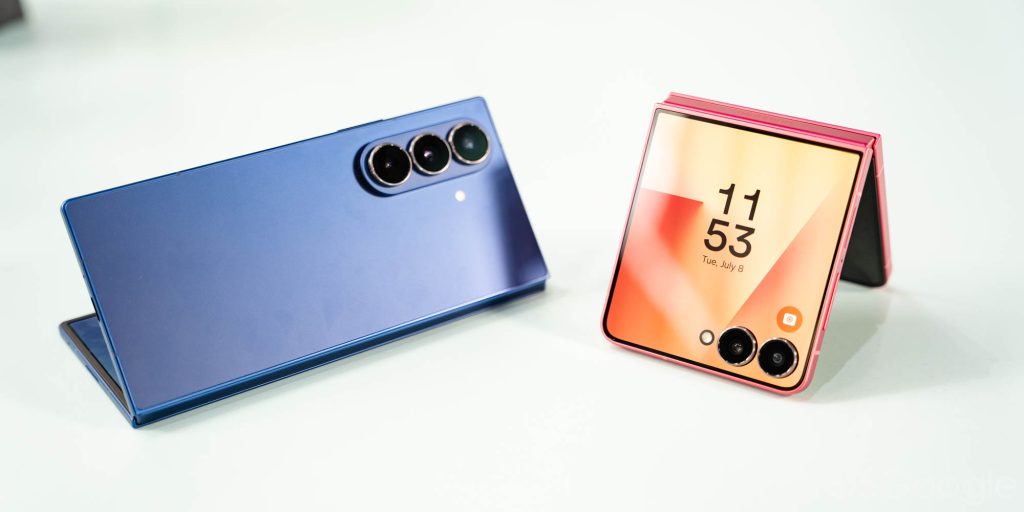
The latest Samsung flagships include the Galaxy S26 series, as well as foldable smartphones such as Galaxy Z Fold 7 and Flip 7.
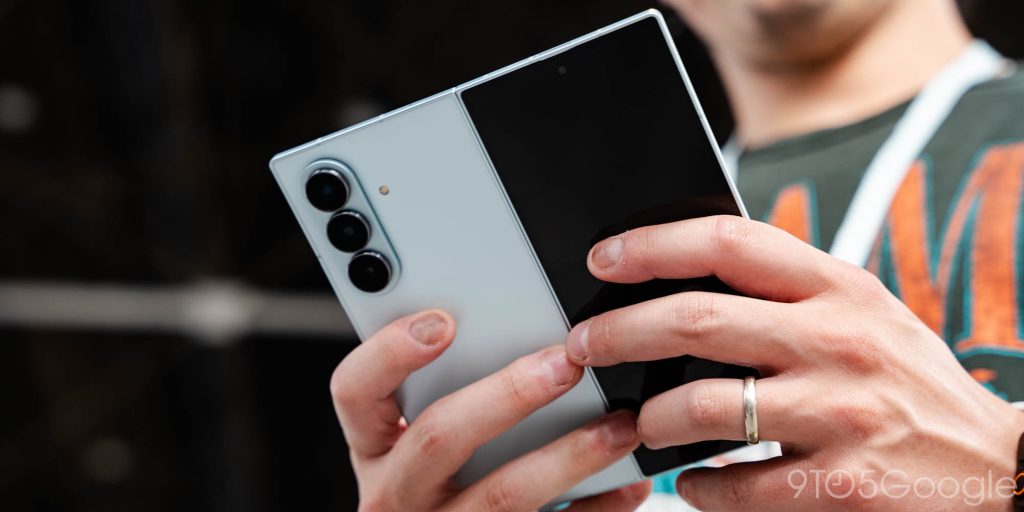
The flagship market is only a fraction of the company’s total smartphone sales. It’s actually more affordable devices such as the Galaxy A series that really earn Samsung its spot in the industry. The Galaxy A series has produced some of the best-selling Android smartphones in the world for the past few years, for instance, with the Galaxy A50 and Galaxy A51 both topping the charts in their respective release windows.

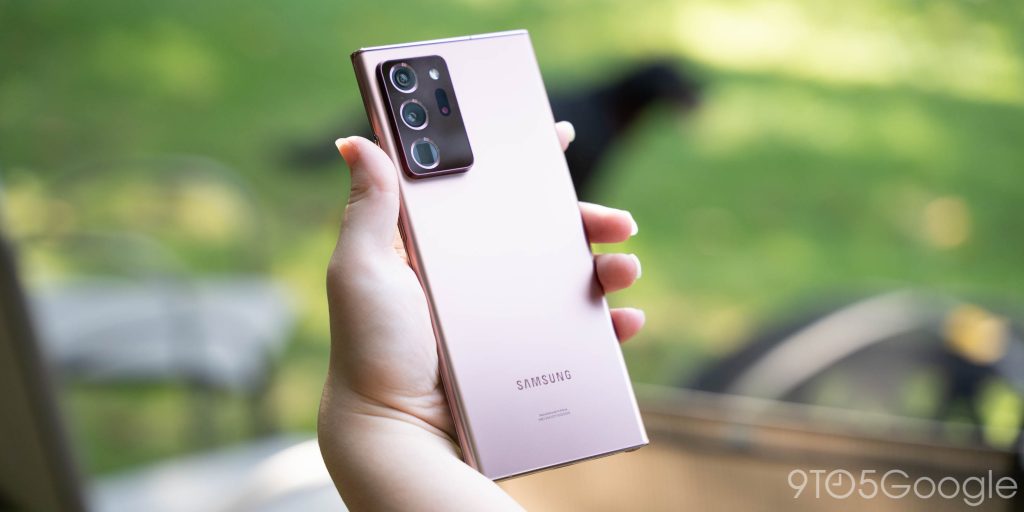
To say Samsung’s smartphones have been influential is an understatement, as the brand has produced some of the biggest trends in the industry. Most memorable is the rise of large-screen smartphones. In 2011, just two years into the rise of its Android-based Galaxy line, Samsung debuted the original Galaxy Note, which was ridiculed for its large 5.3-inch display. The phone went on to sell 10 million units and spawn nine popular sequels leading up to the Galaxy Note 20 series in 2020. In 2016, Samsung famously released the Galaxy Note 7, which was recalled due to batteries that were bursting and catching fire. The phone was discontinued, and fans ultimately had to wait until the Note 8 was released a year later. In 2021, Samsung reportedly canceled its Galaxy Note 21 series due to the ongoing chip shortage, and the best of the Note has now been merged into the ongoing Galaxy S “Ultra” release.
In 2019, Samsung announced its first foldable smartphone in the Galaxy Fold. The book-style foldable had high-end specs and an inner display that was far larger than what could traditionally fit in a pocket, but its launch was met with negativity as several early reviewers faced major issues with the inner display. The company opted to cancel the launch and redesign the product, relaunching it months later with several solutions. In 2020, the Galaxy Z Flip debuted with much better reception and solutions for problems that plagued the Fold, though with a new flip-phone style design. The Galaxy Z Fold 2 took those same ideas and applied them to the original design while improving the displays both inside and out.

Samsung has continued to build on this form factor each year, often with big improvements, including water resistance, better hinges, upgraded cameras, and more.

Galaxy Z Fold 7, especially, proved to be a major update, offering a much thinner form factor that finally caught up to other foldable makers. It was successful, too, with Samsung reporting record sales after the device was released.
What other products does Samsung sell?

Beyond its extremely successful smartphones, Samsung sells a plethora of other products. There are TVs, home appliances, and more. The company also products and sells electrical components, AMOLED displays, and more to other companies.

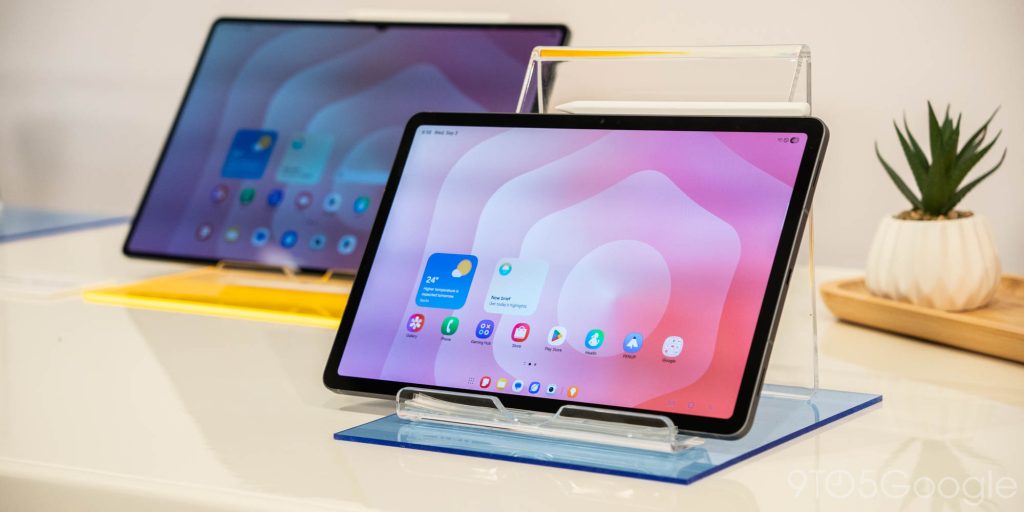
Relating closely to its smartphones, though, are Samsung’s tablets, laptops, and smartwatches. Android tablets are fairly rare on the market, but the Galaxy Tab series has stuck around as an affordable option as well as a flagship one, the latter usually including support for DeX. The company also products laptops using both Microsoft’s Windows and Google’s ChromeOS, the former linking to Galaxy phones using the “Your Phone” integration that is deeply built into One UI.

Finally, the Galaxy Watch lineup has been one of the best options for an Android-compatible smartwatch, and each model pairs best with a Galaxy smartphone.
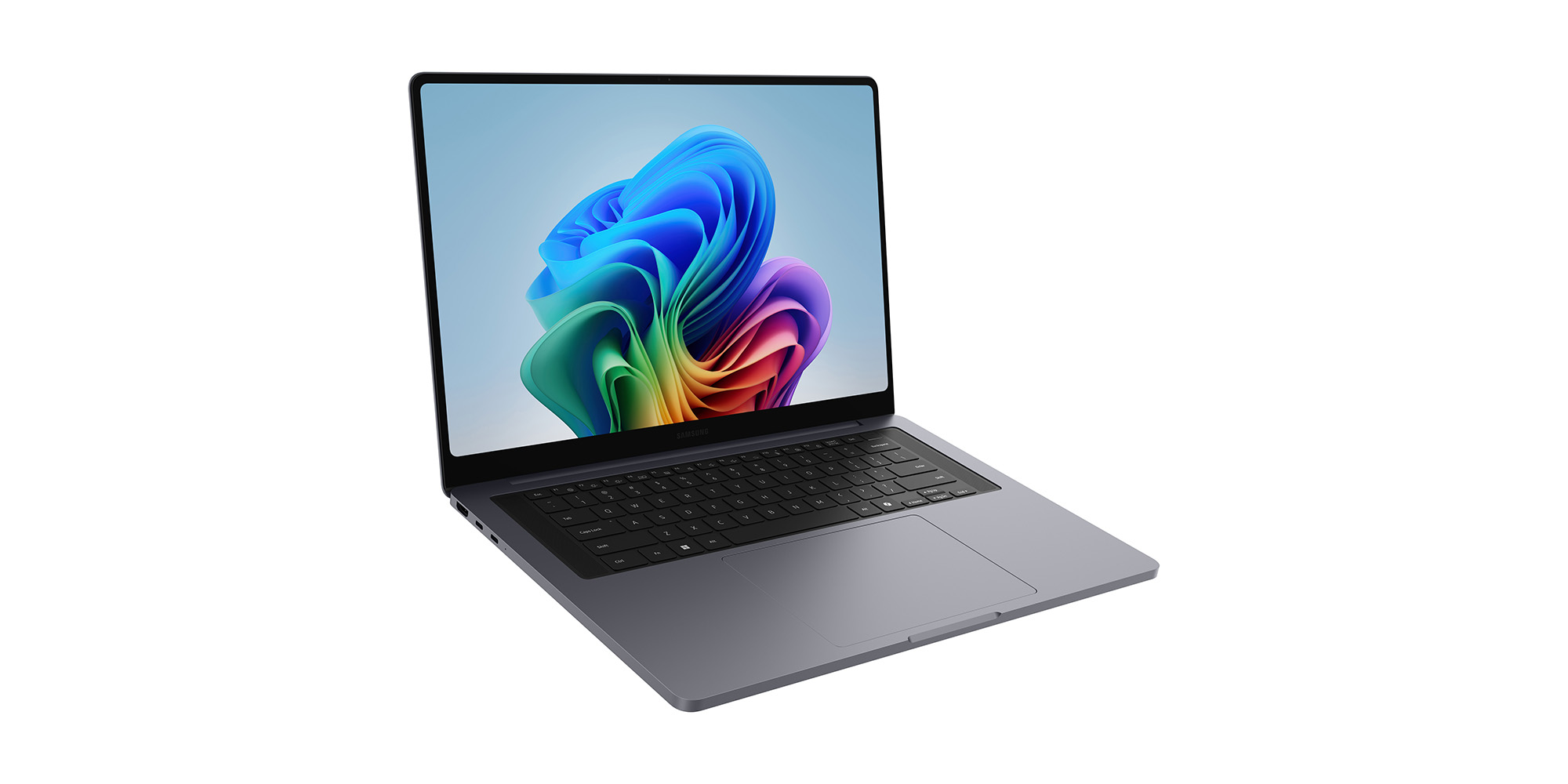
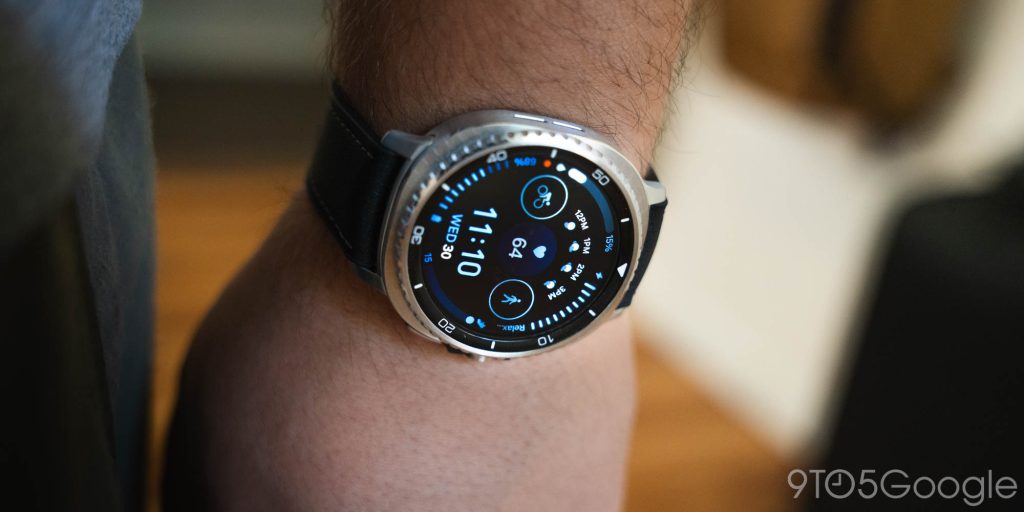
Check out our up-to-date coverage of everything Samsung below.


Samsung predicts record profits as HTC reports first ever loss

Site default logo image

Samsung is predicting a record $9.4B profit for Q3 in its latest earnings guidance, on estimated revenues of $53.9B. While both figures are estimates rather than confirmed results, Samsung’s earnings guidance is usually pretty much spot-on. If confirmed, this will build on the company’s record numbers in Q2.

HTC, in contrast, reported its first ever loss, as it warned back in July. Its revenue of $1.6B was lower than even its lower-end forecast, and it lost $101M – the company’s first ever loss in its 16-year history.

Bloomberg attributes the wildly differing performances to sales of mid-market handsets in growth markets like India and China.

While HTC has focused a revival on its flagship One handset and $12 million marketing deal with actor Robert Downey Jr., Samsung has expanded its range of mid-priced smartphones such as the Galaxy Golden and S4 Mini to capture sales in China and India … 
Expand
Expanding
Close

Head of Samsung Mobile leaves company, NYT reports

Site default logo image

(via <a href="Wired.com" target="_blank">Wired.com</a>)

Samsung’s chief product officer for its mobile devision, Kevin Packingham, has parted ways with the company, The New York Times reports.

Packingham, a former Sprint Nextel vendor, was responsible for leading the company’s mobile team during the notably successful launches of the Samsung Galaxy S III and Galaxy S 4 Android phones on all the major US carriers. Packingham cited Samsung’s aggressive advertising campaign for the Galaxy smartphones as a key to making their respective launches successful for both Samsung and the carrier stores.

Samsung Mobile confirmed the departure to NYT:

“Kevin Packingham has departed Samsung Mobile,” said Ashley Wimberly, a Samsung Mobile spokeswoman, in a statement. “We thank Kevin for his contributions and wish him well in his future endeavors.”

Details surrounding Packingham’s departure are vague at this point, and a successor to the two-year Samsung Mobile chief has yet to be announced.
Expand
Expanding
Close

WSJ: LG launching 6-inch “G Flex” smartphone with curved screen next month

Site default logo image

Following a translated report yesterday claiming that LG was planning to introduce its first smartphone with a flexible OLED display, The Wall Street Journal chimes in today with more details on the device. According to the report, LG will launch the “G Flex” smartphone next month featuring a 6-inch curved OLED display:

LG’s new phone, dubbed G Flex, will have a six-inch screen using organic light-emitting-diode technology, a person familiar with the matter said. The handset itself is slightly concave, according to sketches of the prototype viewed by The Wall Street Journal.

For the Flex’s curved display, LG employed what the company refers to as a “plastic OLED” screen, using materials that are more flexible than conventional liquid-crystal-display screens, said the person familiar with the matter.

The WSJ was also able to grab the image above showing a sketch for a prototype of LG’s curved device. 
Expand
Expanding
Close

Report finds almost all Android OEMs, not just Samsung, cheat on benchmarks

Site default logo image

When a story earlier this week discovered Samsung was artificially inflating benchmark scores for its new Galaxy Note 3, many were quick to point out it wasn’t the first time Samsung had been caught engaged in such a practice. The same issue was discovered by AnandTech for the Galaxy S4 back in July, and today the site has an extensive report showing that almost every Android smartphone manufacturer is shipping devices that do the same.

As pictured in the chart above, that includes the HTC One, HTC One mini, LG G2, Galaxy Tab 10.1, and many others. In fact, the only companies that appear to not be using the method is Apple and Motorola, as well as Google with its Nexus 4 and Nexus 7 devices:

We started piecing this data together back in July, and even had conversations with both silicon vendors and OEMs about getting it to stop. With the exception of Apple and Motorola, literally every single OEM we’ve worked with ships (or has shipped) at least one device that runs this silly CPU optimization. It’s possible that older Motorola devices might’ve done the same thing, but none of the newer devices we have on hand exhibited the behavior. It’s a systemic problem that seems to have surfaced over the last two years, and one that extends far beyond Samsung…  None of the Nexus do, which is understandable since the optimization isn’t a part of AOSP. This also helps explain why the Nexus 4 performed so slowly when we reviewed it – this mess was going on back then and Google didn’t partake.

As noted in the report, the gains that OEMs are experiencing from the inflated scores are probably not worth the press they’ve been receiving. AnandTech points out that most of the inflated scores provide under a 10% increase in GPU and CPU performance benchmarks:
Expand
Expanding
Close

Report claims ‘LG Z’ with flexible OLED display will debut later this month

Site default logo image

Samsung might have planned on being the first to market with a flexible OLED screen with a special edition of its Galaxy Note 3, but it looks like LG too will soon be launching its first smartphone to incorporate curved display. According to a translated report from ZD Net (via UnwiredView), LG is prepping an “LG Z” smartphone that will be the company’s first to utilize that flexible display technology it’s been working on.

We don’t get many details from the report, but it does claim that the device is already in mass production and could debut as early as this month.

It’s worth pointing out that we still don’t have any real official details on either of these curved devices from Samsung or LG, but we’re guessing the first generation of flexible display smartphones will likely sport a rather rigid casing that will make the product appear curved, opposed to actually being flexible in one’s hand.

Galaxy Gear reviews make for painful reading [Review roundup]

Site default logo image

The Samsung Galaxy Gear smartwatch reviews are out, and that red glow you see on the horizon is from the blushing faces at Samsung, visible all the way from Korea. The reviews are not, to put it kindly, overwhelming in their enthusiasm for the device.

The Verge

A smartwatch the Galaxy Gear is not. Frankly, I’m not sure exactly what it’s supposed to be. Samsung describes it as a companion device, and the Gear is indeed chronically dependent on an umbilical link to another Samsung device, but it never left me feeling like it was a helpful companion. The notifications are Orwellian, the media controls are exiguous, and the app selection has no substance to underpin the hype. Samsung’s attempt to turn the Gear into a style icon is also unlikely to succeed, owing to the company’s indecision about its target demographic. Trying to please all tastes has resulted in a predictably charmless and soulless product.

The Gear’s camera and phone calls are both surprising and delightful, but they’re unfortunately isolated highlights. When all is said and done, I expect the Galaxy Gear will be looked back upon as a rough first draft that helped the Korean chaebol steer a better course en route to the goal of producing a real smartwatch. As it stands today, though — unintuitive, oversized, overpriced, and in constant need of a Galaxy guardian — the Galaxy Gear might have been better off staying on the drawing board … 
Expand
Expanding
Close

Site default logo image

Samsung says ChatON now at 100 million users, up 50 million since May

Samsung announced today that ChatON, the company’s chat service that comes preinstalled on many of its mobile devices, has now passed the 100 million subscriber mark. That’s up around 50 million users in fourth months since first hitting 50 million subscribers in May, according to Samsung. The press release notes that ChatON has been experiencing growth in markets such as India and China, but doesn’t say how many active users the service has:

ChatON was designed in-line with Samsung’s drive to deliver products that meet specific local needs in different markets. In India for example, ChatON has seen exponential growth as the service supports 10 regional dialects, with plans to support 13 dialects by the end of 2013. Additional features such as the Ramadan Anicon have helped boost its popularity in the Middle East.

It’s important to note that this certainly doesn’t mean active users, and with ChatON currently preinstalled on Samsung’s most popular devices– the Note II & III, Galaxy S4, etc– there’s no telling how many users signed up and only tried the service once.

ChatON is also available on other Android devices, iOS, Windows Phone, and PCs, as well as in 63 different languages, but Samsung didn’t share details on how many subscribers it has on each platform.

Samsung: We’ve been making gold phones longer than Apple has been making phones

Site default logo image

With Apple’s new gold iPhone 5s getting the most attention of any of the new colorful iPhones it released earlier this month, Samsung wants you to know that it isn’t copying Apple with its new gold Galaxy S4.

In a blog post on its official Samsung Tomorrow blog titled, “Golden History of Samsung Phones,” the company makes a point of noting that it announced the Gold Galaxy S4 on August 27th and launched it in stores on September 8– over a week before Apple’s gold iPhone 5s launch. It also showed off some gold phones it’s made dating back to 2004.

Some were unreleased like special edition phones for the Olympics and one for Ocean’s 13, and Samsung notes that “this is definitely not a complete list of gold-colored products made by Samsung.”
Expand
Expanding
Close

Samsung Galaxy NX Review: The first professional-level Android powered camera

Site default logo image

As a blogger, taking great, print-quality photos when covering events or doing reviews is a necessity. So carrying around a big DSLR or comparable digital camera system has become a necessary evil. I say evil because the camera world and I just don’t understand each other. The camera market has become stale and full of devices that cater to professional photographers, while seemingly ignoring the incredible innovations that have happened with mobile devices in recent years. Just because pro photogs want their tried and trusted physical controls and pricey glass, doesn’t mean there isn’t room for beautiful touch screens with easy to use UIs, WiFi, LTE connectivity, USB charging, and everything we love about the app and developer ecosystem that we get with Android.

Samsung is the only company that gets it: It’s the first to integrate what is essentially a full Android smartphone on the back of a full fledged, professional mirrorless camera system. It’s the big brother, high-end version of the Galaxy Camera (review) point and shoot it introduced last year.  It’s an intriguing concept and certainly where I hoped camera manufacturers would look to when attempting to take their professional product lines out of the stone age, so I’ve been more than excited to have the opportunity to put the device to the test over the last few weeks.

DESIGN/ SPECS:
Expand
Expanding
Close

Site default logo image

Samsung announces “Samsung Solution Exchange’, a mobile app store for businesses

Samsung announced today that it is launching the “Samsung Solution Exchange” to offer unique mobile solutions to business owners. The app marketplace of sorts will offer businesses an easy way to find productivity and business related apps from third-party developers that are specifically suited for Samsung devices:

The Samsung Solutions Exchange delivers a range of offerings from third party providers that increase productivity and ROI, including sales and management applications, mobile device management solutions, cloud services, collaboration tools and security solutions – all designed to make it easier for enterprises to succeed in the new era of mobile business with our robust suite of SAFE devices.

Samsung says it will work with third-party developers, MDM providers, and sales channels to “systematically identify unique customer requirements and rapidly deliver end-to-end solutions.” To do that it will be making its SDK available to those that are part of the new Samsung Solution Exchange and a web portal will make it possible for business to discover new mobile solutions.

You can learn more about the new program on Samsung’s business website here.

Site default logo image

Samsung announces new ‘ISOCELL’ image sensor tech for premium smartphones & tablets

Samsung announced today that it is introducing a new advanced image sensor technology that will improve image quality and the user experience for camera systems in premium smartphones and tablets:

Building on these past advances and continuing the push toward higher quality image sensors for mobile devices, Samsung has developed ISOCELL the next generation of pixel technology, which is patent pending. ISOCELL technology forms a physical barrier between neighboring pixels – isolating the pixel. This isolation enables more photons to be collected from the micro-lens and absorbed into the correct pixel’s photodiode minimizing undesired electrical crosstalk between pixels and allowing expanded full well capacity (FWC).

The result, according to Samsung, will be “higher color fidelity to reproduce the original color with sharpness and richness,” even in low lighting conditions. It will also offer a greater dynamic range compared to back side illumination pixel technology. The company says ISOCELL will help reduce the height of the camera module in smartphones and tablets, which could lead to even slimmer hardware.

Samsung plans to make the new image sensor technology available for mass production by Q4 2013:

As the first Samsung image sensor to adopt this new technology, the S5K4H5YB 8Megapixel imager utilizes a 1.12um ISOCELL pixel and has a 1/4inch optical format. The S5K4H5YB is currently sampling to customers with mass production scheduled for Q4 2013.

Site default logo image

As Apple launches plastic phone, Samsung plans metal one?

Just as Apple launched a plastic iPhone, Samsung is reputedly planning a switch to a metal case for the Samsung S5 due to replace the S4 next year.

Taiwan’s Taipei Times cites supply-chain sources as saying that Samsung has been making enquiries about an order for up to 30 million metal cases for the 2014 version of its flagship handset. To add to the irony, Barclays analysts suggested that one of the manufacturers which may be in line for the contract is the same one that makes metal cases for both iPad and MacBook Pro.

Our checks suggest Catcher has been qualified as one of the major sources on the total metal casing smartphone volumes at 10 [million to] 30 million next year from Samsung. The final order allocation is to be confirmed in early first quarter 2014, subject to price bids by approved vendors.

Interestingly, a metal case would seem to rule out any plans by Samsung to take full advantage of its flexible display.

Via Gizmodo

Site default logo image

Samsung aims to be first to market with flexible screen … but in a rigid case

Samsung is promising to be the first company to bring a flexible OLED screen to market in a special edition of the Galaxy Note 3 – yep, a device with a rigid case.

It’s not quite as silly as it seems: though the display won’t flex, it should be a little bit lighter and a whole lot tougher.

LG demonstrated a 5-inch flexible display back in May, but has not yet brought a flexible product to market. Apple has also patented a flexible screen, and it has often been suggested that the company plans to use one in the long-awaited iWatch.

IT.sohu via Gizmodo

Apple’s new iPhones score below Moto X in durability tests, but beat out Galaxy S4

Site default logo image

http://www.youtube.com/watch?feature=player_embedded&v=dLuwkrbhmYU

We’ve enjoyed seeing the new iPhones get smashed to pieces in the inevitable drop tests that followed the launch of Apple’s two new smartphones this month, but what we really want to know is how it holds up against some of its Android competition. SquareTrade has just completed a durability test (via AllThingsD), and found that not only are the new iPhones not performing as well as last year’s models, the new 5s and plastic-backed 5c were both beat by Motorola’s new flagship Moto X:

“We were expecting that at least one of the new iPhone models would up its game but surprisingly, it was the Moto X that proved most forgiving of accidents,” SquareTrade marketing chief Ty Shay said in a statement. “This is the first time we’ve tested the breakability on a Motorola phone, the only phone we’ve ever tested that’s made in the USA. We were pleased to find that it withstood our drop, slide and dunk test with only the slightest dent. It looks like Google is giving Apple and Samsung a run for their money.”

The new iPhones did, however, beat out Samsung’s Galaxy S4, which was also included in the durability test.
Expand
Expanding
Close

AT&T to sell Samsung Galaxy S III Mini for 99 cents starting Sept. 27

Site default logo image

AT&T announced today that it will begin selling the Samsung Galaxy S III mini, which was first released in November of last year, as a smaller entry level version of Samsung’s flagship at the time, the Galaxy S III. It might be a last generation device– Samsung unveiled the S4 mini at its event back in June— but that’s why AT&T will sell it for 99 cents on contract when it becomes available on September 27.

As a reminder, the S III mini includes a 4-inch Super AMOLED display, comes with Android 4.2 Jelly Bean out of the box, and packs in a 1.2GHz dual-core processor, 1GB of RAM, and a 5 megapixel main camera. You’ll also of course get Samsung’s TouchWiz UI on top of with S Beam, S Voice, Group Play, and other Samsung goodies.

AT&T will kick off preorders for the Galaxy S III mini starting tomorrow.
Expand
Expanding
Close

Site default logo image

Virgin Mobile YouTube channel using eye tracking to change ads as you blink

Virgin Mobile is testing out an interesting new technology on its YouTube page that will allow users to quickly skip over ads by simply blinking their eyes (via GigaOm). Virgin is calling the feature “BlinkWashing” and using your computer’s webcam in order to track eye movement and change ads as you blink.

If you head over to the Virgin YouTube page, you’ll see a blink washing tab where you can configure the feature by allowing access to your webcam and running through a short calibration process. Once you’ve set it up, the page will allow you to flip through a number of different videos just by blinking.

It’s not clear what Virgin plans on doing with the feature, or if it will just be a gimmicky marketing tool to bring people to its channel. Blinking doesn’t seem to be the ideal method of changing a video or skipping an ad, as you’ll often find yourself activating the blink washing accidentally or forcing yourself not to blink in order to make through an entire clip that you actually want to watch. Of course, we could see other implementations of similar eye and head tracking features in the future: Think scrolling and pausing video with head movements, much like Samsung and others have implemented on smartphones in recent years.

AT&T & T-Mobile preorders for Galaxy Note 3/ Galaxy Gear kick off Sept. 18

Site default logo image

Update: Sprint announced today that the Galaxy Note 3 will become available on October 4 for $349.99 on the usual two-year agreement. It will also have the Galaxy Gear companion smartwatch for $299.99 in Jet Black, Oatmeal Beige and Wild Orange.

AT&T has announced today in a tweet that preorders for the new Galaxy Gear smartwatch, which will act as a companion to the new Galaxy Note 3, will go up for preorder starting Wednesday, September 18. The carrier previously announced that the Galaxy Note 3 would begin shipping from its website on October 1. Through AT&T, the Note 3 sells for $299 on the usual two-year agreement. Samsung originally announced that the device would launch on partners around the world starting September 25.

T-Mobile also made things official for the Galaxy Note 3 and Galaxy Gear today with a press release confirming that preorders, like AT&T, will also begin on Wednesday. On T-Mobile the device will sell for $199.99 down with 24 month payments of $21 with preorders expected to ship by October 2. 
Expand
Expanding
Close

Site default logo image

Samsung responds to new iPhones: will focus on China, says 64-bit chips coming for Galaxy phones

upload

In an interview with the Korea Times, Samsung executives respond to Apple’s recent announcements in typical Samsung fashion. In order to better compete with Apple in China, Samsung confirmed that it would focus more on the huge Mainland market.

For example, the company says it has received clearance from Chinese authorities to sell TDD-LTE devices, to enable Samsung to offer phones that work on the world’s largest carrier, China Mobile.  As a result of “changing market situations” (i.e. Apple), Samsung is accelerating its schedule for releasing these Chinese-friendly devices. Apple is expected to announce a partnership with China Mobile to sell the iPhone before the end of the year.

In addition, Shin, Samsung’s co-CEO announced that Samsung’s next Galaxy phones will feature 64-bit architectures, to rival the A7 in the iPhone 5s.

“Not in the shortest time. But yes, our next smartphones will have 64-bit processing functionality,” Shin said, adding he followed the media coverage of Apple’s new iPhone.

Shin’s noncommittal reply indicates that although 64-bit chips are on the roadmap, they will not arrive this year. Meanwhile, the iPhone 5s ships on September 20th.

While it is easy to make fun of Samsung for stereotypically copying everything Apple, it is important to remember that they are also likely making Apple’s 64-bit A7 processors.

Site default logo image

Samsung says it sold over 38M Galaxy Notes, expects to sell 10M Galaxy Note 3’s

We don’t usually get specifics on the number of devices Samsung sells each year, but ETNews reports that Samsung’s JK Shin disclosed in a meeting with the press recently that the company has sold over 38 million Galaxy Notes to date. That includes both the Galaxy Note 1 and Galaxy Note 2, but there’s no mention of how many units of each generation make up that total of 38 million. The company expects to sell even more units of the recently announced Galaxy Note 3 with Shin being quoted as saying “Over 10 million Galaxy Note 3 will be sold.”

The new Galaxy Note 3, which was unveiled last week during the company’s Unpacked event at IFA in Berlin, will go one sale early next month on several U.S. carriers.

Site default logo image

Android hits 51 percent of mobile web use, while iOS grows faster

comparison

A new report from Millenial Media, one of the world’s largest online ad networks, shows that Android boosted its share of mobile web usage to 51 percent this year, but that iOS usage is growing at a faster rate.

Android’s usage grew five points since Q2 last year, while iOS usage grew eight points to reach 42 percent. In tablets, the iPad held its lead, while the Android share was convincingly led by Samsung’s Galaxy Tab.

tablets

In the manufacturer league tables across all devices, Apple lead the way with 39 percent share, with Samsung taking second place at 26 percent.

brandsVia Fortune

Samsung unveils the Galaxy Note 3 and 10.1 2014 edition with updated specs across the board

Site default logo image

Samsung’s JK Shin today announced the Galaxy Note 3 at IFA today with improved LTE radios, better enterprise capabilities and improved specs. The Note 3 has a 5.7″ 1080p screen (up from 5.5″), 3GB of RAM (up from 2), 13 megapixel camera, 32/64GB storage, 3200mAh battery and a leather-like rear cover. It is also thinner and lighter even with the bigger display.

Samsung also updated the Note 10.1 2014 edition with better speakers, leather cover and display.

September 25th is the launch date and the products will roll out globally in October. Press releases and videos follow:
Expand
Expanding
Close

Overlay-killer GO Launcher EX hits #6 in the Android app charts

Site default logo image

If manufacturers or carriers ever needed evidence that 9to5google is not alone in wishing they’d lay off the overlays, new figures suggest that overlay-killer Go Launcher EX is now the 6th most popular Android app. The app allows you to set your own customised homescreen to replace that set by the manufacturer or carrier … 
Expand
Expanding
Close

Acer claims first smartphone to record 4K video – but will sell in Europe before USA

Site default logo image

Smartphone manufacturers are making it hard to keep up to date these days: just as we’d got used to enjoying the ability to record 1080p full HD videos, the first handsets capable of recording 4K video are emerging. Google added 4K video support to Android in the latest 4.3 version.

Acer is claiming that its 6-inch Liquid S2 will be the first, though as the phone is being officially unveiled at the IFA this week, it may have company from Samsung’s new Galaxy Note – also rumored to have 4K recording on board. The Acer also won’t be available in the U.S. at launch, with the handset hitting Europe first … 
Expand
Expanding
Close