Google acquires Wi-Fi provider ICOA for $400M (Updated)

Update 1: Hmm. Despite a press release on PR Web this morning, AllThingsD just reported that Google did not buy ICOA Wireless:

We have yet to hear from a Google rep on the record. But people within the company say that contrary to a press release posted on PR Web, Google has not bought ICOA,  a Rhode Island-based player in public Wi-Fi Networks. Shares of ICOA, which are traded on the OTC “pink sheets”, are up sharply this morning.

PR Web also took down the press release. The old link now redirects to the website’s Recent News page.

Update 2: The Wall Street Journal just contacted two ICOA executives who then commented on the matter:

Erwin Vahlsing, Jr., ICOA’s chief financial officer, said in an email that an online press release claiming Google had acquired ICOA for $400 million “is false.”

In a separate email, George Strouthopoulos, ICOA’s chief executive, said the company “never had any discussions with any potential acquirers.” He said ICOA will report the incident “to the proper authorities.”

Google just announced that it bought Wi-Fi provider ICOA for $400 million, while noting the buyout continues to diversify its “portfolio of companies,” according to a press release from PR Web.

In regards to ICOA, Google called it “a provider of Wi-Fi to high traffic public locations,” and it further said, “ICOA is a leading vertically integrated, neutral-host broadband wireless Internet network provider.”

ICOA essentially powers high-traffic places like airports and restaurants, and its network supports 802.11x technology and plays nice with most Internet service providers. Oh, the Wi-Fi provider is also a partner with Boingo. Interestingly, Google worked with Boingo earlier this year to provide the same hotspot solution to other high-traffic locations across America.

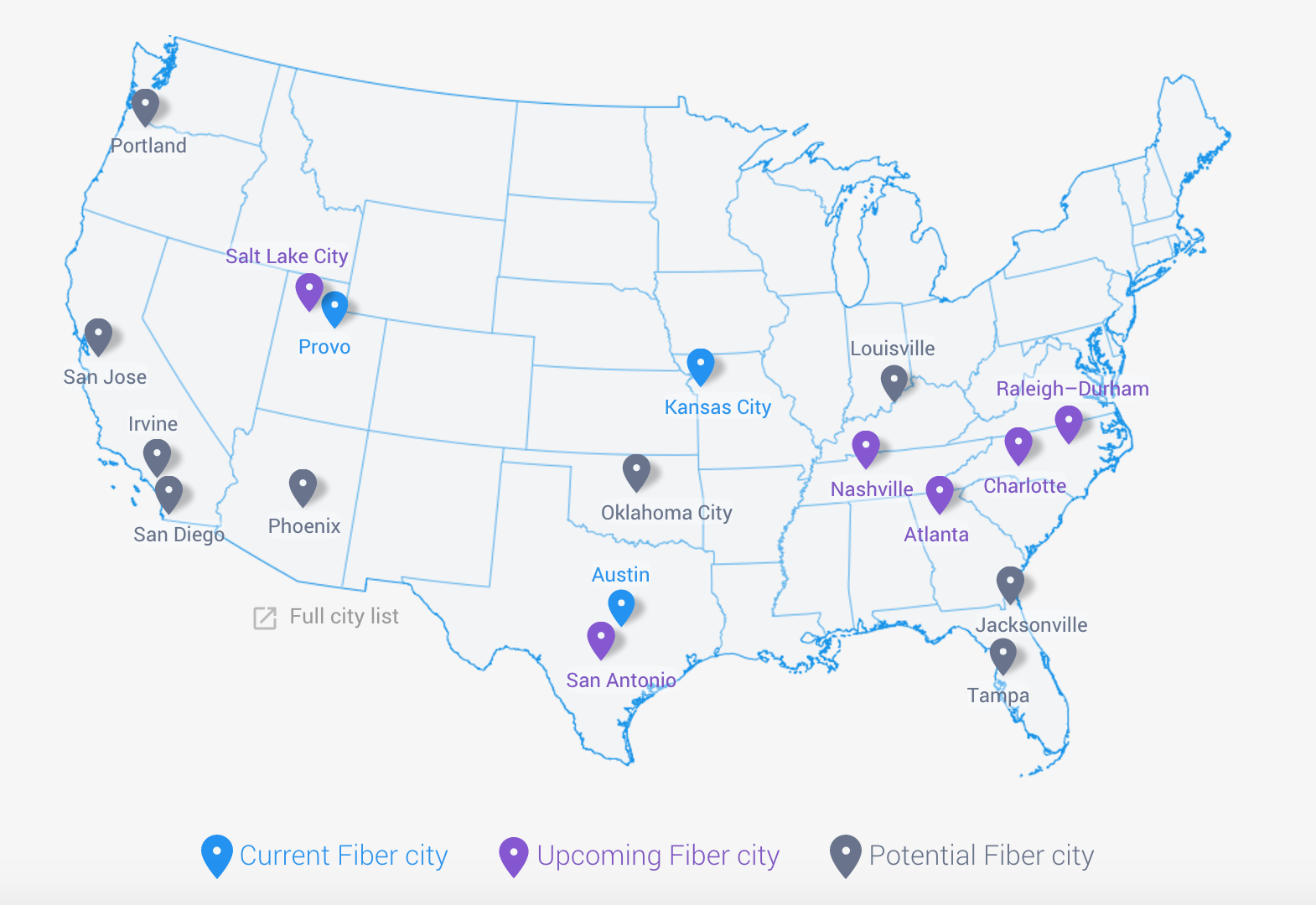
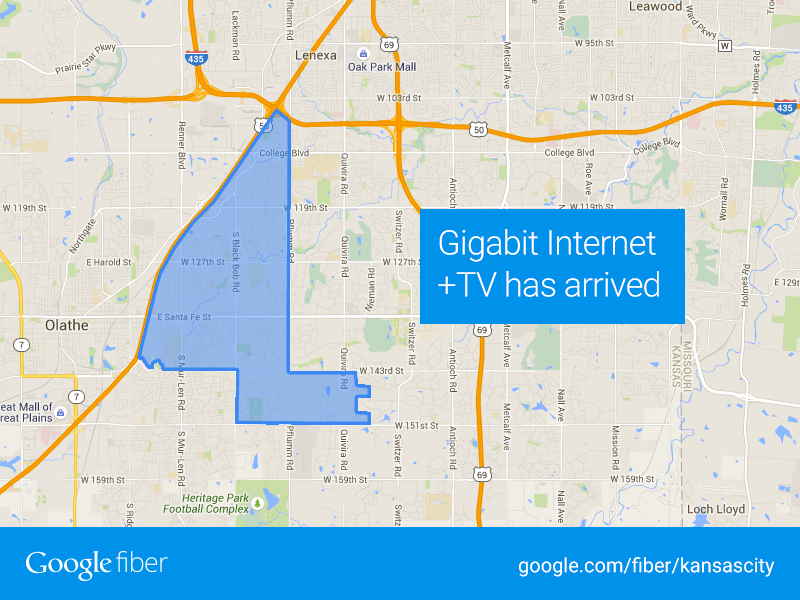
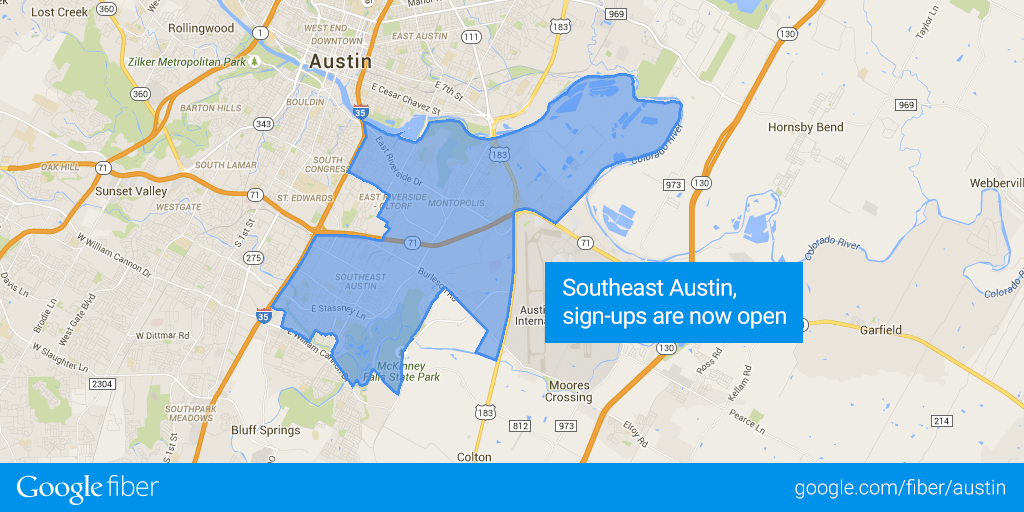
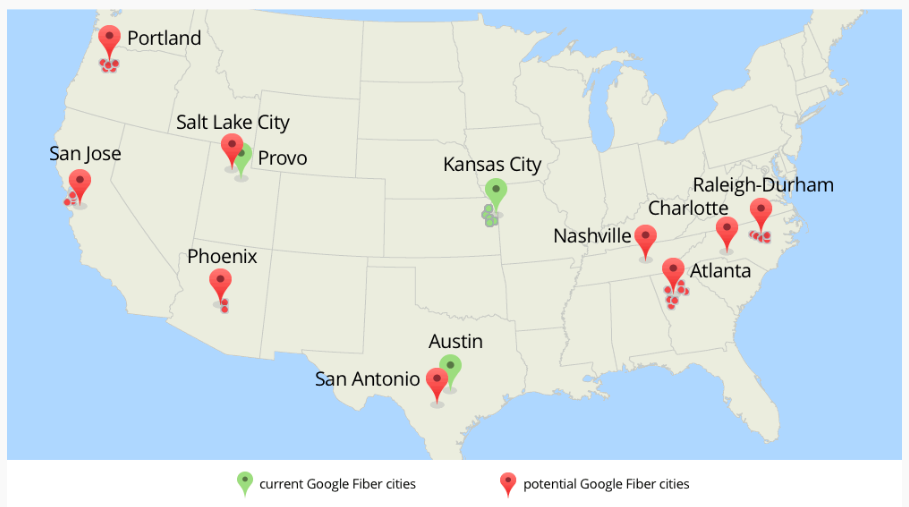
Google’s venture into the wireless space is further interesting when you take into account its Google Fiber Project in Kansas and recent rumors that it’s partnering with Dish Network to launch a wireless service.

We contacted Google for a comment and will update when more information is available.

Check out the full press release below.

Read more

Check out this video showing off Google Fiber TV’s features

Currently available in Kansas City, Kan., Google Fiber has proved to be a disruptive new service from the folks out of Mountain View. The service not only offers groundbreaking Internet speeds “100 times faster than broadband,” but also a radical new television service that offers content from a slew of sources: broadcast TV, cable, Netflix, and other Internet services. Google offers three plans: free Internet with a $300 construction fee, $70 per month for Gigabit Internet, and Gigabit + TV for $120 per month that includes a Nexus 7 to use as a remote control.

While we’ve seen brief encounters with the service, BTIG Research (via AllThingsD) has now given us a solid hands-on of the Google’s Fiber TV offering. The research group uses still shots to explain the features; but nonetheless, by the end of it, you’ll probably wish Google Fiber was available in your area. You can check out the video below to see the 905.28mbps down and 794.59mbps up speeds and how the Nexus 7 and TV interfaces work off each other.

Full video below:

Google-Dish wireless service is a go, plans for 2013 launch being hatched

Regarding the Google-Dish tie up that was reported last night, we just got word that this is really happening. While the details haven’t been finalized, Google is already deep into development on plans to roll out the service and have it live by mid-late 2013.

Google plans to make the service data-only with voice and SMS only being used as VoIP services, likely with Google Voice. Google of course already has its ISP feet on the ground with its Fiber rollout on the Stanford Campus and its just-opened Kansas City network.

Google is launching its Glass head gear next year and would benefit from total control of the network.  Without full control, Google is seeing its Voice and Wallet services being blocked by carriers, specifically AT&T, Verizon and T-Mobile.

Dish has previously said on numerous occasions that it would like to build a wireless network with the wireless spectrum it has acquired since 2008, but the company wants a partner to help fulfill this endeavor. As the Wall Street Journal noted in its report from yesterday, Dish Chairman Charlie Ergen said potential partners include companies that would like to be in the industry and currently don’t have a wireless sector.

Read more