Stephen is Growth Director at 9to5. You can find his current work at 9to5Mac, 9to5Google9to5Toys, Electrek, and more. If you want to get in touch, follow me on Twitter. Or, email at stephen (at) 9to5mac (dot) com, or an encrypted email at hallstephenj (at) protonmail (dot) com.
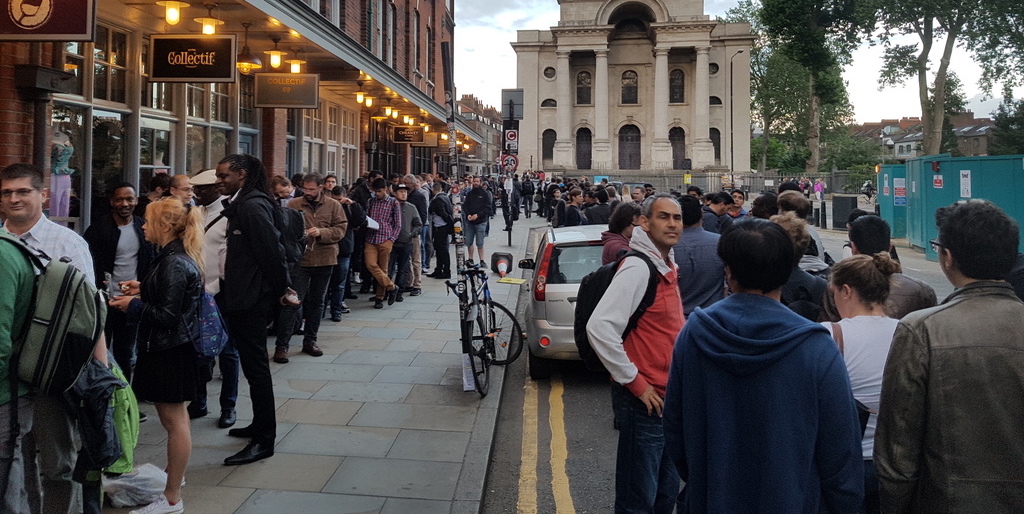
Our own Edoardo Maggio is in London today, attempting to get his hands on the newly-announced OnePlus 3. But surprisingly for him, and us aswell, the line to get a chance to touch the phone — and a limited number of people, buy it — is just ridiculously long. iPhone long…
Google has today completely revamped its longstanding Google Fonts website with Material Design, making it easier — and more beautiful — than ever to browse and try out the site’s huge collection of open source designer fonts. The old Fonts site — which first launched in 2010 — was practically begging to be reborn, and today Google delivered…
Nest today has added some new views to the Farsight feature of its flagship thermostat product. Rolling out to all thermostats soon, users will soon be able to show the current temperature and a new animated weather screen from across the room:
People love Farsight. But we heard from a lot of customers who wanted it to show the current temperature in big numbers you can see from across the room. So now, it can. And we’ve also added an animated weather screen. (You know, to satisfy meteorology fans.) Just go to Display Settings on your thermostat and choose your view.
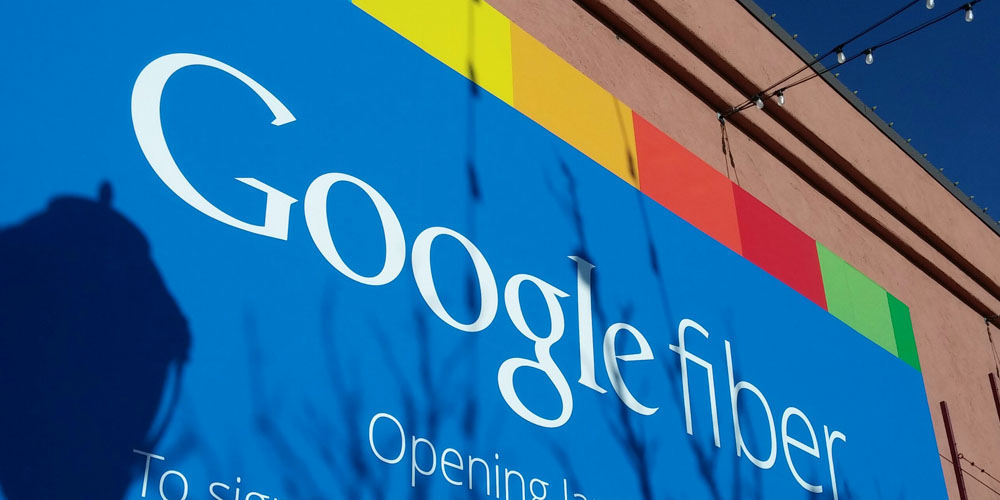
Google has announced today that it is exploring the possibility of bringing its Fiber internet service to Dallas, TX, marking the third Texas city with potential, upcoming, or current Fiber service.
The launch of the OnePlus One was pretty much the worst thing ever (thanks to the company’s loathed invite system), and the OnePlus Two launch was not much better. Now, after many leaks over the last several months, OnePlus has made its next flagship official in its The Loop VR app. The best part? You don’t need an invitation to purchase one.
Apple took the stage today at the Bill Graham Civic Auditorium in San Francisco, California to announce the latest new features — for developers and consumers alike — for its four main platforms: watchOS, tvOS, macOS (previously called OS X), and iOS. There is tons of new stuff in these releases set to go public later this year, but one thing that became increasingly clear as the event progressed was that the Cupertino company is playing a lot of catch up.
It’s not a new trend, really. Google has always introduced features and potential products to the public not long after they become barely workable experiments, leaving other companies like Apple to appear behind at times — whether or not they actually are “behind” in reality. It goes without saying that there are always things being worked on in the background (that’s why I put “copied” in quotes), but with many of today’s announcements, Apple brought those things to light.
According to a report today from Korean publication Korea Times, Samsung, the company that recently regained the top spot from Apple as number one smartphone OEM in the US, is considering moving all of its devices to its own Tizen operating system. This news follows a report from Fast Company last month suggesting a related move — that the company plans to move away from Android Wear for future smartwatches…
The Trans-Pacific Partnership (also known as the TPP) is a very controversial trade agreement among twelve countries around the world, and now it has a new ally in the form of one of the world’s largest companies: Google. “We hope that the TPP can be a positive force and an important counterweight to restrictive Internet policies around the world,” Kent Walker, SVP and General Counsel at Google said in a blog post. “Like many other tech companies, we look forward to seeing the agreement approved and implemented in a way that promotes a free and open Internet across the Pacific region.”
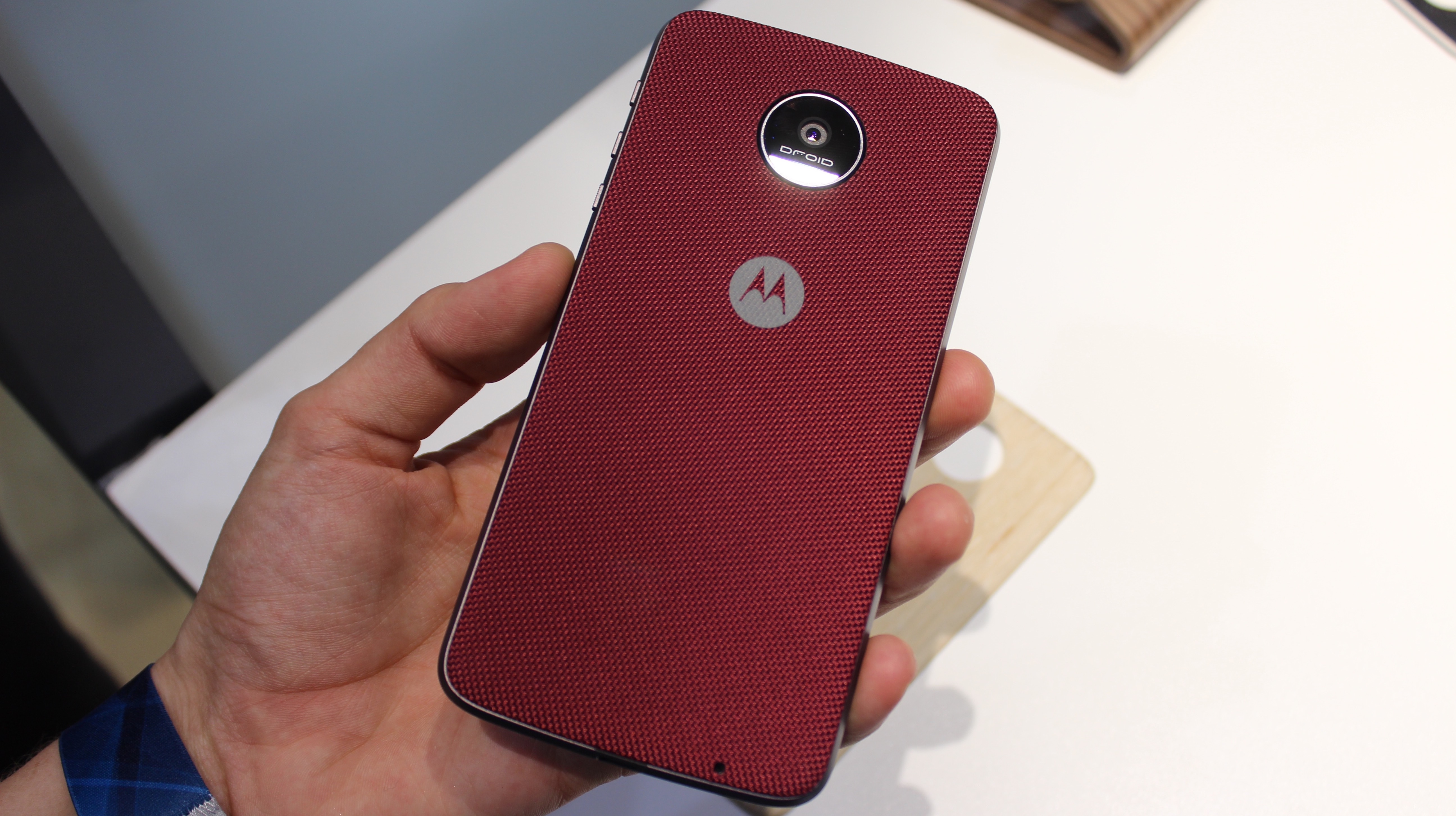
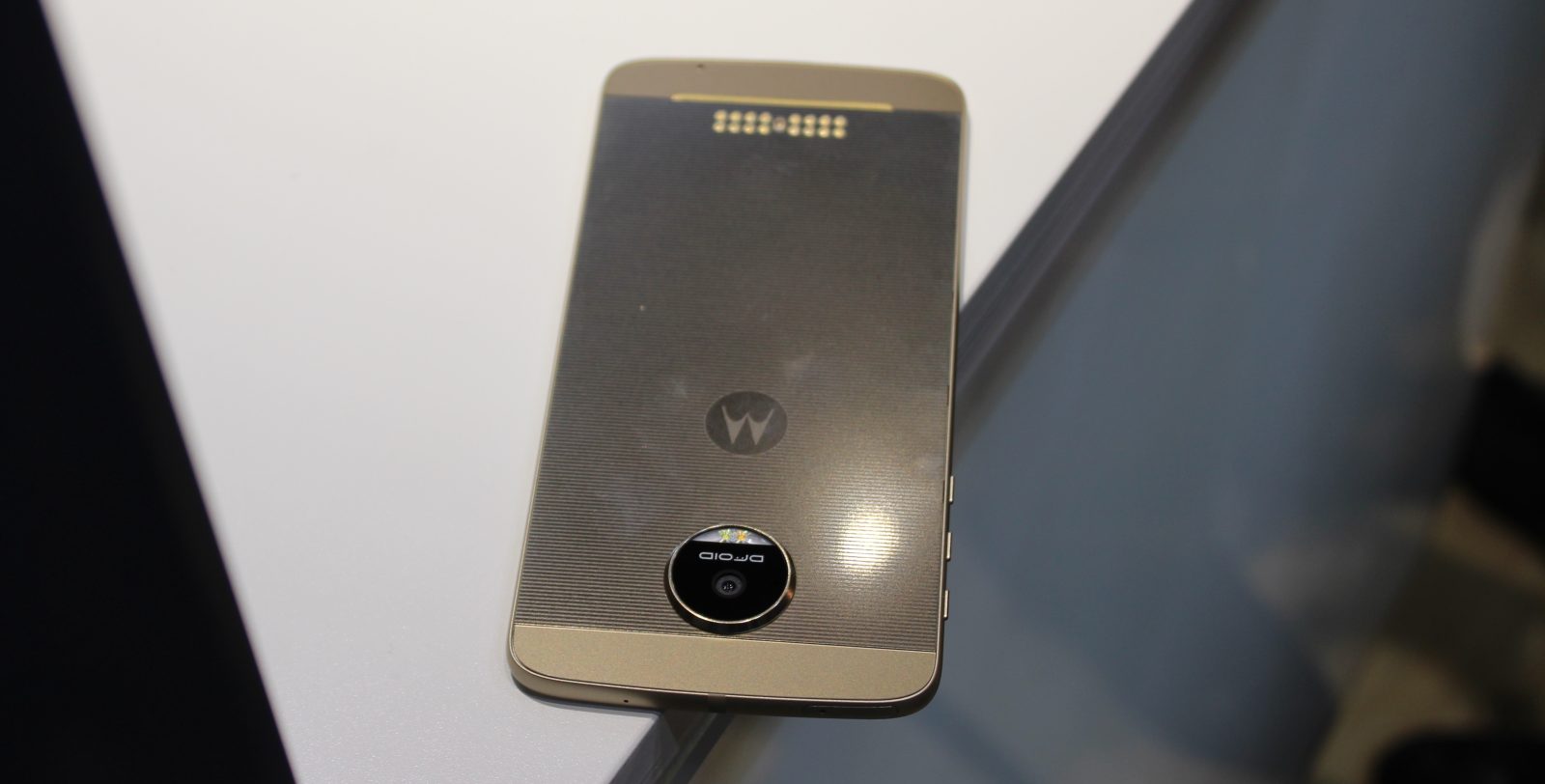
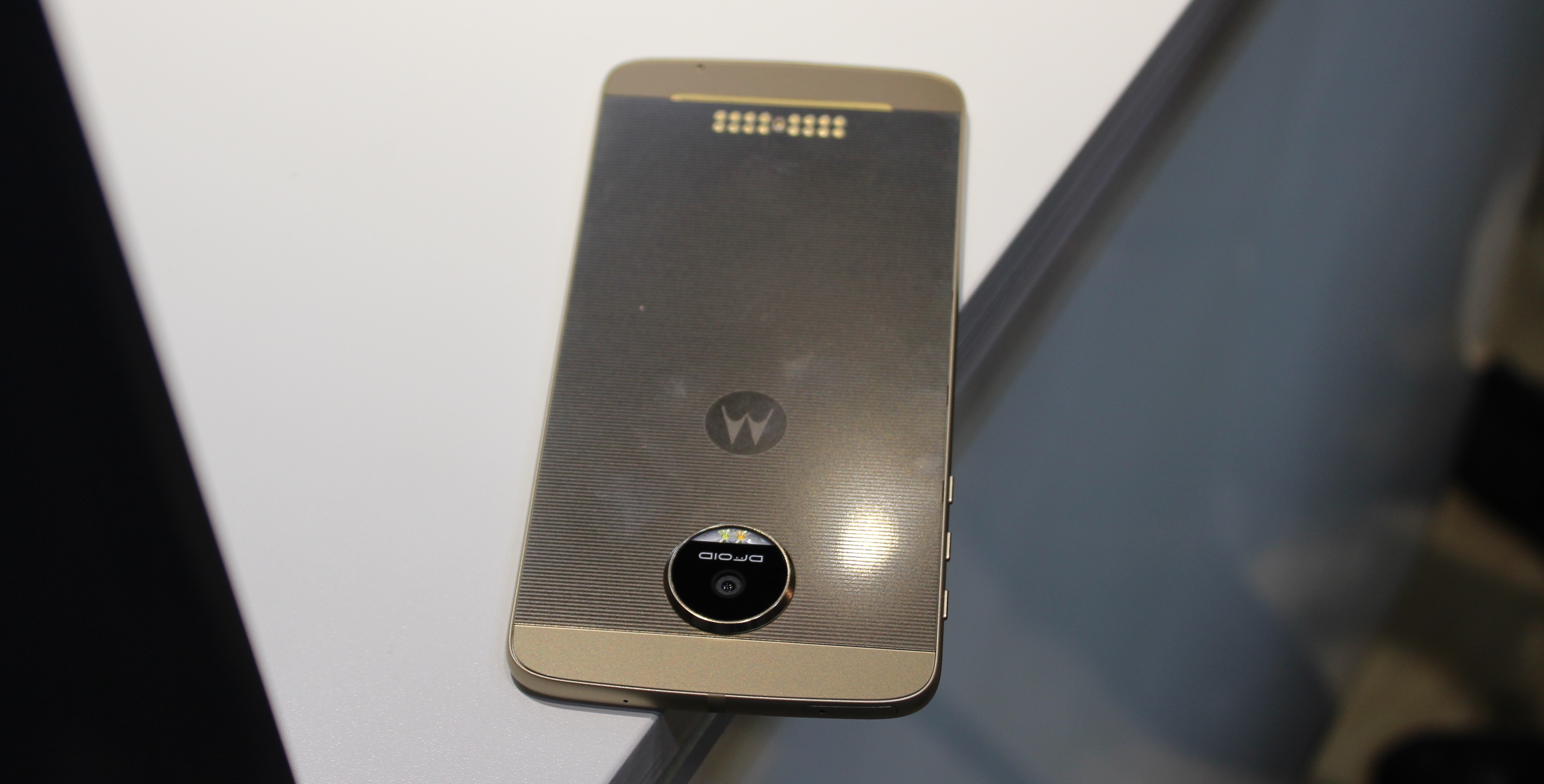
Yesterday we got our hands on Lenovo’s just-announced Moto Z and Phab2 Pro, but one of the most important new features of the former — the company’s true flagship this year — is support for new modular backplates called Moto Mods. Lenovo announced a slew of them yesterday, including speakers from JBL, a camera module from Hasselblad, a pico projector called the Moto Insta-Share, an Incopio battery pack, and more.
Lenovo announced the first line of Moto phones since its acquisition of Motorola today, and there was not a single mention of the company from which the new devices got their namesake. The Moto X is gone replaced by the Moto Z and the Moto Z Force — the former being the true flagship with a super-thin build and the latter being a more rugged version with a better camera, a little more thickness, and a shatterproof screen.
Let’s take a look at the regular Moto Z, which in my opinion is the nicest phone Lenovo announced today…
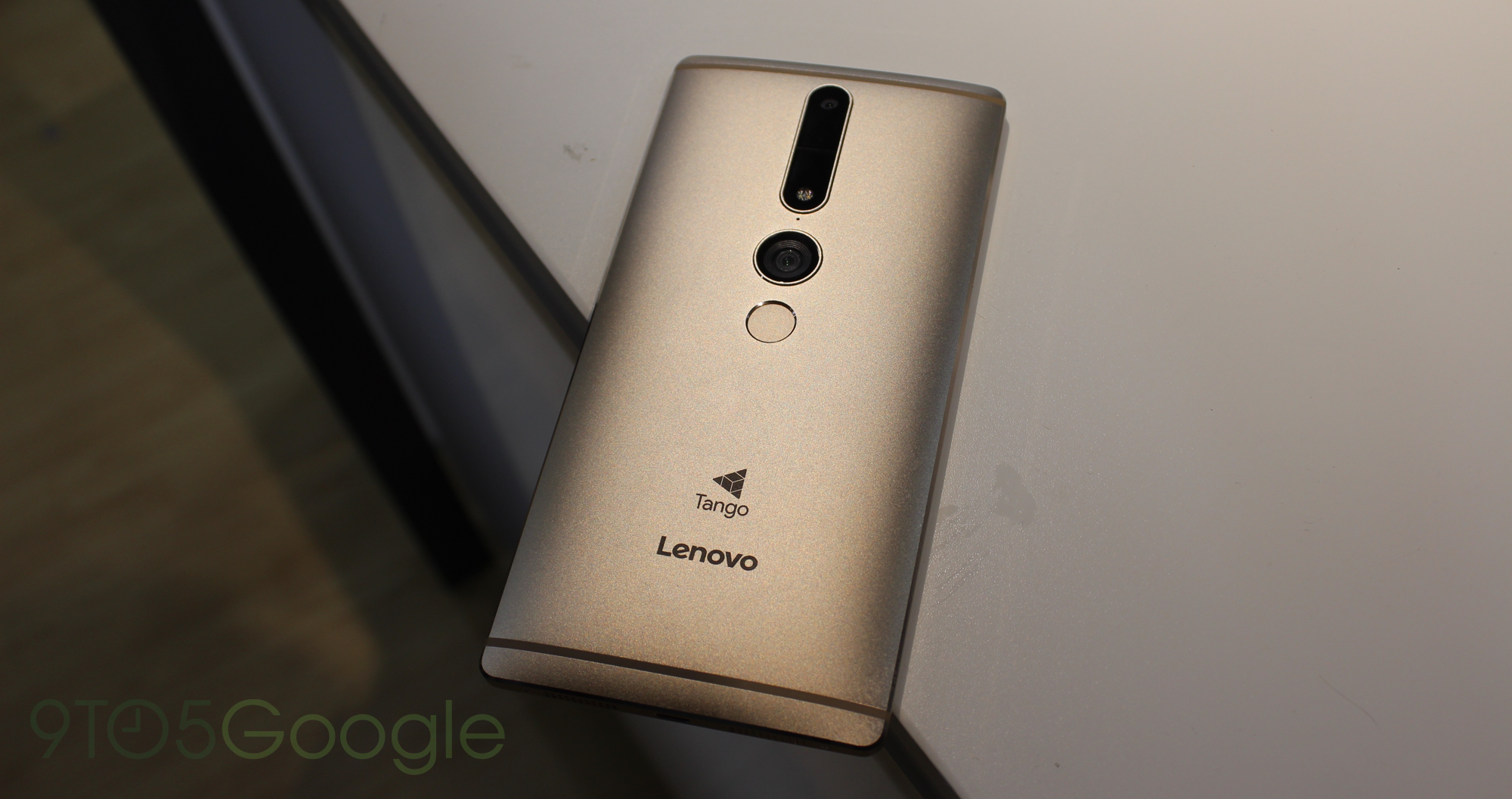
Lenovo today took the wraps off its Phab2 Pro (or phab 2 PRO, or PHAB 2 Pro, depending on which version you want to go with), and I managed to get my hands on it just after the keynote.
Let me make this clear, because the press releases, stock imagery, and even the device we saw on stage today, do not really show the “phone” for what it is. This is not really a phone. It’s a hilariously huge phablet — and even that is borderline. Really, in my eyes, this thing is a tablet.
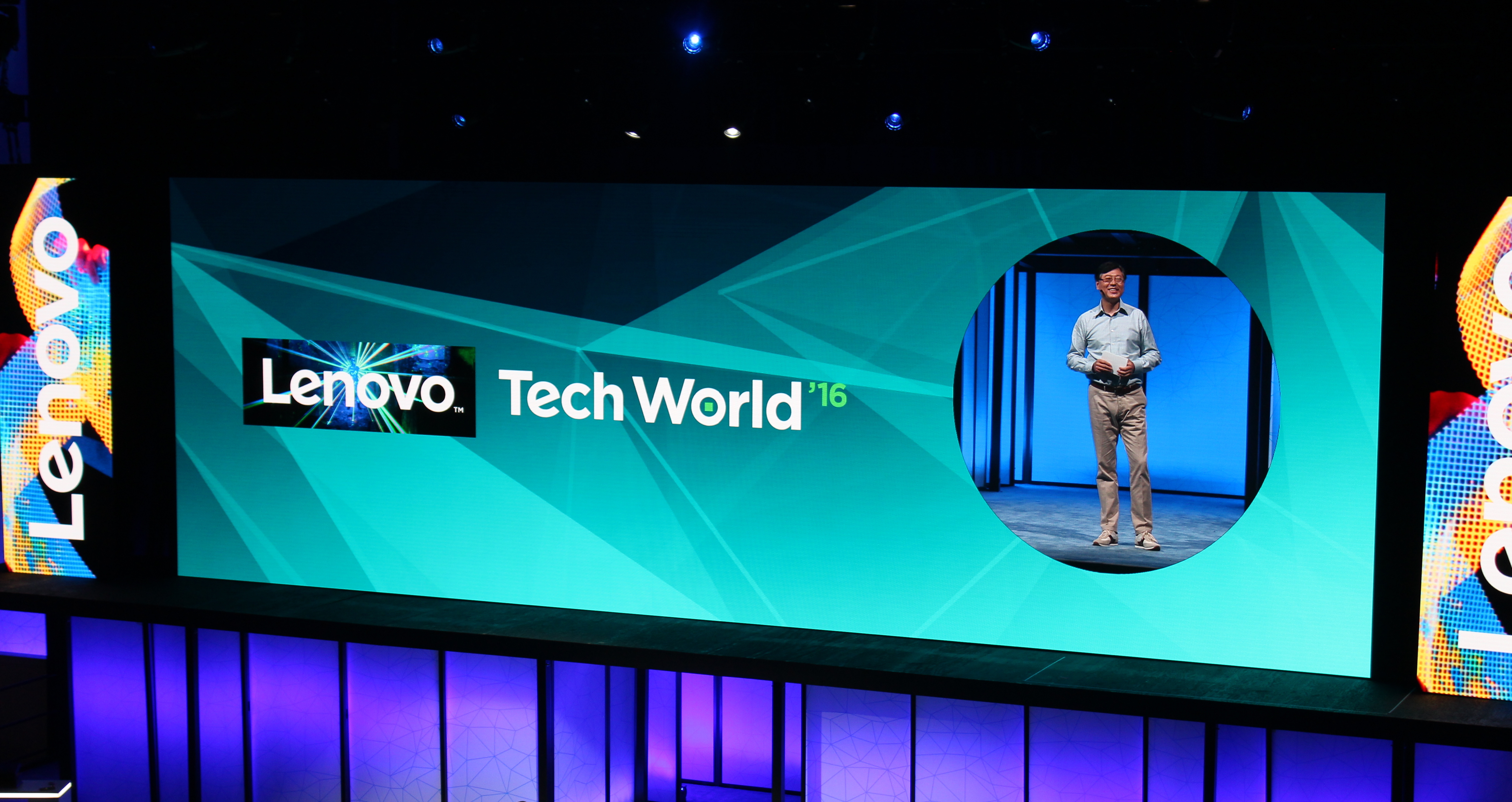
Lenovo is kicking off its Tech World 2016 event this morning in downtown San Francisco, one of the first big Lenovo events — thanks to the company’s acquisition of Motorola earlier this year — that Android fans have ever really been truly excited for. We’re on the ground here in San Francisco, but since you’re probably not, the company has lovingly provided a livestream so you can watch along…
But apparently, despite all the people-friendly marketing that Google does with its mobile OS software updates (and more recently, the Nexus phones), there’s this persistent complete ignorance about Android in general. How can Google motivate people to update to Android Marshmallow — much less care about what it offers — if they don’t even know what the OS is called?
Of course they could (or not) go the Apple route and create a situation with complete control over the entire ecosystem, but Google’s tactic of trying to make OS updates familiar and friendly is about as much as it can do for now. Apparently it’s not working, and this is perfectly illustrated in a recent round of Jeopardy! where two contestants both thought that Marshmallow is the name of iOS 6.0…
It’s no secret that Google has struggled to get people to upgrade the software on its phones (but perhaps more accurately, the software on other companies’ phones). It’s one of the most blatant examples of an area that Google and its OEMs are just so far behind, especially compared to the adoption rates of iOS on Apple’s devices. And with every passing month, it just doesn’t seem to be getting any better.
It’s been about 8 months since its release, and the latest Android distribution numbers reveal that the newest version of Google’s mobile OS, Marshmallow, has just now passed 10% adoption. Google’s most popular version of Android at this point, Lollipop, lost 0.2 percentage points this month and KitKat, which was announced in 2013, still holds more than a 30% share…
We exclusively told you a few weeks ago that Google was planning to launch a partner program for agencies that build Android apps, and the company confirmed the existence of said program on the day of the Google I/O 2016 keynote. Now, Google has taken to its Developers blog to formally “announce” the program and spill some more details…
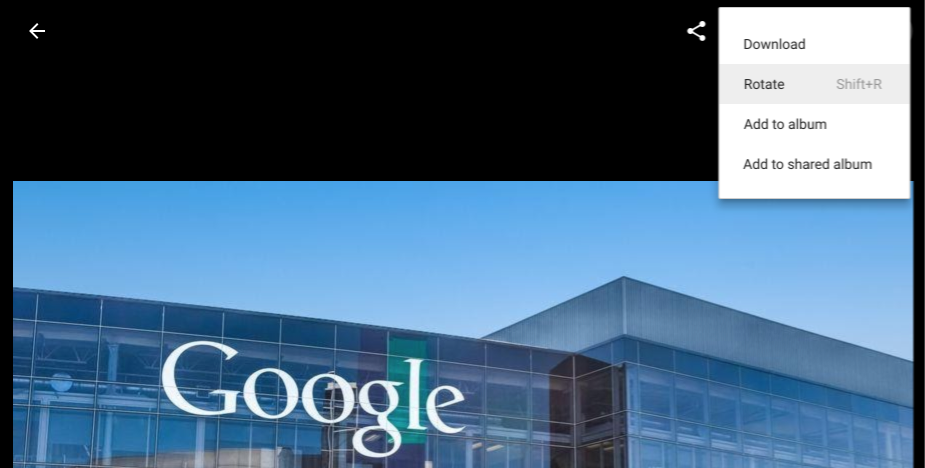
If you — like me — have enabled auto-upload to Google Photos on pretty much all of your devices, you’ve surely noticed that some photos just don’t arrive on the site with the correct orientation sometimes. The Google Photos editor — which also has filters, brightness control, etc. — is an easy fix for this (it only take a few clicks), but now Google has made rotating photos in the app even easier with a quick keyboard shortcut that you can use when viewing any photo…
The summer is here, and that means we’ve seen a lot of new Android smartphones announced in the first half of this year. Starting off the year was the Huawei Mate 8 and Honor 5X at CES in January, of course followed later by Samsung’s Galaxy S7 and S7 edge as well as the LG G5 in February at Mobile World Congress. But which ones are the best buys? Keep reading to find out…