Abner Li has worked at 9to5Google since 2015 and in late 2020 took on the role of editor-in-chief. He is keenly focused on tracking what happens at Google, and is often the first to spot new features in Google’s ever-growing family of applications that are updated on a daily basis, including Search, Assistant, Maps, Workspace, Android, Chrome/OS, Wear OS, and YouTube Music.
To him, what Google does greatly impacts the technology space and modern life. Inside the company, he is particularly interested in the key products mentioned above, as well as services like Google Podcasts and Google Lens. Each are massive platforms that can be unwieldy to grasp, with Abner keenly bent on understanding their philosophy and future direction. He is most excited about Google’s plans for augmented reality glasses.
Abner spearheads the APK Insight program at 9to5Google to chronicle all changes in the company’s Android apps, often finding new features before they are officially announced. This includes redesigns and revamps, launches, and new products.
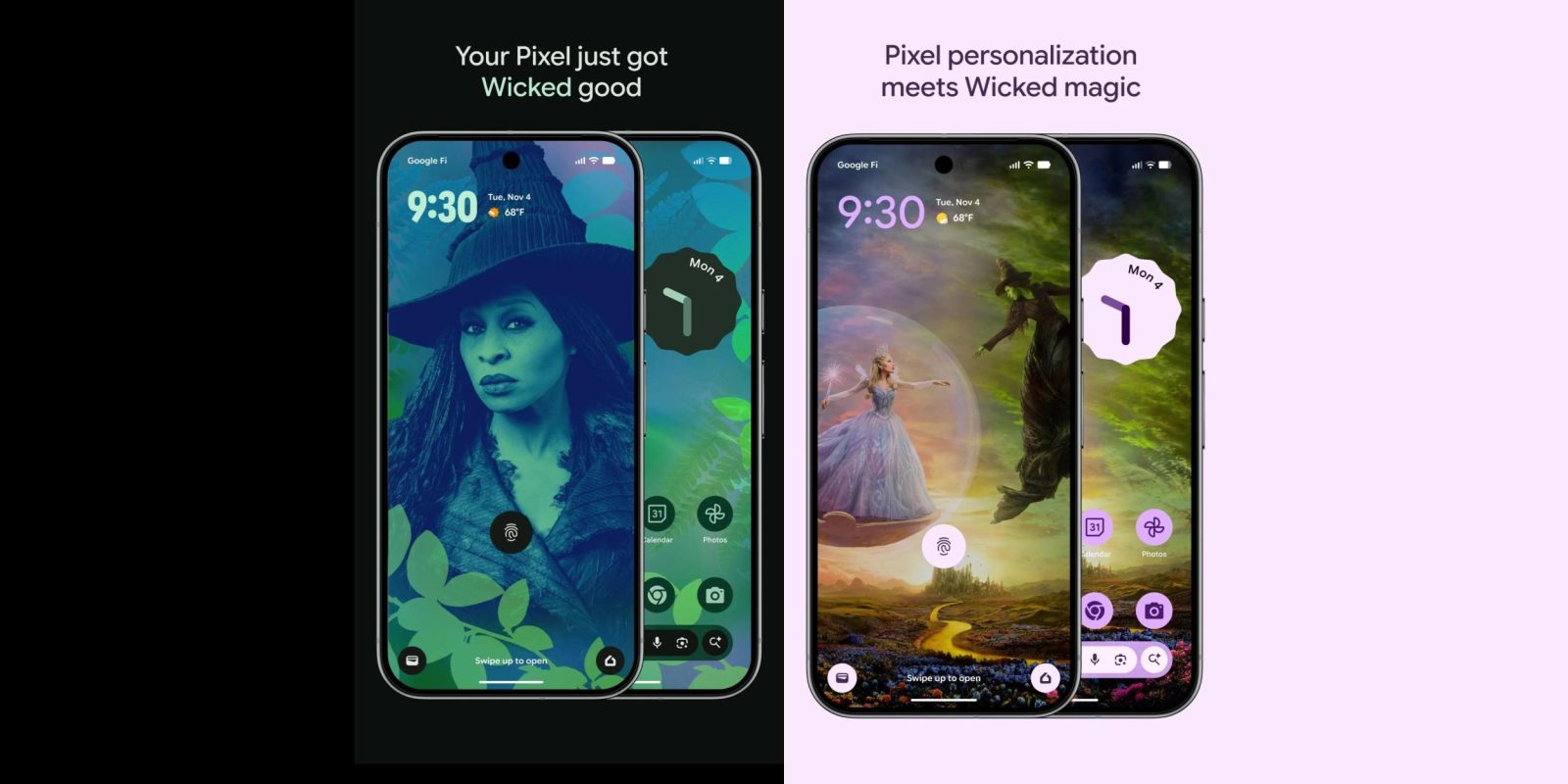
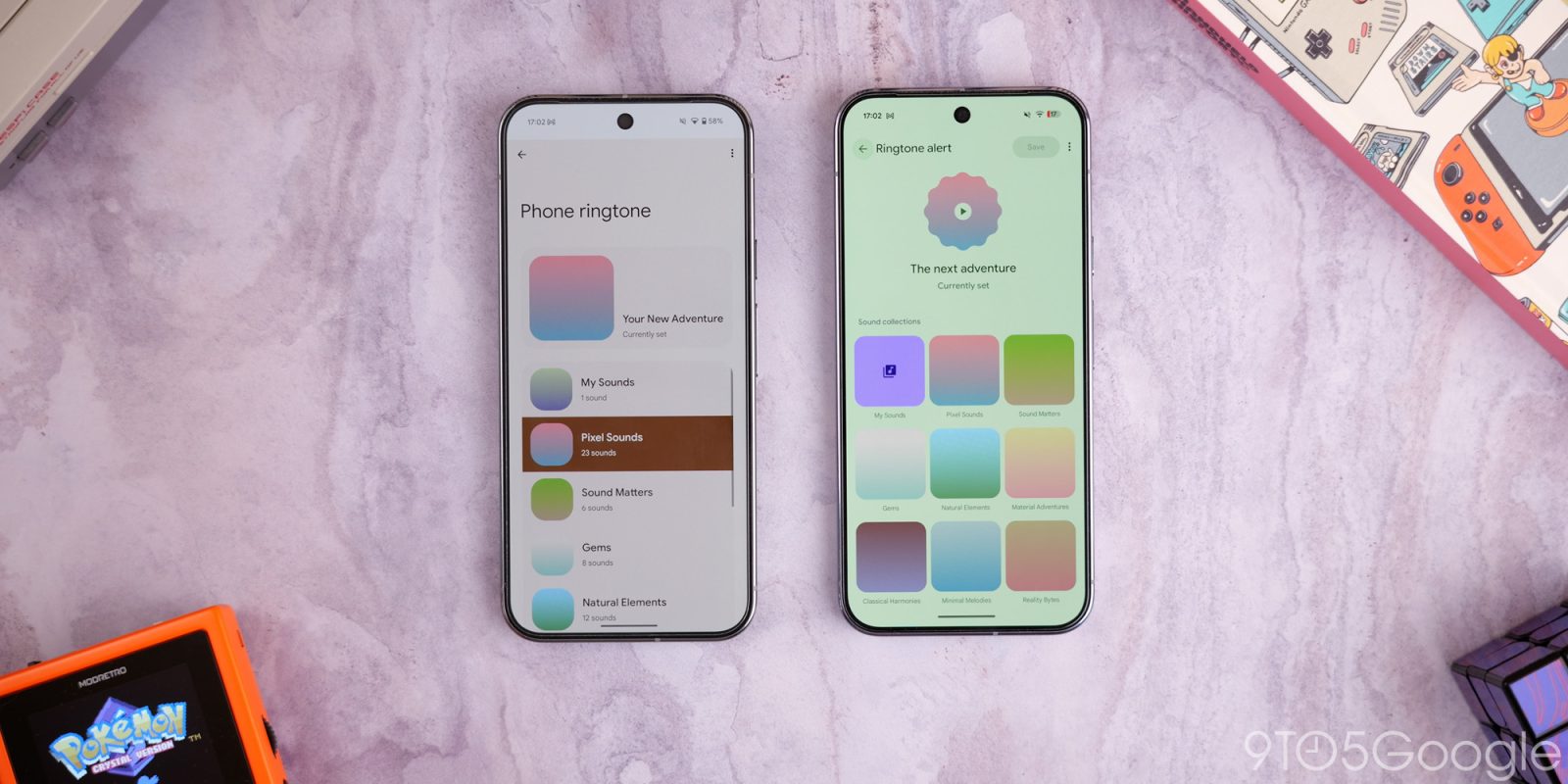
Google today is rolling out a November 2025 Pixel Feature Drop that is quite sizable and coming out of cycle. This update is still based on Android 16 QPR1.
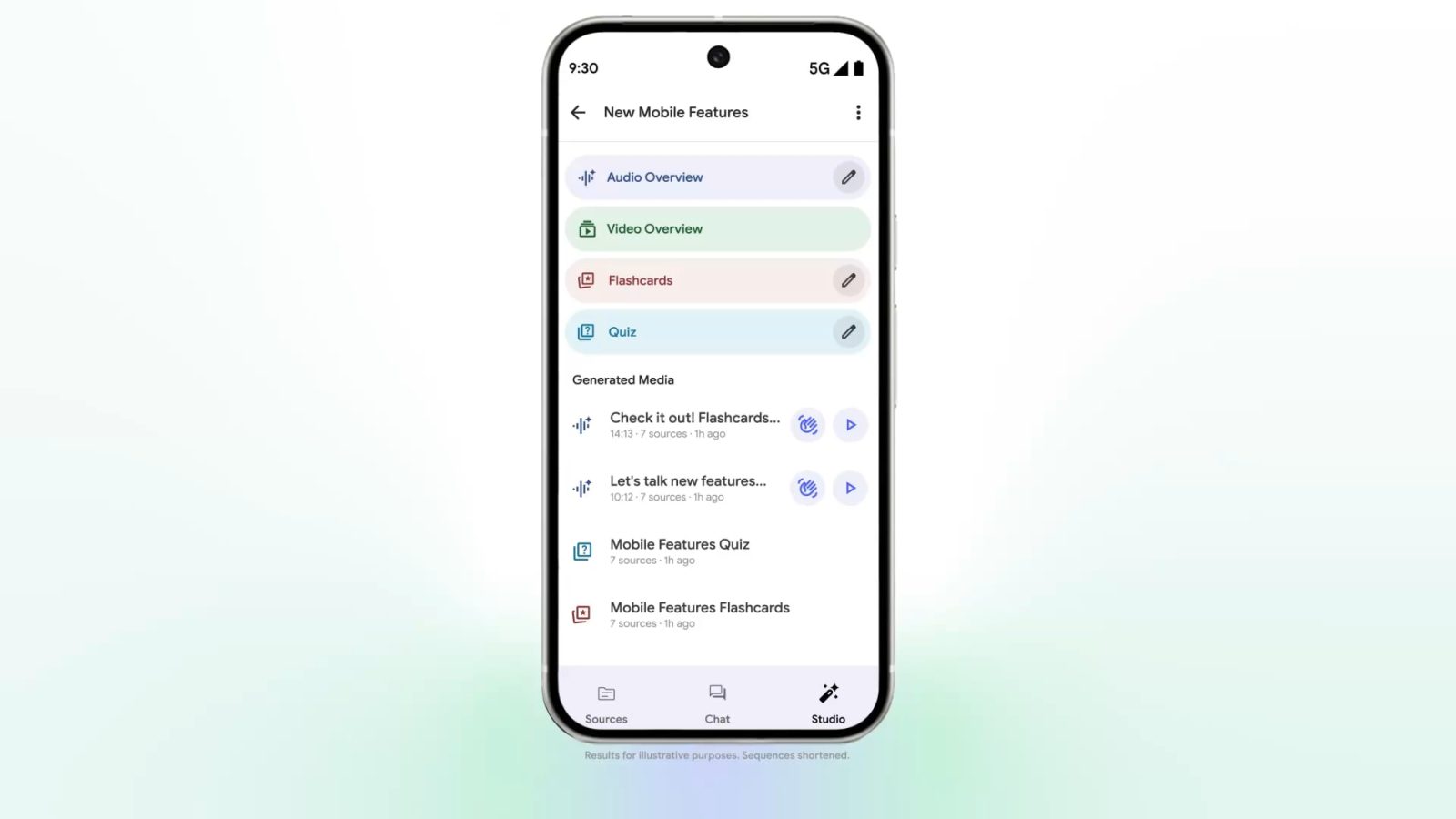
Since launch, the NotebookLM mobile experience has been focused on letting you listen to Audio Overviews on the go. The NotebookLM app for Android and iOS now supports flashcards and quizzes.
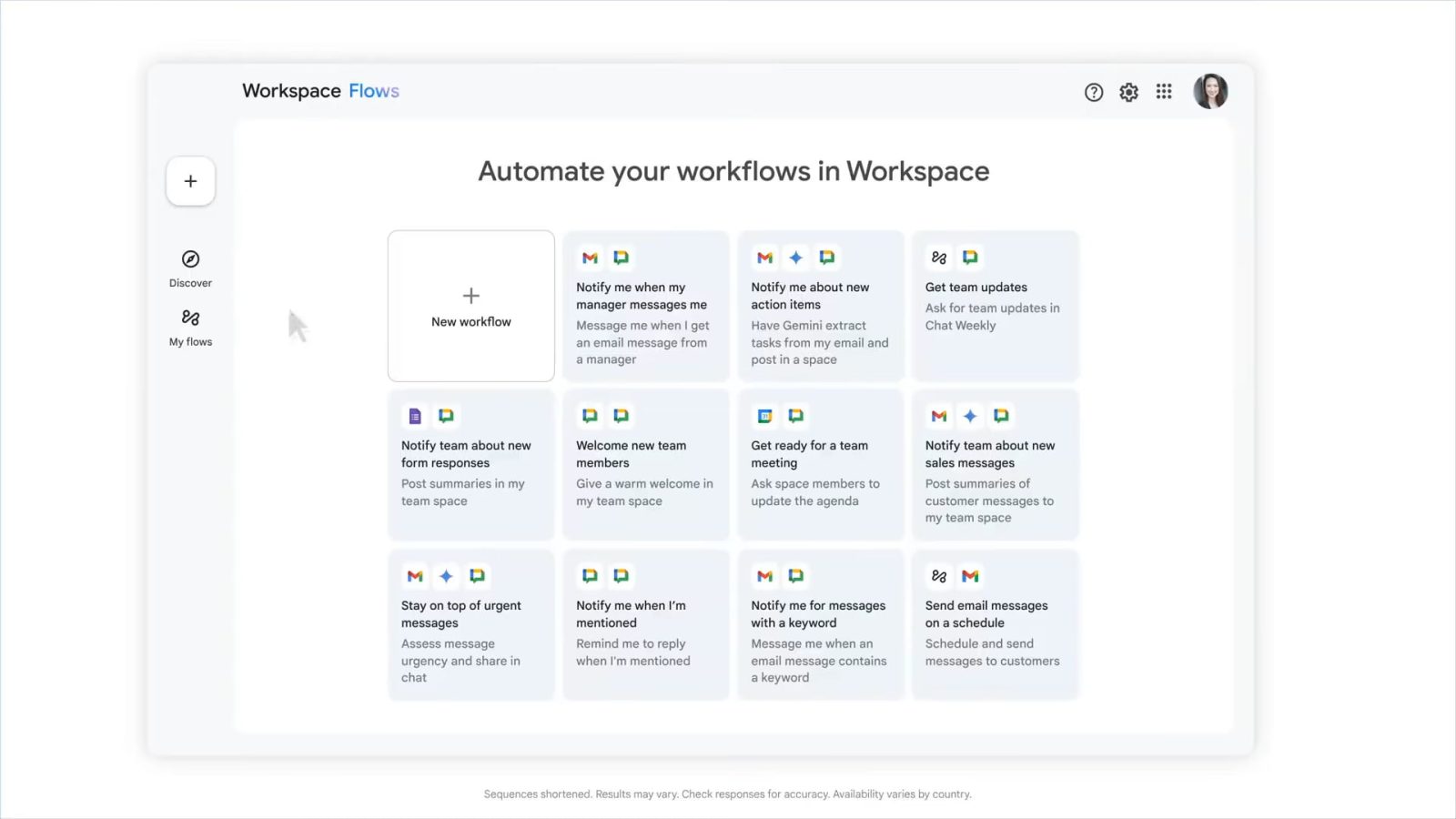
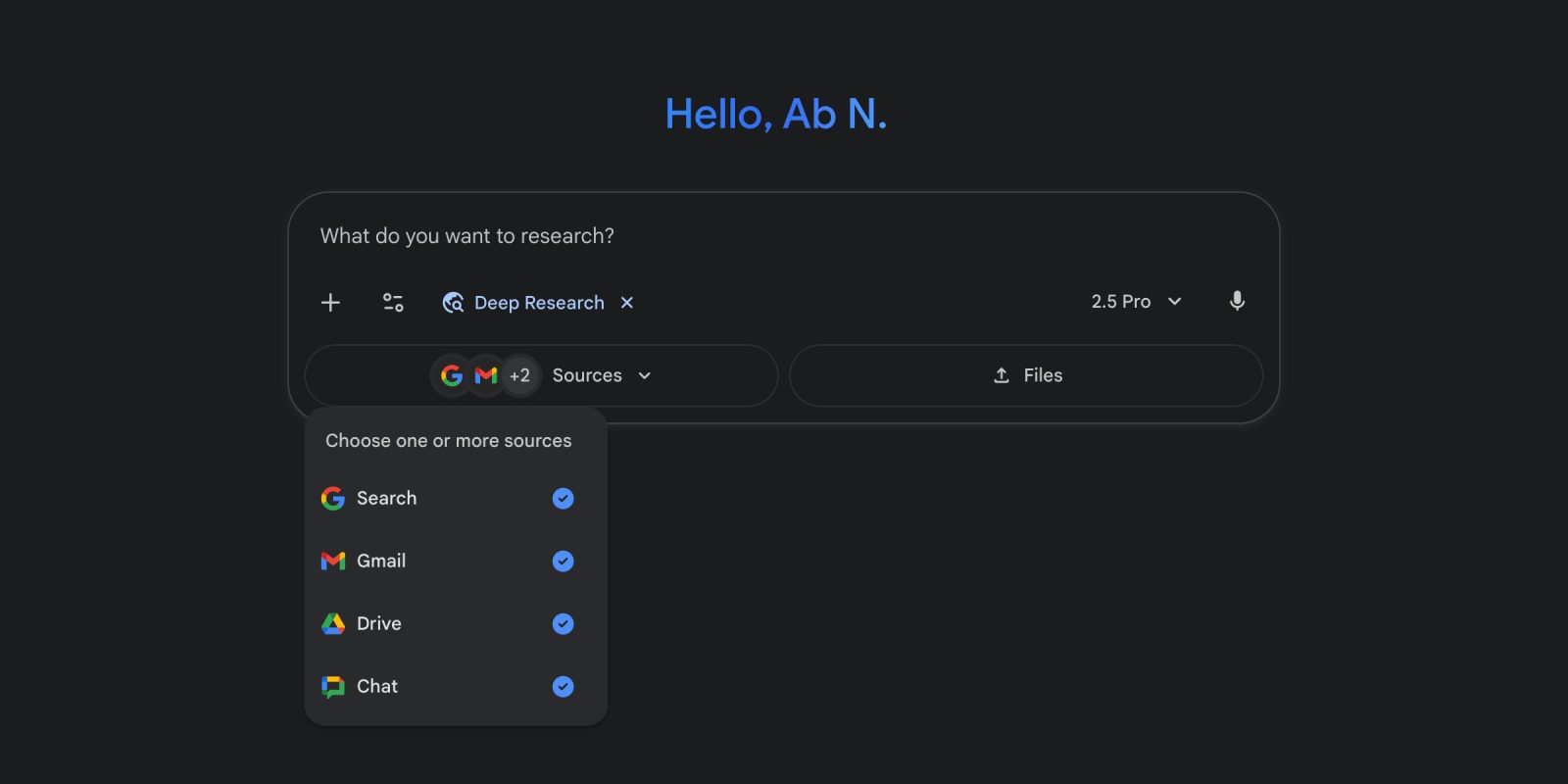
After adding PDF support in May, Gemini Deep Research can now directly tap information stored in your Gmail and Google Chat conversations, as well as Google Drive files.
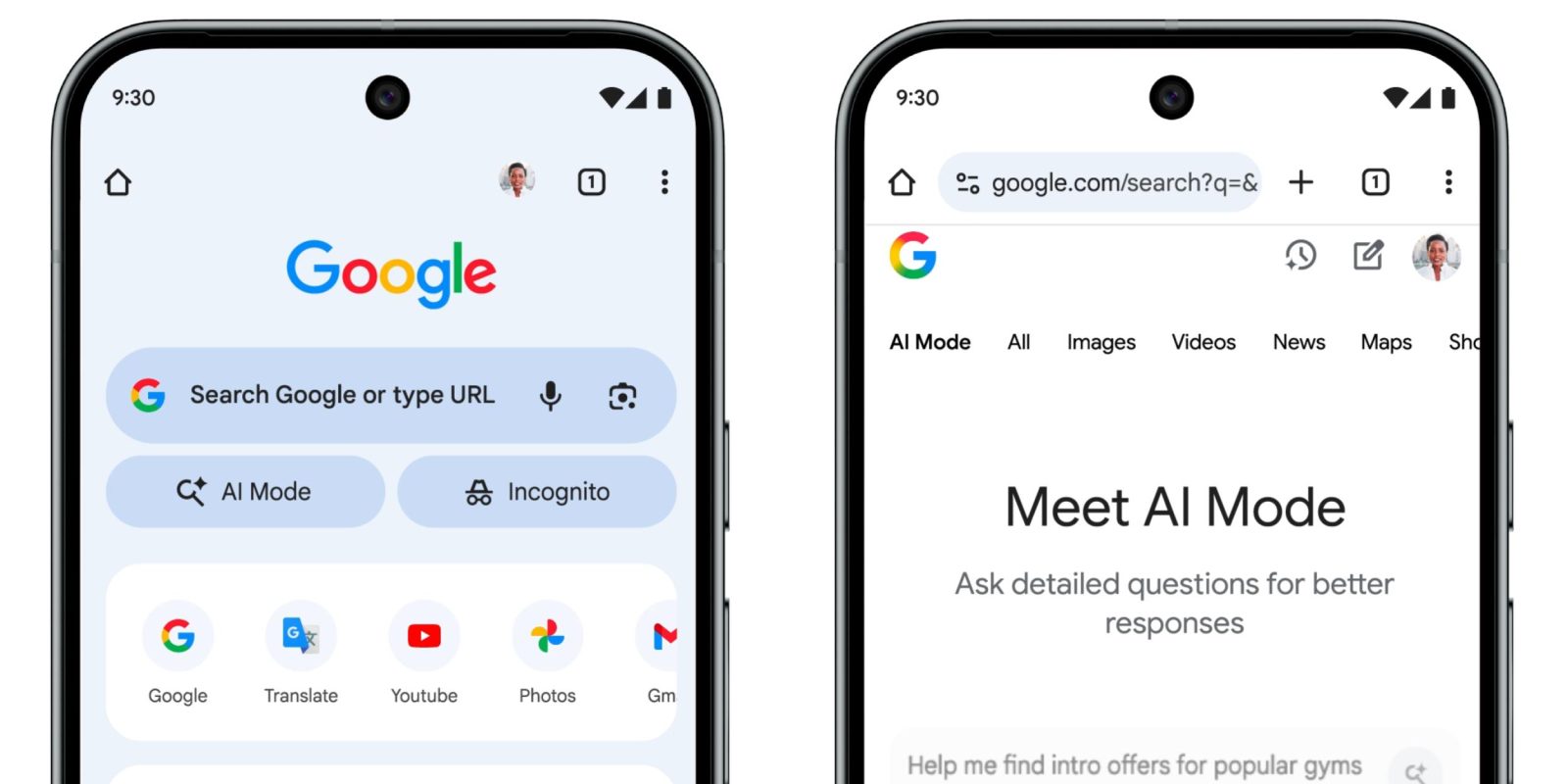
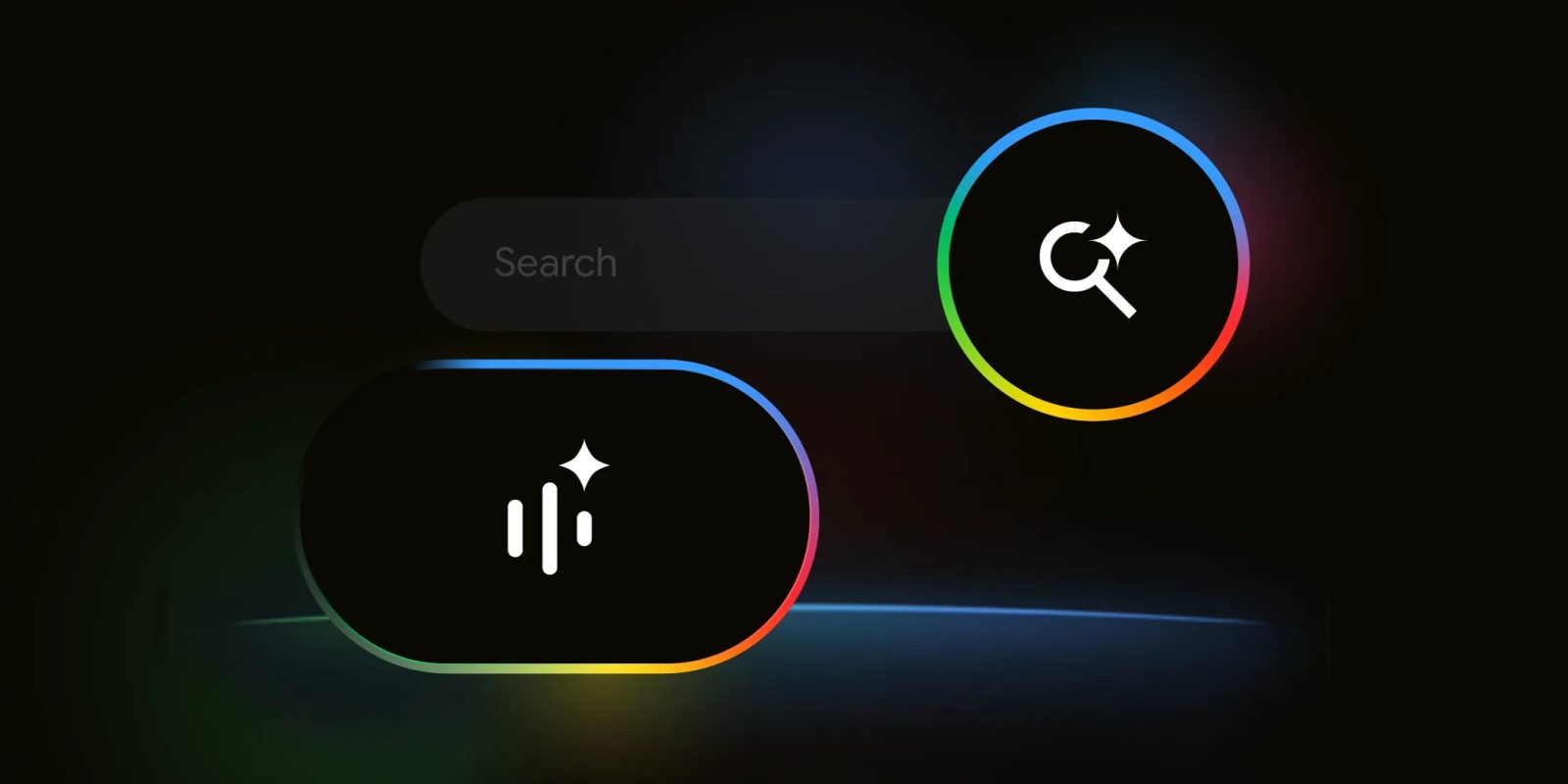
After giving AI Mode new floating controls on Android, the new Search experience is expanding its presence on Chrome and getting more agentic features.
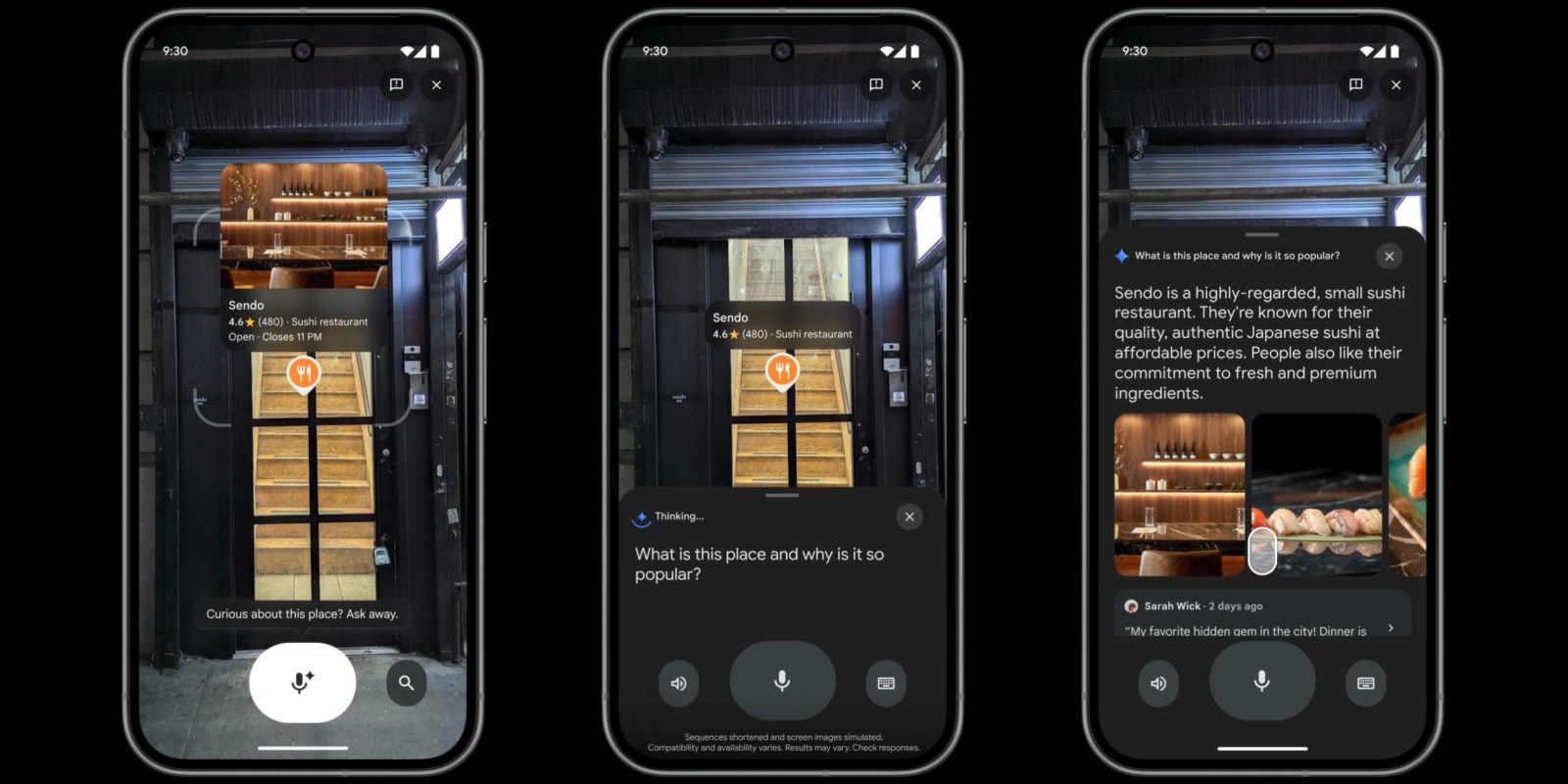
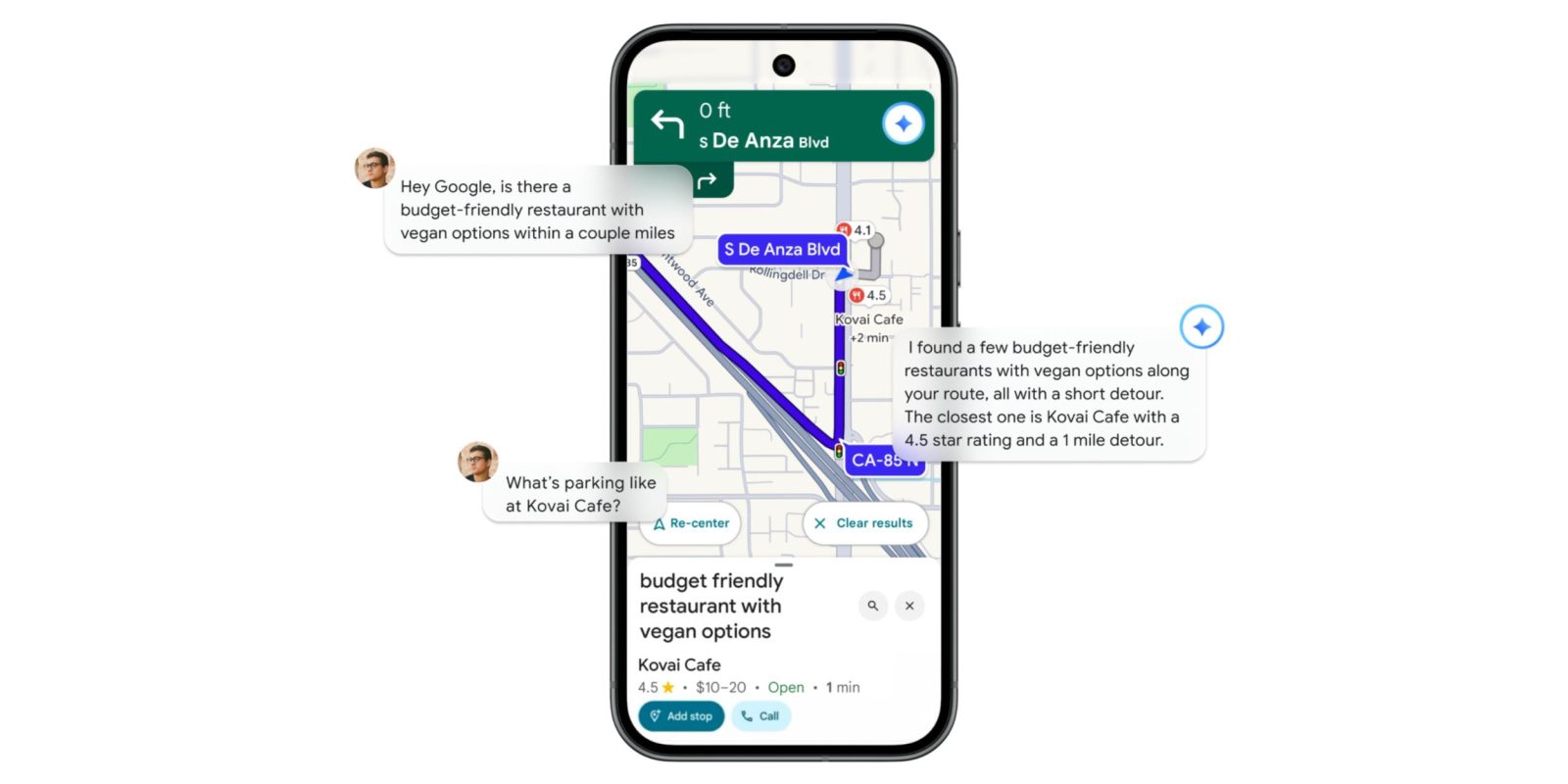
In Google Maps, Gemini already exists in place listings, and it’s now coming to the navigation experience on Android and iOS. Google equates this “hands-free, conversational driving experience” to having a “knowledgeable friend in the passenger seat who can confidently help you get where you’re going.”
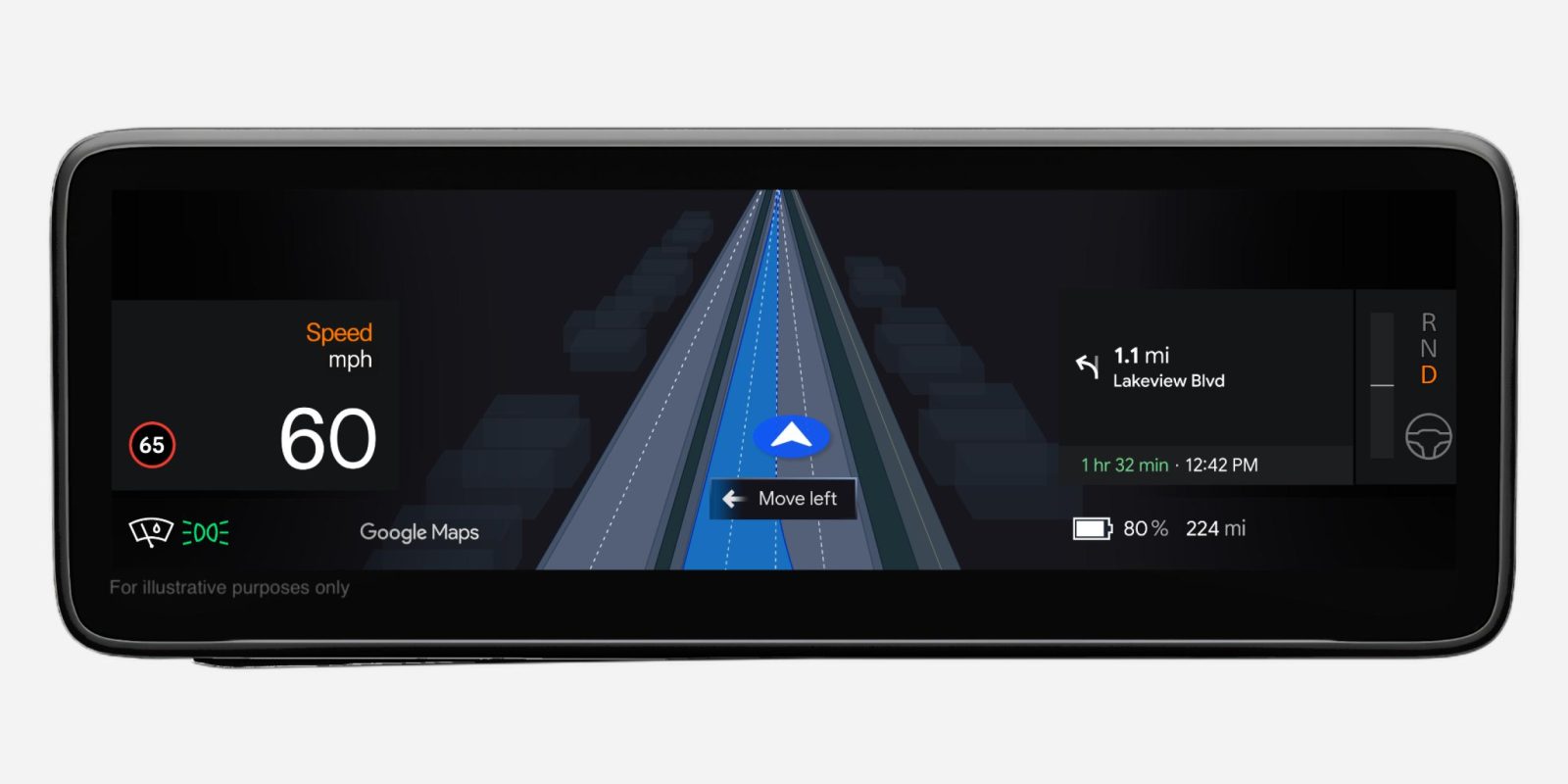
Google Maps on Android Automotive (“Google built-in”) is tapping into how modern vehicles are smartphones on wheels with a new live lane guidance capability for the Polestar 4. This essentially lets Google Maps “see” the road like a driver.