Wear OS

See All Stories

Wear OS is Google's wearable platform which is designed to run on watches. It's based on a modified version of Android, designed by Google, and used on many third-party smartwatches.
Android 11 Wear OS

What is Wear OS?

Wear OS is Google’s wearable platform which is designed to run on watches. It’s based on a modified version of Android, designed by Google, and used on many third-party smartwatches from companies including Fossil, Mobvoi, and more.

The platform is designed to pair with a smartphone – best with Android but compatible with iPhones – and mirror notifications. Developers can also create apps for Wear OS and submit them to the Google Play Store for users to download. Google Assistant is a key feature of the platform, enabling voice controls and smart home integration. Google Fit is also a core part of all watches using Google’s platform, with most supporting a heart rate monitor for fitness tracking.

In recent years, Google’s focus on Wear OS has allowed the platform to function more on its own compared to in years past. LTE watches have been released, and better specifications have also helped fix performance complaints. Pricing on watches varies from model to model, but some models cost under $200, with most of our favorites being around $300.

Google has teased the next “platform update” as coming later in 2021 with some notable changes, including Tiles from third-party apps. You can read more on that here.

In 2021, Google successfully completed its acquisition of Fitbit. When the deal was first announced, Google teased that it would present a chance to “invest more in Wear OS,” but nothing else has come of that announcement yet.
Site default logo image

When did Wear OS release?

Google first announced this platform in 2014 under the name Android Wear.

In 2017, the platform released its “2.0” update, which was an overhaul to the UI and experience with apps being split from the phone and installed independently from the Play Store. In March of the following year, Google officially rebranded Android Wear as Wear OS to better appeal to more customers.

Who uses Wear OS?

You can find Wear OS on many smartwatches, as Google makes the platform available to many OEMs as an alternative to building their own operating system from scratch. Most smartwatches using the platform are powered by Qualcomm chipsets, with the company’s Snapdragon Wear series optimized for smartwatches.

Fossil is the biggest brand in the space, with its own models for sale around $200-$300. The company’s sub-brands including Skagen, Misfit, Diesel, and many others also use the platform for varying price points, but they all generally have the same feature set.

Mobvoi is another notable contender in the space. Google has previously invested in the Chinese company, and Wear OS powers its TicWatch lineup. Notably, Mobvoi’s TicWatch 3 Pro was the first to use the Snapdragon Wear 4100 chip.

Other brands who have been associated with the platform include Casio, Montblanc, Louis Vuitton, Tag Heuer, and countless others. Despite the wide variety of brands, though, market share for Google’s platform has long remained minimal and stagnant. In 2020, the smartwatch market saw gains amid the pandemic, but Google’s platform had less share than Fitbit, which was at 6.2% and shrinking at the time.

What’s next for Wear OS?

At Google I/O 2021, the company announced a complete overhaul that’s coming to Wear OS. In the “biggest update ever” for the platform, Google is joining forces with Samsung to create a “unified platform.”

Much of what’s coming with this “Wear 3.0” update remains to be seen, but there are a few things we do know for certain. Google has said that the platform will focus on better battery life as well as better health features, both areas in which previous iterations have lacked. The renewed focus on health will be primarily powered by the newly acquired Fitbit, and based on early looks, it’ll be a near-complete copy from what’s on current Fitbit smartwatches such as Versa 3 and Sense. The new version is based on Android 11.

As for new hardware running the revamped Wear, there’s a lot that’s not known. Fitbit has committed to making “premium” smartwatches on Wear, and Samsung has pretty much confirmed the Galaxy Watch 4 series will be running the update as well.


You can read the latest news about the platform and its apps below.

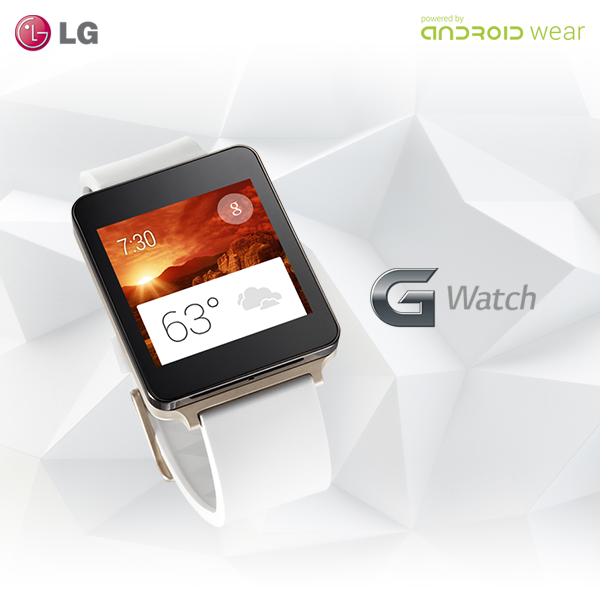
System dump reveals LG G Watch details including default apps, Snapdragon 400 chipset, background images

Site default logo image

Yesterday we mentioned the boot logo for the LG G Watch that had leaked to the Internet, and with it came what might be the next official Android logo. This information surfaced from an LG G Watch system dump leaked on Twitter last night, and a quick dig through it reveals some more interesting tidbits of information about the device…
Expand
Expanding
Close

Could this be Android’s new logo?

Site default logo image

Android might be changing soon and no, we’re not talking about the release of a new dessert-themed operating system. After over five and a half years on the market, Google’s mobile software platform may possibly be getting a new logo. Initially revealed by Twitter account @UpLeaks, an alleged boot animation for LG’s upcoming G Watch may have revealed Android’s refreshed emblem.


Expand
Expanding
Close

Site default logo image

Rumor: HTC ‘One Wear’ smartwatch to be round, available in polycarbonate and metal

The very same guy who brought us video footage of the Samsung Galaxy S5 Active more than a week before it was officially released has today published a bit of information about the upcoming HTC smartwatch, tentatively named the “One Wear.”

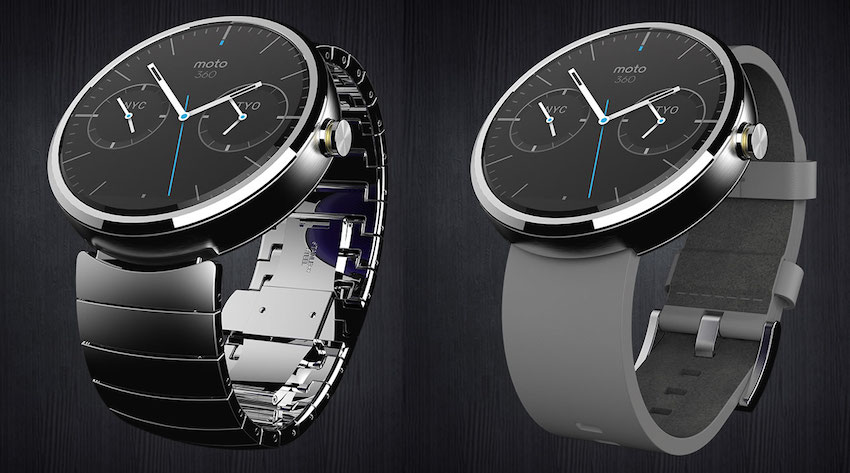
It’s been an interesting few days here in Taiwan. Sources have provided more than rumors but a actual demo of the HTC smart watch. I did ask for a name. Tentatively it’s called the One Wear, slated to launch late august early September of this year. The design is round much like the Moto 360, will be available in a polycarbonate and metal flavors.

While these Taiwan-sourced rumors should probably be taken with a grain of salt, none of this supposedly leaked information sounds particularly out of place. First of all, Google has already told us that they’re working with a wide variety of manufacturers, one of which being HTC. And with a tentative name like “One Wear,” it’s likely that the device being referenced is indeed HTC’s foray into Android Wear.

Here’s a look at LG’s G Watch in action (video)

Site default logo image

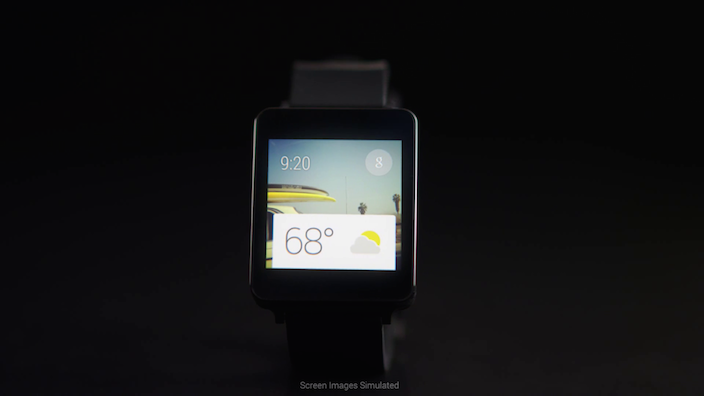
It’s no secret that LG is working on a smartwatch and while the company has openly teased its new wearable, we’ve yet to get a really good look at this up-and-comer in action. However, that just changed thanks to the folks at AppDated, who’ve managed to get their hands on the Android Wear-powered timepiece during the recent LG G3 event in London. While the video is completely in German, it still gives a solid overview of the watch in a real world environment and does a nice job of showing off how smooth Google’s wearable operating system seems to be despite this being a beta build of the platform. Check out what might possibly be up for grabs in the next few weeks.


Expand
Expanding
Close

FCC documents for possible LG G Watch uncovered, no mention of cellular radio

Site default logo image

Yesterday, we reported on a rumor from a Korean website claiming that the up-and-coming LG G Watch will include an embedded, unremovable SIM card. While nothing is conclusive, a dig through the FCC website has unearthed some documents making up a filing for what we believe is the upcoming LG G Watch, and—unsurprisingly—there isn’t any mention of Wi-Fi or cellular radios.
Expand
Expanding
Close

Site default logo image

Korean site claims upcoming LG G Watch to have unremovable SIM card

LG’s upcoming Android Wear watch has been mostly revealed, but a new report from Korean news website iNews24 claims that there’s one feature that LG is keeping a dirty little secret: a non-removable SIM card. The watch, although already officially announced and sporting its own splash page on the LG website, is said to be getting a bit more attention at the upcoming Google I/O press event — potentially alongside the Moto 360, another device debuting Google’s Android Wear operating system.

This rumor seems suspicious, as the Android Wear operating system is made to be an extension to Android smartphones, not to be used as a standalone device. LG is going to be one of the first devices released made to run Android Wear, and it would be odd for the company to go against Google’s own guidelines. That said, if this rumor turns out to be true, LG might just be preparing for a future version of Android Wear that supports more standalone devices. Even though a SIM in this waterproof device would mean it couldn’t be replaced, LG wouldn’t be the only ones at least considering a standalone cellular-capable smartwatch.

Samsung patent filings show gesture-controlled wearable device with round interface

Site default logo image


Samsung unveiled a handful of new wearable devices earlier this year, but according to some recently discovered patent filings, the company still has some more ideas in the pipeline. First discovered by SammyToday, Samsung has recently filed for a plethora of patents relating to a new wearable device that strongly resembles the Moto 360 and its circular design. The patents detail a plethora of features about the device, as well as some basic mockups of its design.


Expand
Expanding
Close

Check out these slick watch face entries for Motorola’s Moto 360 giveaway (gallery)

Site default logo image

Motorola announced a contest earlier this week asking the community to submit watch face concepts for a chance to win a Moto 360 smartwatch. Well, now the contest is udnerway, and the Moto 360 Design Face-Off community on Google+ is blowing up with submissions. Head past the break for some of the best we’ve seen so far …
Expand
Expanding
Close

LG’s G Watch reportedly launching in France in June for €199, suggests $199 in U.S.

Site default logo image

French site Les Numeriques is reporting that LG France has said that its G Watch will launch in the country in June, priced at €199. While a straight currency conversion would mean a U.S. price of $276, gadgets are typically priced higher in Europe than in the USA (partly due to taxes), so it’s likely that LG would match the $199 price of the Galaxy Gear 2.

If the watch does indeed launch in June, it’s likely to be the first Android Wear smartwatch on the market, ahead of Motorola’s Moto 360 expected sometime in the summer. Samsung’s Galaxy Gear 2 uses instead Tizen OS. Google announced the Android Wear platform and SDK last month. As we exclusively revealed last October, the platform puts Google Now functionality at the heart of the offering … 
Expand
Expanding
Close

Google releases ‘Android Wear’ SDK developer preview, says Android-powered wearables coming later this year

Site default logo image

[youtube=http://www.youtube.com/watch?v=QrqZl2QIz0c]

Following confirmation from Google’s Sundar Pichai earlier this month that a Android SDK for wearables was on the way, Google has now officially announced Android’s entrance into wearables with project “Android Wear.” The Android Wear SDK allows developers to integrate a number of features into Android powered wearables and relies heavily on Google Now functionality, as we were first to report late last year.

Google also confirmed that it’s working with a handful of partners to bring Android Wear powered wearables to market by later this year:

Asus, HTC, LG, Motorola and Samsung; chip makers Broadcom, Imagination, Intel, Mediatek and Qualcomm; and fashion brands like the Fossil Group to bring you watches powered by Android Wear later this year.’

What can developers do with Android Wear? Google says the devices will be capable of displaying, for example, the latest posts and updates from social and messaging apps, answers via “OK Google” voice commands and Google Now-like functionality, as well as a number of fitness and health related data points. Google is also allowing Android Wear devices to talk with other devices like your phone or Chrome device through voice commands:
Expand
Expanding
Close