Stephen is Growth Director at 9to5. You can find his current work at 9to5Mac, 9to5Google9to5Toys, Electrek, and more. If you want to get in touch, follow me on Twitter. Or, email at stephen (at) 9to5mac (dot) com, or an encrypted email at hallstephenj (at) protonmail (dot) com.
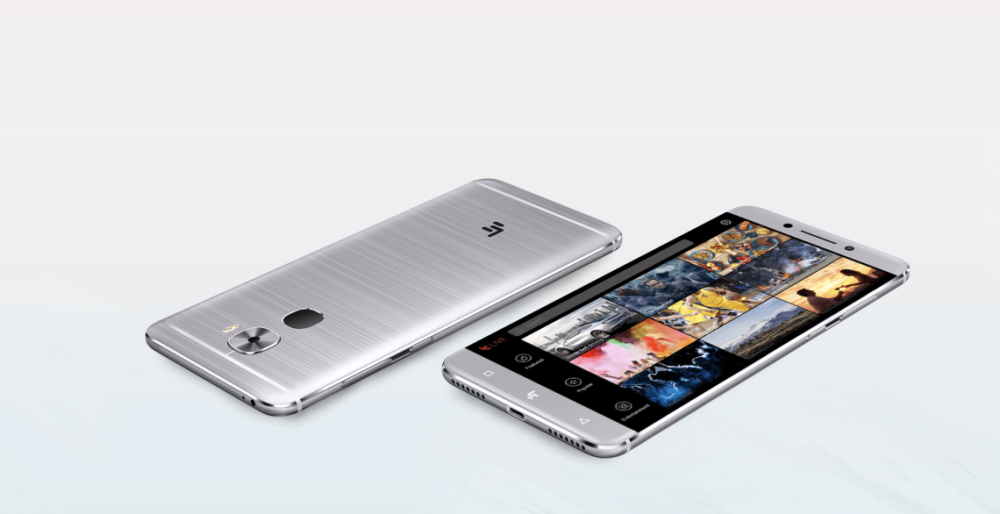
So we already had a pretty good idea of what LeEco was going to announce today thanks to a leak on its website earlier this month, but now have it all on the record. The event itself was full of buzzwords and marketing speak that all means close to nothing to most people. But sprinkled in, the Chinese company announced a slew of Android-powered products coming to the United States… Expand Expanding Close
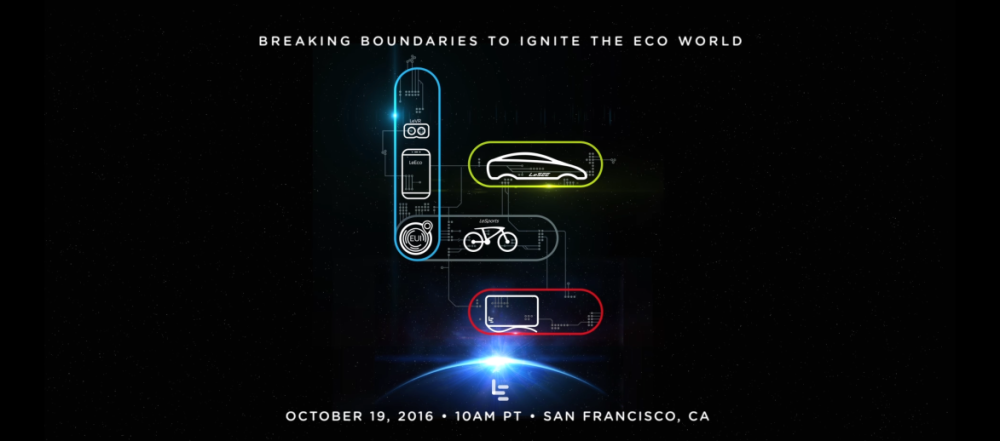
LeEco, the Chinese technology company that has been hitting US press more and more in recent years, is today holding an event marking its entry into the US market. We’re not completely sure what the company has up its sleeves, but the invitations the company sent out last month seem to suggest we’ll be seeing products in many different realms announced today…
So the Google Pixel embargo dropped today, and if you haven’t noticed, it’s getting pretty good reviews — including from us. One of the nicer touches that Google added with the Pixel in this writer’s opinion is a wide variety of stock wallpapers to choose from. It seems that the wallpaper picker is pulling some of them from the web, but some others — the ones you see below — are actually found in an APK that ships with the Pixel…
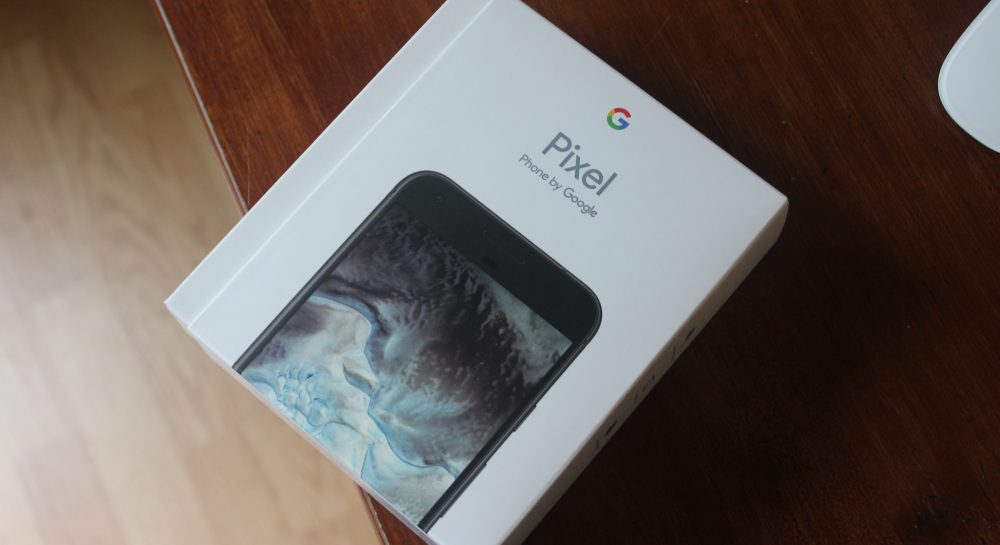
Yes, we just published our full review of the Google Pixel, but we thought you might want to see what’s in the box. Besides the phone, you’ll find the USB-C power brick, a USB-C to USB-C cable for charging the phone, a USB-C to USB-A cable, the SIM tool, the OTG dongle, and more…
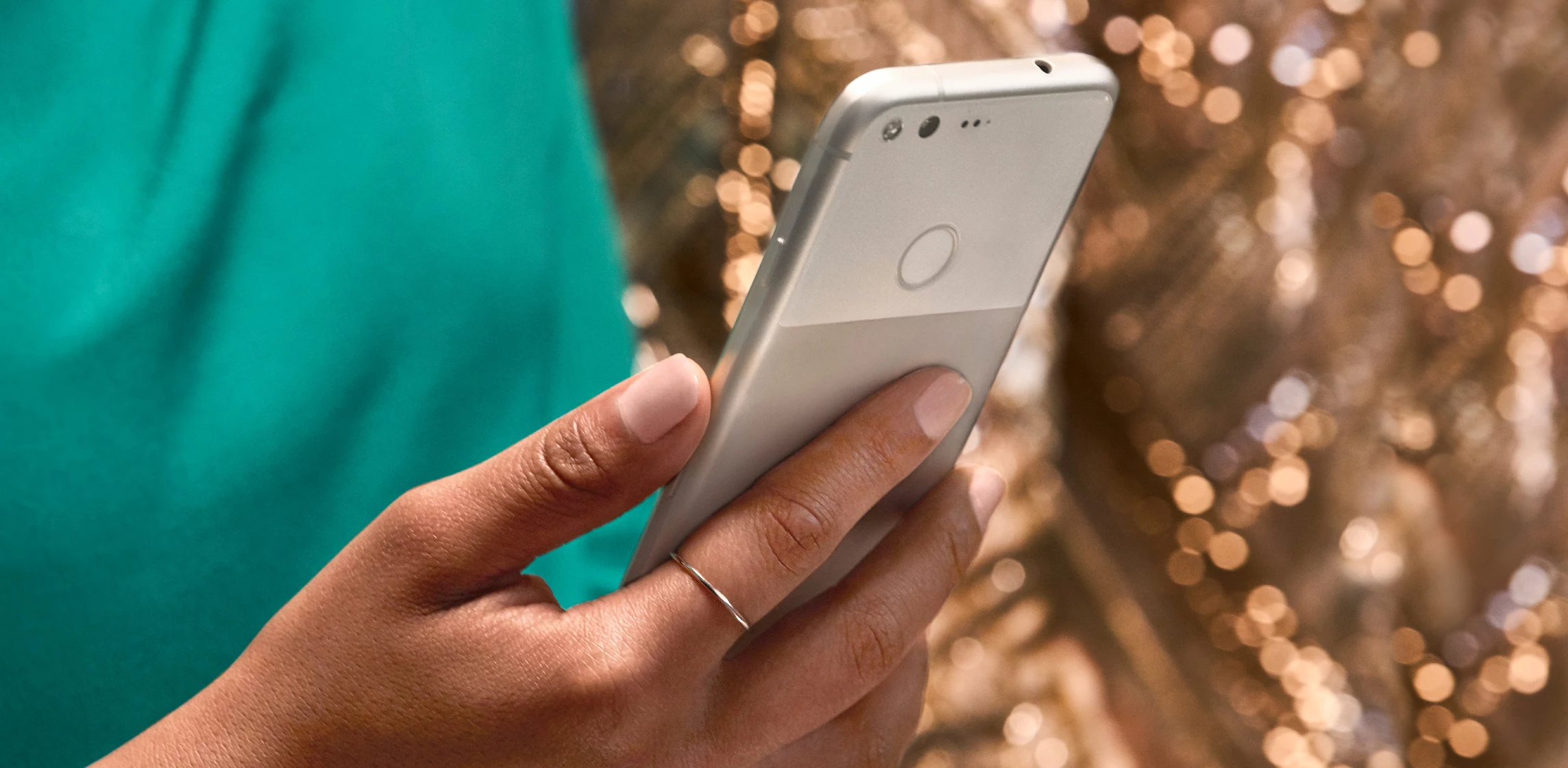
We didn’t expect it to come as soon as it did, but Google’s first solely self-branded smartphone, the Google Pixel, is finally here. In light of how mature the smartphone market has become in the last few years, it’s hard for a new phone to stand out as something that takes anything more than a few baby steps forward. This phone isn’t that much different. But what is different is that it isn’t just any Android phone made by one of Google’s partners. This one is Google’s, and that’s special.
It’s special because Google really has made an effort at building a good top-to-bottom user experience. It’s special because Google has made some clear — in some cases major — improvements to its software and how it works with the hardware. It’s special because it has a great camera. It’s special because it’s the first Android phone to ship with the Google Assistant. It’s special because it’s the first Daydream-ready smartphone. It’s special because it’s the best portal to Google’s services, full stop.
But most of all, I think the Pixel is special because it seems to me that Google’s newly-rebirthed smartphone line has a lot of potential. Yes, there are some things that this phone doesn’t have. But what phone doesn’t? Let’s talk about what the Pixel has going for it.
Google’s Pixel is right around the corner for a lot of pre-orderers, and the nitty gritty details surrounding the device just keep trickling in as more and more people get their hands on one. Today, we’re hearing that Hangouts is disabled by default on the Pixel and Pixel XL in favor of Allo and Duo…
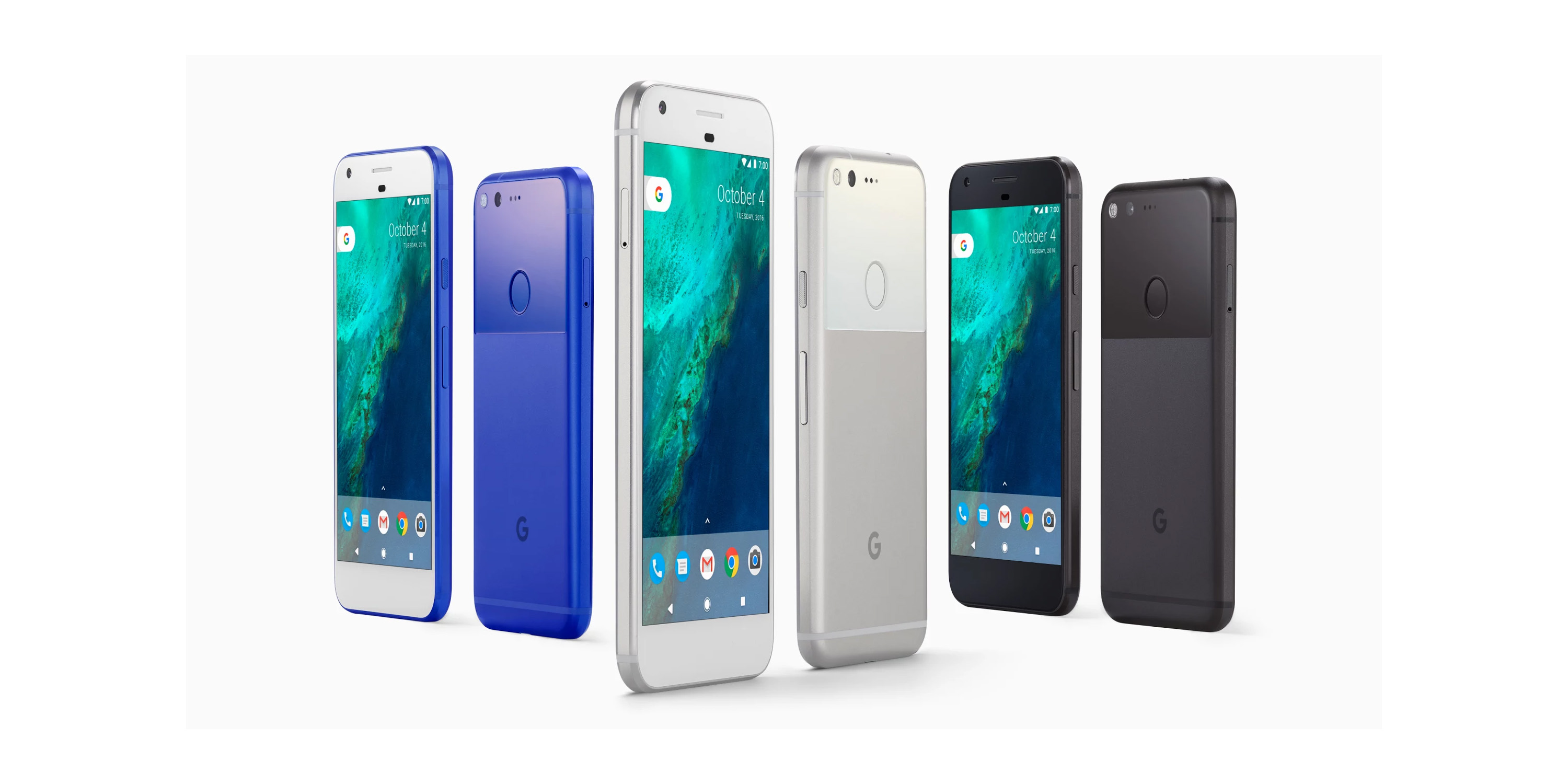
Google’s Pixel event has come and gone. With it, Google introduced its first solely self-branded smartphone, claiming that the Pixel and Pixel XL bring the very best that Google has to offer — for the moment, at least — in both hardware and software. It’s a refreshing move from a company that has traditionally only sold hardware built in partnership with OEMs, and it’s finally a sign that Google wants to take a serious top-to-bottom design approach with its future products.
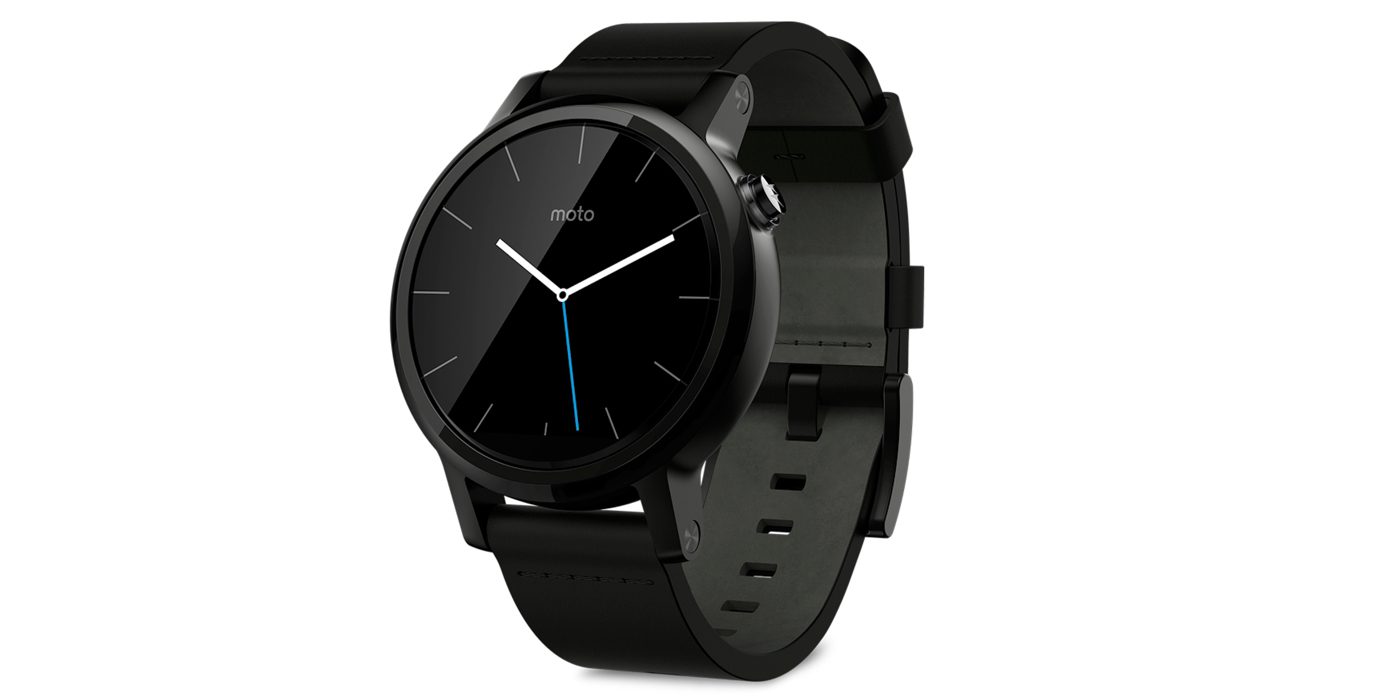
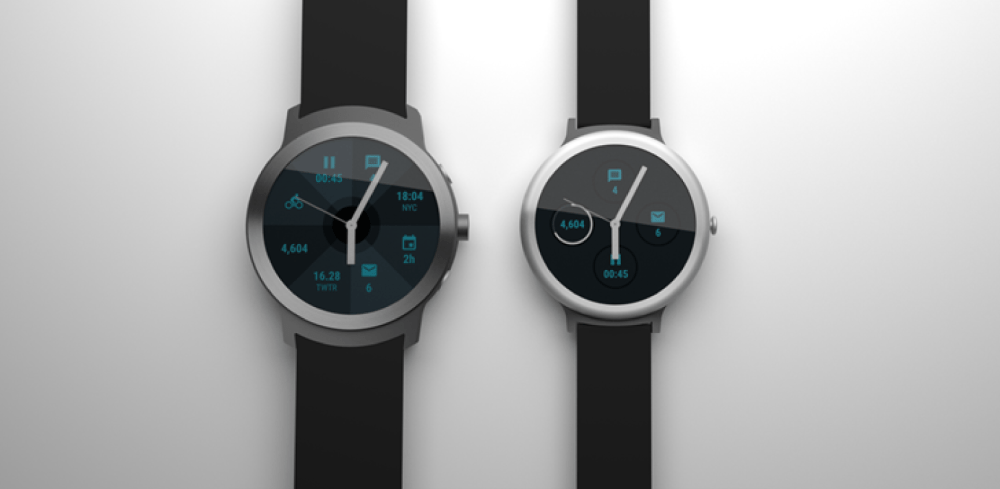
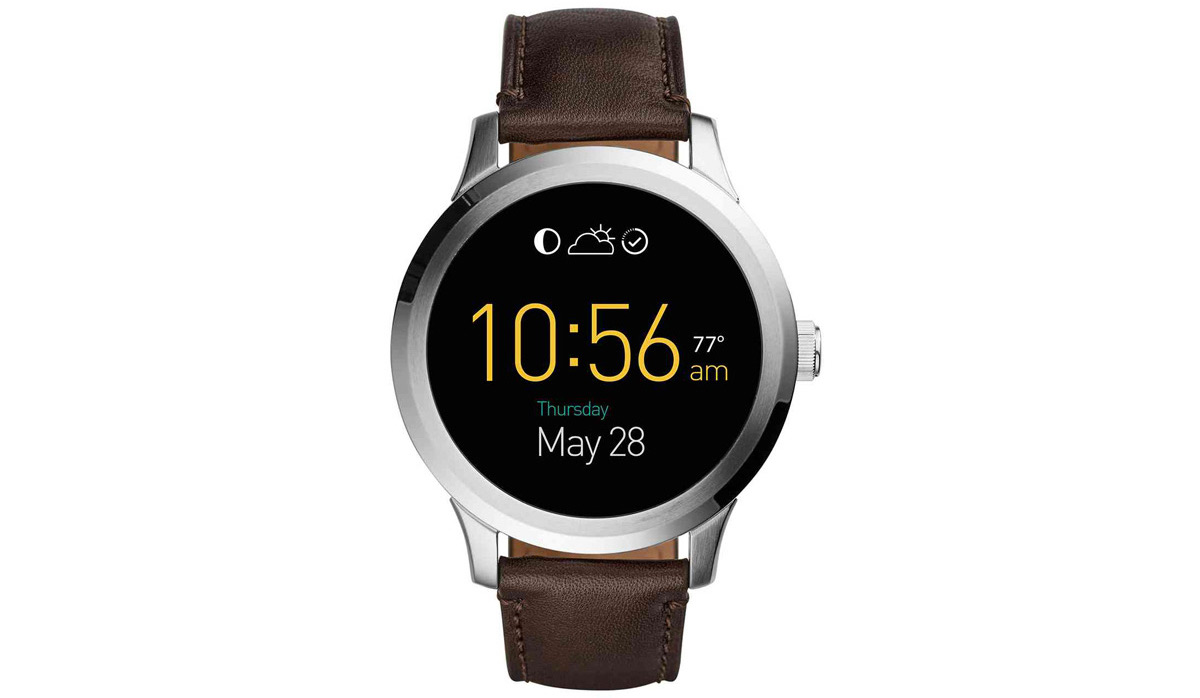
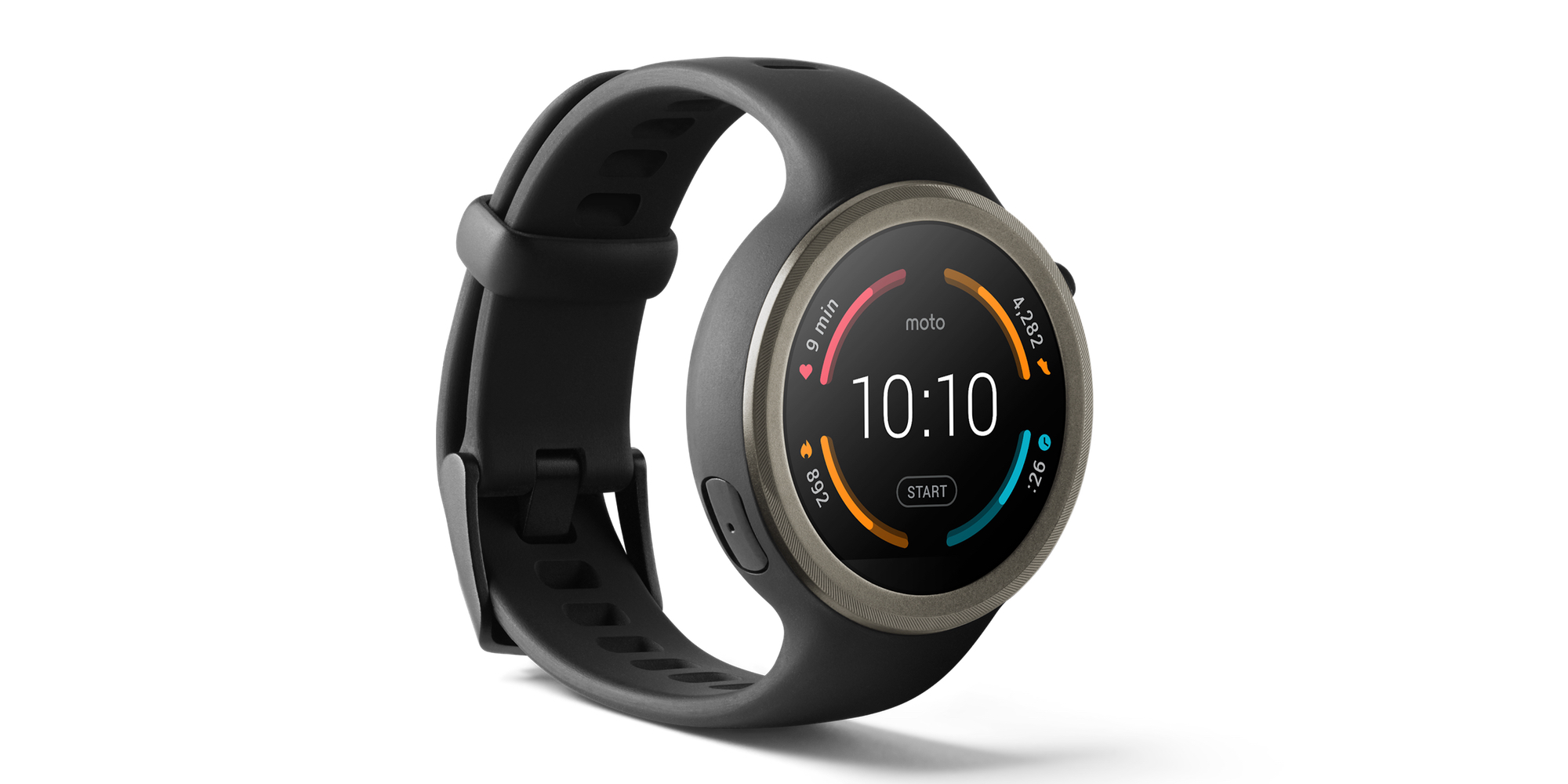
But what about its other product lines? Google replicated the Android strategy with Android Wear a couple of years ago, and in that case the company has yet to release any Android Wear hardware that has its name on it. The company never even did a “Nexus” Android Wear device to give OEMs an idea of what Android Wear would look like if Google did it themselves. That’s about to change according to recent reports, perhaps as soon as the first quarter of next year…
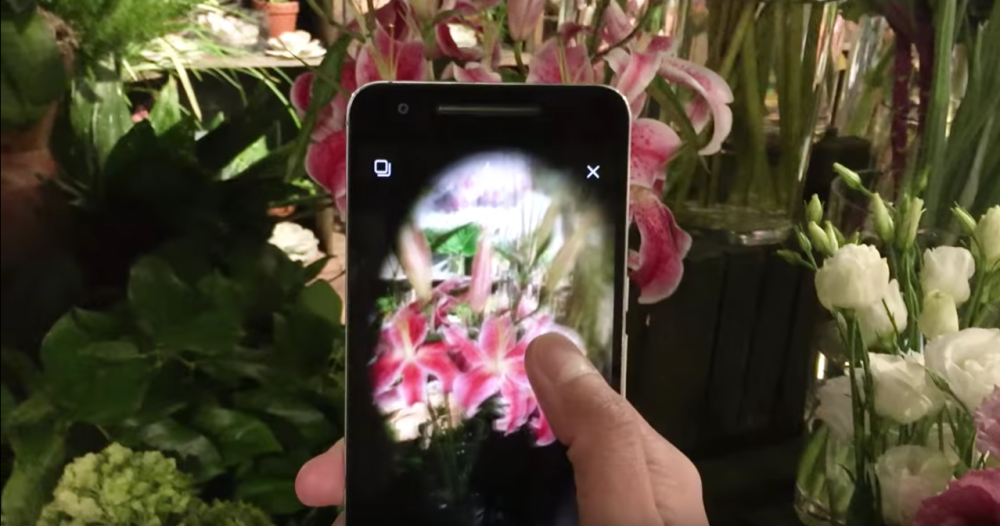
Google has today launched Sprayscape, the latest Android Experiment from the Google Creative Lab. It’s yet another camera app for you to play around with, but it’s an undeniably cool concept that I’m not sure has ever been done before (at least not like this)…
As you may well know, Android Pay, Google’s mobile payments service, hasn’t launched in Canada quite yet. But that might be changing soon, Canadians will be glad to hear, as we’ve found that the latest version of Android Pay, which started rolling out today, includes early references and assets for Canada’s largest debit card network, Interac…
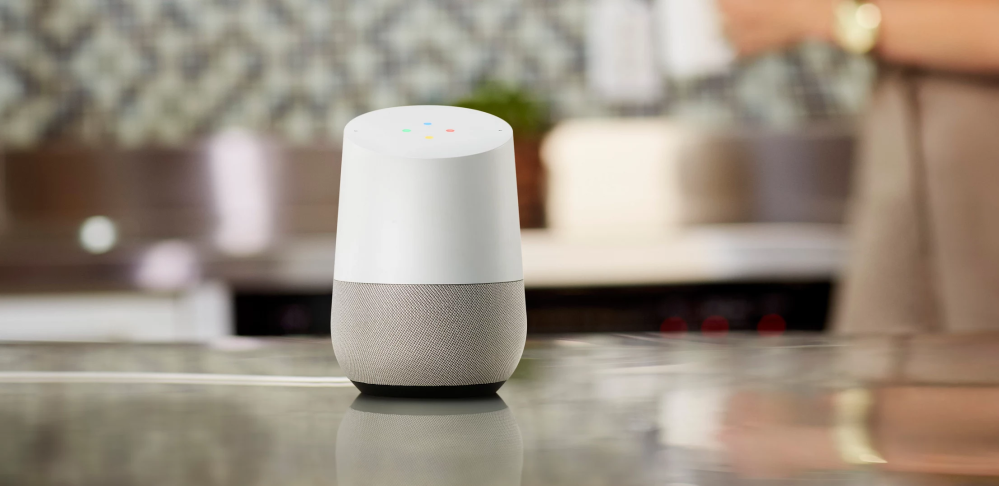
Google Home isn’t smart enough yet to come up with its own responses to questions, which means that pretty much everything that the device says to you was written by a human. A piece this morning from The Wall Street Journal mentioned how Google and other companies working on intelligent voice assistants — like Amazon — are trying their best to make them as relatable and human-friendly as possible, and one tidbit reveals that Google has even gone as far as to hire writers from Pixar and The Onion to make that a reality…
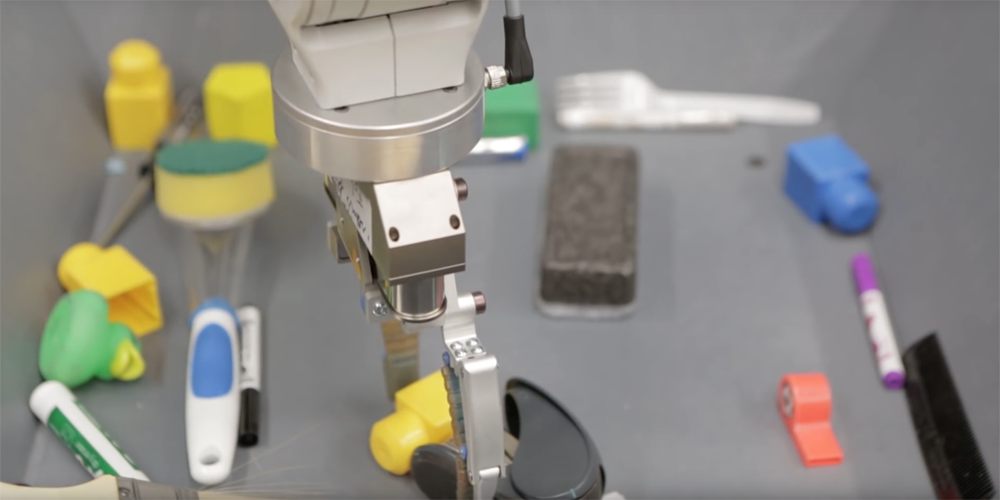
Google has been using AI and neural networks to help robotic arms to learn for quite some time now. Back in March the company published a report detailing how its software-enabled robotic arms were being taught to learn how to pick up objects by themselves, and the Mountain View company further detailed this research just last week in a blog post showing off a few more different approaches for general-purpose skill learning — like opening doors.
It’s impressive tech, but as with many of Google’s other impressive tech experiments, it seems like this one is never going to actually become a source of revenue for the company — at least not directly. The Google robotics group wanted to sell the arms to manufacturers, but that plan ultimately got turned down by Alphabet executives because they failed the “toothbrush test” (via Bloomberg)…
If you like to use Now on Tap to capture a quick screenshots, you’re about to be disappointed. It appears that Google is actively removing the feature — I’m currently no longer seeing it on my Galaxy S7 edge — from the latest versions of the Google app…
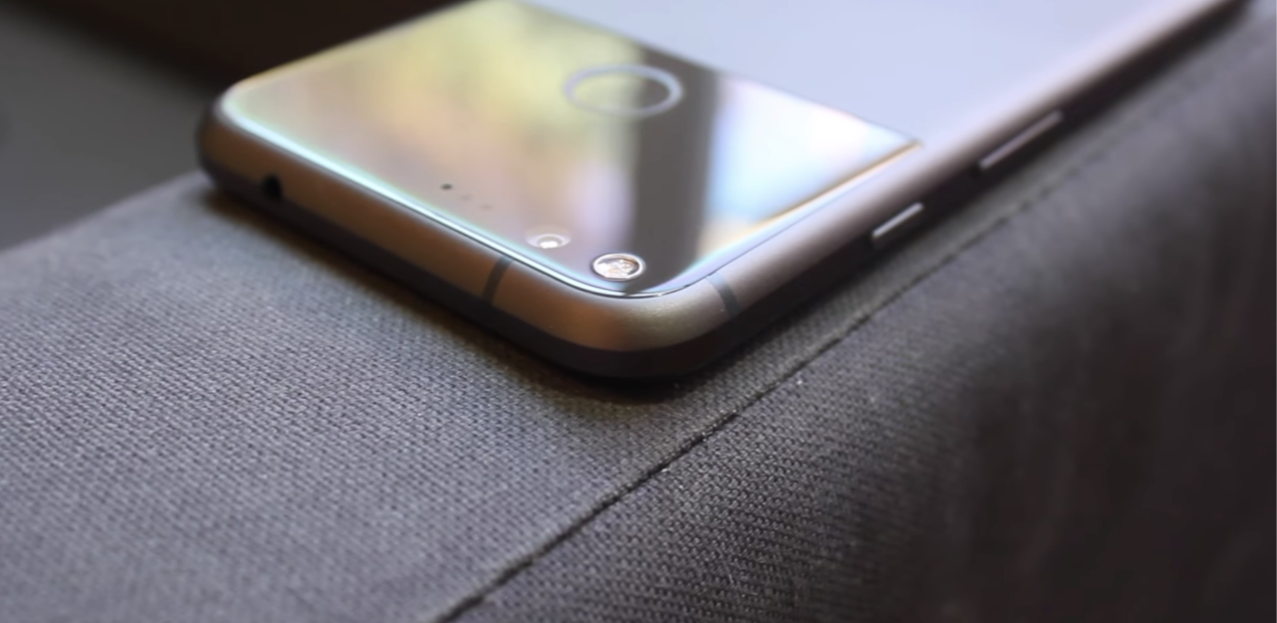
Google’s new Pixel smartphone doesn’t really have much to justify its premium price on the hardware side. It has the “best smartphone camera ever” perhaps (that’s still yet to be officially determined, other than by DxOMark), there are some hardware optimizations, and the phone sports the super-new and super-fast Snapdragon 821. But other than that, Google is relying mostly on software to set this phone apart from the crowd. That’s fine by me, except for the fact that most of the software features Google is touting are only artificially exclusive to the Pixel.
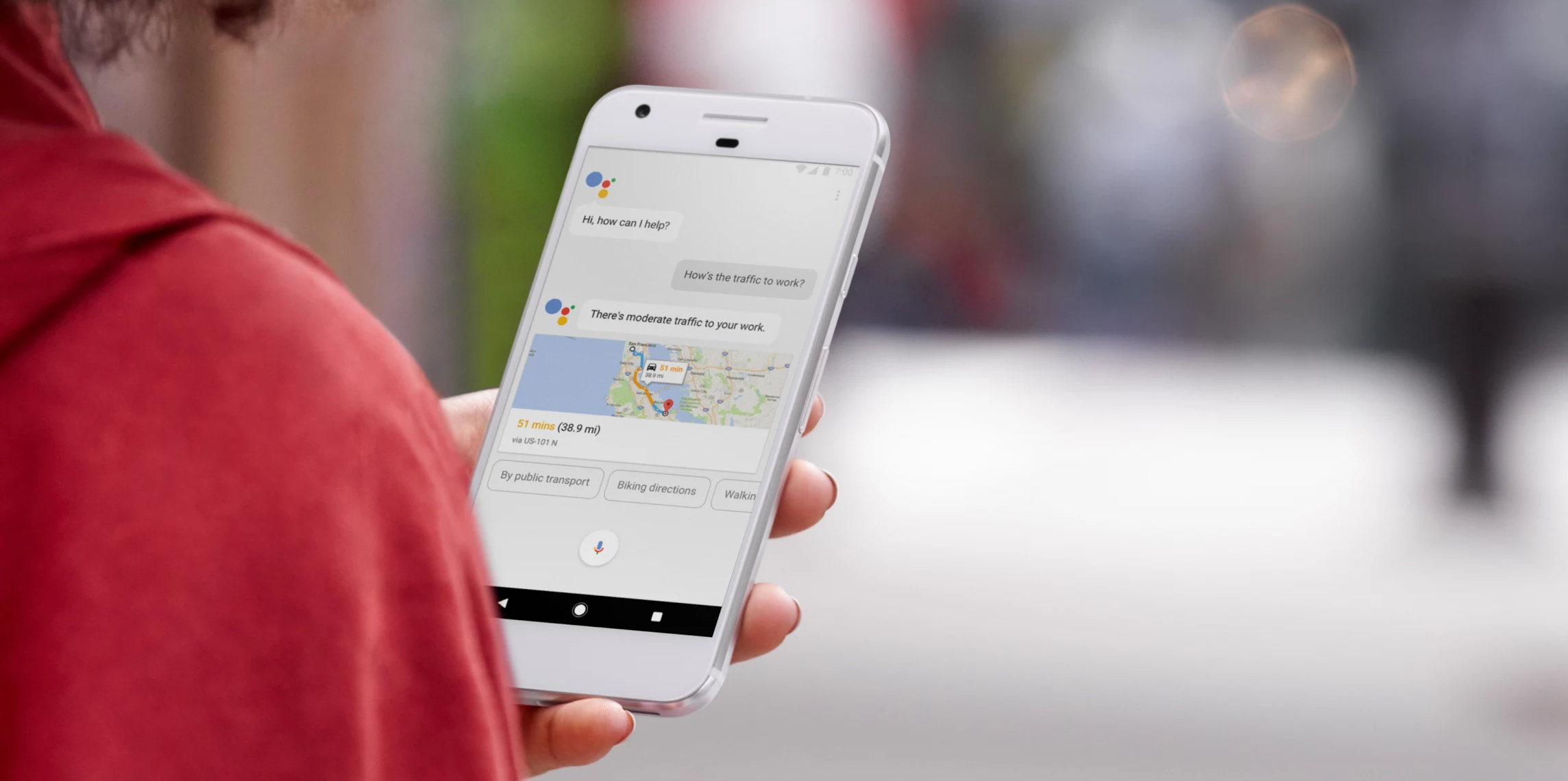
One of the most obvious is Assistant, Google’s AI-powered evolution of Google Now that the Mountain View company is putting in a lot of its new products. It’s built-in to Allo, it’s the central interface for Google Home, and of course, it’s front-and-center with a new home button on the Pixel phones. What frustrates me, though, is that there’s not really any reason other than helping push the Pixel out the door to hold it back from last year’s Nexus phones. Google, the company that has long pioneered Android as “open,” is closing some things off…
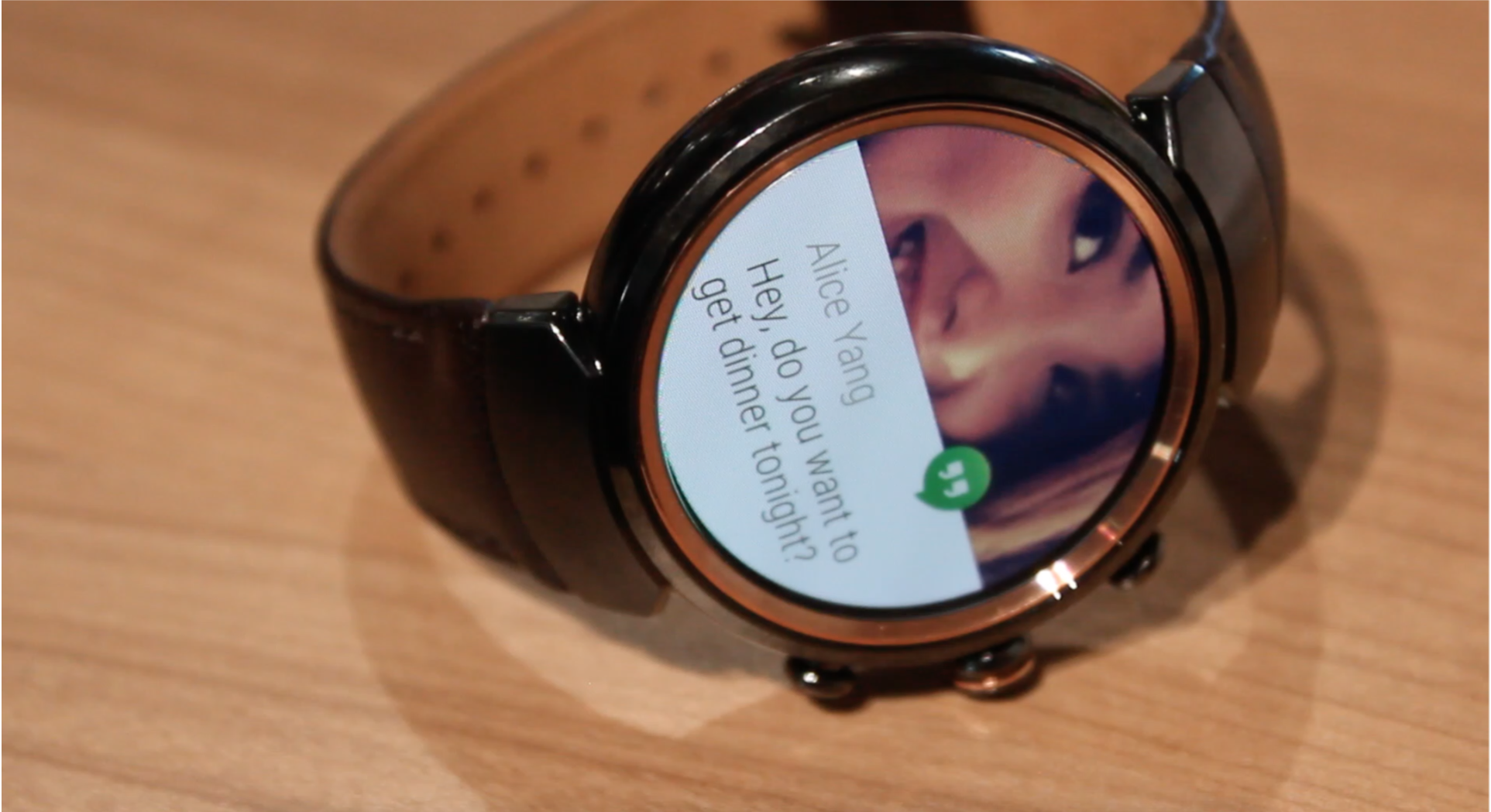
ASUS first launched the ZenFone 3 lineup quite a while ago, and first mentioned its new ZenWatch 3 at IFA last month. But it wasn’t until now that we had any information on when any of these devices would launch in the US. It looks like all of the ZenFone 3 variants are now up for pre-order on ASUS’ website (watch assumably coming soon), and should be shipping within the month…
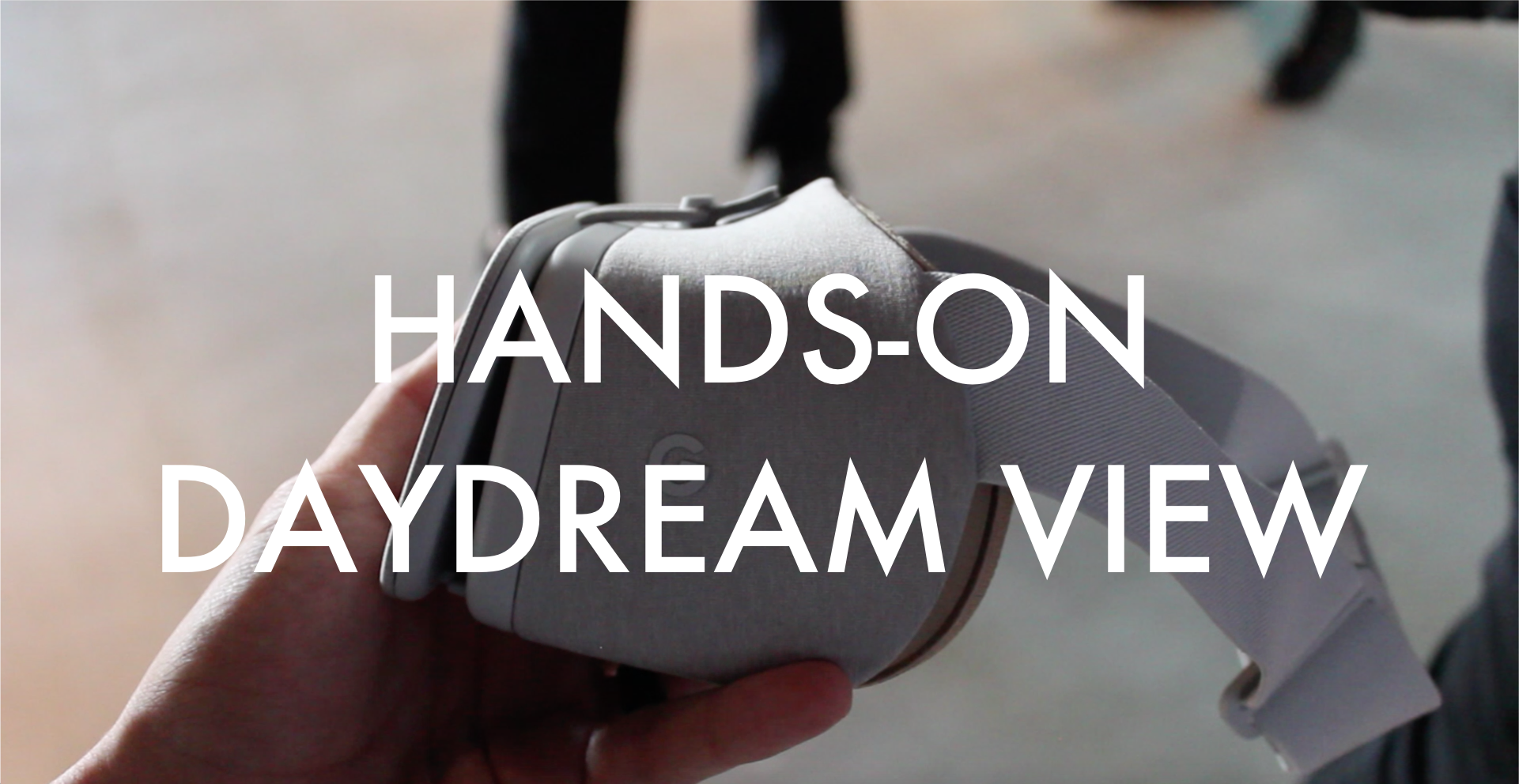
While debuting the Daydream VR platform at I/O earlier this year, Google said that it was working on its own VR headset to accompany what would be the first Daydream-ready phones. On October 4th, Google showed off both the Pixel and Pixel XL, as well as Daydream View, its promised VR hardware…
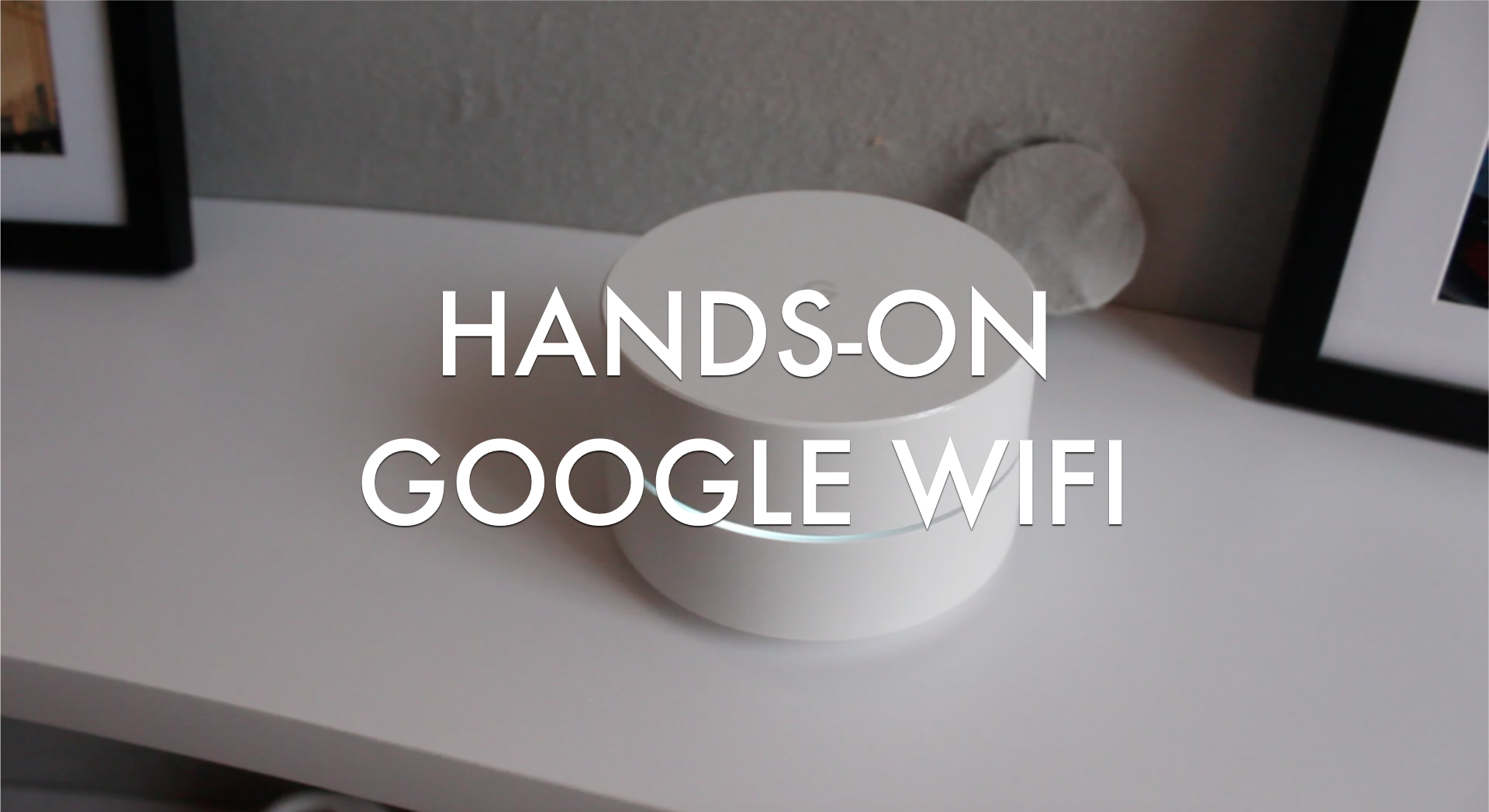
Google just announced Google Wifi, an appropriately-named WiFi router, which — among other things — lets you easily create a mesh network in your home, similar to Eero. It’s not necessarily an OnHub replacement, but rather gives you another cheaper option that is made by Google itself…
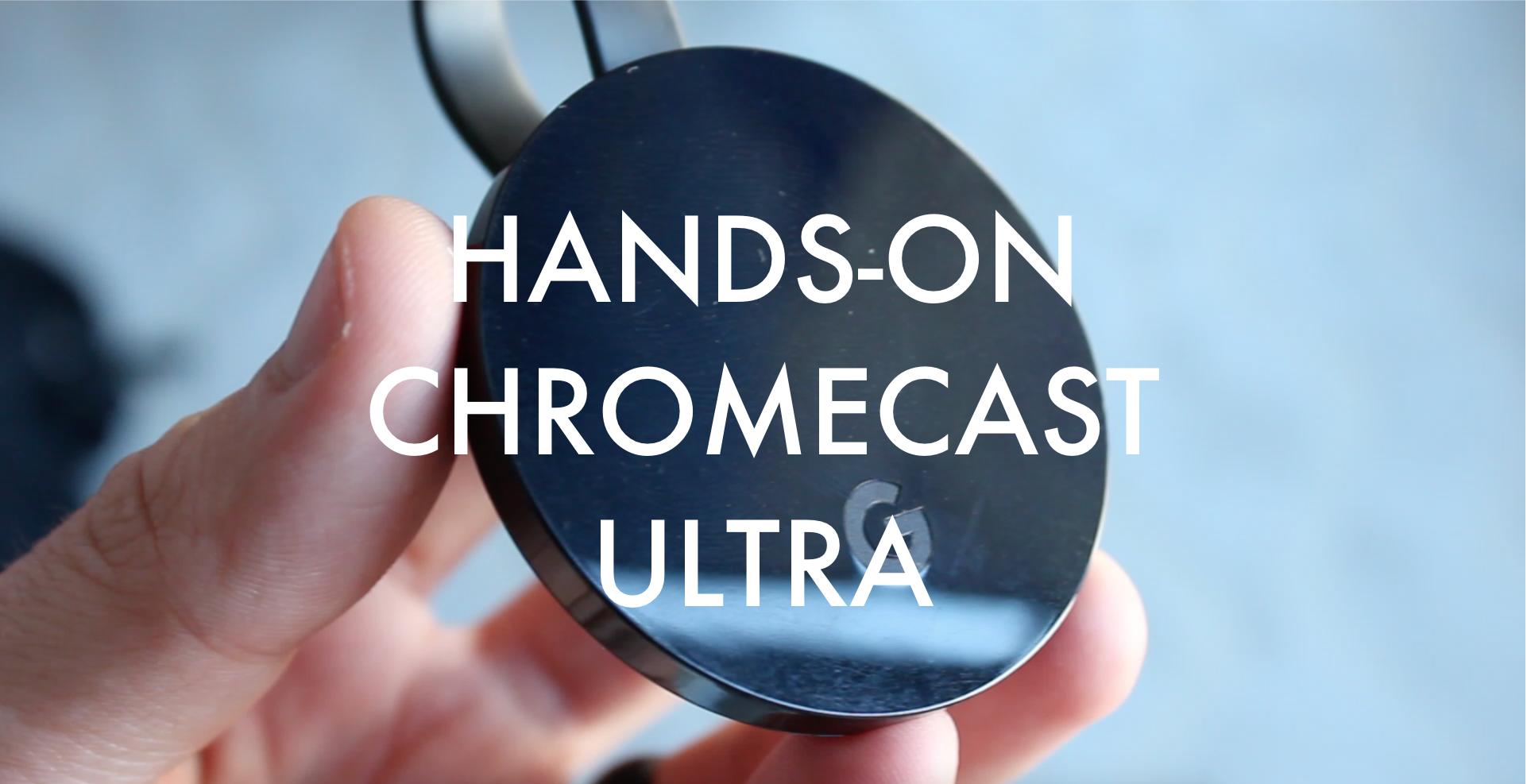
Google yesterday announced the 4K Chromecast Ultra, a beefed-up $69 version of its ever-popular Chromecast media streaming dongle. There isn’t really much to say with this little guy. It supports 4K, HDR 10 and Dolby Vision, it’s just a little bit faster, and Google added a ethernet port to the power adapter to make sure everything runs smoothly…
















 Design your own official Apple Magic Mouse & Keyboard