Stephen is Growth Director at 9to5. You can find his current work at 9to5Mac, 9to5Google9to5Toys, Electrek, and more. If you want to get in touch, follow me on Twitter. Or, email at stephen (at) 9to5mac (dot) com, or an encrypted email at hallstephenj (at) protonmail (dot) com.
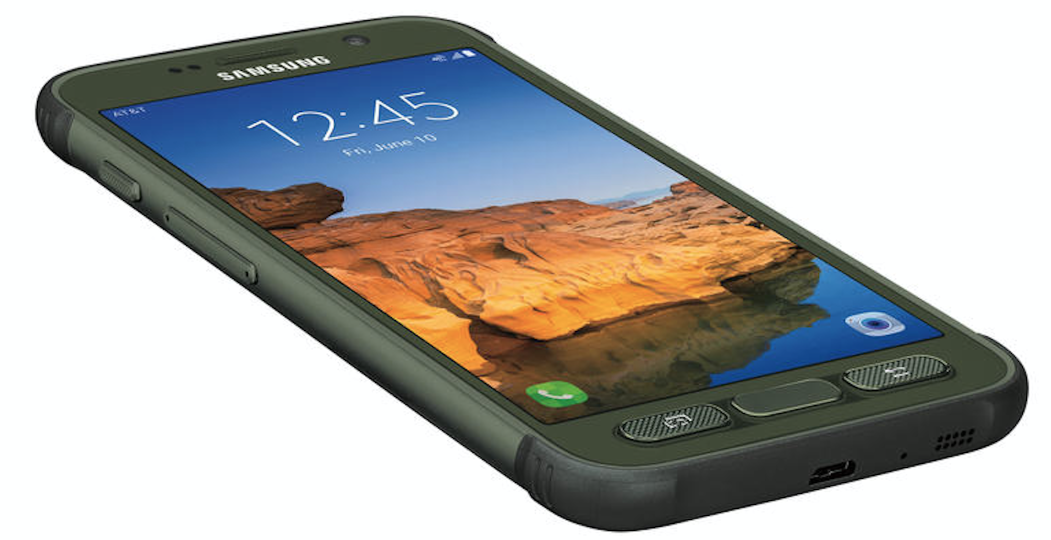
Samsung and AT&T today came out to announce the Galaxy S7 Active, the latest iteration of the duo’s super-rugged smartphone tradition. Just like last year’s Galaxy S6 Active, the phone is basically an S7 with a beefy case built in — which isn’t a terrible idea considering so many people slap an OtterBox on their phone anyway… Expand Expanding Close
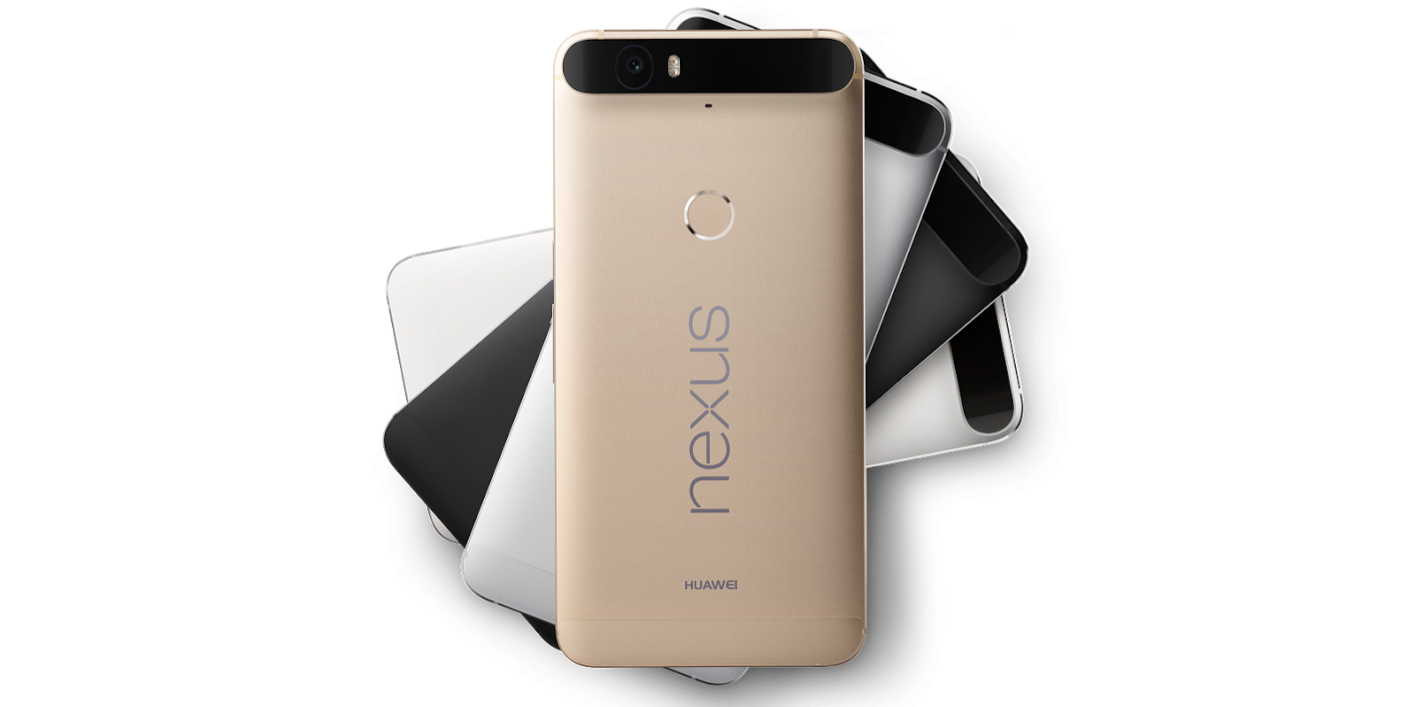
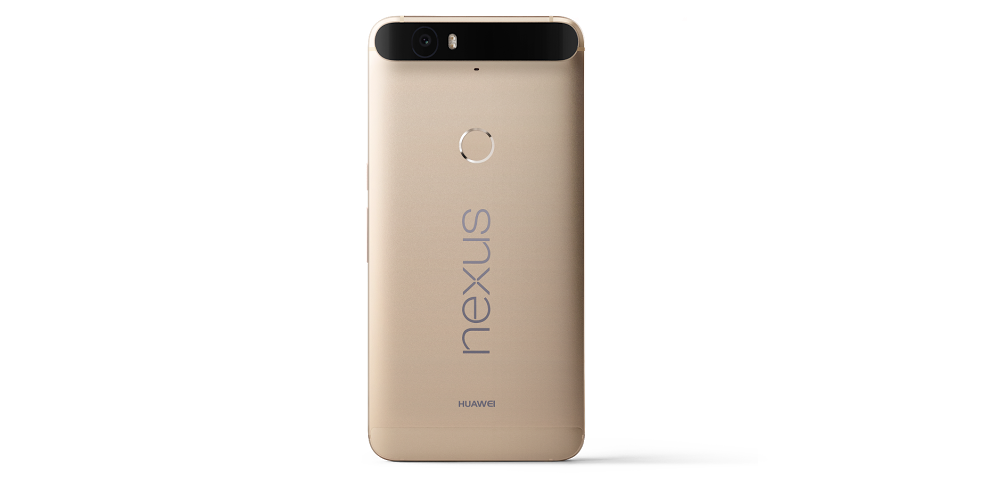
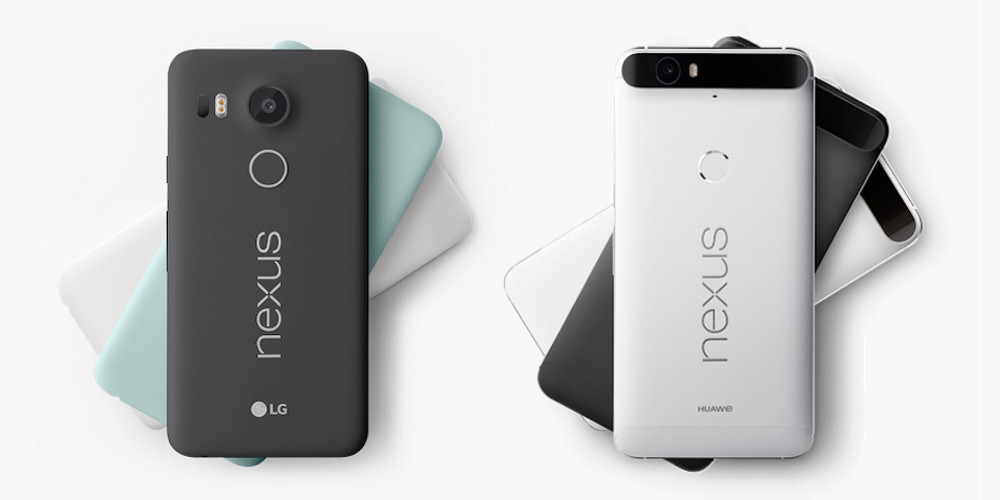
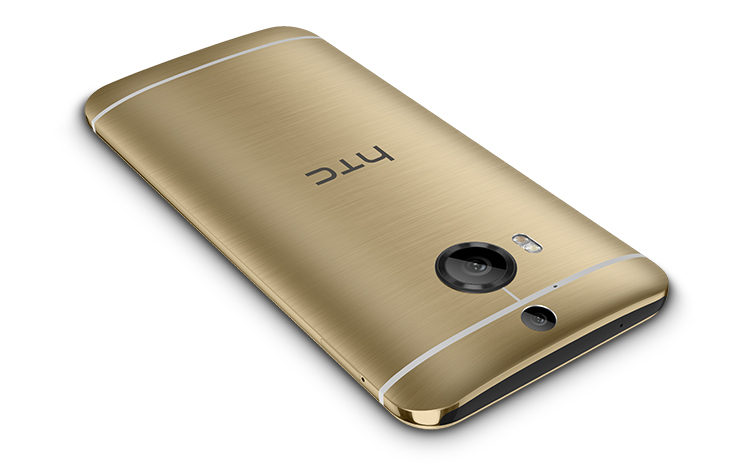
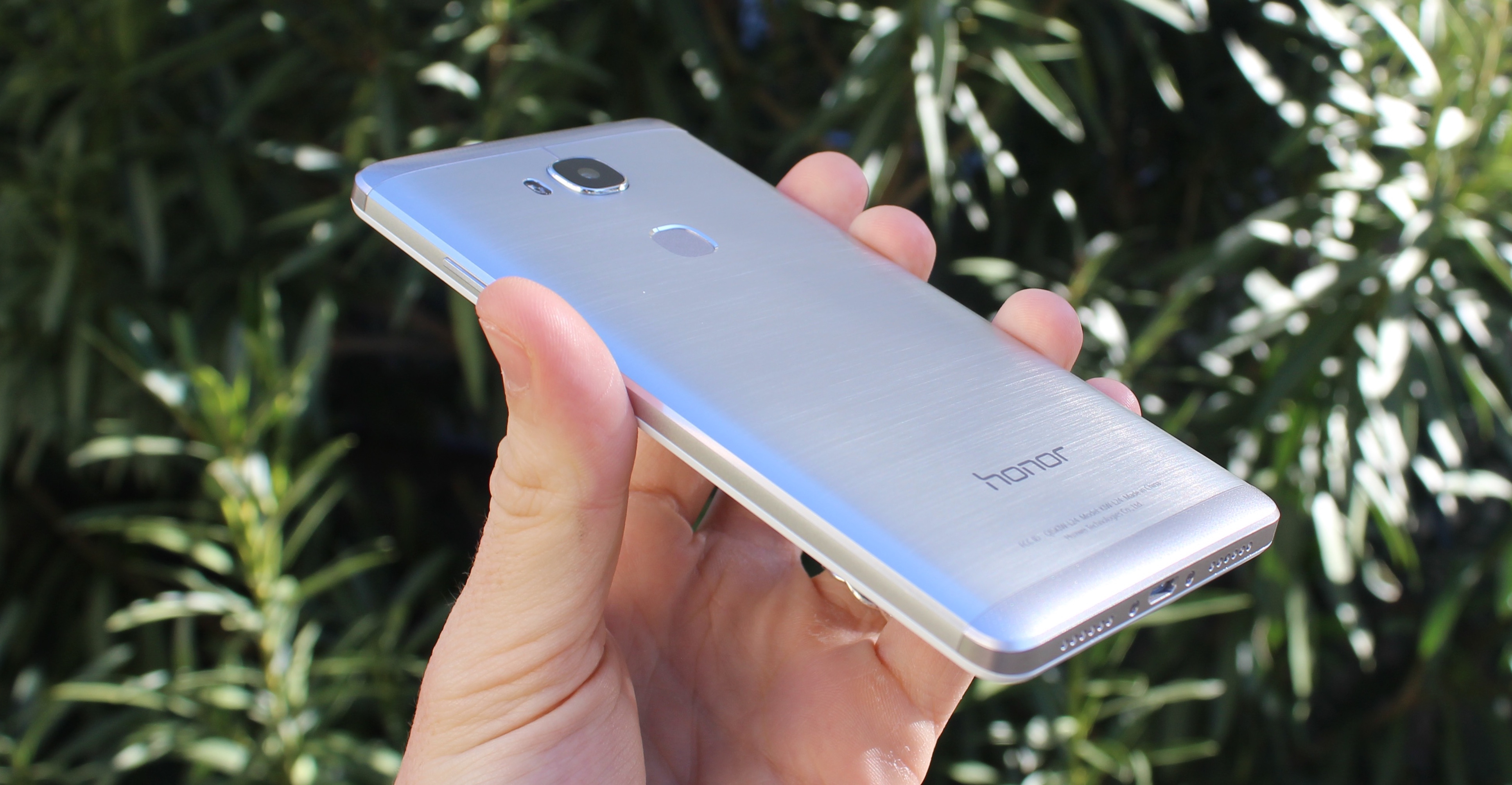
The rumor mill has all but confirmed that HTC is making the next two Nexus phones (which, as we told you yesterday, will be more influenced by Google), but sketchy rumors suggesting Huawei is planning a reboot of its Nexus 6P have today become a lot less sketchy. Previously, all we saw was a benchmark of a 2016 Nexus 6P with 4GB of RAM and — purportedly — a Snapdragon 820, but now we have a statement from the Chinese company itself…
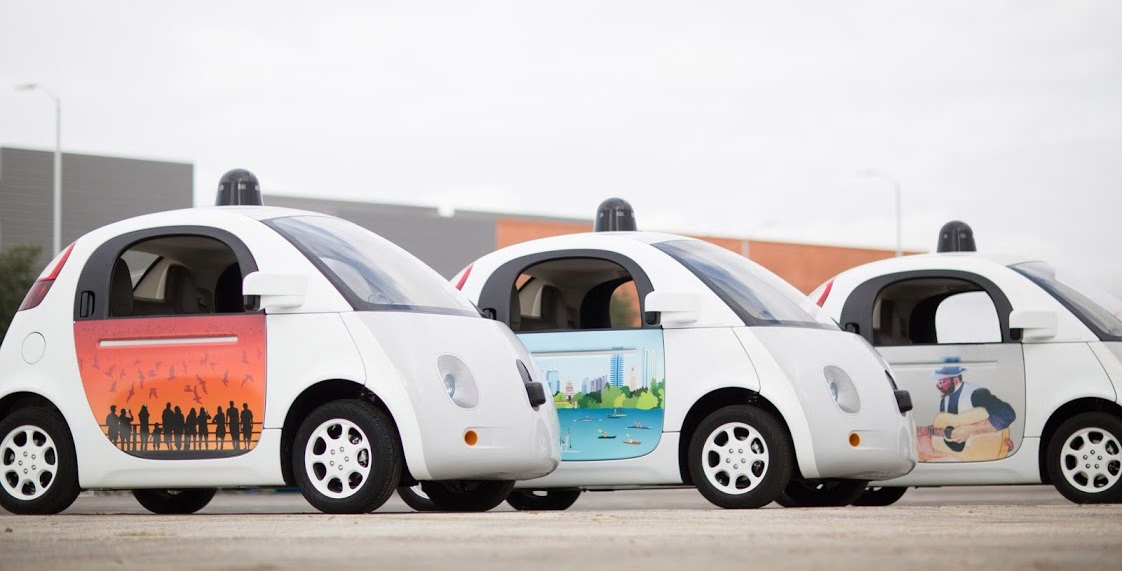
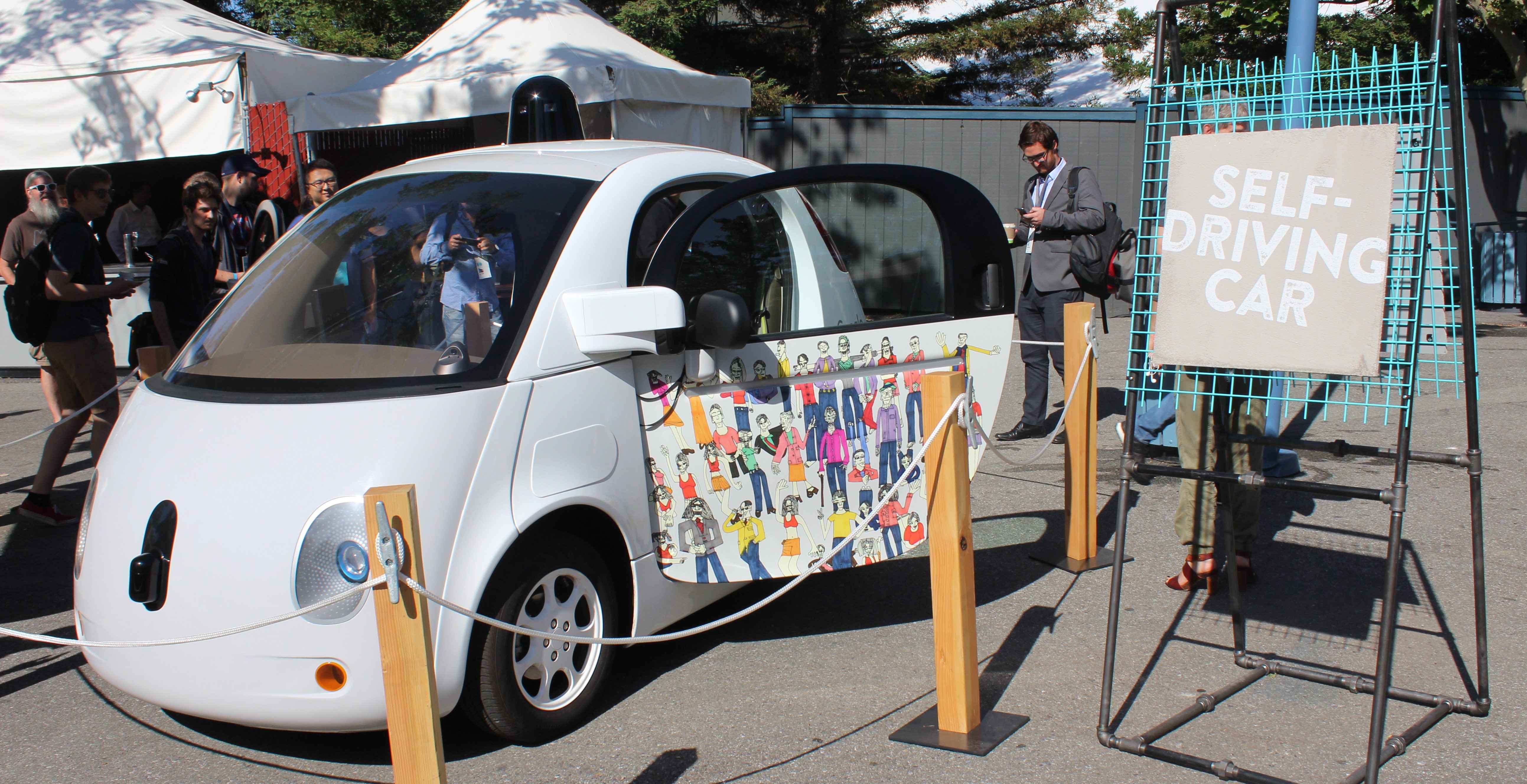
Every month, Google puts out a report for its self-driving car project. There’s not that much new this month besides the usual updated running totals (miles driven, number of vehicles on the road, etc.), but the Mountain View company did take some time to detail something that many may not have thought about yet: how it’s teaching the cars to honk…
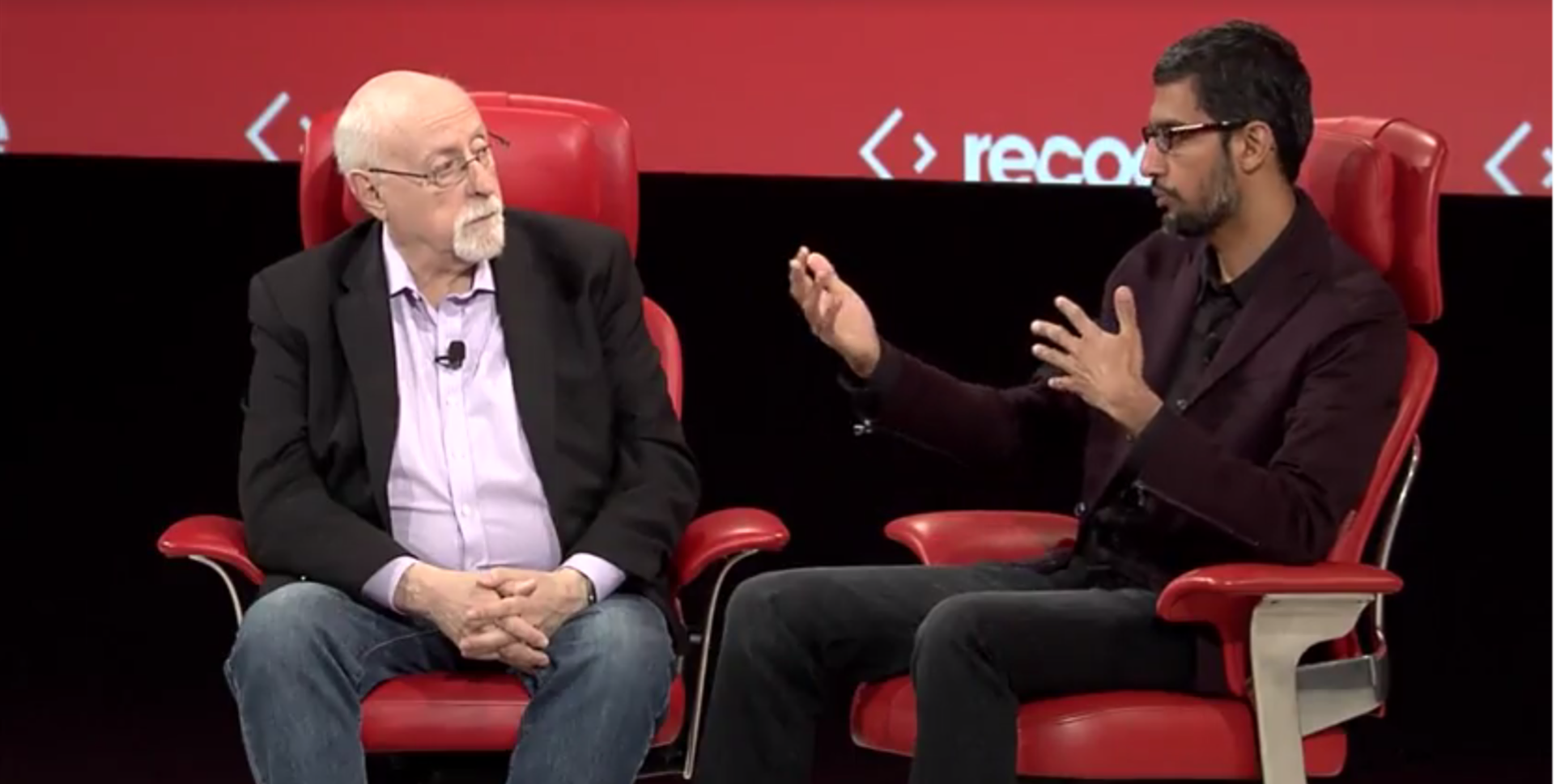
During an interview with Walt Mossberg at Code Conference today, Sundar Pichai spent some time talking about the future of the Nexus line of smartphones. He mentioned that Google would put “more thought” into them, and upon further questioning added that Google plans to add more features atop stock Android to make the Nexus experience better. He also said that Google, which already works closely in tandem with OEMs, would be “more opinionated” about the design of the phones.
Google CEO Sundar Pichai took the stage at Recode’s Code Conference 2016 today, and while much of what he said were PR-friendly reiterations, he did elaborate and provide more color on some of the moves Google made at I/O late last month. Of course the topics of artificial intelligence, Google Home, Android OEMs, the Nexus program, search, and others came up, and Pichai also elaborated on Google’s bigger plans for the world — namely China and India… Expand Expanding Close
Android has some problems. One of those is that it takes pretty much forever for its OEMs to update their devices. That trend doesn’t seem to be changing any time soon. But if you’re an owner of Verizon’s Galaxy S5 and have been waiting (un)patiently to have somewhat modern software, worry no more: your phone is finally getting updated to Android Marshmallow starting today…
Rumors of an HTC-made Android Wear watch have been tossed around for more than a year now. Before Mobile World Congress last year, many thought that the company would finally launch its offering as it was rumored that the company had a wearable planned to be shown off. In reality, the company launched a fitness wearable made in partnership with Under Armour. That device never even hit the market.
Recently, well-respected leakster Evan Blass suggested that the long-awaited Android Wear offering from the company would finally launch the week of June 6th. Now, the same guy is pulling that claim, suggesting that HTC has delayed its wearable once again — to the fall… Expand Expanding Close
According to a report from Tech Insider today, Google is nearing a deal with Toyota to sell its Boston Dynamics robotics division to the car maker. This follows a report from two months ago suggesting that Alphabet was planning to sell the division known for its super-creepy animal-like and human-like robots due to lack of a ‘marketable product’ in the next few years…
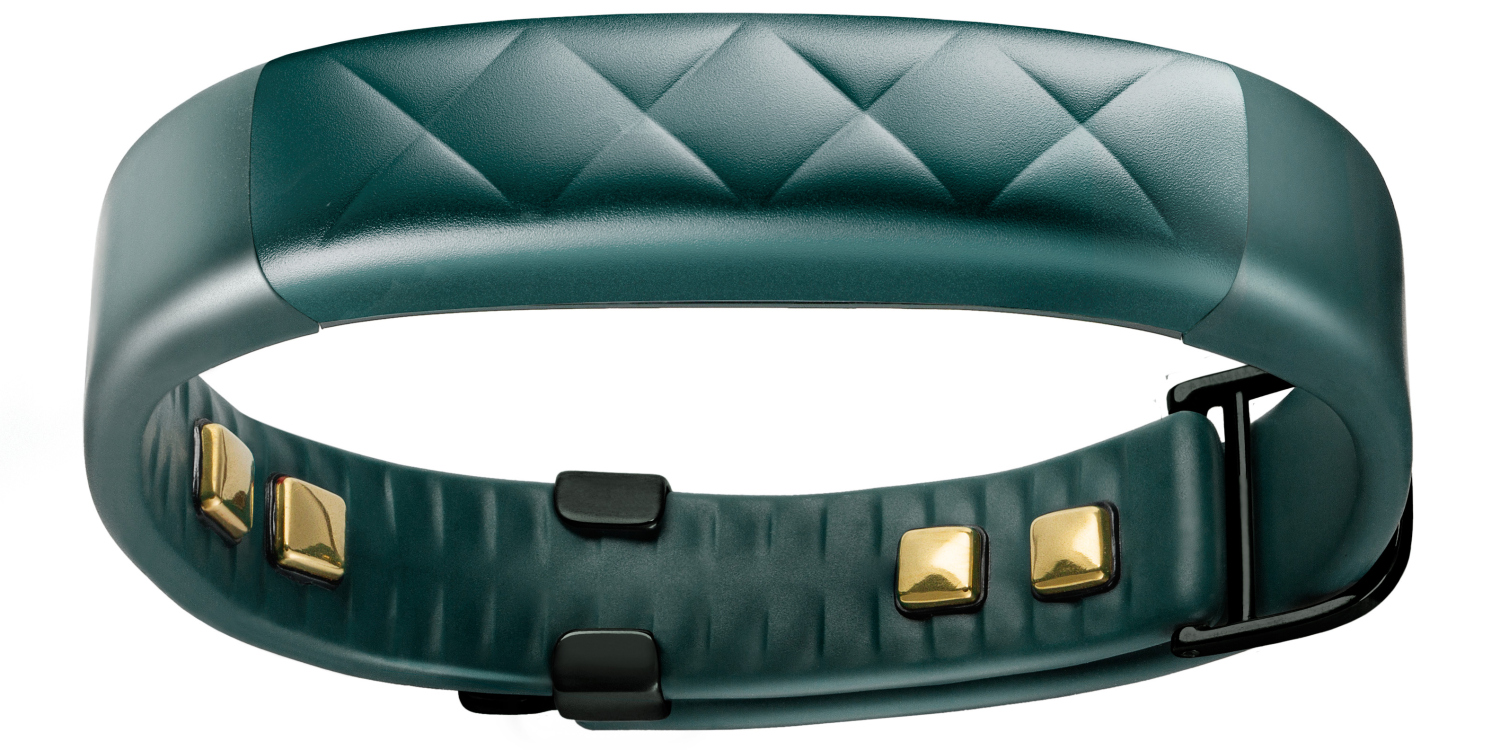
According to a report this evening from Tech Insider, Jawbone, the company once famous for its Bluetooth headsets and more recently known for its Jambox speakers and fitness wearables, has stopped making the UP line of fitness trackers. This includes three devices that the company has reportedly struggled to sell: the UP2, UP3, and UP4. Another report says that a clinical-grade wearable is coming soon…
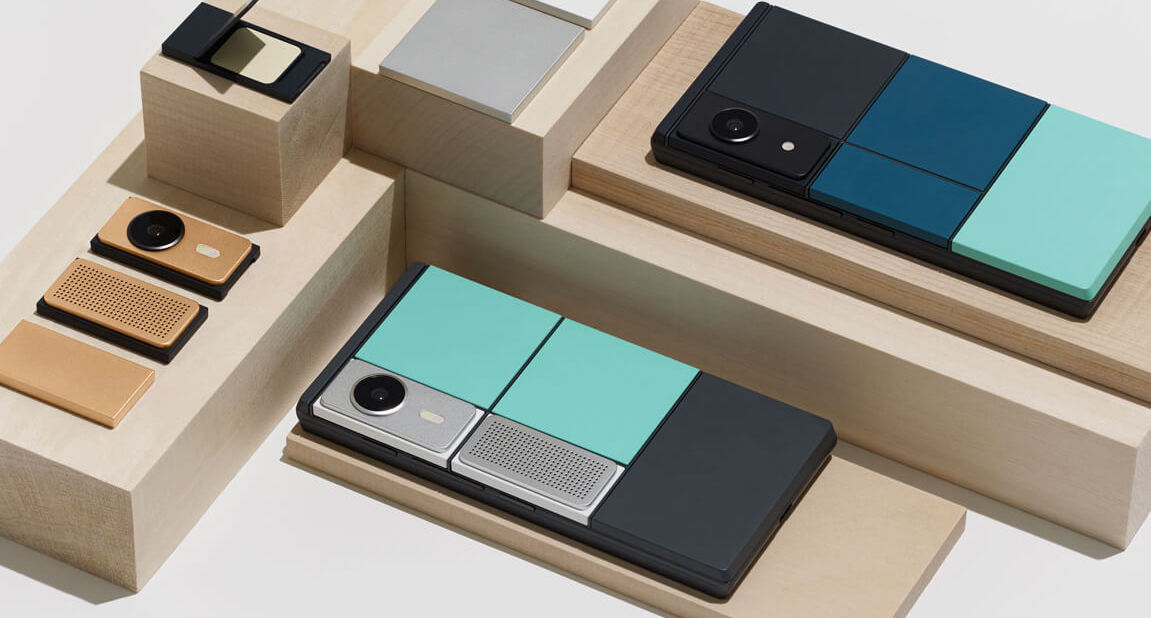
And now Dave Hakkens, the creator of Phonebloks (the project that first inspired Project Ara and other modular phones), has come out with his two cents on the latest Ara update…
Google announced Android Wear 2.0 at I/O 2016, featuring more customizable watch faces, the ability to go without your phone when you are running or want to track a hike, AI-powered Smart Reply, a handwriting recognition mode, and more. But the question remains: which devices are going to get the update? Read on for a complete list of devices we know are getting 2.0…
Now, we learn today (via Fortune) that Tony Fadell, Nest’s CEO, has had a little passion project going on in the background. Co-founded with its CEO Dave Bell, Actev Motors makes the Arrow Smart-Kart, a smart first of its kind electric go-kart with app controls and a $600 price tag…
At Google I/O 2016, the Mountain View company decided — although admittedly not an entirely new theme — that it would be a good idea to spread its announcements across three days. The keynote showed off Google’s vision for the future: virtual reality, its new AI and machine learning initiatives, Google Home hardware to take advantage of them, and a few sprinkles of Android Wear 2.0 goodness. The second day saw the announcement of the Play Store coming to Chrome OS.
But the third day was ATAP day, admittedly my favorite day of Google I/O. Last year the Advanced Technologies and Projects group at Google showed off Project Jacquard, Project Soli, some more details on Project Ara, and more. And then the company went silent. For pretty much an entire year.
Maybe that’s a good thing, as Google tends to show its projects and technologies off a little early in general. It’s not exactly out of Google’s character to show a product or service, say that it’s coming in 6 months, it not arrive for 12 months or 18 months, and then the final product share hardly any resemblance to what was originally announced. Admittedly that’s happening with some of ATAP’s projects either way (I’m looking at you, Ara), but at least it’s not a constant barrage of teases and false hope.
Anyway, Google ATAP finally came out of hiding on the third day of I/O yesterday, and with it came updates on Project Jacquard, Project Soli, Project Ara, and Spotlight Stories. Jacquard brought the announcement of the first retail product based on the tech, Ara brought a little update on how progress is coming including the most current prototype device with new module connectors (and promise of a dev kit coming soon), and the Spotlight Stories mention came with some progress in VR storytelling. All cool stuff.
This year’s I/O was a big one. Maybe not the largest in terms of new products and services, but definitely not the smallest either. Among other things, the Mountain View, California company announced its Daydream VR platform for Android, an evolution of the Google Now assistant in the form of an AI-powered “Google Assistant,” a couple of new messaging apps and some hardware to play the part of debuting the Assistant, a new version of Android Wear, and more.
The keynote had this overarching theme that Google is no longer just a company that does search and ads. Now, Google is diving head first into artificial intelligence and machine learning, and most of the things that were announced in the keynote fell into that narrative for the most part. This is the stuff that’s not coming out for at least half a year. Most things, from Allo and Duo to Google Home, felt half-baked. It felt like everything was unfinished, and to some degree, that’s true. It’s still early days.
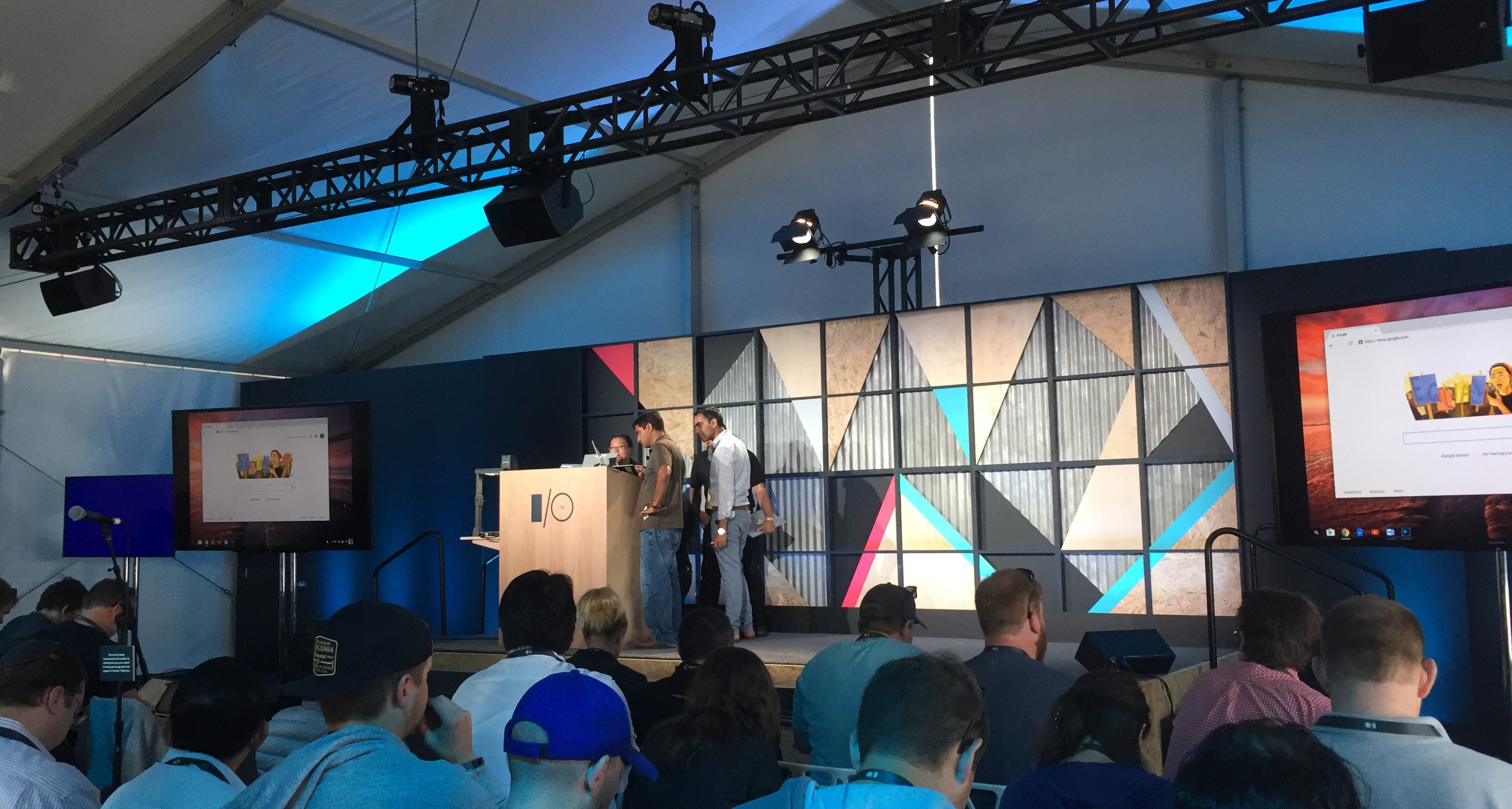
While Google wanted to paint this big picture of what the company envisions for the next few years and beyond, it saved some of the stuff that’s actually really cool today for other events at the conference. The most obvious of these was the press-only event Google hosted on day 2, showing off a huge new feature for Chrome OS: support for the Play Store that has long been tied down to Android. We’ve known this was coming for a long time, but now it’s here — serving as the next move to make Chrome OS and Android more alike than ever…
Google has said today (via Reuters) that its partnership with Fiat Chrysler to build 100 self-driving minivans is just that: a partnership to build 100 self-driving minivans. This somewhat contradicts statements from Fiat Chrysler CEO Sergio Marchionne earlier this month suggesting that, while the deal was in fact limited, it could evolve into something greater…
Android Instant Apps may be one of the coolest announcements that Google made during the I/O 2016 keynote yesterday, and now we had a chance to see the new feature up close…
We spotted the event description yesterday, but Google today finally took the wraps off its plan to bring the Google Play Store to Chrome OS. While the event is just now starting, we’ve spotted a support page on Google’s site that says the feature is coming to three Chromebooks in mid-June, with dozens more devices to follow…
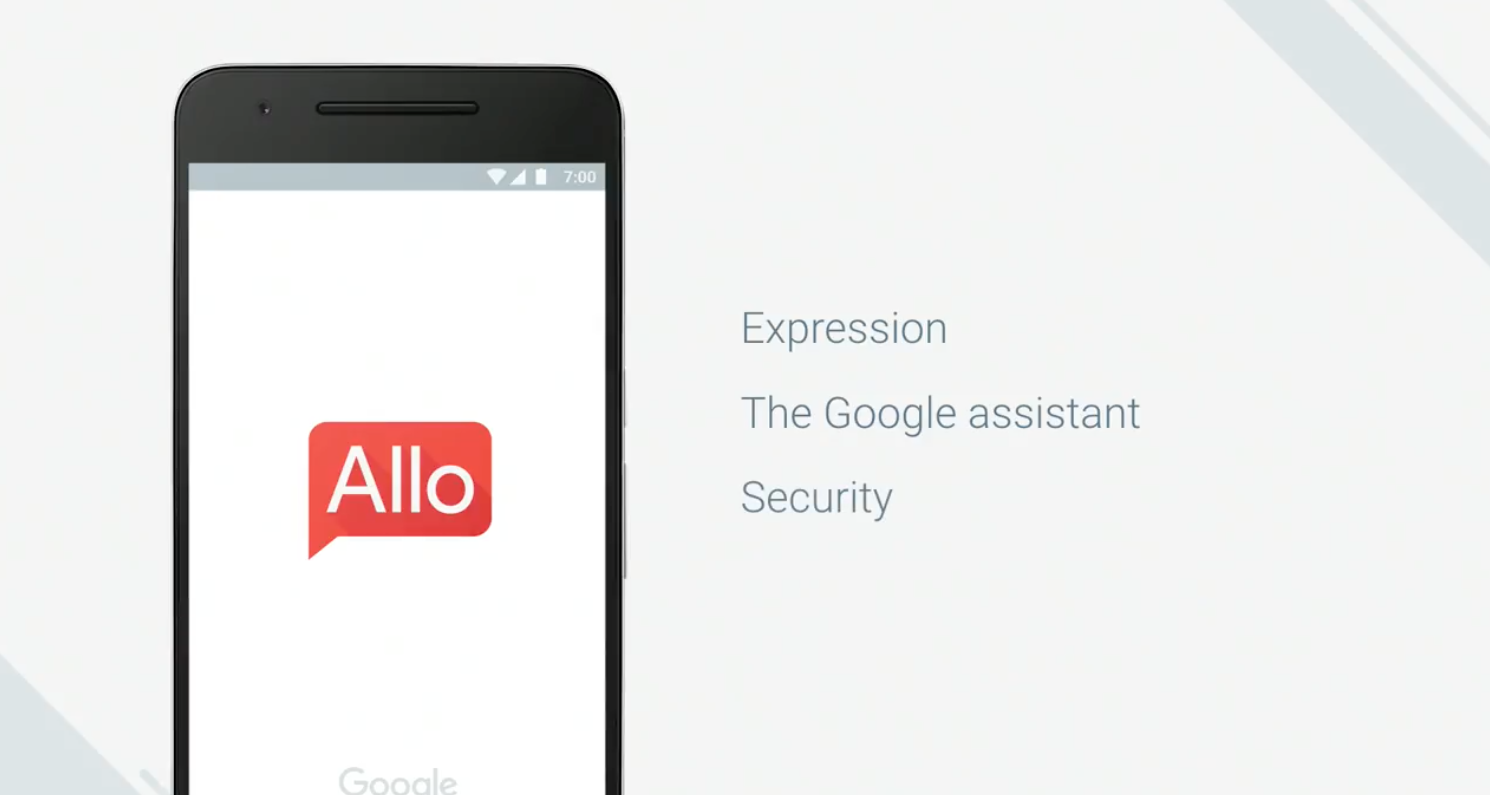
Google announced two messaging apps today: Allo and Duo. The first is a new messaging platform that emphasizes expression, security, and the inclusion of Google Assistant. The second app is a take on video messaging, focusing on one thing and one thing only: a reliable 1-to-1 video calling experience.
While Google said that both of these apps would be available sometime this summer, early internal builds have already leaked. Don’t get too excited, though — neither of them work… Expand Expanding Close