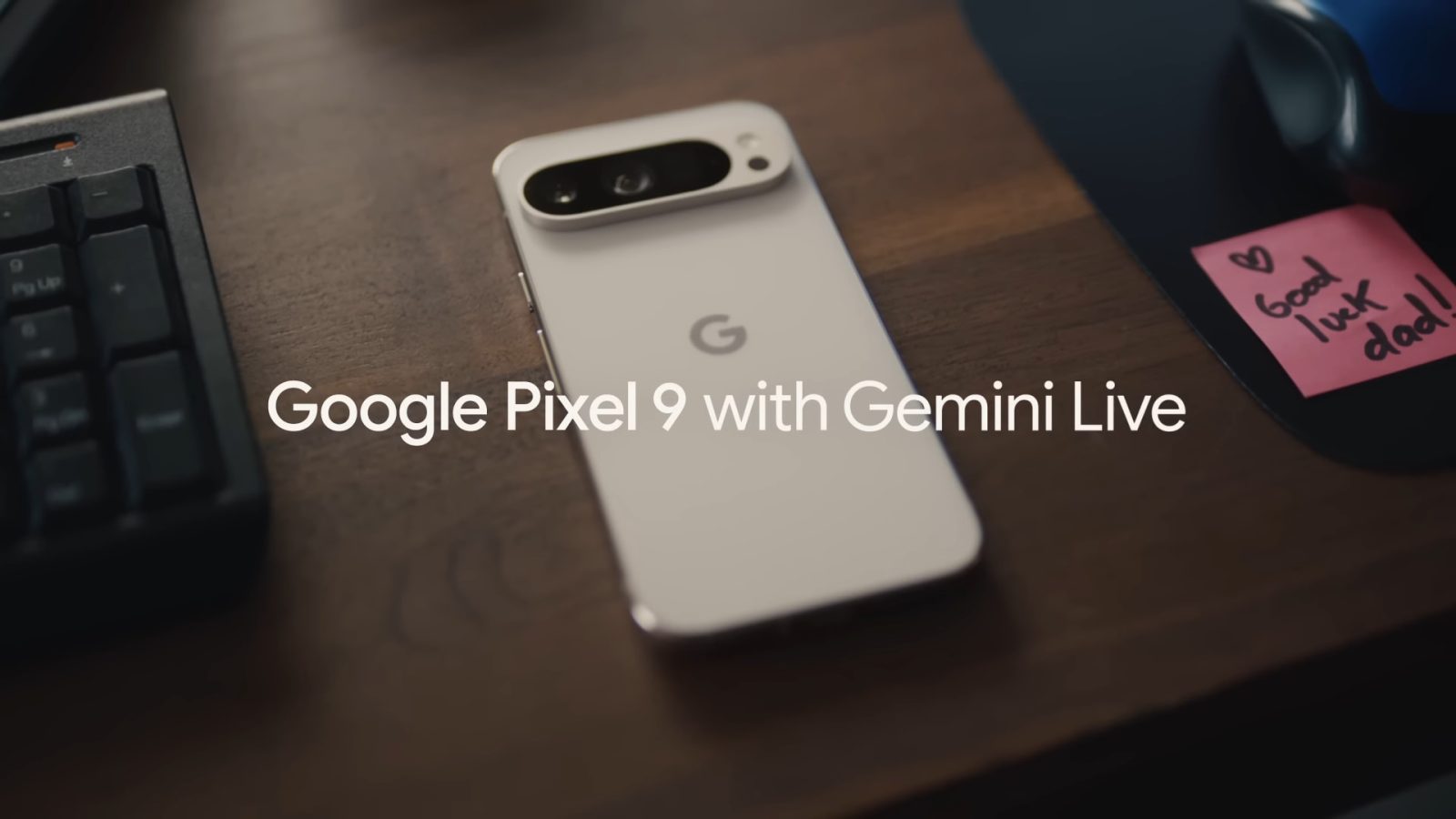
To coincide with the Super Bowl 2025 commercial, the US Google Store is discounting the Pixel 9 series, as well as the Pixel Watch 3 and Pixel Buds Pro 2.
Expand Expanding CloseGoogle Store boosts Pixel 9 Pro discount to $200 for Super Bowl


Send tips/talk to abner@9to5mac.com or @technacity (open DMs).
Abner Li has worked at 9to5Google since 2015 and in late 2020 took on the role of editor-in-chief. He is keenly focused on tracking what happens at Google, and is often the first to spot new features in Google’s ever-growing family of applications that are updated on a daily basis, including Search, Assistant, Maps, Workspace, Android, Chrome/OS, Wear OS, and YouTube Music.
To him, what Google does greatly impacts the technology space and modern life. Inside the company, he is particularly interested in the key products mentioned above, as well as services like Google Podcasts and Google Lens. Each are massive platforms that can be unwieldy to grasp, with Abner keenly bent on understanding their philosophy and future direction. He is most excited about Google’s plans for augmented reality glasses.
Abner spearheads the APK Insight program at 9to5Google to chronicle all changes in the company’s Android apps, often finding new features before they are officially announced. This includes redesigns and revamps, launches, and new products.
A big area of interest is Google’s hardware division, including Pixel, Fitbit, and Nest. He detailed all of the Pixel 3’s camera features before launch and scooped the 2nd-generation Nest Hub’s Soli-powered Sleep Sensing capability, including how it would integrate with Google Fit.
Recently, Abner detailed the Pixel Watch’s specs in full before launch, including bands and pricing. He also got wind of the Pixel Tablet’s ultimate form factor.
To coincide with the Super Bowl 2025 commercial, the US Google Store is discounting the Pixel 9 series, as well as the Pixel Watch 3 and Pixel Buds Pro 2.
Expand Expanding Close
The Pixel 9a leaks continue today with an official-looking render that’s on the low-res side but provides an idea of the screen size and bezels.
Expand Expanding Close
On Friday evening, the Google Play Store started showing Android users repeat app updates that they’ve already installed. This is not the first time that this bug has occurred.
Expand Expanding Close

Google has rolled out a pair of Gemini updates for Workspace users that improves Gmail Q&A (inserting responses) and Imagen 3 (people generation).
Expand Expanding Close

Welcome to episode 40 of Pixelated, a podcast by 9to5Google. This week, we talk about Gemini 2.0 and this week’s Pixel update.
Sponsored by Yaber: Check out Yaber’s latest projectors that combine exceptional image quality, powerful sound, and smart features to revolutionize your viewing experience. On sale now.

Google is updating Chrome for Android next month with native third-party autofill support when using an alternate password manager.
Expand Expanding Close
If you have a lot of saved places, Google Maps can look a bit unwieldy with all those pins, and the app is now testing using small dots to address that.
Expand Expanding Close
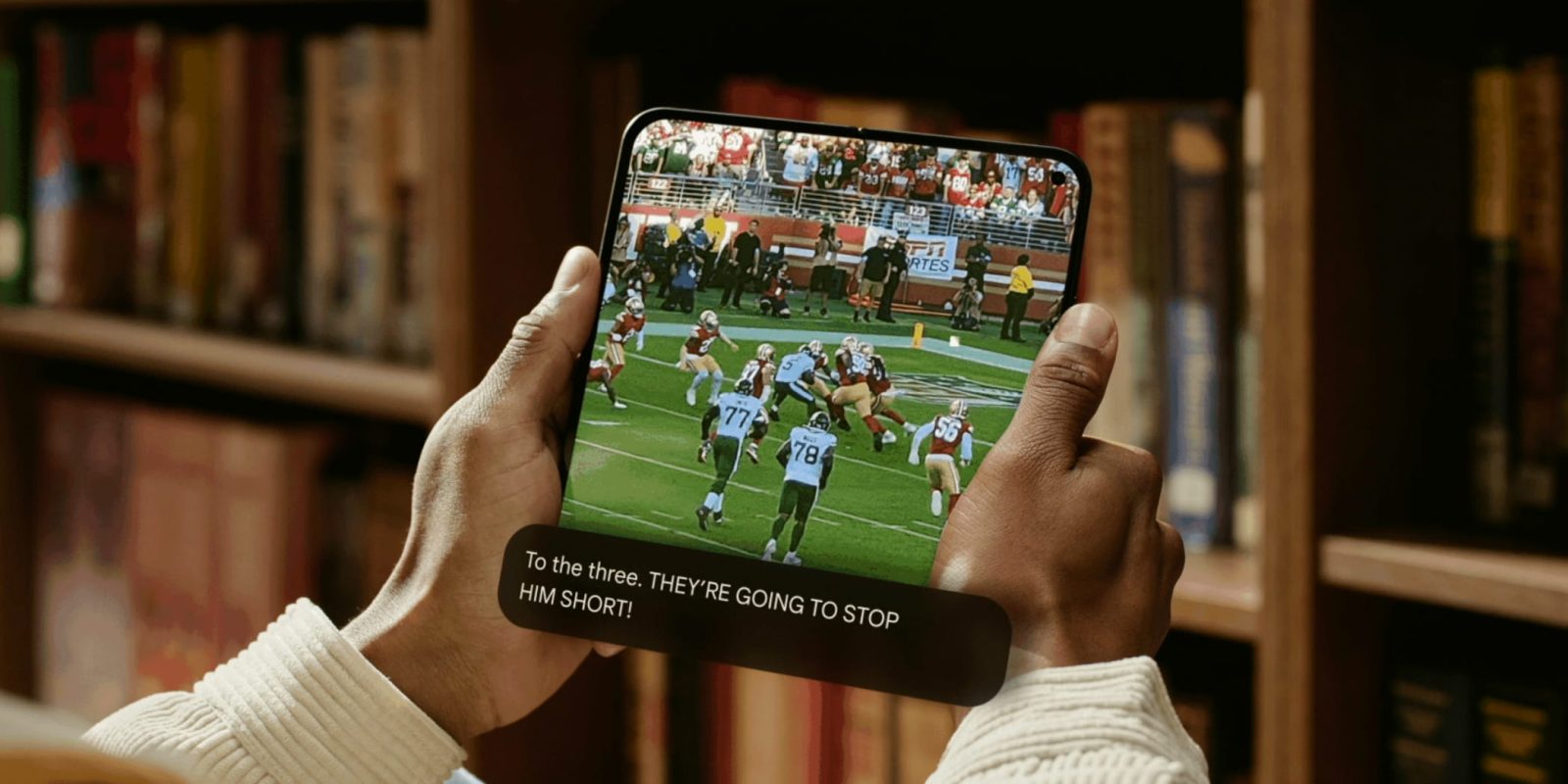
After introducing Expressive Captions in December, the Live Caption panel on Pixel devices now offers a Background transparency setting.
Expand Expanding Close

Back in June, the GSMA Association responsible for RCS finalized the latest standard with features like the ability to delete a sent message, and Google Messages is readying support.
Expand Expanding Close
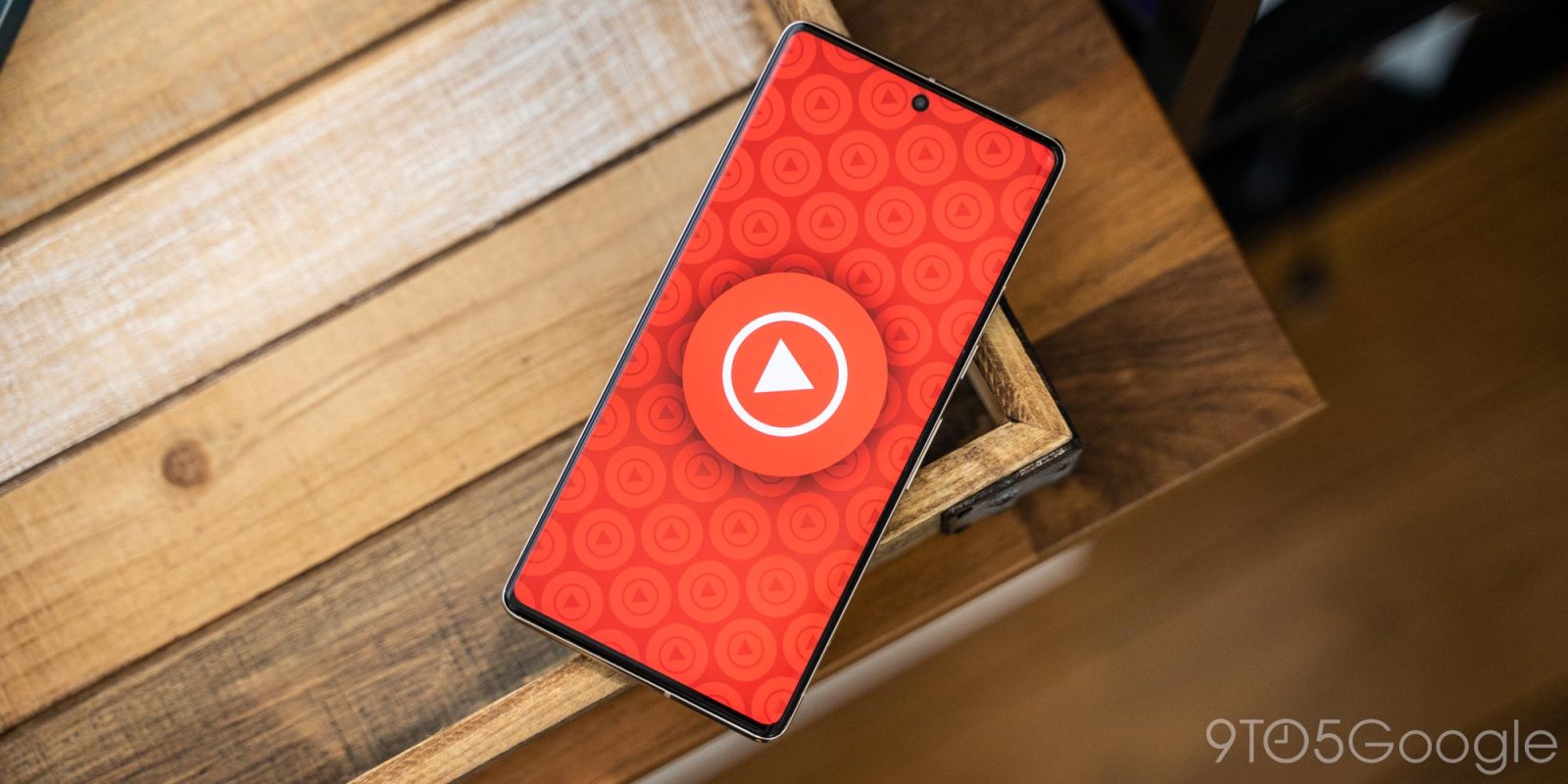
After introducing in 2019, YouTube Music might replace the Song/Video switcher at the top of the Now Playing screen.
Expand Expanding Close
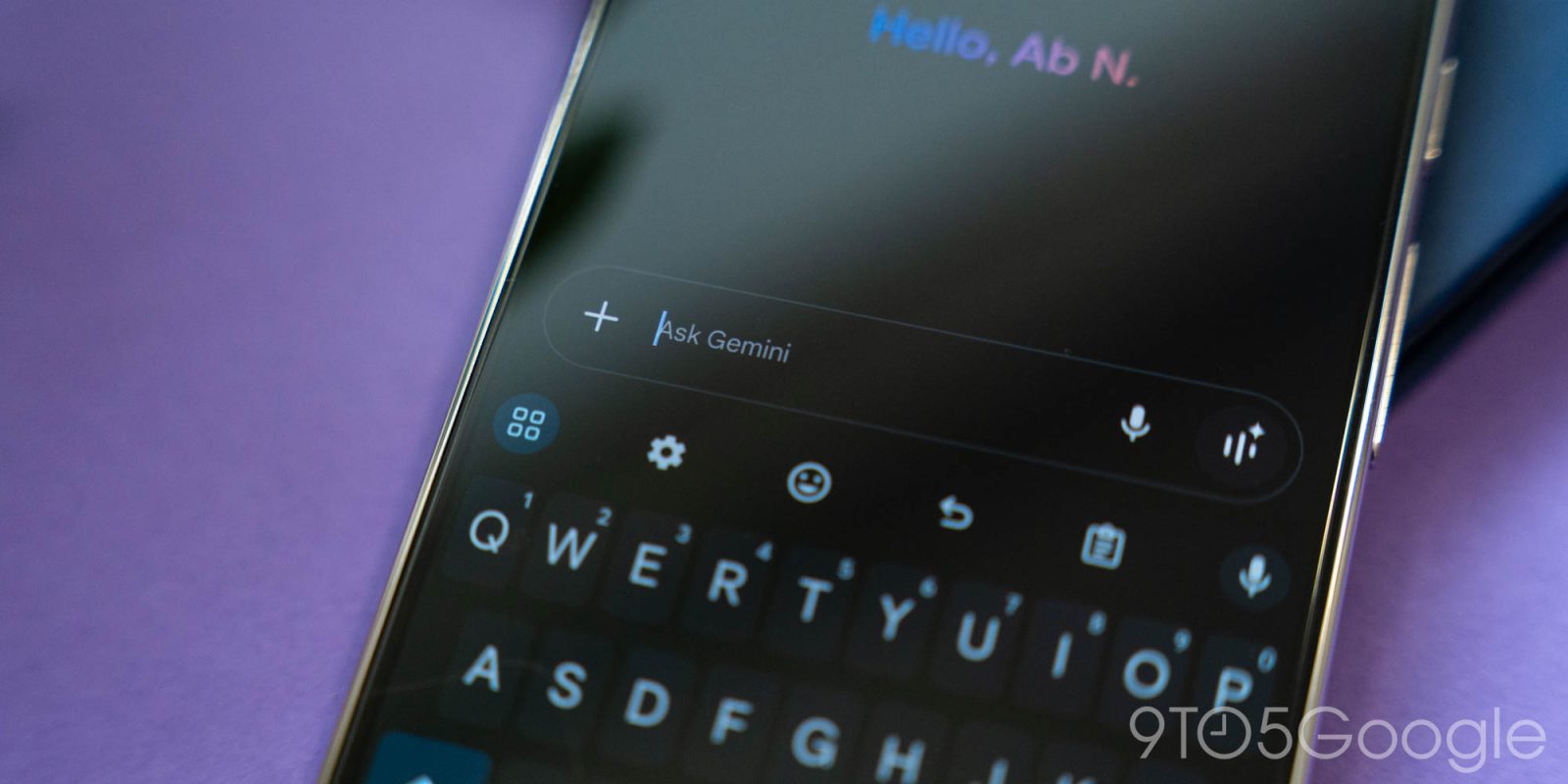
Google is implementing a small change wherein your keyboard will automatically open when the Gemini app is launched on Android.
Expand Expanding Close

After testing last year, Google app on iOS has rolled out an Auto Dark Mode for its built-in web browser.
Expand Expanding Close

Following the web, the Gemini app on Android and iOS are starting to get access to 2.0 Flash Thinking Experimental and 2.0 Pro Experimental (if you’re an Advanced subscriber).
Expand Expanding Close
Edits generated by the Pixel 9’s Reimagine feature inside the Google Photos Magic Editor will now be watermarked with SynthID.
Expand Expanding Close

At Super Bowl 2025, Google is airing a Pixel 9 and Gemini Live ad called “Dream Job.” This is in addition to another Google Workspace with Gemini ad campaign.
Expand Expanding Close

As previously spotted, Google Search is working on a new “AI Mode” that offers a “persistent place” to ask more “open-ended / exploratory questions” and get generated AI Overview-style responses. Powered by Gemini 2.0, Google has begun testing this experience with employees.
Expand Expanding Close
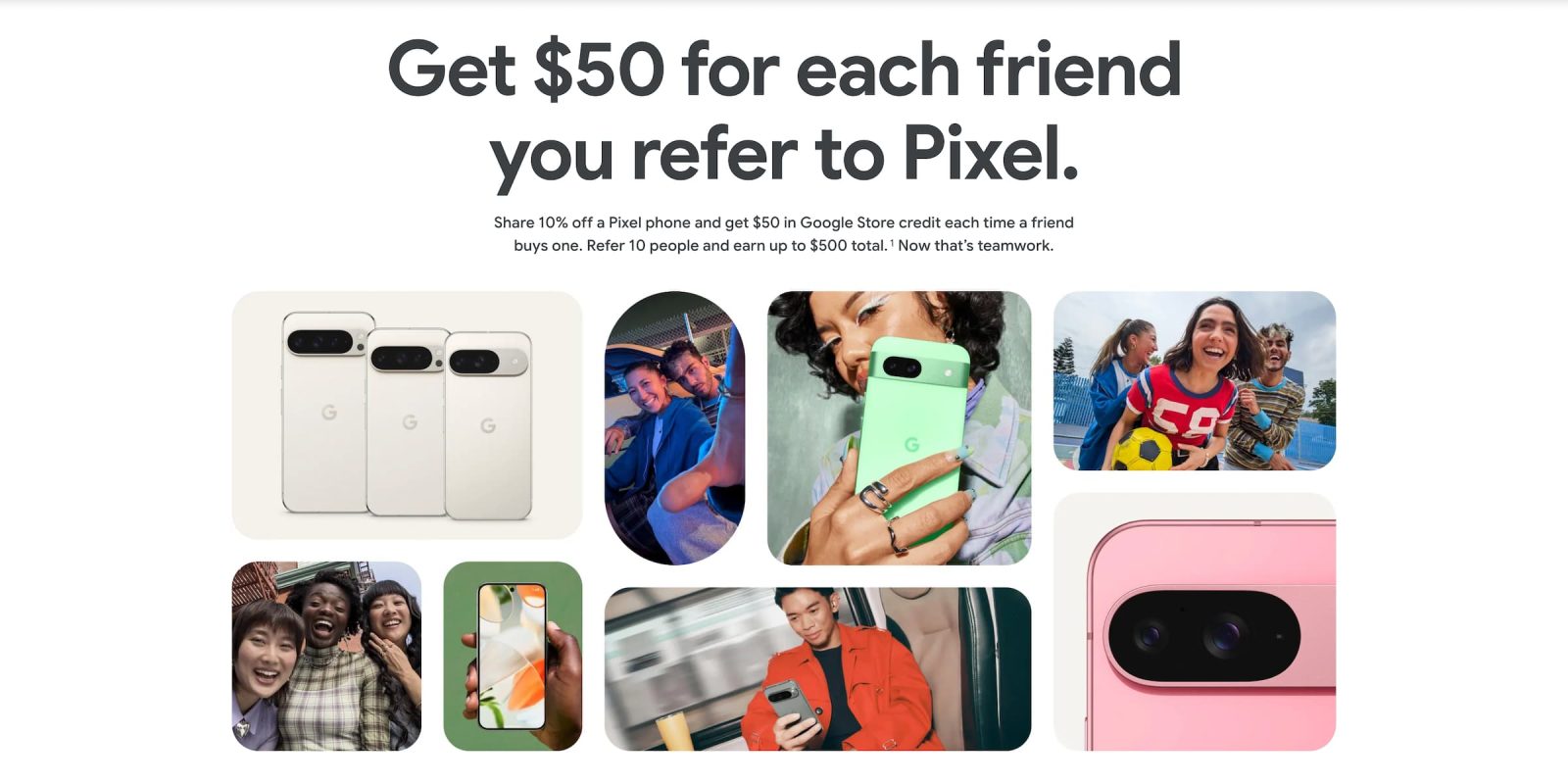
The US Google Store is launching a Pixel Referral Rewards program: “Earn $50 in Google Store credit for each friend who buys a Pixel and they’ll get 10% off a Pixel phone.”
Expand Expanding Close
Google is following the consumer launch of 2.0 Flash with new preview models that will be available to test in the Gemini app: 2.0 Pro Experimental and 2.0 Flash Thinking Experimental.
Expand Expanding Close
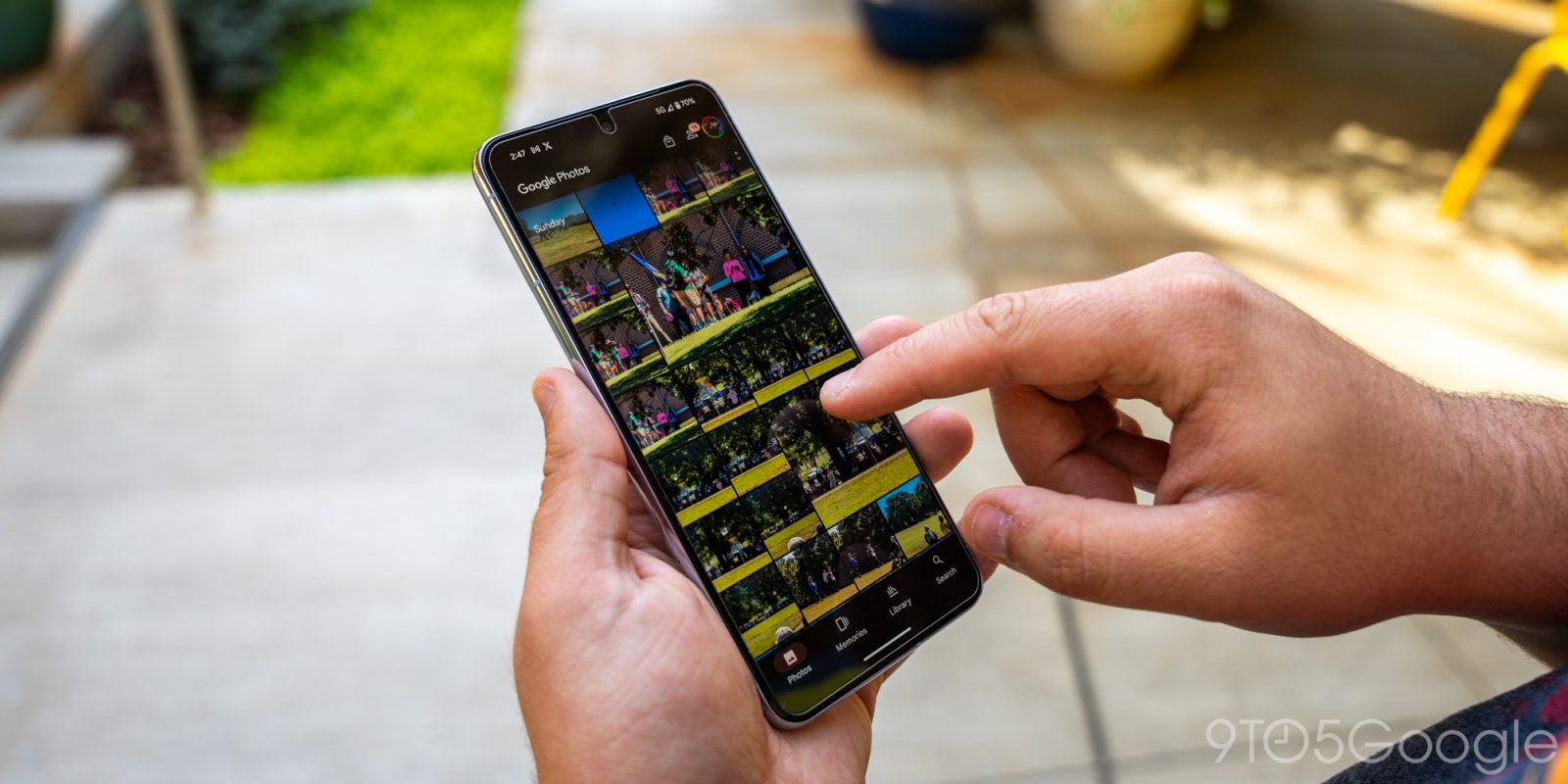
Google Photos for Android is adding more granular customization options for the main grid of images and videos.
Expand Expanding Close
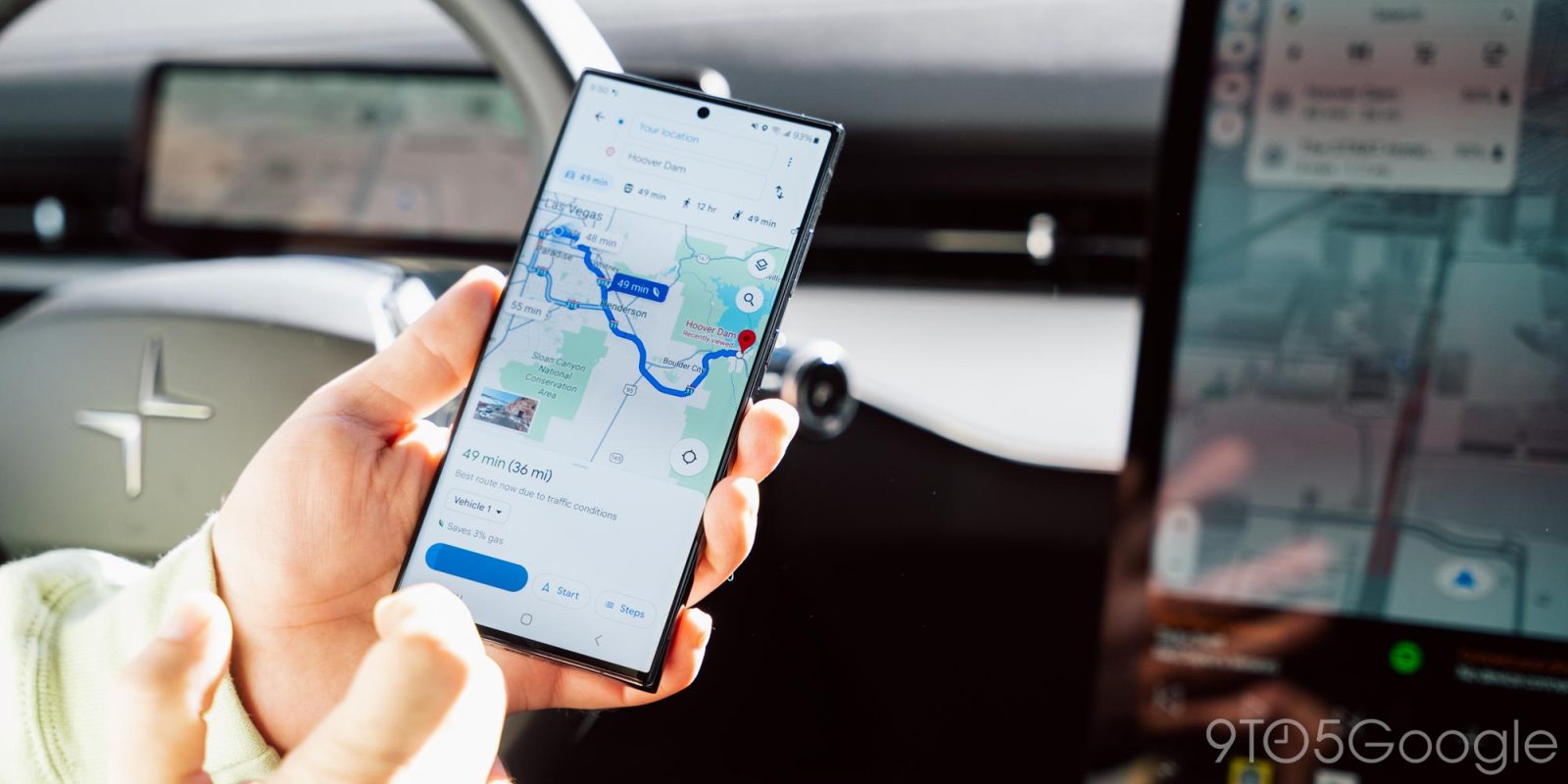
Google Maps is getting closer to Waze with the ability to customize your car icon when navigating.
Expand Expanding Close
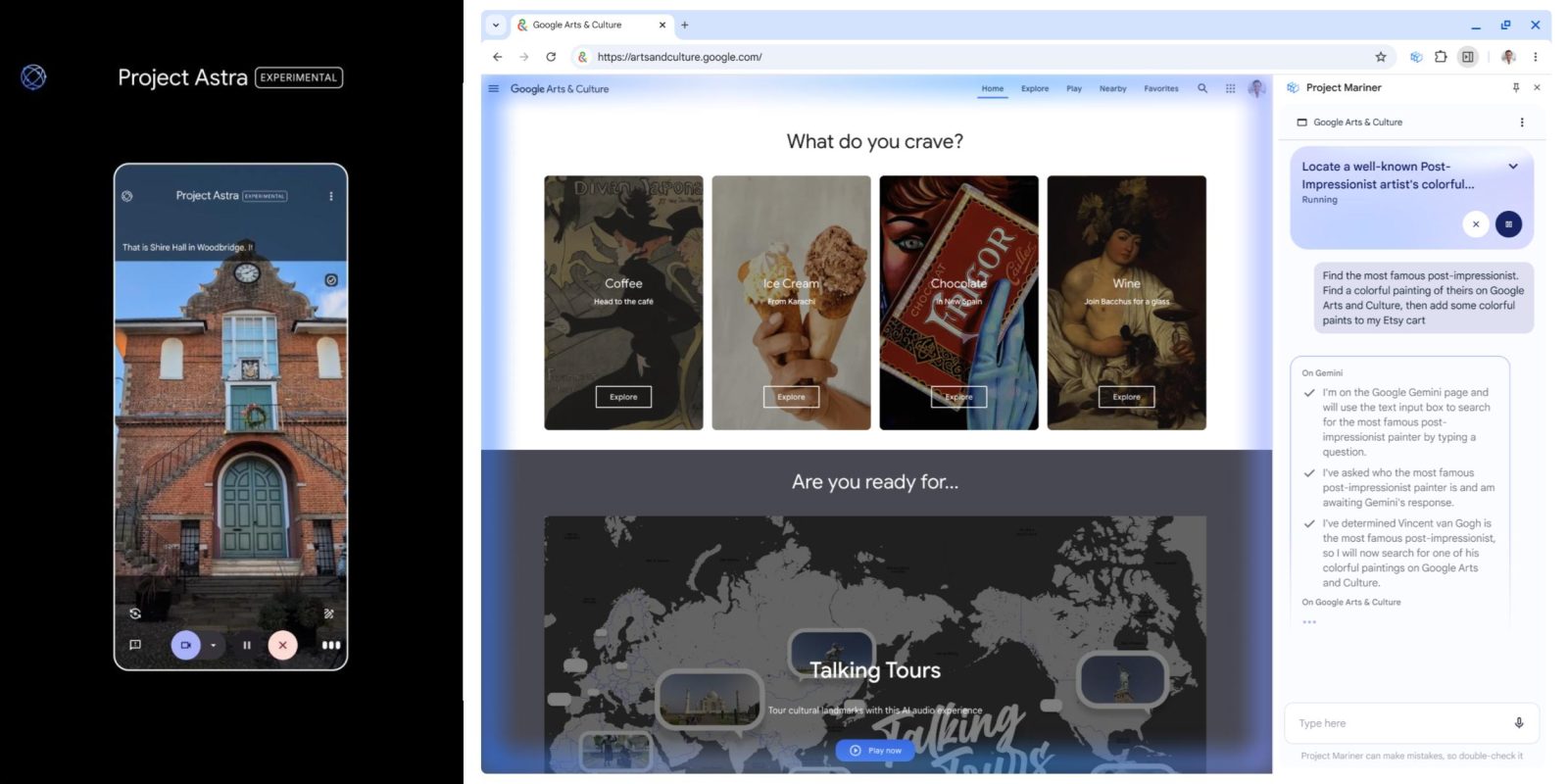
During the Alphabet Q4 2024 earnings call, Google CEO Sundar Pichai said that some aspects of Project Mariner are coming to the Gemini app later this year.
Expand Expanding Close
Alphabet today announced Q4 2024 earnings with $96.47 billion in revenue. These numbers range from October to December, with the company also reporting fiscal year 2024 results.
Expand Expanding Close
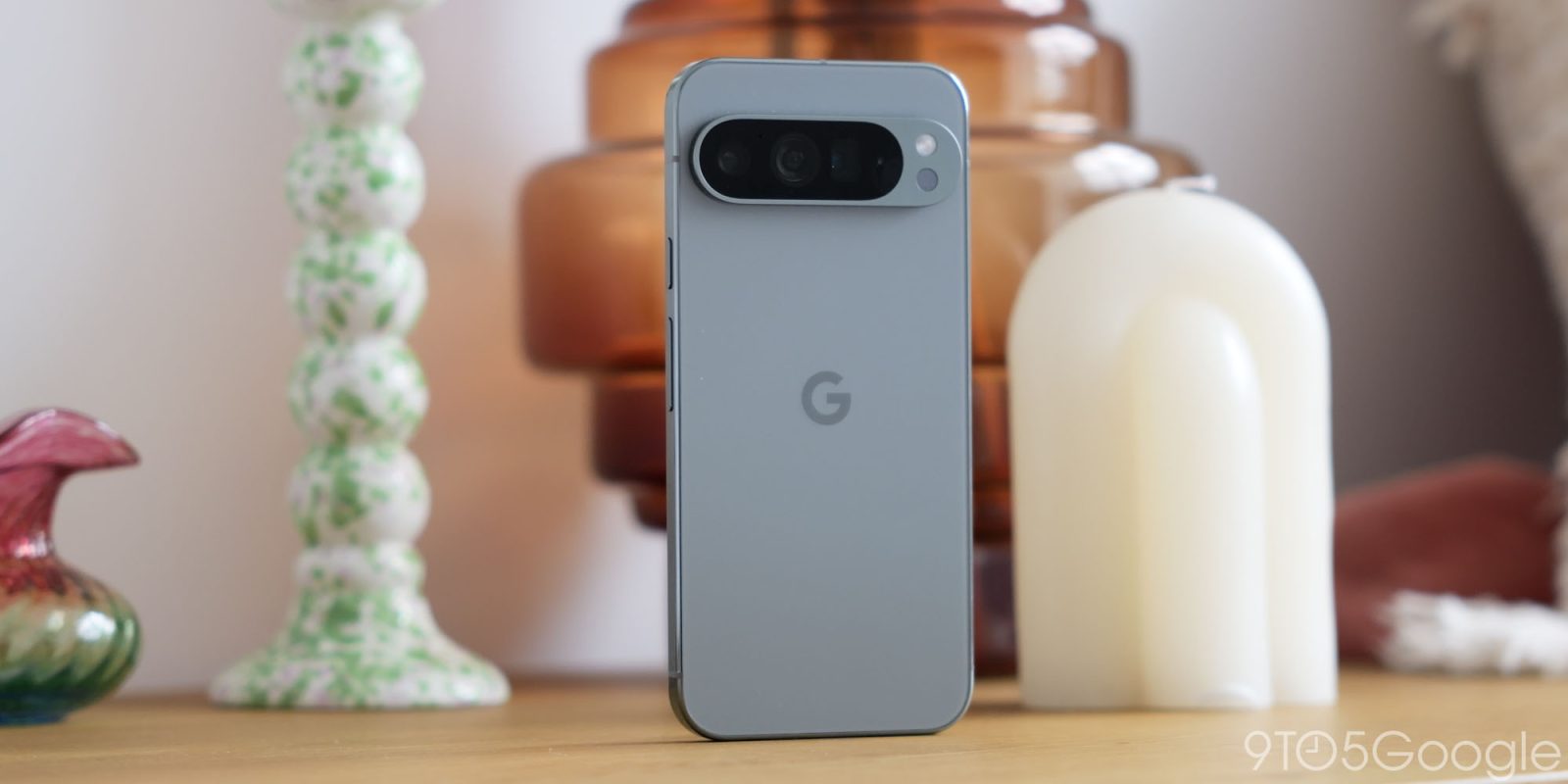
Ahead of next month’s bigger update, the Android 15 February security patch is rolling out today for the Pixel 6, 6 Pro, 6a, 7, 7 Pro, 7a, Tablet, Fold, 8, 8 Pro, 8a, 9, 9 Pro, 9 Pro XL, and 9 Pro Fold.
Expand Expanding Close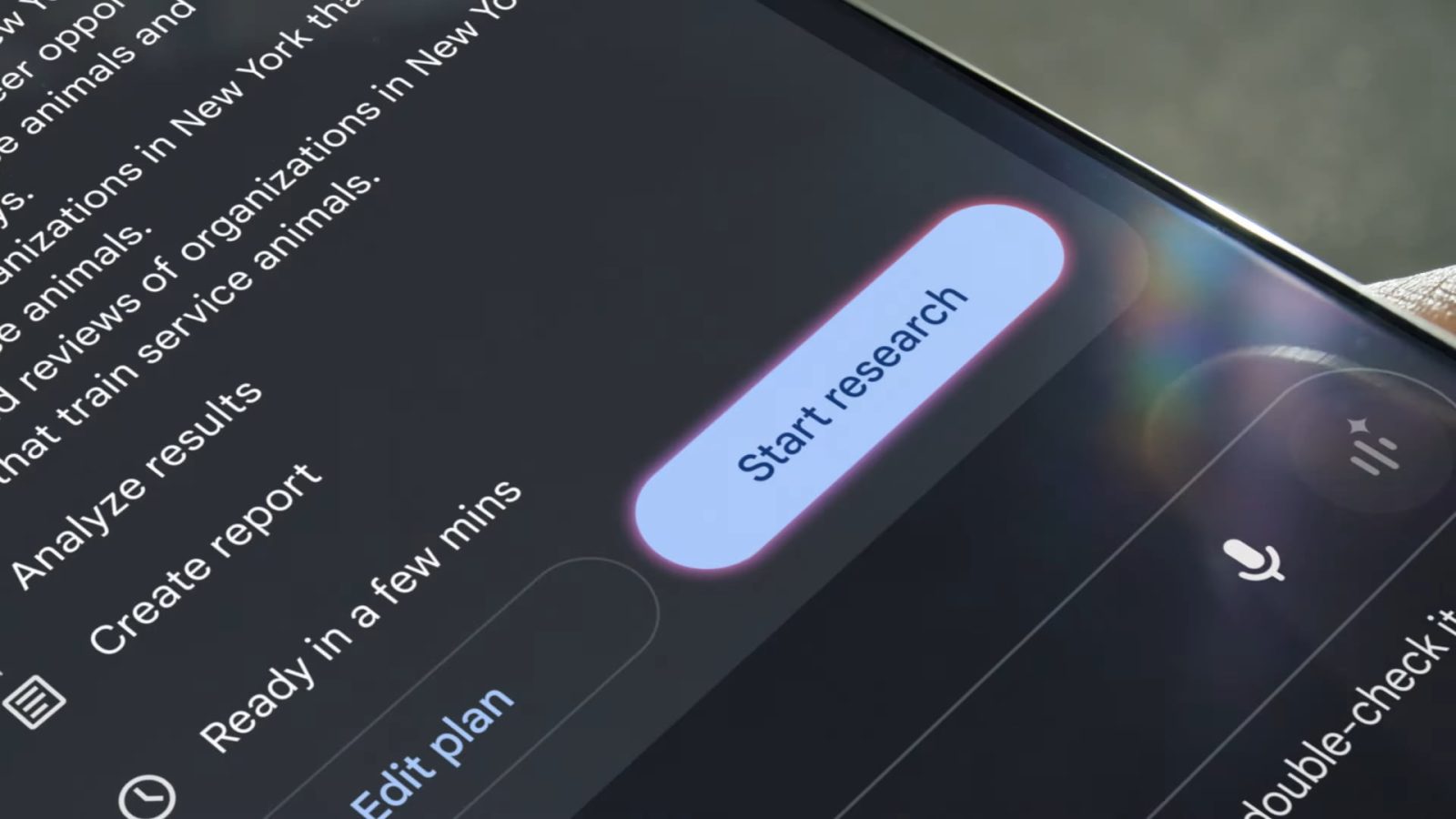
After debuting on the web in December, Deep Research is now available in Gemini for Android.
Expand Expanding Close