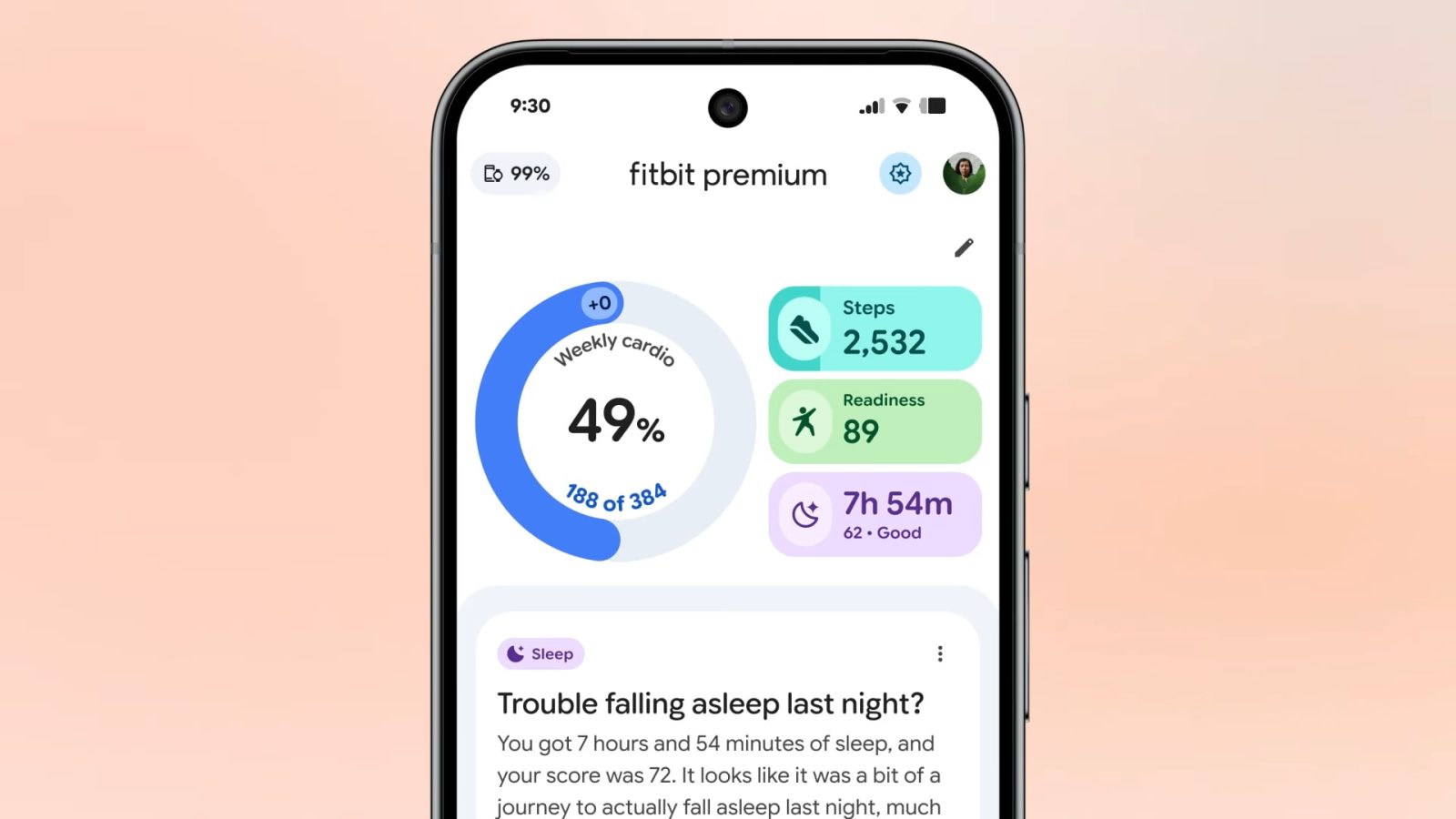
Fitbit Public Preview adds food & water logging, more as app redesign comes to free users


Before the launch of Android and the T-Mobile G1, Steve Jobs had quite a close relationship with Google co-founders Larry Page and Sergey Brin. Rare pictures of Jobs, Page, and then-Google CEO Eric Schmidt at the Googleplex have surfaced today.
Eric Schmidt was Google’s second CEO from 2001 to 2011 and famously known for acting as “adult supervision” during the company’s early years. The top job was eventually handed back to co-founder Larry Page, with Schmidt serving as executive chairmen of Google and later Alphabet. His last role was as technical advisor, and it emerged today that he departed earlier this year.
Following Alphabet’s Q1 2019 earnings yesterday, the parent company announced a number of changes to its board of directors. Eric Schmidt and Diane Greene are not seeking re-election and will be leaving later this year.

In late December, Alphabet announced that Eric Schmidt was stepping down as executive chairman. Reports pegged the departure as a result of the former Google CEO wanting to spend more time working on other efforts and we now know what that entails. MIT has revealed that Schmidt is joining the school as a “visiting innovation fellow.”

Alphabet announced today that Eric Schmidt is stepping down as the company’s executive chairman. Schmidt will transition to a new role as a technical advisor and will continue to serve on the company’s board.


Executive chairman of Google parent Alphabet Eric Schmidt last week told employees that the Trump administration will do ‘evil things,’ reports Buzzfeed.
Schmidt’s remarks were made during the company’s weekly meeting at its headquarters in Mountain View, California, on January 26 [when he said the Trump administration] is “going to do these evil things as they’ve done in the immigration area and perhaps some others” …

Update 2/2/17: More than a month after we told you about this, Google has made this new feature official on its blog.
It seems like Google is always playing with its search interface both on desktop and mobile, and today one eagle-eyed Alex Chitu spotted another addition on mobile: search suggestions when searching for recipes. The feature lets you refine searches for a food you might want to make…


As 2016 comes to a close, many are taking the opportunity to look back at the year passed and all the events, announcements, people, and more that have made it great, or not so great. In 2016’s “Year in search,” Google has released a brief video montage of the year’s top events, and also several lists ranking the top searches for the year. Let’s take a look.
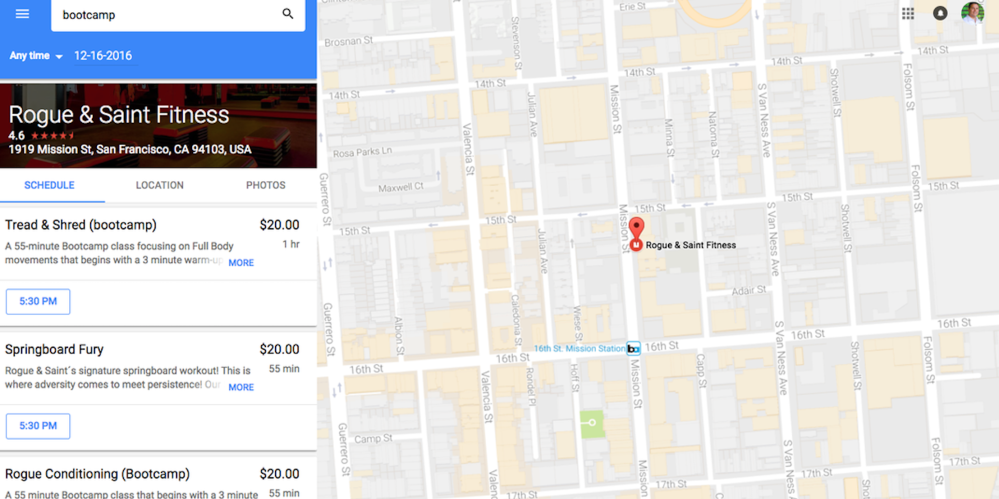
As we head into 2017, people are starting to form their New Year’s resolutions and Google today is rolling out a new feature to make it easier for its users to stick to their fitness-released goals. In a blog post, Google detailed a new Reserve with Google feature that will allow users to easily book fitness and wellness classes right from Google.
Google has never really been shy about getting its users to participate in the democratic process. But this election cycle, the Mountain View seems to have kicked it up a notch. We’ve found banners and reminders placed throughout all of its services, from YouTube to Google Maps to Google Now. Check out our gallery below of all the different places Google might be pestering you…
Google has for some time prioritized mobile-friendly sites in search results, but it will soon be taking an even bigger step. Search Engine Land reports a keynote address by a Google exec advising that the company will be creating a completely separate mobile index, which will take priority over the original desktop one.
Google is going to create a separate mobile index within months, one that will be the main or “primary” index that the search engine uses to respond to queries. A separate desktop index will be maintained, one that will not be as up-to-date as the mobile index.
The plan reflects the fact that the majority of search traffic now comes from mobile devices, but the presentation raised as many questions as it answered, notes the site …

Republican presidential nominee Donald Trump today blamed Google for making bad news about his opponent harder to find via Search. Speaking during a rally in Waukesha, Trump remarked that “Google search engine was suppressing the bad news about Hillary Clinton.”
Video: Donald Trump just accused Google of "suppressing the bad news about Hillary Clinton" pic.twitter.com/88TSU5VzJN
— Brandon Wall (@Walldo) September 29, 2016
Google is seemingly testing a new feature in search: the ability to quickly find locations nearby with a search query. It doesn’t appear to be working for everyone, but apparently when some search for “**” (don’t forget to drop the quotation marks), users get a list business that are physically near to you…
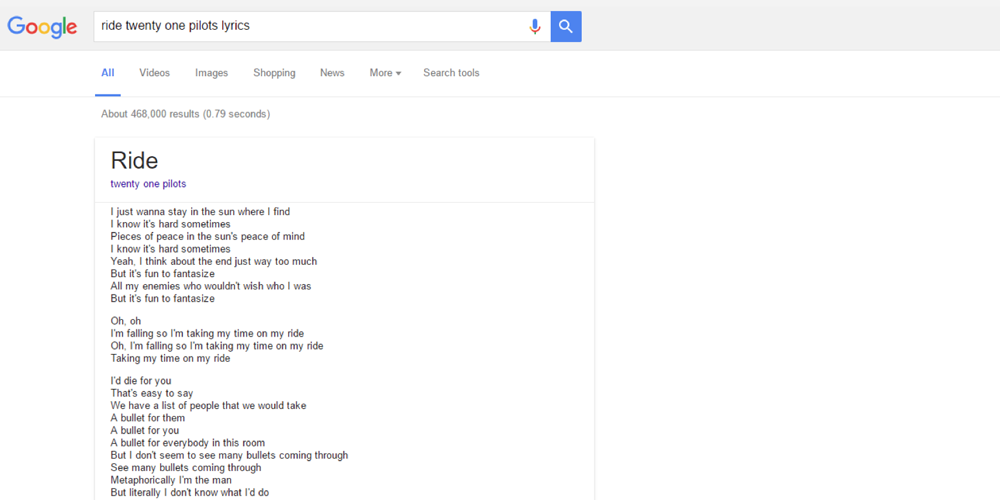
If you’ve ever Googled for song lyrics, you know what a messy experience it can be – half the sites proving to be just links to other sites, others looking really sketchy. For those in the US, though, things should be much simpler. Google has licensed lyrics from LyricFind, which in turn licenses them from labels, so that a search for a song title with ‘lyrics’ on the end should generate an immediate link.
Of course, Google is arriving rather late to the party …
Google Trends tells the story of the result of Britain’s decision to leave the European Union. Trending searches include a 500% spike in ‘buy gold,’ a doubling in searches on getting an Irish passport and some people apparently wondering what just happened …
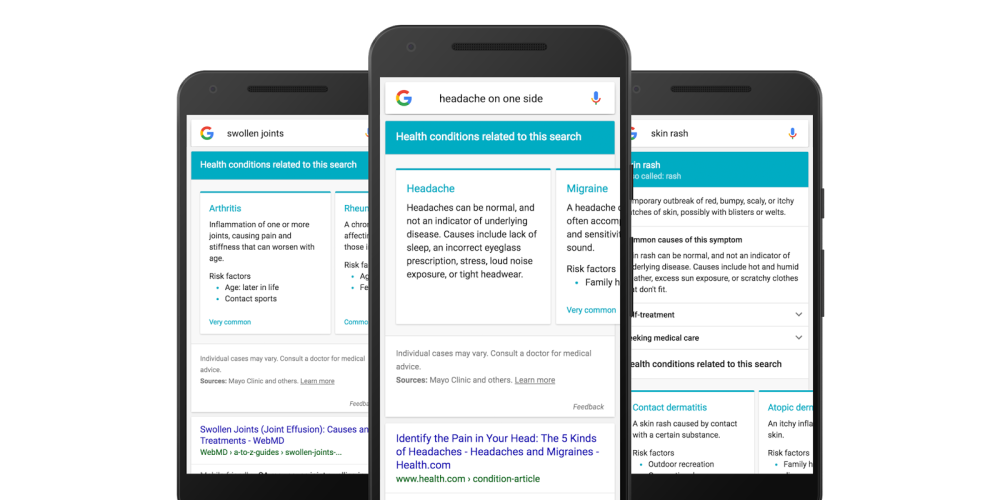
From sport results to maps, Google Search now shows a lot more than just 10 blue links. Especially useful on mobile, Knowledge Graph aims to show relevant information without requiring users to click through a webpage. In an update rolling out over the next few days, Google will now surface possible medical conditions when you search for symptoms.
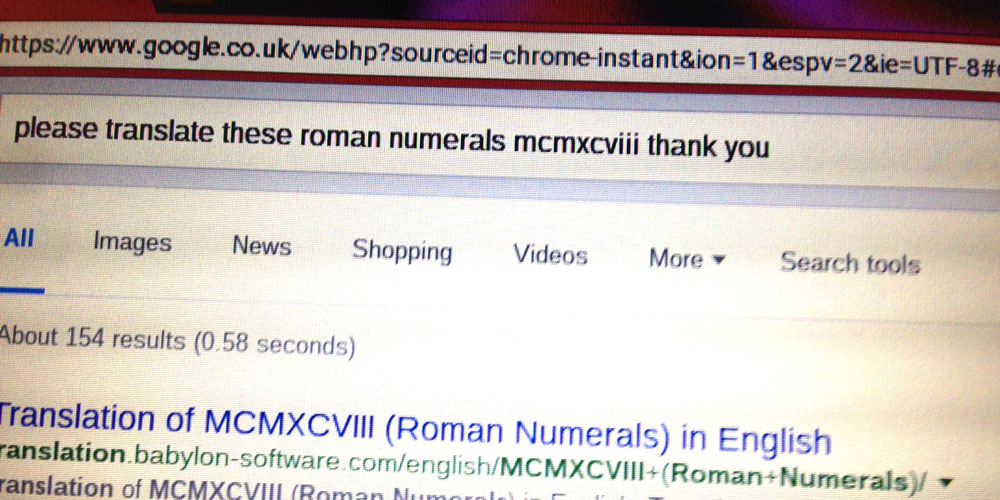
Some stories just make you grin. The BBC reports that Google has thanked a British grandmother who conducted the politest ever search after thinking that the answers were provided by a person.
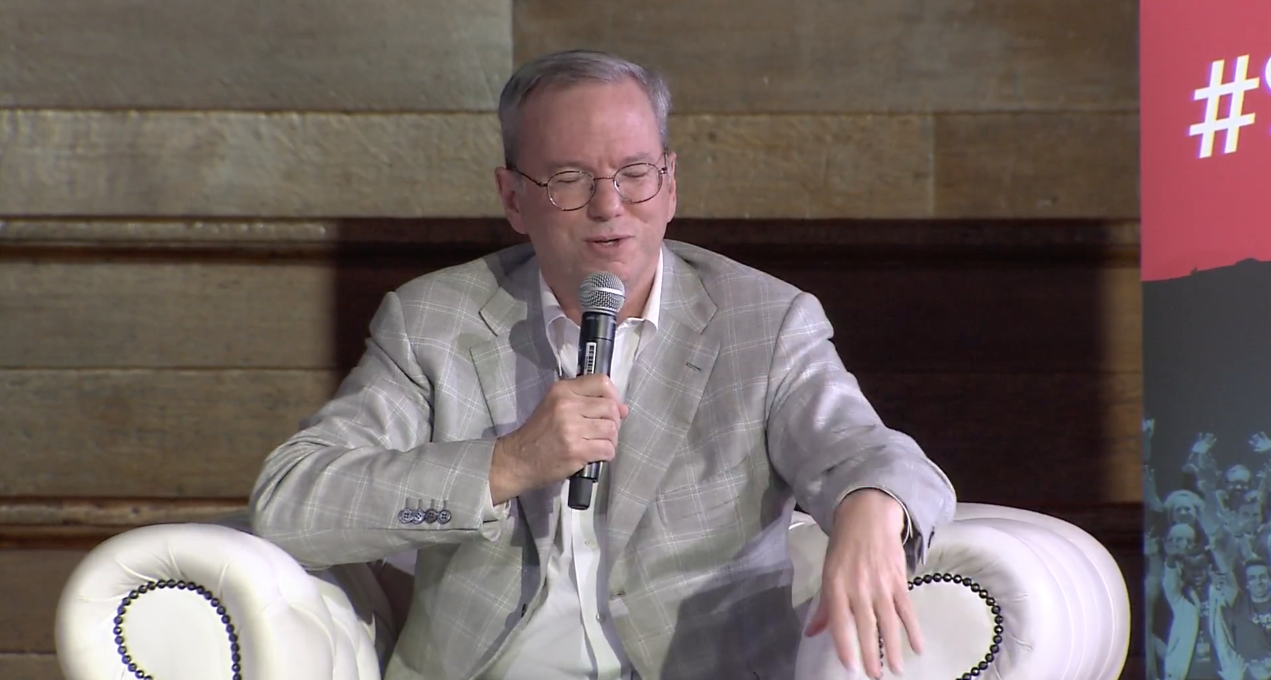
Alphabet Chairman Eric Schmidt is sitting down with Startup Grind Europe today. Tune in below:

In this week’s top stories: We breakdown the best Android phones you can buy right now, get a closer look at upcoming Android devices including the OnePlus 3, Galaxy Note, and Project Tango devices, and give you the latest app news and updates alongside our picks for the best 5 Android apps you should download this month.
Expand
Expanding
Close
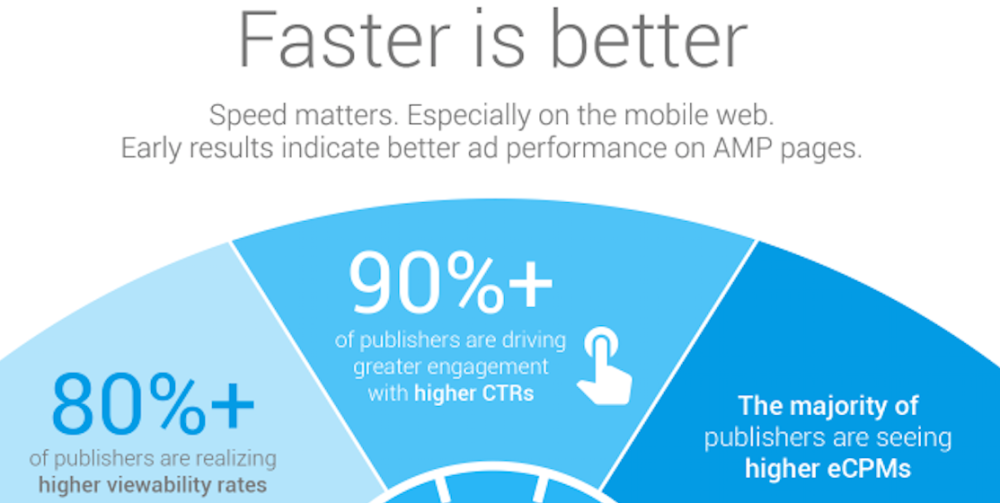
Accelerated Mobile Pages launched in Google Search with support for ads earlier this year, and now the AMP team has shared a blog post detailing the future of ads on the platform. In the blog post, the AMP team explains that it has four central principles when it comes to ads:

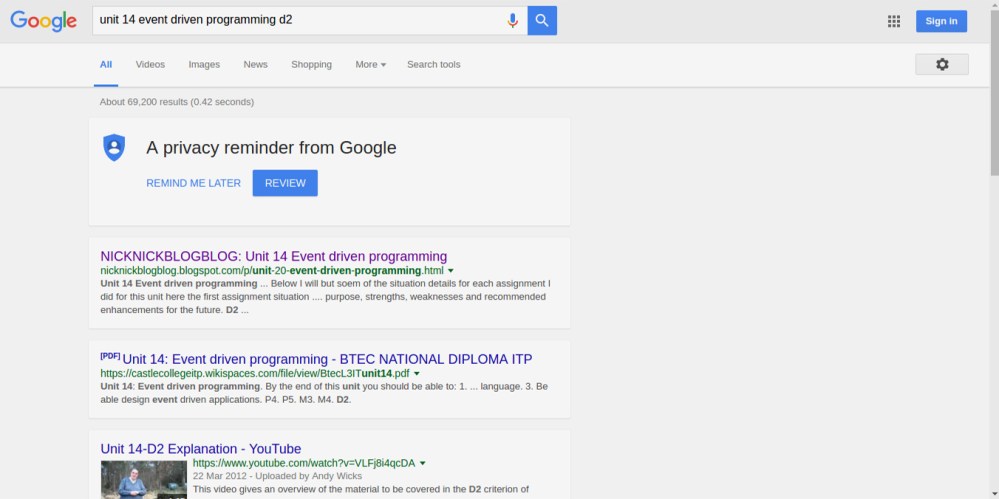 Back at 2014’s I/O, Google unveiled a new all-encompassing design language called Material Design, aimed at drastically reshaping the look of everything Google.
While its first implementations were seen — understandably — on Android, it took a little longer for the transition to take place on the web; we are now seeing Chrome being reworked under Material’s principles, and it now appears that the company’s stronghold, Search, may be on the verge of its long overdue redesign …
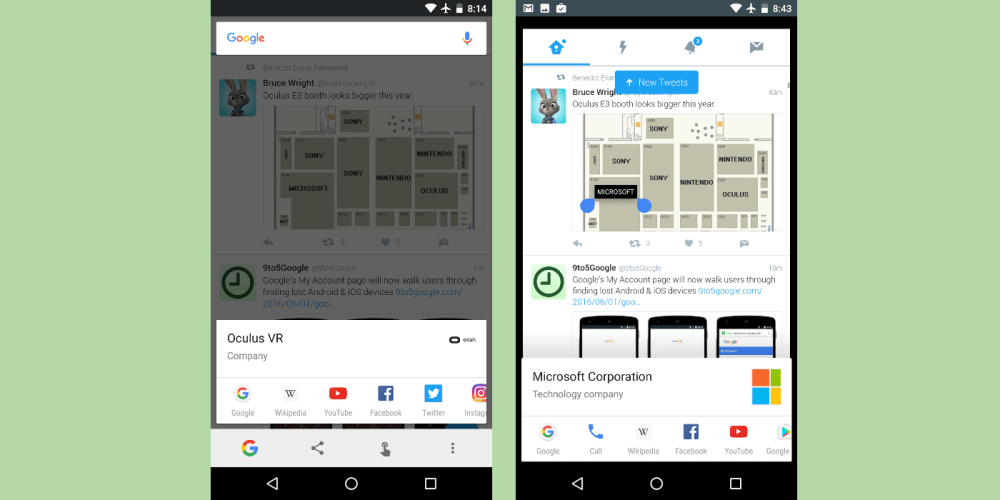
Update: In a blog post, Google details new features currently available in English and rolling out soon to other languages. Now on Tap now officially works in the camera app and for images. For instance, users can open the camera app and initiate Now on Tap to identify landmarks. It can also be used in apps like Pinterest to identify artwork.
Rolled out last night to all users, Now on Tap has a new interface and the ability to manually select text from anything in a screenshot to perform a search. Due to a number of factors, Now on Tap has yet to become a hit feature and today’s update is a meaningful change to the product.
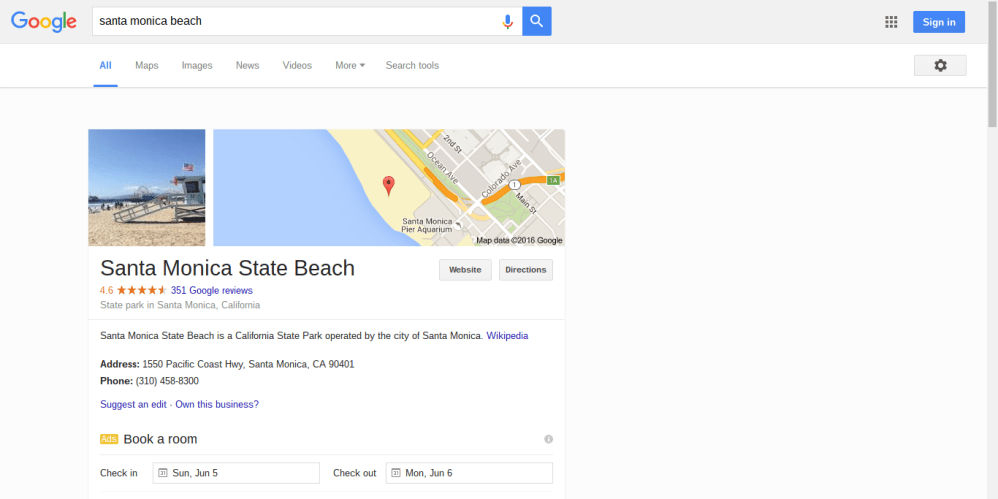
Google appears to be A/B testing a new look for desktop search results. The redesign takes many cues from mobile and places search results in individual cards. However, the bigger change displays Knowledge Graph cards inline and thus prioritizes them.

For many, many years, whenever you search for anything on Google, chances are that you see a sea of blue unread links fill your web browser. Unless you’re in China, that is, in which case you see red ones.
Still, blue web links have been a feature within Google Search for a long time. So it comes as something of a minor shock to see that the company is now testing a new color: black.


