Qualcomm

It looks like there is definitely some truth to evidence suggesting that the Snapdragon 810 has been facing some problems with overheating. Dutch site Tweakers has taken the HTC One M9 through a series of tests, and it looks like overheating problems with Qualcomm’s processor are still very much a valid concern. Specifically, while running GFXBench, the site has recorded the HTC One M9 to have a surface temperature of around 55 degrees Celsius—or 131 degrees Fahrenheit.

Software maker Cyanogen announced today that it has made a deal with Qualcomm to pre-load its partially-proprietary, Android-based Cyanogen OS (not to be confused with CyanogenMod) onto some of Qualcomm’s reference hardware. Reference devices for the Snapdragon 200, 400, and 600 series chips will now be powered by the Android-based operating system.
These reference devices previously ran customized versions of Android compiled by Qualcomm, with some tweaks for their own purposes. The move to Cyanogen OS could potentially put the software onto a large number of devices very quickly. It could also mean that many more reference devices will be able to receive software updates and run the latest version of Android.
Cyanogen also announced new branding (seen above) to help fit with its focus on open software:
As our values have evolved and advanced, we’ve realized that our identity as a team and a company should reflect that change.
Today we’re announcing a new look that we hope captures our commitment to openness. This new approach celebrates space, with minimal letterforms that don’t quite connect, giving the logo a sense of motion and a feeling of inherent energy.
The new Cyanogen feels open: fresh, expansive, and free.

One of the worst-kept tech secrets in recent memory, the HTC One M9 was finally announced today on stage by CEO Peter Chou at Mobile World Congress in Barcelona. None of the specs were much of a surprise though the 20 megapixel sapphire camera and new configurable DotView cover will make some headlines. Under the hood is Qualcom’s new flagship 810 processor which HTC calls the fastest mobile processor in the world.
As for the appearance, I’m not sure I’m a fan of the Dual-Tone finish tweeted below but that beats the Pink version of the M9 IMHO.
[tweet https://twitter.com/htc/status/572052425693138944]
Me? I’ll skip the Sense 7 and will take a GPE if/when it comes out thank you very much.
Huge gallery and hands-on video below. We’ll have more HTC updates as they happen.
Expand
Expanding
Close

Qualcomm this morning has taken the wraps off of four new processors that it says are destined for mid-range devices. The company has revealed the Snapdragon 620, 618, 425, and 415 chips which it says can bring the performance of a high-end device to more affordable, mid-tier phones.
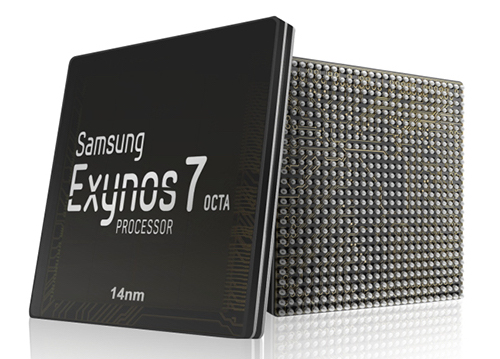 Samsung this morning has taken the wraps off of a new octa-core Exynos processor that is widely expected to be the processor used in the upcoming Galaxy S6 flagship. Samsung says that the Exynos 7 processor is built on a 14nm processor and has eight cores. The company touts that it is “designed for next-generation flagships.”

Bloomberg is reporting that the Samsung Galaxy S6 will be released in two versions, one of them with a wraparound screen similar to the Note Edge but curving around both left and right sides of the display.
Samsung Electronics Co. plans to release two new versions of its top-tier Galaxy smartphone next month, including a model with a display covering three sides, according to people with direct knowledge of the matter […] The second model to be unveiled at the Mobile World Congress in Spain will only have a front-facing display.
Earlier claimed renders had also suggested a curved screen, though with some confusion about whether the wraparound would be on only one side, like the Edge, or both sides as now claimed by Bloomberg …
Expand
Expanding
Close
Qualcomm, which licenses 3G and 4G communications patents to smartphone manufacturers, has been fined almost a billion dollars by the Chinese government in an anti-trust case. The company was found to have abused its dominant position in wireless chip technology by charging “unfairly high” licensing fees to manufacturers of smartphones and tablets.
The 6B Yuan ($960M) fine is the largest fine ever imposed on a foreign company, reports the Guardian. China’s National Development and Reform Commission (NDRC) said that the fine was calculated as 8% of Qualcomm’s 2013 revenue in China. China is responsible for around half of Qualcomm’s total revenue.
Chinese regulators said that Qualcomm bundled together patent licenses, forcing Chinese companies to buy unwanted licenses in order to get the core 3G and 4G ones they needed. Qualcomm said that it was disappointed by the ruling, but has agreed to separate out its licenses to allow companies to purchase only the ones they need.
The ruling should reduce costs for Chinese smartphone makers, but it isn’t known how significant the saving may be, and it’s unlikely to show up as a price-reduction for consumers.
Photo: Mike Blake/Reuters
Rumors regarding overheating issues with Qualcomm’s Snapdragon 810 processor have plagued the chip since it was introduced last year. A report back in December claimed that the issues of the Snapdragon 810 could cause delays to the Galaxy S6, LG G4, and Sony Xperia Z4. In its earnings report today, Qualcomm has seemingly confirmed issues with the processor, adding that it has lowered its outlook for the second half of 2015 because of the problems.
Qualcomm has come out on Twitter to say that at least one device powered by the Snapdragon 800 series of processors will be launching next week at CES, and has attached an image that doesn’t really tell us much. It looks a bit like the back of an LG phone, considering the top center location of what I assume are the volume and power buttons. Additionally, you can see what looks to be a backplate made of brushed metal, but if this is indeed an LG phone, we all know that it’s not actually going to be brushed metal…
Of course, it’s possible that this isn’t an LG phone at all, with many manufacturers expected to introduce phones. For example, ASUS is expected to be launching some devices, Sony is expected to be showing off some kind of super slim device, and—as for some further reaching rumors—VAIO might also be launching a smartphone. This teased handset could be anything, really, but if we were to take a guess, we would say it’s an LG device based purely off of its physical appearance. With that said, it’s not time for the LG G4 just yet, so it’s likely one of the company’s other lines.
A new #Snapdragon 800 powered smartphone is launching next week at @intlCES – here’s a first look. pic.twitter.com/6Sx8wQQsdE
— Qualcomm (@Qualcomm) December 29, 2014

In a developer blog post this morning, Sony announced that developers can now build custom versions of Android for all 2014 Xperia devices with a Qualcomm processor. This is made possible through Google’s AOSP (Android Open Source Project), a project dedicated to keeping Android open and giving developers the power to build their own custom ROMs.
Qualcomm is experiencing problems with its upcoming Snapdragon 810 chip, expected to power several of next year’s flagship smartphones – potentially delaying their launch. The high-powered chip is expected to be used in the Samsung Galaxy S6, LG G4 and Sony Xperia Z4, and has also been slated for a new Motorola phablet.
Business Korea cites an unnamed industry source in reporting that testing of the chip has revealed several issues.
The Snapdragon 810 overheats when it reaches a specific voltage. It also slows down owing to problems with the RAM controller connected to the AP. In addition, there is an error in the driver of the Adreno 430 GPU.
The 810 is a 64-bit octa-core chip supporting 4K displays, and hence a likely bet for the next generation of top-tier phones …
Expand
Expanding
Close

 The Wall Street Journal reports that Google’s ultrafast Internet service Fiber has a new leader running the show, and not just any new leader. Dennis Kish, a former executive at semiconductor company Qualcomm, is replacing Milo Medin to head Google Fiber going forward. The Journal reports that Medlin will remain “an adviser to the Google Fiber team,” but the Google vice president will begin work on other unspecified projects.
Kish was brought in for his operational expertise and will lead Google Fiber as the high-speed Internet and television service expands to new cities.
Amidst today’s plethora of exciting announcements from Motorola—including the Moto 360, Moto Hint, new Moto X, and Moto G—there’s still at least one more new product that the company didn’t really bring to the limelight. As can be found on the company’s website, Motorola is launching a new charger soon (via Android Police), and it claims to give today’s announced smartphones 8 hours of battery on a 15 minute charge.
Photo: ibtimes.com
While Samsung has been producing its own in-house smartphone chips for a while now, its last few flagship smartphones have used a Qualcomm chips. According to a new report out of SamMobile, however, Samsung’s upcoming Galaxy Note 4 flagship might shift back to Samsung’s in-house Exynos processors. Samsung Exynos devices have been available in select markets recently, but availability has been scattered due to the chip’s lack of support for LTE.
Ahead of Mobile World Congress later this month, LG has just announced its new LG G Pro 2 device as a successor the original G Pro, unveiled at MWC last year. The G Pro 2 features a 5.9-inch full HD IPS display with a 3.3mm thin bezel, giving it a screen to size ratio of 77 percent, putting it near the top of the numbers we saw earlier this week about other devices.
The G Pro 2 also features a 13MP camera that is capable of 12oFPS slow-motion video recording, in addition to standard 4k recording. The camera also includes a variety of shooting modes, including a “Flash for Selfie” mode that offers more “soft” lighting for self-portraits.
In terms of power, the device features a 2.26GHz quad-core Snapdragon 800 processor with an Adreno 330 GPU and 3GB of RAM. It has a 3200mAh battery, as well as a microSD card slot for up to 64GB of additional storage. The G Pro 2 itself will be sold in 16GB and 32GB variants. It will ship with Android 4.4 KitKat.
LG is also touting a new “Knock Code” feature that supposedly makes unlocking and using your phone even easier. Knock Code allows users to unlock their G Pro 2 by simply tapping their screens using one of the 86,367 “knock” combinations.
As far as availability goes, the device is available in Korea now, but LG says it does not know when it will launch in other areas. Full press release after the jump.
http://www.youtube.com/watch?v=Nupabf5zsGg
For those of you that aren’t going to make it to CES this year, Qualcomm has released several videos to its YouTube channel, showing off some of the features of its Snapdragon 805 processor. The videos focus mainly on the enhancements the chip can make to camera technology and styluses (via Engadget).

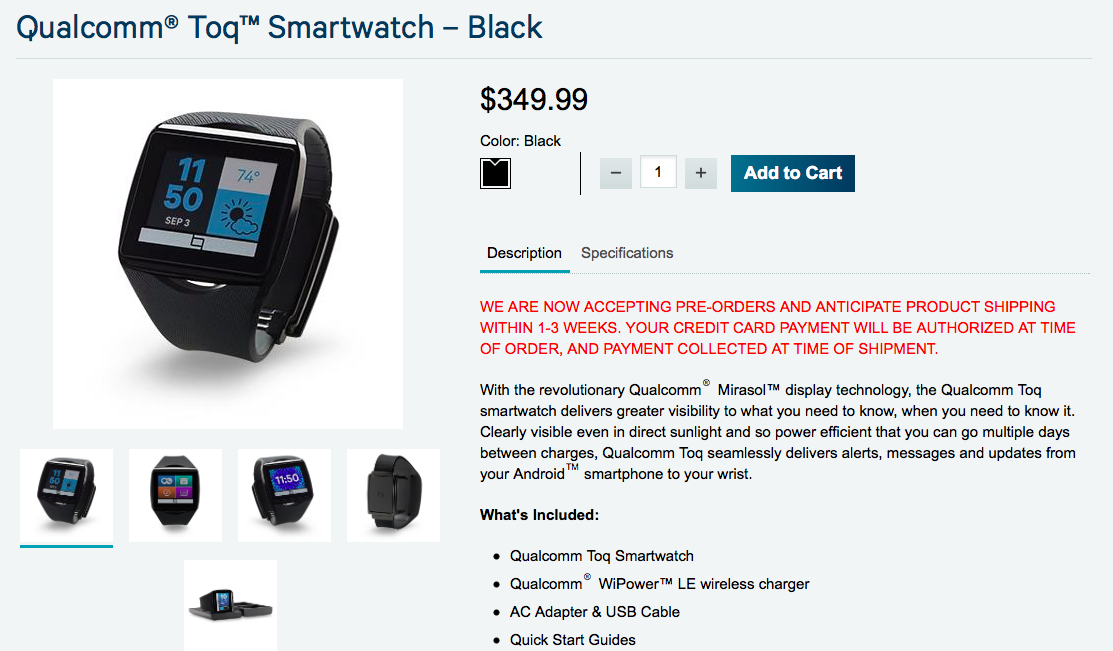
Look, don’t get me wrong as I’m totally on board with wearables and smartwatches as a new part of the industry. However, I’m still having trouble swallowing Qualcomm’s $349 price tag even if they promise a significantly better display…
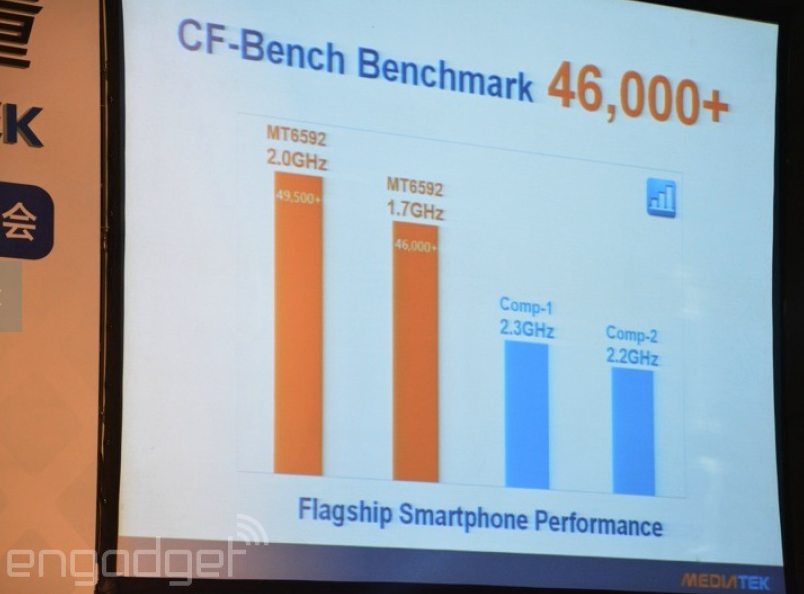
If there is one inescapable fact when buying the latest, greatest tech it’s that whatever you buy today will soon be made obsolete by something launched tomorrow.
Today’s flagship Android devices come with Snapdragon 600 or 800 CPUs. As of today, that’s old hat, as chipmaker Qualcomm unveiled its Snapdragon 805 Ultra HD replacement. This – together with its on-board Adreno 420 GPU – will play 4K video and run at up to 2.5GHz.
But even that may soon pale against the chip announced by rival chipmaker MediaTek (via Engadget) …
Expand
Expanding
Close
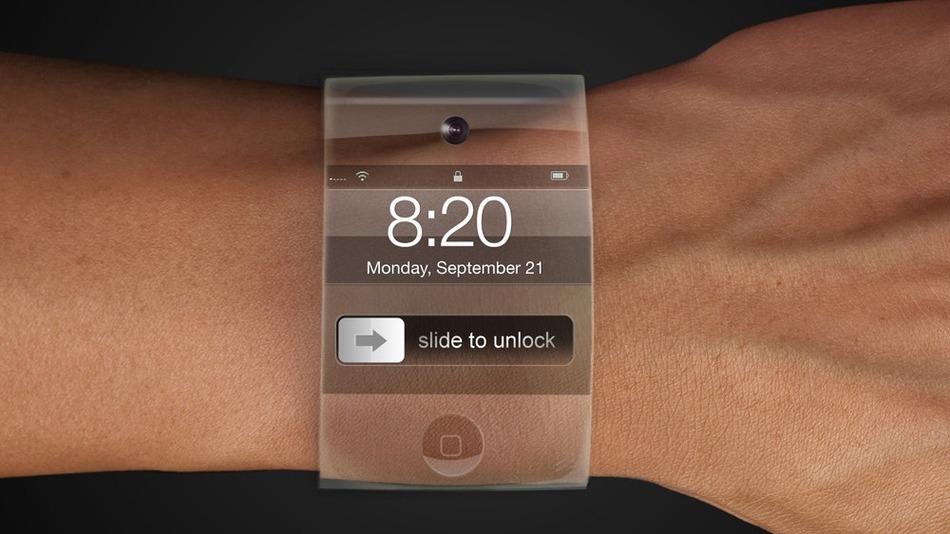
As Samsung beats back rumors of poor Galaxy Gear sales, it made me wonder what buyers really want to see in their ideal smartwatch? The world may be waiting to see what Apple unveils in the wearables category, but that hasn’t stopped companies like Sony, Qualcomm, and Pebble from trying to capture just a small sliver of this up and coming market.
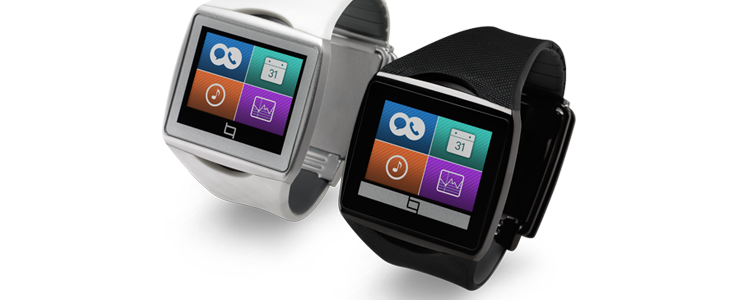
Qualcomm’s first foray into the smartwatch category with the Toq is now set to hit retail shelves on December 2nd. Qualcomm’s just issued press release announces a price tag of $349 along with the December release date.
There’s no question that with every new smartphone release, we look at the camera, the display and ultimately, the battery. As the Nexus 5 begins making its way to the masses, some new software and performance enhancements will offer a slight boost in battery life.
As GigaOM points out, the inclusion of Qualcomm’s new “envelope tracking technology” will make the Nexus 5 a more battery friendly, power-efficient smartphone. Qualcomm’s envelope tracker, dubbed the QFE1100 was first introduced to the world with the Galaxy Note 3, highlighting the Nexus 5 as the second smartphone to include the tech.
Expand
Expanding
Close

Facebook announced today that it’s starting a beta program for its Android apps that will allow users to sign up to test and provide feedback on the latest build of the app before its released to the public.
Facebook is the most-downloaded app in the Play Store, so we need to make sure it works for everyone, no matter their amount of RAM, network conditions, or version of Android they might be using. Factors like data costs and network speeds are especially important to users, and we want to make sure we’re always optimizing their experiences. With so many use cases to solve, testing becomes crucial to ensuring positive, consistent experiences across Android.
While Facebook noted that it has been providing a beta of its Android apps to partners such as Qualcomm, HTC, Ericsson, Sony, Huawei and MediaTek over the last six months, starting today all users can now sign up to become beta testers.
If you’re interested in signing up, go join the newly created Google Group called Facebook for Android Beta Testers and allow your device to download the latest beta by selecting “Become a Tester” on Google Play. There’s also a Facebook For Android Beta Testers group on Facebook.
Expand
Expanding
Close
Earlier on Thursday, we reported on a press release from LG and Qualcomm that teased the successor to the Optimus G flagship would feature a Snapdragon 800 processor, and now the company has sent out another message regarding a mysterious press event. The affair will take place on August 7th in New York City, but no hints as to what we can expect were given, with LG simply calling it an “international media event.”
There’s a pretty solid chance that LG will announce the successor to the Optimus G at the event, but you never know. We’ll be sure to bring you everything you need to know from the event when it happens.
Expand
Expanding
Close
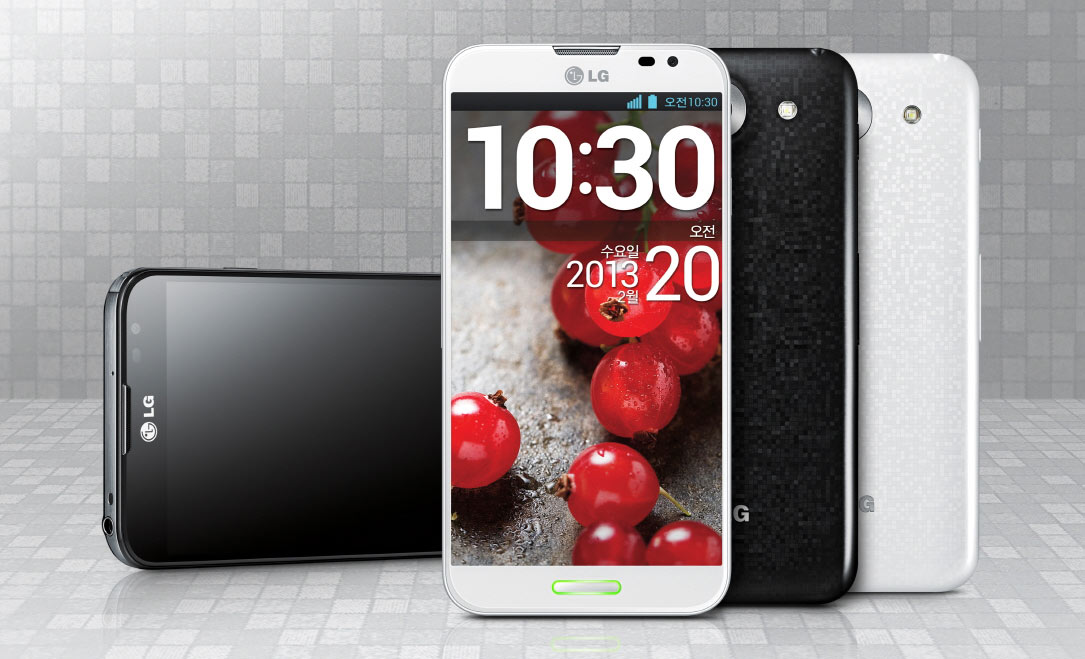
LG has announced that the successor to its popular Optimus G flagship will be powered by a Snapdragon 800 processor. While the company didn’t announce what the name of the device would be, it teased that it will see 75 percent performance improvement over its predecessor thanks to the latest Qualcomm chip. The smartphone will also have a new Adreno 330 GPU that delivers two times the performance of the Adreno 320 GPU found in the current Optimus G.
The device will also feature LTE capabilities on carriers that support it, Qualcomm IZat Location technology for improved GPS performance, and Enhanced aSMP (asynchronous Symmetric Multiprocessing), which is an architecture for dynamic power that senses peak performance per core and improves battery life. LG also teases HD multichannel audio via DTS-HD and Dolby Digital Plus with support for displays up to 2560 x 2048 pixels. It’s definitely interesting that the company mentioned that resolution.
Expand
Expanding
Close