Google finally getting its own Open Airplay alternative

.

As the television race heats up, Google said it is working on an open alternative to Apple’s AirPlay—a technology first introduced in iOS 4.2 that allowed users to share photo, audio, and video to the Apple TV.

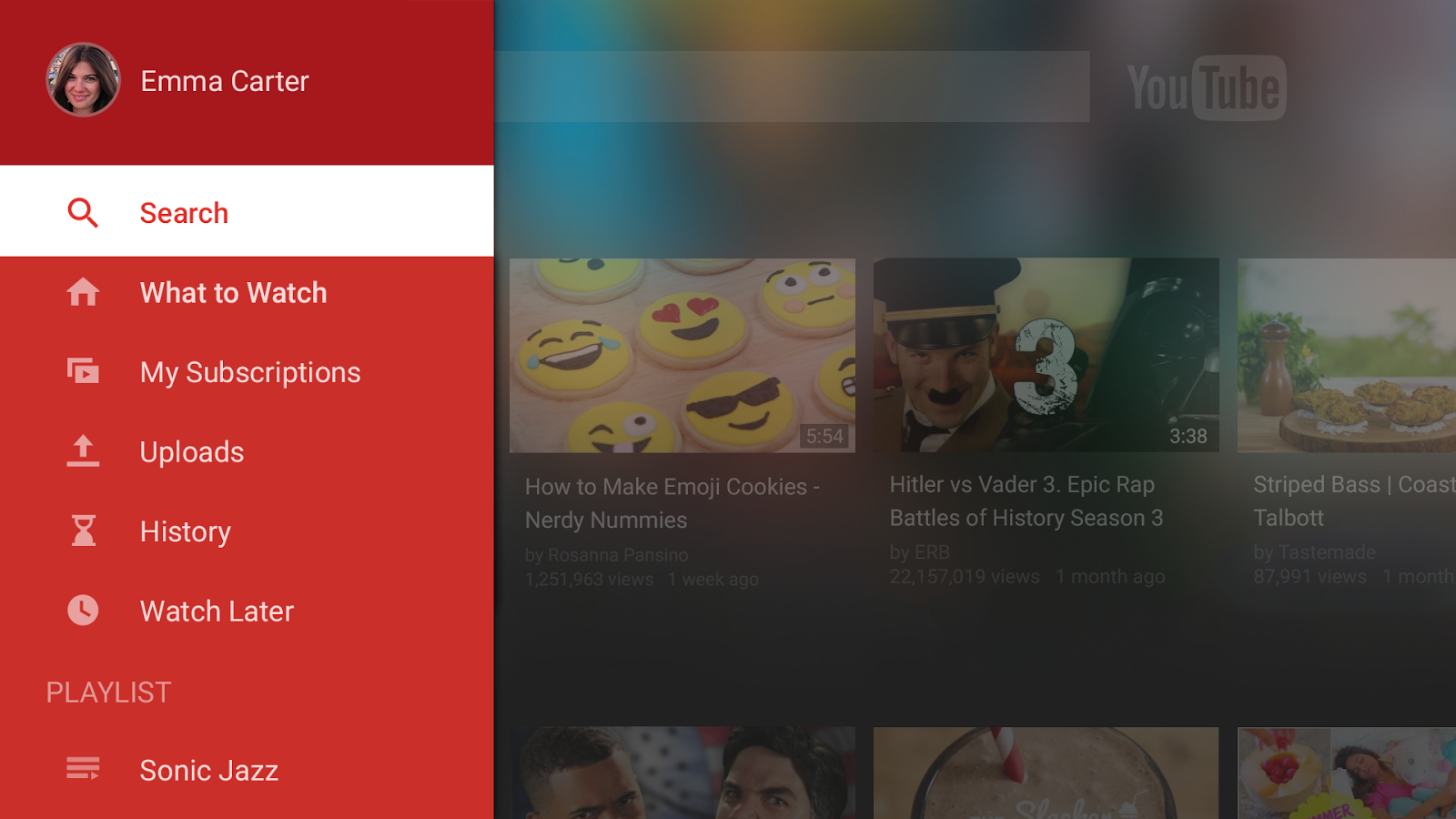
Google had a similar streaming product to the Apple TV this summer—the Nexus Q— that allowed for sharing of content via an Android device to the TV. However, the product flopped and didn’t see the light of day for many customers. Additionally, in Google’s move to try to compliment streaming to the TV, the folks at YouTube launched an AirPlay-like feature last week that allows users to beam YouTube videos from their Android device straight to the television.

Speaking to GigaOm, Google Product Manager Timbo Drayson made it clear that Google has big plans in the space and wants to move forward. “We really want to move the whole industry forward,” Drayson told the publication.

How will Google move the industry forward? It may just partner with as many partners as possible. It worked with Android, so why wouldn’t it work here? Drayson said Google is “actively working with other companies” to implement a new AirPlay-like standard. Remember, Google also has its Google TV platform that this could play nicely off.

Furthermore, GigaOm examined how Google plans to move past just beaming video:

And it’s not just about remote control functionality and beaming a video from your mobile phone to the TV we are talking about. The new protocol makes it possible for data to flow in both directions, Drayson explained, which would enable developers to build second-screen experiences that correspond to what’s happening on live TV as well. Also on the roadmap: beaming content from your laptop to your TV screen.

Related articles

WSJ: Google spending another $200M on YouTube channels

After announcing it would invest around $100 million in original TV quality content for YouTube last year, Google added almost a 100 new channels offering high-quality content. Today, we get some updates on the progress of the project from a report in The Wall Street Journal. According to WSJ’s sources, advertisers already committed over $150 million in ads on the channels for this year alone. Google also plans to throw another $200 million at the effort going forward. Google will also apparently fund content for international viewers:

YouTube plans to expand its channels initiative to Europe by funding a couple dozen video channels for British and French viewers by next year, according to people familiar with its initiative.

Read more

It appears Google’s Fiber TV box may be powered by SageTV

SageTV’s founder just revealed in a Google+ comment that Fiber TV is powered by his former company’s technology.

SageTV essentially provided a television interface for DVR, music, and photographs, with the ability for users to create and control the media center from multiple devices. In June 2011, SageTV CTO and founder Jeffrey Kardatzke announced that Google acquired his company, and SageTV products have no longer been available for purchase since.

Google launched its Gigabit Google Fiber Internet and TV service in Kansas City this afternoon. The Mountain View, Calif.-based Company spent a lot of time demoing its “100 times faster” Internet service, but the majority of the demo was for Fiber TV. The service will give access to YouTube, DVR, on-demand libraries, and Netflix.

While Fiber TV is only available to “Fiberhoods” in Kansas City at the moment, Kardatzke told Google+ folks to “stay tuned” (below).

Read more

Game-changing, Android-powered OUYA console raises $500K on Kickstarter in 13 hours [Update]

UPDATE: OUYA met its $950,000 goal. The project is now at $1,252,480…and it still has 29 days left to go.

OUYA, an Android-powered gaming console for the television, just posted its hefty funding goal on Kickstarter, and it already raised over $500,000 in 13 hours.

The Los Angeles, Calif.-based folks behind OUYA had one main premise in mind when undertaking this revolutionary project: “Let’s make the games less expensive to make, and less expensive to buy.”

OUYA’s controller, console, and interface will come in one package that doubles as a dev kit. There is no need for developers to buy a license or SDK, and they already familiar with the platform, so gaming production should be a breeze. Developers will even have access to OUYA’s open design, so they can make plenty of games that take full advantage of the television. OUYA only requested that developers make some of the gameplay free either through a demo with a full-game upgrade, in-game items or powers, or subscriptions.

OUYA noted it could even change AAA game development: “Forget about licensing fees, retail fees, and publishing fees.”

Read more

Samsung 55-inch ES8000 LED Smart TV platform shows that Samsung doesn’t need GoogleTV

Note: This is a Samsung SPONSORED POST, opinions are our own.

Samsung’s ES8000 LED TV with Smart TV

Samsung is updating its television lineup with the Samsung ES8000 LED TV. It features a dual core processor, slim bezel, and U-shaped stand. The television goes up to 55-inches and displays a more intuitive user-interface with an emphasis on voice interaction, facial recognition, integrated camera controls for multi-video conferencing, and multitasking.

“Let’s say you are watching a movie on Netflix and want to check in on the hockey highlights, just toggle from Netflix to one of my favorite apps, NHL Game center, and come right back to the movie without having to quit the app and launch another app,” said Samsung America President of Consumer Electronics Division Tim Baxter at the 2012 Consumer Electronics Show earlier this year.

Samsung’s all-new 55-inch flat screen will début later this year with the Smart TV platform on board. The product’s pricing details and release date are currently not known, but the South Korea-based Company fully detailed its television and Web-based platform that allows users to find, control, and experience their set and media by way of Smart Interaction, Smart Content, and Smart Evolution.

Read more