Ben Schoon is a Senior Editor at 9to5Google, working for the publication as one of its primary news writers since 2016.
In 2013, Ben helped start an independent tech publication where he learned the skills used at 9to5Google including writing, product photography, and videography. He is located in the city of Winston-Salem in North Carolina where he lives with his wife Melissa. Ben is an avid disc golf player.
He primarily covers Android products, including Google Pixel devices, Samsung Galaxy smartphones, as well as devices from OnePlus, Oppo, Motorola, and more. Beyond just covering news about these products, Ben also spends time using these products himself, speaking from experience with the articles he writes. Some of Ben’s most recent hands-on reviews include; Pixel 8 Pro, Pixel Watch 2, Samsung Galaxy Z Fold 5, Samsung Galaxy S23 Ultra, Motorola Razr+, HP Dragonfly Pro Chromebook, and more.
Ben Schoon is active on Twitter, @nexusben, but can also be found on Instagram and LinkedIn. For questions or tips, you can email him directly, and his portfolio is also available online.
Ahead of its likely debut later this year, a new leak of the Google Pixel Watch 3 suggests that the upcoming smartwatch will be considerably thicker this year, but with thinner bezels and some other tweaks.
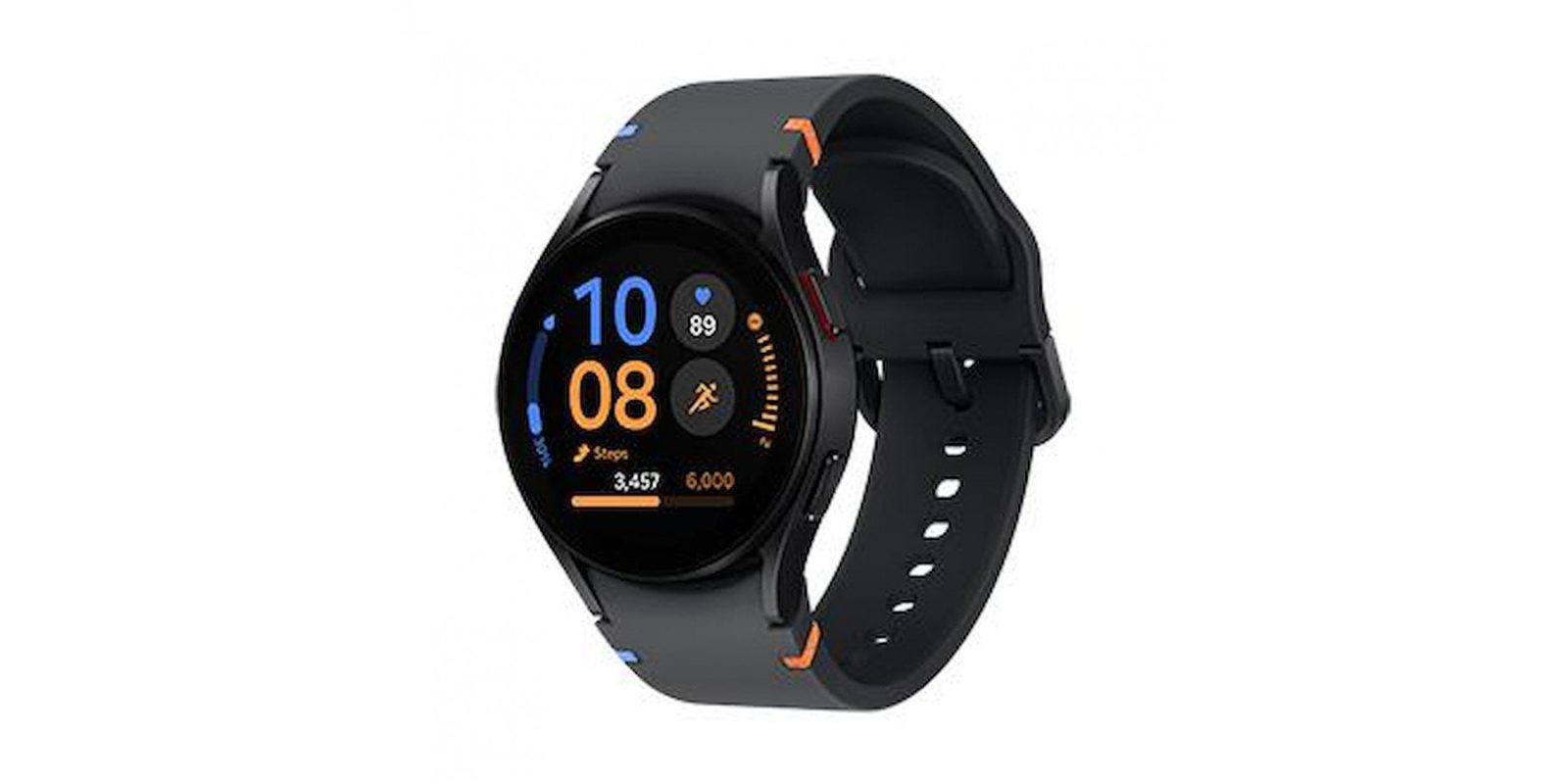
We’ve been hearing about Samsung’s more affordable Galaxy Watch FE for a while, with recent leaks offering more and more details about the upcoming smartwatch. Now, the Galaxy Watch FE has popped up on Amazon, confirming both its price and its release date.
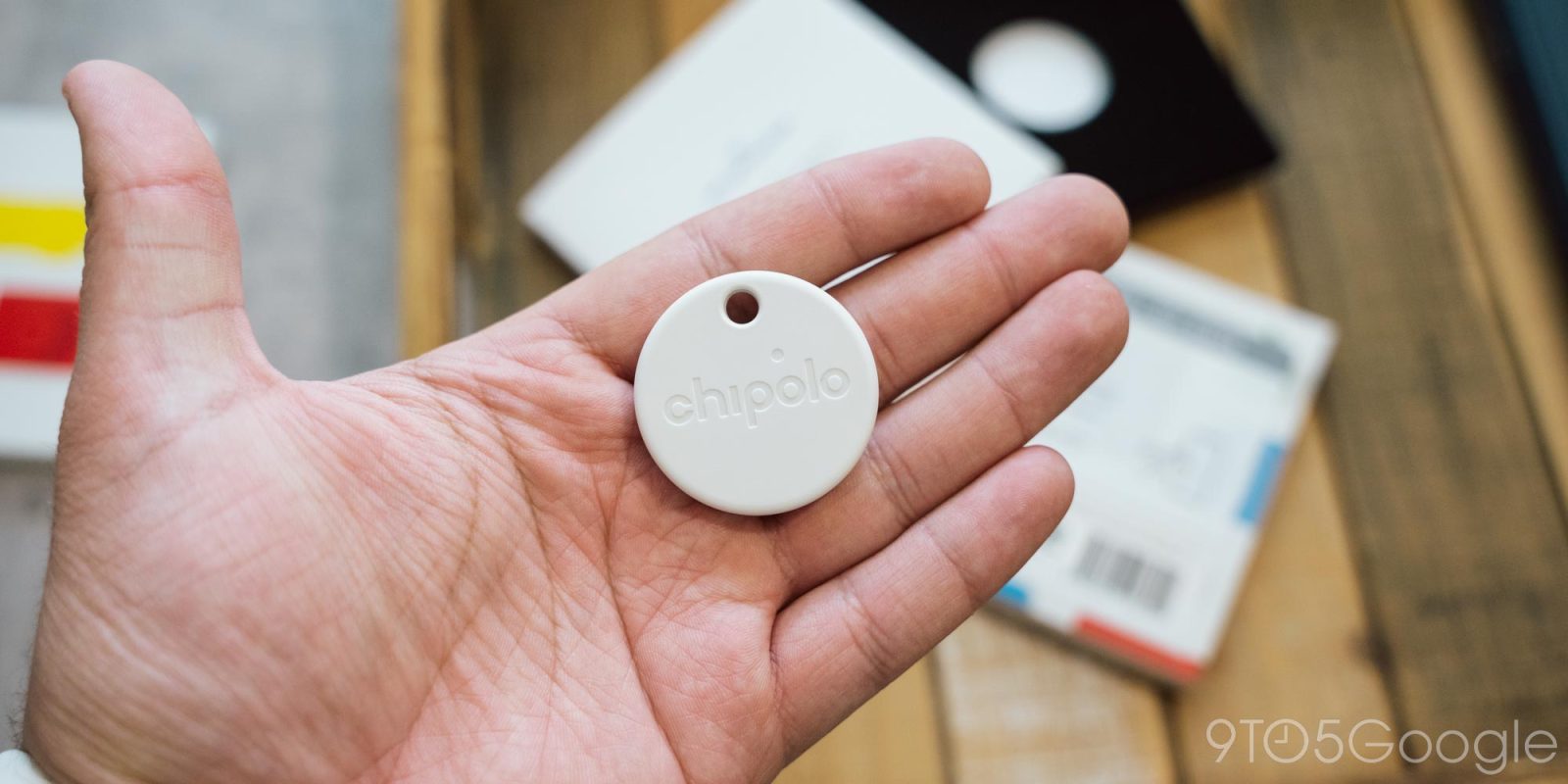
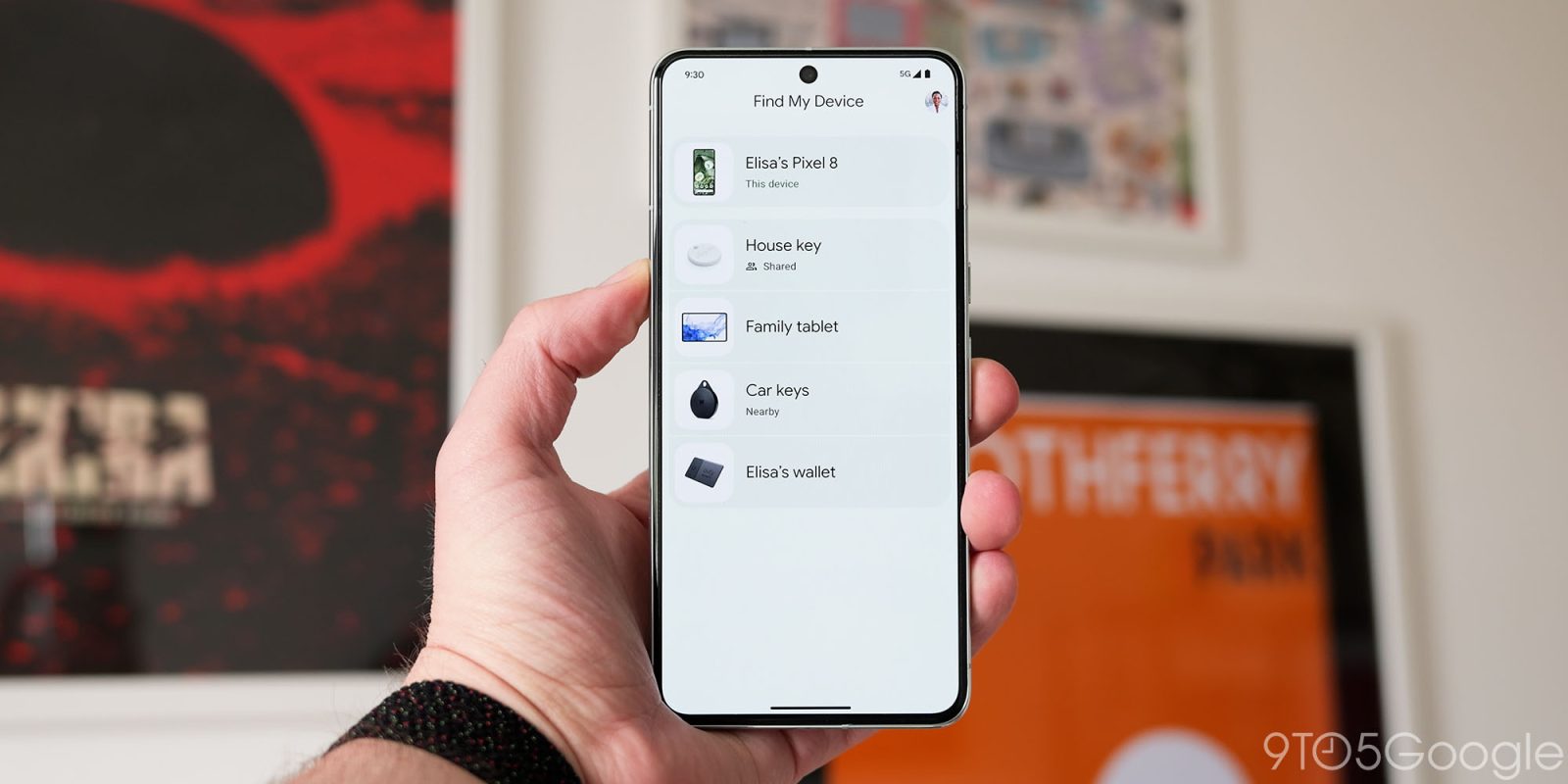
Item trackers for your smartphone are not a new concept, but Apple changed the game with its AirTag by making all of its devices work as a network for finding the tracker. Android finally has that same functionality and the hardware to use with it, but I can’t help but feel that the Find My Device network is being held back.
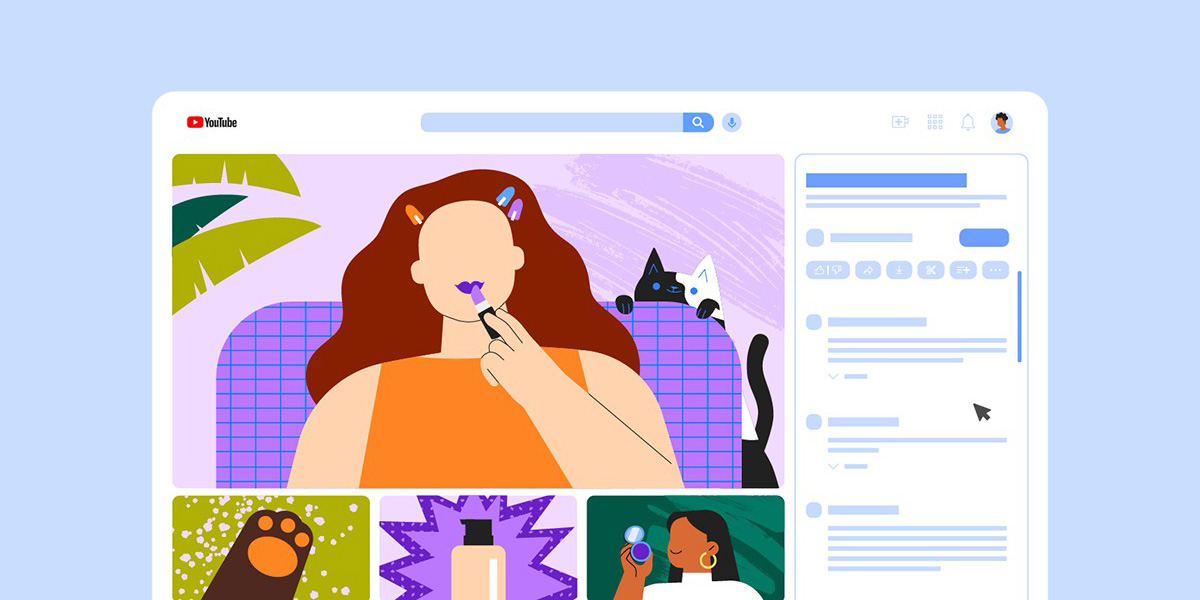
Over the past month or so, YouTube has been testing a new desktop design that most users don’t seem to like. Now, YouTube is giving its Premium subscribers a chance to test the redesign themselves.
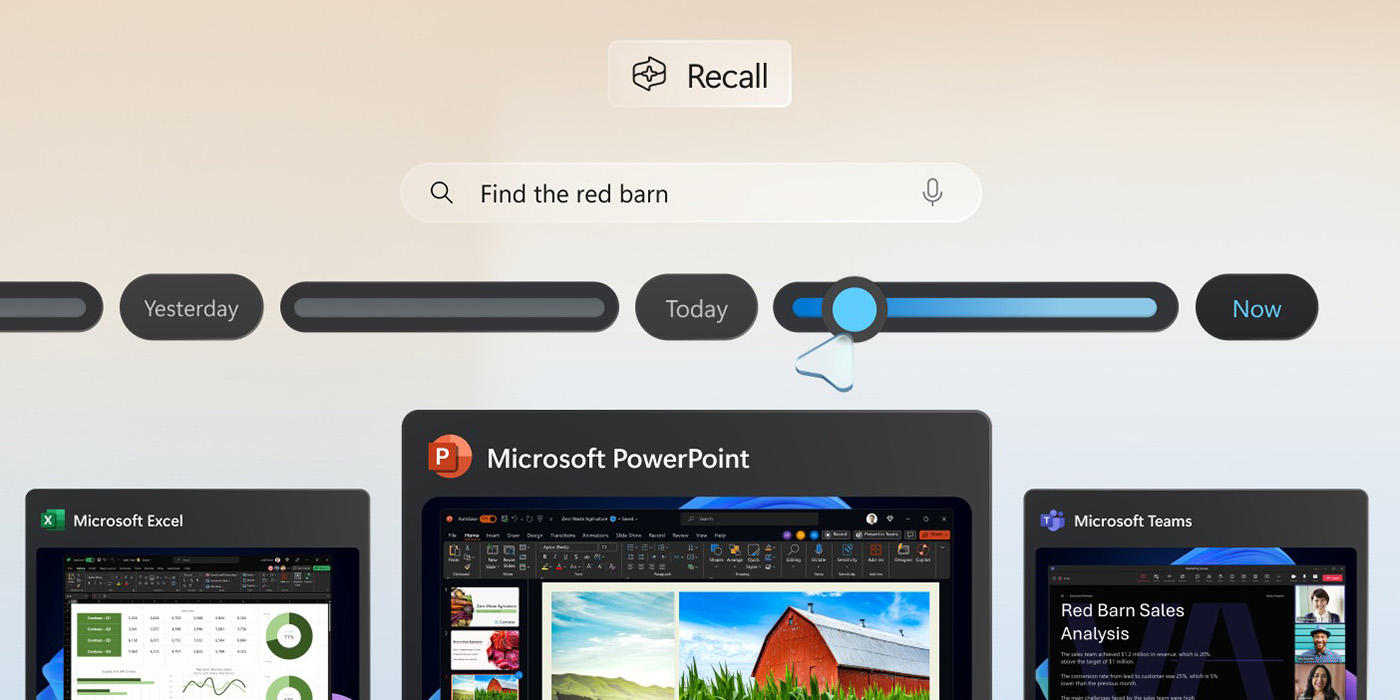
With its new “Copilot+ PCs” powered by Snapdragon processors, Microsoft also debuted a clever new feature called “Recall” which is able to let users search anything they’ve done on their machine. But following privacy concerns, Microsoft has announced that “Recall” in Windows 11 will be an opt-in feature.
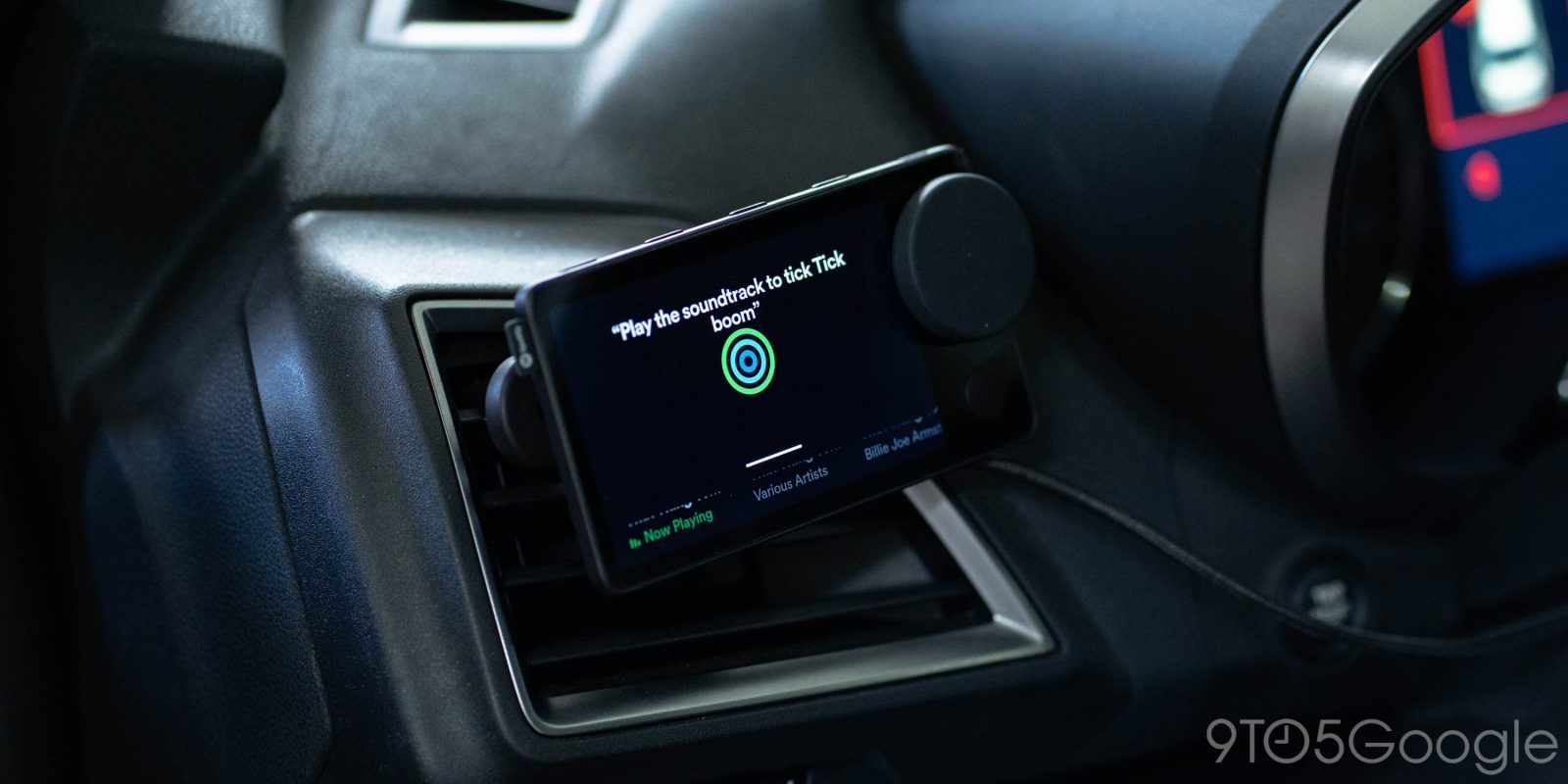
Ever since Spotify announced that it would kill Car Thing, there’s been a push for the company to open the product to allow users to tweak it to keep it useful. But, as it turns out, Spotify has already done most of that legwork, but the Car Thing is already so underpowered that, not only could it barely handle an OS like Android, but it could have already been called e-waste from the start.
As we suspected, the Galaxy Watch FE is likely launching sooner rather than later, with a leaker claiming the budget-oriented smartwatch could see a release date before the end of June.
The Android market has lost a lot of big names over the past few years, with one of those being HTC. However, the company continues to put out a phone or two every once in a while, and it’s currently gearing up for another new release this month.
Rivian is bringing keyless entry powered by your smartphone to its latest electric vehicles, and it includes support for “select” Google Pixel devices.
The Galaxy S24 series launched with a massive focus on AI, and many of the new features using that tech were focused on translation. One of the most impressive of those, “Live Translate,” will soon be coming to other calling apps on Android, Samsung has announced.
The Find My Device app on Android has taken on new importance with the launch of a network that helps you find smartphones, trackers, and other objects. However, one glaring omission thus far has been the use of UWB, but it seems the Find My Device app is working on it.
Google launched AI Overviews in mid-May to all users and, following some viral mistakes, it seems the company has pulled back, as new research shows it may be appearing in merely 15% of search queries.
Google made a big commitment with the Pixel 8 last year with the promise of 7 years of software updates and, now, Apple has confirmed that that’s more than an iPhone will be guaranteed.
In what seems to be a rolling bug across Google TV devices, users have found that their homescreen is going mostly blank, skipping recommendations and only showing their apps.
Corning’s Gorilla Glass is used throughout the mobile industry to protect displays, but more affordable devices often end up using older versions. Today, Corning has introduced “Gorilla Glass 7i” which is focused on bringing better protection to affordable devices.
We’ve heard a lot about the Galaxy Z Fold 6 and Flip 6, but official-looking images haven’t really made their way online yet. But, now, Samsung itself has allegedly posted an ad for the Galaxy Z Fold 6 and Flip 6, showing off the updated designs in full.