
Google in 2026: What to expect [Video]


Officially, watching Google’s cord-cutting service on the web requires Chrome or Firefox, while Chromium-based browsers — like Microsoft Edge — also work. In recent days, YouTube TV has rolled out support for Safari on macOS.
Expand Expanding Close
Mozilla, the company behind the Firefox browser, has announced that it’s bringing a private VPN to Android, Chromebook, and Windows as a standalone service.

Firefox for Android is a great alternative if you don’t want to use the pre-installed Google Chrome, but the browser has had a relatively confusing number of releases in the Play Store. Now, Firefox is simplifying, and as a result, ditching Preview releases on Android.

Earlier this week at AMP Conf 2019, Google announced that it was now possible for their Accelerated Mobile Pages to display the original page’s URL, despite the site not actually being “served” from that URL. However, in the months that Google has been planning that announcement, Apple and Mozilla have been sharing their concerns about the feature’s impact on the future security of the web.
For the privacy conscious, Firefox Focus is a fantastic mobile web browser for ensuring your data is safe. Today, an update to the Android version of Firefox Focus has delivered integration with Google’s Safe Browsing service.


Mozilla brought its privacy-centric web browser called Focus to Android last month, and in less than 30 days, the application has already been downloaded over one million times. To celebrate, Focus is being updated to include three new features that users have been asking for. These include the ability to watch videos in full-screen, download content from the web, and more actions from the app’s notifications…


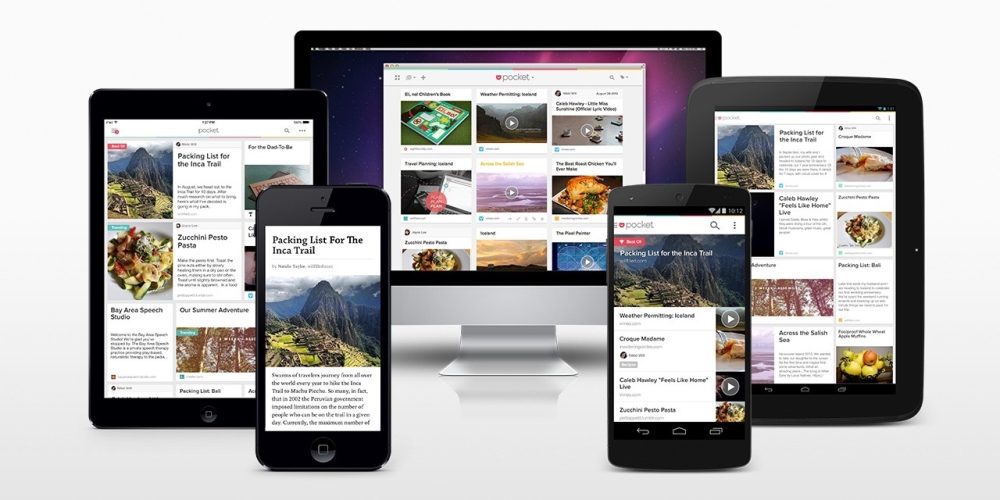
Pocket, the popular read-it-later bookmarking service, has been acquired by Firefox developer Mozilla, according to Recode. Pocket has client apps on Android and Chrome including a browser extension.


I’ve never been a big proponent of the stock Mail application in OS X, so I generally find myself relying on Gmail inside a browser for all of my email needs. In fact, I don’t have any accounts configured inside of the Mail app at all. With this in mind, I get frustrated when I accidentally click a mailto link while I’m using Chrome. Doing so forces the Mail app to open, which wastes time.
Wouldn’t it be better if you could configure Gmail to be the default mail client inside of Chrome or another browser? In this video tutorial, I’ll show you how easy it is to configure Chrome, Safari, and even Firefox to use Gmail as default.
Expand
Expanding
Close


Google first introduced app indexing for iOS apps in search back in May, allowing in-app content to appear in search results with links that send users directly to an app. The feature was originally only available in the Google app and Chrome browser, but now Google is launching an updated version of the framework that will make the app links also appear in Google search results in Safari.
Getting your app content found on Google just got easier. App Indexing is now compatible with HTTP deep link standards for iOS 9, as it has been on Android from the beginning. That means that you can start getting your app content into the Search results page on Safari in iOS, simply by adding Universal Links to your iOS app, then integrating with our SDK.
Developers simply need to support the Universal Links standard to get their apps to show up in search results. Users will begin to see the app indexing links showing up in Safari on iOS by the end October.
Devs can read more on how to support the feature here.


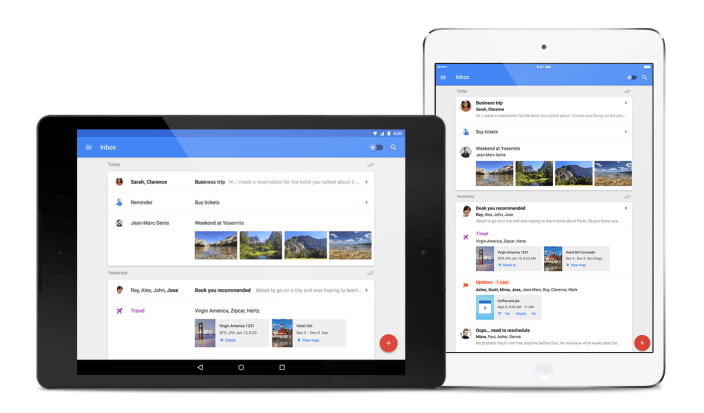
Google has this morning announced that its Inbox email app experience made for Gmail is officially expanding to tablets, and both the iOS (you can read more about the iOS update over at 9to5Mac) and Android versions of the app (which actually received the update in December) are now ready to go.
Since the app was launched, its web interface was tied down to Google’s own Chrome browser. But Google announced change to that requirement today as well…
Expand
Expanding
Close
The latest build of Chrome Canary for Mac packs a great new feature that’s likely familiar to those who use Safari on a daily basis. While current stable builds of Chrome have a jaggedy pinch-to-zoom functionality that only zooms in 10% increments, the latest build of Chrome Canary provides a smooth buttery zoom experience like Apple’s browser.
As of right now, it looks like the feature works a little bit less fluidly than Apple’s offering, but that’s to expected in the most experimental public release version of Chrome. Zooming works the same way that it does in Safari and current versions of Chrome, so all it takes is pinching two fingers on the Trackpad.
If you’re sticking with Safari on your Mac for this reason or others (battery life, anyone?), it looks like this feature—once it makes its way to the stable release—will give you one more reason to switch over to Google’s browser. If you want to give it a try, head over and download the latest build of Chrome Canary.

Late last year, Mozilla announced a joint five-year partnership with Yahoo that saw the default search engine in Firefox change from Google to Yahoo. It seemed unlikely at the time that Google would notice too big of a loss from that deal, but following contrary reports from earlier this month, Search Engine Land has also noticed that the company has started trying to convince Firefox users to switch to Google Search.
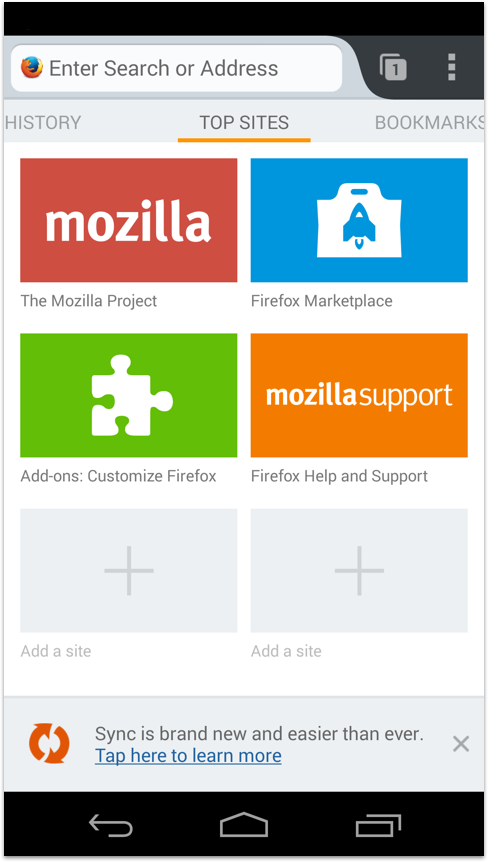
Firefox for Android received a major update this evening, bumping the app to version 34 and adding a handful of new features. Firstly, the update adds mirroring support for the Chromecast. This means that users can now mirror their browser to Google’s streaming stick. This feature was previously available in the beta build of Firebox for Android, but was incredibly buggy. Early reports say that the feature works as expected with today’s stable channel update, however.
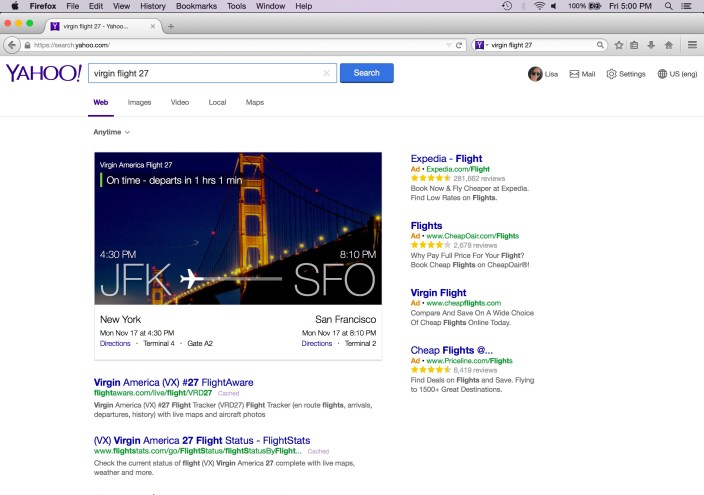
Mozilla and Yahoo today announced a joint five-year “strategic” partnership that will see the Firefox browser’s default search engine change to Yahoo. Since 2004, Google has been the default search engine for Firefox, but when the agreement came to an end this year, Mozilla said that it decided to make a change.

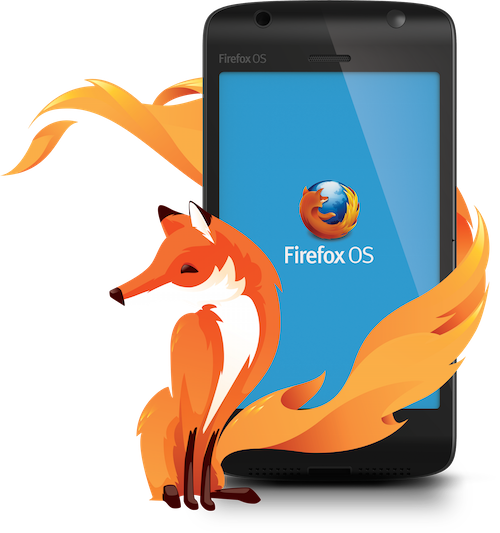
While it has yet to become a significant player in the smartphone market, Mozilla is hoping that its open-source Firefox OS will be a game changer when the mobile operating system gains a larger presence in countries like the United States and United Kingdom. In the meantime, the software maker has gone on the offensive against rival platforms Android and iOS.
Expand
Expanding
Close

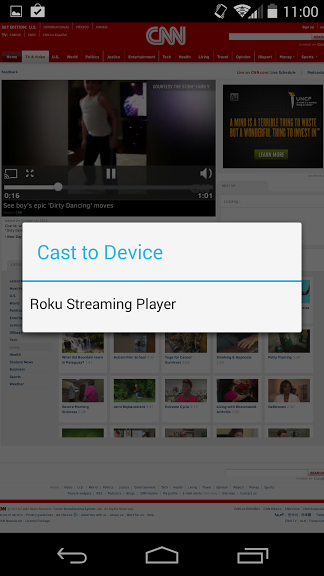
You can’t teach an old dog new tricks, but what about a fox? Better yet, what about a Firefox? Cheesy introductions aside, today Mozilla announced a new video streaming feature for Firefox’s Android web browser. This Chrome alternative can now push videos from your mobile device to your TV via Google’s Chromecast media stick or a Roku set-top box.
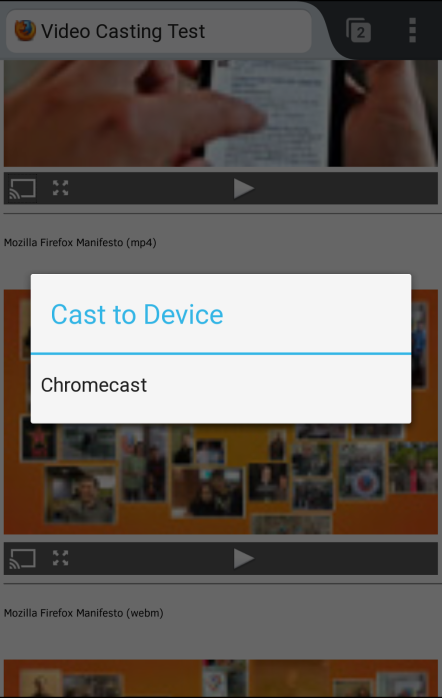
A few months ago, reports started circulating that Mozilla was developing its own streaming stick to compete with the Chromecast. The device was reportedly going to be marketed as a more open alternative to Google’s offering, but despite these reports, Mozilla today added Chromcast support to its Firefox browser on Android. For the time being, you must be running the nightly build of Firefox to use it, however.
You can download the nightly build of Firefox for Android from this page. Once you get the APK installed, Mozilla offers a test video casting page for users to visit. If a Chromecast icon appears on that page and your device offers the ability to cast the video, then you’re good to go.
Download the Firefox nightly APK here to get going.

Google announced today on its Online Security Blog that it’s expanding the Safe Browsing service that helps fight against malicious websites and warns users of potentially dangerous software when downloading files through browsers like Chrome. Rolling out next week, Safe Browsing is being updated to warn users against additional types of deceptive software:
programs disguised as a helpful download that actually make unexpected changes to your computer—for instance, switching your homepage or other browser settings to ones you don’t want… We’ll show a warning in Chrome whenever an attempt is made to trick you into downloading and installing such software. (If you still wish to proceed despite the warning, you can access it from your Downloads list.)
Google noted today that it’s “currently showing more than three million download warnings per week—and because we make this technology available for other browsers to use, we can help keep 1.1 billion people safe.” Some of those users are also receiving warnings from Safe Browsing through Firefox and Apple’s Safari browser.

[youtube http://www.youtube.com/watch?v=VS0VUOfrycw]
Video gia GigaOm
Mozilla, the company behind the Firefox web browser, is working on a stream stick set to directly compete with Google’s Chromecast and other similar products, according to GigaOm. The device runs Mozilla’s own Firefox OS, originally designed for smartphones, and is apparently referred to as “Netcast” within the Firefox browser.
Unlike Google’s current offering, the Netcast would allow developers to integrate the technology into applications on a wide variety of operating systems and hardware devices, including many platforms not currently supported by the Chromecast. In a statement to GigaOm, Mozilla noted that anyone is welcome to work with Firefox OS and that hardware running that system does not necessarily have to come from that company.
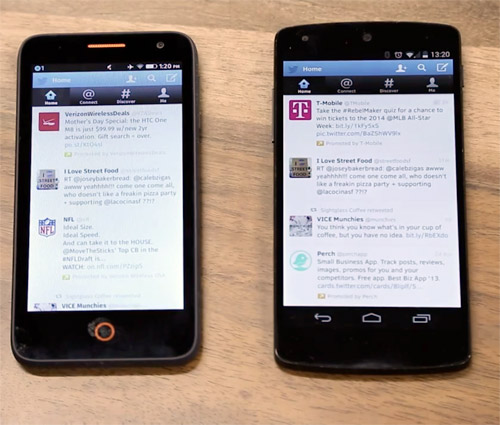
Firefox apps are pretty much web apps mostly based on HTML5 and JavaScript. So, by rule of thumb, if an application works on Mozilla’s mobile OS, it should run without a hitch on the company’s browser. With Firefox 29 for Android users of Google’s mobile operating system can run Open Web Apps directly from their device.
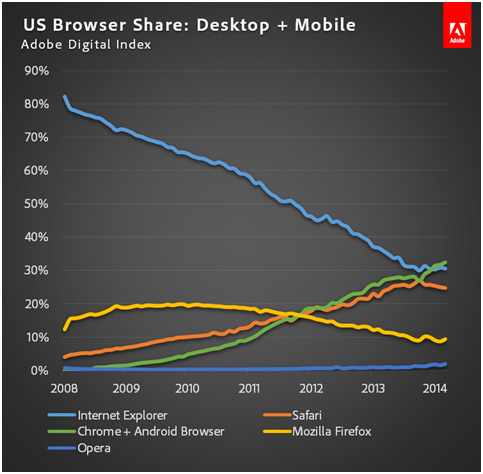
Over the past couple of years, Chrome has gained and fallen in terms of browser marketshare. Google’s browser briefly eclipsed Internet Explorer as the most popular browser in the world, but Microsoft quickly regained that crown. Now, Adobe has issued a report claiming that Chrome, on both mobile and the desktop, has finally eclipsed Internet Explorer as the world’s most popular browser.
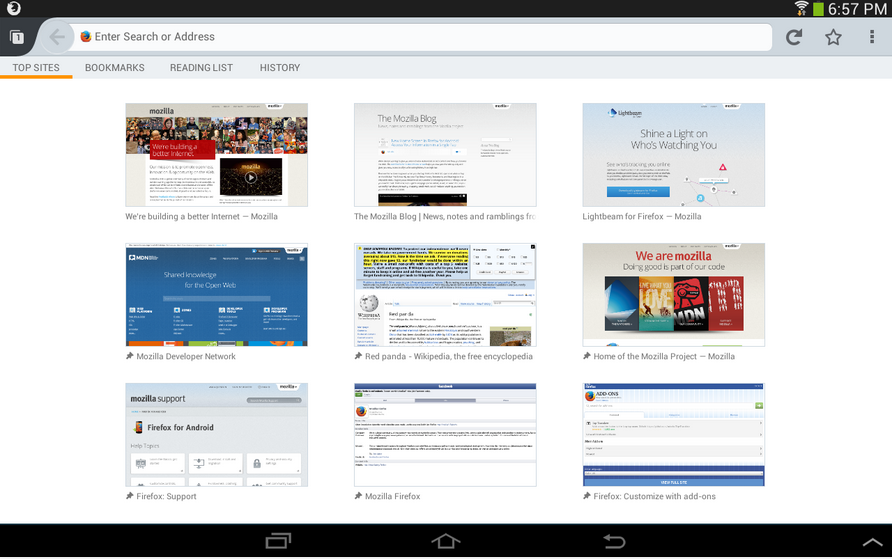
Mozilla announced a major overhaul of its desktop browser today and Firefox’s Android build isn’t being left behind. Now available to download from the Play Store, Mozilla’s refreshed mobile browser ships with several technical tweaks, but the standout here is Firefox Accounts for Firefox Sync.

Image: vosizneias.com
Google today lost its attempt to have a British court dismiss a claim for breach of privacy in respect of dropping cookies in Safari even when the option was switched off.
Google has argued that the appropriate jurisdiction was the US legal system, where a similar case had already been rejected. Mr Justice Tugendhat at London’s High Court today rejected that argument, stating that he was satisfied there was a case to answer and that it should be heard in the UK.
I am satisfied that there is a serious issue to be tried in each of the claimant’s claims for misuse of private information.
The claimants have clearly established that this jurisdiction is the appropriate one in which to try each of the above claims.
Although Google was denied the right to appeal the ruling, it has said that it intends to attempt an appeal regardless.
We still don’t think that this case meets the standards required in the UK for it to go to trial, and we’ll be appealing today’s ruling.
In the U.S., the company was fined $22.5M by the FTC last July over the infringement of privacy.

Google, which was fined $22.5M by the FTC for illegal use of tracking cookies on iPhones even when the user had set Safari to reject them, is asking the UK’s High Court to reject a claim for compensation from a group of British iPhone owners, reports The Guardian.
Google is arguing that any case should be held in the U.S., and that UK courts have no jurisdiction in the matter. It also observes that a similar claim in the USA was dismissed two months ago.
Google has been called “arrogant and immoral” for arguing that a privacy claim brought by internet users in the UK should not be heard by the British legal system […]
In the first group claim brought against Google in the UK, the internet firm has insisted that the lawsuit must be brought in California, where it is based, instead of a British courtroom …
Expand
Expanding
Close


