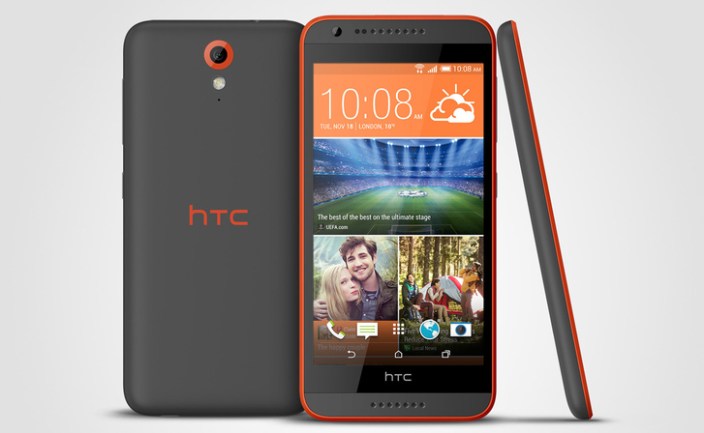
We’ve known about the Desire 620 for a while now, but now HTC has announced that the budget handset—previously only officially available in Taiwan—will be available in the European market as early as January of next year (via Pocket-Lint).

Stephen is Growth Director at 9to5. You can find his current work at 9to5Mac, 9to5Google 9to5Toys, Electrek, and more. If you want to get in touch, follow me on Twitter. Or, email at stephen (at) 9to5mac (dot) com, or an encrypted email at hallstephenj (at) protonmail (dot) com.

We’ve known about the Desire 620 for a while now, but now HTC has announced that the budget handset—previously only officially available in Taiwan—will be available in the European market as early as January of next year (via Pocket-Lint).
Google has today announced that a new feature called reactive prefetch has been rolled out to mobile search, making searches somewhere in the realm of 100 to 150 milliseconds faster—a notable improvement if you’re on a fast enough internet connection. Sadly, the feature is limited to those using the Chrome app for Android at the current time because, according to Ilya Grigorik, “it is the only browser that supports (a) dynamically inserted prefetch hints, and (b) reliably allows prefetch requests to persist across navigations.”
This is a powerful pattern and one that you can use to accelerate your site as well. The key insight is that we are not speculatively prefetching resources and do not incur unnecessary downloads. Instead, we wait for the user to click the link and tell us exactly where they are headed, and once we know that, we tell the browser which other resources it should fetch in parallel – aka, reactive prefetch!
How does the feature work? Unlike other prefetch methods, reactive prefetch will wait for the user to click a link so that Google knows exactly where they intend to go, at which point the search engine will tell the browser to fetch certain parts of the page in parallel—namely, resources that Google has determined are likely to slow page load times. This is possible due to Google search crawlers getting an idea, for every page on the web, what parts should be “hinted” at to prefetch reactively.
You may or may not notice the improvement, but it’s rolling out to mobile search for Chrome on Android today.

In recent years YouTube has started a new tradition of uploading a video covering all of the most popular videos to hit the service during the calendar year. The 2014 edition of #YouTubeRewind is now live featuring many viral hits of the year, like Pharrell Williams’ “Happy”, references to trends like the ALS Ice Bucket Challenge and, of course, plenty of “Let it Go” among many other hit songs…

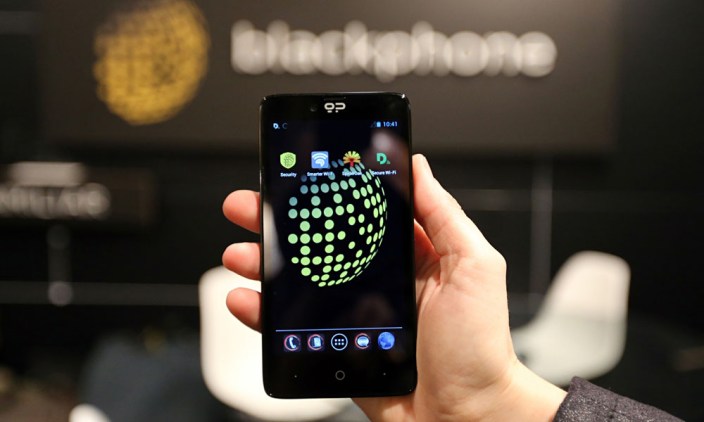
Blackphone, the Android-powered smartphone that aims to be the most secure handset in the world, has announced a slew of new features for an upcoming revamp of its PrivatOS operating system. Most notable is the addition of “Spaces,” which will provide users an easy way to separate apps and secure accounts & data between multiple “environments.” Blackphone has also announced the launch of what it claims is the world’s very first privacy-focused app marketplace…
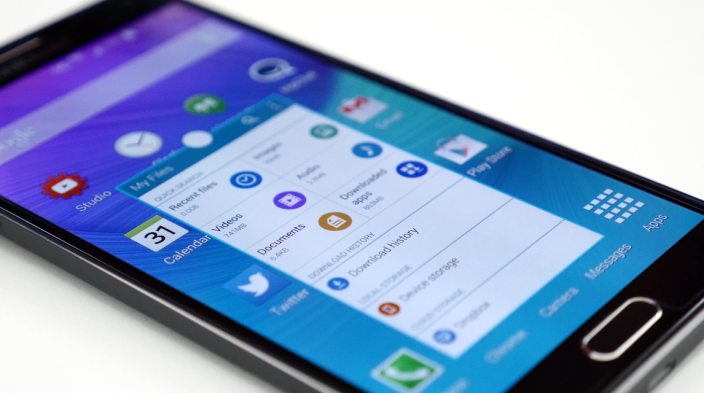
The Galaxy Note 4, Samsung’s current flagship phablet, is already available in two variations: one with a Samsung Exynos 7 processor (SM-N910C), and one with a Snapdragon 805 (SM-N910S). The difference between them is almost negligible, but a rumor this morning out of the fairly-reliable-for-Samsung-rumors SamMobile suggests that Samsung is testing another variation of the Note 4, this time with Snapdragon’s upcoming 810 system-on-a-chip.

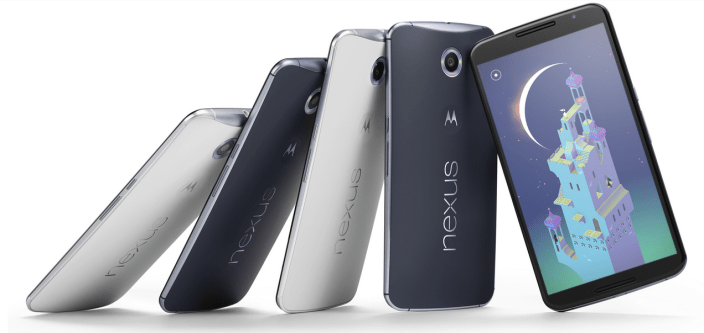
The Nexus 6, which is still fairly hard to find in-stock, is now available from US Cellular. Interestingly, while most carriers are offering only the Midnight Blue model at the current time, US Cellular currently has listed—and in-stock–both the white and blue varieties of the device in both 32 GB and 64 GB capacities.
Both Motorola and Google Play are currently sold out of the device, so the only way to order one at all at the current time is via a carrier. The carriers that are currently carrying the device are T-Mobile, AT&T, Sprint, and US Cellular—and with today’s addition, the only one missing is Verizon.
You can get the Nexus 6 from US Cellular or $199.99 on a two-year contract, or you can pay $33 monthly for the phone with a $0 down payment. Or if you use US Cellular but looking to get an unlocked Nexus 6, be sure to check the Play Store every Wednesday for more stock to be added.
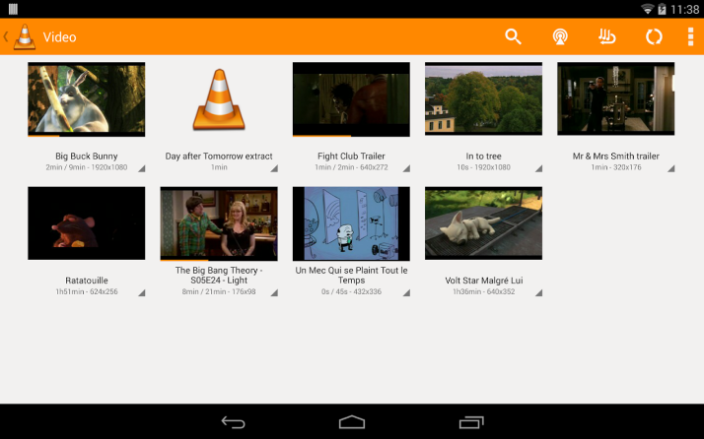
VLC (Video LAN Client) has long been one of the choice media players for Android users, but—while every release has been basically stable—the company hasn’t been in any rush to push the app out of beta and on to version 1.0. Today, that finally happened, and the update packs a bunch of other goodies including fixes for ARM V8 processors and Android 5.0 Lollipop.
According to the app’s Play Store listing, version 1.0 includes the following:
This release fixes ARMv8 processors, Android 5.0 crashes and minor improvements. The 0.9.x series is major release with hardware decoding and a new interface available in dark or white colors. It integrates DVD iso and menu support, an equalizer, playlist management, Widi screens support and updated SD cards detection. Hardware acceleration is now enabled by default on 4.3+ and has better subtitles support. Software decoding has been accelerated too.
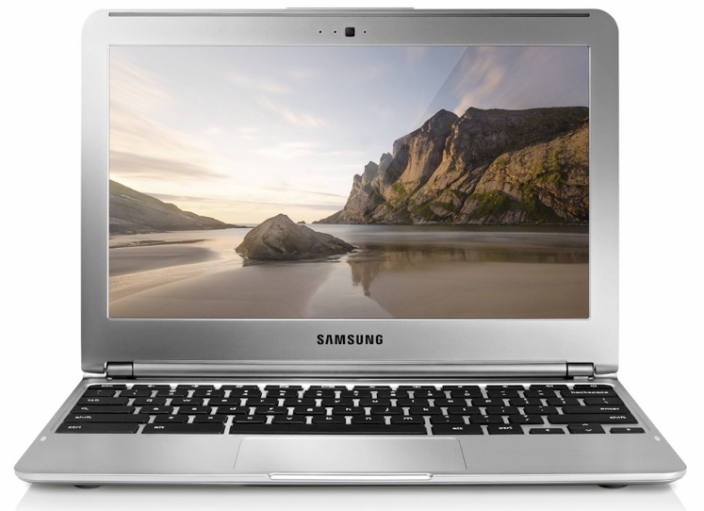
A new feature called Smart Lock has now made its way to Chromebooks, allowing users to keep their Chrome OS-running laptops unlocked by simply keeping their Lollipop Android phone in relative vicinity. The feature was first introduced earlier this year at Google I/O 2014, and has been part of Lollipop since the OS started rolling out last month. But only just now, about 6 months after it was shown off, is the feature rolling out to Chromebooks (via ComputerWorld) running the Dev Channel of Chrome OS.
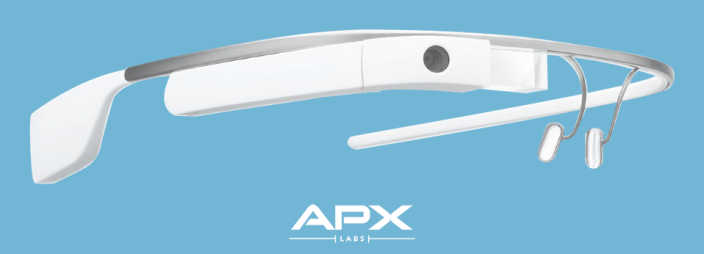
Google Glass may seem to be fading into obscurity, but—especially with recent rumors that it may soon be getting a reboot—I don’t think we should discredit the platform and assume it has been a failed experiment just yet. In fact, Google seems to be focusing on the workplace use cases of the device, as do many of its developers, and today we’ve learned that the people behind one of the most popular pieces of Glassware—LynxFit—are joining one of the “Glass at Work” certified partners: APX Labs.
A report from Korea last week claimed that Qualcomm’s Snapdragon 810 chip, which is almost surely going to power the next generation of Android smartphones, was facing some production issues that might cause some delay in the production of devices like the LG G4, Xperia Z4, and others. Although Qualcomm won’t comment on rumors that the chip is facing issues with overheating and GPU errors and the like, they do say that the chip is apparently still “on track” and that devices sporting the chip are still going to be available in the first half of 2015…
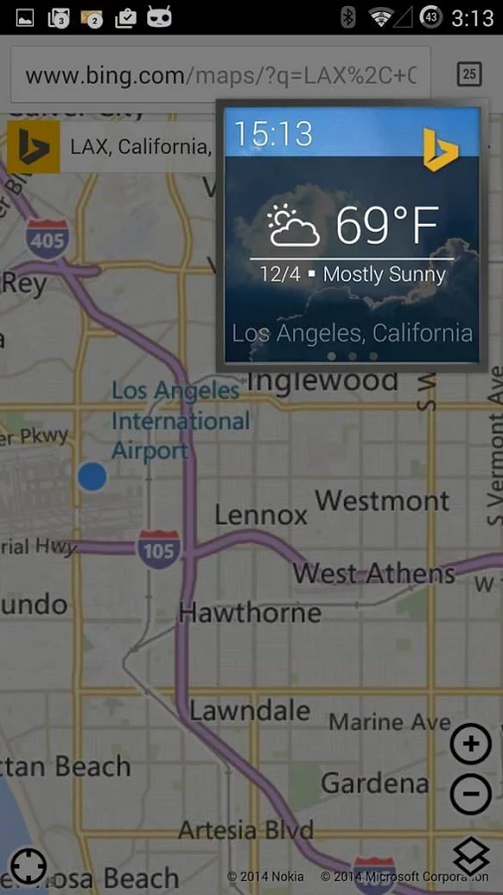
A couple of months ago, Microsoft released a Bing-powered voice assistant app called Torque, and now the same app—which was previously only for Android Wear devices—can be activated at any time on your Android phone itself. The app works very similarly to Google’s own “OK Google” offering, but with a twist. Literally, you twist your wrist to activate the assistant rather than using your voice. But beyond that activation gesture, the app offers much the same information as OK Google, like weather updates, sports scores, information about nearby restaurants, stock prices, and more.
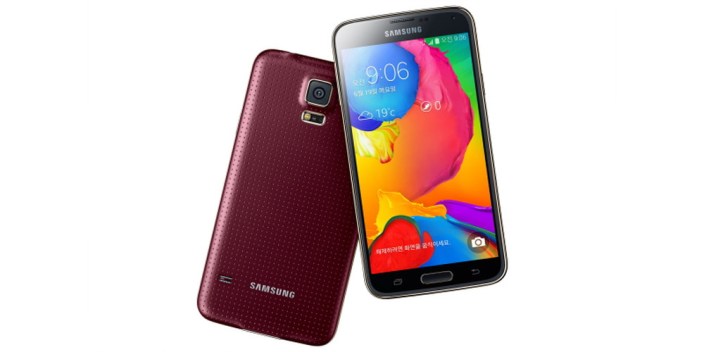
Every year when any company’s new flagship is around the corner, benchmarks for what are assumably prototypes of those devices tend to pop up on phone benchmark websites months before they see any kind of official announcement. Samsung’s upcoming Galaxy S6 smartphone isn’t any exception, and today we have evidence (via CNMO) that the phone has already shown up on AnTuTu, possibly corroborating previously leaked details about the upcoming handset’s specs.
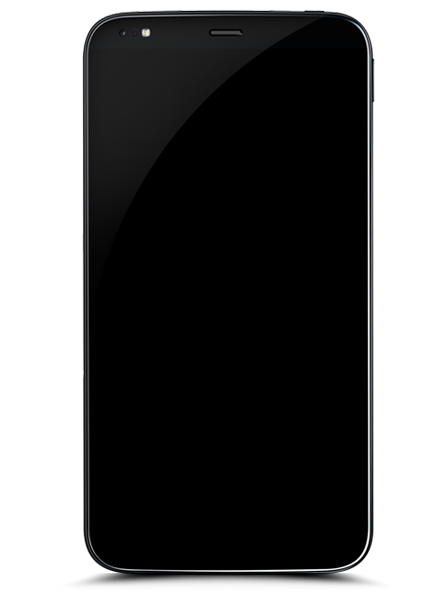
It appears as if having just one super-powerful and super-low-priced flagship Android phone wasn’t enough, because a company called “xodiom” has just popped up out of thin air (via PhoneArena) and launched a Snapdragon 805-powered budget smartphone with decked out specs. And while the entry price doesn’t quite dip as low as that of the 16 GB OnePlus, it appears that this phone might be a worthy contender.
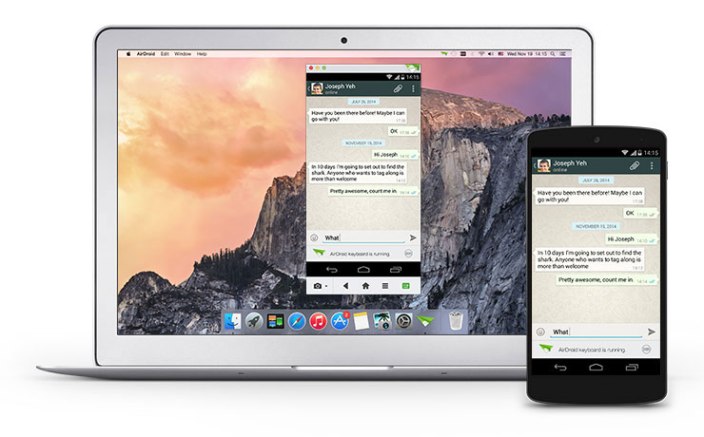
AirDroid is a well known Android app that has long allowed you to remote-control your Android phone from a Windows or Mac OS X machine. But with the countless updates that Apple brought to iOS this year and the continuity features that tie the iPhone and Mac OS together seamlessly, Android users were left with much to desire. The latest version of AirDroid makes an attempt at filling that hole in Android users’ hearts with its latest release, bringing tons of features that make using your phone from a desktop environment easier than ever.
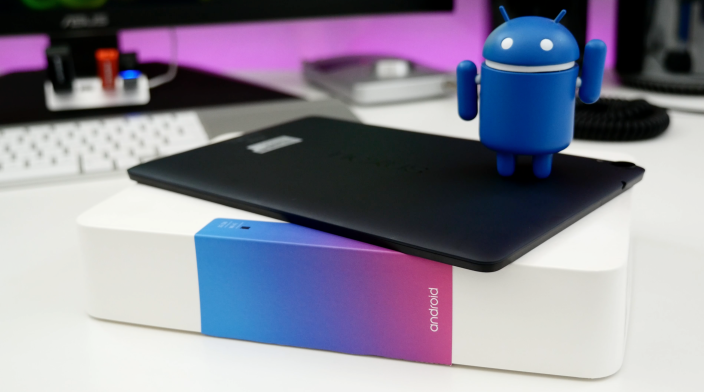
The launches of Google’s new Nexus devices have been kind of a mess to say the least, and while more people have gotten the opportunity to purchase them because they’re being launched on more carriers, this also means that the rollout wasn’t as simple as just listing them on Google Play. But as of today, some amount of progress is being made, and those in the UK now have a chance to get their hands on the Nexus 6 via O2. Sadly, though, the launch of the Nexus 9 on T-Mobile in the U.S. has hit a bit of a snag, being delayed for an unknown amount of time.
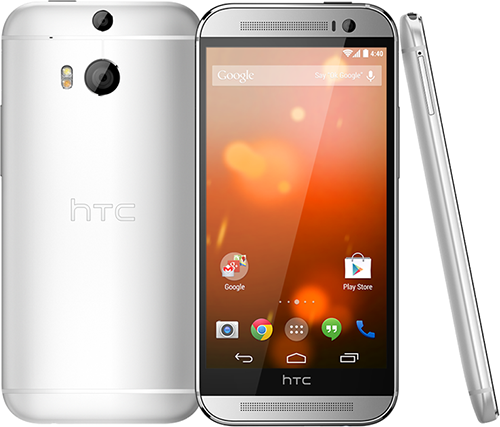
HTC released its One (M8) flagship in March of this year, so we’re probably only a few months away from the Taiwanese company showing what it has up its sleeve for the next generation (being called the “M9” by some). Today, thanks to consistent leaker @upleaks, we’re being given an idea of what kind of power the smartphone is going to pack. And according to upleaks at least, the “M9” doesn’t exist; this particular phone is being codenamed “Hima.”
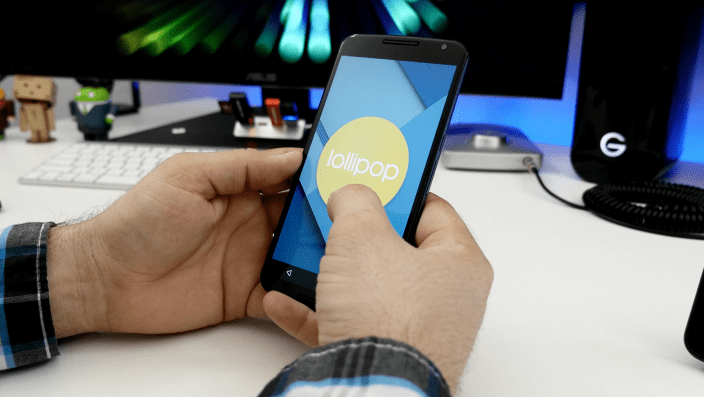
Download links for the OTA update release of Android 5.0.1 are popping up on the internet following last night’s release of the AOSP download links for WiFi-only devices. Last night’s release was for the Nexus 9, 2013 WiFi-only Nexus 7, and Nexus 10, and the links that are popping up tonight are for much the same. But rest assured, if you’re waiting to update your cellular-enabled device, it’s most likely not going to be too long before you can grab the latest build. Below you’ll find the download links for the 5.0.1 OTA and a couple guides to get you started…
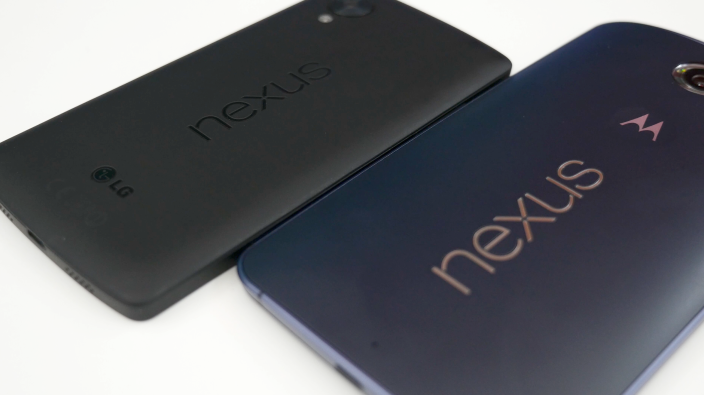
It has always been one of the biggest benefits of going with one of Google’s Nexus devices: It means getting Android updates before basically everyone else. But with the return of Google offering its flagship Nexus on all major U.S. cellular carriers, it comes as no surprise that they want to have a bit of a say in that update process. And while that might not be a completely bad thing, it does mean that getting access to the latest versions of Android—while still likely faster than if you had any other phone—could be slower…
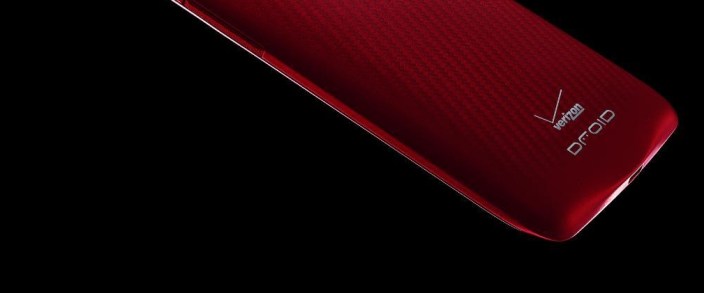
According some speculation from DroidForums, Motorola is working on a new “Droid” phone that’s largely based physically on the Nexus 6, but is going to have specs that make Google’s latest smartphone look pale in comparison. The device is said to sport the same 5.9-inch QHD display as the Nexus 6, but will come with a next generation Snapdragon 810 processor. The most interesting part of this rumor, and part of what actually helps us believe its legitimacy, is that the source claims this phone might not be a “Droid” at all, and that it might just be another Motorola-branded alternative.
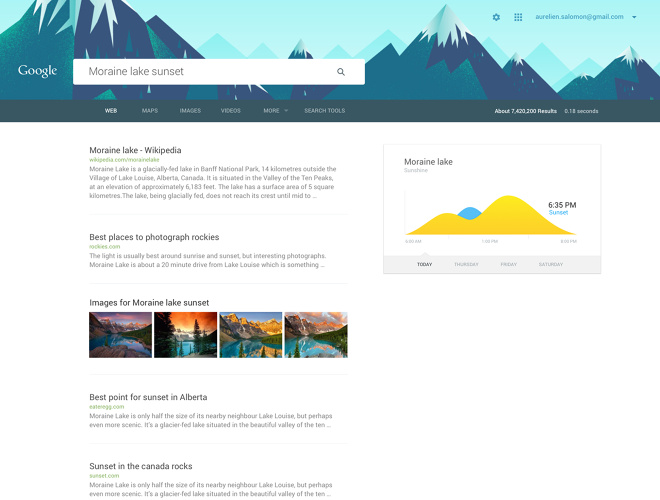
Material Design–announced at Google I/O 2014 in June of this year–was introduced as Google’s new way of presenting a coherent, beautiful user experience across apps, and one of the first pieces of software to exemplify the new look is the latest release of Android, version 5.0 Lollipop. But Google is going beyond Android and has already started incorporating this design scheme within many of its other products, including the online interface for Google Docs, for instance. One place that hasn’t seen a Material overhaul (yet) is Google’s main search engine, but thanks to designer Aurélien Salomon, we have an idea of what it might look like–and it’s gorgeous.
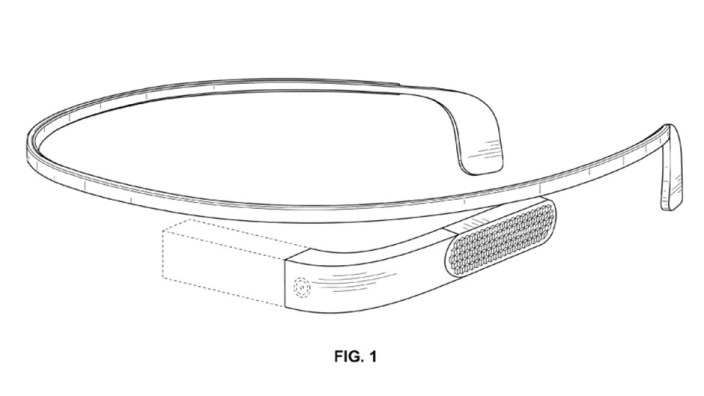
Google Glass in its current form has been on the market for going on two years now, and besides a couple of minor hardware iterations, the hardware—and its huge beta-test $1,500 price tag—has stayed much the same. A couple of different patents have surfaced in the past showing what direction the physical design of the device may be headed, but the latest one (via Quartz) seems the most plausible—and does the best job of not straying too far from the current “Explorer Edition.”
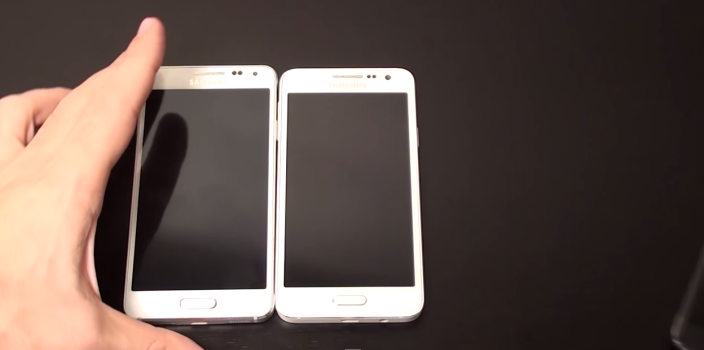
A new clip has emerged on the internet showing off one of Samsung’s upcoming handsets, namely the Galaxy A3. This device is one of a pair—the other being the A5—that were announced by the Korean company earlier this year, filling a gap in the company’s lineup with some mid- to low-range thin and metal-clad handsets.
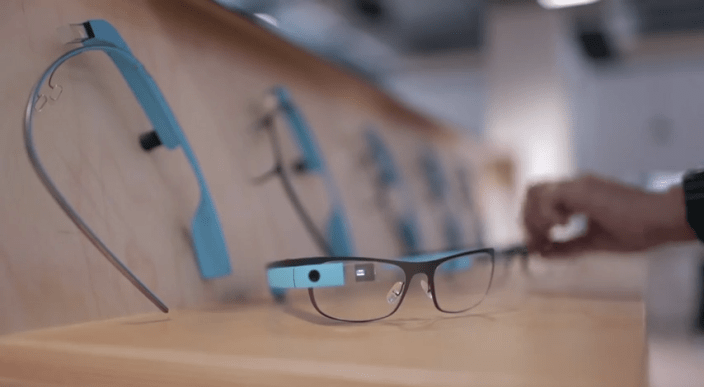
According to recent reports, Google’s Glass Basecamps are officially kicking the bucket. It started with a post on Google+ by Glass Explorer Spencer Kleyweg, who noticed that Google is no longer accepting scheduled appointments to said Glass support hubs. This apparently affects all four of the basecamps, at locations including Los Angeles, San Francisco, New York, and London.
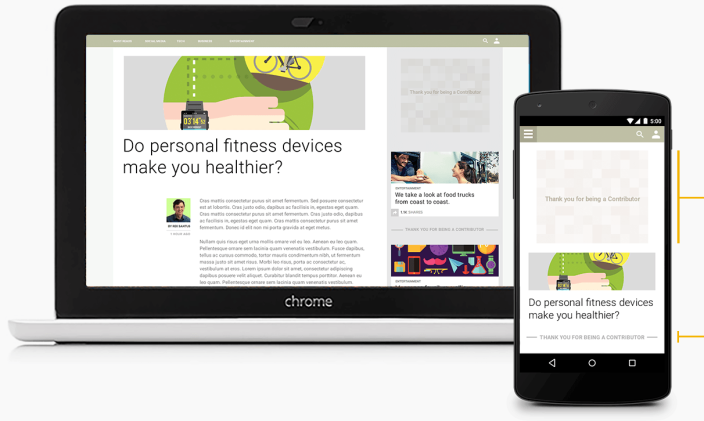
Google has today launched a new platform that aims to reinvent how content creators on the Internet make money. It’s called Contributor, and it involves readers committing to a certain monthly payment of $1-3, which will in turn give visitors an ad-free browsing experience on some sites. This could potentially be a full-blown alternative to Google’s AdSense, giving publications like this one and others a new form of monetization.