Stay up to date on news from Google headquarters. Be the first to learn about plans for Android, Google Plus, Google Apps, and more!
Stay up to date on news from Google headquarters. Be the first to learn about plans for Android, Google Plus, Google Apps, and more!


Google and Udacity have today announced the Android Basics Nanodegree, a new program to help people — namely, those with no previous development experience — learn the basics of creating applications for Android. The series of courses is developed by Udacity in collaboration with Google and allows students to work within the Android Studio at their own pace…


Keep up with the best gear and deals on the web by signing up for the 9to5Toys Newsletter. Also, be sure to check us out on: Twitter, RSS Feed, Facebook, Google+ and Safari push notifications.

Keep up with the best gear and deals on the web by signing up for the 9to5Toys Newsletter. Also, be sure to check us out on: Twitter, RSS Feed, Facebook, Google+ and Safari push notifications.
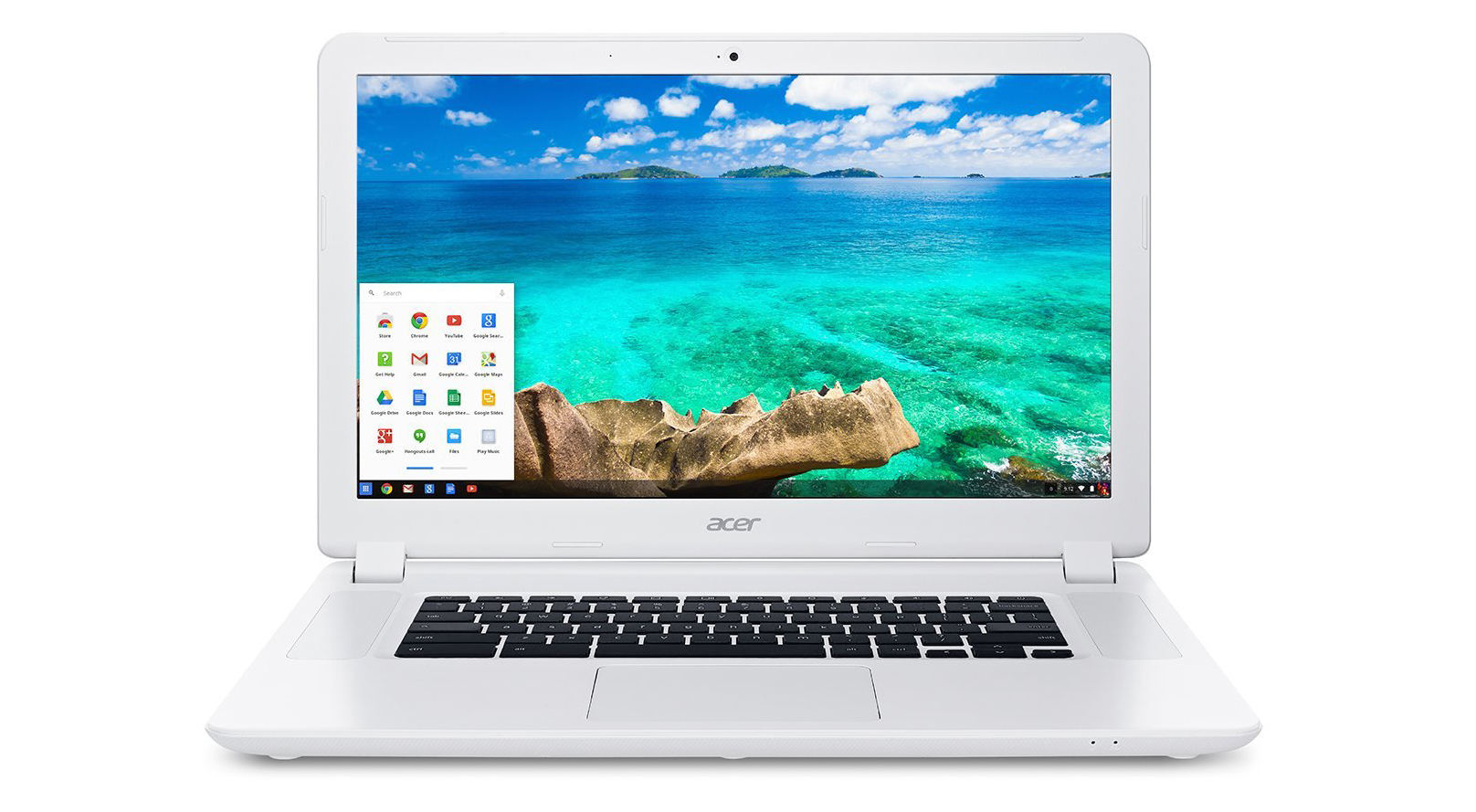
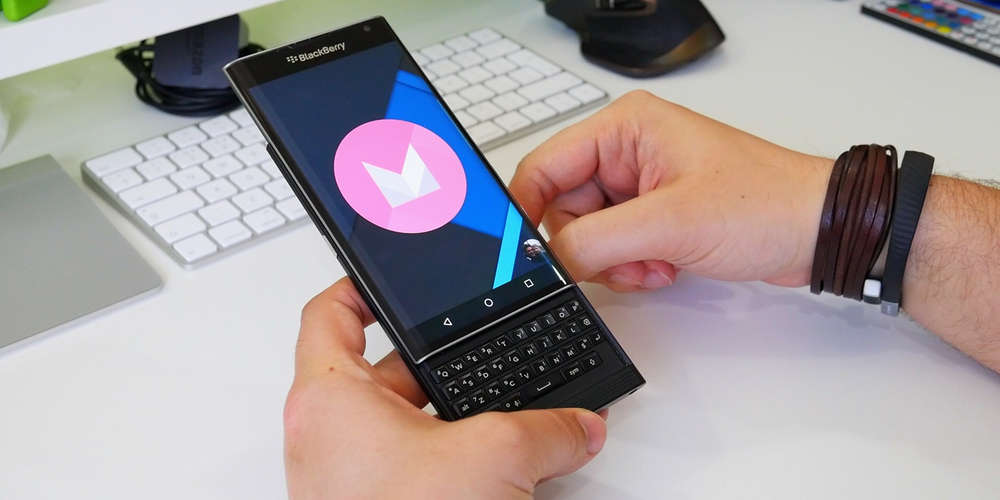
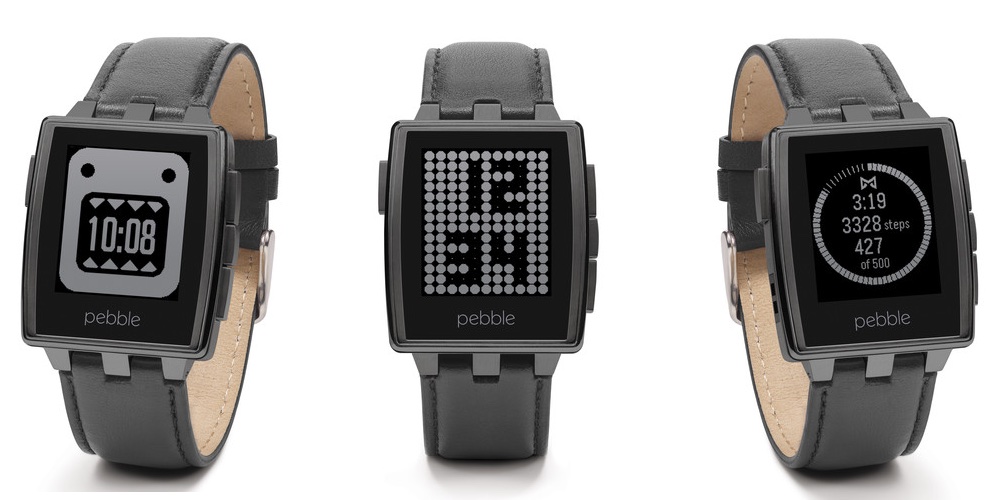

Despite having been mocked because of its browser-only OS limitation, Chromebooks have seen an astonishing degree of success in certain sectors including education, mostly due to the combination of high efficiency and low costs.
But when MacBook enclaves Apple CEO Tim Cook‘s old high school start making “the switch” to Chromebooks from MacBooks, we take notice…
Google Photos is arguably one of the best photo services available today, however one feature it’s been missing since launch is the ability to play a slideshow. Whether you missed it or not, the feature is now finally here.

The CEO of Google’s parent company, Larry Page, once invited Twitter co-founder Jack Dorsey to Google’s campus to make him an offer for Twitter. That’s according to a Vanity Fair article, which says that Page “sat eerily close to Dorsey” and “whisper[ed] his acquisition pitch into his ear”…

Magic Leap isn’t part of Google, but Google put enough money — more than $500 million — into the startup early on that it might not be around if not for the help of the Mountain View firm. So far, Magic Leap has been amazingly secretive in its progress toward developing the next generation of augmented reality and mixed reality — so much so that almost any glimpse into the company’s projects is notable.
Today, the company has announced that it is working with LucasFilm and ILMxLAB to build immersive Star Wars experiences based on its tech…

Google has today completely revamped its longstanding Google Fonts website with Material Design, making it easier — and more beautiful — than ever to browse and try out the site’s huge collection of open source designer fonts. The old Fonts site — which first launched in 2010 — was practically begging to be reborn, and today Google delivered…
Keep up with the best gear and deals on the web by signing up for the 9to5Toys Newsletter. Also, be sure to check us out on: Twitter, RSS Feed, Facebook, Google+ and Safari push notifications.
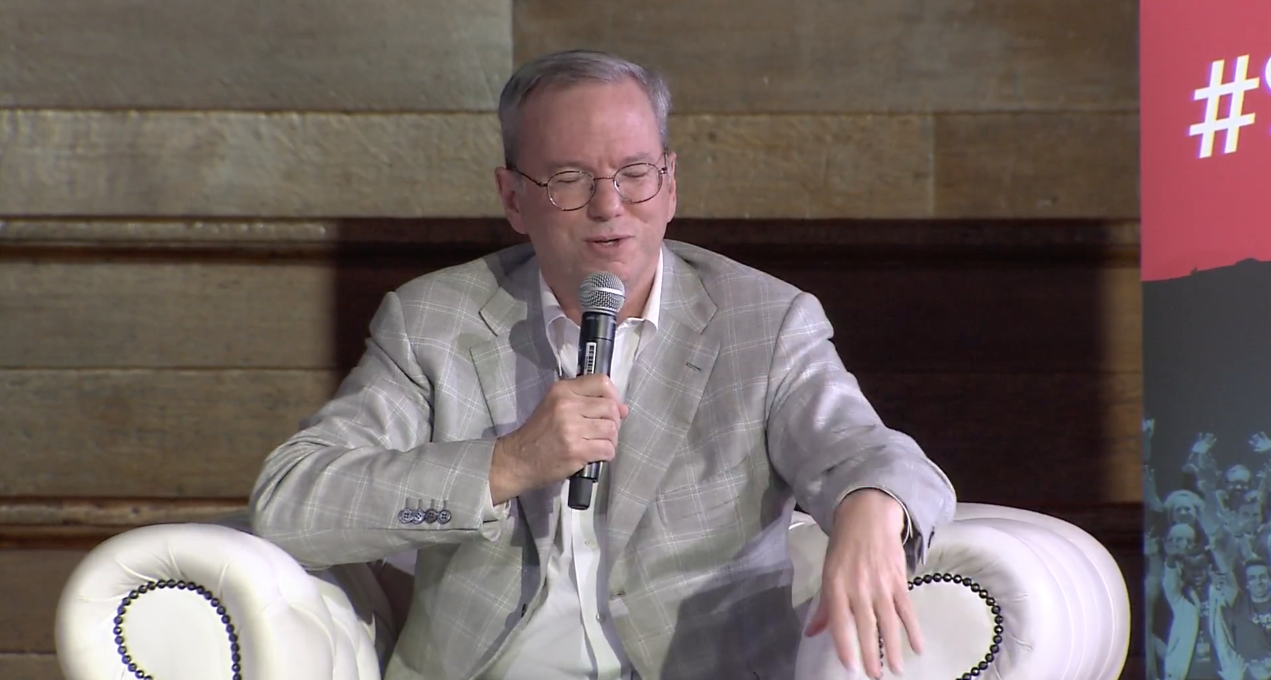
Alphabet Chairman Eric Schmidt is sitting down with Startup Grind Europe today. Tune in below:

Google today partnered with six library Toronto public libraries to offer free take-home WiFi. Google is partnering with the city to loan out portable WiFi hotspots for six months at a time. The libraries are all located in low-income areas as Toronto is working to supply internet to everyone in the city (via CBC).

Nest today has added some new views to the Farsight feature of its flagship thermostat product. Rolling out to all thermostats soon, users will soon be able to show the current temperature and a new animated weather screen from across the room:
People love Farsight. But we heard from a lot of customers who wanted it to show the current temperature in big numbers you can see from across the room. So now, it can. And we’ve also added an animated weather screen. (You know, to satisfy meteorology fans.) Just go to Display Settings on your thermostat and choose your view.

Apple took the stage today at the Bill Graham Civic Auditorium in San Francisco, California to announce the latest new features — for developers and consumers alike — for its four main platforms: watchOS, tvOS, macOS (previously called OS X), and iOS. There is tons of new stuff in these releases set to go public later this year, but one thing that became increasingly clear as the event progressed was that the Cupertino company is playing a lot of catch up.
It’s not a new trend, really. Google has always introduced features and potential products to the public not long after they become barely workable experiments, leaving other companies like Apple to appear behind at times — whether or not they actually are “behind” in reality. It goes without saying that there are always things being worked on in the background (that’s why I put “copied” in quotes), but with many of today’s announcements, Apple brought those things to light.
According to a report today from Korean publication Korea Times, Samsung, the company that recently regained the top spot from Apple as number one smartphone OEM in the US, is considering moving all of its devices to its own Tizen operating system. This news follows a report from Fast Company last month suggesting a related move — that the company plans to move away from Android Wear for future smartwatches…
The Trans-Pacific Partnership (also known as the TPP) is a very controversial trade agreement among twelve countries around the world, and now it has a new ally in the form of one of the world’s largest companies: Google. “We hope that the TPP can be a positive force and an important counterweight to restrictive Internet policies around the world,” Kent Walker, SVP and General Counsel at Google said in a blog post. “Like many other tech companies, we look forward to seeing the agreement approved and implemented in a way that promotes a free and open Internet across the Pacific region.”
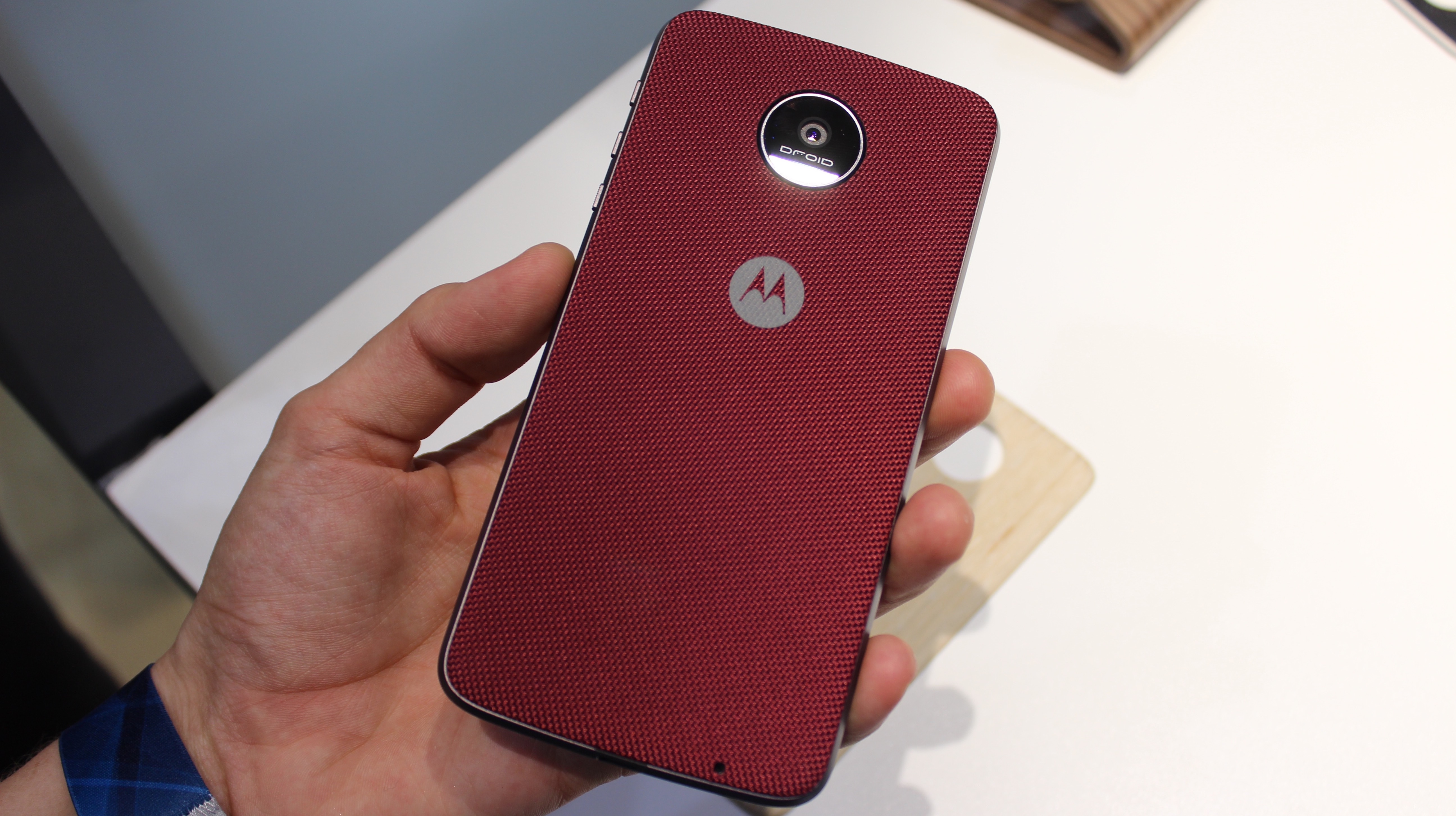
Yesterday we got our hands on Lenovo’s just-announced Moto Z and Phab2 Pro, but one of the most important new features of the former — the company’s true flagship this year — is support for new modular backplates called Moto Mods. Lenovo announced a slew of them yesterday, including speakers from JBL, a camera module from Hasselblad, a pico projector called the Moto Insta-Share, an Incopio battery pack, and more.
Let’s take a look…
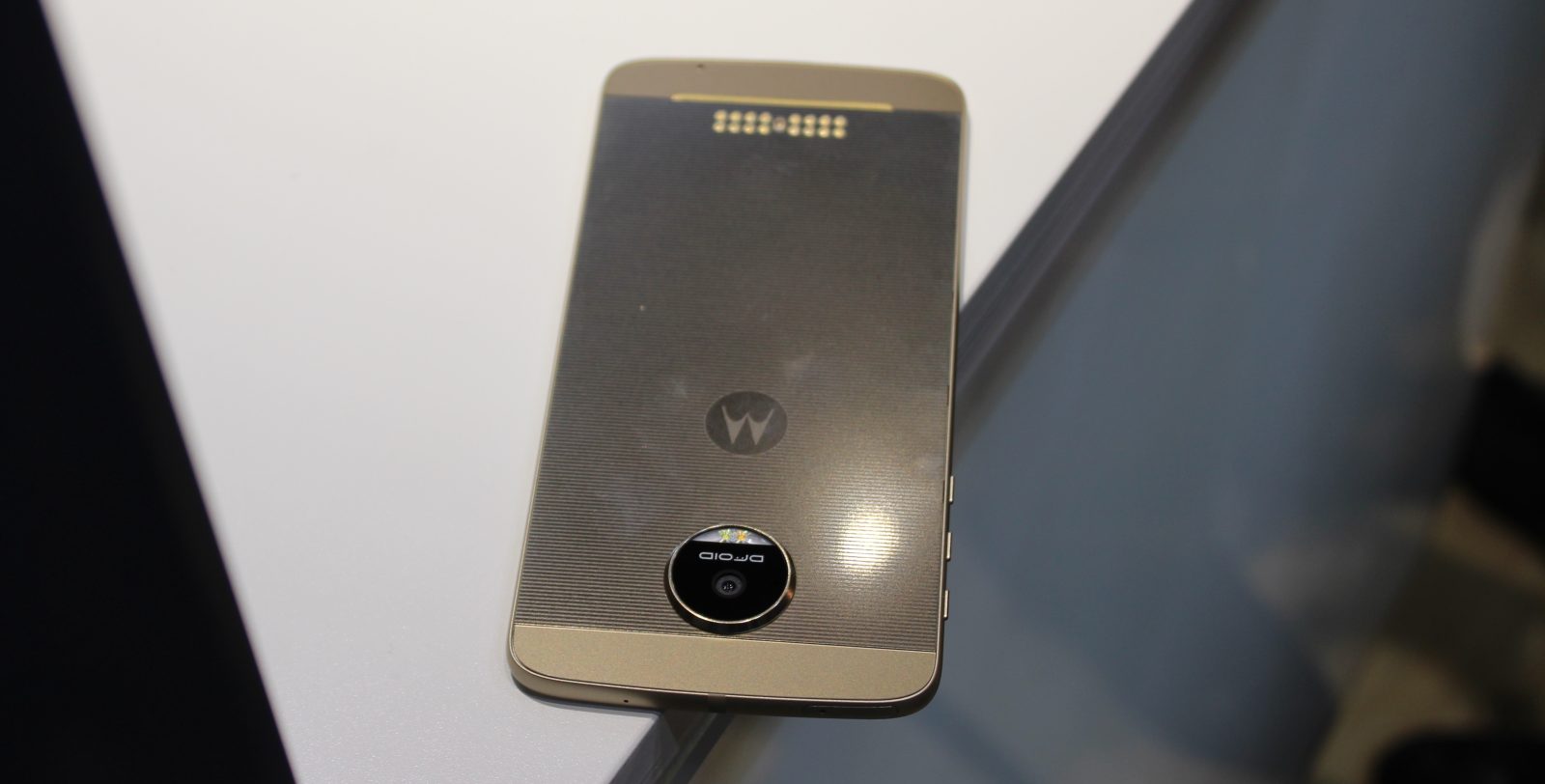
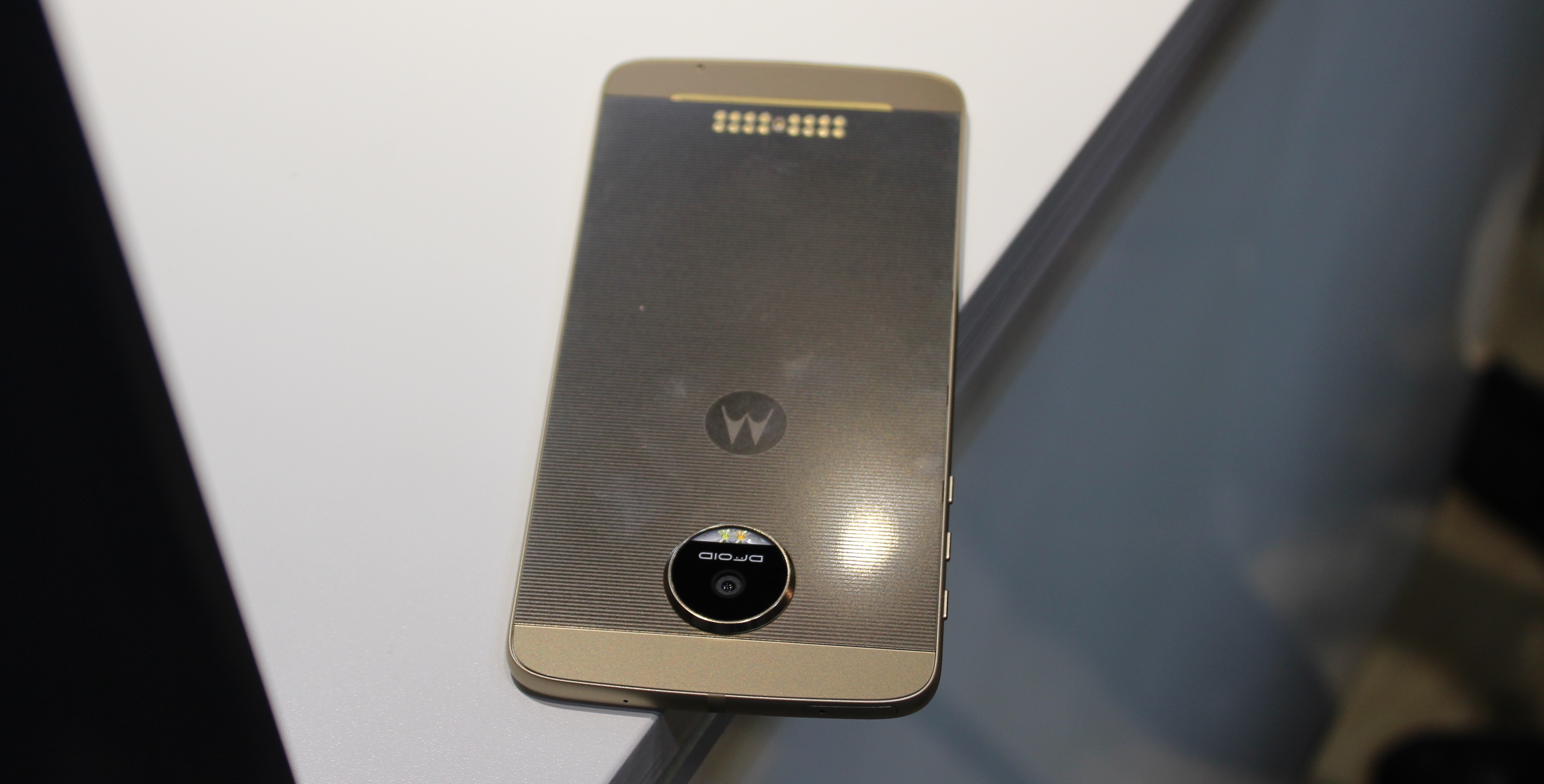
Lenovo announced the first line of Moto phones since its acquisition of Motorola today, and there was not a single mention of the company from which the new devices got their namesake. The Moto X is gone replaced by the Moto Z and the Moto Z Force — the former being the true flagship with a super-thin build and the latter being a more rugged version with a better camera, a little more thickness, and a shatterproof screen.
Let’s take a look at the regular Moto Z, which in my opinion is the nicest phone Lenovo announced today…
Expand Expanding Close
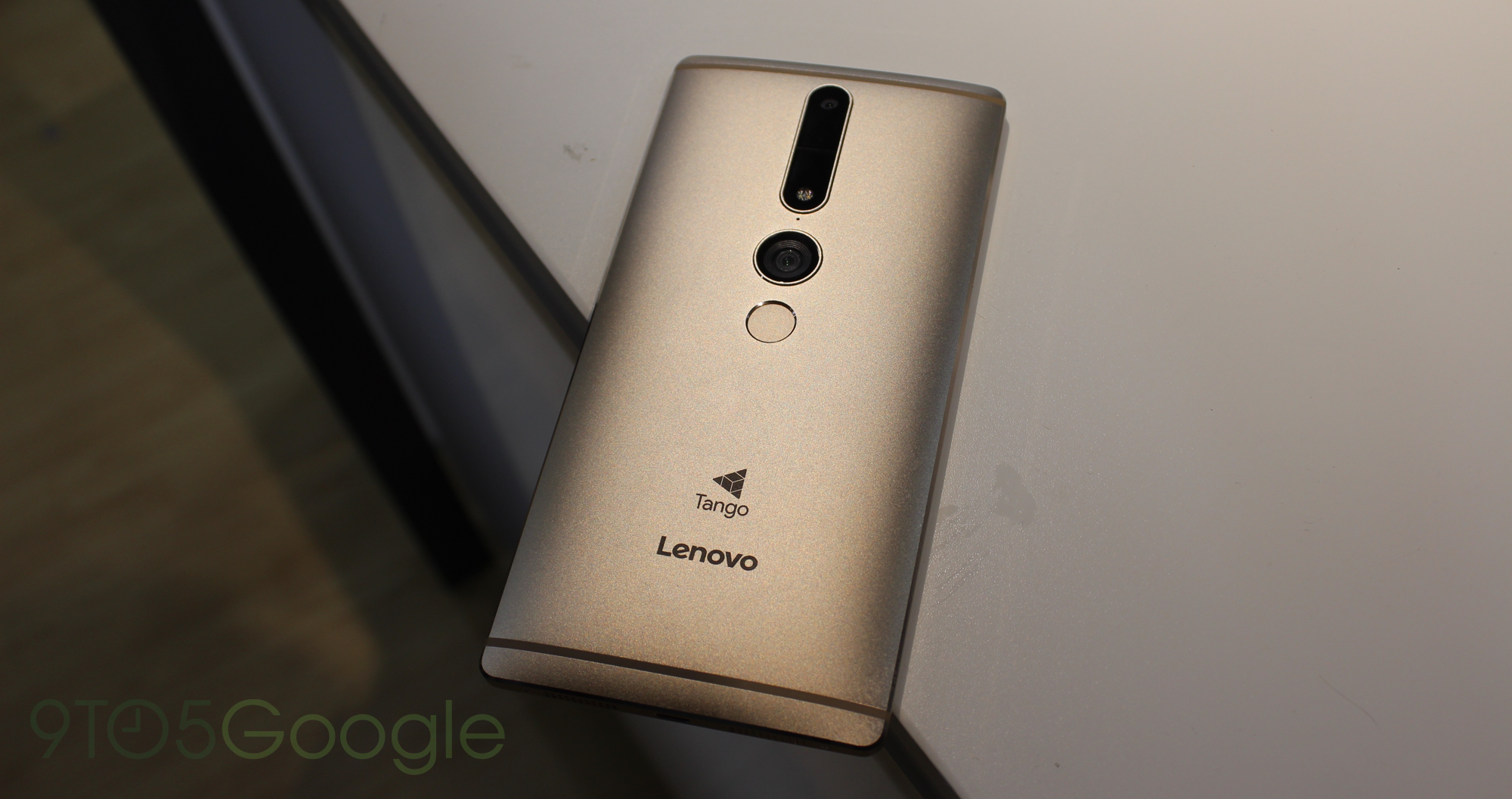
Lenovo today took the wraps off its Phab2 Pro (or phab 2 PRO, or PHAB 2 Pro, depending on which version you want to go with), and I managed to get my hands on it just after the keynote.
Let me make this clear, because the press releases, stock imagery, and even the device we saw on stage today, do not really show the “phone” for what it is. This is not really a phone. It’s a hilariously huge phablet — and even that is borderline. Really, in my eyes, this thing is a tablet.
But I guess that’s subjective.

Gmail is experiencing downtime this afternoon as some users are having issues with receiving messages and accessing their account. Google confirmed the issue on its apps status page and said it was investigating reports as of 1:56PM EST.
The company provided a later update at 2:46PM EST today noting that it’s continuing to investigate and confirming it’s discovered that “some messages sent to consumer Gmail accounts are being rejected due to authentication enforcement.”
Google plans to provide another update by 3:46PM EST with more details on when it expects to resolve the issues.
We’ll keep you posted here with further updates and let us know in the comments below if you’re still having problems with your account.
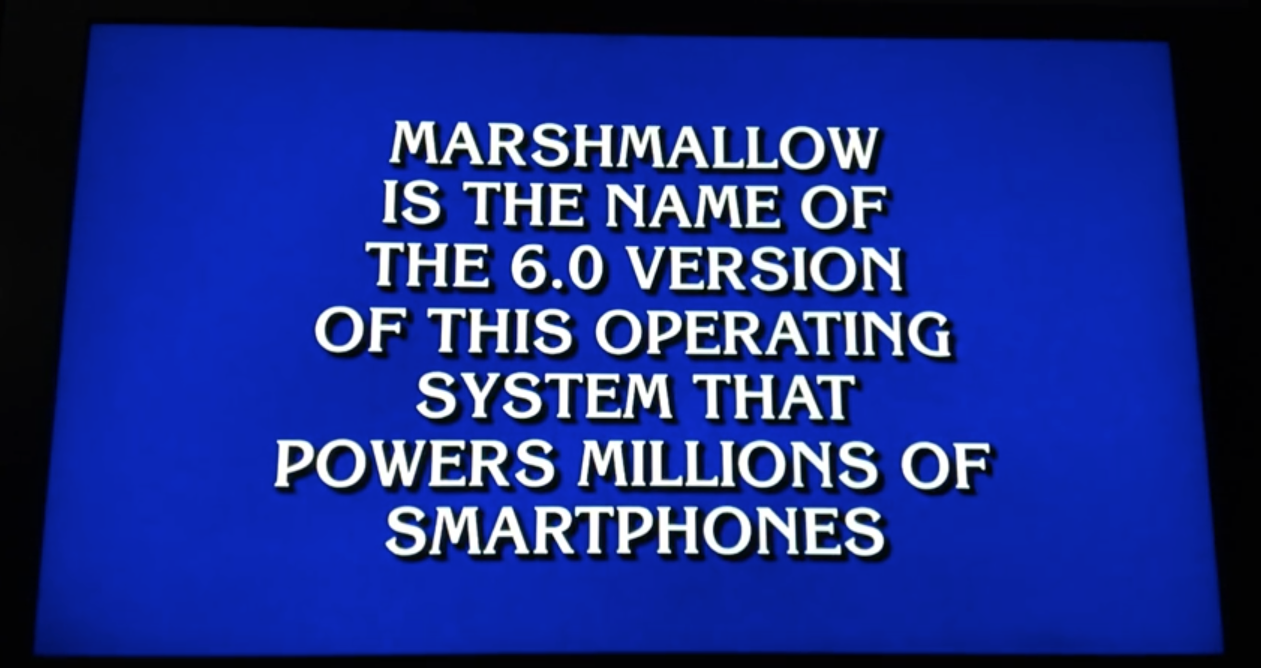
We know that Android has an updates problem. In the most recent Android distribution report yesterday, we learned that Android Marshmallow has just barely edged past 10% adoption 8 months after it first started rolling out to devices.
But apparently, despite all the people-friendly marketing that Google does with its mobile OS software updates (and more recently, the Nexus phones), there’s this persistent complete ignorance about Android in general. How can Google motivate people to update to Android Marshmallow — much less care about what it offers — if they don’t even know what the OS is called?
Of course they could (or not) go the Apple route and create a situation with complete control over the entire ecosystem, but Google’s tactic of trying to make OS updates familiar and friendly is about as much as it can do for now. Apparently it’s not working, and this is perfectly illustrated in a recent round of Jeopardy! where two contestants both thought that Marshmallow is the name of iOS 6.0…
There certainly is a lot happening in Samsung‘s hardware department. Following a general slowdown of the immense growth smartphones have enjoyed over the past lustrum in particular, OEMs are preparing for a new wave of next-generation devices.
Amid the numerous experimental projects the company is working on, however, we can expect that a more ‘safe’ Galaxy S8 will hit the market some time in the first half of 2017, and rumor has it that its display will move to a jaw-dropping 4K resolution (via KoreaHerald) …
Google this week has published a new version of its TensorFlow machine learning software that adds support for iOS. Google initially teased that it was working on iOS support for TensorFlow last November, but said it was unable to give a timeline. An early version of TensorFlow version 0.9 was released yesterday on GitHub, however, and it brings iOS support.

It’s no secret that Google has struggled to get people to upgrade the software on its phones (but perhaps more accurately, the software on other companies’ phones). It’s one of the most blatant examples of an area that Google and its OEMs are just so far behind, especially compared to the adoption rates of iOS on Apple’s devices. And with every passing month, it just doesn’t seem to be getting any better.
It’s been about 8 months since its release, and the latest Android distribution numbers reveal that the newest version of Google’s mobile OS, Marshmallow, has just now passed 10% adoption. Google’s most popular version of Android at this point, Lollipop, lost 0.2 percentage points this month and KitKat, which was announced in 2013, still holds more than a 30% share…
