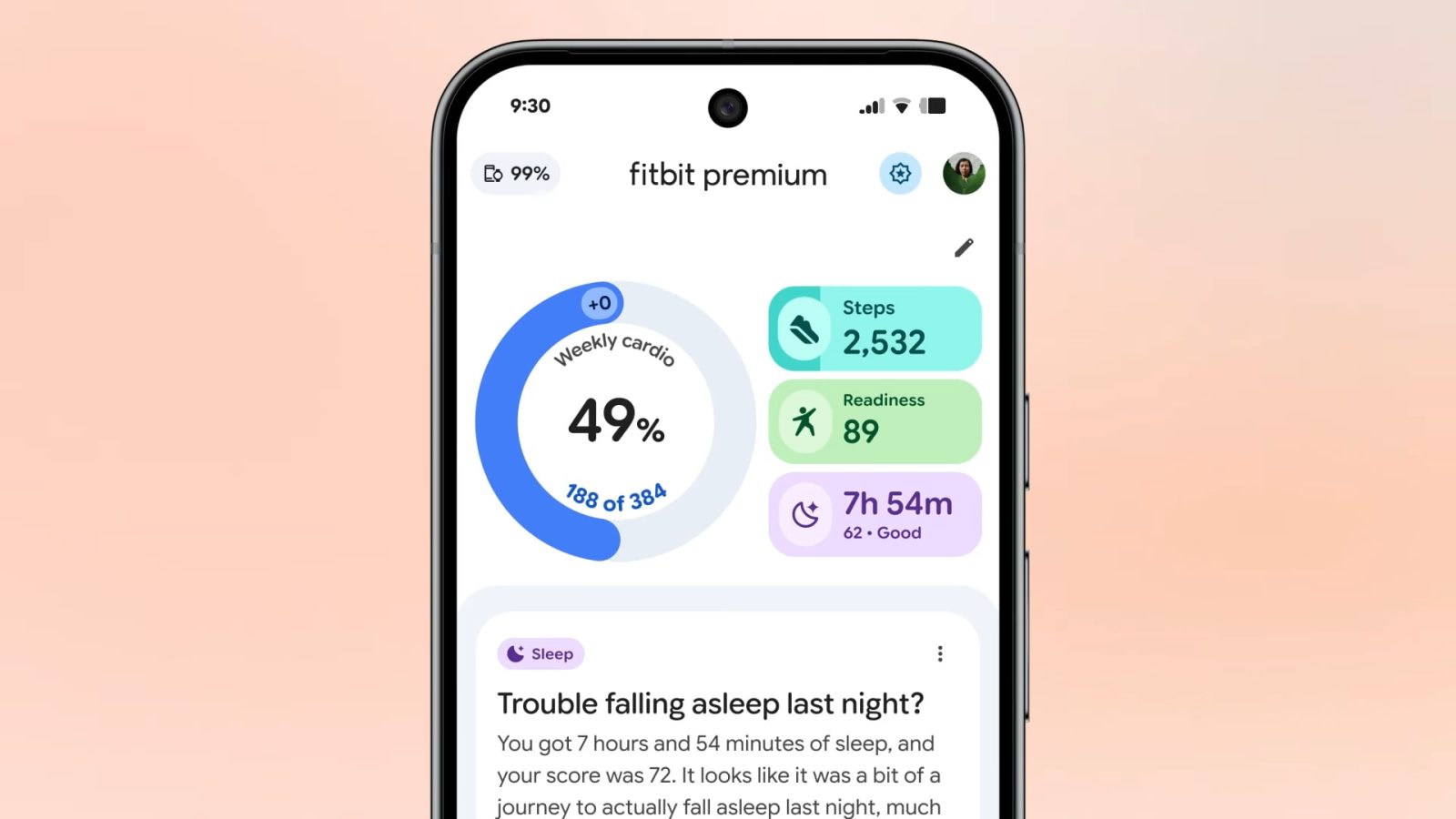
Fitbit Public Preview adds food & water logging, more as app redesign comes to free users


Apple took the stage today at the Bill Graham Civic Auditorium in San Francisco, California to announce the latest new features — for developers and consumers alike — for its four main platforms: watchOS, tvOS, macOS (previously called OS X), and iOS. There is tons of new stuff in these releases set to go public later this year, but one thing that became increasingly clear as the event progressed was that the Cupertino company is playing a lot of catch up.
It’s not a new trend, really. Google has always introduced features and potential products to the public not long after they become barely workable experiments, leaving other companies like Apple to appear behind at times — whether or not they actually are “behind” in reality. It goes without saying that there are always things being worked on in the background (that’s why I put “copied” in quotes), but with many of today’s announcements, Apple brought those things to light.
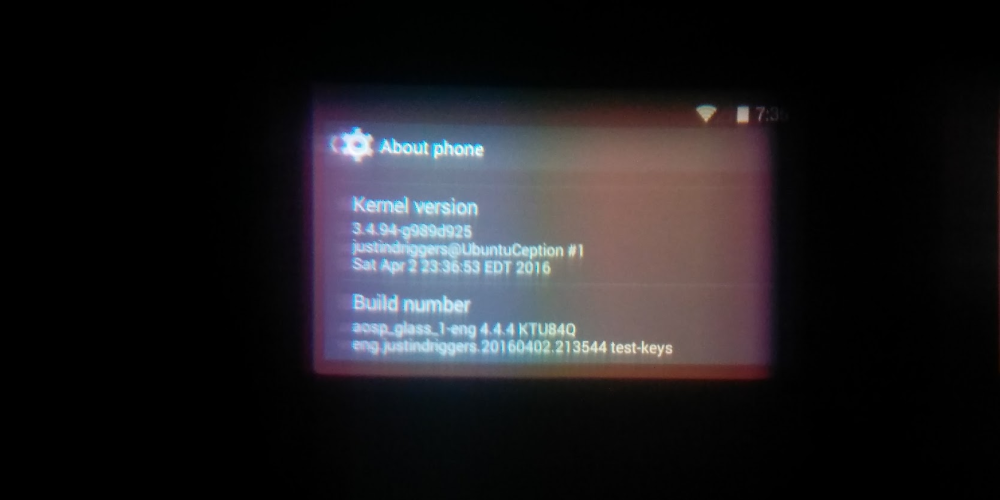
While the previous version of Google Glass is dead and dying, it is still an Android device. And that means it’s hackable, mod-able, and will probably be tinkered with for years to come. Similar to how other aging devices still have developer support, Reddit user jtxdriggers has managed to install 4.4 KitKat on Glass.

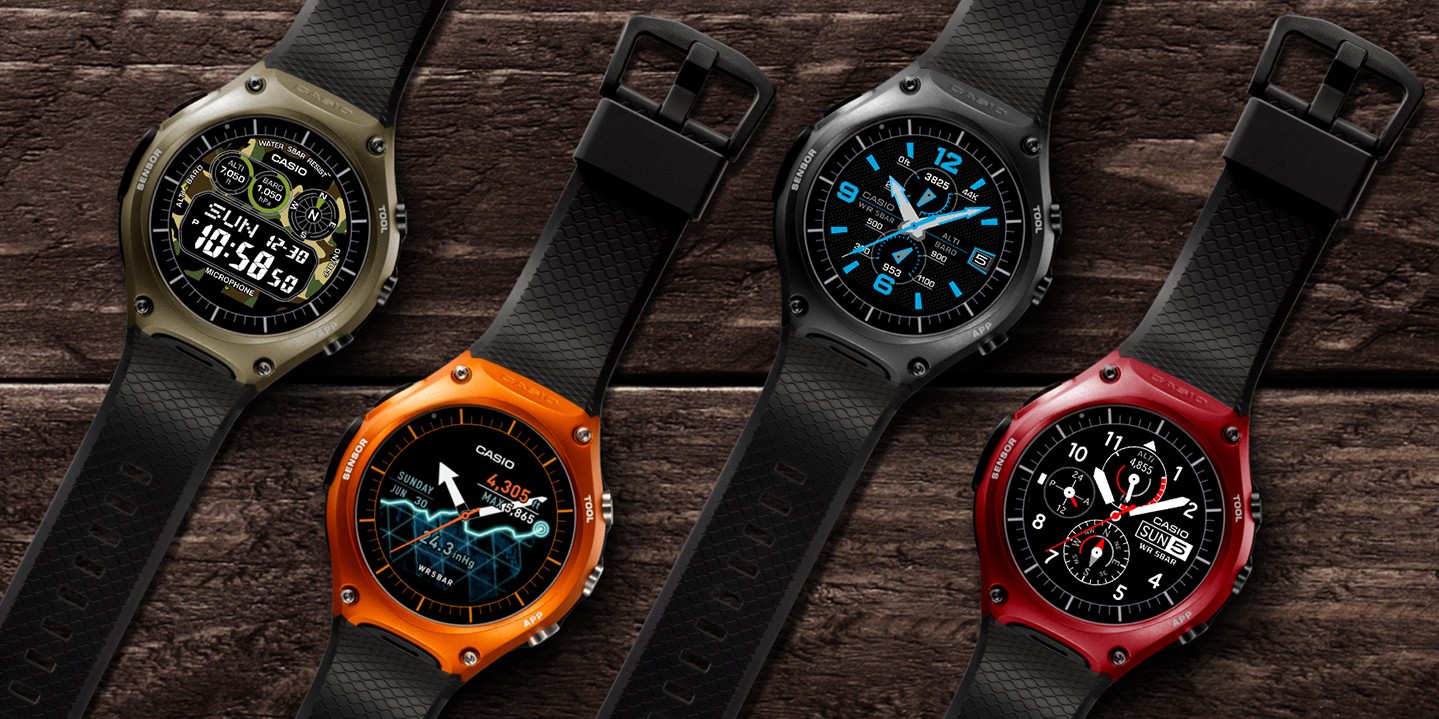
Casio is today releasing its Android Wear-based Smart Outdoor Watch through the Google Store and other retailers after first announcing the device during Baselworld earlier this month.
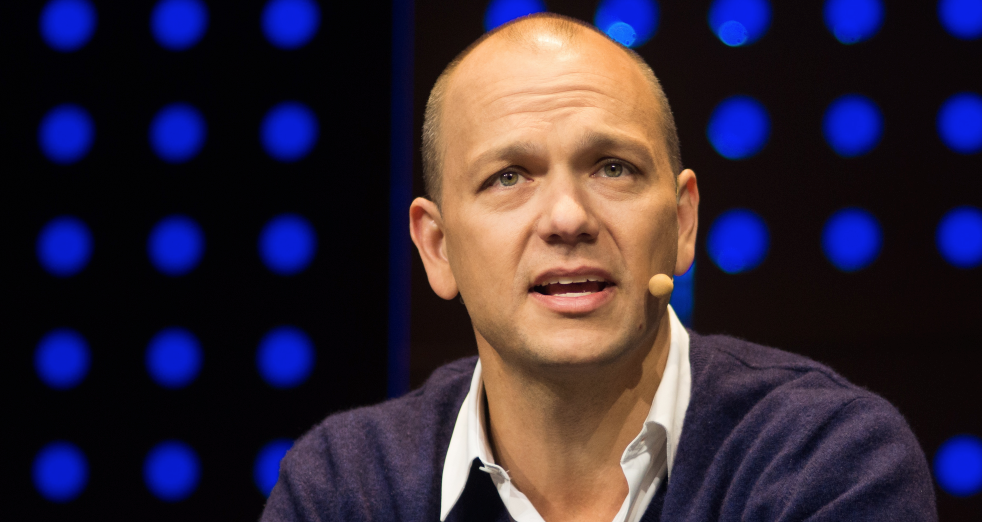
A new report (paywalled) from The Information today told us that Google is working on a competitor to the Amazon Echo, but it also detailed in-depth Nest’s struggle as an Alphabet subsidiary and the apparent horror that was its acquisition of smart home security camera company Dropcam. Before eventually ending his time at the Alphabet company, Dropcam co-founder Greg Duffy apparently told Nest CEO Tony Fadell that he runs the company like a “tyrant bureaucrat”…

Today marked the release of the first Android N developer preview, and factory images are now available if you want to install the update on your device. If you’re anything like me, though, you would rather not completely wipe your daily driver (Nexus 6P, in my case), just to get some hands-on time with some buggy software. That’s why we’ve compiled this huge list of new features and a gallery of Android N screenshots for your perusal…

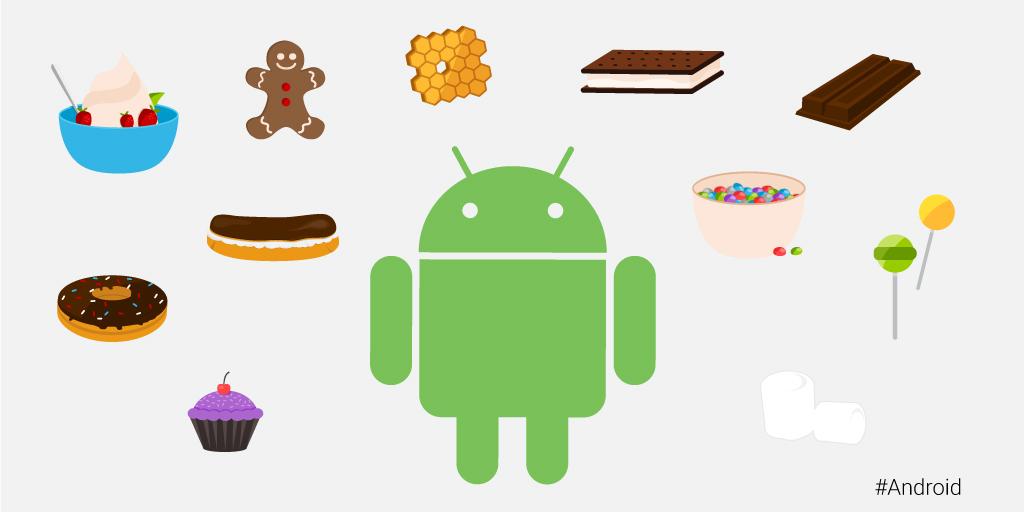

Google has released the latest distribution numbers for the various shipping versions of Android, with the latest version, Marshmallow, picking up a marginal increase.
Last month’s numbers showed Android 6.0 running on only 0.3% of devices, while this month’s chart puts it at 0.5%, making it the least-used version of Android except for Froyo.

It’s certainly not the only connected-security camera, but following Google’s acquisition of popular security cam maker Dropcam last year, the company has just launched a second-generation product with new features. The new product was re-envisioned by Google’s Nest team— the people building smart home accessories like the Nest thermostat and fire alarm— and in the process dropped the Dropcam branding and gained a few notable enhancements.
But is the new Nest Cam worth an upgrade from your current Dropcam setup? And how does the product compare to the other connected home security-cam and all-in-one security devices on the market? We’ve been testing out Nest Cam since its release a few weeks back to find out.
Expand
Expanding
Close

BlackBerry’s PRIV handset is getting a lot of attention, and there’s many reasons for that. The most obvious is that it’s a slider phone — something that we haven’t seen on Android for quite a while. BlackBerry was known for their sliders and holding onto the physical keyboard when the rest of the industry moved on, and now they’re bringing that back in a secure package that seems to be more than decent. Many won’t bat an eye, but there are others who might notice some of its unique features.
To highlight those features and hopefully catch those potential customers, BlackBerry has uploaded a video demonstrating what the PRIV has to offer: it’s physical keyboard, BlackBerry Hub, Pop-up widgets, its curved 5.4-inch screen, and more:
The PRIV is also bringing a lot to the table for those more interested in getting great specifications. The phone has a 5.4-inch, 2560 x 1440 resolution AMOLED display at 540ppi, a Snapdragon 808 hexa-core processor, 3 GB RAM, and 32 GB of expandable storage. You’ll find an 18-megapixel rear camera, a 2-megapixel front camera, dual-LED flash, and a 3,410 mAh battery. Sadly, though, it looks like the phone is going to launch with Android 5.1.1 Lollipop.
You can pre-order the BlackBerry PRIV from the company’s website.

The Huawei Watch is definitely an Android Wear watch, but it does have a few features that set it apart from its competitors. Even though it may be priced a little on the steep side compared to other offerings in the space, Huawei has truly seized this opportunity to further prove that it is serious about building hardware for Android platforms. The Huawei Watch is the watch to beat right now, and there are at least 5 reasons that’s the case…
Expand
Expanding
Close

Samsung’s Galaxy Note 5 is officially official, but what makes it such a great upgrade over its predecessor? Some may argue there’s not much, but Samsung has made improvements in some areas and compromises in others that you may want to know about before buying one. These are the top 5 features on the Galaxy Note 5…
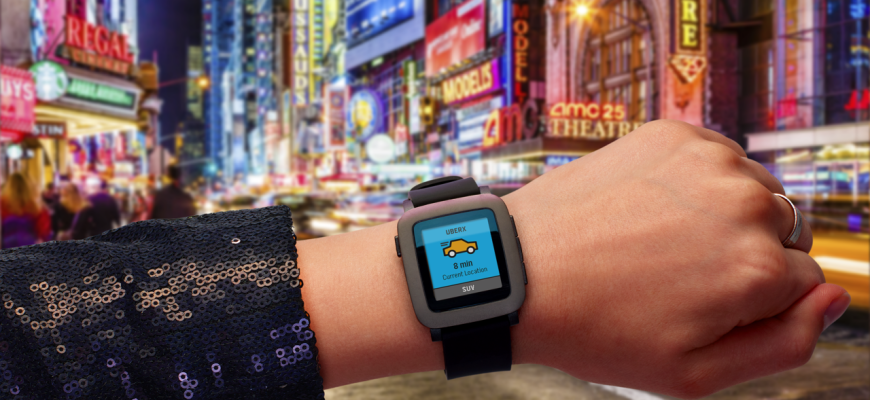
Pebble has announced today an update to the firmware of the company’s smartwatch, bringing several features that the community has oft-requested. Most notably, the new firmware brings settings for adjusting font size, backlight, and vibration. Pebble also released an updated version of the Pebble Time’s Android app counterpart, bumping it to version 3.2.0, which brings a new search bar, preserved notification preferences, and other minor changes…
Expand
Expanding
Close

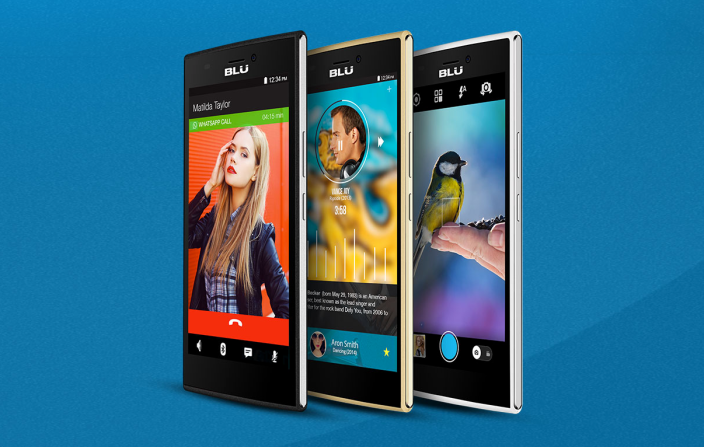
BLU has a growing reputation for admirable devices that cost very little, and its latest handset looks to continue that trend. The BLU Life One goes on sale at the end of this week, on July 17th and is currently available to pre-order for just $99 unlocked and SIM-free.

CyanogenMod today announced that it is pushing the final snapshot releases of both CM11.0 and 12.0 live. In a blog post, the company notes that both the CM11.0 and CM12.0 have seen improvements in stability and security, but not much else as focus has shifted to CM12.1.
The company defended its release of another CM11.0 build, which is based on Android 4.4 KitKat, by saying that many users have been slow to update to CM12.0 for whatever reason. Nightly builds for CM11 and CM12 will be slowly phased out as development further shifts to CM12.1, which is based on Android 5.1.
Why another CM11 build? Rather surprisingly, many users have been slow to upgrade to L – whether due to the lack of a snapshot release or adverse reaction to the Material design, we don’t know. The meager stats that we have show that there is a rather large contingency of users who are sticking to CM11 as their release channel of choice, so we felt compelled to give a release showcasing all the work that went into that branch to make it ship ready.
More details can be found in the blog post on the CyanogenMod website.
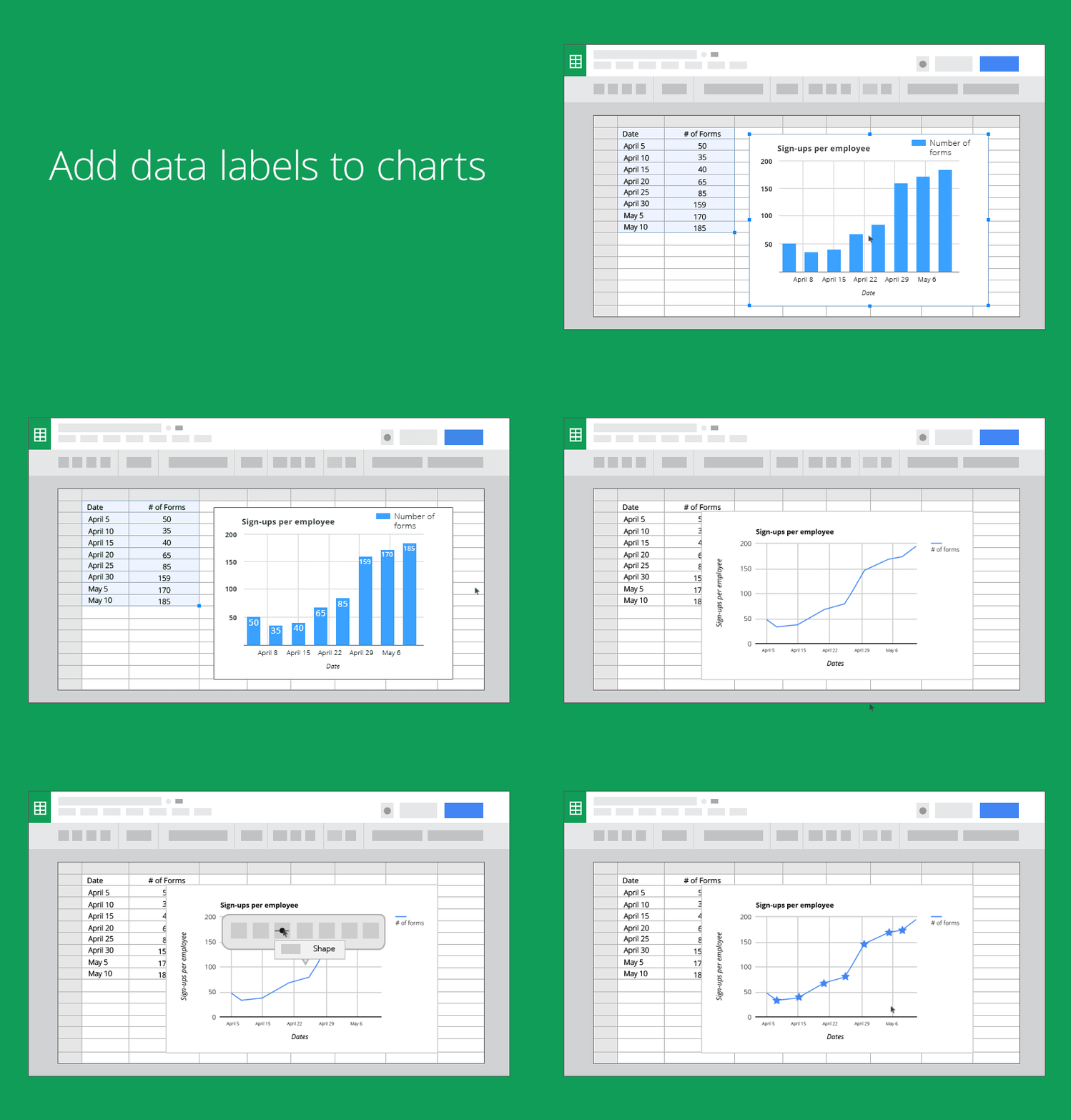
Google is updating its Google Sheets spreadsheet app on the web today with a few new features and improvements. First up, the updated app now includes new customization options for charts including the ability to add data labels as well as shapes to denote data points including stars, triangles, and pentagons.
Some of the other new features arriving today include a preview for formula results in real-time when typing, the ability to filter rows and columns by “greater than” and “text contains”, and an option to add calculated fields “to pivot tables when you want to apply formulas to pivot table data.”
Google adds that you’ll also now be able to “Use the GETPIVOTDATA function to more easily retrieve data from your pivot table.”
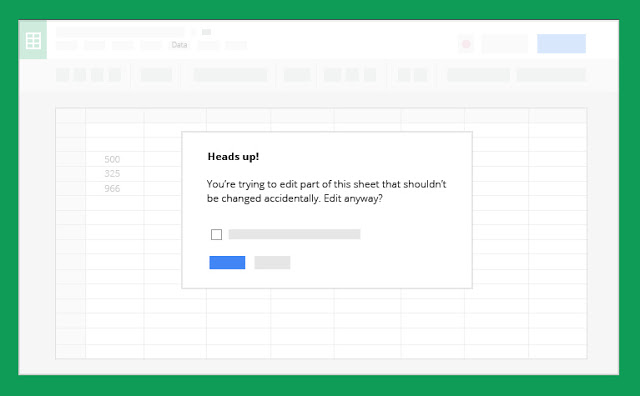
Lastly, Google has a new option to present a customized warning message to collaborators that attempt to edit something they shouldn’t (pictured below):
 You can check out the updated Google Sheets web app now.
Android M is now available in developer preview, but only for those that own a modern Nexus device. Specifically, owners of the Nexus 5, 6, 9, and Player can grab the latest developer build of Android M, and the dozens of new visual and functional features that the operating system brings.
But while Google spent a while at I/O going over the big-picture changes it hopes to bring with M (granular app permissions, fingerprint support, better battery life, and more), there are a lot of smaller changes coming to the OS as well that reimagine how some of the most basic user-facing functions of the OS work. In many cases, these changes are more than welcome.
Google said at I/O last week that they’re putting a “big focus on quality end-to-end” with Android M, so let’s find out what that means in terms of the general user experience…
Expand
Expanding
Close
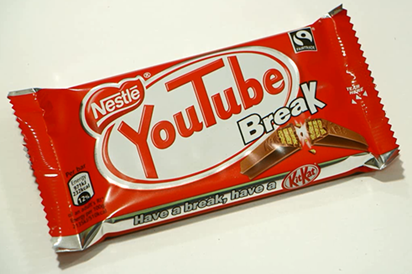
Nestle announced in a press release today that it is partnering with YouTube for a limited edition version of KitKat. No, that’s not Android 4.4 KitKat, but rather the popular candy bar. As part of the partnership, Nestle will produce over 600,000 limited edition KitKat wrappers with the branding “YouTube Break.” Nestle says this is the biggest change in package design for KitKat since its inception 80 years ago.
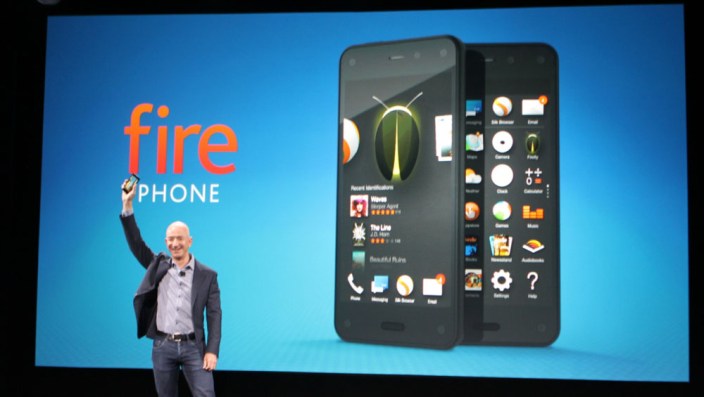
The infamous Amazon Fire Phone is getting a substantial update today, bringing the device from Android Jelly Bean (yes, Jelly Bean) up to the almost not-ancient Android 4.4 Kit Kat. With this version of Android, the phone is getting a plethora of new features that—almost—help bring it into 2015.
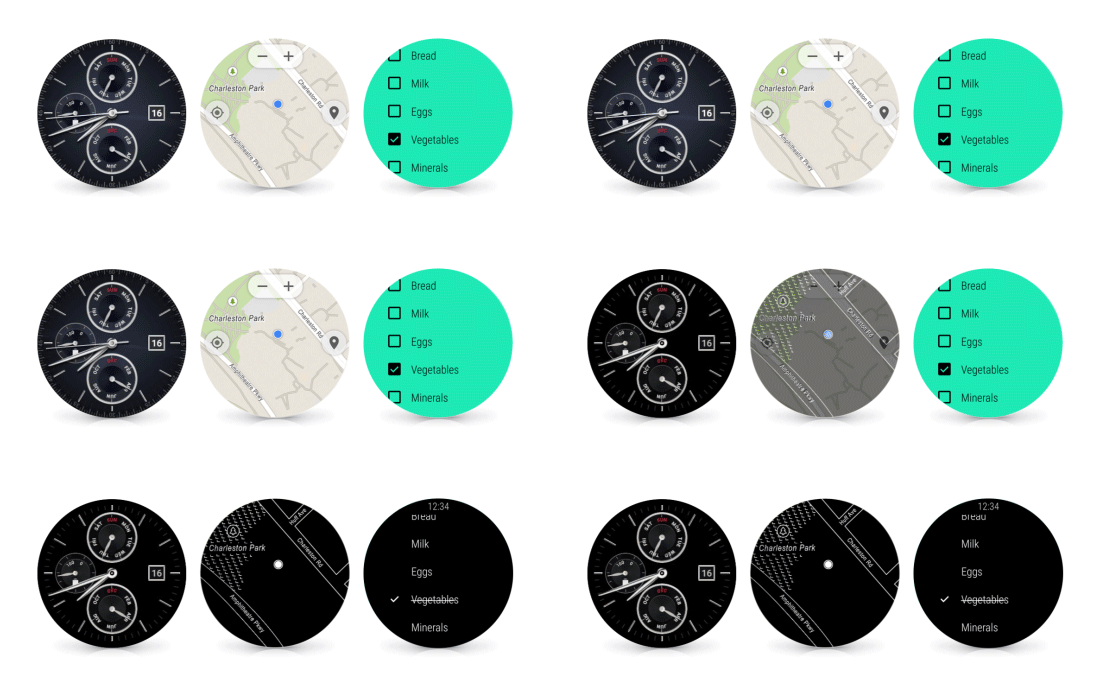
Google this morning announced a huge update to its Android Wear wearable operating system, but we’ve noticed a few things that Google might have forgotten to touch on in its release notes. The company has of course confirmed that WiFi support, always-on screen support for apps, and more features that are on the way. But there are other features, including what looks to be an actual Google Maps app and pop-up notifications, that might be coming to Android Wear as well…
Expand
Expanding
Close
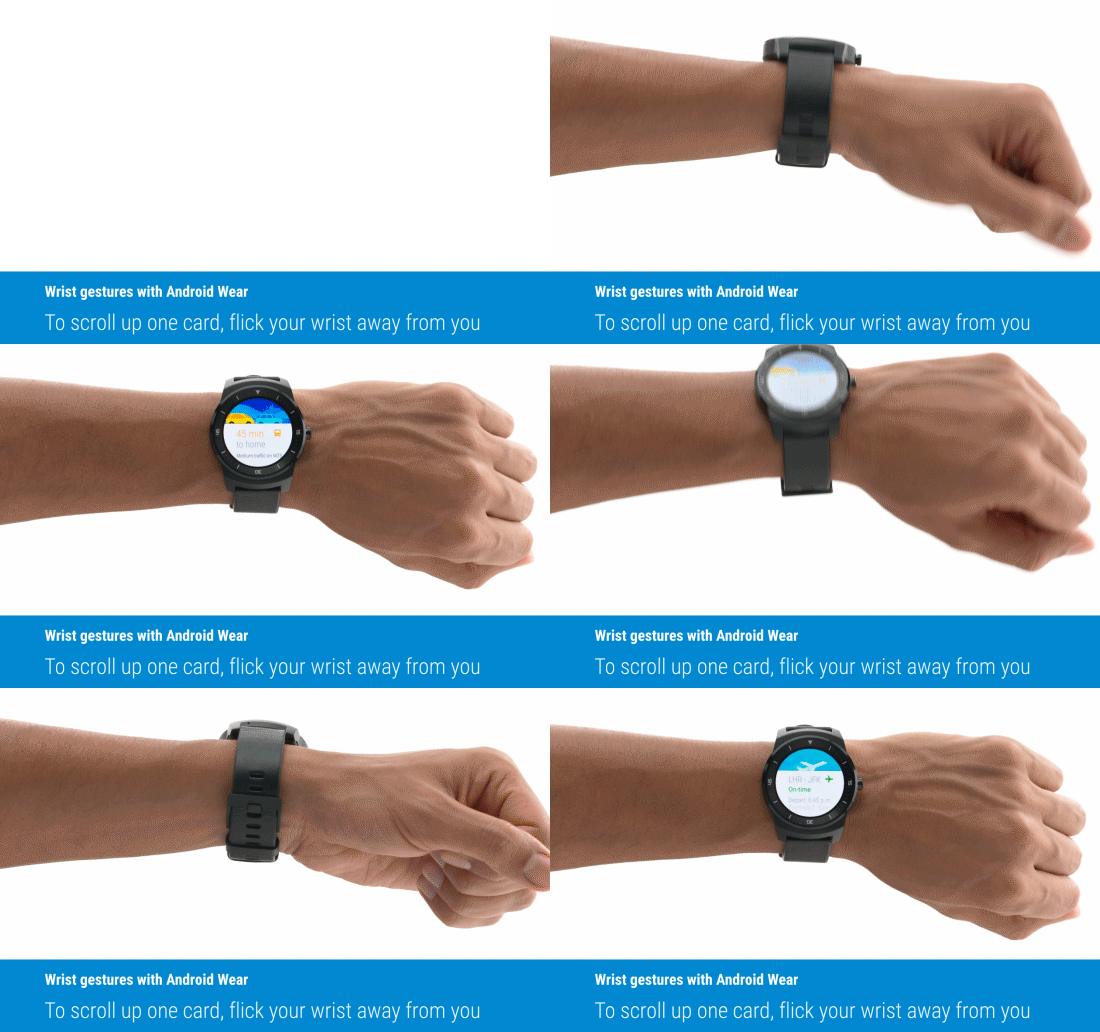
Update: Various reports have confirmed that certain Android Wear devices, including the LG G Watch and G Watch R as well as the Asus ZenWatch, will not be getting WiFi support.
Android Wear is getting a pretty big update. Over at the official Android blog, Google this morning showed off the latest version of its mobile OS, packing several useful new features including wrist gestures for flicking through cards hands-free, WiFi support to free your watch from needing to be directly connected to your phone, support for quickly drawing emoji replies to messages, always-on screen support in apps, and a lot more…
Expand Expanding Close

Samsung’s Galaxy S6 Edge is a very interesting device when compared to the Galaxy S6. This device has a dual-curved display and may easily be the most unique smartphone we’ve seen in 2015. There are several features that come along with the Galaxy S6 Edge and today we’re taking a look at all of them…
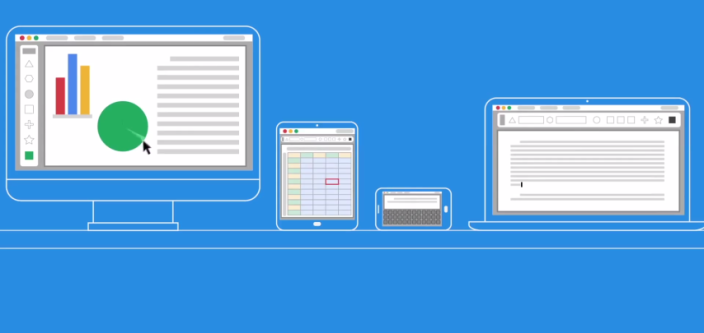
Google has today announced that it’s bringing new sharing controls, alerts and “audit events” to both Google Drive for Work and Google for Education over the coming weeks. Security is one of the biggest concerns that companies have about moving their data to the cloud, and Google hopes these new features will help make the transition just a little bit easier…

Google has this morning announced that Android One is coming to Indonesia, and with that updated their splash page for the initiative. Alongside detailing the three new phones that are soon coming to Indonesia, Google also mentions the latest official build of Android, the previously unannounced version 5.1 Lollipop. Keep an eye on this article between now and the official rollout of the software as we learn more about what the next version of Lollipop has to offer…
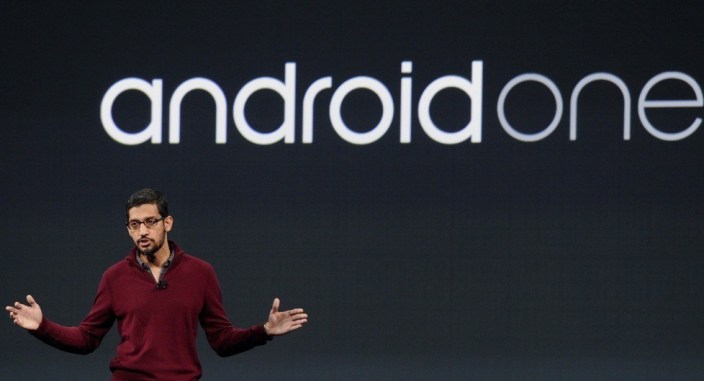
CyanogenMod has announced in a blog post that its custom ROM for Android is now available to Android One users. Android One is Google’s initiative to bring low-cost devices to emerging markets, unveiled at I/O 2014. There are currently three Android One devices available, all of which are now supported by CyanogenMod 11.

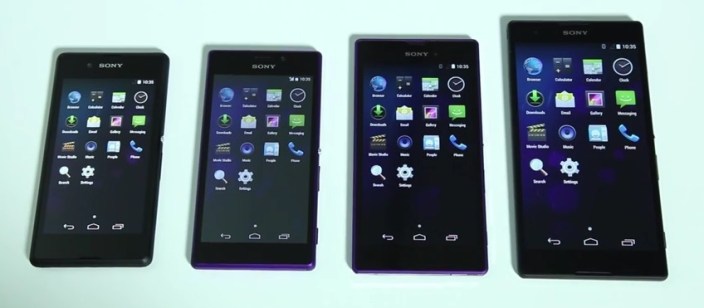
In a developer blog post this morning, Sony announced that developers can now build custom versions of Android for all 2014 Xperia devices with a Qualcomm processor. This is made possible through Google’s AOSP (Android Open Source Project), a project dedicated to keeping Android open and giving developers the power to build their own custom ROMs.


