Over at MobilePwn2Own at the PacSec conference in Tokyo, Japan, a security researcher named Guang Gong showcased an exploit he’d developed over three months which, if used, could take control of virtually any Android phone with just a Chrome link…

Cam Bunton, Editor at 9to5Google – Cam has been passionate about tech since his dad bought the family’s first Commodore AMIGA back in the late 80’s. He’s been in the tech industry (writing and making videos) since 2010, and joined 9to5Google as the resident video producer and product reviewer in 2015. He sometimes writes news and reviews for 9to5Mac too.
You can follow Cam on Twitter, add him on Google+ and subscribe to our YouTube channel to be the first to watch his videos about all things Google.


Over at MobilePwn2Own at the PacSec conference in Tokyo, Japan, a security researcher named Guang Gong showcased an exploit he’d developed over three months which, if used, could take control of virtually any Android phone with just a Chrome link…
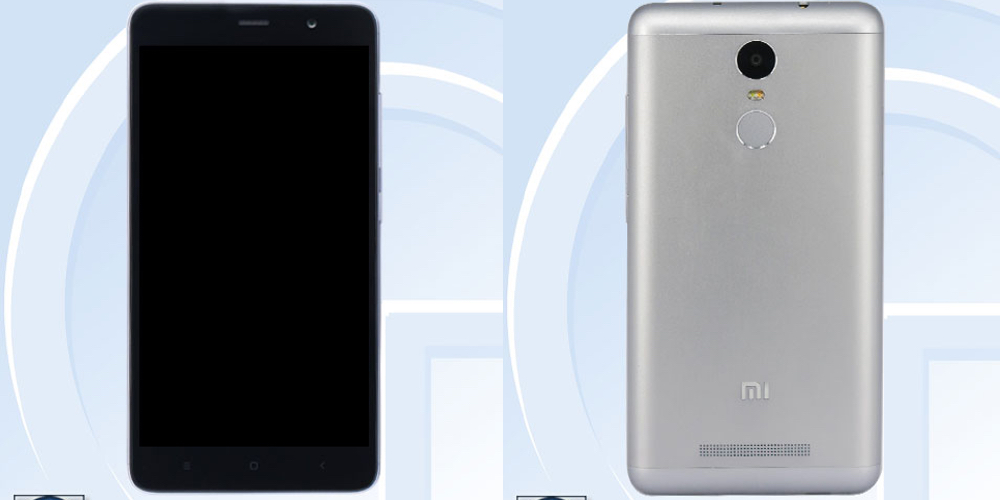
Back in August, Xiaomi launched the colorful plastic Redmi Note 2 phablet. The device featured a powerful 64-bit octa-core Helio X10 processor along with a full HD 5.5-inch screen, dual SIM support, 13MP Samsung camera and a huge 3,060mAh battery. On the specification side, the phone seems like a winner. Apparently, it just didn’t look like one. A leaked set of images from TENAA (China’s FCC equivalent) reveals the company is about to launch an almost all-metal version with a fingerprint sensor.
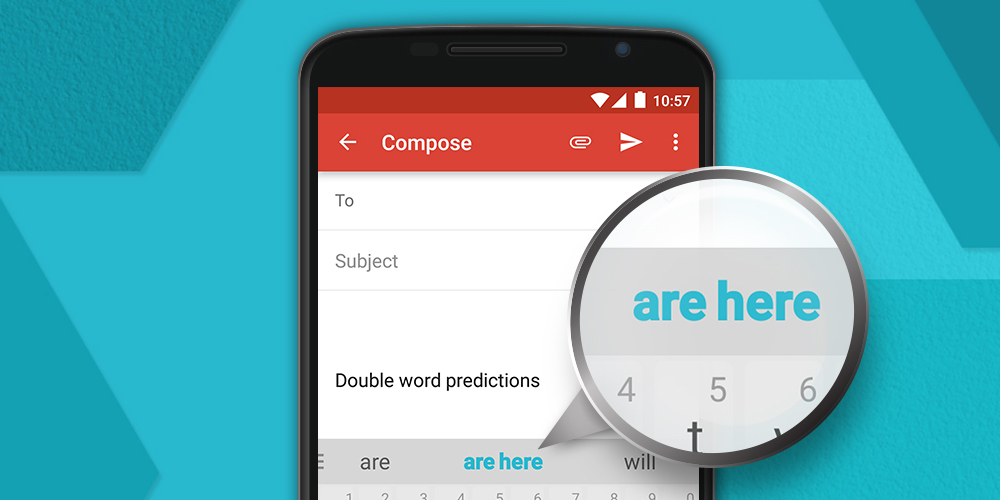
A couple of weeks ago, SwiftKey brought a number of new features to its beta app for Android. Perhaps the biggest on the usability side was the addition of double-word predictions. With this improvement, users can select two words at once which SwiftKey predicts are coming next. This feature — along with many others — has been added to the public SwiftKey 6 app…

Earlier this fall, LG announced the second generation version of its stylish round Android Wear watch. The LG Watch Urbane 2nd generation was sleeker and more attractive than its predecessor, and also the first Android Wear device to come with an LTE-equipped model. Both AT&T and Verizon will be accepting orders for the LTE model from this week…
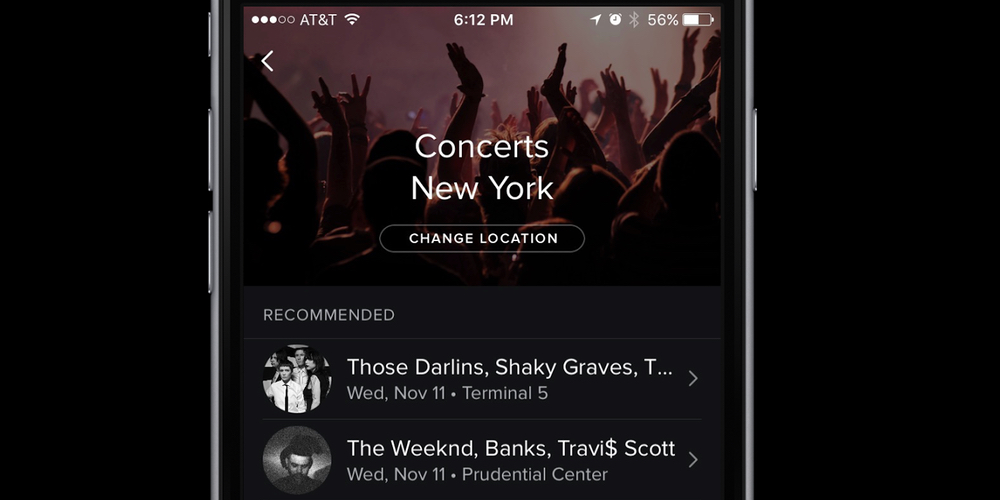
Spotify has updated its Android app to include local live concert discovery. The new feature, named Concerts, arrived on the popular streaming app this morning and uses similar technology to the Discover Weekly feature. It uses its knowledge of your favorite artists and listening habits to recommend live acts worth seeing nearby.
Our new Concerts feature lets you know when your favorite artists announce new concerts near you so you’ll never miss another show. And for artists, it’s easier than ever to get the word out to fans about new concerts. On your phone, simply open the Browse tab on Spotify and select Concerts to see a personalized list of what’s playing nearby.
If you’re travelling you can hit ‘change location’ and find concerts for the artists you enjoy all over the world. The Concerts feature uses Songkick’s services to gather information, and uses knowledge of your music listening patterns to determine the bands and singers you like, and those you might like to discover.
As with any location-based service, how great this is depends heavily on where you live. Sadly if, like me, you live in a remote city miles from anywhere, you’re likely just to be reminded that there are no concerts near you. Ever.
You can download the update app from the Play Store now.

Despite a 16% year-on-year growth of revenue to $12.2 billion, Lenovo has just announced its first quarterly loss in six years. In its fiscal Q2 earnings results, the manufacturer blames both the competitive nature of the smartphone market and the restructure following its finalized Motorola acquisition for its losses.
Before tax, Lenovo lost around $324 million on unsold smartphone inventory and $599 million to “restructuring costs”.
The official HKFRS losses were driven by the realignment plans Lenovo disclosed during its Q1 results, including worldwide expense reduction actions across all businesses, the integration of the System x Business, the organization and brand alignment of Motorola and the Lenovo Mobile Business Group and clearance of smartphone inventory.
It’s not entirely bad news for Lenovo though. The addition of the Motorola brand has meant the company saw a year-on-year sales increase of 104% of in its Mobile Business Group. It sold $2.7 billion worth of smartphones, Android tablets and TVs. $1.4 billion of those were Motorola sales. Most of this growth is down to sales outside of China. Across the first two quarters of its financial year, 70 percent of its mobile products were purchased outside Chinese borders. This time last year, that figure was just 19 percent.
Unlike the rest of the tablet industry, Lenovo’s sales actually grew, selling 18.8 million units, up 11 percent from last year.
Despite making a loss last quarter, Lenovo is convinced that the mobile division will return to money making ways after the next couple of quarters. With the rise of competitive and affordable products from other brands, it’ll be a tough challenge. But, with the likes of the Moto G, Moto X and new DROIDs in its lineup, the company certainly has the hardware to compete. What’s more, it just opened its very first boutique retail store in Chicago to help boost high street presence.
Qualcomm promised when it launched the Snapdragon 820 that it’s next processor would offer a huge jump in performance and efficiency over its predecessor. If a benchmark result on Geekbench is anything to go by, those claims look like they’ll be true. Those worried by the fact it’s ‘only’ quad-core should stop worrying now.
At the Big Android BBQ in Amsterdam this morning, Cyanogen revealed its plans for next year. It’s pretty ambitious for 2016, and aims to have a much bigger global presence than it has currently…
Samsung has officially announced its next generation smartphone processor. Just days after Qualcomm revealed the super-powered quad-core Snapdragon 820, Sammy has unveiled the octa-core Exynos 8890, which could make it to next year’s Galaxy S7 in select markets…
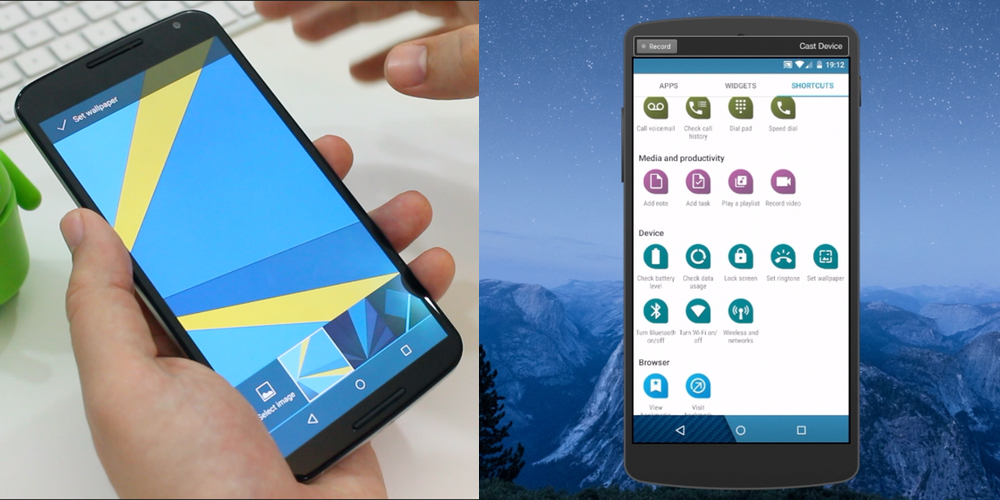
Everyone is curious to get a glimpse of what it’s like using the first Android-powered BlackBerry. Thankfully, by downloading BlackBerry’s launcher and other custom software, you can find out, without spending several hundred dollars on a phone…
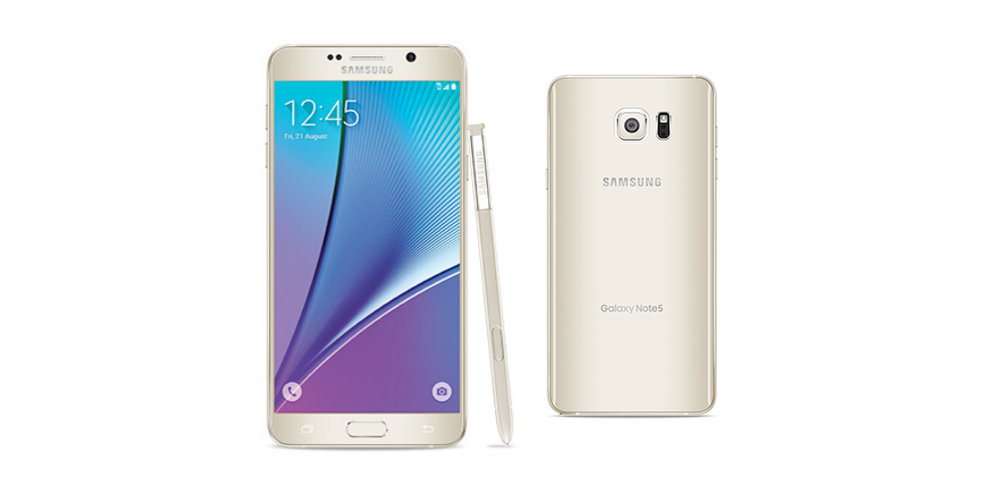
Along with its brand new Binge On unlimited video streaming, and double data Simple Choice plans, T-Mobile has also announced that the Galaxy Note 5 is now available in a fresh new coat of paint. T-Mo is now selling the Gold Platinum version of Samsung’s flagship phablet in both 32GB and 64GB flavors. Previously, T-Mobile only offered the black and white models.
[tweet https://twitter.com/askdes/status/664221347724132352 align=’center’]
You can order the Galaxy note 5 in gold on EIP with $0 down and 24 monthly finance payments of $29.17, or grab it with T-Mo’s JUMP! on Demand leasing program for as little as $15 per month as long as you trade in a phone. What’s more, if you use code NOTE5DEAL at checkout, you’ll get $50 off the full retail price. That’s $699 for the 32GB model and $779 for 64GB. Order direct from T-Mobile here.
It’s worth noting that if you want to save a little money on the Galaxy Note 5, you can pick up the black version on Amazon for just $633. What’s more, you’ll get it without T-Mobile’s preloaded bloatware and services.
Samsung has begun development on the firmware for both versions of the upcoming Galaxy S7, according to reports (via SamMobile). Development on both G930FXXU0AOK6 and G935FXXU0AOK6 started this month, perhaps signaling the phone could arrive earlier than usual. Last year, the same development work didn’t start until December, and the phone was announced at the beginning of March, at MWC in Barcelona. If there’s a similar gap between development and release this time around, we could see a phone announced as early as January or early February…

Periscope has announced a couple of new features for its popular video-streaming app for Android, both of which will make watching and finding videos much more convenient and wide-ranging…
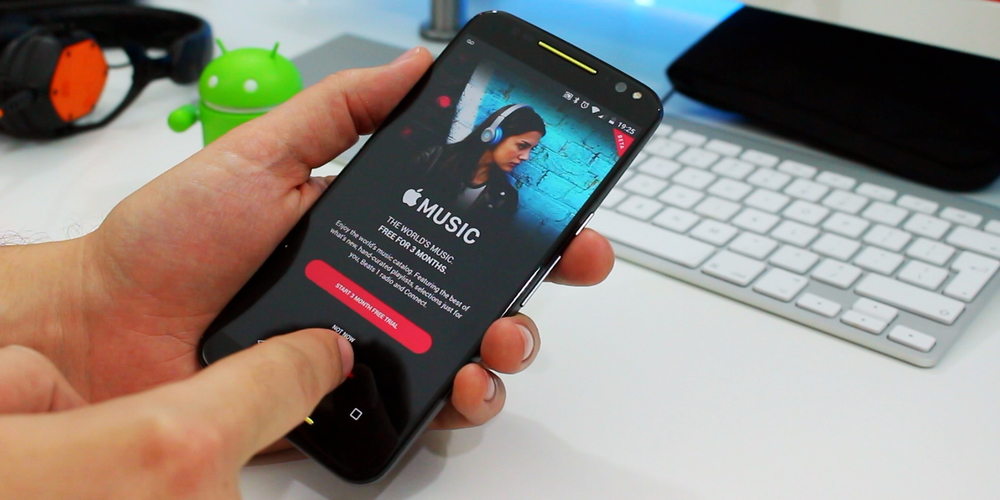
Apple Music is finally available to download for Android, so I wanted to give you a quick setup tour and first impressions of Apple’s second app for Google’s mobile platform. It’s free to download and offers almost all of the same features and services found in the iOS and OS X apps, including the option to sign up for a free three-month trial…
Expand
Expanding
Close
After months of testing, and pre-release teasers, Qualcomm has finally taken the wraps off its next generation flagship Snapdragon processor. The Snapdragon 820 has a number of capabilities and features which should mean all parts of your phone experience are fast and efficient. Surprisingly, the chip features half the number of cores found in the 810 chip, but promises to boost performance across the board…

Thanks to the impending arrival of Star Wars: Episode VII, one of this year’s most talked-about console games is Battlefront, which is undoubtedly one of the best (if not THE best) Star Wars games of all time. And now, it has its own official mobile companion app on the Google Play Store. The Android app was just released and features a number of mini games that unlock various objects in the full Battlefront console title…
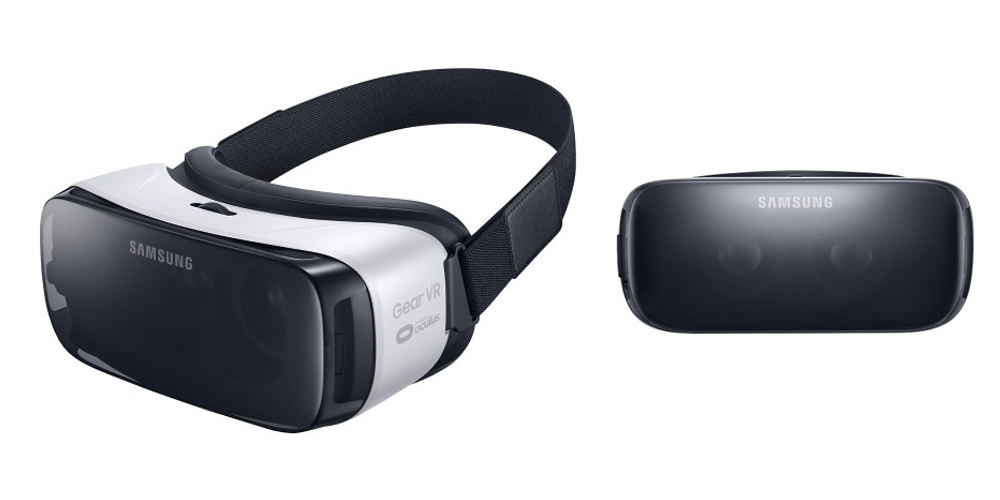
Back at its event in August, when it launched the Galaxy Note 5 and Galaxy S6 Edge plus, Samsung also unveiled the first consumer-focussed Gear VR headset. The ‘Innovator Edition’ tag has been dropped, and you can now pre-order the latest version of the Samsung Gear VR from Best Buy for $99. It’s compatible with all the latest flagship Samsung Galaxy products including the Galaxy S6, S6 Edge, S6 Edge+ and Galaxy Note 5.
Samsung built the new Gear VR to be lighter and more comfortable to wear than its predecessor. It’s built with flexible padding, has an easy-to-use touchpad on the side, and ships with a 16GB microSD card loaded with 3D movie trailers and 360-degree videos to enjoy right out of the box.
Multiple companies are aiming to transform the way we view multimedia with virtual reality. Samsung partnered with Oculus to create an affordable, smartphone-powered headset, while Google developed the even more budget-friendly Cardboard. HTC went more high end with its Vive (which is yet to be released), and of course, there’s Oculus’ own-brand set among others. Even YouTube recently updated its Android app to enhance it with VR content and site-wide Cardboard compatibility.
In short, companies are seeing VR as the next step in multimedia and are betting big to make it happen. Whether or not the Gear VR becomes a lasting or memorable part of that move is yet to be seen.

HTC has kicked off its special 24-hour holiday deals today, offering up to 30% off all of its products. Customers who order phones or accessories from HTC’s official online store can get either 15%, 20% or 30% discount, depending on how much they spend. As you’d expect, the more you spend, the more discount you get. Here’s how it breaks down:
As an example, you’d get about $100 off the $499 list price for the newly released One A9. Buy it together with the $180 Desire 626 and you’ll break the $650 barrier and receive a discount of just over $200, practically giving you the Desire 626 for free.
There are no special all CAPS codes to copy and paste at checkout. Add items to your basket as usual — anytime before midnight Pacific tonight, November 1oth — and you’ll get any qualifying discount added automatically. The deal is valid between 9pm Pacific last night and 11:59 Pacific tonight, and applies to any order up to $2000 before shipping and taxes. Orders have to be shipped to a valid address in the 50 United States, and the District of Columbia.
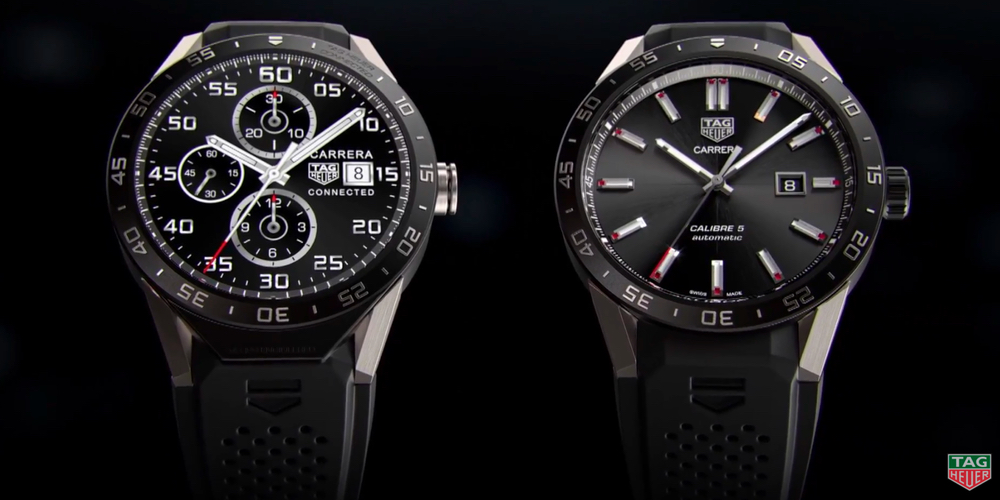
After months of teasing us, TAG Heuer — in partnership with Intel — finally announced its Android Wear powered smartwatch in New York. It marks the first time any luxury watch maker has officially unveiled an Android Wear watch, and comes with TAG Heuer’s world-renowned build quality. Despite being a smartwatch, TAG also wanted to make sure the device was a great watch and so ensured that it displayed time very accurately. It claims the watch is accurate to 1/100th of a second.
Expand
Expanding
Close

Google hasn’t been shy about sharing how it uses advanced neural networks (informally known as AI) in some of its products. The company has been teaching its machine learning tools a slew of new tricks in recent months. Google Photos uses it to easily find specific images based on your search, they equipped YouTube with the ability to better select thumbnails, reply to your emails from Gmail and made Google Translate far better at reading signs. And now, it wants to share its machine learning engine with developers, to make it even better…
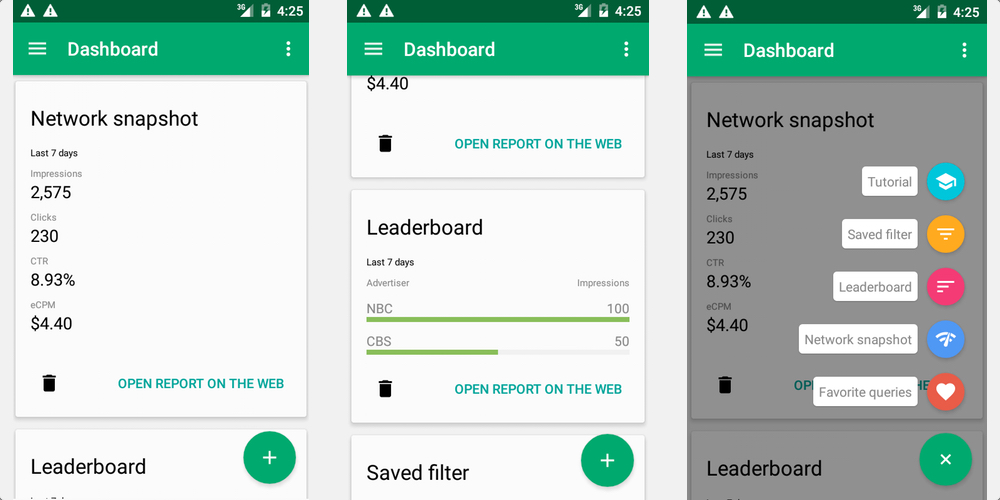
Google has finally launched an Android app for its DoubleClick for Publishers customers. This way, those who use the service to serve or sell ads will be able to keep on top of their performance without being tied to a desktop. If you are a DoubleClick for Publishers user, you’ll be able to monitor network performance by measuring several key metrics, including impressions, clicks, click ratios and CPM as well as individual advertisement performance.
All in all, it’s a pretty simple app, but potentially very useful to DFP customers. The description itself says nothing but the following:
Provides a high-level overview of a DFP network’s performance. The data is displayed in a series of cards, which contain information associated with what’s happening in your DFP network.
As you’d expect, it’s a free download from the Play Store. It’s compatible with any Android device running 4.0.3 or later.
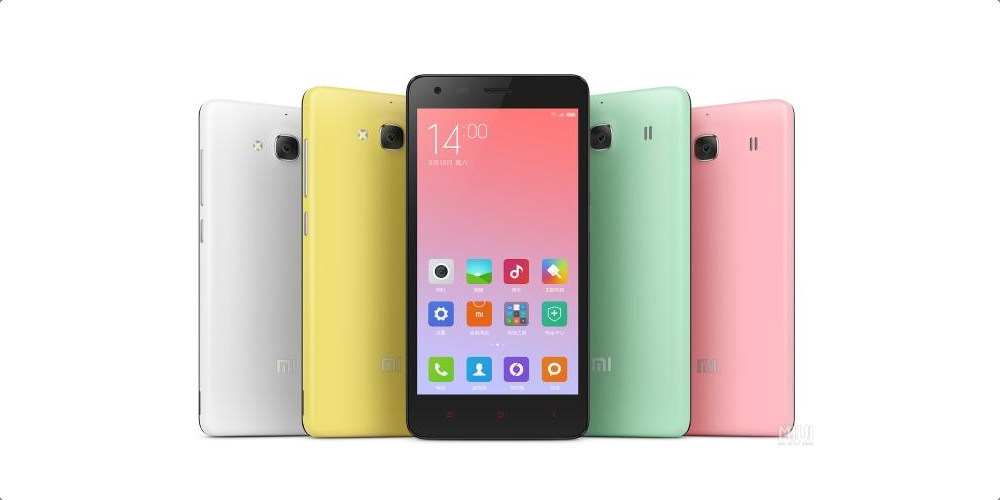
Xiaomi’s growth in its homeland may have been stunted recently by Huawei, but that doesn’t mean the company won’t continue doing what it does best: Churning out promising smartphones at crazy-low prices. Joining the new and improved Mi Band fitness tracker on store shelves on November 11 is a new ‘enhanced’ version of the Redmi 2.
The Xiaomi Redmi 2A features many of the same specs as its lesser-enhanced sibling, but with a couple of key improvements: More RAM and more storage capacity. Like the Redmi 2, the 2A features a 4.7-inch 720p display, 2200mAh battery, 8MP rear camera and 2MP front camera along with dual-SIM support and 4G LTE. Unlike the Redmi 2, however, it has 2GB RAM and 16GB storage, double the memory and storage of the original version. Inside the Redmi 2A, there’s a quad-core 1.5GHz chip made by Leadcore, which Xiaomi uses to run a skinned version of Android 5.0 Lollipop.
Like all Xiaomi products, it’s incredibly affordable. At just 499 Yuan (around $80), it’s the same price the original Redmi 2 launched at when it first hit the market. Also, like all Xiaomi products, getting hold of one this side of the Chinese border will be difficult. It’ll launch in China later this week, but no plans to launch internationally have yet been announced, at least not officially. If you really want to check it out, be sure to keep an eye out on sites like eBay, they typically make their way to the popular marketplace eventually, albeit at a slight premium.
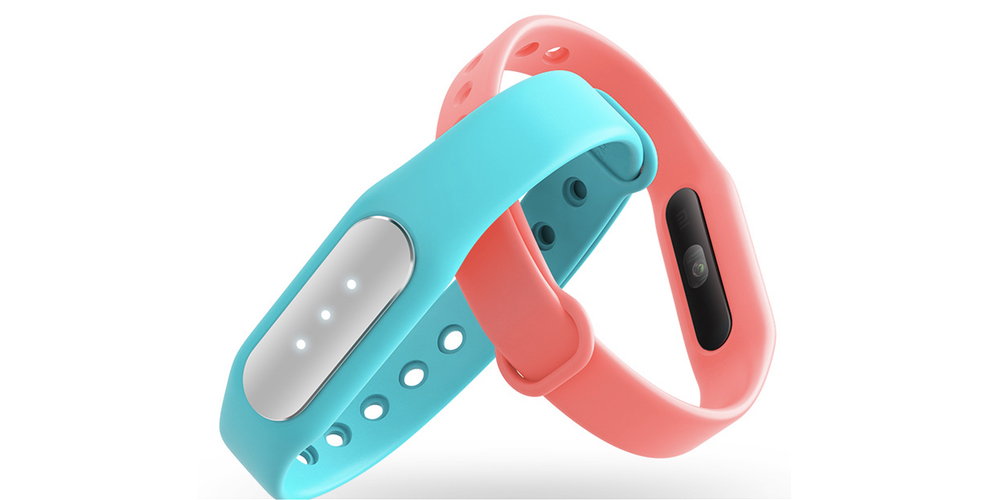
Xiaomi sure knows how to make affordable products that punch above their price point. Whether it’s an Android-powered TV, flagship smartphone or a fitness tracker. The Chinese manufacturer just updated its range of fitness trackers with the second generation Mi Band, and it offers a lot for the money.
The updated Mi Band has many of the features you’d expect to find in a basic FitBit or Jawbone tracker. It’ll help you set goals via an Android app and calculate distance travelled, calories burned and track various exercises. It can track your sleep, and has a built-in vibrator motor to alert you when receiving calls. What’s more, if you manage to pick up the more expensive 99 yuan ($15 USD) model, you’ll get a heart-rate monitor too.
Design-wise, it’s a toned-down affair. It’s essentially a metal capsule containing all the necessary sensors and components inside a basic, flexible TPU wrist-band. No watch-face or screen of any kind, just a few LED lights. Saying that, it’s designed to be waterproof, drop-resistant and can last 30 days on a single charge. In other words: It’s not fancy, but has all the features necessary to be a great phone-connected fitness band and it lasts forever.
The 2nd gen Mi Band is launching in China on November 11, and the company hasn’t announced its plans to ship internationally. However, you should still be able to pick them up on specialist Chinese tech import sites in Europe and the US cheaply. A quick search on eBay reveals that the first gen Mi Band isn’t hard to get hold of, although you may have to pay a couple of dollars extra to get it. The 2nd gen will undoubtedly follow soon.
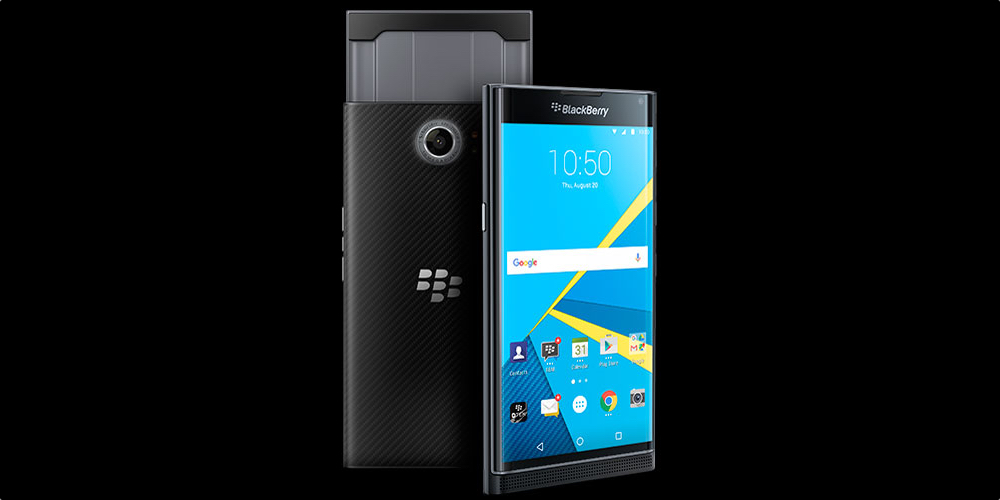
Verizon has confirmed through its official Twitter handle that the BlackBerry PRIV is heading to its store shelves soon. The Portrait-slider doesn’t have a specific release date or price on VZW yet, but you can sign up to register for updates on Verizon’s store page.
[tweet https://twitter.com/VerizonNews/status/662727973351526400 align=’center’]
Verizon is the second big carrier to officially offer the PRIV for sale. It’s biggest competitor, AT&T started selling the device yesterday, getting a jump start on ‘Big Red’. It’s too early to tell how well the launch is going for the once smartphone king from Waterloo, but early reaction from tech fans has been positive.
The PRIV features a large 5.4-inch dual-curved Quad HD AMOLED display, and a hexa-core Snapdragon 808 processor paired with 3GB RAM. It has 32GB of storage as standard (expandable up to 2TB), 18MP OIS-equipped camera, 4k video recording and a 2MP front facing camera. It also features the trademark physical keyboard and costs a princely $699 from BlackBerry’s online store. It’s hard to imagine that Verizon will offer it any cheaper.