In the middle of seemingly stalling profits and a general slowdown of the smartphone industry — like Apple‘s notable first quarter of YoY growth drop in years — Samsung seems to be enjoying a moment of sunshine bathing.
Eleven months after losing the leadership to the Cupertino giant, the Korean manufacturer has climbed once again to the top of the US vendors’ list, as per a Counterpoint Research report (via Business Korea)…
A new open source project called PieMessage enables cross-platform iMessage support, allowing Android users to communicate using Apple’s iPhone messaging platform.
In the video below, we get a short look at the PieMessage app in action with a still unreleased prototype version of the app.
A short while ago, Google and HP announced a brand new metal-clad Chromebook which boasted some impressive specs, including the powerful, efficient Core M chips from Intel, high resolution screens, generous RAM and more than one Type-C port. In a lot of ways, this is the more affordable laptop the Pixel should have been, and will give the Dell Chromebook 13 a run for its money. But how does it compare to the other Core M laptop; Apple’s latest 12-inch MacBook?
The latest figures from Strategy Analytics show that Chinese brands Huawei and Oppo were the main winners in a year that saw the first ever fall in global smartphone sales, with established brands Samsung and Apple both seeing falls in their share.
Linda Sui, Director at Strategy Analytics, said, “Global smartphone shipments fell 3 percent annually from 345.0 million units in Q1 2015 to 334.6 million in Q1 2016. It is the first time ever since the modern smartphone market began in 1996 that global shipments have shrunk on an annualized basis. Smartphone growth is slowing due to increasing penetration maturity in major markets like China and consumer caution about the future of the world economy.”
While Samsung held its number one place in the rankings, it saw its sales drop by 3.7M year-on-year, while Apple’s iPhone sales dropped by 10M in the same time-frame. It was Chinese brands which picked up these lost sales …
While Xiaomi and Huawei may be battling it out for the top spot in China, both brands are reportedly being hit hard by Apple’s cheapest-ever iPhone, the iPhone SE.
It was previously reported that third-party retailers in the country received 3.4M preorders before the iPhone SE went on sale, and now a supply-chain report says that Apple is taking market share from local brands.
For both Google and Apple, the operations on their virtual stores are hugely important, as they account for millions of dollars. However, there has historically been a disparity between the number of downloaded applications and the actual money generated by them, a trend that seems to have peaked in the first quarter of this year.
According to App Annie‘s Index Market for Q1 of 2016, in fact, Google’s Play Store saw a number of downloads that roughly doubles that of the iOSApp Store, which in turns represents the platform with the highest profitability, with over 90% more revenue generated over its counterpart…
Re/code today reports that Silicon Valley icon and longtime Google advisor Bill “The Coach” Campbell has passed away at age 75 after a long battle with cancer. The unfortunate news comes from “many prominent tech players,” following earlier unconfirmed reports. Campbell was a mentor to many tech leaders, including Steve Jobs, Larry Page, Eric Schmidt, and Jeff Bezos.
We’ve recently argued that the Galaxy S7 edge may represent the culmination of the “Smartphone 1.0 era”. It won’t please everyone about everything — and no such thing will likely ever exist — but it’s indubitable how all of the cornerstones of a modern smartphone have been tackled cleverly by the Korean giant, and all its positives can even justify its hefty price tag. Actually delivering something that steps up the game in a significant way, in fact, looks like a very tough challenge. Perhaps we will have to wait until true, Project Ara-like modular smartphones show up before radically rethinking the way we look at hardware, but the software roadmap seems to be getting clearer, with a future studded with bots.
Microsoft is betting big on them as a major part of the future of computing, and so is Facebook. There is a case that could be made for them to become the new apps — and this certainly is how these two firms are pitching the concept. Chances are that Google will follow sooner than later, and I think that if the general idea of bots we have been so far given remains valid, the owning of a platform as popular as Android may leave the Mountain View behemoth with quite an interesting card up its sleeve, which could give them a notable lead in the upcoming war for bots dominance, were they to play it cleverly…
By means of third-party utilities, Android has featured the ability to stream to AirPlay devices like the Apple TV for some time now, but no Android device has ever shipped with native AirPlay support in tow. That all changes with the launch of the HTC 10, the first device to ship with officially licensed support for Apple’s popular AirPlay protocol.
Apple’s recently open-sourced programming language, Swift, may be seeing itself get adopted into Google’s Android platform in the future. Sources have told The Next Web that Google is “considering making Swift a ‘first class’ language for Android”. Expand Expanding Close
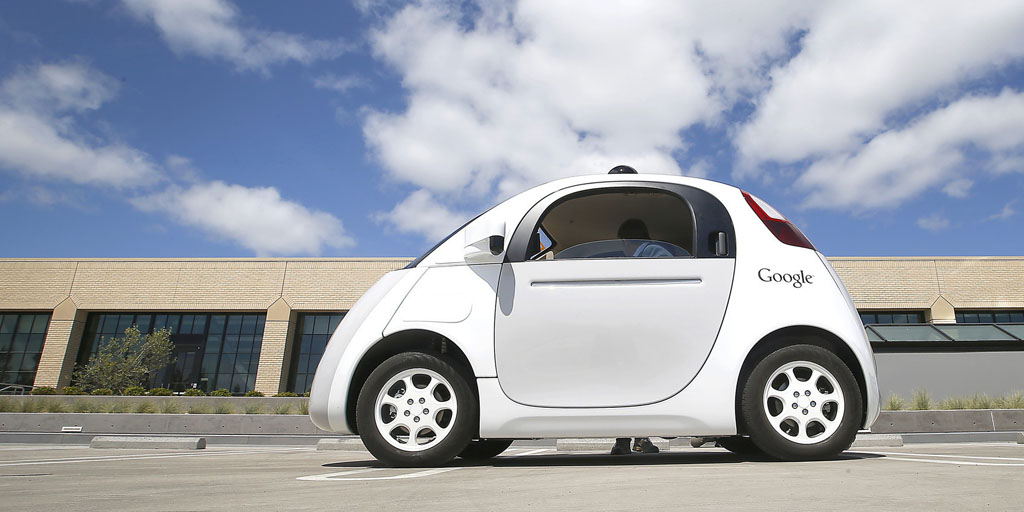
Reuters last month reported that Google has been bolstering its self-driving car team as of late, and now as April rolls in, we’ve uncovered some more information on new hires as the team continues to expand. In one case, Google has added an ex-Apple global supply manager for the iPhone and the Apple Watch to the self-driving car supply management team…
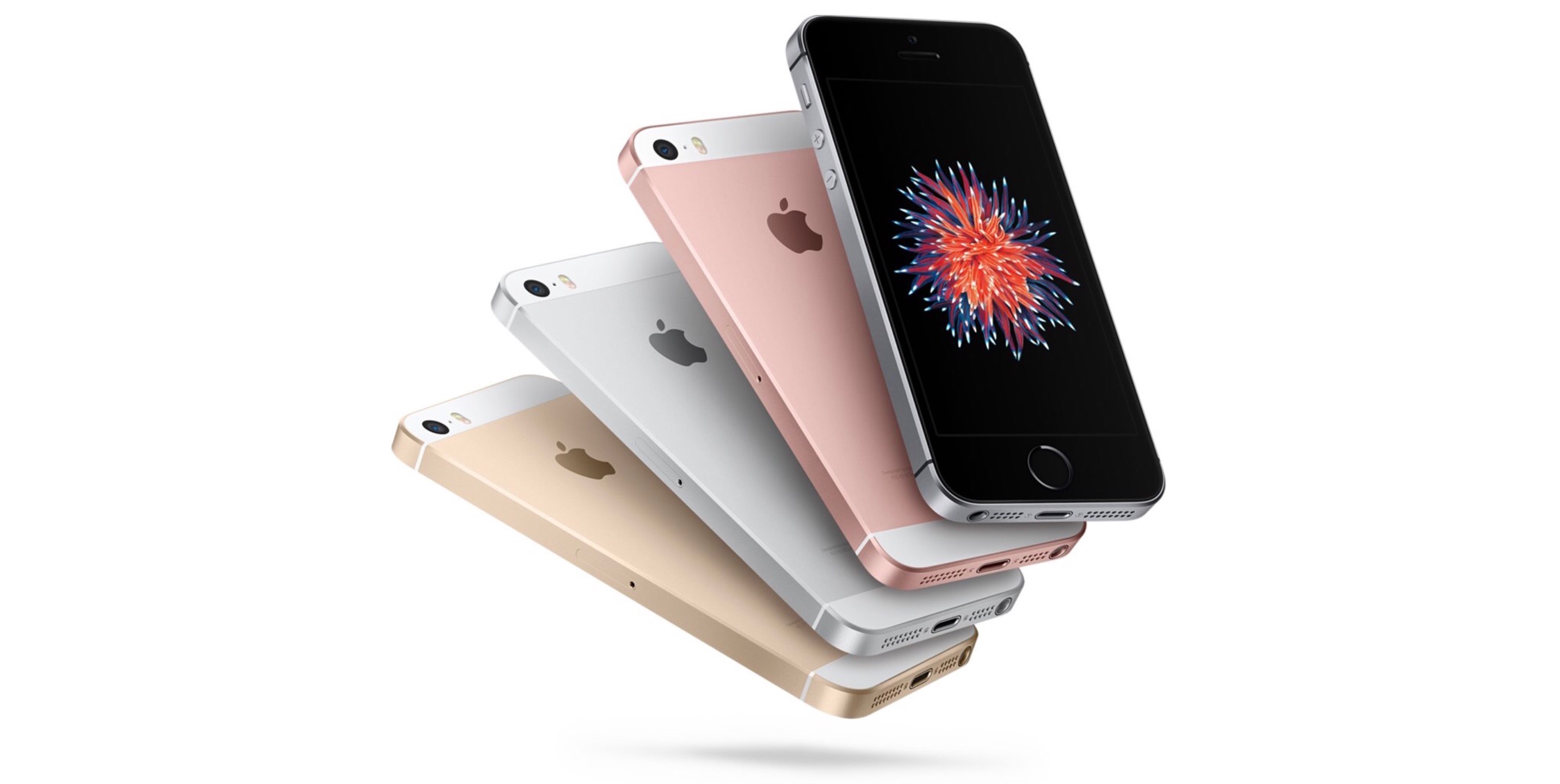
Yesterday morning, at a relatively low key event without much fanfare and following the almost ritual avalanche of leaked schematics and what have you, Apple officially announced the iPhone SE. With a chassis virtually identical to that of the iPhone 5s – and 5 before it, for that matter – the smaller-sized iPhone came back in all of its four-inch glory, and not without raising eyebrows.
According to the company’s claims, however, about thirty million people bought a 4-inch iPhone last year, amounting to almost 8% of all Apple phones sold. Considering the massive marketing push made to advertise the four bigger-screened iPhones introduced in the past couple of years, that certainly is no small feat, indicating that there indeed still is interest for smaller devices, a market the Cupertino giant would be naive to ignore.
Sure, the much more variegated Android landscape has offered a few notable options in years past, but those were either afterthoughts, less powerful ‘mini’ versions of established flagships, or devices explicitly designed to be sub-par when compared to their siblings. The iPhone SE may lack 3D Touch and newer-generation Touch ID, but the rest of the package is clearly inspired by the iPhone 6s’ spec-sheet, and nothing says that this smaller sibling isn’t here to stay.
And that begs the question of how this is going to impact the Android landscape. Are Android manufacturers going to follow suit the coming years, or instead pray for the SE to be a one hit wonder (or a complete dud) – and thus something less to worry about?
The never-ending battle between Apple and Samsung over an alleged design patent violation is going all the way to the Supreme Court. Apple previously formally requested that the Supreme Court not grant the case a hearing, but the decision to hear the case was issued this morning.
Update: Samsung got in touch to say they’d read the article, and to assure me that steps are in place to improve its returns/exchange process for customers.
In respect of the other points raised we do empathise with your frustrations and can assure you that actions are underway and, in some cases, in place (the Samsung Shop is now able to offer exchange products for failures within the returns period) to ensure that we improve our service and support moving forward
It’s hard to imagine there was once a day when Android flagship phones performed noticeably worse than an iPhone. A few years ago, if there’s one thing Android OEMs were known for, it was pushing the most specced-out plastic phones possible. Most of the time, the specifications didn’t translate to a much better experience.
Despite more impressive-sounding specs, the Android flagships were noticeably slower than iPhones, their cameras were terrible and the fit and finish, or build quality was — quite frankly — woeful. It wasn’t true for every phone, but it was a prevailing theme.
A lot has changed over the past 4-5 years. Android phones have caught up with, and arguably, surpassed the iPhone. They have the best cameras, they’re fast, have useful tech like fast/wireless charging, big batteries, SD Card slots, waterproofing, crazy high def OLED displays and are somehow more affordable. What’s more, Apple’s cloud services which underpin its hardware leaves a lot to be desired, especially in staples like photo management, maps and messaging.
But there’s still one major area that Android manufacturers need to get their act together on: Customer Service.
IDC’s latest report is out today with new estimates based on worldwide wearable shipments, and in it is a prediction that Apple Watch will hold the market lead this year and through 2020 as Android Wear begins to close the gap.
While the report shows estimates based on overall wearable shipments, which IDC says will go from 72.2 million last year to 100 million in 2016 for watch and wristband products, it also shows a breakdown of estimates for leading smartwatch platforms by operating system…
According to CRN and other sources, iCloud will soon be partially powered by the Google Cloud Platform by way of a deal that could also be used as leverage to cut its cloud costs with Amazon and Microsoft. Such a move is a big win for Google’s burgeoning cloud enterprise business.
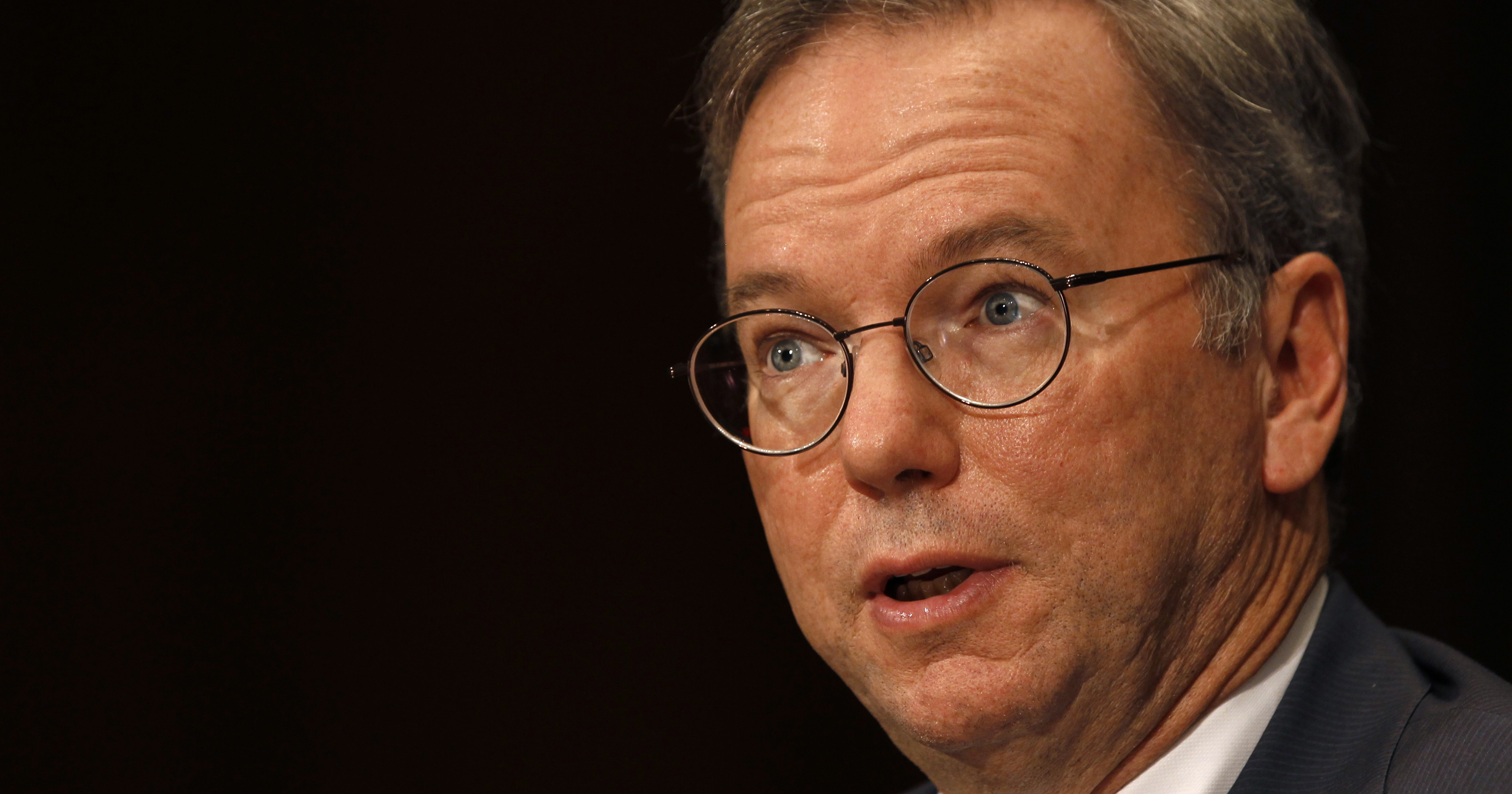
Eric Schmidt is in South Korea this week to witness Google’s AlphaGo AI system completely destroy the world Go champion at his own game. Sedol lost the first game yesterday, saying then that he was “very surprised”. Today he lost again. “It was a clear loss on my part,” he said. He had predicted before the matchups began that he would win the five-game series 5-0 or 4-1 “at worst.”
But while the Alphabet Executive Chairman is in South Korea to witness the monumental battle, the Korean press (OSEN, in this case) is clearly focusing on something else. As you can see in the pictures below, Schmidt was caught at a press event this week taking pictures with an iPhone…
Google today has joined over twenty other tech companies and filed a joint amicus brief with the U.S. federal court, expressing support for Apple in its battle with the FBI over unlocking an iPhone used by one of the gunmen in the San Bernardino terrorist attack. Google filed a joint brief with companies such as Facebook, Microsoft, and Snapchat. Another joint brief was also filed today by Twitter, Airbnb, and others. Google explained its motives in a blog post, curiously never mentioning Apple by name…
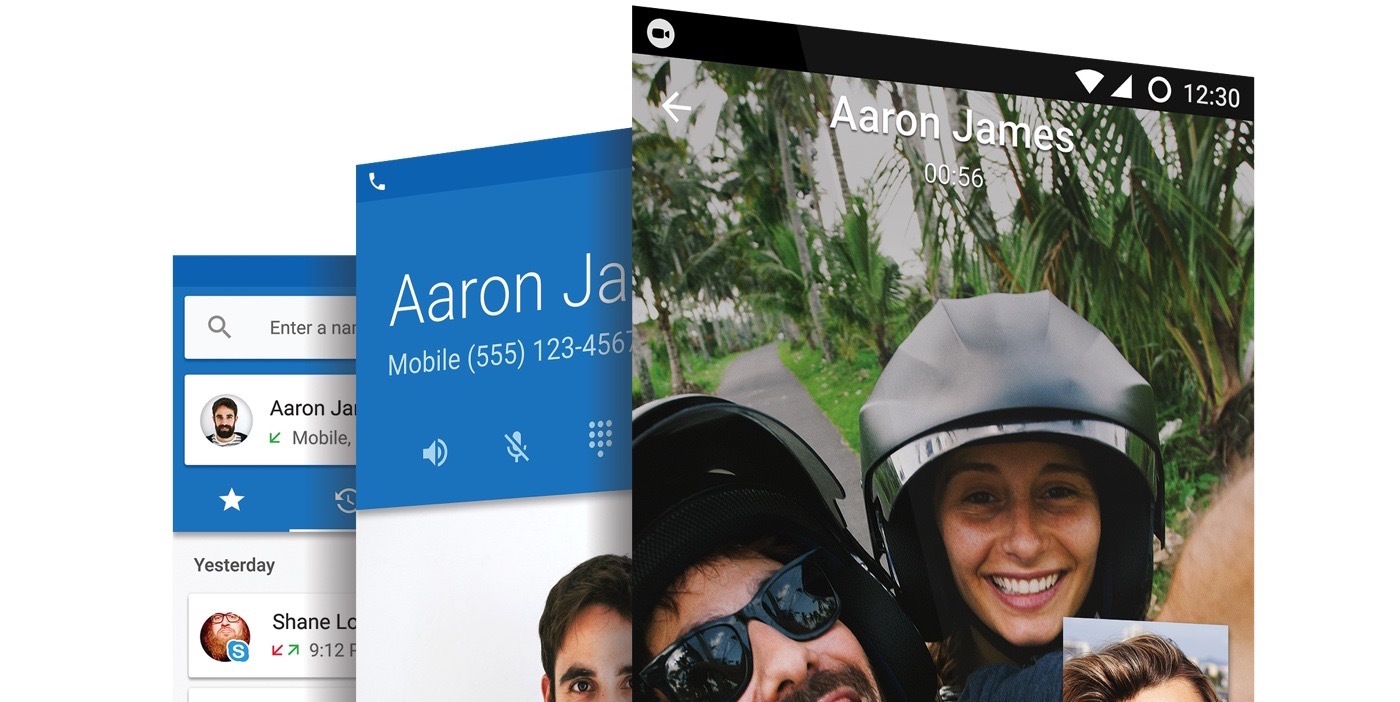
Cyanogen has today announced a new platform called “MOD,” giving developers deeper access to the Android operating system and allowing them to take advantage of platform APIs that are otherwise out of reach. Microsoft, for example, has built a Skype mod that allows users to add VoIP calling functionality directly to the Android dialer, as well as a Cortana mod that replaces Google Now on an OS level…
Update: A new hands-on video shows the $4 iPhone clone in all its glory (embedded below).
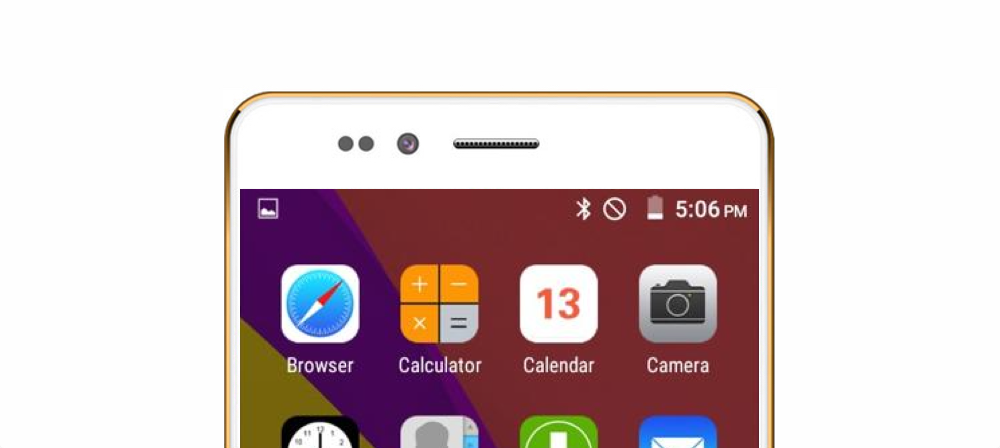
We told you earlier today about the insane $4 Freedom 251 phone, and now at least one publication has managed to get their hands on the device. Initial impressions aren’t great, and it looks like this phone — unsurprisingly — is just a mess of copyright infringement. Not unlike many other low-end offerings from dozens of overseas manufacturers, the phone pulls a lot of “inspiration” from the Cupertino company’s smashing successes…
Google has today uploaded its latest “Be together. Not the same.” ad to YouTube, and it’s a profound statement of how the company views its mobile platform, as well as how it views competitors. In the ad, dubbed “Monotune,” an unnamed pianist plays a tune in two versions: one using all the piano’s normal variety of keys, and the other on a special piano Google rigged to play the same note on all its keys…