Google Maps



Last year, the rebranded Google Pay added a slew of new features, including passes and transit cards. The payment app now supports Mobile myki in Australia with a number of smart features, while the app recently added a Material Theme account switcher.


Google Maps is currently rolling out the ability for users to create public events at a specific business or location.

Google has slowly been rolling out its revised take on Material Design for the past several months. Following a similar update to its Android app, Google Maps is now picking up Google Material Theme elements on the web.
Expand
Expanding
Close
Google last year revamped its Maps Platform API and also catered it towards AR gaming. Many of these experiences, like Pokémon Go, take advantage of location data and today Google is adding three new features to makes games more immersive, realistic, and powerful.
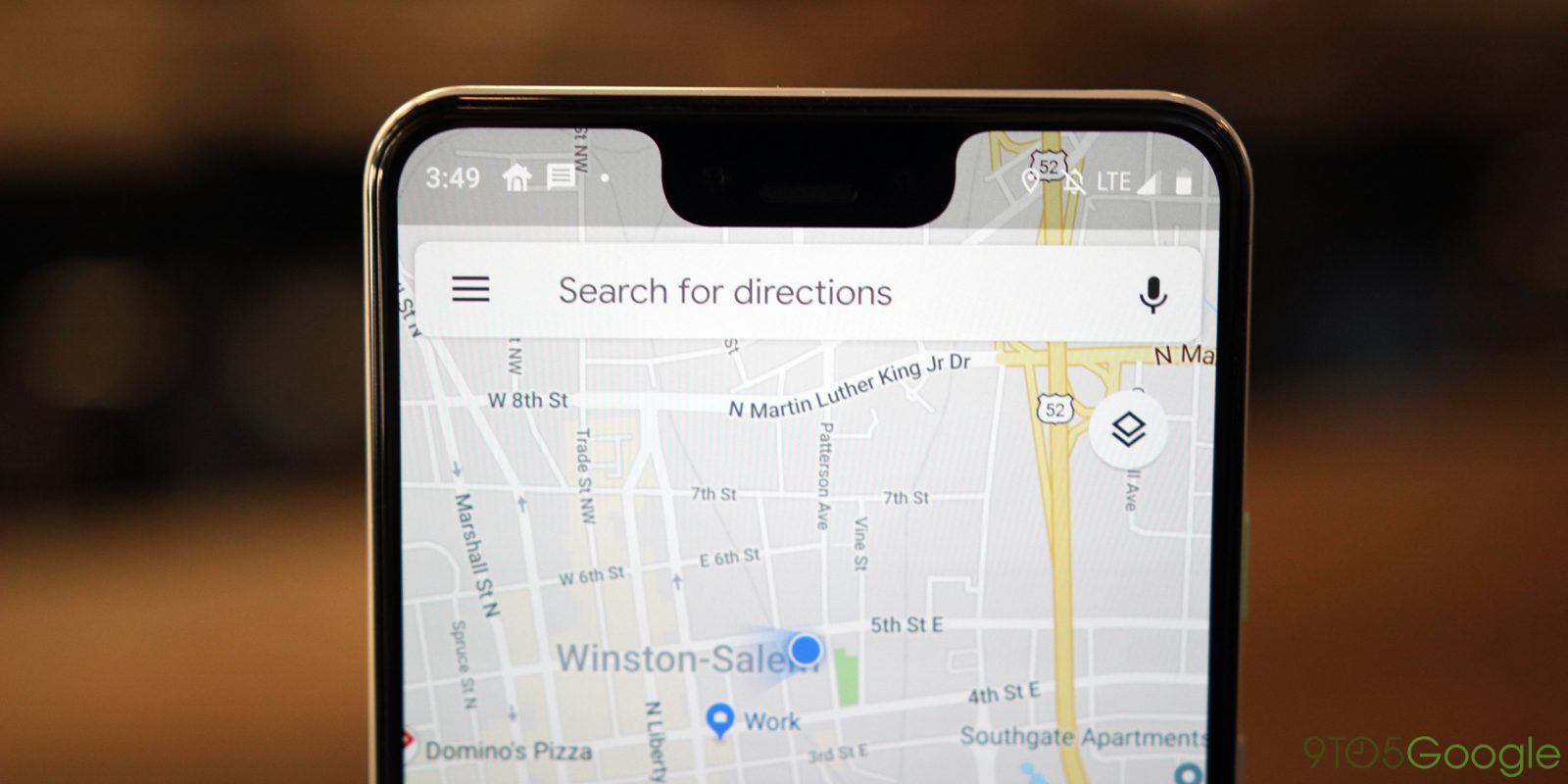
Earlier this year, Google Maps rolled out the welcome addition of speed limits in navigation, and also started showing speed traps and accidents too. Now, it seems like reporting features for speed traps and accidents are rolling out more widely.
Expand Expanding Close

Towards the tail end of 2018, Google Maps added the ability for users to find out the location of Lime scooters in a very few select cities globally. The service has now rolled out to a further 80 cities around the planet.
Expand
Expanding
Close
Earlier this month, Google provided the first demo of AR navigation in Maps for Android and announced that Local Guides will be the first users to gain access. Google this week is now reaching out to Local Guides on both Android and iOS.
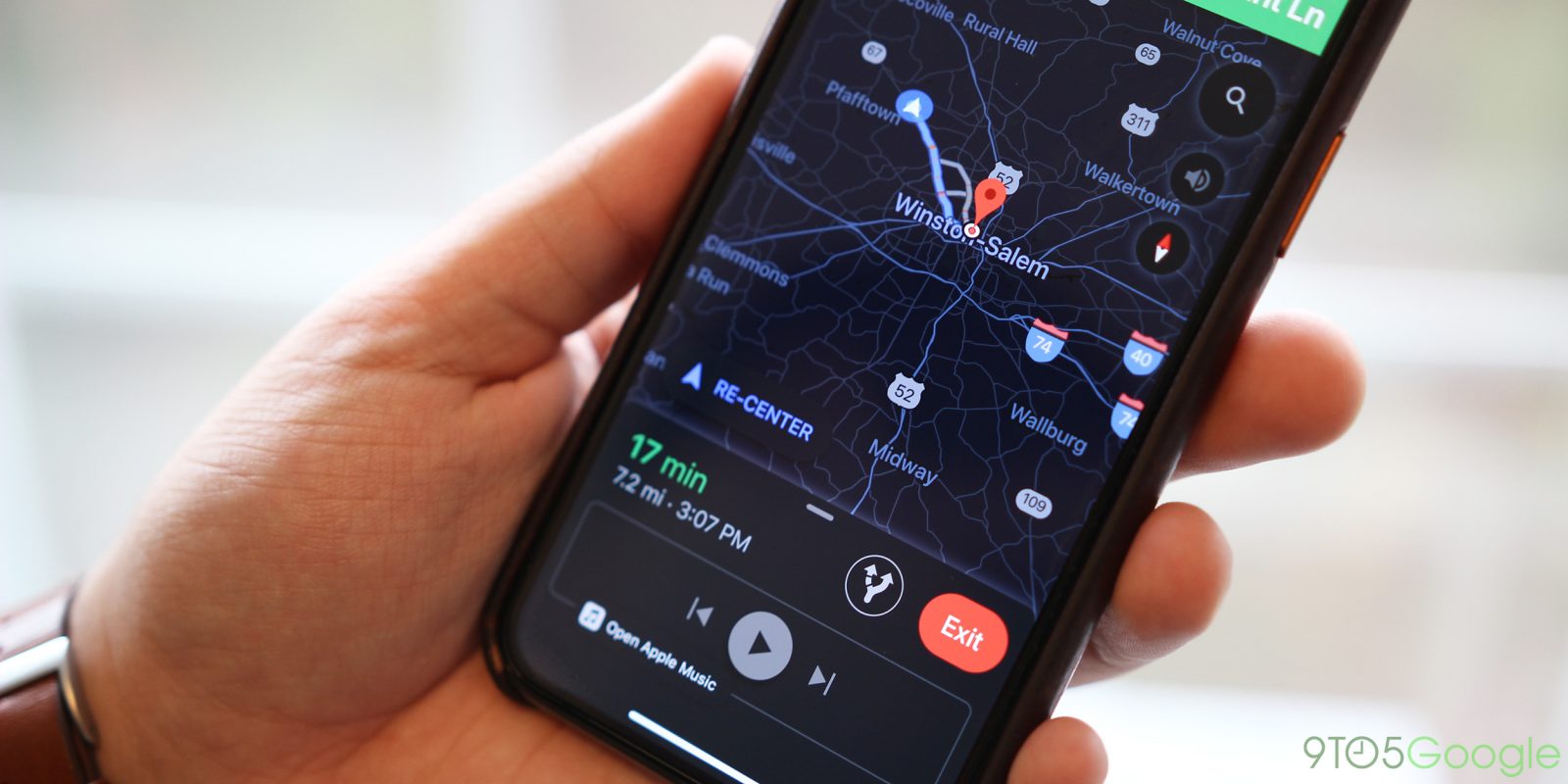
One of the most used apps on your device is probably Google Maps. From navigation to information about nearby businesses, it’s a huge source of information. Now, Google is introducing a complaint form for Maps which allows easy reporting of misleading or fraudulent activity.
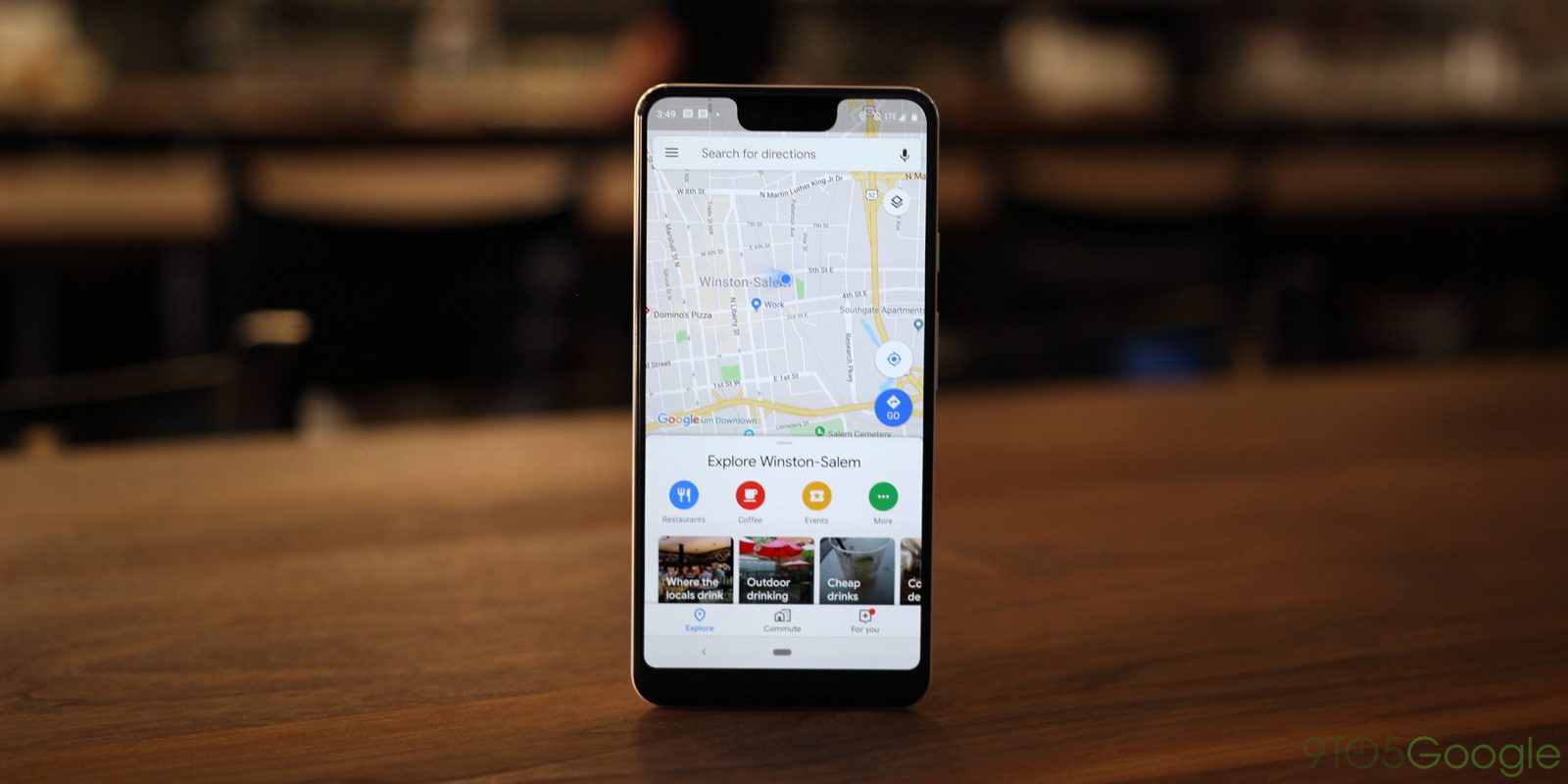
Over the weekend, Google Maps co-creator Bret Taylor shared a funny anecdote about the early days of the product. The Twitter thread tells the story of how Sergey Brin wanted to name what is widely known today as the “Satellite” map view “Bird Mode.”
Following yesterday’s MWC 2019 announcement that more phones will feature dedicated hardware buttons, Google is expanding where users can access Assistant. It will soon be available in Messages for Android, and coming to more languages in Google Maps.

The opioid crisis in the U.S. is an ongoing public health emergency, with Google noting that searches for “medication disposal near me” reached an “all-time high” in January. In light of that, it’s now easier to find those locations in Google Maps and Search.
In recent months, Google Maps has added a number of features from a complete Material Theme redesign to revamped trip sharing. The latest update adds a new feature to the “For you” tab that allows users to follow stores and get updates.
Last month, Google Maps rolled out speed limits and speed camera alerts, while making the Google Assistant feature official at CES 2019. Google Maps 10.10 is now in beta with a new “Personal events” setting, work on automatically deleting Location History, and more.
A report yesterday revealed that the upcoming Google Maps AR navigation mode is first being tested with Local Guides. Google is now detailing the “global localization” technique behind the feature and how it leverages a Visual Positioning Service, Street View, and machine learning.
While real-time Google Lens was the big augmented reality announcement at I/O 2018, another exciting in-development feature was teased. Google Maps is working to leverage the camera to overlay walking directions, business listings, and other helpful guides. A first look today details the interface and that’s it coming first to beta testers.
Slowly but surely, Google has been applying its Material Theme to Google Maps for Android. This week, it seems a server-side change has added Material Theme to the search interface of the popular navigation app.
Google Maps is a very powerful navigation tool, and it’s only getting better lately. Now, a new feature is rolling out to users on Android which assists in improved trip planning.
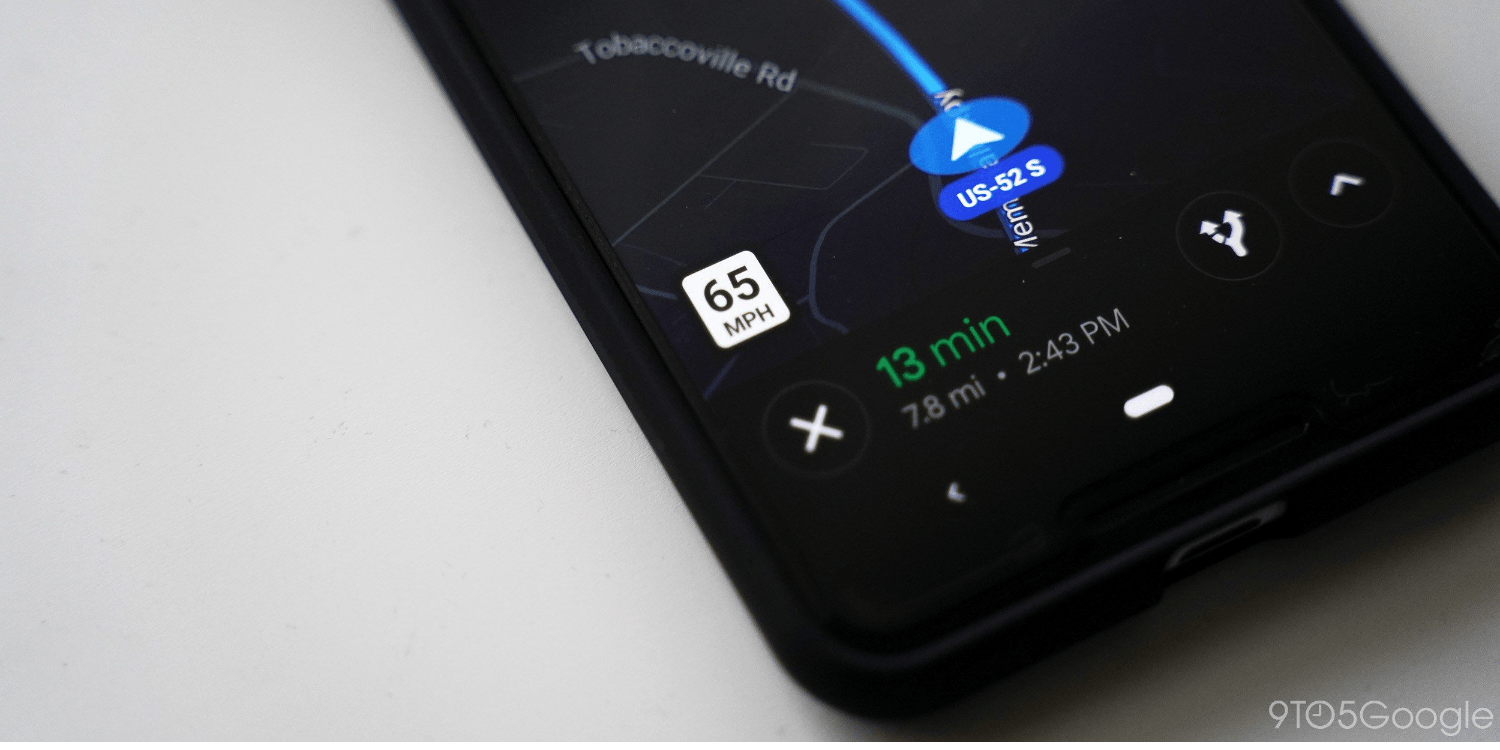
After being in testing for over two years, Google has finally widely launched speed limits within Google Maps this week. Following a smaller rollout earlier this week, the feature is now rolling out on a much wider scale in regions around the globe.
The ability to show speed limits is a highly requested feature for Google Maps, but it’s never seen a wide rollout. After going live for the Bay Area as far back as 2016, it seems we’re finally seeing an expansion to a few more areas around the United States.
Slowly but surely, Google Maps has been testing some useful reporting features similar to what’s seen in Waze. Now, it appears Google Maps is testing out new speed trap alerts with some users.
Back at I/O 2018, Google announced a navigation-optimized Assistant for Google Maps. It began rolling out in December, and is now officially available on both Android and iOS at CES 2019. Voice commands let users safety interact with their phone while driving and adds new features like auto-punctuation for replies.
In 2017, Google introduced the first major upgrade to Street View cars in eight years aimed at capturing higher-resolution images. The Google Maps team is now slimming down the Street View Trekker backpack used for capturing 3D imagery on the go.
Android’s share sheet is notoriously slow and clunky, with Google promising a redesign that is “much faster.” The backend architecture needs a revamp, but the interface itself contributes to the problem. Google Maps is now rolling out a new sharing menu design that does a great deal to address the problem.

Google offers up quite a lot of free perks to its Local Guides users, and that’s because they help so much with improving Maps. For the holidays, Google appears to be sending out a pair of nifty socks to some Local Guides.