Stay up to date on news from Google headquarters. Be the first to learn about plans for Android, Google Plus, Google Apps, and more!
Stay up to date on news from Google headquarters. Be the first to learn about plans for Android, Google Plus, Google Apps, and more!

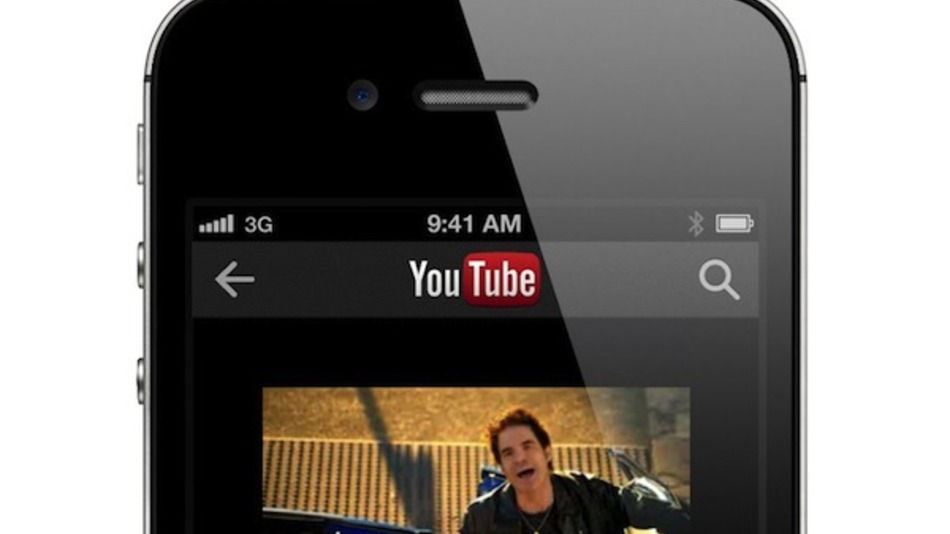
The YouTube Creator blog reveals that offline video viewing will be launched in November, but doesn’t reveal any details.
We’re always exploring ways to bring more viewers to your content. As part of this effort, later this year we’ll launch a new feature on YouTube’s mobile apps that will help you reach fans — even when they’re not connected to the Internet. This upcoming feature will allow people to add videos to their device to watch for a short period when an Internet connection is unavailable. So your fans’ ability to enjoy your videos no longer has to be interrupted by something as commonplace as a morning commute …
Expand
Expanding
Close
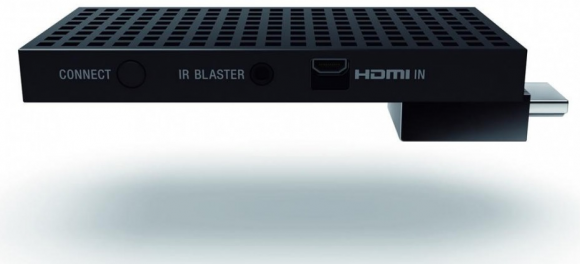
The Sony TV device spotted in an FCC filing last month was briefly unveiled by Sony in a blog post that has since been deleted. Engadget spotted the post for the Sony Bravia Smart Stick before it was pulled.
It’s an MHL dongle that runs both Google TV and Sony’s own BRAVIA apps. The features are just like Google TV boxes Sony has released before, with a remote (that the FCC filings showed is at least similar to the previous ones) that has QWERTY and voice search support. Additionally, its “picture-and-picture” feature lets users see a browser in one window and TV in another …
Expand
Expanding
Close

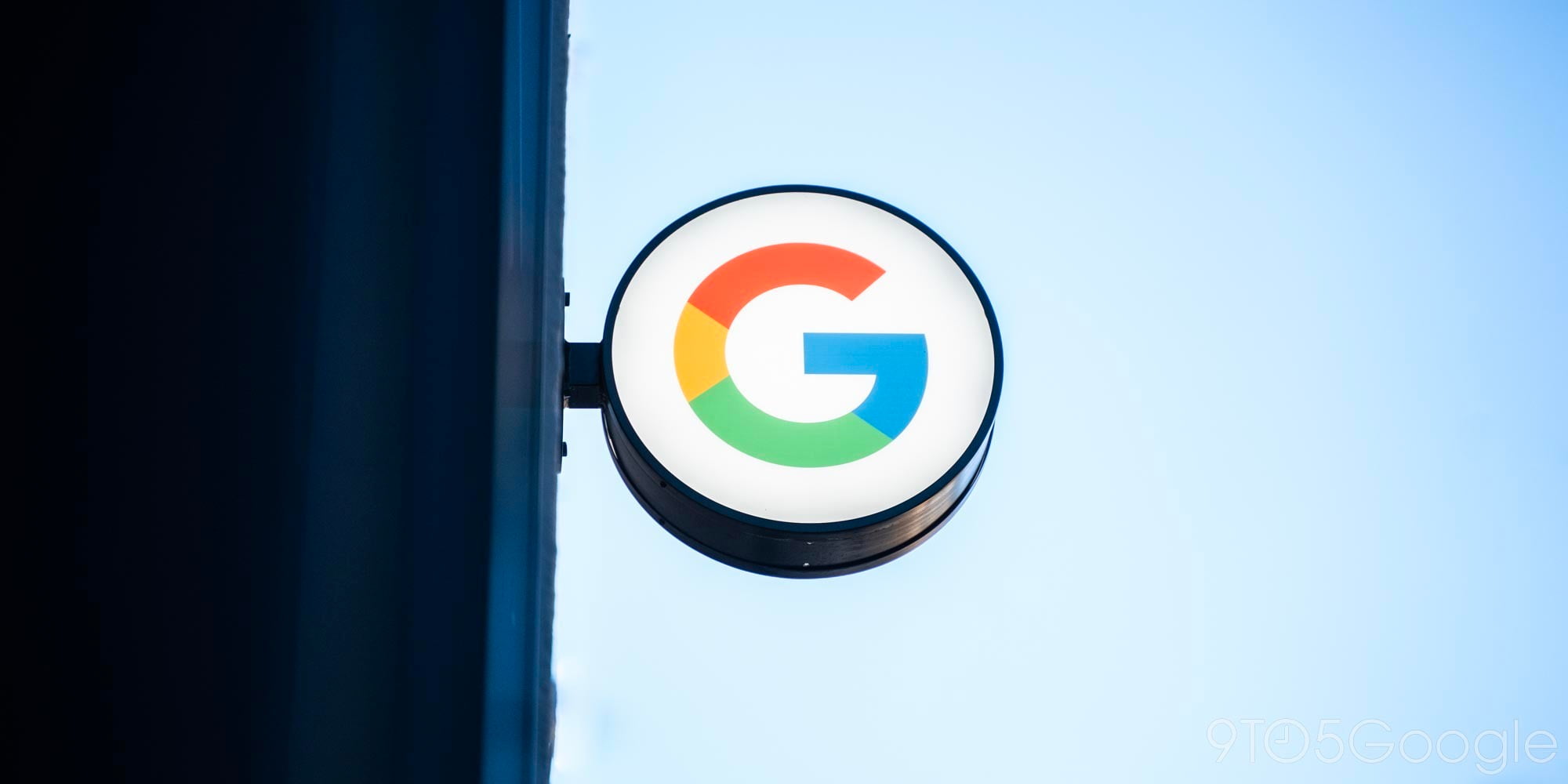
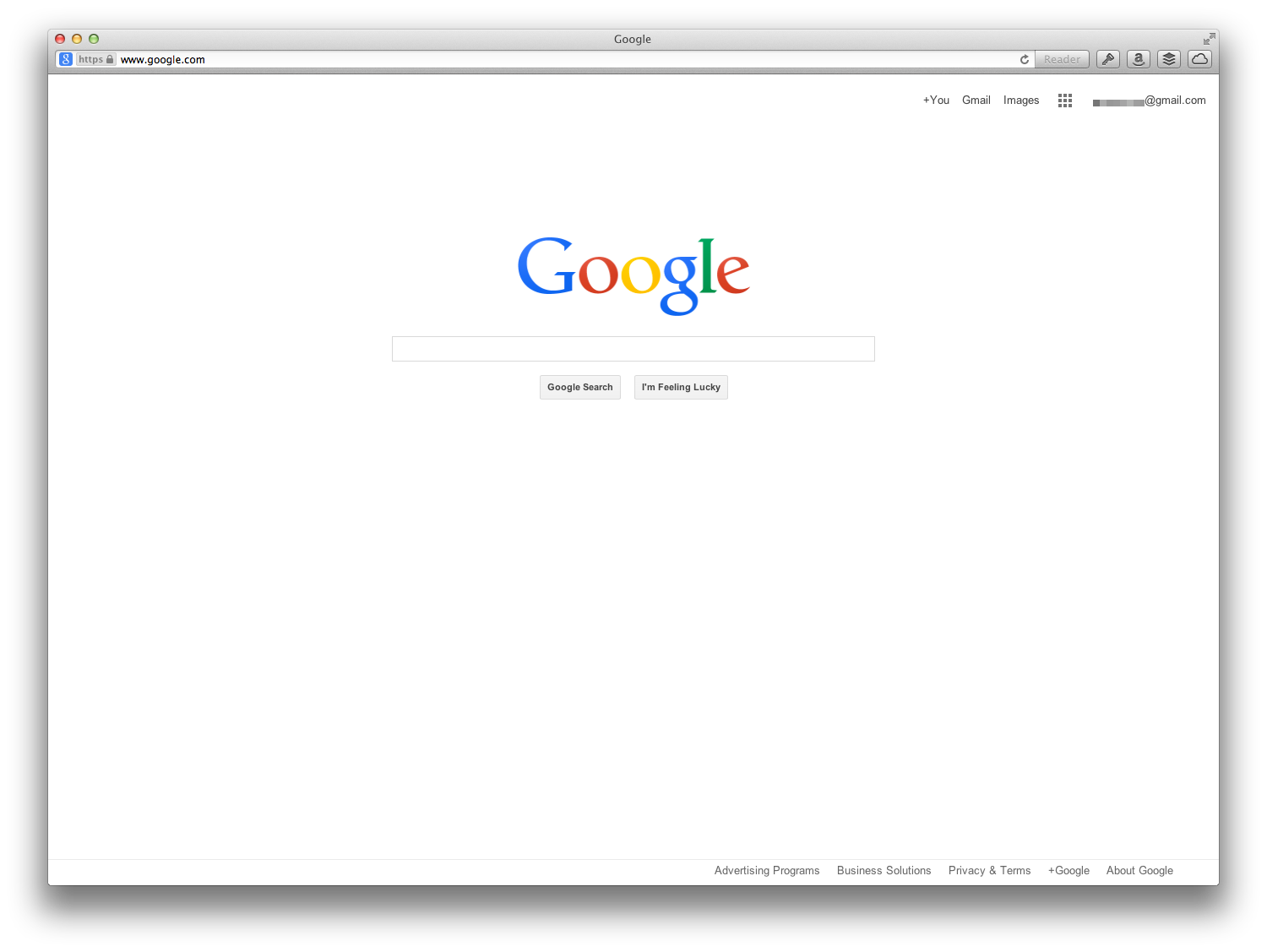
Google is currently split-testing a new Google homepage layout. The redesign is not drastically different to tradition, but Google seems to be testing a different look for its persistent top-bar. As shown, the black strip as well as most of the shortcuts to other Google properties have been removed. In this version, the only shortcuts in the top navigation are links to Google+, Gmail and Google Images.
Notably, this design uses the flatter logo previously seen in the new Chrome for Android beta. At the time, The Verge said a source refuted claims that this is a new logo, saying that the flatter look was only meant for places where the traditional logo would not display well, such as when printed onto banners. However, this homepage redesign shows that Google is at least considering to use this new logo as their main branding in the future.

Twitter has just pushed out version 5.0 of its Android app to those that are part of its Android beta program. With the new release comes a brand new design that introduces a new slide-out menu on the left hand side, while still keeping the familiar tabs along the top of app and adding a few new ones for Trending, Activity, Find people. You’ll notice other areas of the app have been streamlined as well, but there’s not yet an iPad optimized version of the beta. There’s also a few features missing from the previous versions– like the ability to mark all tweets as read– but we’d imagine they will return before the redesigned app comes out of beta.
If you’re interested in joining up for the Twitter beta tester program, you can learn how to do so here.
After accidentally leaking the device in its video for the upcoming Android 4.4 KitKat software release, today we get a better look at the upcoming Nexus 5 thanks to FCC documents (via Phonescoop).
It’s clear the device in these FCC images is the same as the one we spotted in the promotional video earlier this month, and we also get a clearer look at the much larger camera lens on the back of the device. It’s also more solid proof that the device will indeed be manufactured by LG– and likely based of its new LG G2– after rumors that Google’s Motorola could potentially produce the Nexus 5 started circling last month.
Last week FCC documents surfaced online that also pointed to an LG-made device, as well as a Snapdragon 800 processor, a 5-inch display, and LTE support for AT&T, Verizon, and Sprint. As with past Nexus launches, it will also be running the latest version of Android, which by the time the device launches will be Android 4.4. Kitkat.

Hugo Barra, Google’s former VP of Android product development, says his move to Xiaomi was planned long before it emerged that Sergey Brin was romantically involved with his former girlfriend.
In an interview with AllThingsD, Barra said that the opportunity to play a key role in the global expansion of the company dubbed ‘the Apple of China’ was one he could not resist.
“To me, right away, it was a once-in-a-lifetime opportunity, truly a dream job, this idea of building a global company which could be as significant as Google from the ground up,” said Barra. “It was just something that I will never come across, with a team whom I know, with a company that has DNA similar to my own and, on top of that, to live in Asia for at least some period of time” …
Expand
Expanding
Close
Choosing between the atmosphere of attending a live game and the information and commentary you get from viewing on TV could soon be a thing of the past thanks to Blue, a Glass app that feeds you real-time info while you’re watching the game.
Blue uses geolocation to figure out which ballpark you’re sitting in. It knows who’s playing and automatically starts presenting data to you as the game unfolds — stats for every player and pitch, even play-by-play descriptions. Watch a pitch fly by, then Blue will tell you its speed and type. Wondering what call the umpire just made or why that runner got sent back to first base? Blue will let you know …
Expand
Expanding
Close

When Google killed its RSS app Google Reader, it appeared to have taken a dislike to the whole concept of RSS feeds, removing them from its Google Alerts service – saved searches whose results are automatically sent to you. With the RSS option gone, the only option remaining was to have alerts emailed instead. Now, with no announcement, the RSS feed option has returned.
Google’s explanation at the time didn’t make much sense to me. It seemed to effectively be arguing that RSS was an out-dated delivery system, but its replacement was … email? No matter, it’s back now. Simply sign into Google Alerts and select Feed from the delivery pull-down.
Via TNW

http://www.youtube.com/watch?v=Lm4aKZ0NpFM
Since its original launch, Google+ has become one of the most powerful photo sharing platforms on the web, and tonight Google has announced even more photo editing tools for the social network.
First off, you can now manually adjust the changes that the Auto Enhance functionality makes to your photos, so if you don’t like a certain change, you can reverse it. You can also now adjust individual portions of an image. For example, if you have an image of the beach, you can brighten the sky, while not affecting the beach and sand in the foreground.
Finally, Google+ also now includes Instagram-like filters, such as Vintage, Drama, Retrolux or Black and White.
- Auto Enhance already makes the photos you add to Google+ look great. Now you can customize and fine tune these adjustments if you have a different look in mind.
- Selective adjust lets you make edits to specific parts of your image, so you can make that summer sky look even more blue without affecting the beach in the foreground.
- Filters like Vintage, Drama, Retrolux or Black and White give your photos a new look. Add the finishing touch with a frame.
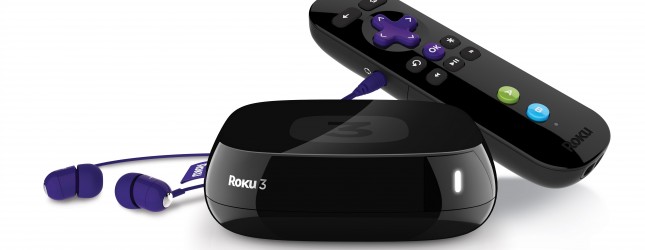
The latest Roku for Android app allows video as well as audio and photos to be streamed to a Roku set-top box – but only for a limited number of devices.
Play your video from select Android devices to your Roku player. Supported models include: Samsung Galaxy SIII, Samsung Galaxy S4, Nexus 4, HTC One, and Nexus 7 (2012 model). Video playback requires Android 4.0 or later …
Expand
Expanding
Close
Google has just announced a pair of new features for its Google+ social network, both of which are centered around sharing and creating more content. First off, Google+ now offers the ability to embed public posts from the service into any webpage. The embedded posts are fully functional and allow readers to +1 and comment on the post, as well as follow the original source. To embed a post, find a public Google+ post and click the drop-down arrow and find the ‘Embed Post’ option. From there, copy the given code onto your webpage and the post will appear.
With embedded posts, site owners can now add your public Google+ posts to their web pages — as a primary source, for example, or to highlight your point of view. Text, photo and media posts are all supported, and the embeds are fully interactive, so visitors can +1, comment and follow you inline.
Also new is integration between Google+ Sign-In and Google’s Authorship program. Now, if you are signed into either a Typepad or WordPress blog with your Google account, any articles you publish will automatically be associated with your Google+ profile. For instance, when your blog posts appear in Google Search or News, your name, profile image, and profile link will all be associated with the post. Currently this functionality is available only to WordPress and Typepad users, though Google is also working with About.com, WikiHow, and Examiner to expand the feature.
Expand
Expanding
Close

http://www.youtube.com/watch?v=2_JQxm53114
Motorola just released a trio of humorous ads touting features of its Moto X phone that don’t come in other phones. Above, highlights the abilities of the Moto X to respond to voice commands without touching the device. Two more goodies below show the shake to camera and quick look features. Both are great.
Expand
Expanding
Close
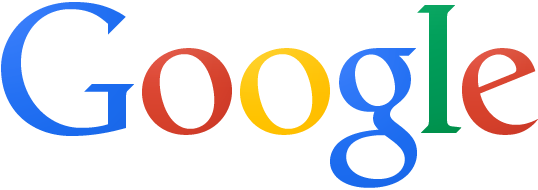
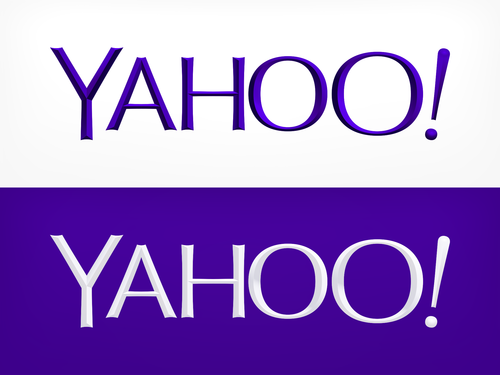
While Yahoo may have bucked the trend for flatter design language with its recent train-wreck of a logo change, Google appears to be staying firmly in the fashionable camp with an apparent new logo spotted in a Chrome for Android beta by arstechnica.
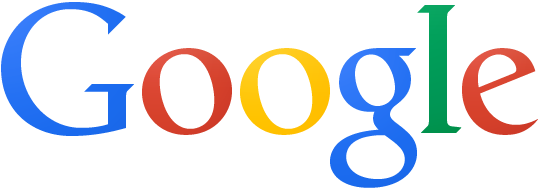
Gone is the old 3D bevelled look with shadow effects, and in is a far simpler 2D image with slightly more pastel-like colors.
The new logo also appears in an images folder on Google’s servers. Ironically, it’s the first logo change since Yahoo CEO Marissa Mayer departed Google.
Compare with the current logo, below:
Update: A person familiar with Google’s branding tells The Verge that this is not a replacement for the company’s traditional logo. Instead, the flatter design is used in instances where the beveled logo may not display well — such as on printed banners or other corporate use cases. The logo in question has been already pulled from where it first appeared in the latest Chrome for Android beta, signaling that the company quickly realized its mistake. Suffice it to say, the Google logo you know and love isn’t going anywhere anytime soon.
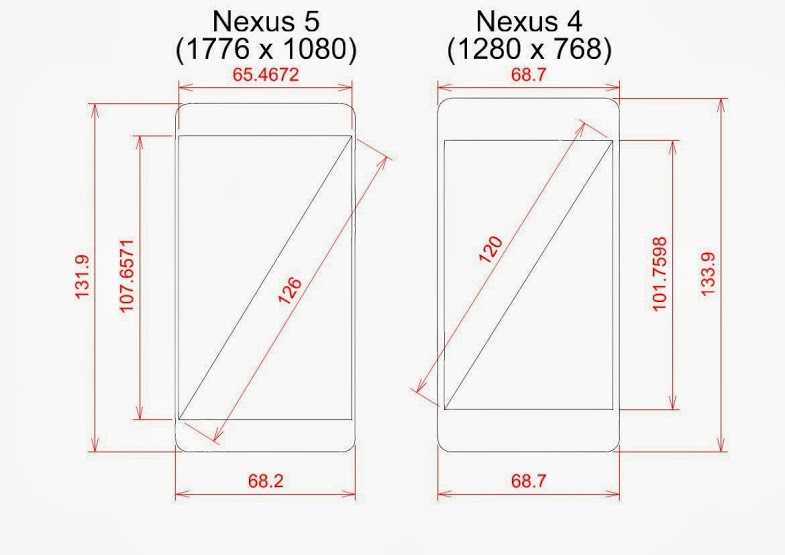
Developer Jack Underwood took the dimensions from the recent FCC approval of the LG D820 that has been pretty much confirmed as the Nexus 5 and compared them to the Nexus 4. The result? Despite a larger screen size with higher resolution, the Nexus 5 is actually smaller in every dimension.
If there were any lingering doubt about the match between the casings shown and the device slipped into the KitKat video, the animated GIF below seems to provide conclusive proof …
Expand
Expanding
Close
Photo: dexigner.com
The on-going saga of the EU’s anti-trust case against Google, accusing it of using its dominant position in search to block competition, continues with Google making fresh proposals to the Competition Commission.
Google’s initial response was to offer to:
After seeking feedback on the proposals from other interested parties (read: Microsoft and others who feel they are unfairly treated), the EU rejected them as not going far enough.
Reuters reports that Google has now offered further concessions, but neither Google nor the EU has yet revealed what these are.
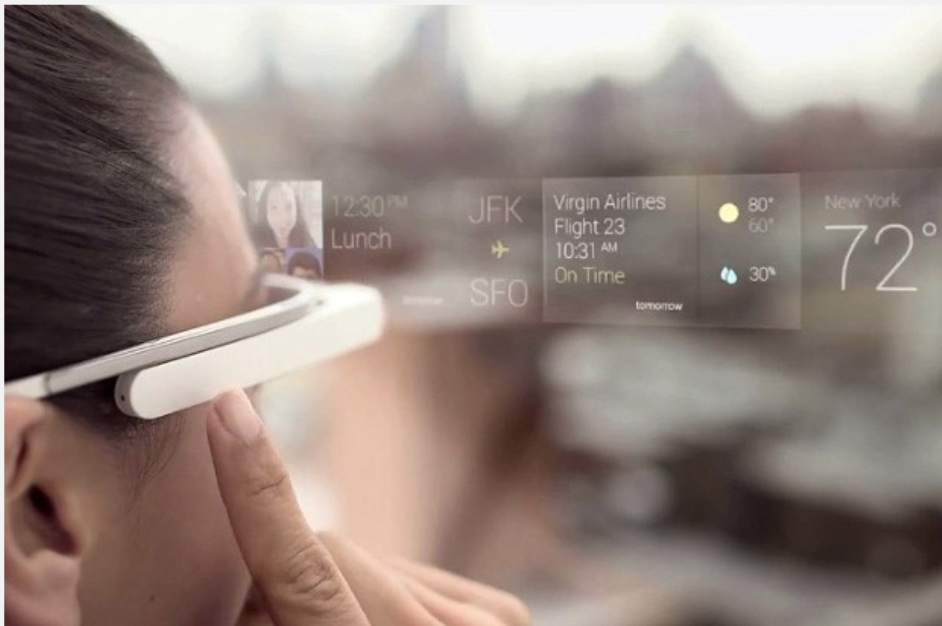
MyGlass, the companion app Google created to allow you to screencast your Glass view to anyone with an Android phone, has now been updated to allow it to control Glass, reports Engadget.
The move was in response to feedback from Glass Explorers that “controlling its UI via swipes, nods and voice commands can sometimes be… awkward” …
Expand
Expanding
Close
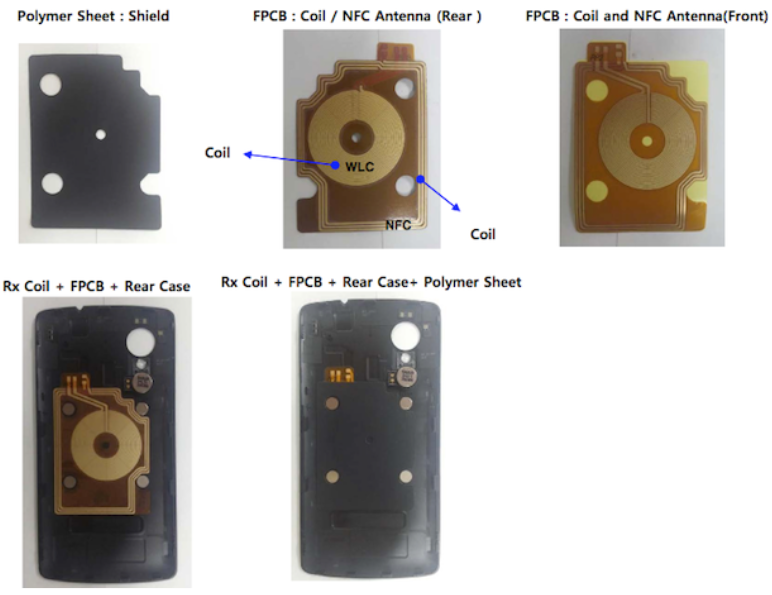
The mystery over whether the Nexus 5 is made by LG or Motorola appears to have been solved by FCC approval documents. The documents refer to the handset as the LG ZNFD820, but all the signs point to this being the replacement for the Nexus 4, expected to be launched in the next month or so. Google recently slashed the price of the existing handset, with the 8GB model going out of stock for good.
It appears to match the video grab we caught earlier this week.
Engadget points out that the casing images appear to be an excellent match for the phone which Google apparently inadvertently included in the KitKat promo video that it swiftly withdrew. The specs also look likely for what we expect to be a significant upgrade to the Nexus 4 …
Expand
Expanding
Close

Earlier today, Google announced its upcoming Android 4.4 KitKat software update. In tandem with the announcement, Google posted a video that showcases the unveiling of the KitKat statue at the company’s headquarters.
At about 38-39 seconds into the video (embedded below), a Google employee is seen taking photos or video recording the statue with an unknown Nexus device (on the left).
<em>Close-up shot, click for larger</em>
The backplate seems similar to that found on the new Nexus 7, and the camera lens appears to be larger than the current-generation Nexus 4. Speaking of the camera, Google executive Vic Gundotra previously hinted at major advances in the Android camera department:
The unannounced phone also appears larger in size, so perhaps the new device will sport a bigger screen.
The next Nexus phone is rumored to debut in Q4. The video below has been pulled since this report was published, perhaps indicating that this was a true leak.
Here’s a copy of the video:
And here’s the new phone blown up:

[youtube=http://youtu.be/OKOrkLxOBoY]
“A beautifully immersive and multi-sensory experience”
“When we set out to create confectionary perfectionary by designing the perfect chocolate bar, we nailed it the first time.”
The above video was posted to KIT KAT’s YouTube channel and parodies the regular tech product videos by talking about the features of a KitKat® in very geeky ways. Nothing is revealed about the upcoming Android operating system Android 4.4 KitKat, but it seems the partnership / promotion platform between KIT KAT and Google is strong.
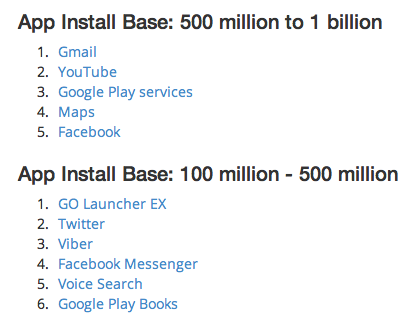
If manufacturers or carriers ever needed evidence that 9to5google is not alone in wishing they’d lay off the overlays, new figures suggest that overlay-killer Go Launcher EX is now the 6th most popular Android app. The app allows you to set your own customised homescreen to replace that set by the manufacturer or carrier …
Expand
Expanding
Close
Google has reportedly acquired WIMM Labs, the company that first introduced us to its 1-inch, Android-powered wearable platform back in 2011.WIMM stopped offering its open Developer Kit for its “WIMM One” platform back in the summer of 2012, noting on its website that it had “entered into an exclusive, confidential relationship” for the technology. According to a report from GigaOm, that’s because Google quietly picked up the company last year to help work on its own wearable products:
At the time, some publications speculated that Apple may have snatched up WIMM Labs to bolster its iWatch efforts, but GigaOM has now learned that the buyer actually was Google. The acquisition was facilitated by Woodside Capital Partners, and it looks like a significant part of WIMM’s staff stayed on to join Google. Most of WIMM’s senior staff still list their original company on their Linkedin profile, but a few have updated it with a mention of their new employer.
The news comes just as Samsung is about to introduce its new Galaxy Gear smartwatch product and as rumors of Apple releasing a smartwatch or similar wearable product continue to heat up. According to the report, which Google is yet to confirm, the talent picked up from WIMM is currently working with Google’s Android team. There is no mention of Google working on a smart watch product specifically, and, while the 1-inch WIMM One platform might be best suited to the wrist watch form factor, there is a possibility Google could put the tech towards other wearable products.
Expand
Expanding
Close
Following an app update earlier this week to the Twitter mobile apps that introduced a somewhat controversial conversation view in the app’s timeline, Twitter is now making a beta of its app available for those interested in testing out the latest beta. It’s likely not a direct response to the backlash Twitter received with the latest update, but at least those interested in testing out the latest new features and UI changes will have the ability to give feedback prior to the public release of future updates. It’s worth noting that the beta will replace your current Twitter app, rather than installing a separate beta version like some Google’s beta apps, but you can return to the public build at any time.
Facebook and Google do it with a lot of their apps, and now you can download the Twitter for Android Experiment by joining this Google group and signing up to become a tester here.
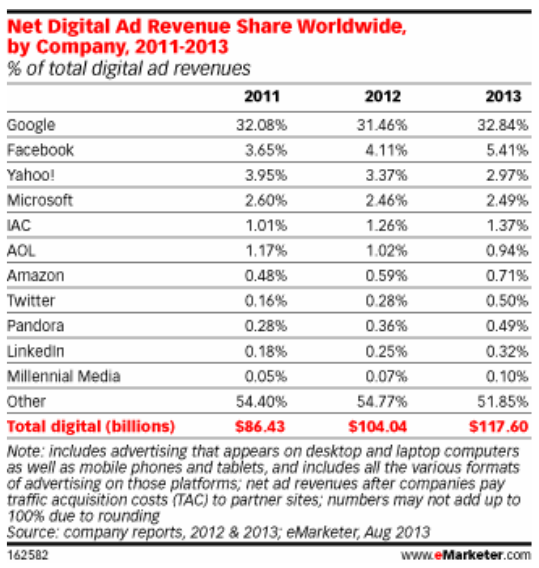
Increased competition in digital advertising doesn’t seem to be hurting Google: the company is on track to increase its market share to almost 33 percent this year, with a commanding 53% in mobile advertising. The projections were made by research company eMarketer based on an analysis of company reports, though both dollar and percentage figures are slightly down on its earlier predictions back in June …
Expand
Expanding
Close

Google updated its Google Maps app today for iPhone and iPad with one new feature on top of the usual bug fixes. With version 2.2.0, users can now share their locations directly to Google+ from within the Google Maps iOS app. Tapping the the share button will now provide a “Google +” option and users can also select specific circles to share with before posting. Previously users could only mail, message, or copy a location to the clipboard.
● Share your favorite places with friends via Google+
● Bug fixes